
Quick Take
- The current world-record spider for speed may not actually deserve the title, a question that comes down to a hotly debated definition. The record dispute explained →
- One physical trait is the single biggest predictor of how fast a spider can run, and it is neither venom nor size. See what drives spider speed →
- Huntsman spiders don't use webs, which means their survival depends entirely on a skill most spiders never develop. Why huntsmen hunt on foot →
- Researchers had to get creative to make some spiders move at all, and the method they used for tarantulas is not what you would expect. How researchers tested the spiders →
Not all spiders move quickly. Some that do have amazing bursts of speed that can startle even the most veteran arachnologists. Few people would expect that spiders could run as fast as a mouse or a chicken. According to a new study, this is the case, as the world’s fastest spider runs eight miles per hour.
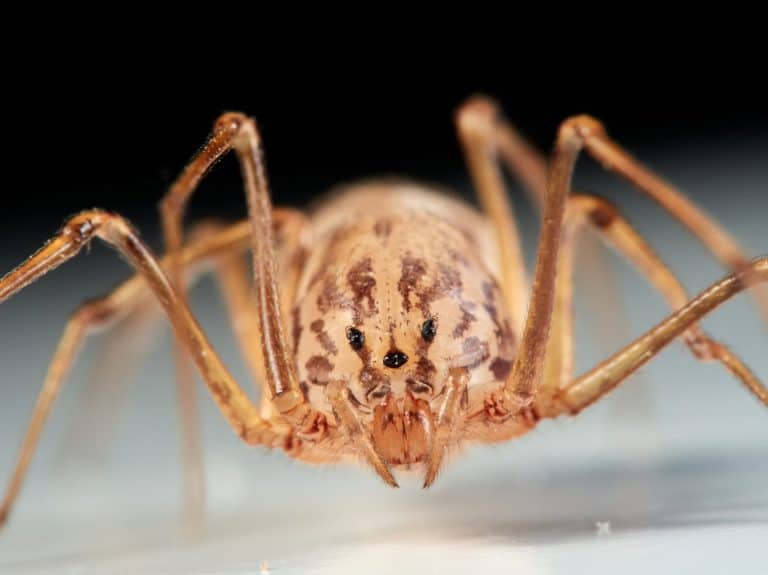
The Huntsman Spider Is the Fastest Spider on the Planet
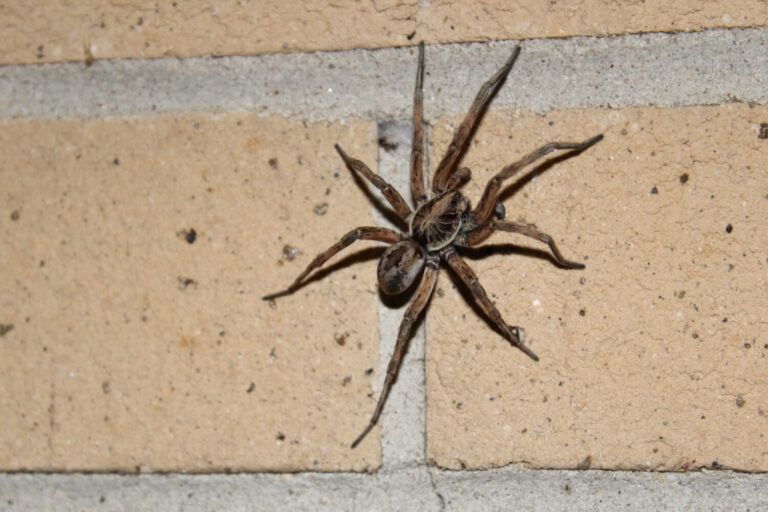
Animals with long legs tend to run faster than those with short legs. Perhaps this is why the world’s fastest spider, the huntsman spider, is so incredibly fast.
According to a new study published in bioRxiv, an Australian jungle huntsman spider has no competitors in terms of speed. Clocked at running at eight miles per hour, the speedy spider leaves all others in the dust.
To determine which spider was the fastest on the planet, researchers from the University of Greifswald, Germany, Imperial College London, and the University of the Sunshine Coast in Australia collected spider specimens from North America, the United Kingdom, Australia, and southern Europe. In total, 162 different spiders were tested for speed in the study.
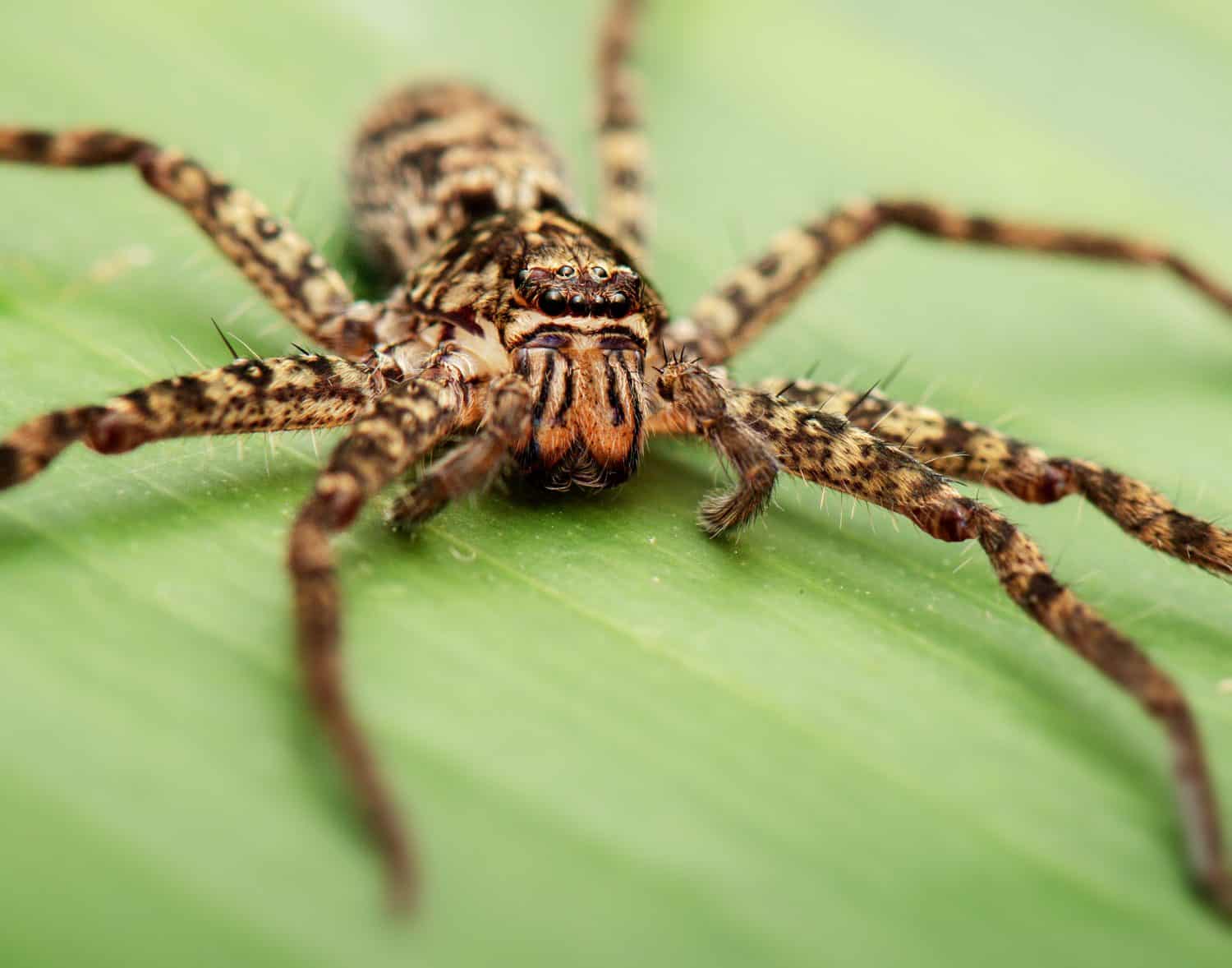
An Australian jungle huntsman spider has been deemed the fastest spider on the planet.
©Rob D Wildlife/Shutterstock.com
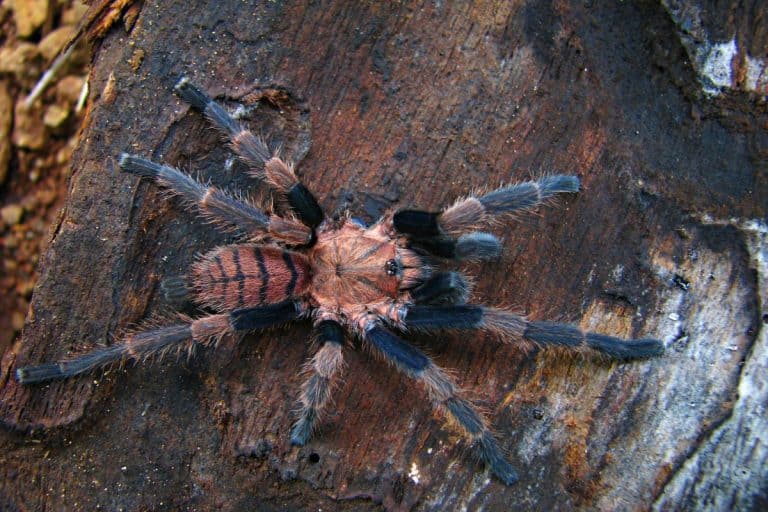
Most spiders were made to run by gently brushing them with a paintbrush. Others had to be persuaded to run with other methods, such as tarantulas that would only move when puffs of air hit their bodies.
It was determined, per the study, that the huntsman spider and other spiders with similar body shapes were the fastest because they had long legs and light abdomens. It did not matter if the spiders spent the majority of their lives upside down or right side up. The longer the legs, the more ground could be covered in a short time.
Researchers Argue the Record Should Be Reconsidered
The current record-holding spider for speed is the Moroccan flic-flac spider. This spider, also a huntsman spider, has acrobatic capabilities that the Australian huntsman spider does not possess. While impressive, experts believe these tumbling feats should not be considered running.
When startled, according to study author Jonas Wolff of the University of Greifswald, flic-flac spiders will tumble away from perceived danger. While fast, the spider is not running.
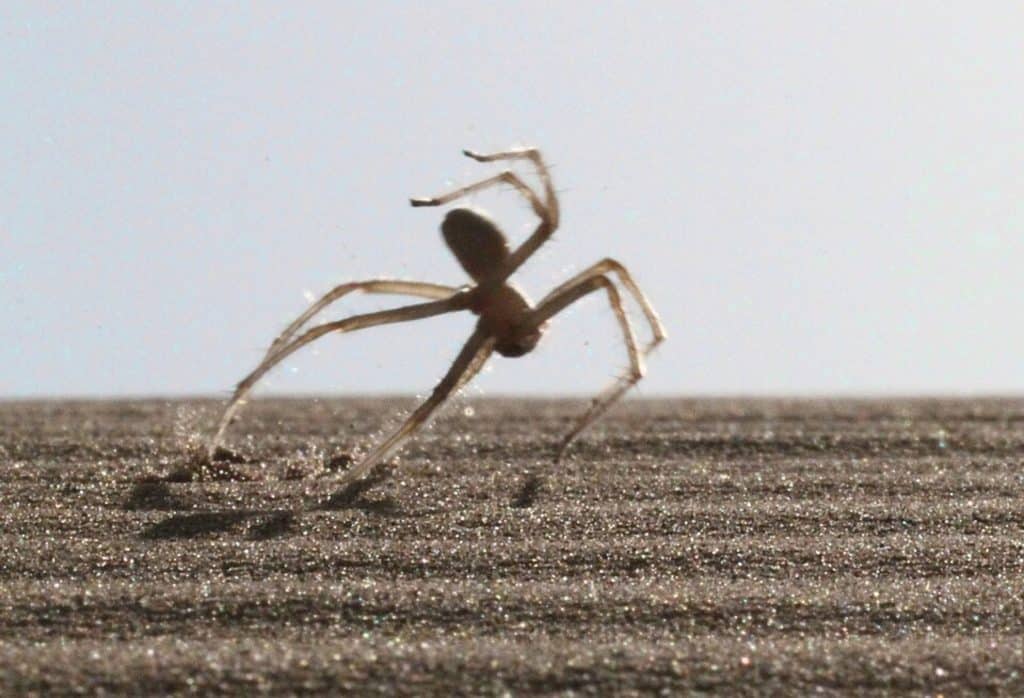
The Moroccan flic-flac spider is the current record-holding spider for speed.
©Ingo Rechenberg – Ingo Rechenberg, Wikimedia Commons, CC BY S.A. 3.0 – Original / License
“The flic-flac is a special type of locomotion,” Wolff explained in a press release. “It is not running and it only works downhill on sand dunes.”
Within the study’s parameters, the flic-flac spider would not be the fastest. Currently, the fastest flic-flac spider on record moves at 3.8 miles per hour. Even with tumbling at a fast rate of speed, this is still slower than the huntsman spider. Therefore, it appears that with this new information, the flic-flac spider is no longer the fastest spider on the planet.
Do Huntsman Spiders Need to Be Speedy?
Many spiders spin webs to catch their prey. Huntsman spiders are not one of those species. Instead, they are active hunters.
Being an active hunter means stealth and speed need to be on the predator’s side. The huntsman spider’s ability to move quickly allows it to successfully capture crickets, cockroaches, and even lizards. Without this speed, huntsman spiders would be far less successful predators.
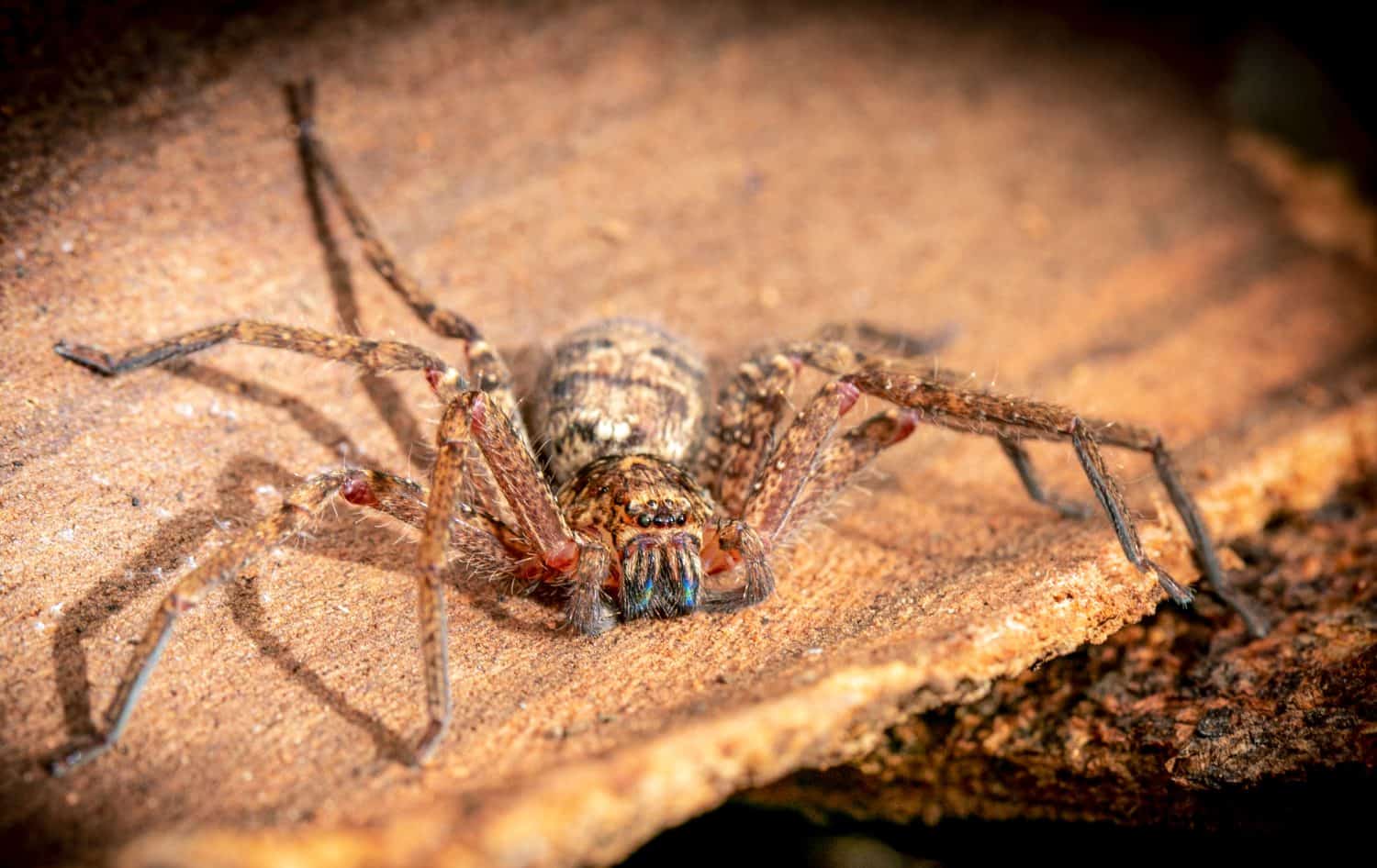
Huntsman spiders need their speed both to catch prey and to run away from predators.
©Pure Heart Stories/Shutterstock.com
Additionally, huntsman spiders are easily startled. They would prefer to seek shelter rather than fight a would-be attacker. Huntsman spiders’ fast-moving legs help them get to safety and tuck themselves away until the perceived threat is gone.
With their long legs and high running speeds, huntsman spiders can be intimidating. However, these spiders are also afraid of predators. So, if one runs across your path, remember that it is not chasing you. It is almost certainly trying to escape or chase prey—not chasing you.