
Quick Take
- Scientists are fighting pythons with pythons, and the approach is working. See the science-based methods →
- These pythons aren't just eating small mammals. Their diet reveals a far bigger threat. Explore the ecological threat →
- Breaking a removal record is only half the story. What the captured snakes contained is the real alarm bell. See the record-breaking results →
- The key to this program's success is targeting one specific window in the python lifecycle, though the timing is not obvious. Discover the breeding season strategy →
Over four tons of invasive Burmese pythons have been removed from Southwest Florida ecosystems during this breeding season. Here’s how this remarkable achievement was accomplished and why it is so important.
Invasive Burmese Pythons in Florida
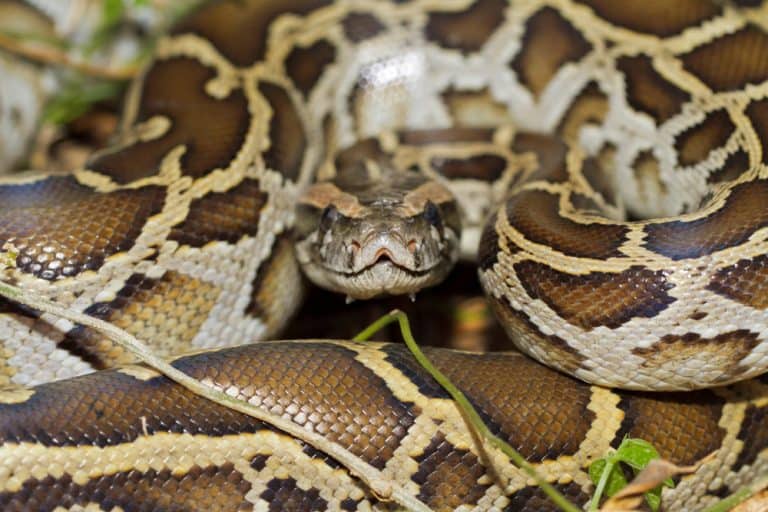
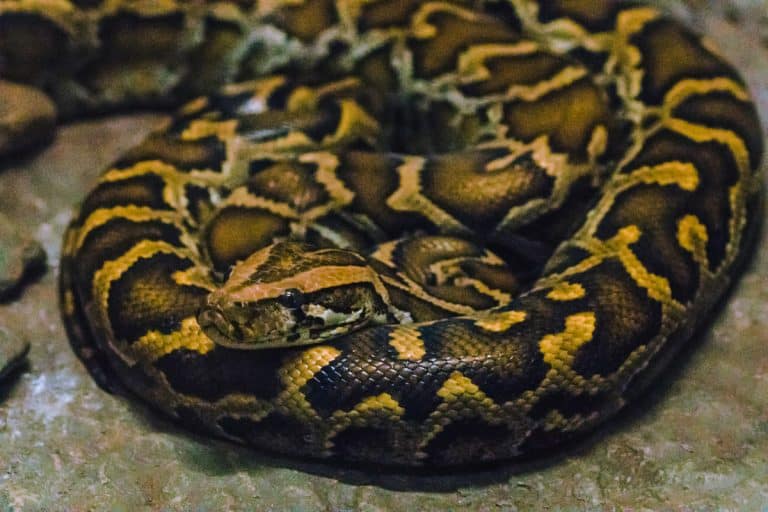
The Burmese python is an invasive species in Florida. Since their introduction in the 1990s, they have caused severe declines in local mammal populations, including foxes and raccoons. However, researchers have discovered that Burmese pythons can also eat much larger prey, putting populations of animals such as white-tailed deer at risk. Currently, there are tens of thousands of Burmese pythons in the state.
Efforts are underway to control their populations, and targeting their breeding season has been a useful approach.
How Were So Many Pythons Removed From Florida?
The Conservancy of Southwest Florida is a leading environmental advocacy organization dedicated to protecting water, land, and wildlife. Founded in 1964, it has grown to become one of Florida’s largest and most respected environmental organizations, working to preserve the region’s unique natural environment and quality of life.
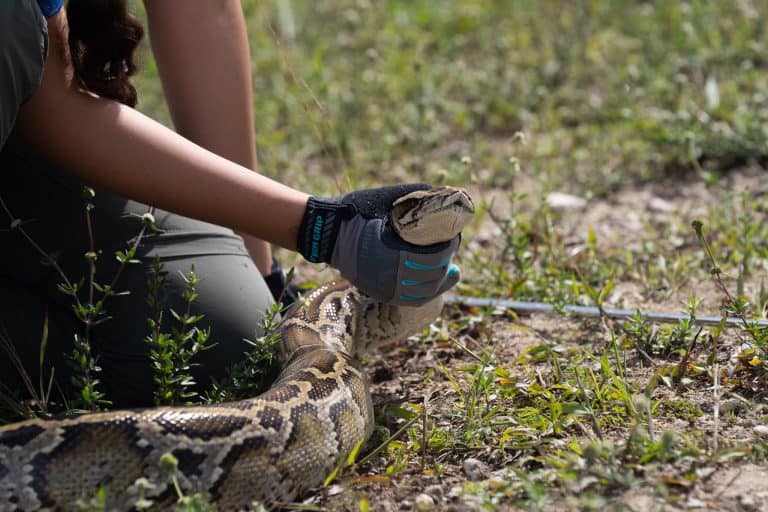
Conservancy scientists monitor Burmese pythons in a 200-square-mile area in Collier County during the breeding season. This lasted from November 2024 to April 2025. They used tagged scout snakes to help them locate large breeding snakes deep in the landscape. Speaking in this news release, Ian Bartoszek, Wildlife Biologist and Conservancy Science Project Manager, said, “These science-based management efforts are suppressing local python reproduction. With continued pressure, we hope to see these removal numbers decline over time.”
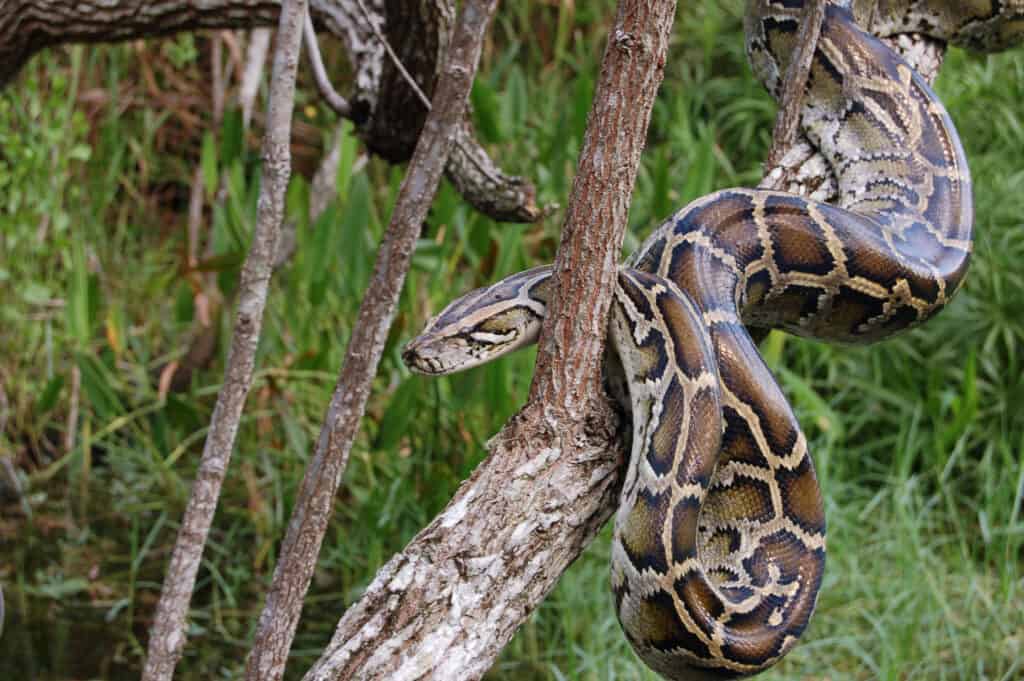
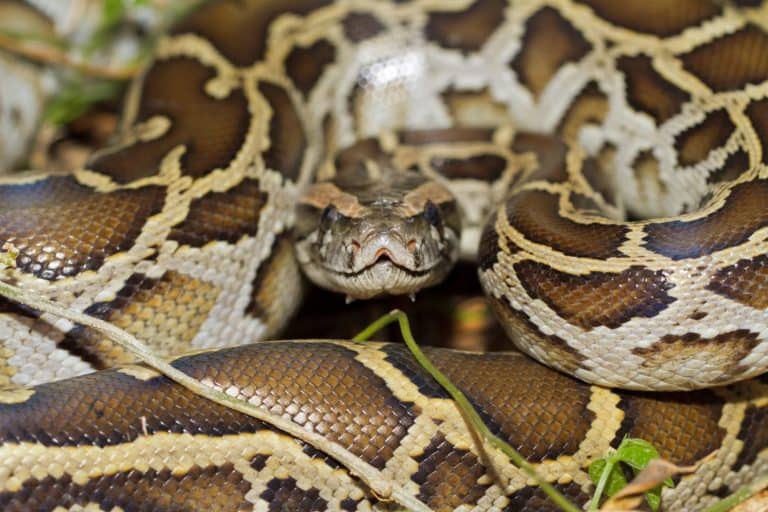
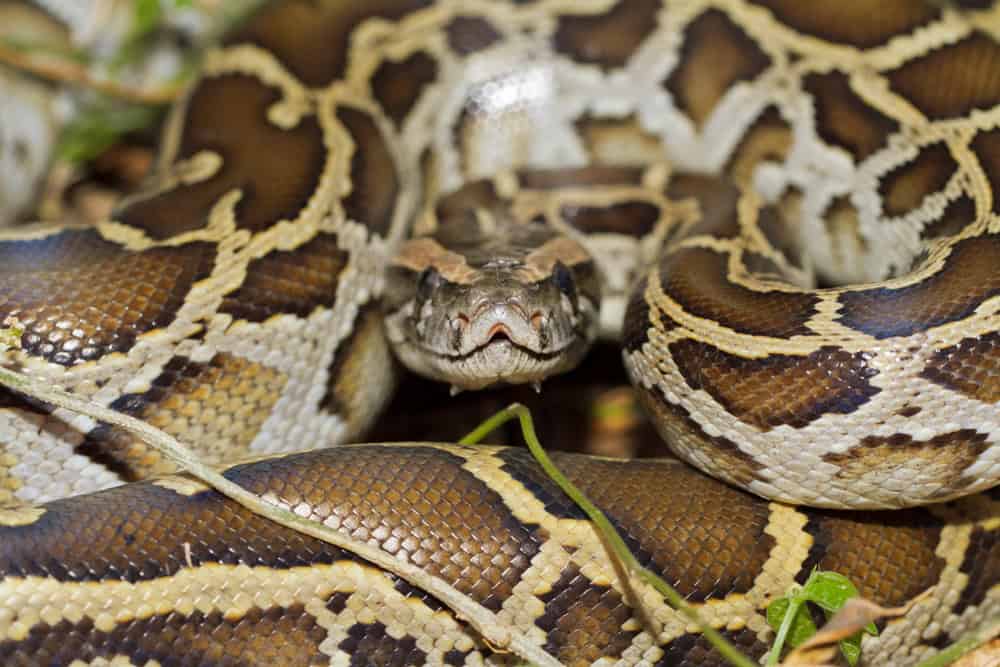
The Burmese python is an invasive species in the Everglades.
©Heiko Kiera/Shutterstock.com
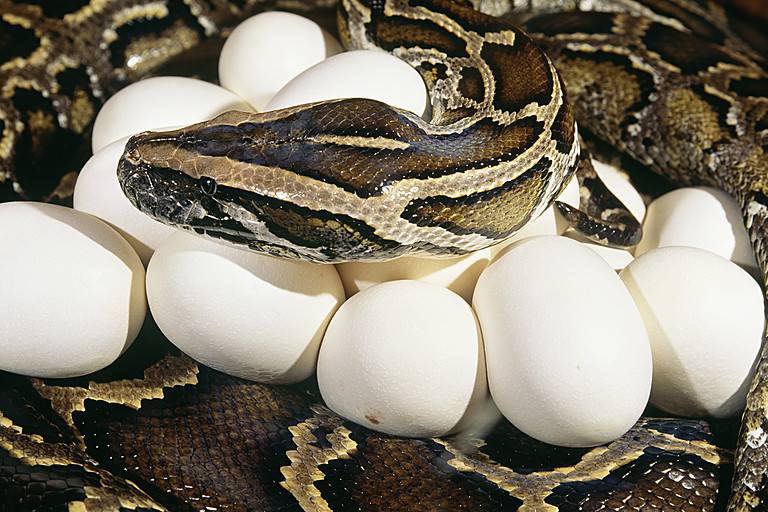
This year, they shattered their own record for Burmese python research and removal. The biologists removed a total of 177 pythons, which together weighed 8,080 pounds. The Conservancy’s removal program, which has been operating since 2013, involves both scientists and volunteers. Once located, the pythons and their eggs are captured and humanely destroyed.
The biologists recorded the average weight of removed females, which was 95 pounds. The largest female removed, however, weighed 153 pounds and measured 17 feet long. On average, each female was carrying 70 eggs. Sadly, a quarter of them contained the remains of white-tailed deer, which reinforces how important this work is.