
Quick Take
- A 6.5% genetic divergence confirms this vibrant insect lived in hiding for millions of years.
- The 658-base-pair fragment of the COI gene exposes why physical traits failed to identify the species.
- Traditional morphology failed to distinguish this new species from the oak carcina known since 1775.
- Researchers required genitalia dissection and 100 specimens to finally end over 200 years of confusion.
Sometimes, a creature unknown to science hides in plain sight without anyone realizing its significance. In the case of one moth found across Europe, despite its vivid colors and striking appearance, scientists considered it to be the widespread oak carcina moth because the two had such an uncanny resemblance. Now, thanks to research by an entomologist in Austria, this vibrant moth has been identified as an entirely new species.
The oak carcina (Carcina quercana) was first recorded in 1775 and has been a well-known and widespread moth species since. All the while, however, a moth with a similar appearance but a distinct lineage was lurking in its midst. Now, that new insect has been formally described in the open-access journal Alpine Entomology and given the name Carcina ingridmariae. Let’s learn more about this brand-new species and how its resemblance to another creature helped it elude the purview of science for centuries.
The Mirage of Morphology
For hundreds of years, scientists have relied on the physical characteristics of animals to classify them. Traits such as wing patterns, coloration, body dimensions, and leg length were the gold standards for defining species in taxonomic terms.
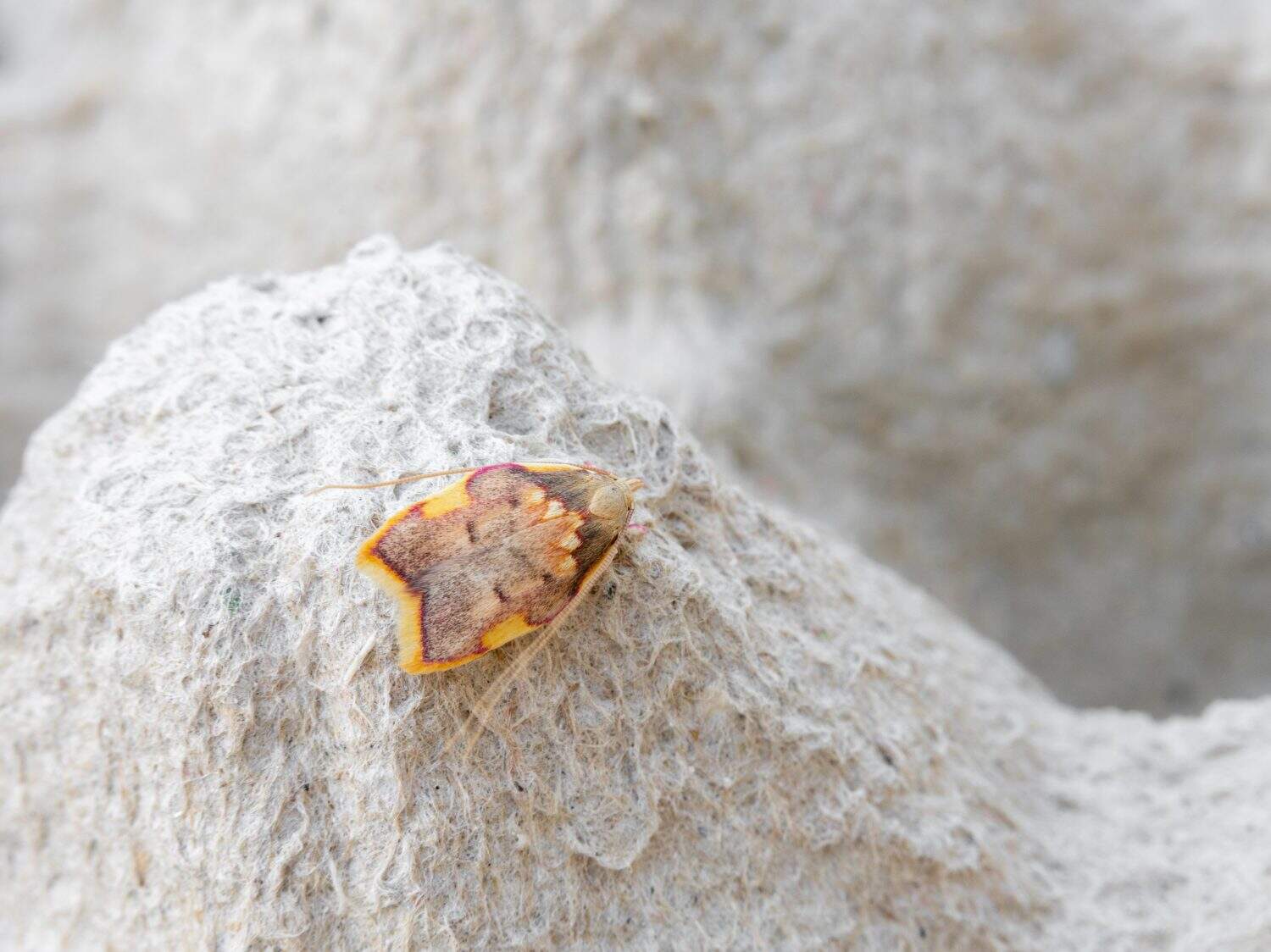
Oak carcinas are a type of moth found in oak forests that has been known about since the late 1700s. This new species represents a genetic relative of the oak carcinas, called Carcina ingridmariae.
©Silvia Dubois/Shutterstock.com
In recent years, however, the notion of cryptic species has been pushed into the spotlight. Cryptic species involve two animal lineages that diverged evolutionarily while maintaining similar outward appearances. This recent moth discovery is a perfect example of a cryptic species. Dr. Peter Huemer, a researcher at Tyrolean State Museum Ferdinandeum, proved that what looked like a single species was actually two distinct species. He formally described the new species in August 2025 and named it in honor of his wife.
Dr. Huemer found that Carcina ingridmariae (named after his wife, Ingrid Maria) exhibited a 6.5% genetic divergence compared to its cousin, Carcina quercana. For a bit of context, humans and chimpanzees have a genetic distance of only about 2% or less. This means that these two moth species have been breeding separately for millions of years.
The New Species
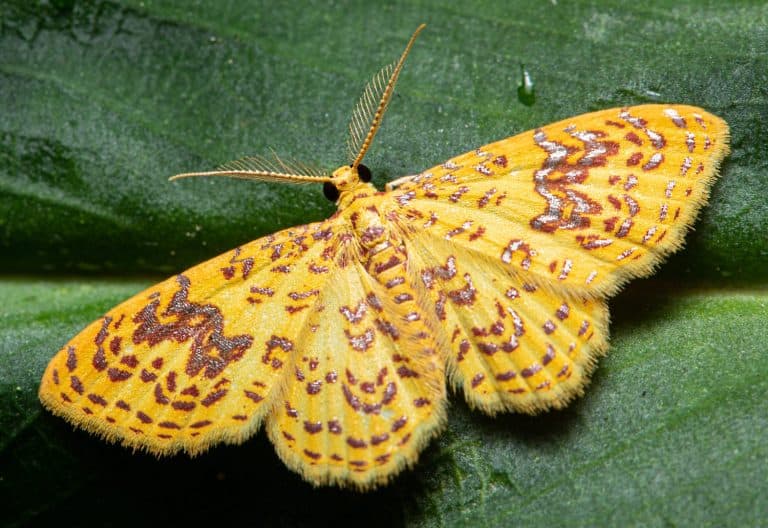
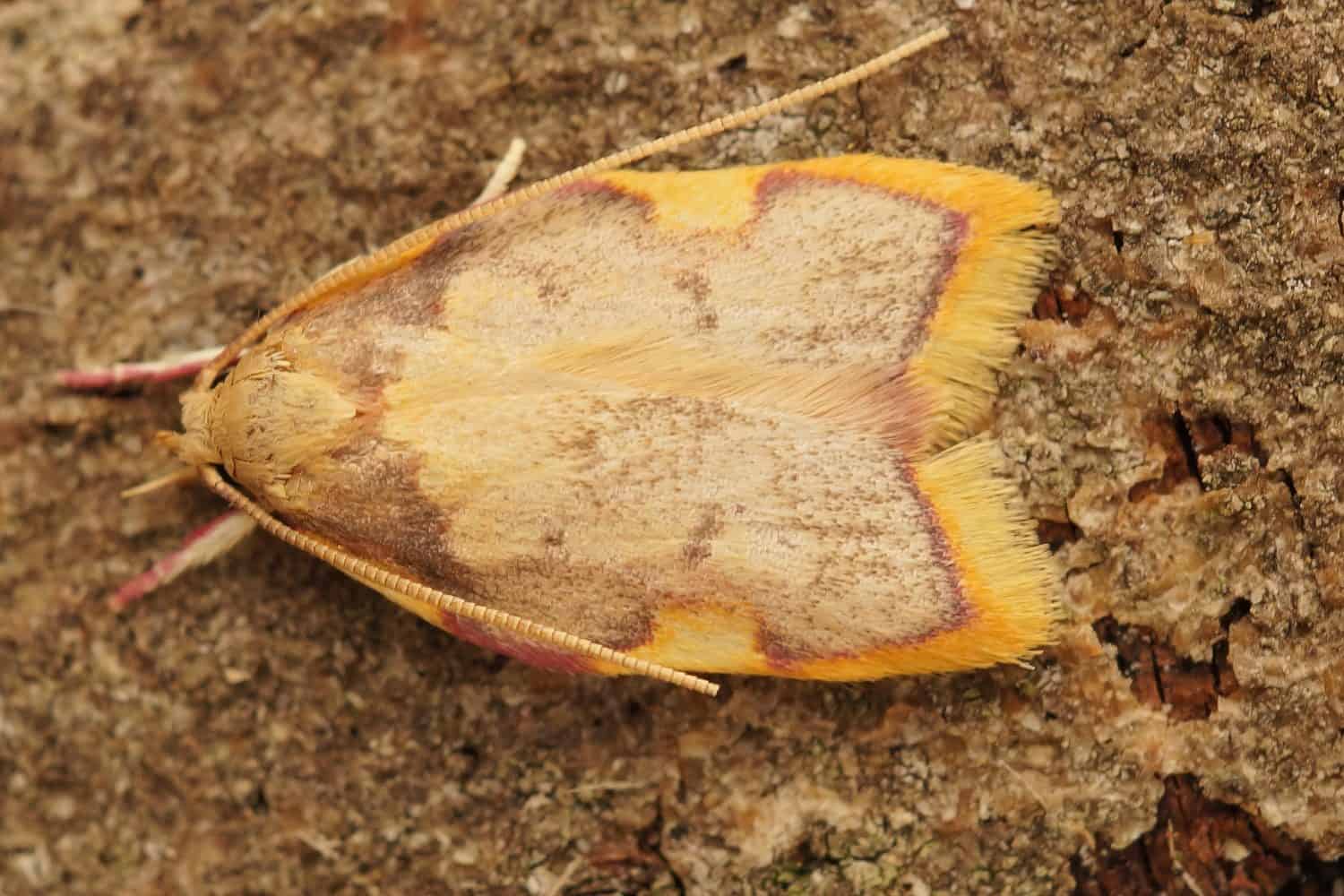
The new moth species features vibrant pink and yellow colors. Its large wings appear soft, almost furry. The species, which has a wingspan of about two centimeters, inhabits various parts of the eastern , including Cyprus, Croatia, Greece, and Turkey. While its caterpillars are believed to subsist on different types of oak trees like its cousin Carcina quercana, the life cycle and full range of Carcina ingridmariae are still unknown to scientists. Any information about this new species would likely have remained unknown without the advent of modern technology.
Cracking the Case
To complete the study, Dr. Huemer collected 100 specimens of Carcina. He pinned, dried, and spread the specimens, then measured the distance from the wing base to the apex using an ocular micrometer. Huemer also dissected and prepared the male and female genitalia from the moths using standard methods.
He then prepared DNA tissue samples (dried legs) from 13 of those specimens for DNA barcoding. This method of analysis uses a standardized short sequence of DNA, such as a 658-base-pair fragment of the mitochondrial cytochrome c oxidase subunit I gene (COI). This serves as a DNA barcode allowing scientists to identify species based on genetic sequences rather than physical appearance.
While some of the analyzed specimens belonged to previously known species of moths, others belonged to a previously unknown species. As Huemer explained at the end of his study, “the new [species] is dedicated to my wife Ingrid Maria, who for so many years accompanied and supported me during field work and long hours of analysis in the laboratory.”
Insect Implications

An innovative DNA barcoding technique has allowed scientists to discover several types of cryptic species.
©gopixa/Shutterstock.com
Such findings raise questions about the evolutionary reasons behind cryptic species. It seems that many animals identify each other using signals more nuanced than mere appearance. Additionally, if an environment demands a certain type of pressure, different species may retain similar forms that are optimized for the environment’s conditions. Other cryptic species may have only recently diverged from a common ancestor.
Whatever the reasons, this new Mediterranean moth is a recent example of cryptic species discovery. The Two-Barred Flasher Butterfly, for example, was once thought to be a single, wide-ranging species. However, DNA barcode analysis has shown that this butterfly is actually a collection of 10 different species in Costa Rica! Even mammals, such as giraffes, are now recognized as four distinct species that do not interbreed in the wild.
Given the vibrant appearance of the newly discovered species, Dr. Huemer knew he had to name it after his wife. The conclusion of the study coincided with their 42nd wedding anniversary. He told reporters, “It is without doubt the prettiest species I have encountered in my long scientific career, even though it is still unnamed.”