
Quick Take
- Mass death of vultures at St. Bernadette School in Ohio is linked to H5N1 avian influenza, per initial lab findings.
- Public health officials treat six or more dead wild birds as presumed positive for HPAI to guide responses.
- Human risk remains very low, and authorities advise avoiding contact with dead birds and reporting unusual wildlife deaths.
In early December 2025, faculty and staff at St. Bernadette School in Pierce Township, Ohio, returned from the Thanksgiving holiday to an unsettling scene: more than 70 vultures lying lifeless across the school’s athletic fields. Spread out over baseball diamonds and grassy expanses, the birds appeared to have died all at once—a mystery that naturally drew concern from educators, wildlife officials, and the local community.
So, What Happened?

Vultures are commonly seen circling open fields, like the one where they were found in Ohio.
©Aitor Lamadrid Lopez/Shutterstock.com
The Discovery
The dead vultures were found on December 1, 2025, when school staff returned after Thanksgiving break to clean up and prepare for students. What they encountered was not the typical orderly campus, but rather a scattered congregation of lifeless black vultures—some on the pitcher’s mound, others in dugouts, or beneath a pavilion.
Vultures are scavengers often seen circling open fields, so their general presence at the school’s athletic grounds wasn’t uncommon. However, stumbling upon such a large number of dead birds in one place was immediately unusual. Local fire officials and health staff were contacted to help assess the situation. With more than 70 carcasses discovered, the sheer scale of the die-off pointed toward a more serious cause rather than isolated accidents or individual illness.
The Investigation
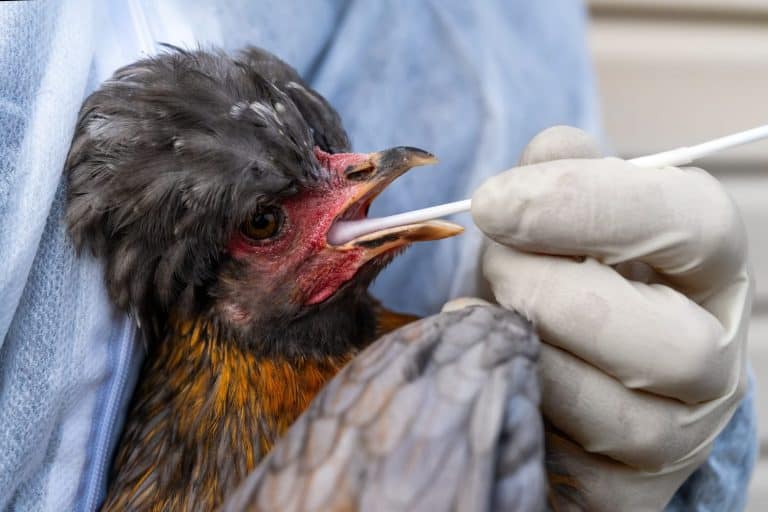
Once officials were alerted, samples from a few of the dead vultures were sent to a state laboratory to check for signs of infectious disease. Those initial lab tests revealed something concerning: two of the birds were presumptively positive for highly pathogenic avian influenza (HPAI), strain H5 (commonly referred to as H5N1), a highly contagious form of bird flu. Though only a subset of the birds was tested, public health and wildlife officials in Ohio treat clusters of six or more dead wild birds as “presumed positive” for HPAI unless proven otherwise. This standard helps guide how responses are handled, especially when an outbreak is suspected in wildlife.
Bird flu is not new to the U.S. It has been present in wild and domestic birds throughout the country since at least 2022, and outbreaks have been documented across the Northeast, Midwest, and into the South. The current H5N1 strain can spread rapidly among bird populations, and while infections in humans are very rare, public health guidance typically urges people to avoid contact with sick or dead birds just to be cautious. Officials emphasize that, at this time, the risk to the general public remains low, and there is no sign of a broader outbreak affecting people in Ohio.
Why Vultures?
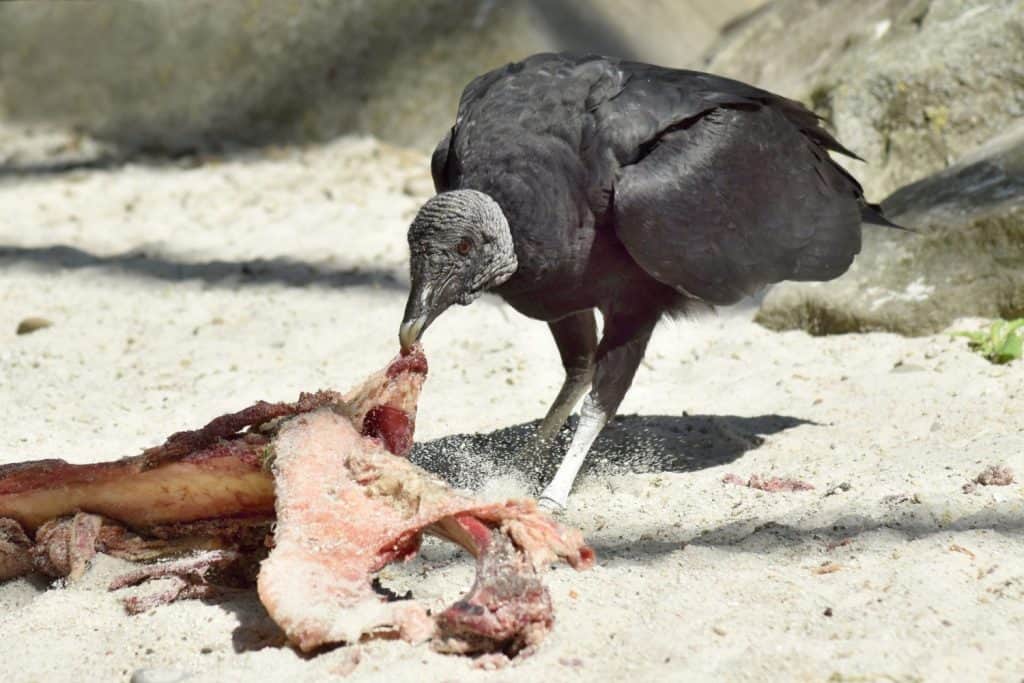
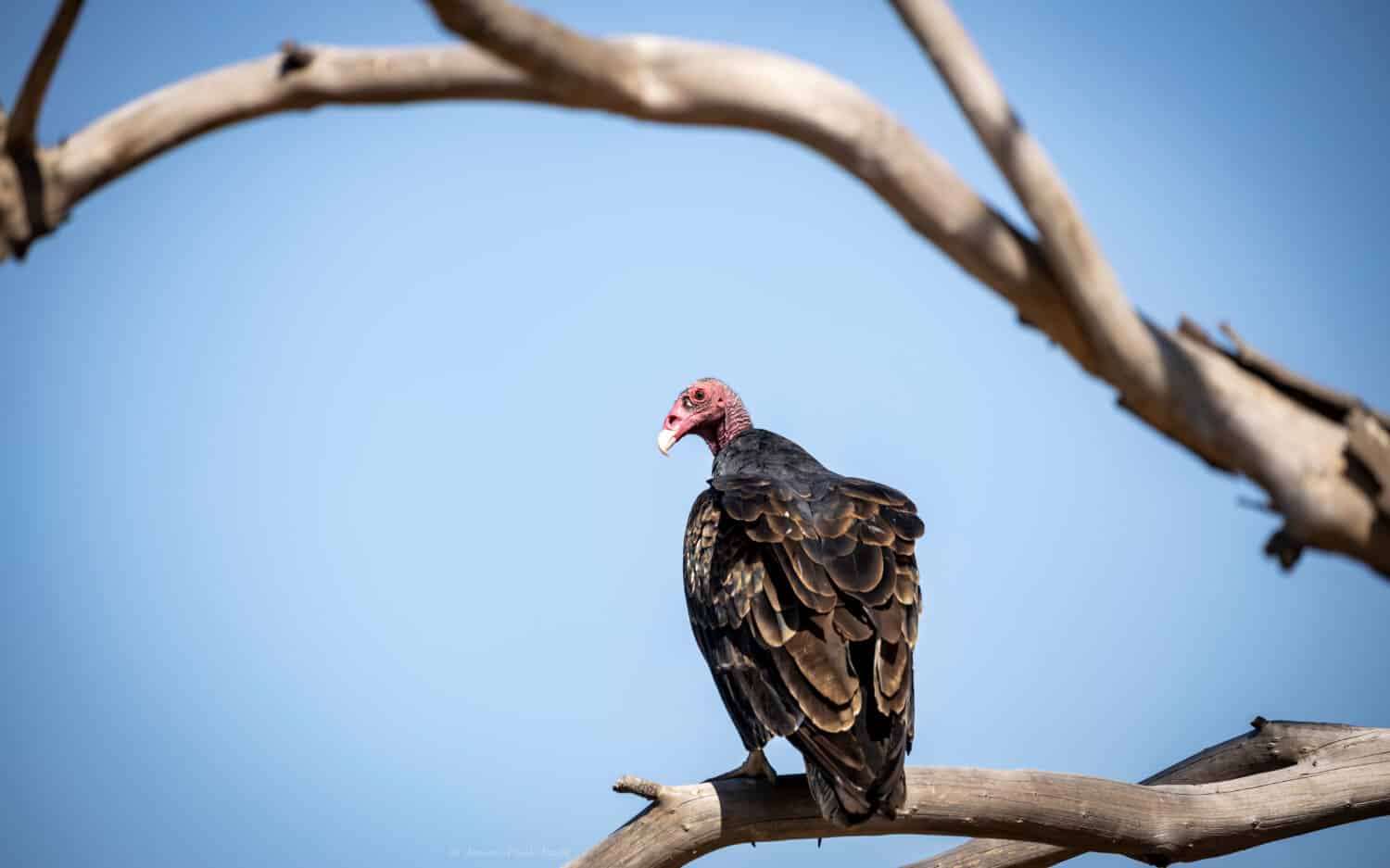
It’s possible the vultures were made sick by diseased carrion.
©Petr Szymonik/Shutterstock.com
To better understand the event, it’s important to know more about vultures themselves. As scavengers, vultures play a crucial ecological role by consuming carrion (dead animals) that could otherwise spread disease or decay slowly. In North America, there are two main types of vultures: black vultures and turkey vultures. Both species are common across much of the United States, and Ohio sees sizable numbers, particularly in rural or semi-open areas where roadkill and other carrion attract them.
Vultures have digestive systems adapted to handling bacteria and pathogens, which is why they are so effective at cleaning up dead animals in the wild. Yet, as the St. Bernadette School incident shows, even these hardy scavengers are not impervious to serious viruses like HPAI.
What makes the mass death at St. Bernadette School especially notable is not just that the vultures died, but that so many died in one place and over a short period. While bird flu can spread when infected birds come into contact with each other or with contaminated environments, the fact that over 70 vultures died in one location suggests an unusually intense event—though investigators are still unsure of the exact cause.
How Bird Flu Works

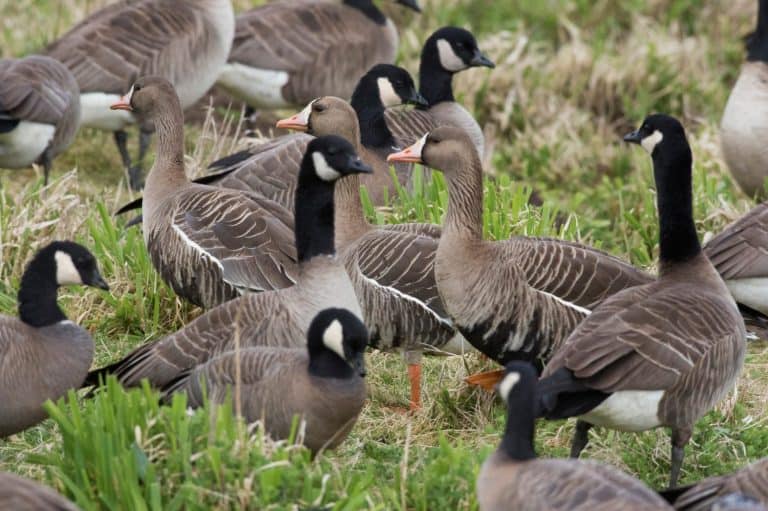
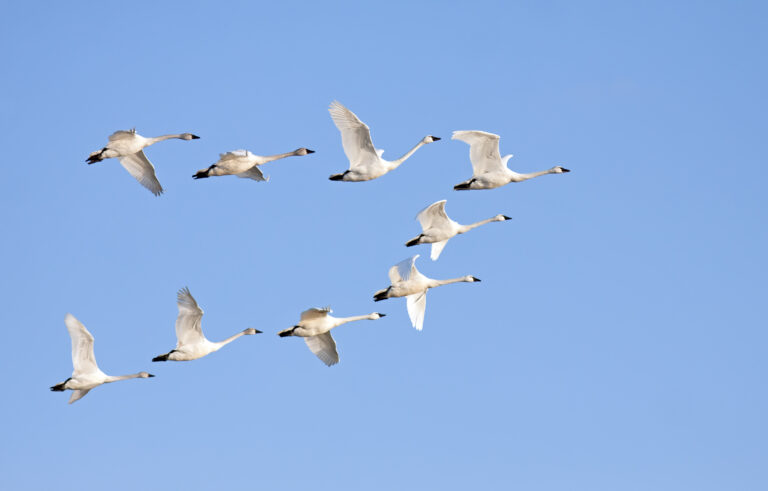
Waterfowl are considered “natural reservoirs” for bird flu.
©Aqeela_Image/Shutterstock.com
Avian influenza viruses circulate worldwide. Wild waterfowl—ducks, geese, and swans—are natural reservoirs, meaning they can carry the virus without always getting very sick. From these reservoir hosts, the virus can spill over into other bird species, including raptors and scavengers like vultures.
Transmission can occur when birds share water sources, feed in common areas, or come into close contact with infected droppings or respiratory secretions. In the case of the vultures at the school, it’s possible that a shared food source or communal roost triggered a chain of infection, although investigators are still piecing together the precise route of spread.
A Sad Reminder
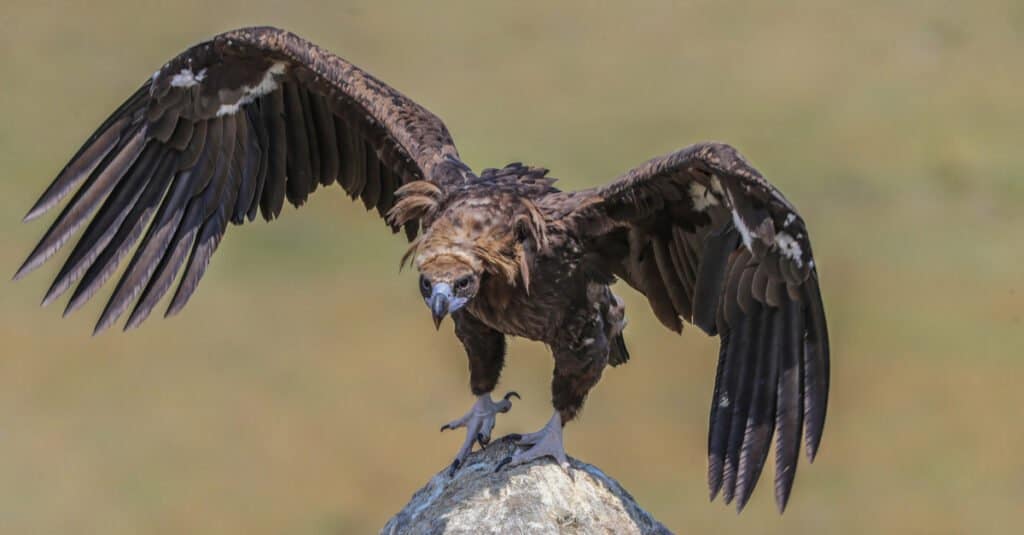
Vultures have a scary reputation, but they play an important ecological role.
©yabaninizinde/Shutterstock.com
The mass death of these vultures at the Ohio school may seem like an isolated incident, but avian influenza has had wide-ranging impacts on bird populations across the United States and beyond. Poultry farms have seen massive losses from HPAI outbreaks, and wildlife responders have reported infections in raptors, waterfowl, and other birds.
Human cases remain rare; transmission from wild birds to people is very uncommon, especially when proper precautions are taken. Still, public health officials generally advise avoidance of direct contact with dead or sick birds and recommend reporting unusual wildlife deaths to local agencies.
While the sight of dozens of dead vultures on a school campus was shocking, the investigation into the St. Bernadette School incident ultimately points to a familiar but sobering reality: diseases like avian influenza continue to circulate among wild birds, occasionally revealing themselves in dramatic ways. While the sudden death of dozens of birds is tragic, the event serves as a reminder of the important ecological role vultures play and the need to monitor wildlife health.