Quick Take
- A pit viper bite is already a medical emergency, and misidentifying the species could make it far more dangerous. Why misidentification matters →
- The evidence exposing five hidden species had been sitting in museum drawers for over a century, and why no one recognized it sooner turns out to be more surprising than the discovery itself. Why it took 160 years →
- Old museum specimens were supposed to be historical records, but it turns out they were something far more powerful. How museum specimens revealed secrets →
- Being classified 'least concern' made sense when there was only one species, but now that there are five, that status may no longer hold for all of them. See the conservation concerns →
Himalayan pit vipers are not often seen. However, like other pit vipers, they can be deadly if encountered. Knowing the species of snake encountered is key to life-saving measures after a bite. But what if a species, such as the Himalayan pit viper, had been misidentified?
It turns out that what was once thought to be a single species—the Himalayan pit viper—actually consists of five distinct species that were previously grouped under the same name. Thanks to modern technology, the once mysterious snake is revealing its secrets, giving scientists the best insight they have had into the species since its discovery.
Mysterious Himalayan Pit Viper Is Not One Species, But Five
For 160 years, the Himalayan pit viper was seen as one species and one species alone. At first glance, all specimens collected and observed over the decades looked to be one and the same. However, looks can be deceiving.
According to a new study published in ZooKeys, the Himalayan pit viper is not a single species but five.
In 2022, scientists described Gloydius chambensis as a new species distinct from the Himalayan pit viper. Little did scientists realize when they began DNA analysis of museum specimens that the number of Himalayan pit viper species would grow. Subsequent DNA analysis and research, published in 2024, revealed that what was once considered a single species actually comprises five distinct species.
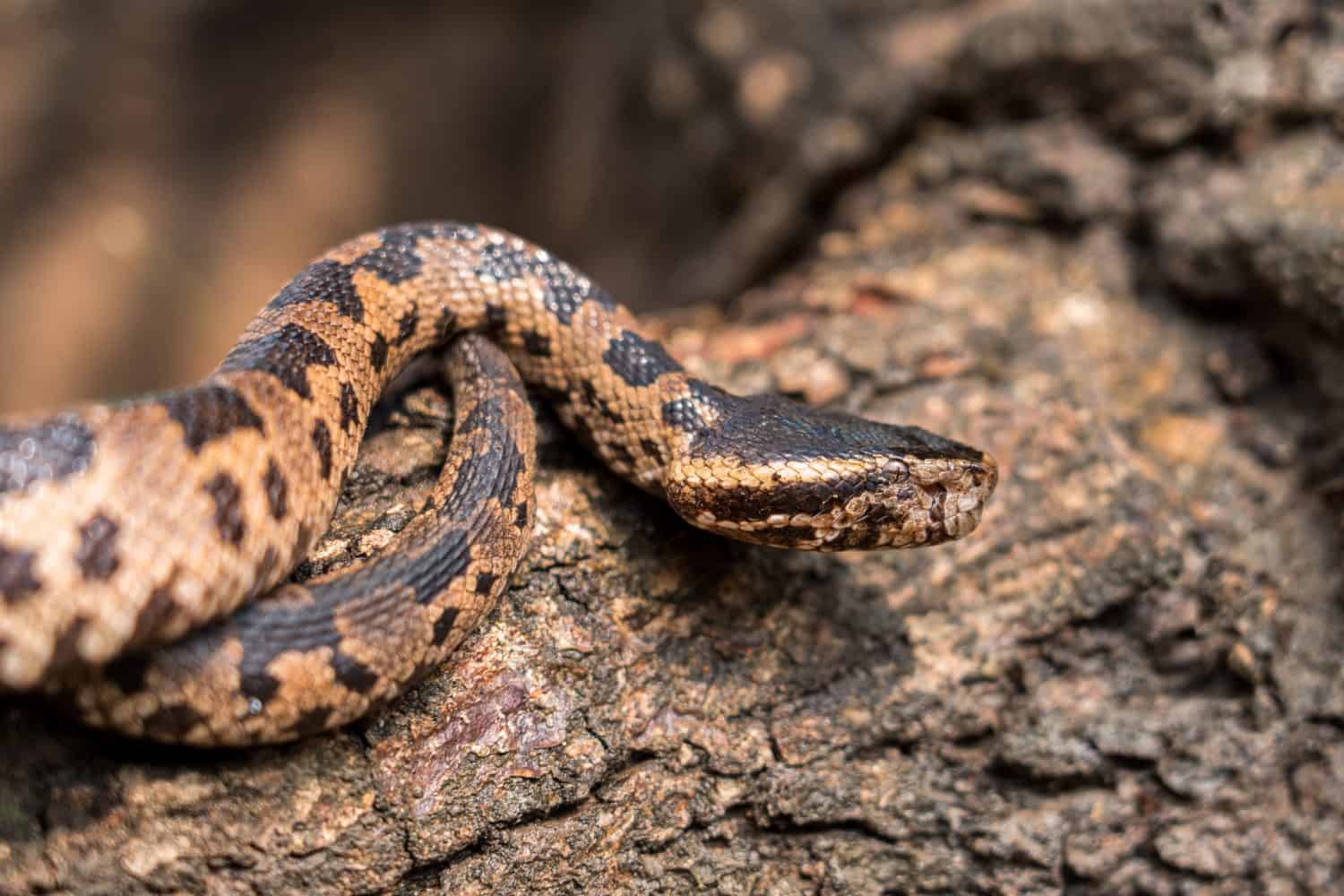
Once believed to be one species, the Himalayan pit viper is now five.
©Ton Ponchai/Shutterstock.com
All five species look remarkably similar. They range from light to dark brown, with dark markings on the upper portion of their bodies. Their undersides are light gray, with spots along the belly. However, upon closer inspection, each species varies slightly from the others.
Additionally, each species inhabits a different part of the Himalayan Mountains. The different ecosystems led each species to evolve differently, with distinct evolutionary changes evident in their skeletal structures. While still a mystery, more has been learned about the Himalayan pit viper in recent years than was known over the past century.
How Were the New Species Identified?
At the time the Himalayan pit viper was discovered, specimens were collected and brought back to museums. Curated in the 19th and 20th centuries, many of the specimens had been sitting, waiting in plain sight for decades or longer.

The comparison of DNA from field and museum samples helped scientists to determine that the Himalayan pit viper was indeed five species.
©ADITIDESHP – Original
In the past, there was no way to compare DNA from specimens collected long ago. According to Sylvia Hofmann from the Museum Koenig, who has worked extensively in the Himalayan mountains, it took a technological breakthrough and the comparison of historical specimens with current field samples to reveal the biodiversity within the species. Now, with evolving technology, DNA from both historical and current specimens can be compared to determine differences between species of Himalayan pit vipers. Hofmann says that scientific breakthroughs like this will become more commonplace.
“Museum specimens are not just records of the past. They are active research tools and essential infrastructure for future science,” Hofmann explained in a news release. “Some of the key evidence had been sitting in museum collections for more than a hundred years. We just didn’t have the tools to recognize it. As analytical methods continue to improve, the scientific value of these collections will only grow and revealing biodiversity we didn’t even know was there.”
Why the Himalayan Pit Viper Remained a Mystery for So Long
The Himalayan pit viper was first described in 1864 by British zoologist Albert Günther. Since that time, it has been believed that the viper was just one species. Much of this is because the Himalayan pit viper is a mysterious species about which little has been learned in the more than a century since its discovery.
The Himalayan pit vipers live in one of the highest regions on Earth. At an elevation of over 16,100 feet, little is known about the habitat in which the pit vipers live, let alone the species. Reaching the Himalayas is only part of the challenge in studying the pit vipers. Because they tend to be reclusive, finding even one—let alone one of each species—is a difficult task.
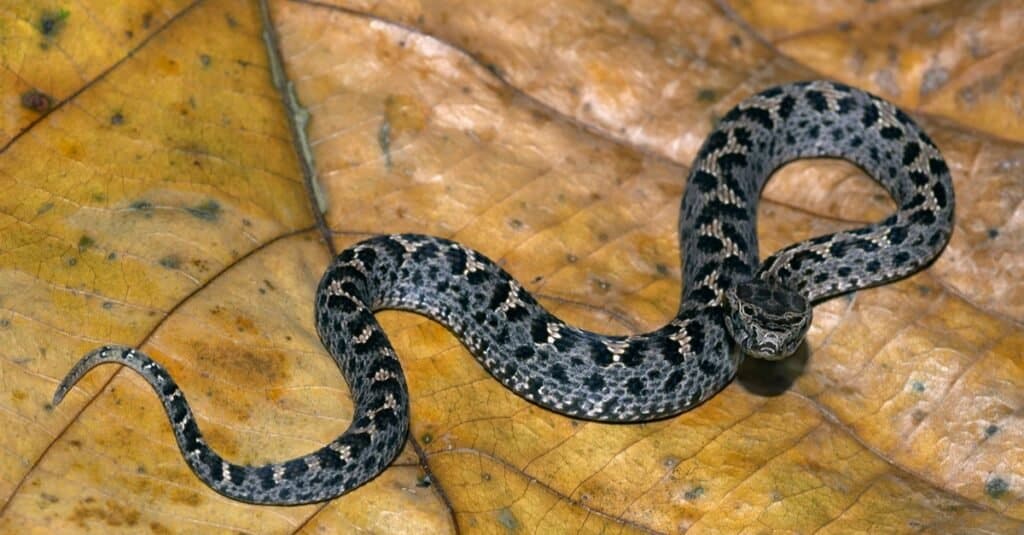
Himalayan pit vipers live in the highest regions of the Earth, making them difficult to study.
©iStock.com/ePhotocorp
Himalayan pit vipers are not the only poorly understood group of species. It is believed that thousands of species yet to be discovered live in the same ecosystem as the vipers. According to Rafaqat Masroor, one of Pakistan’s leading herpetologists, the mountains hold biological mysteries that have yet to be uncovered.
“Pakistan’s high mountains are still full of biological surprises,” Masroor said in a news release. “This finding highlights how little we still know about a region long shaped by socio-political instability.”
Additionally, when the first Himalayan pit viper was described, Günther did not provide complete details about the variations he observed among the vipers. As the study points out, it can be difficult to recognize that the Himalayan pit viper is not a single species, given how similar the snakes’ colorations and patterns are. Perhaps, had more variations been described when they were recognized, the identities of the pit vipers would have come to light earlier.
Threats Himalayan Pit Vipers Face Today
Before the Himalayan pit viper was split into five distinct species, the original species (Gloydius himalayanus) was classified as ‘Least Concern’ by the IUCN. The newly recognized species have not yet been individually assessed for their conservation status.
The snakes face threats today that they did not in the past. How this will affect their future survival depends on the conservation efforts put forth to save them.

Himalayan pit vipers are threatened by habitat loss, fragmentation, and climate change.
© – Original
The threats that Himalayan pit vipers face today include:
- Habitat loss
- Habitat fragmentation
- Climate change
To keep Himalayan pit vipers from going extinct, continued conservation of the alpine meadows and rocky outcroppings they call home will be required. This means that everything from agricultural expansion to new infrastructure or increased tourism in the Himalayas needs to be carefully monitored to ensure the snakes’ habitat is not negatively impacted, allowing these mysterious snakes to continue to thrive—now as five separate species.