
Quick Take
- Vultures' stomachs can neutralize pathogens that would kill most other animals, and the mechanism behind this ability has surprising implications for human health. Explore their stomach biology →
- Losing a single scavenger species triggered a public-health catastrophe that killed hundreds of thousands of people, and the unlikely cause was a common livestock drug. See the diclofenac disaster →
- The bird most associated with death may be one of the reasons more people aren't dying. See how vultures save lives →
Vultures are frequently treated as filthy, ominous scavengers. However, their digestive systems are quite impressive—and helpful for the environment. They allow the birds to consume carrion containing pathogens that would sicken many other animals. By removing carcasses rapidly, vultures can alter how organic waste, disease agents, and competing scavengers move through an ecosystem.
However, the birds’ instinct to feed on livestock has been their demise in the past. In fact, back in the 1990s, Asian vulture populations collapsed after exposure to veterinary diclofenac in animals previously treated with the drug.
Keep reading to learn more about vultures as a public health defense, as well as the cascading ecological and human-health concerns related to their downfall.
Vultures As a Public Health Defense
Disgust certainly can obscure essential ecosystem services. While vultures get a bad rep for being unsanitary creatures, they actually play an essential role in our environment.
For example, odds are you’ve witnessed a vulture consuming a carcass on the side of the road. But did you realize how beneficial their behavior actually is? The birds act as a natural waste disposal, recycling nutrients back into the soil and preventing local contamination.
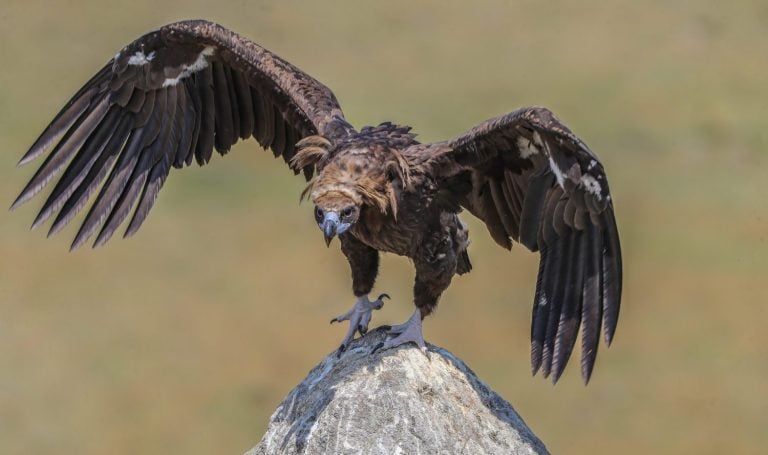
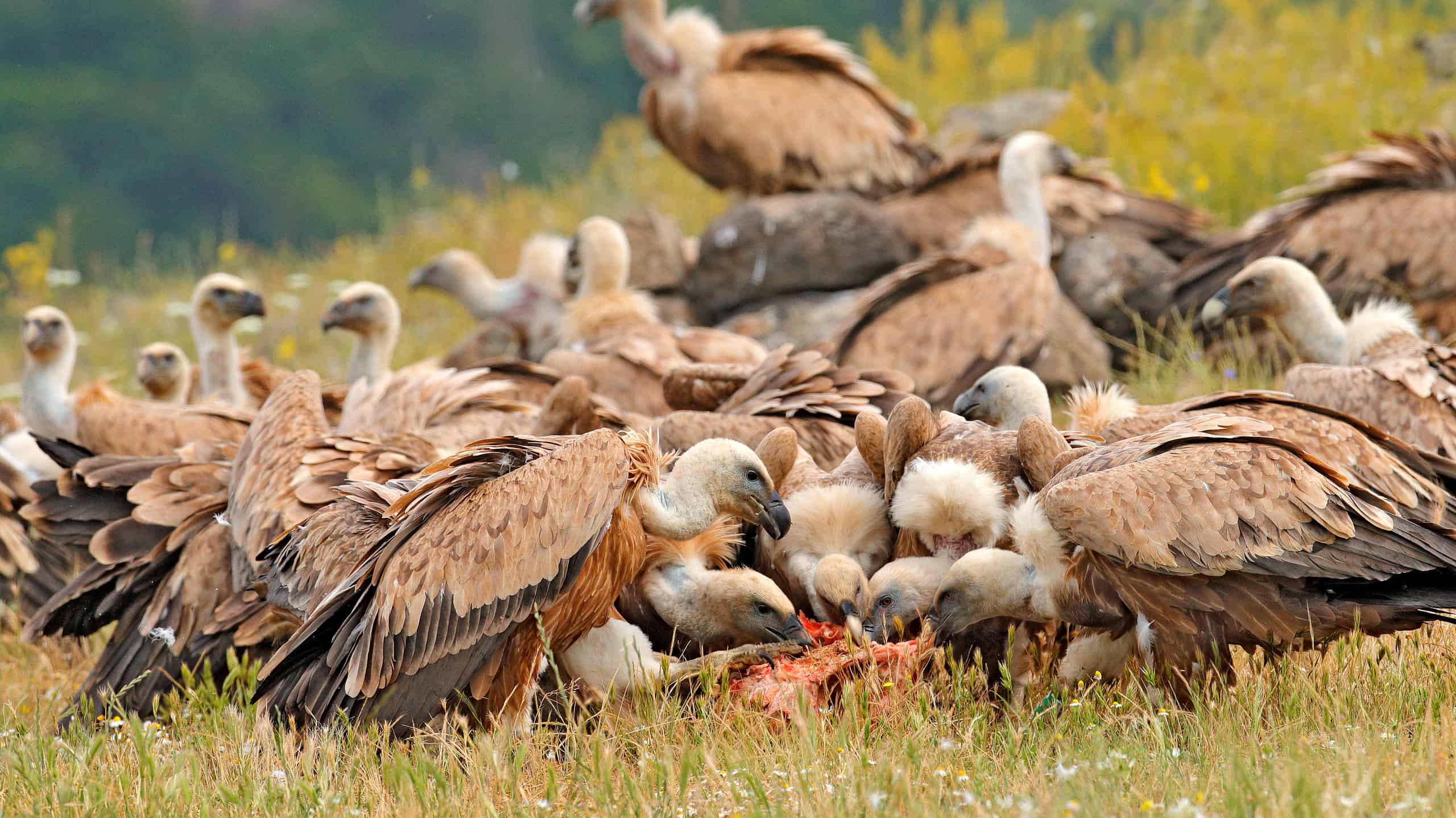
Vultures often get a bad reputation for being filthy, but they actually help keep us safe from pathogens.
©yabaninizinde/Shutterstock.com
Vultures actually help reduce the spread of disease. They consume the dead animal before a rat or fox can eat it. These mammals could potentially pass disease along through their feces or other bodily fluids. Due to their highly acidic stomachs, vultures can safely digest dangerous pathogens that might infect and often kill other animals—even humans, in extreme cases. Their digestive systems kill these pathogens before they can spread.
Indian Vulture Crisis and Its Impact on Human Mortality
According to The Washington Post, the populations of three vulture species dropped more than 100-fold. They went from roughly 4 million to 32,000 between the years 1992 and 2007. The cause? Consuming livestock that had been treated with diclofenac, an anti-inflammatory painkiller.
According to a research article on the topic, “Widespread use of the non-steroidal anti-inflammatory drug (NSAID) diclofenac to treat livestock has resulted in dramatic declines in the populations of vultures across India.”
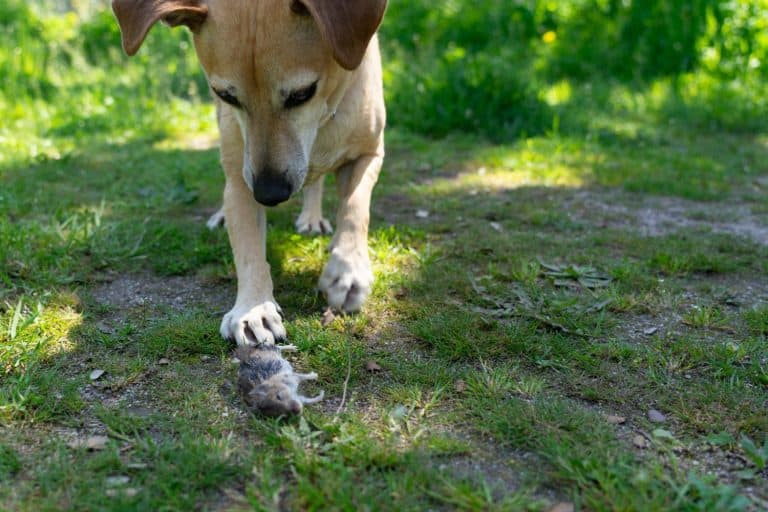
“This has become an issue of considerable concern as vultures are a keystone species and their decline has a range of socio-economic, as well as cultural and biodiversity impacts,” the researchers wrote. “Livestock carcasses provide the main food supply for vultures and are also eaten by dogs. Dogs are the main source of rabies in humans in India, and their populations have increased substantially in parallel with the vulture decline. The potential human health impact of rabies associated with the vulture decline is found to be significant.”
In turn, this also led to human fatalities—around 500,000 deaths. The Washington Post article also cited a paper recently published in the American Economic Review. The researchers noted that “the functional extinction of vultures … increased human mortality by over 4% because of a large negative shock to sanitation.”
Needless to say, vultures are vital to nature and public health.