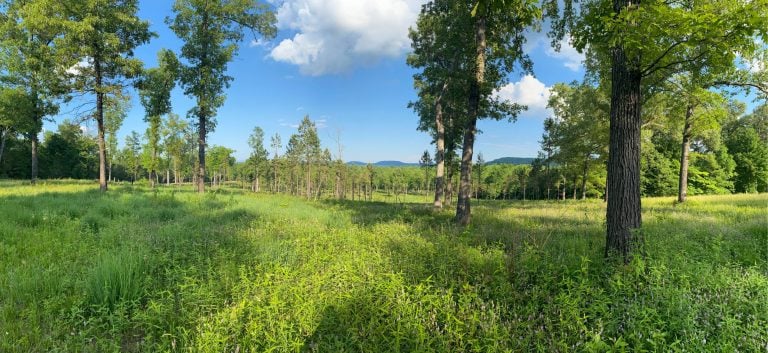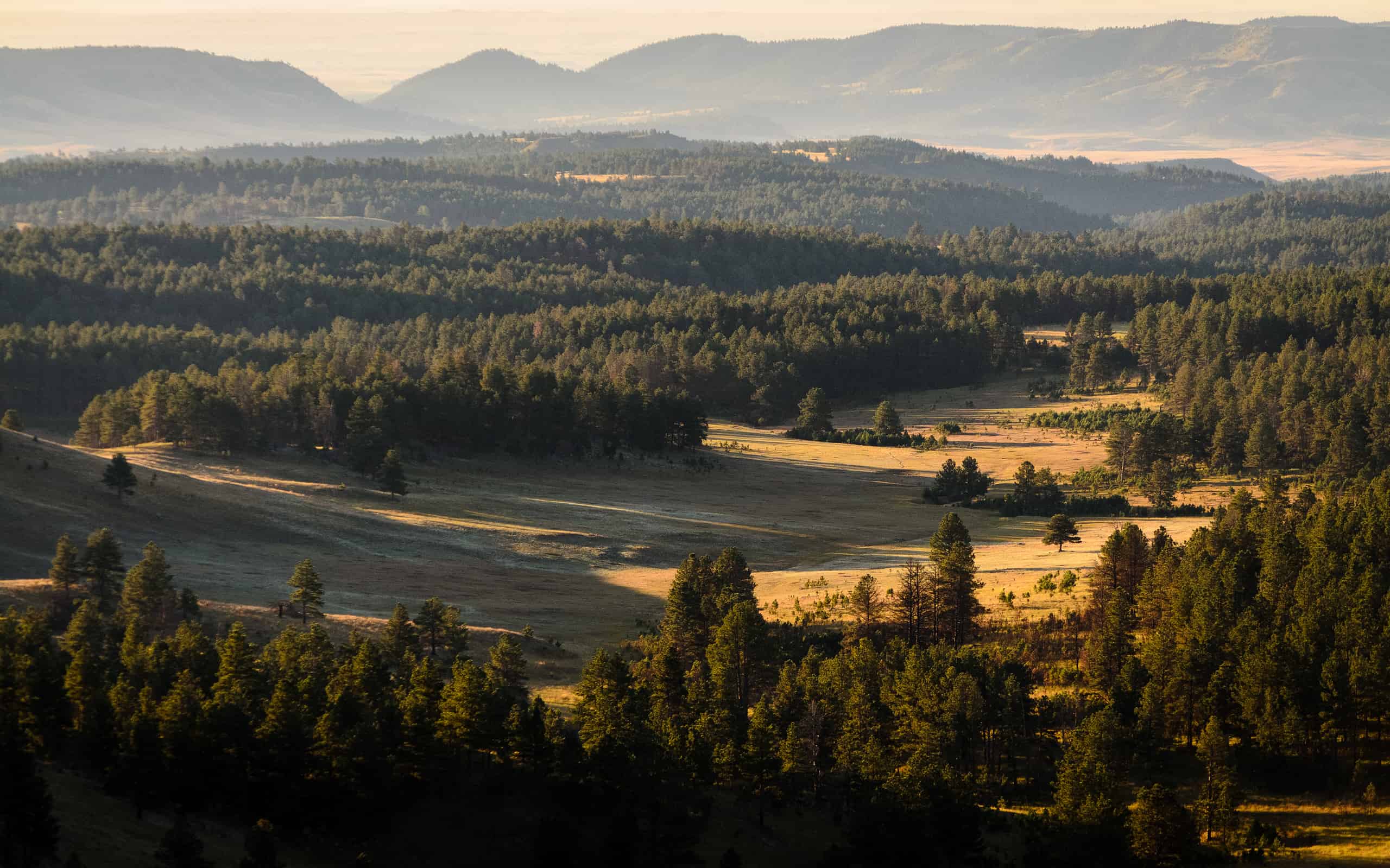

Wind Cave National Park is one of the oldest national parks in the United States and one of its most biologically rich. Covering more than 33,000 acres in the state of South Dakota, the park includes one of the world’s longest cave systems beneath plains and rocky outcroppings.
More than 600,000 visitors come each year to explore the cave, hike scenic trails, and view the abundant wildlife that thrives across this diverse landscape. What animals might you spy on your trip to Wind Cave National Park, and where in the park should you expect to see them?
Here’s a look at the wildlife that makes Wind Cave National Park a special place to visit, including their average population numbers, ideal viewing locations, and how to make the most of your trip to this fantastic park.
American Bison
©Maleo Photography/Shutterstock.com
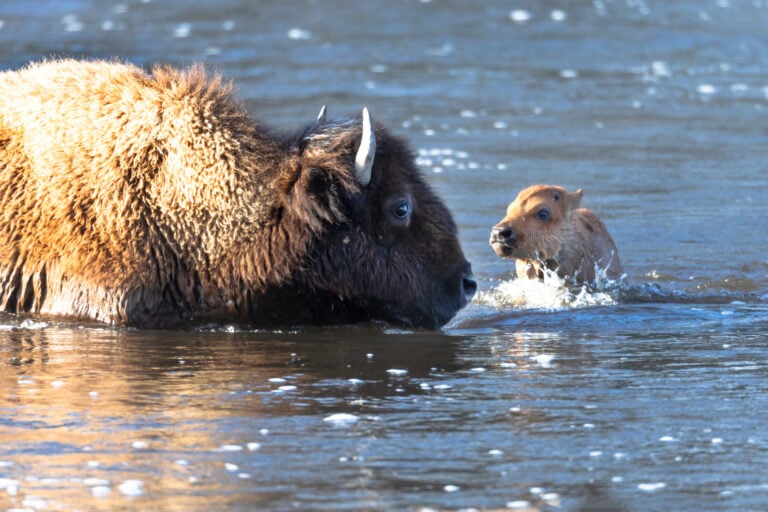
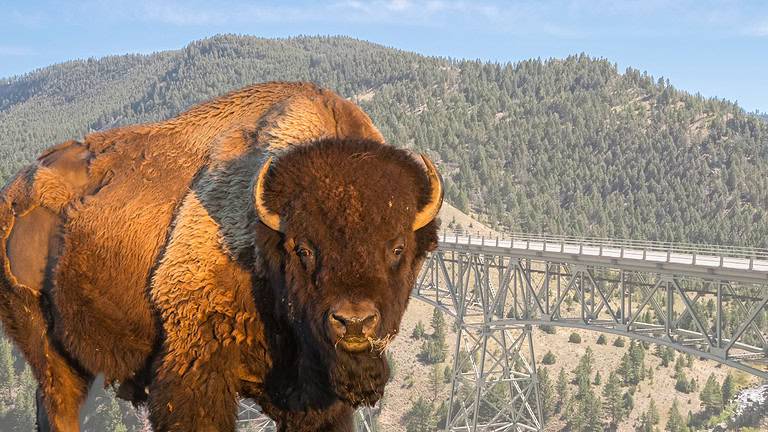
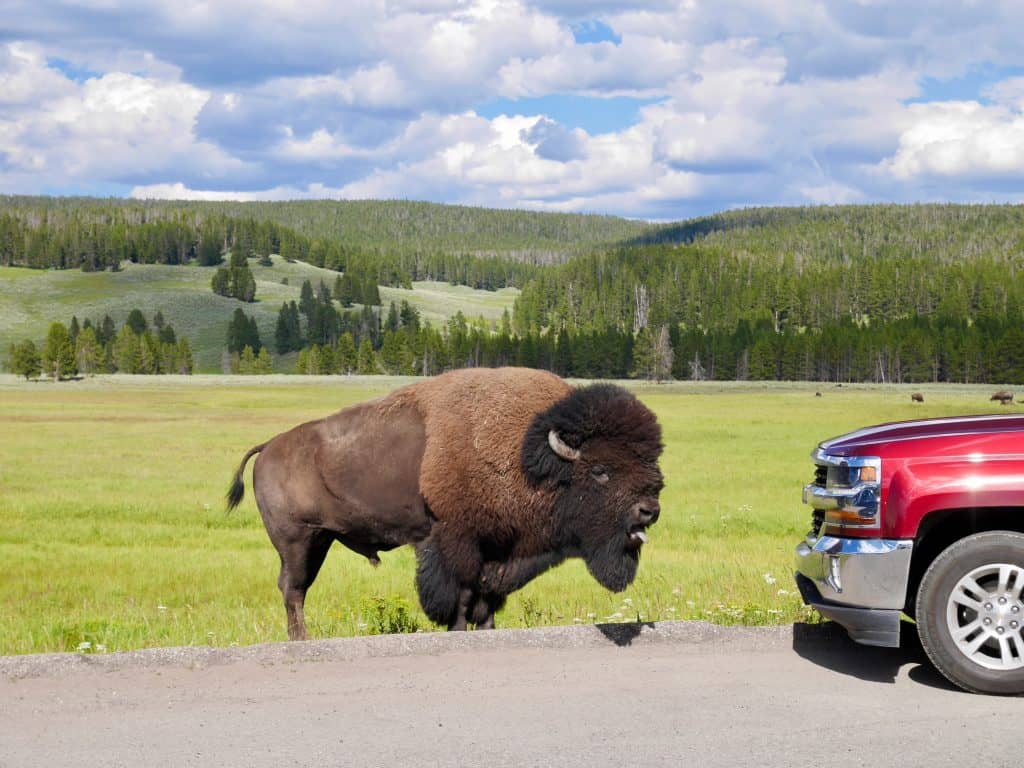
The American bison is Wind Cave’s best-known resident and one of the park’s biggest conservation success stories. About 450 to 500 bison roam freely across the park, all of which are technically descendants of 14 animals reintroduced here in 1913. They’re most often seen grazing in open grasslands along Highway 385 and the Bison Flats area, especially in early morning and late afternoon.
Prairie Dogs
©Henk Bentlage/iStock via Getty Images
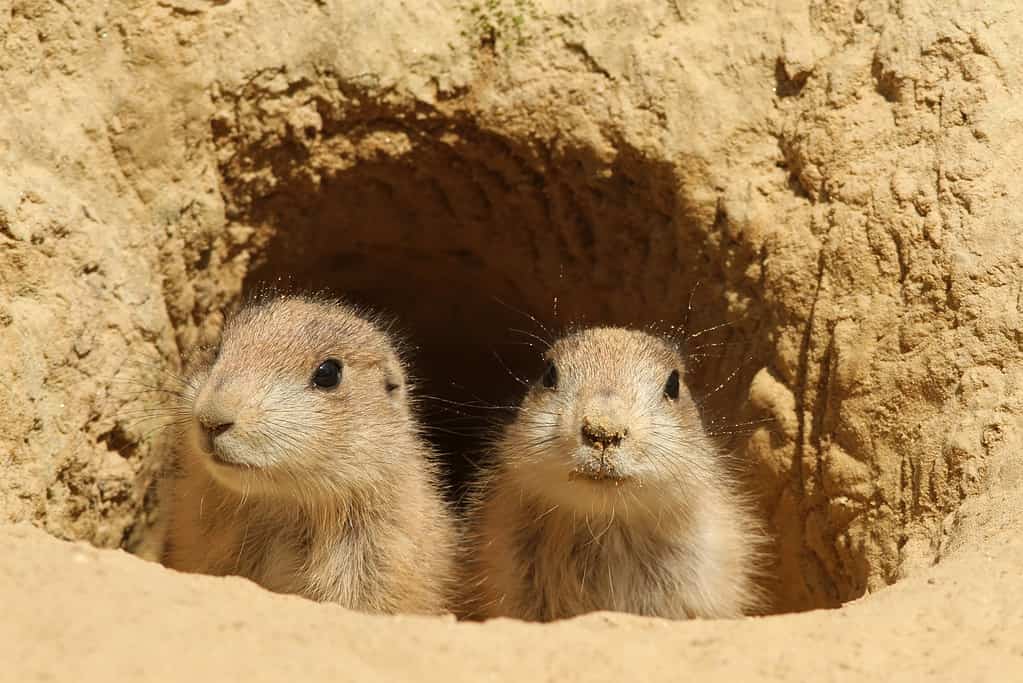
Wind Cave’s prairie dog colonies are busy, vocal, and very easy to locate. The park supports an estimated 5,000 to 7,000 prairie dogs scattered across multiple colonies in the northern grasslands and near Rankin Ridge. Visitors can often spot them popping out of their burrows or sounding alarm calls, and they make for a fantastic sighting for children.
Elk
©Swaroop Pixs/Shutterstock.com
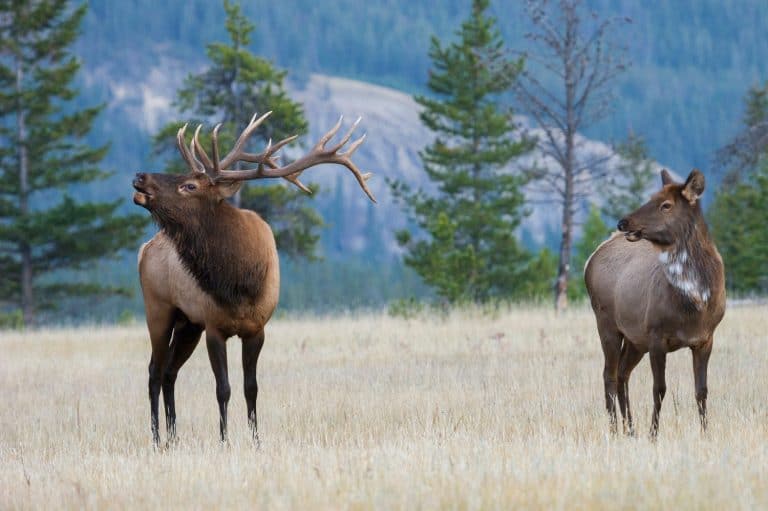
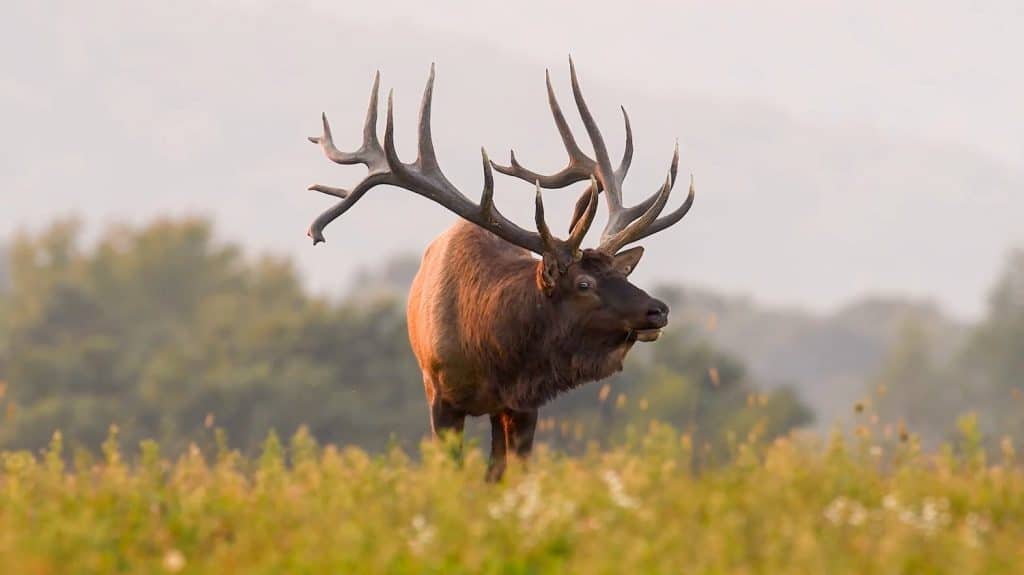
Elk were brought back to Wind Cave in 1914 after being wiped out from the region, and their numbers have stabilized at around 350 to 400 individuals today. They prefer forests and meadows, especially around Beaver Creek and the park’s northwestern reaches. During autumn, bulls can be heard bugling through the woods, and you just might spot a young elk come springtime.
Mule Deer

©John Boland/Shutterstock.com
Mule deer are common throughout the park, with populations estimated between 600 and 800 animals, depending on the season. They love the transitional areas between the park’s forest and prairie zones, grazing on shrubs and grasses in the early morning and resting under the shade of pines come midday. They’re one of the easiest large mammals to spot during any visit, but be sure to drive carefully through the park around dusk so you don’t accidentally hit one.
Pronghorn
©bgsmith/iStock via Getty Images
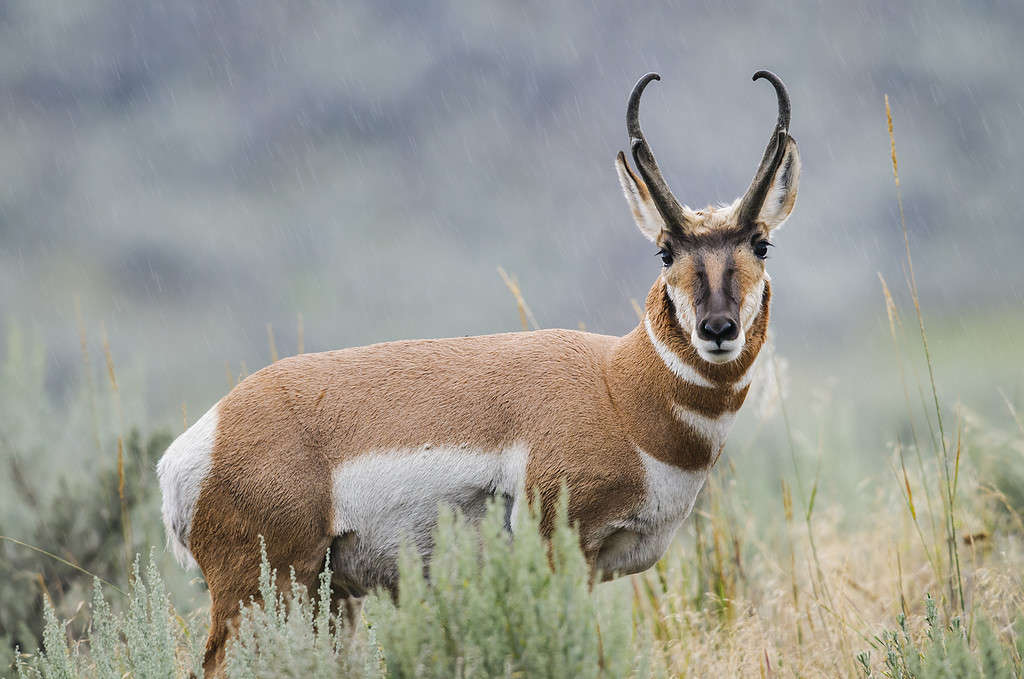
Pronghorns are among North America’s fastest land mammals, and they roam Wind Cave’s wide southern prairies in herds of about 150 to 200. They’re most active near Bison Flats and the Buffalo Gap region, where the visibility allows them to watch for predators; it also means visitors can easily see them from the park roads, especially on clear, warm afternoons.
Coyotes
©Project Coyote
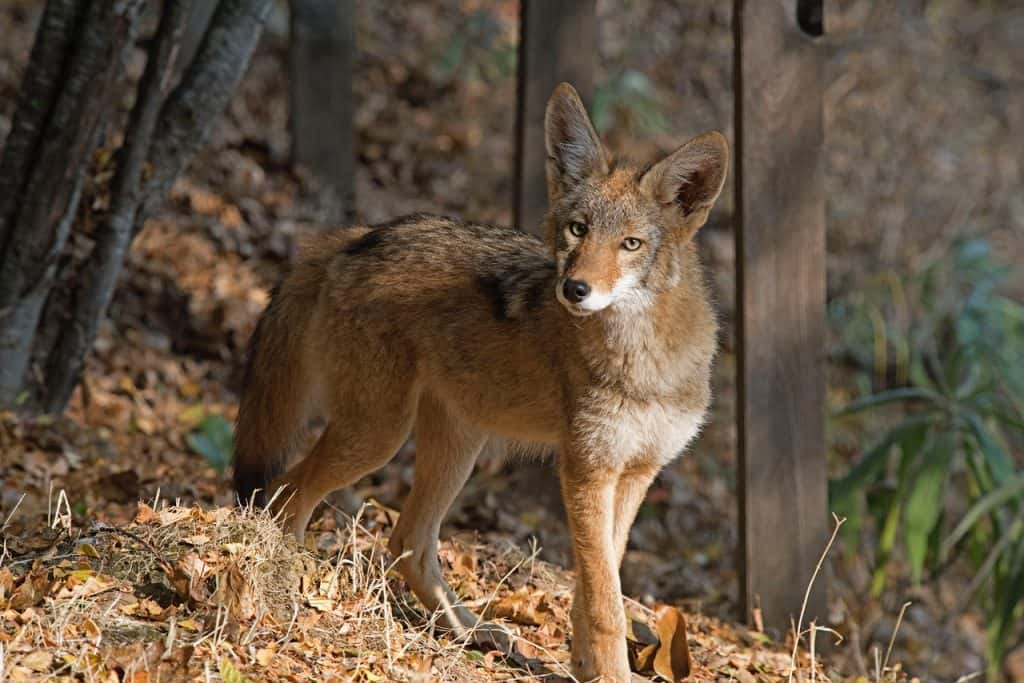
Coyotes are found across nearly every habitat in Wind Cave National Park, with biologists estimating around 100 to 120 individuals in the park at any given time. They tend to hunt small mammals across the prairie and are often heard before they’re seen, especially around sunrise and sunset when their preferred prey is active. On quiet evenings, their howls can echo across the grasslands near Elk Mountain Campground, so be sure to listen and watch for them if you’re camping.
Black-Tailed Jackrabbits
©Natalia Kuzmina/Shutterstock.com
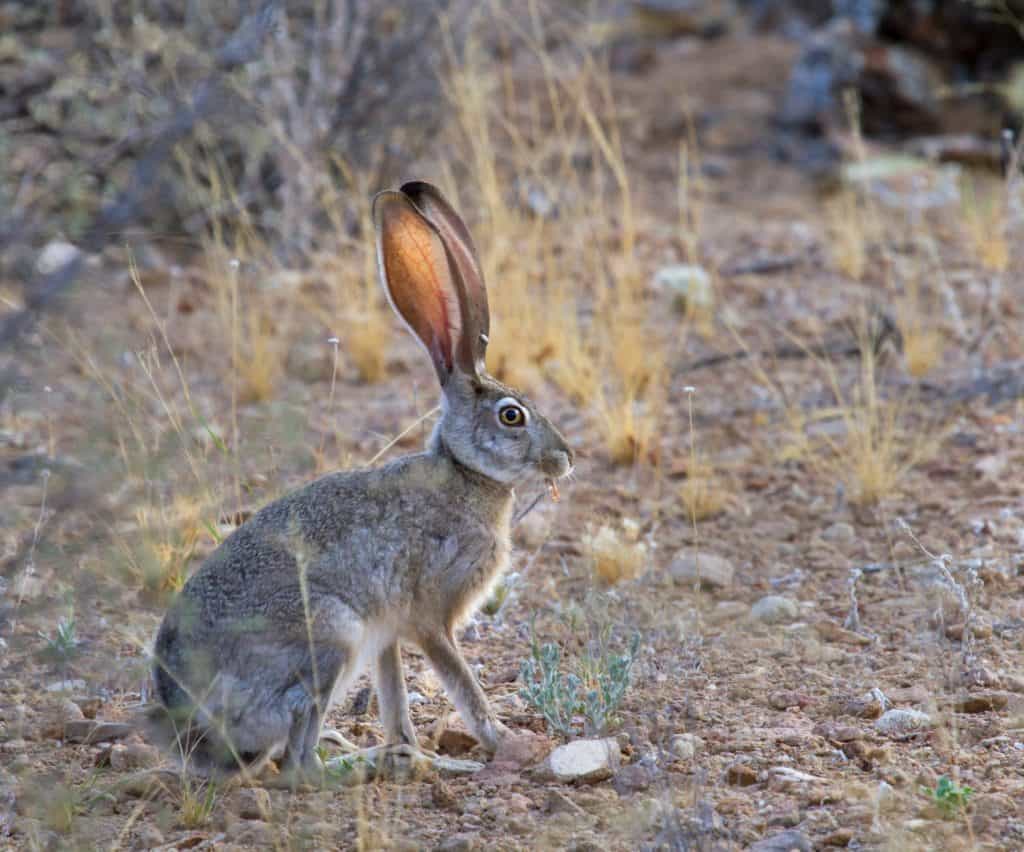
Black-tailed jackrabbits are common in open grasslands and along the park’s roadsides, with rangers estimating several hundred individuals in the park. However, their populations fluctuate naturally based on food availability, since they are a favorite meal for many predators in Wind Cave.
Bats
©Rudmer Zwerver/Shutterstock.com
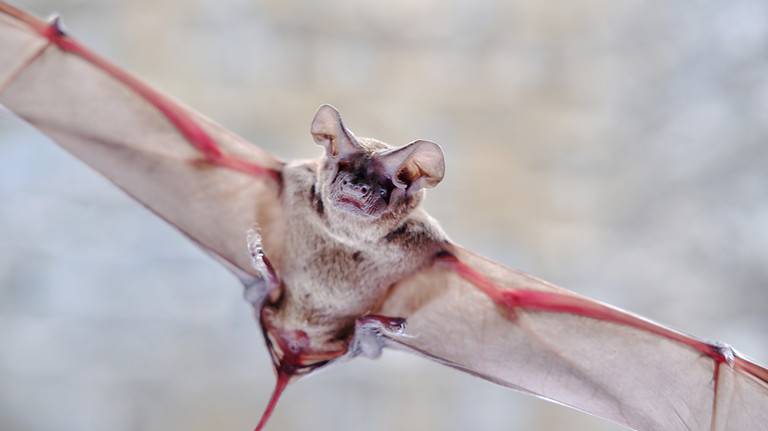
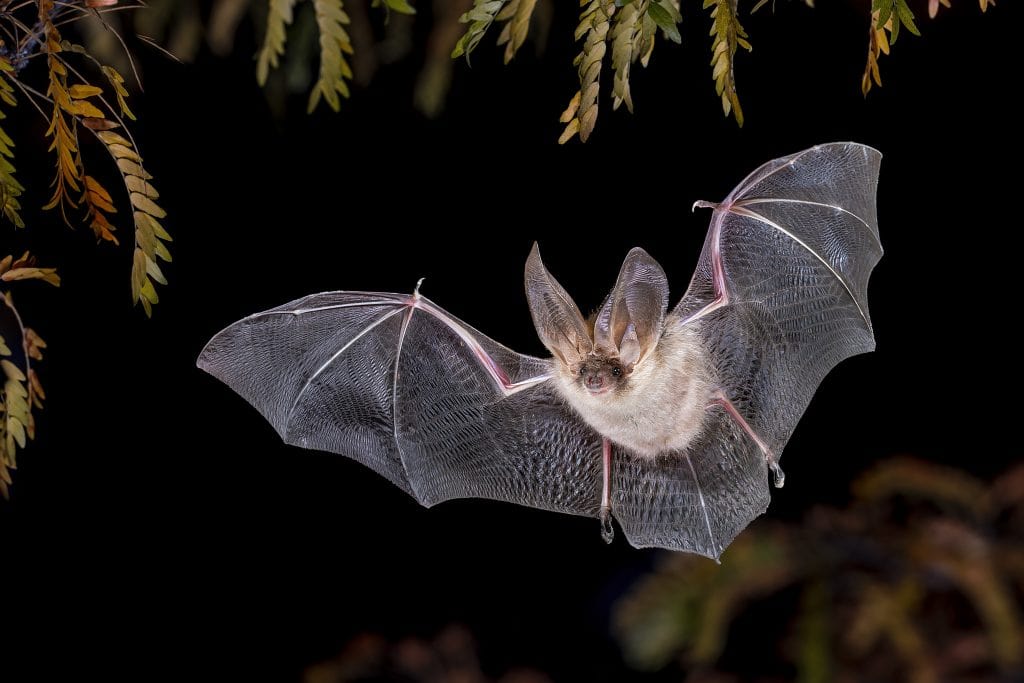
Several bat species thrive in Wind Cave’s elaborate underground, including little brown bats, big brown bats, and northern long-eared bats. Recent surveys suggest the park supports a few thousand bats across its various roosting sites, and they emerge at sunset to feed on insects near ponds, meadows, and cave entrances, especially on summer nights.
Mountain Lions

©The Len/Shutterstock.com
Mountain lions are rare, but they are still confirmed residents of Wind Cave National Park. There are likely fewer than five individuals believed to move through the area at any given time. These elusive cats prefer secluded ravines in the park’s southern and western sections. While sightings are infrequent, tracks and trail camera evidence confirm their presence.
Badgers
©critterbiz/Shutterstock.com
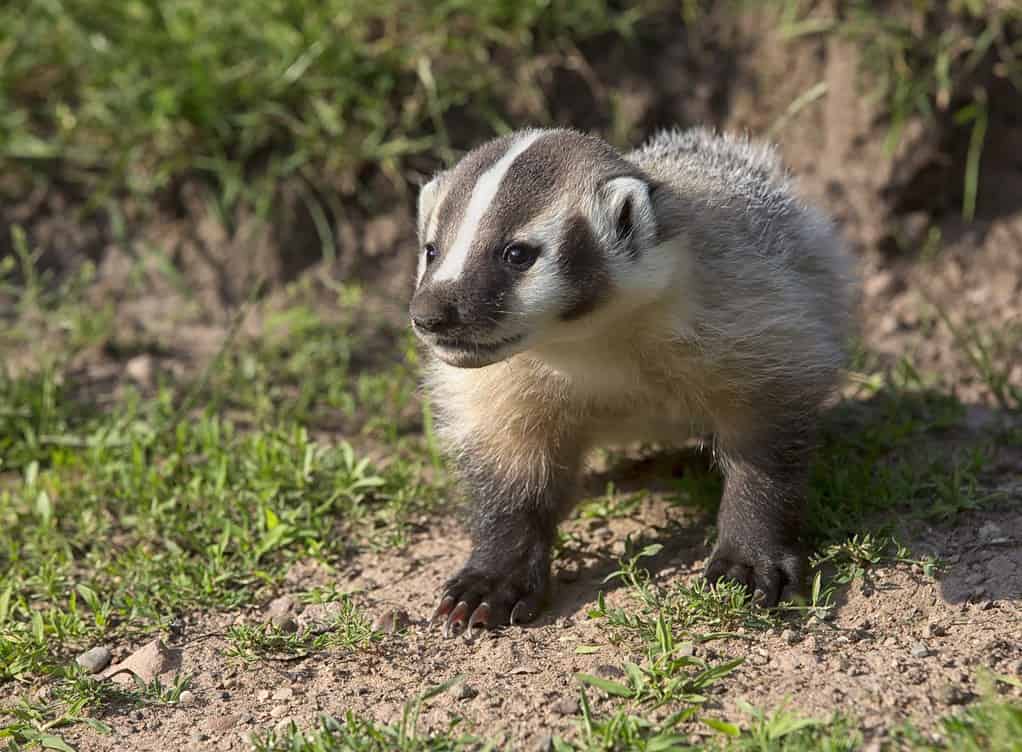
American badgers are solitary, burrowing predators that actually play an important role in maintaining prairie ecosystems. The park’s staff estimate a small population of roughly 40 to 60 badgers spread across the park, which means you may not see them due to their secretive nature. However, you’re much more likely to spot where they’ve been digging, so keep your eyes open.
Golden Eagles
©Al Carrera/Shutterstock.com
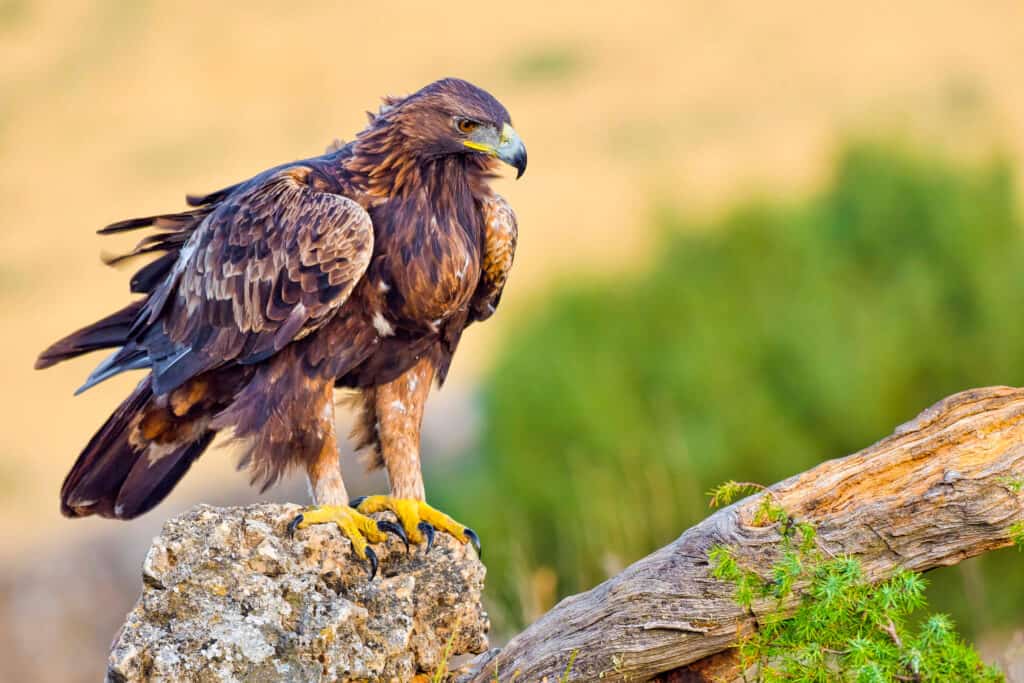
Golden eagles love flying over Wind Cave’s prairies and rocky outcroppings, keeping watch for jackrabbits and prairie dogs. Around 8 to 10 nesting pairs are known to use the park and surrounding areas each year, with visitors often seeing them gliding over Red Valley or Beaver Creek.
Wild Turkeys
©stuckreed/iStock via Getty Images
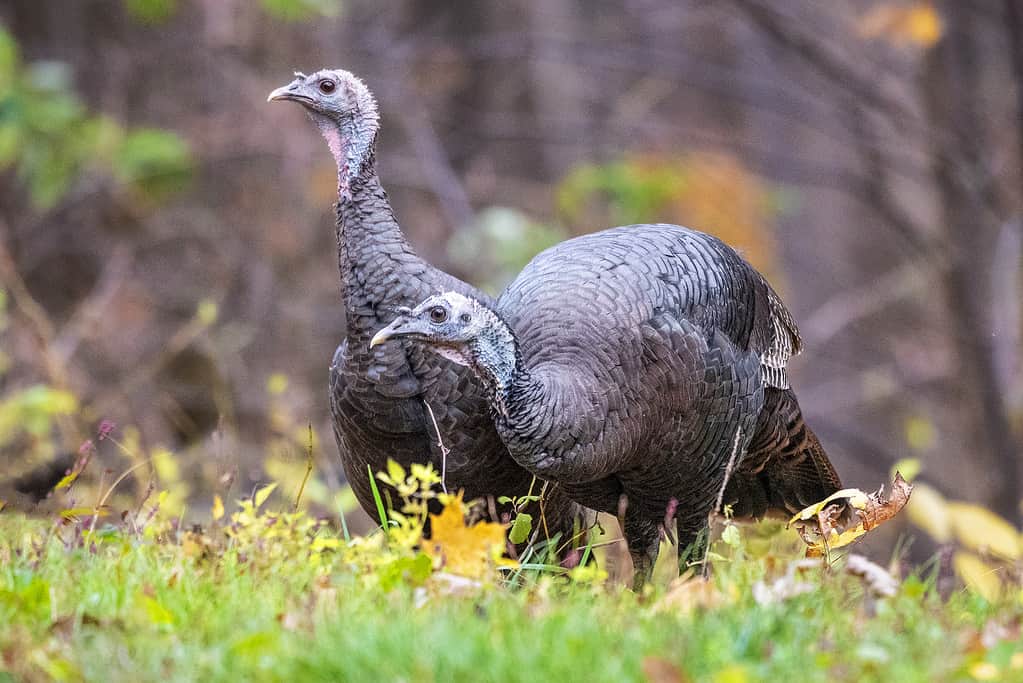
Wild turkeys are a familiar sight throughout the park’s pine forests and meadows, and you’re likely to hear them, too. The current population is believed to number around 300 to 400 individuals, and they tend to forage in small flocks near picnic areas or cross the roads near the Elk Mountain Campground in early morning hours.
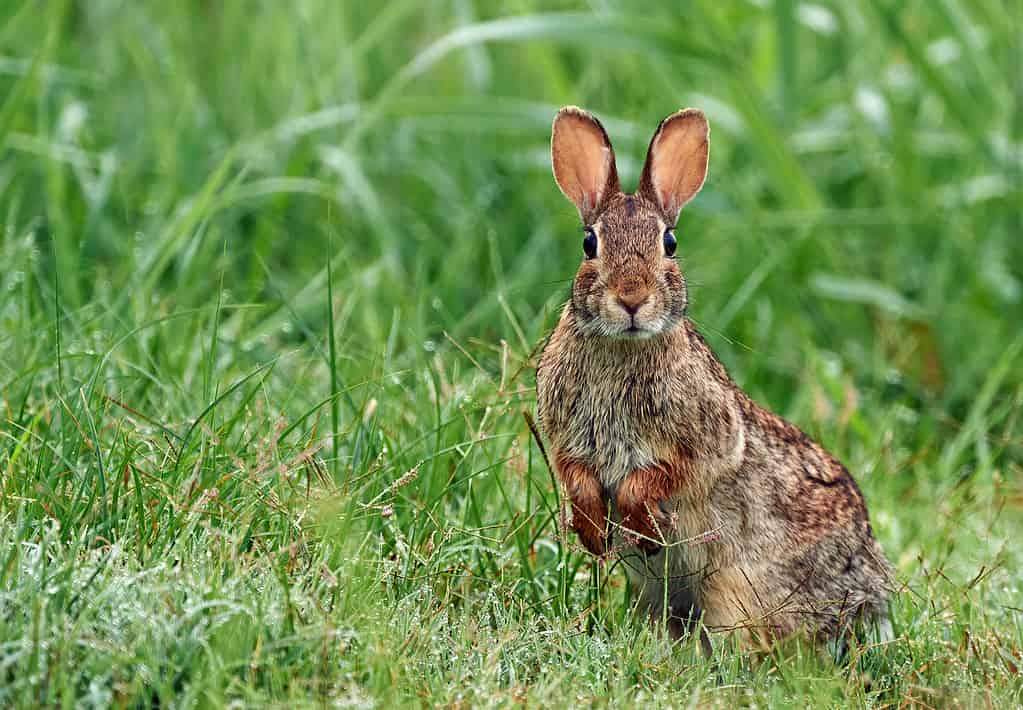
Eastern Cottontails
©ArCaLu/Shutterstock.com
Eastern cottontails are commonly spotted in Wind Cave’s brush and open woodlands, with several hundred estimated across the park. They are also seen near the Visitor Center lawns and in the campground area, active at dawn and dusk.
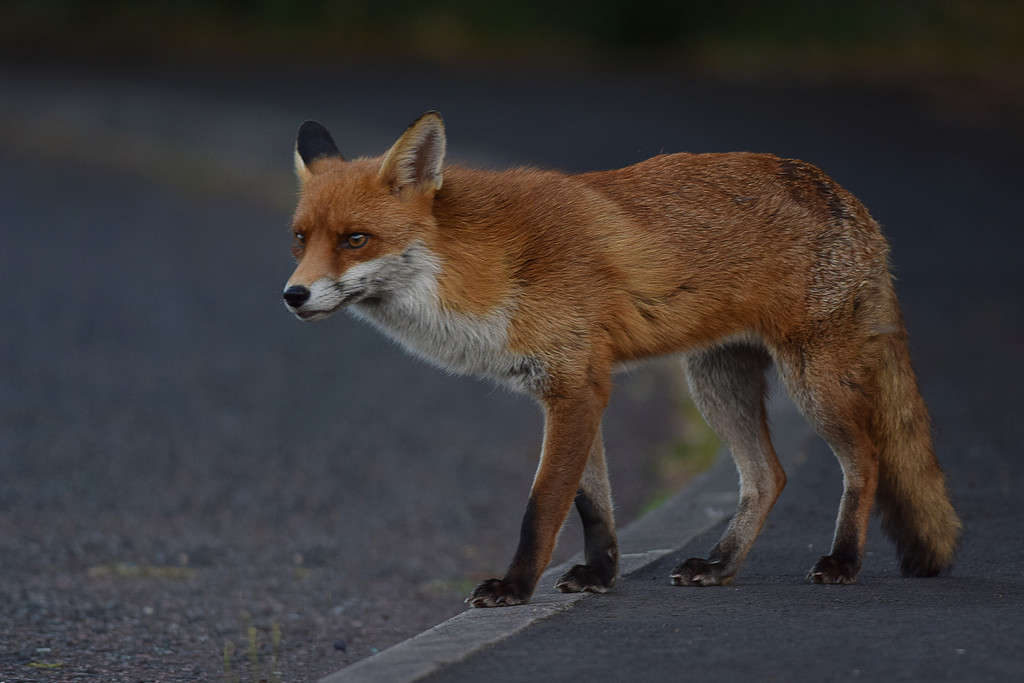
Red Foxes
©Peter Clayton Photography/iStock via Getty Images
Red foxes are less common than coyotes but still maintain a small, stable population estimated at 20 to 30 individuals in Wind Cave. They hunt mice and rabbits more than any other animal, with sightings most frequent near Rankin Ridge or along the park’s northern roads at sunrise.
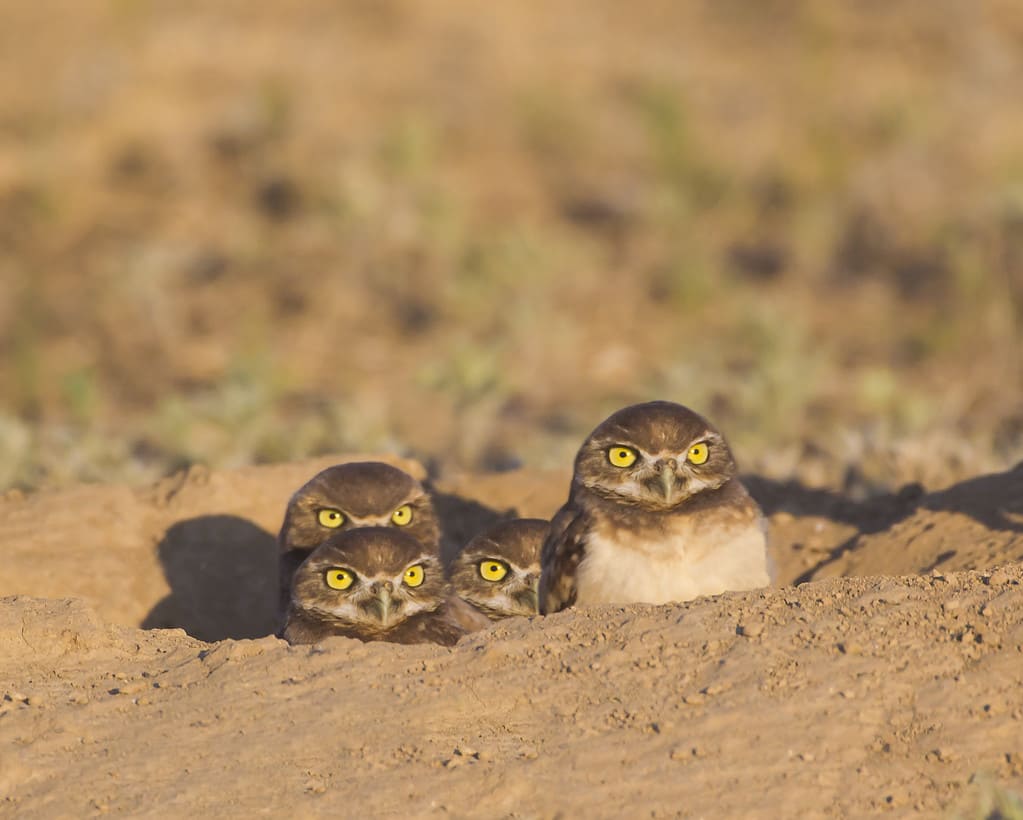
Burrowing Owls
©RichardSeeley/iStock via Getty Images
These shy owls take over abandoned prairie dog burrows and are most often spotted in the northern grasslands. Fewer than 20 individuals are believed to occupy the park during breeding season, but their numbers seem to fluctuate each year. Patient observers can sometimes see them near their burrow entrances just before sunset, but don’t be surprised if you don’t see one during your visit.
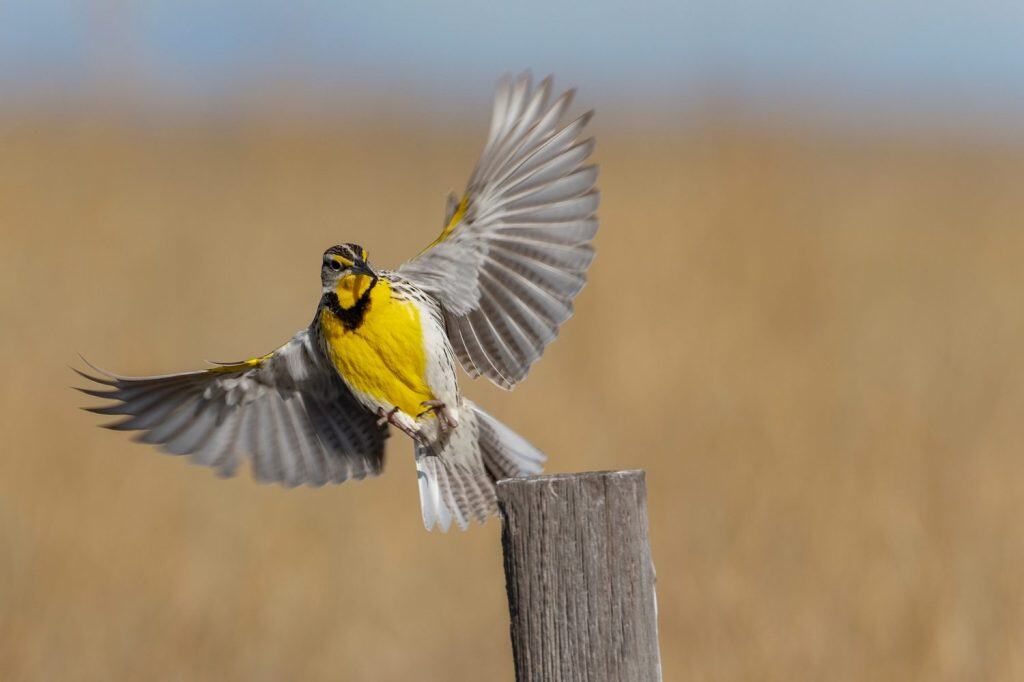
Western Meadowlarks
©M. Leonard Photography/Shutterstock.com
These striking birds add color to the open prairie from spring to late summer. Park experts estimate that there are several hundred nesting pairs occupying the park’s grasslands during the breeding season. Their calls can be heard along the park’s roadways and hiking trails, especially in the Bison Flats area, making them a favorite for birdwatchers.