
Quick Take
- Scientists found one bizarre biological quirk of the female screwworm that made total eradication possible, and it is not what you would expect. See the science behind eradication →
- Ranchers declared victory in 1963, but the screwworm came back twice, each time exposing a flaw no one had fully accounted for. Read about the returning outbreaks →
- A disruption thousands of miles away in Panama quietly set off a chain of events that eventually put Texas cattle at risk in 2026. Trace the Panama outbreak north →
- Officials say this outbreak is nothing like the fears of the 1950s, though the reason why should concern ranchers just as much. See the 2026 Texas response →
Sixty years ago, a tiny insect nearly vanished from American soil. Now, after decades of quiet, the New World screwworm has returned to Texas, sparking new concerns from scientists, ranchers, and government officials. The last time this parasite gained a foothold, it wrought havoc across U.S. livestock industries, reminding all involved that the cost of complacency is high.
Continue reading
The Screwworm’s Destructive Past
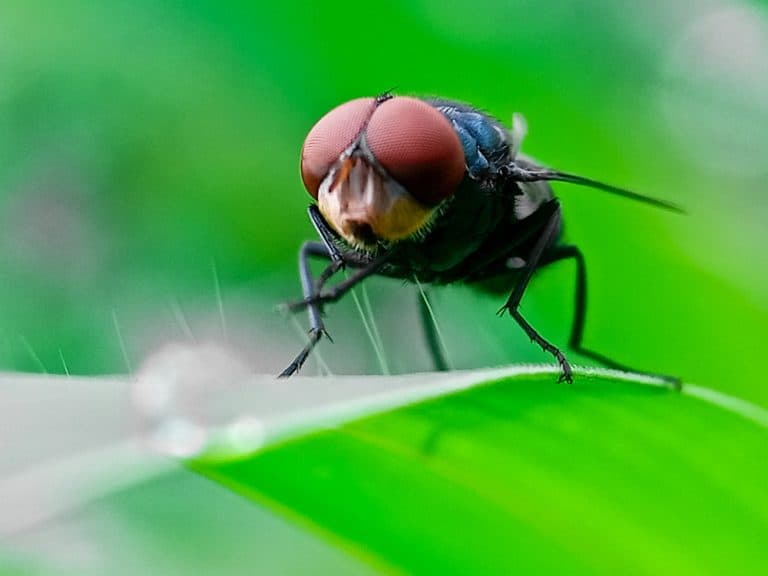
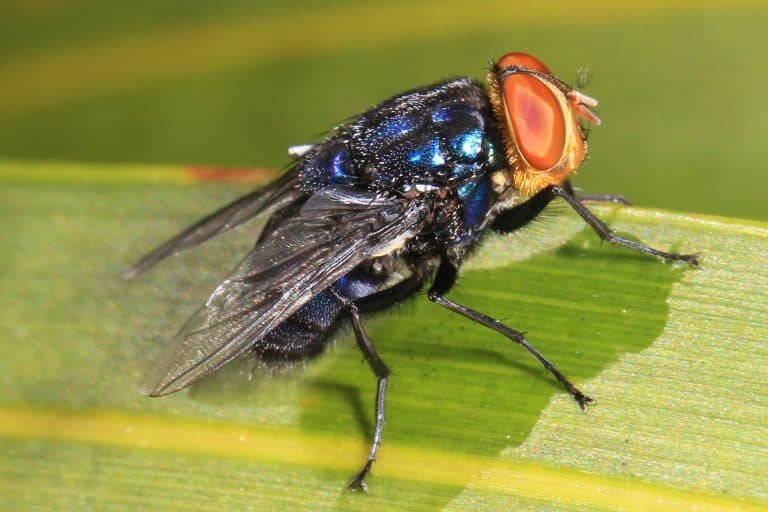
The New World screwworm (NWS) haunted American ranchers long before experts gave it a name. By the 1930s, USDA scientists Ernest Cushing and Fred Patton had distinguished this deadly flesh-eating fly from its look-alike, the common blowfly. The toll was staggering: each year, U.S. livestock companies were losing between $5 and $10 million, a fortune for the time. In 1935, the federal government responded with the Screwworm Educational Program, an early campaign to help producers cope.
For those raising cattle and sheep across the South, “screwworm season” wasn’t just a calendar event; it was a daily threat. The parasite devastated herds, especially in Texas. As James Novy, a former USDA veterinarian, recalls, screwworms thrived in warm southern states and could kill a healthy calf in days. Managing their wounds became a grim daily ritual, and ranchers had to synchronize calving, branding, and castrating with the coldest months, hoping to dodge the worst infestations.
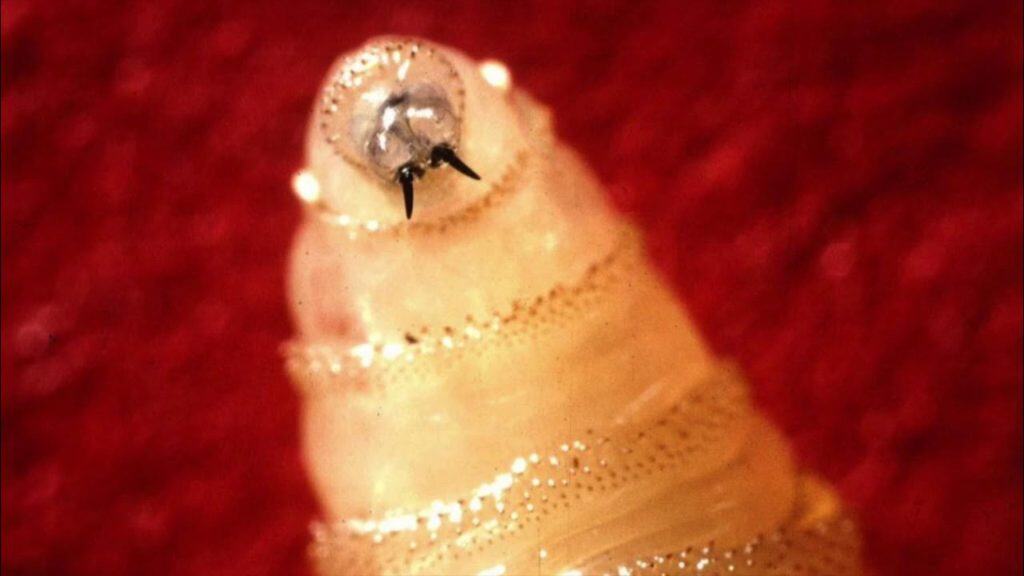
© – Original
Even with vigilance, the numbers were bleak. Up to 10% of livestock could be lost on Texas ranches each year, Novy notes. Recovered animals often bore lasting scars or damaged hides, lowering their market value. Early efforts like frequent animal inspections and treatments reduced losses, especially when paired with applications of benzol and pine tar oil, but wildlife reservoirs kept the pest alive.
Turning the Tide: Science Intervenes
Eradication seemed out of reach, until a crucial discovery gave science the upper hand. USDA researchers learned that female screwworm flies mate only once. Edward Knipling, a USDA entomologist, pursued a revolutionary idea: releasing huge numbers of sterile male flies among the wild population. If the females mated with these sterile rivals, the species would collapse from within.
Making it work took another leap. Raymond Bushland, Knipling’s colleague, developed mass-rearing techniques for the flies at a USDA laboratory in Kerrville, Texas. Inspired by geneticist Hermann Muller’s work, they used gamma irradiation and later X-ray technology to sterilize the insects without harming their ability to compete for mates. What became known as the Sterile Insect Technique (SIT) was ready.
SIT’s first test, conducted in 1954 on the island of Curaçao, wiped out the pests in seven weeks. Large-scale U.S. deployments soon followed. Florida was declared screwworm-free in 1958, and by 1963, Texas ranchers were reporting a miracle: infested animals had vanished from ranches for the first time in living memory.
Outbreaks and Lessons Not Forgotten
Victory, however, remained uneasy. The screwworm’s stronghold just south of the U.S. border, in Mexico, posed a constant threat. In 1972, a warm winter and a surge in another pest (the Gulf Coast ear tick) opened the door to disaster. More than 90,000 cases blazed through Texas as the number of wild flies overwhelmed any effort to outnumber them with sterile ones. The outbreak forced the U.S. and Mexico to form a joint eradication commission, pushing intensified control efforts deeper into Mexico, a strategy that eventually earned Knipling and Bushland the World Food Prize in 1992.

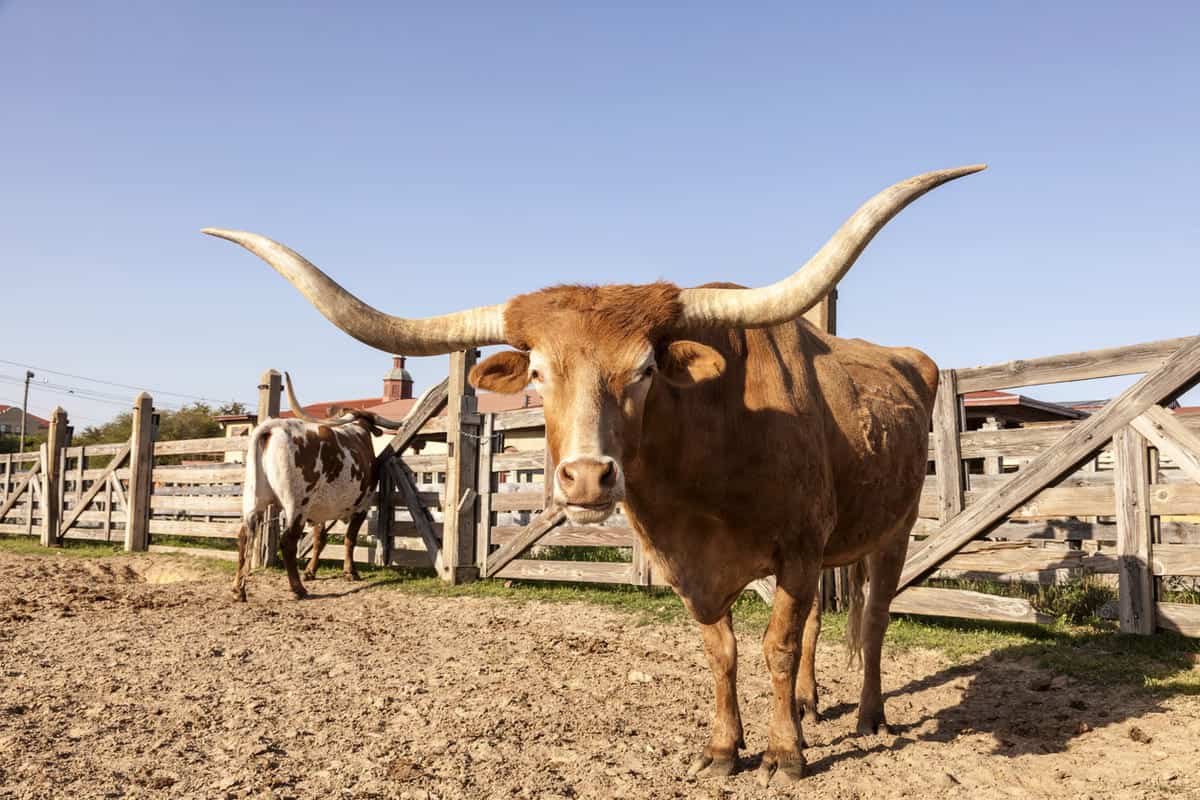
Big brown cows from Scotland
©Parasoliastock/iStock via Getty Images
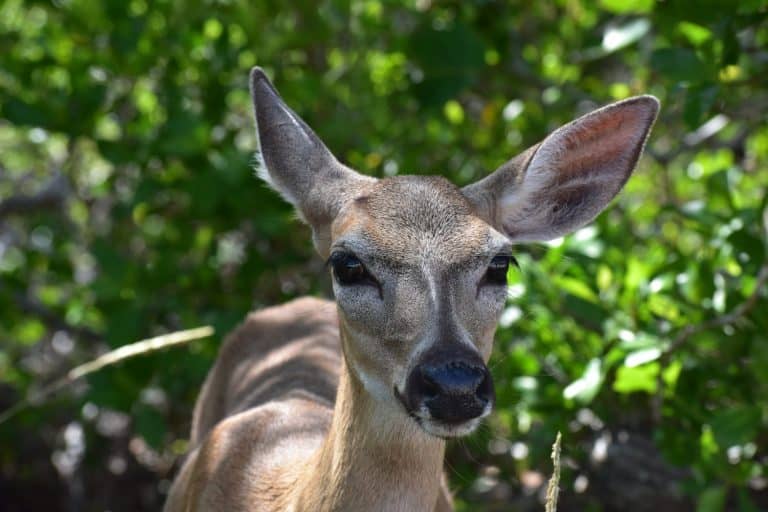
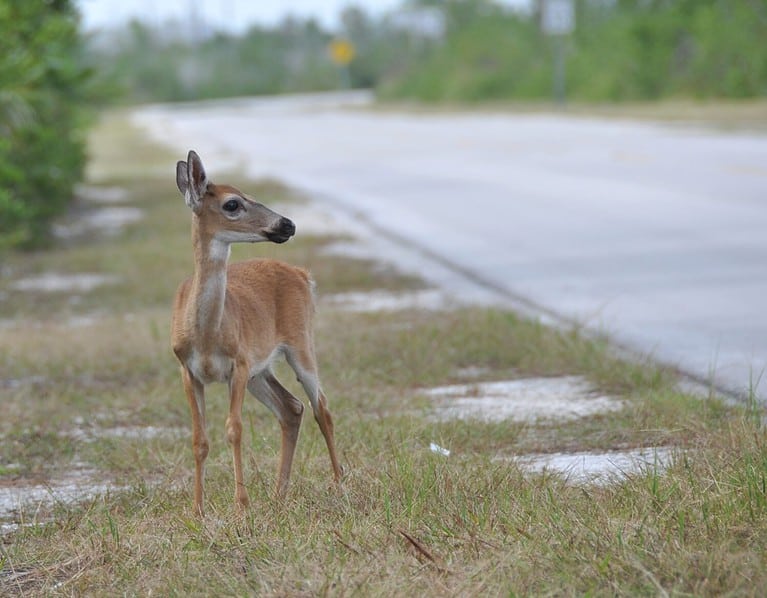
The pattern would repeat. In 2016, officials confirmed an infestation among Key deer in the Florida Keys, the first local outbreak in 30 years. Dr. Jack Shere, Chief Veterinarian for the USDA, led a campaign that released nearly 154 million sterile flies and checked almost 17,000 animals. With concerted effort, officials eliminated the pest in a little over half a year. Surveillance standards remained strict: visual inspections, fly trapping, and multiple life cycles with no new cases before an area could be declared clear.
A Barrier Breached: The New Threat Emerges
The next threat built quietly, far from American soil. In 2023, an outbreak in Panama breached the containment barrier, sending the pest surging north through Central America and into Mexico by late 2024. Factors ranged from COVID-19 disruptions in sterile fly production to illegal cattle imports, compounded by the rugged, hard-to-monitor gap between Panama and Mexico.
U.S. officials responded by halting imports of live cattle from Mexico after the pest was confirmed in Chiapas in late 2024. Temporary re-openings, new movement protocols, and strict animal inspections followed, but ongoing detections have kept the border closed since July 2025.
To strengthen defenses, the USDA announced plans to invest up to $100 million in technology and $750 million for a fly-sterilization facility in South Texas. The message was clear: containment and eradication would require resources, innovation, and coordination.
Texas on Alert: Responding to the 2026 Outbreak
The alarm sounded again on June 3, when a three-week-old beef calf near La Pryor, Texas, was confirmed to be infested with NWS. The Texas Animal Health Commission (TAHC) and USDA moved quickly, warning that, while flies can travel, it is animal movement between properties that most often spreads the pest. Inspection, quarantine, and wound treatment protocols were ramped up for local producers.
Officials, including Rollins of the Knipling-Bushland U.S. Livestock Insects Research Laboratory, underscored that the current fight is not a replay of the fears of the 1950s and ’60s. Instead, it’s a real-time test of an emergency response system built on hard-won experience and a year of careful preparation. “Every model showed that the New World screwworm would be here in Texas by early last summer, so we bought ourselves an additional year to prepare for this moment,” stressed Rollins at a press conference with Texas Governor Greg Abbott and leading agricultural figures.
The aim now is bold: to box in and push back the invasion before summer’s fly season accelerates the threat. As Rollins put it, history has shown eradication isn’t a single event, but a constant process, demanding vigilance, coordination, and speed.
“We’ve defeated this before. With leadership, we will push it back again and protect American ranchers.”
The return of a parasite once thought banished is a stark lesson. In the dance between science, vigilance, and nature’s resilience, the smallest enemies often demand the greatest attention.