
Quick Take
- This parasite targets living flesh rather than dead tissue, and its life cycle makes it uniquely devastating in ways most people never expect. Explore the biology →
- The U.S. once wiped out screwworms entirely using a technique never before tested on any species, which raises the question of why they are back. See the eradication history →
- Government agencies with drones, AI, and scent dogs still can't be the first line of defense, and the reason why reveals a surprising truth about wildlife surveillance. See surveillance limitations →
- A single hunter's decision to report something unusual triggered a national wildlife alert. Read on to find out what he actually found. Read the new detections →
The screwworm is arguably one of Earth’s most unsettling parasitic creatures. While many parasites nest or lay eggs in the dead, the parasitic screwworm prefers warm bodies. They seek the healthy tissue of a living animal. Once the parasites burrow and lay eggs, the tissue becomes increasingly prone to infection. This, in turn, attracts more parasitic flies, which cause more damage. This disturbing insect was once largely confined to lower latitudes. In the past year or so, however, parasitic screwworms have made an unwelcome foray back into the United States. This has caused serious alarm for ranchers, hunters, and scientists alike.
Earlier this month, someone detected the first case of the New World screwworm infecting U.S. wildlife in many, many years. While harvesting an elk, a hunter on a game ranch in Pecos County, Texas, found screwworms and reported the finding to the relevant authorities. Let’s learn more about this parasitic screwworm, the history of its eradication and recent revival, and what authorities plan to do to stop it from spreading further into the United States.
Cochliomyia hominivorax
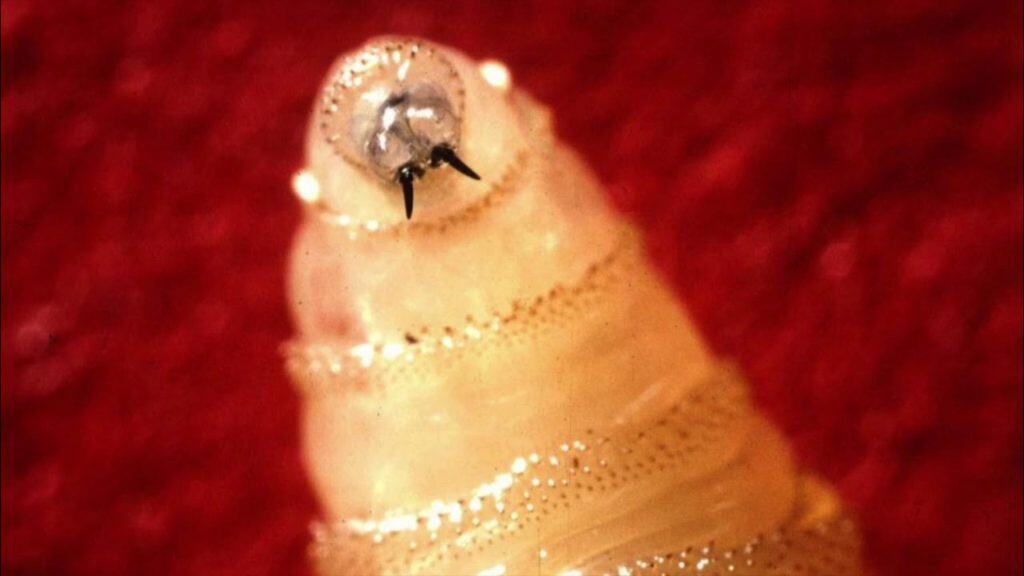
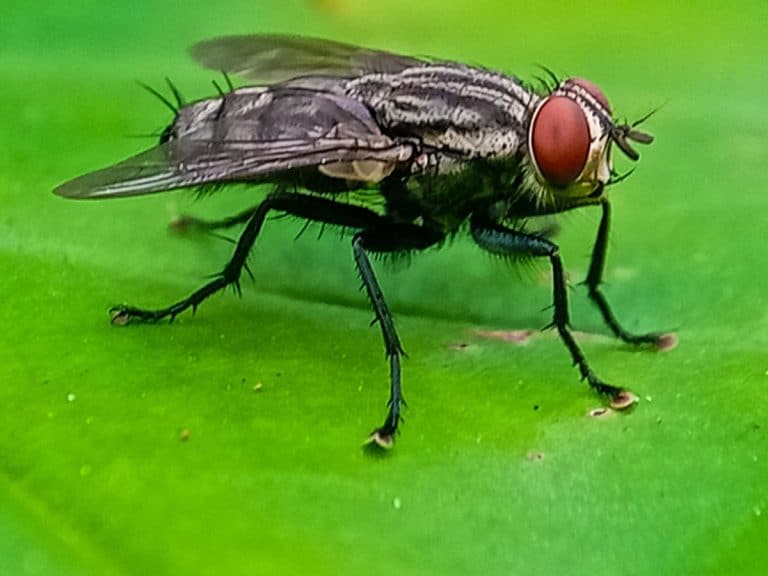
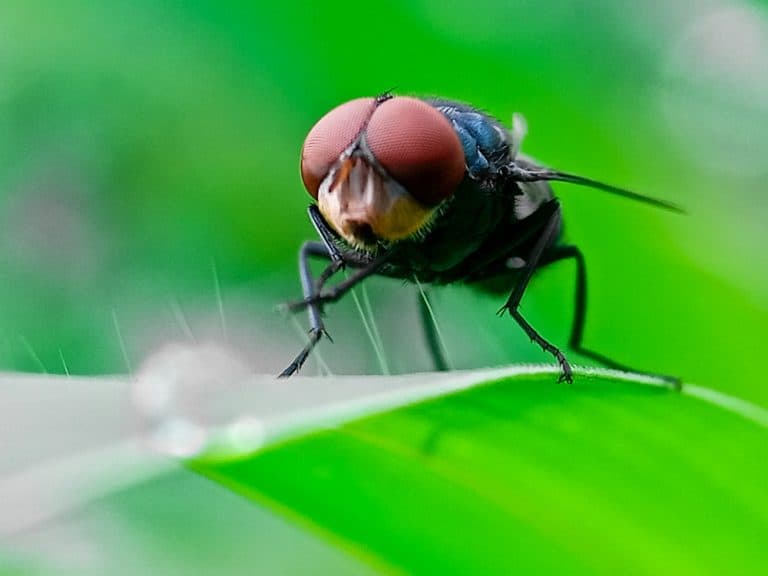
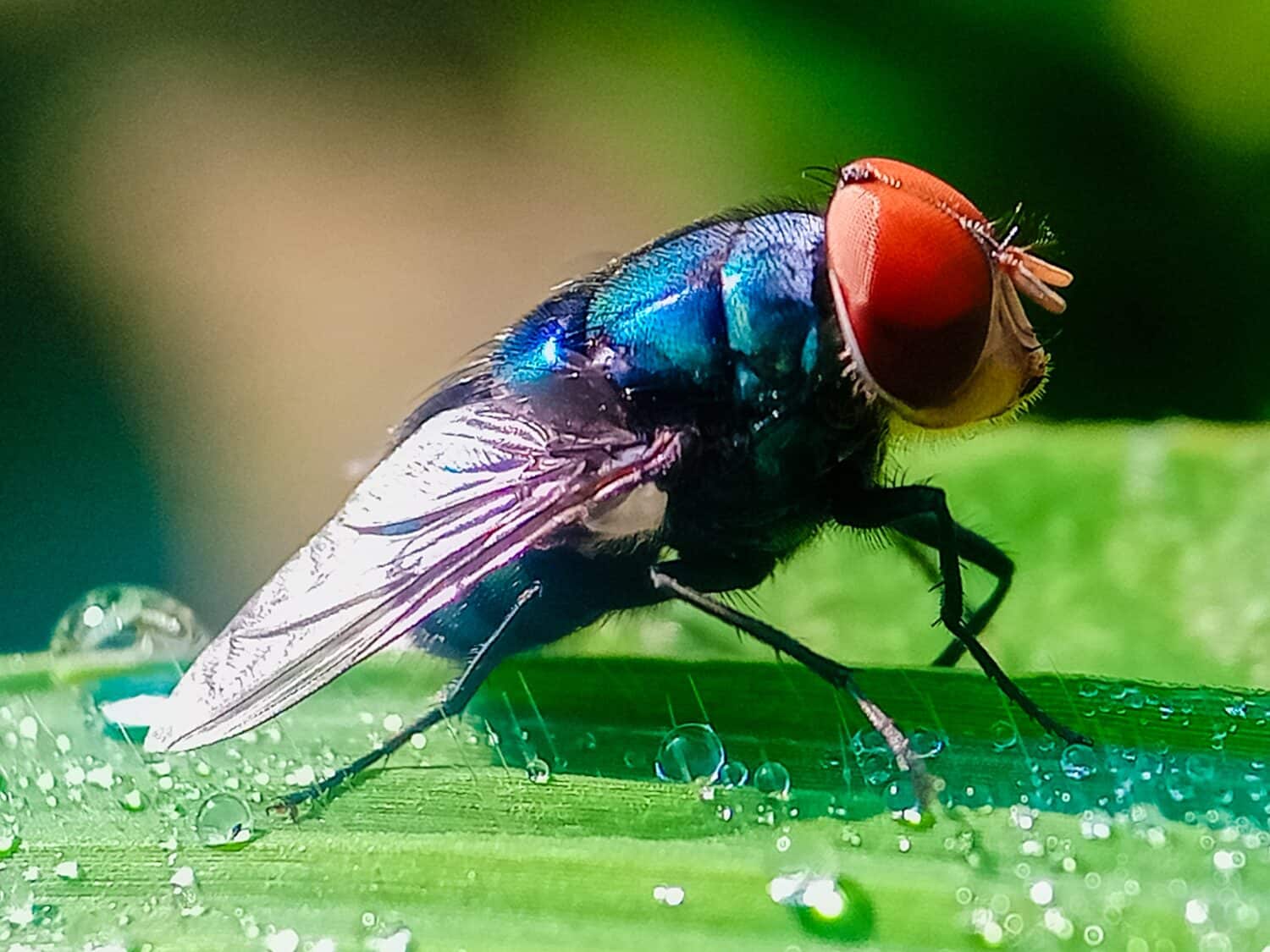
Screwworms use their sharp mouths to burrow into the flesh of living, warm-blooded animals.
© – Original
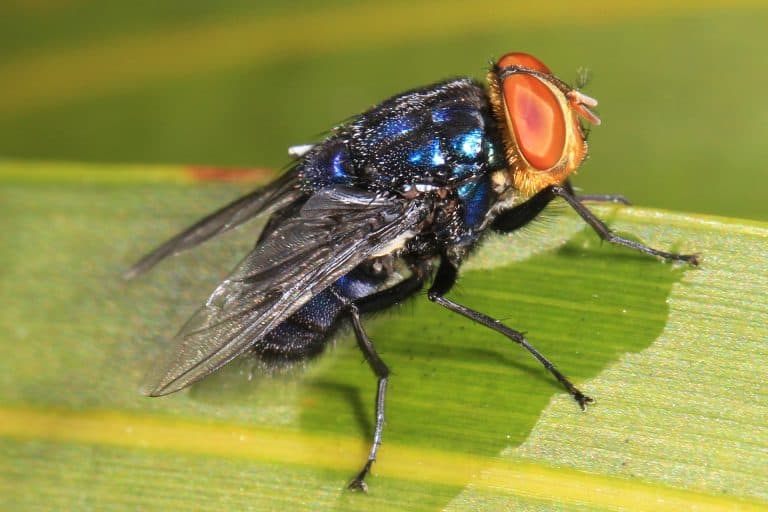
The parasitic screwworm (Cochliomyia hominivorax) is a type of blowfly that feeds on the living tissue of warm-blooded animals, including humans. Adults of this species sort of look like houseflies. However, they are slightly larger, with orangish-red eyes, bluish-green bodies, and three dark stripes running along their backs. There are over a thousand species of blowfly, but the parasitic screwworm is one of the few that feeds on the living tissue of warm-blooded animals. They do so by latching onto flesh and using their sharp mouths to puncture and burrow inside. This maneuver resembles the twisting of a screw, hence the name screwworm.
They do not target just any living tissue, either. Female screwworms are drawn to the scent of open wounds or orifices, whether eyes, ears, or mouths. Once they find a suitable entry point, female screwworms lay several hundred eggs at once. These eggs hatch quickly, within 24 hours, and the newborn maggots burrow further into the host creature. They feed on tissue for up to a week, making any initial wound considerably larger. Once they reach maturity, the larvae drop onto the ground from the entry point, burrow into the soil, pupate, and reemerge as adult flies with wings after 7 to 54 days, depending on temperature and humidity. The cycle repeats quickly, ensuring that screwworms spread and survive.
Screwworms cause considerable damage to their hosts. Any screwworm infestation in a living animal results in pain, putrid smells, and subsequent infections. In some cases, livestock and wildlife infested with screwworms die from their wounds if left untreated.
United States History
The danger posed by screwworms has made them a target for elimination strategies. Their historic range was the southern part of North America, down through the Caribbean and Central America into South America. In 1954, the first tests on any species using the sterile insect technique were done on screwworms on the Caribbean island of Curaçao.
The success of these tests prompted the United States to scale them up at home. Between 1958 and 1966, the United States effectively eliminated screwworms from the Southeastern and Southwestern regions of the country. This involved the proliferation of sterile males to reduce, and ultimately eliminate, healthy breeding populations of the species.
The success of these procedures led experts to consider the parasitic screwworm extirpated from the United States from 1966 onward. That is, however, until June 2026, when the parasite was detected in a Texas calf.
New Cases
The latest detection of the feared screwworm happened in Pecos County, Texas, on a game ranch earlier this month. A hunter detected screwworms in an elk they had hunted and harvested, prompting them to alert authorities.
As of October 22nd, the USDA reported 61 New World screwworm cases in Texas and New Mexico. These cases appeared despite efforts to prevent the creature from entering the United States. This included a suspension of livestock imports from Mexico for more than a year before they resumed in August.
Modern Epidemiology
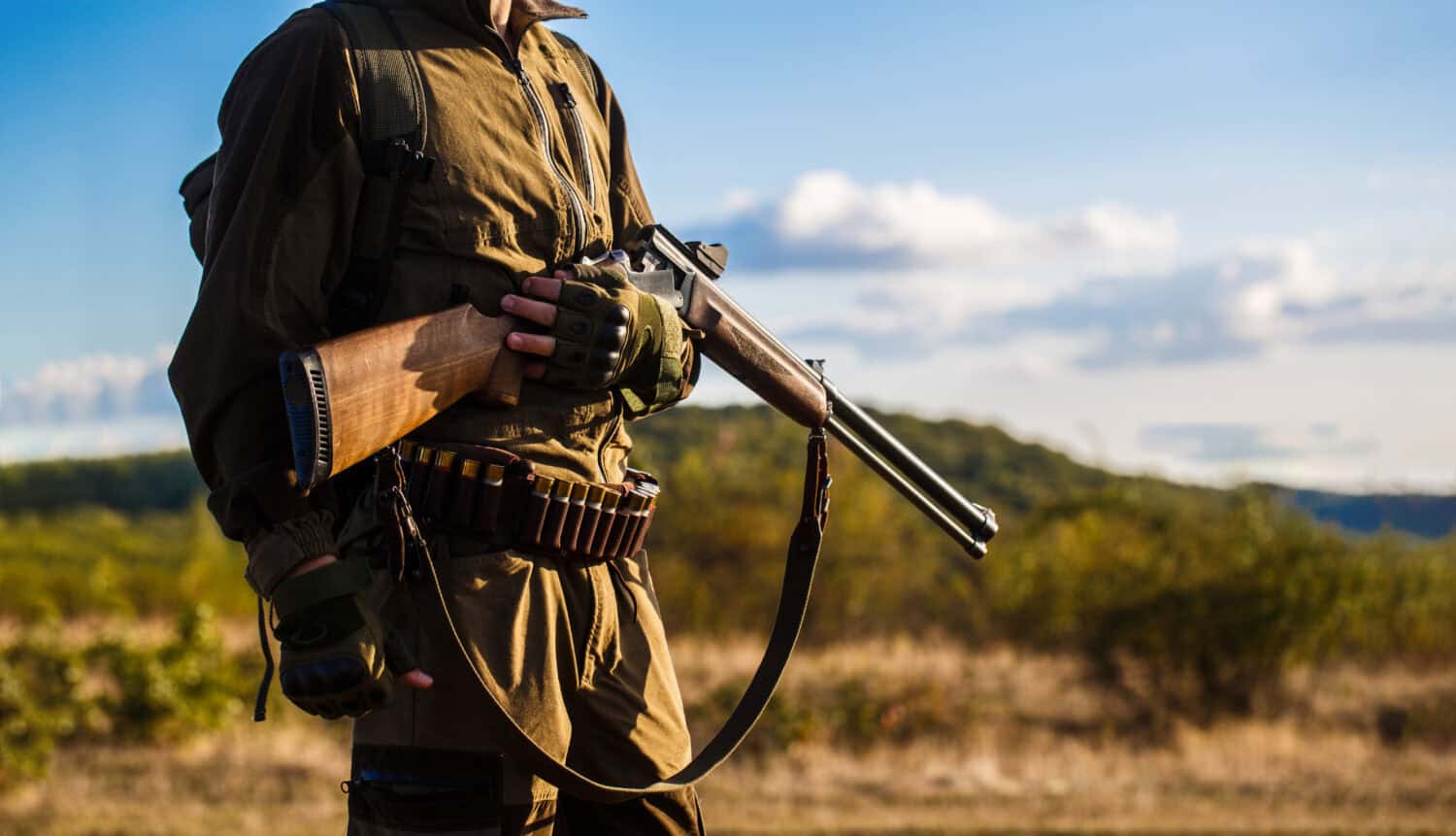
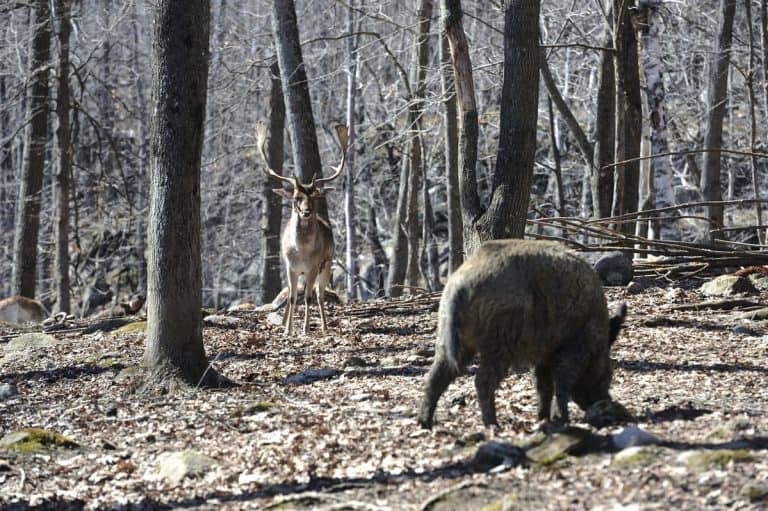
Authorities are relying on outdoor enthusiasts and hunters for screwworm surveillance as these groups are likely to find cases first.
©Body Stock/Shutterstock.com
Even with the government’s extensive budgets and scientific manpower, detecting and preventing the spread of screwworms in the United States requires novel collaboration. Farmers and hunters are more likely to see screwworms first, so government agencies rely on them to sound the alarm. Indeed, Texas wildlife officials are urging hunters to inspect every harvested animal for screwworms. As Texas Wildlife Division director Alan Cain said in a statement, “We encourage all hunters and landowners to be vigilant for signs of New World screwworm while they are out in the field this season.”
The United States is using other techniques to detect screwworm cases, some of which are quite novel. Not only has the USDA deployed scent-detection canines to livestock facilities, but it is also deploying thermal drones to track changes in animal temperatures that follow screwworm infection. New technologies also play a role, including rapid DNA field tests and artificial intelligence models for predictive analysis.
However, the fact that a hunter immediately reported screwworms in a harvested elk demonstrates that outdoor enthusiasts and hunters are the true first responders. As the real watchdogs, they are integral to stopping the spread of screwworms further into the United States.