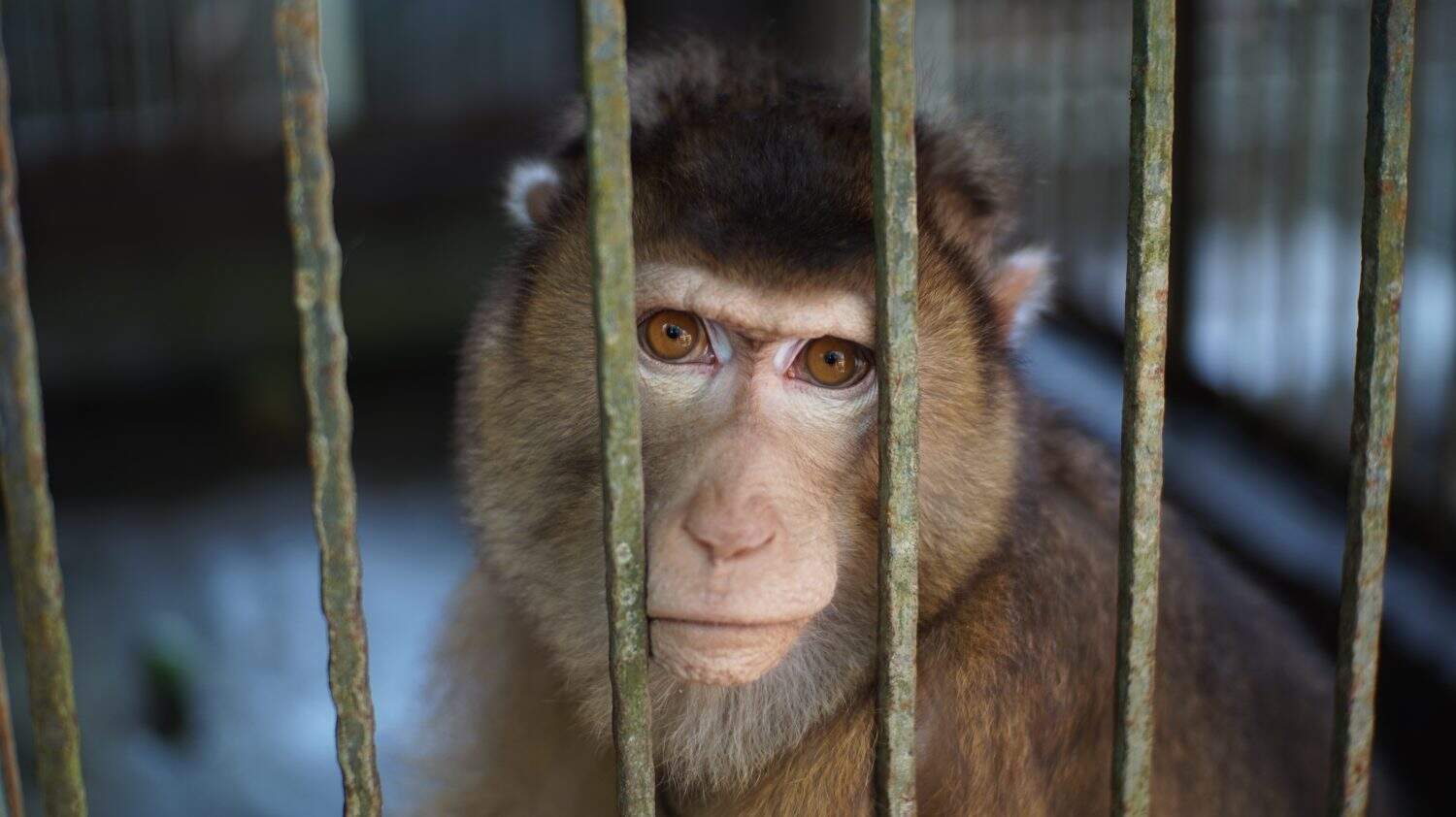

Testing products on animals became an industry standard in the cosmetic, chemical, and pharmaceutical industries nearly a century ago. Since that time, it has become clear that these tests cause animals pain. Advocacy groups have called for ending testing on animals for decades, yet it continues today.
Fortunately, alternatives are becoming more mainstream, reducing the number of animals subjected to testing. Products that do not test on animals are increasing and are easily identifiable. However, products still use animal testing, and alternatives are not always used, leading many to ask why.
Why Did Testing On Animals Become The Norm?
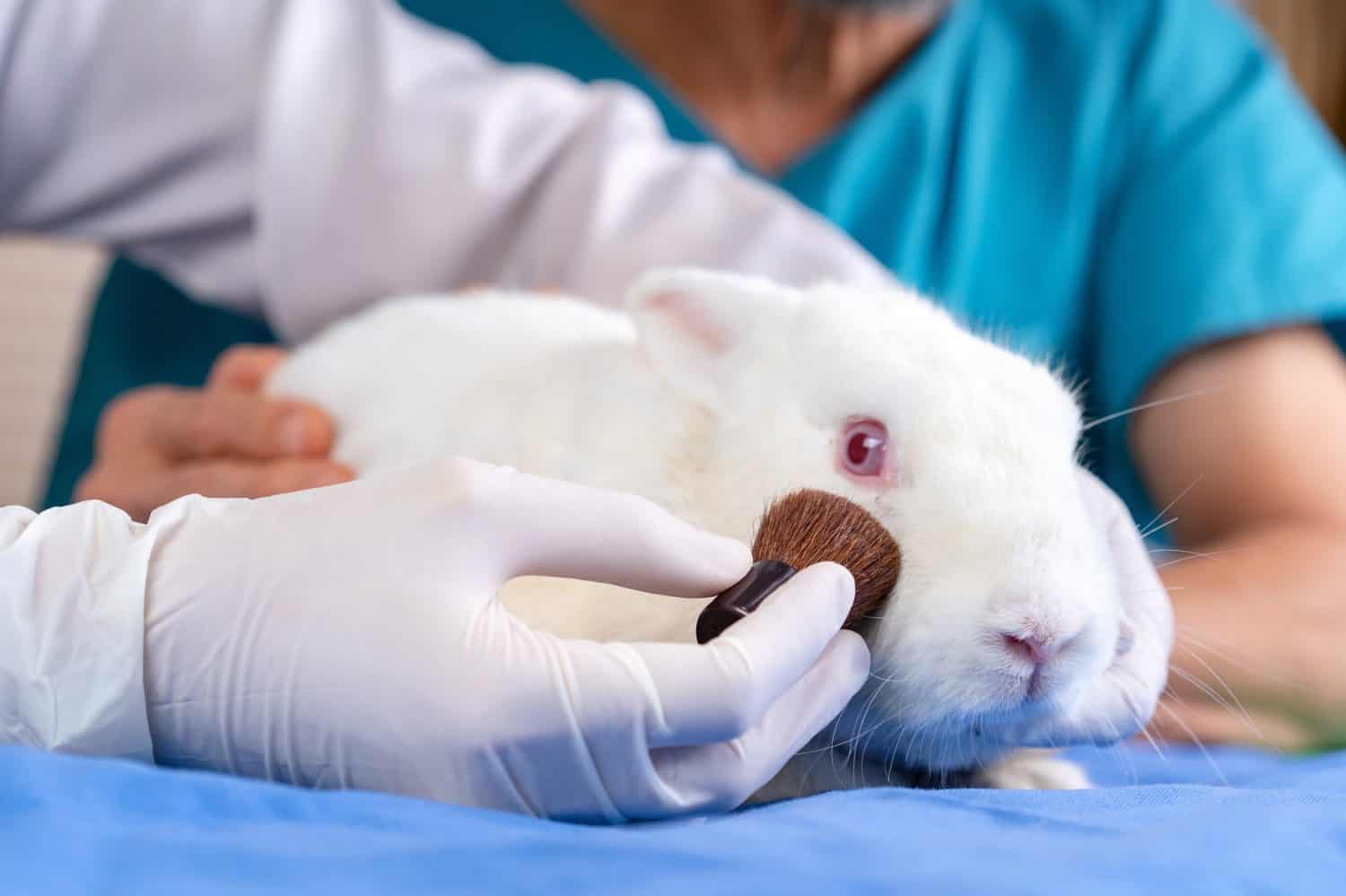
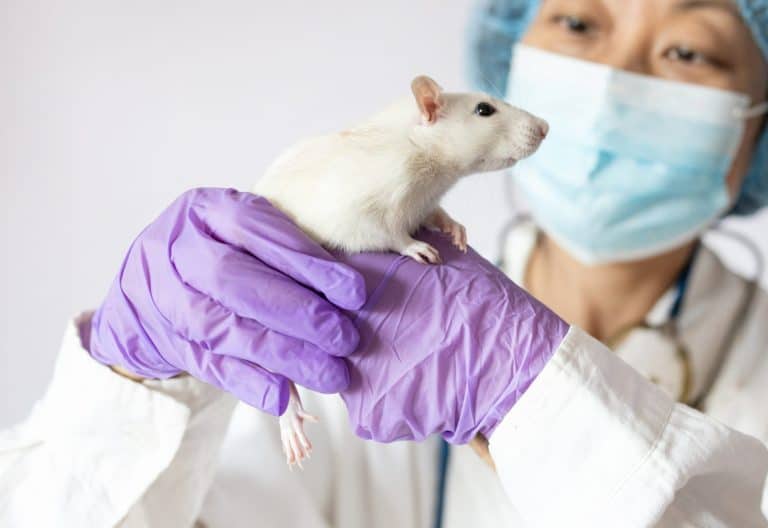
Testing chemicals and cosmetics on animals has existed since the 1930s.
©PlNA/Shutterstock.com
The use of animals in research dates back 2,000 years or more. During this time, vivisections were performed on a variety of species to determine which organs were present in the body and how the body systems worked together. Anesthesia was nonexistent, and consequently, in the name of science, an untold number of animals suffered. This procedure remained prevalent in science until the 1870s, when Queen Victoria helped to implement change. By 1876, Great Britain’s Cruelty to Animals Act was enacted, marking one of the first steps toward ending research on animals.
Unfortunately, a blow was dealt to stopping animal testing and research in the 1930s. As a result of the 1906 Pure Food and Drug Act, which had very loose guidelines on drug and vaccine production in the United States, products containing harmful chemicals were sold on the market. This resulted in one woman dying and multiple others going blind after using a product called Lash Lure.
An untested chemical called p-phenylenediamine was one of the ingredients in the permanent mascara and eyebrow dye. Women’s eyes began to break out in painful ulcers and blisters, leading to scarring and blindness. While the product was removed from the market, it was not the catalyst that led to increased testing on animals.
In 1937, the drug sulfanilamide was given to people to fight streptococcal infections. However, the drug underwent limited testing before it was rolled out in its liquid form. The liquid form used diethylene glycol to make the medication sweet. Diethylene glycol, which is also found in antifreeze, is toxic when ingested. This led to 107 people dying, many of them children.
Between the cosmetic industry and the drug industry deaths, public outcry led to the passing of the Food, Drug, and Cosmetic Act of 1938. This required that any products or drugs released for public use or consumption have proof of safety.
While the FDCA required testing on animals for drugs, it was not mandatory for the cosmetics industry. But, not wanting to be responsible for another cosmetics disaster, the cosmetic industry also tested products on animals. Consequently, by the 1940s, products were being tested on animals en masse, leading to billions of animals suffering and ultimately dying all in the name of science and beauty.
Industries That Still Test Products on Animals Today
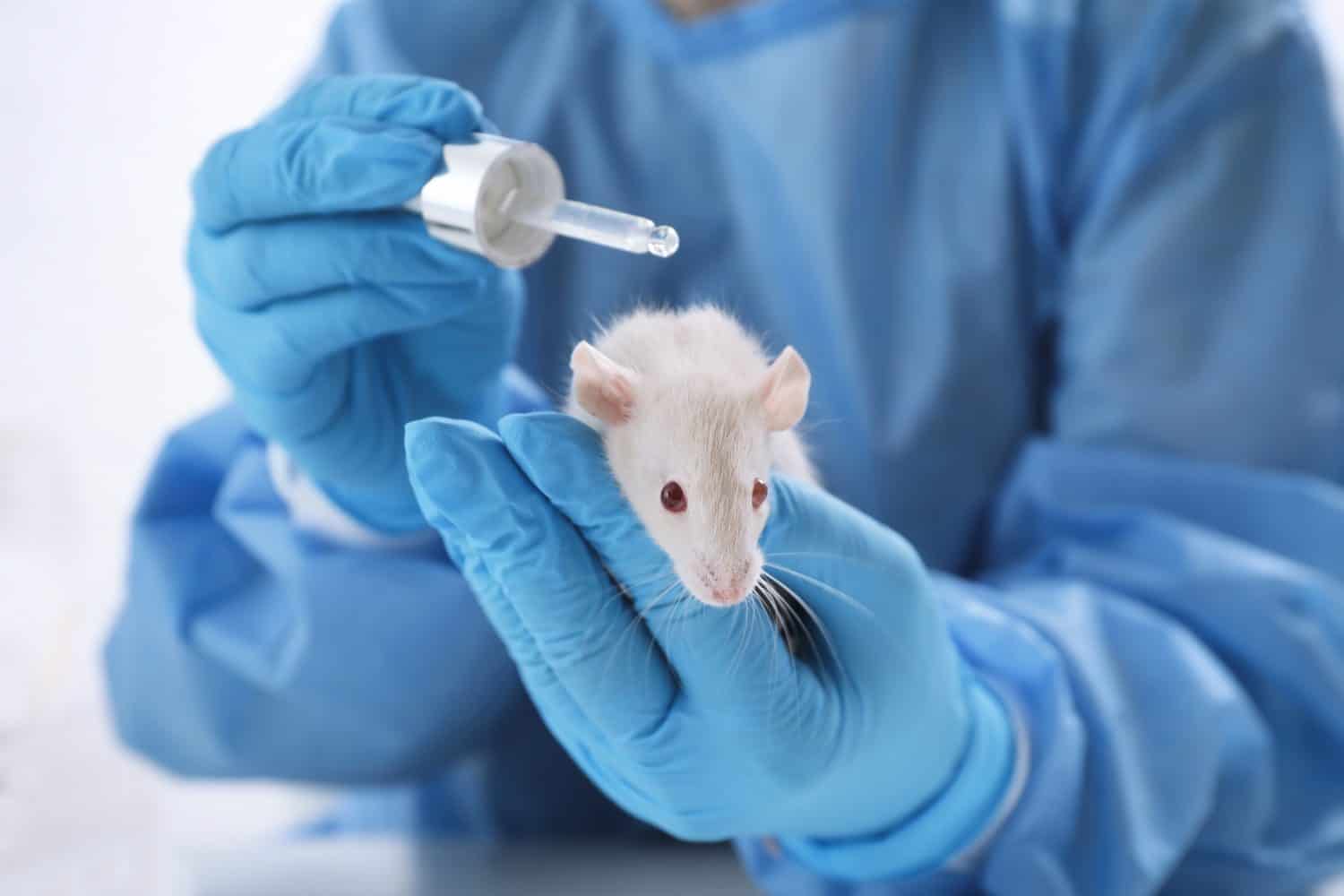
Despite the majority of Americans wanting to ban it, multiple industries still use animal testing today.
©New Africa/Shutterstock.com
In 2024, a survey found that 80% of Americans supported phasing out animal testing, while another 85% supported developing research methods that did not involve animal testing. Despite this, an incredible number of industries with hundreds of companies still test their products on animals.
Why does this still happen? There are several reasons large companies say they continue animal testing. Those reasons include:
- Assurance that products will be safe for human use
- Countries outside the U.S. require testing on animals for the product to be sold there
- Belief that testing on animals leads to better products
- Belief that animal testing is the only way to move science forward
- Alternative testing methods are too expensive
These reasons are repeated across many industries. The industries and product areas that continue to test on animals include:
- Cosmetic
- Skincare
- Fragrance
- Oral care
- Laundry
- Cleaning product
- Period products
- Sunscreen
- Baby care
- Pharmaceutical
For those who want to purchase products in these categories but do not support animal testing, there are plenty of companies that have developed safe products without testing on animals. As it turns out, quality need not be sacrificed to do so.
Is There a Way to Support Companies That Do Not Test on Animals?
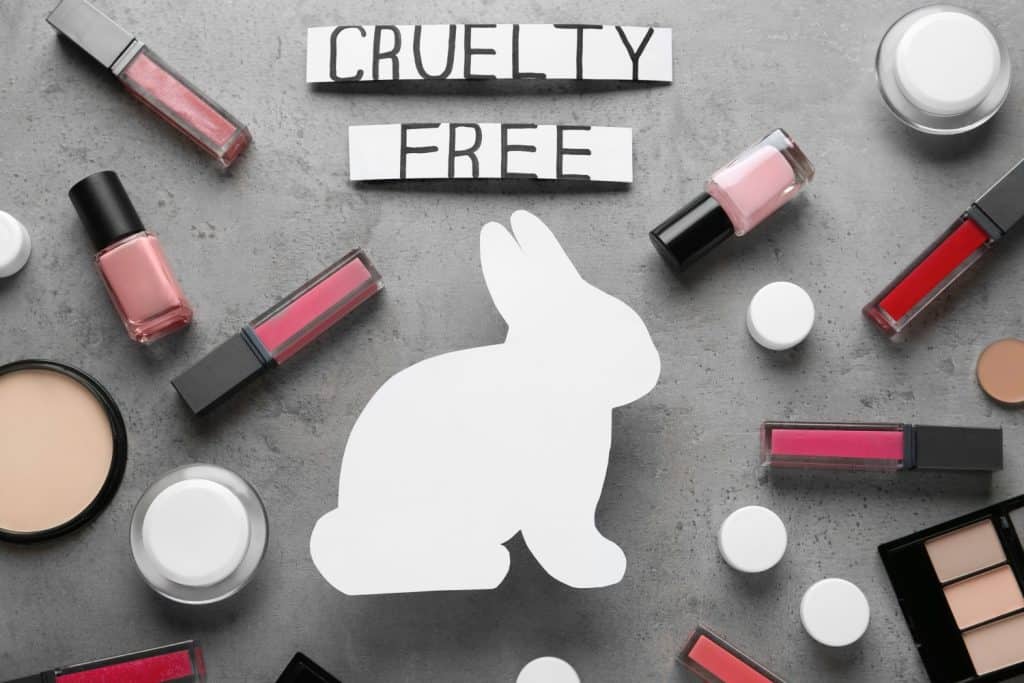
By choosing products with logos indicating that animals were not tested on, companies are supported over those that continue to test unethically.
©New Africa/Shutterstock.com
Companies that do not test on animals place specific logos on their products that signify this. However, there are several cruelty-free organizations behind these logos, and not all of them have stringent requirements for their logos to appear on products. There are a few, however, that consumers can rely on. The following organizations and their logos are trustworthy:
| Organization | Reach Of Organization | Explanation Of Organization |
| Leaping Bunny | International | Considered the gold standard of cruelty-free organizations due to multiple requirements that must be met to receive the logo. Some of the requirements include: 1. Undergoes independent audits 2. Does not sell products in countries where animal testing is required 3. Checks for animal testing for each supplier used to create the product 4. Animal testing cut-off dates must be adhered to. In addition, Leaping Bunny conducts surprise audits of companies that use its logo. |
| Choose Cruelty-Free | Australian-based | Choose Cruelty-Free merged with Cruelty-Free International in 2021 to expand its reach and stop animal testing worldwide. Requirements to receive the logo include: 1. Parent company, not just the subsidiary, must adhere to all standards set forth. 2. Products are not sold to companies that require animal testing. 3. Testing on animals ceased at least five years before applying for certification. 4. Ingredients used in creating products cannot come from an animal killed for a specific ingredient, from live animals from which it was painful to derive the ingredient, or from the fur trade, and no wildlife can be used for a specific ingredient. |
| PETA Beauty Without Bunnies | U.S.-based | To receive the PETA logo, requirements include: 1. Products cannot be sold in countries where testing on animals is required. 2. Fixed animal testing cut-off dates must be met. 3. Companies must pledge in writing not to test animals for ingredients, the formulations of products, or the final product itself. |
Each of these organizations has a goal of stopping the testing of any kind on animals for the production of products. The only difference is the hoops that companies have to jump through to receive that logo. There should be consumer confidence in each of these organizations’ logos being placed on a product. But for those who want to know, without a shadow of a doubt that animals were not harmed in the creation of makeup, fragrances, cleaning products, or the like, Leaping Bunny is the seal to search for.
Why The EU Banned Testing Products On Animals
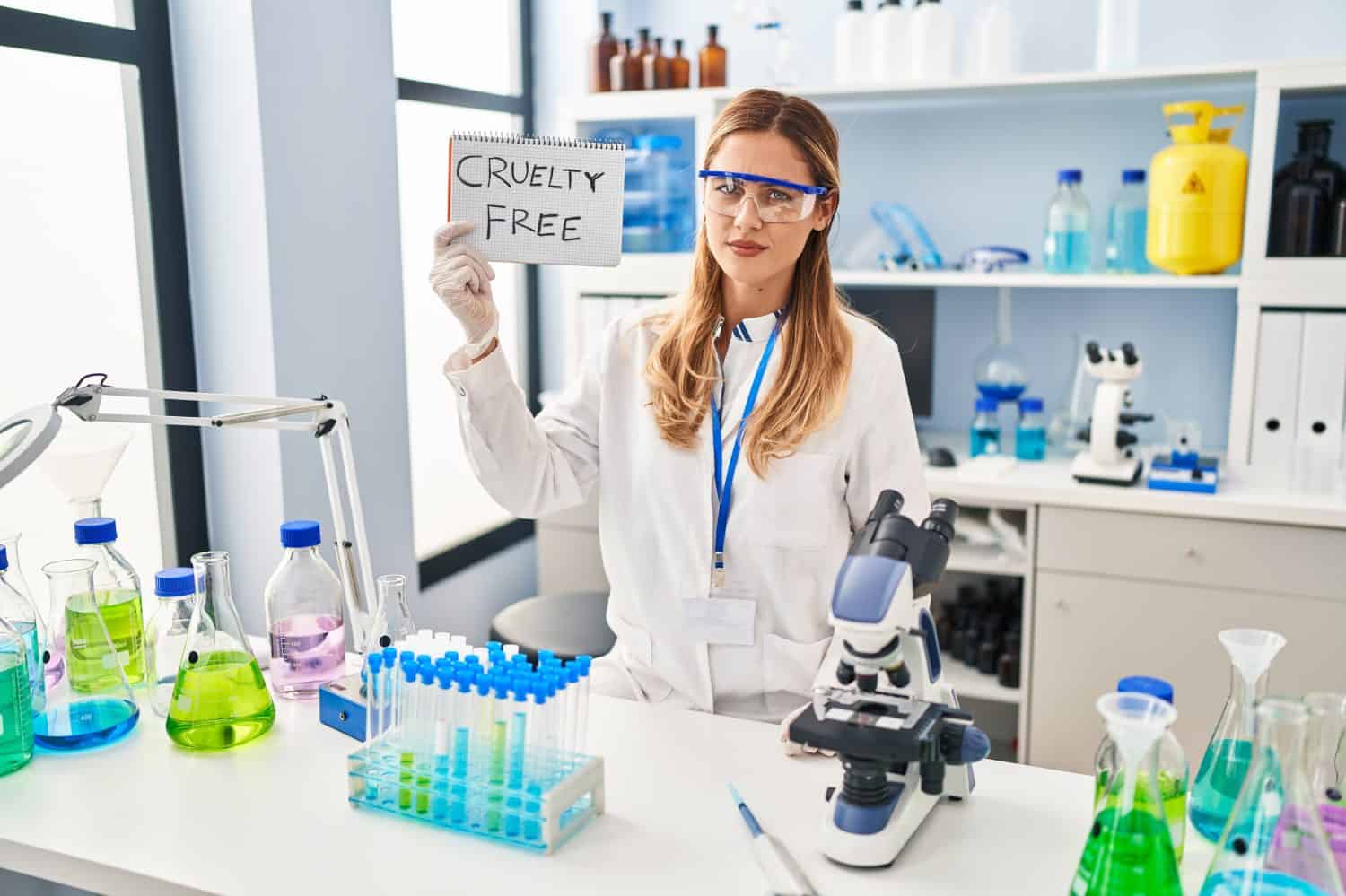
The EU became the first to ban products that were created through animal testing.
©Krakenimages.com/Shutterstock.com
The European Union made headlines when it announced in 2004 that finished cosmetic products would not be tested on animals. That was followed up in 2009, when the ban was extended to the ingredients used to create the cosmetic product.
Finally, in 2013, the European Union announced it would ban animal testing for cosmetic products sold in the EU, including their advertising. This was done to ensure that animals were both treated ethically and safely. By enacting Regulation 1223/2009, consumers knew they could purchase cosmetics and associated products responsibly, knowing that animals were not used at any stage of the process, from sourcing materials to the final product.
While ending the testing of cosmetic products on animals was a move that the public endorsed, the unfortunate truth is that animal testing continues today. This comes as the General Court of the European Court of Justice ordered Symrise AG, a German cosmetics company, to conduct animal testing.
According to Cruelty Free International, the court “sidestepped a provision in REACH [Registration, Evaluation, Authorization, and Restriction of Chemicals] which says that the REACH testing requirements apply ‘without prejudice’ to the cosmetics bans – in other words, those cosmetics bans should take precedence, given that they were introduced before REACH regulations came into effect.”
This led to a public outcry to the point where the European Commission agreed to “plan the full replacement of animal testing for cosmetics.” To date, a call for evidence and a public consultation have been conducted. The initiative is scheduled to be commissioned for adoption in the fourth quarter of 2026. Whether there will be loopholes through which chemicals are still tested on animals is unclear. Until the initiative is ratified, however, animals will continue to be tested on in the EU despite a ban.
Emerging Alternatives To Testing On Animals

A variety of alternative methods have been introduced to end animal testing across multiple industries.
©wavebreakmedia/Shutterstock.com
In a move to produce cosmetics and other products more ethically while keeping consumers safe, companies around the globe are moving toward alternatives to product testing. Some of the options are innovative, while others may still not please animal rights organizations. But what can be agreed upon is that progress is being made toward no longer inflicting pain and death on animals in the name of what is best for humankind.
Some of the alternative methods to testing on animals include:
| Alternative Method | Explanation Of The Alternative Method |
| In Vitro Testing | Cosmetic products are tested on human cells or tissues in a laboratory setting. |
| Computer Modeling | Computer programs generate a hypothesis about how the product’s ingredients will behave in and on the human body. |
| Organ-On-Chip Technology | Microfluidic chips grow human tissue or organs to determine how a product’s ingredients affect them. |
| Zebrafish Testing | Zebrafish embryos less than five days old are used to test a product’s ingredients and assess potential side effects. |
| Human Volunteer Testing | People volunteer to test products so that the company can record side effects. |
The unfortunate truth is that animal testing still exists today. With over 100 million animals in the United States alone being used in animal testing labs, the worldwide numbers are staggering. The hope is that as technology advances, animals will no longer be subjected to painful, debilitating, or even deadly procedures. But until that day comes, organizations such as Leaping Bunny, PETA, Cruelty Free International, and others will continue to fight so that animals are treated ethically, as living, breathing creatures with feelings and emotions, capable of feeling pain.