
Quick Take
- A bird's split-second dive into water helped solve a noise problem that had engineers redesigning one of the world's fastest vehicles. See the kingfisher solution →
- Geckos cling to glass without any sticky substance, and the reason why is now being tested in operating rooms and outer space. Explore gecko adhesion →
- The insect most people call an exterminator to remove is responsible for one of the world's most energy-efficient buildings. Discover the termite-inspired building →
- The most aerodynamic shape engineers could find came from a fish that looks like a swimming brick. Meet the boxfish design →
Some of history’s smartest inventions didn’t just randomly occur to inventors or even begin in a laboratory. They began in the wild. Many of our human problems have already been solved by animals, like reducing drag, finding their way in darkness, and staying cool in extreme heat. For this reason, engineers and scientists have studied animals for decades. This practice actually has a name; it’s called biomimicry, and it has led to breakthroughs in transportation, medicine, architecture, and robotics. Animals have had millions of years to evolve and perfect their abilities and humans have a lot to learn from them. Here are eight animals whose abilities inspired inventions.
1. Kingfisher

©DickDaniels (http://carolinabirds.org/), CC BY-SA 3.0 <https://creativecommons.org/licenses/by-sa/3.0>, via Wikimedia Commons – Original / License
The kingfisher inspired one of the most famous engineering aspects of transportation. Japanese engineers were looking for a way to make bullet trains quieter because they made a startling boom when leaving tunnels. They noticed that kingfishers dive into water with almost no splash thanks to their long beaks. The nose of the train was then redesigned to replicate the bird’s streamlined beak shape. The change majorly reduced noise, while also improving speed and fuel efficiency.
2. Gecko
©Michael Benard/Shutterstock.com
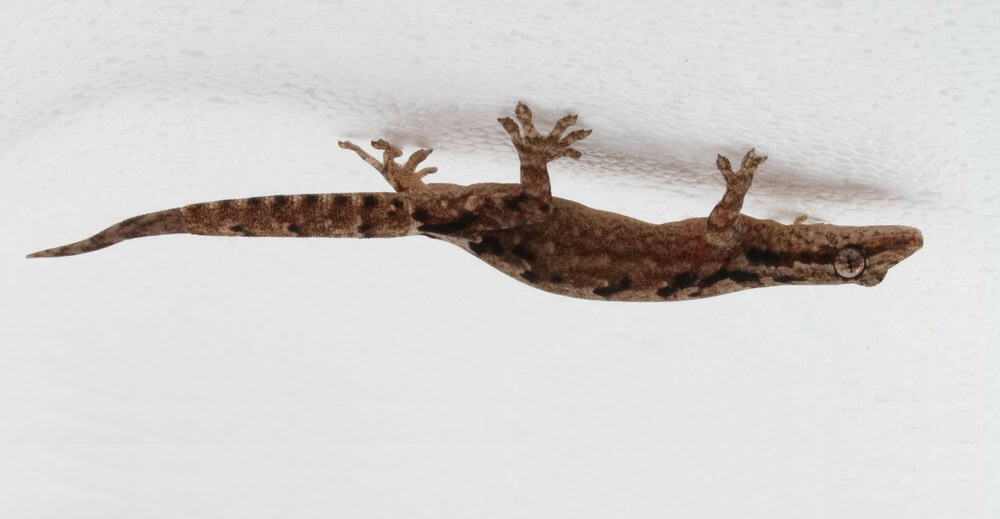
Geckos can cling to walls, ceilings, and even smooth glass. When researchers studied them, they realized the little lizards accomplish this without any sticky substance or suction. It turns out the key to their abilities lies in their feet, which are covered with millions of microscopic hairs. These hairs create tiny molecular attractions strong enough to support their body weight. Researchers have used this gecko-based knowledge to develop reusable adhesives that leave behind zero sticky residue. These materials are still being tested for use in medical bandages, climbing equipment, robotics, and even space exploration. Who knew a tiny lizard could inspire so much?
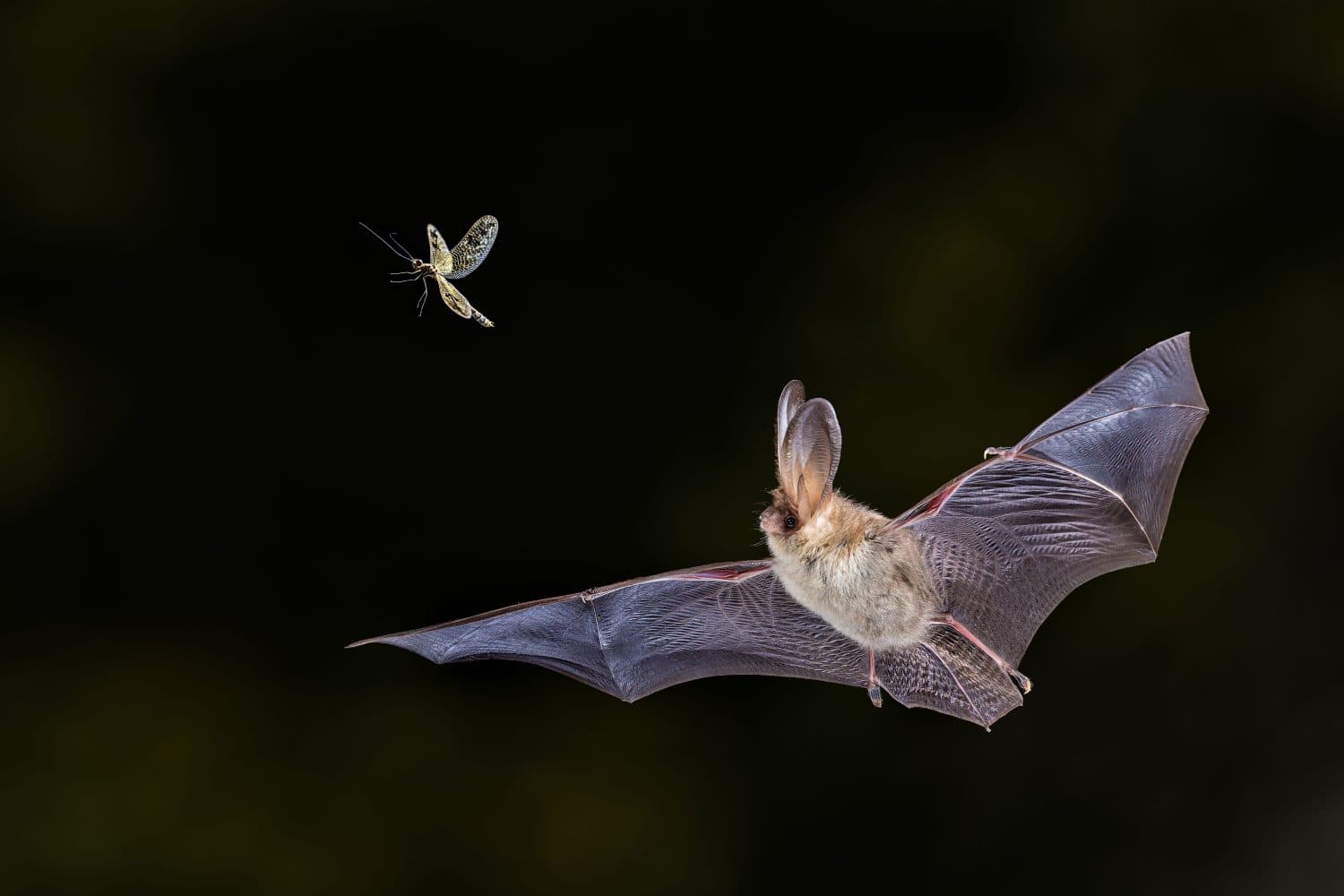
3. Bat
©Rudmer Zwerver/Shutterstock.com
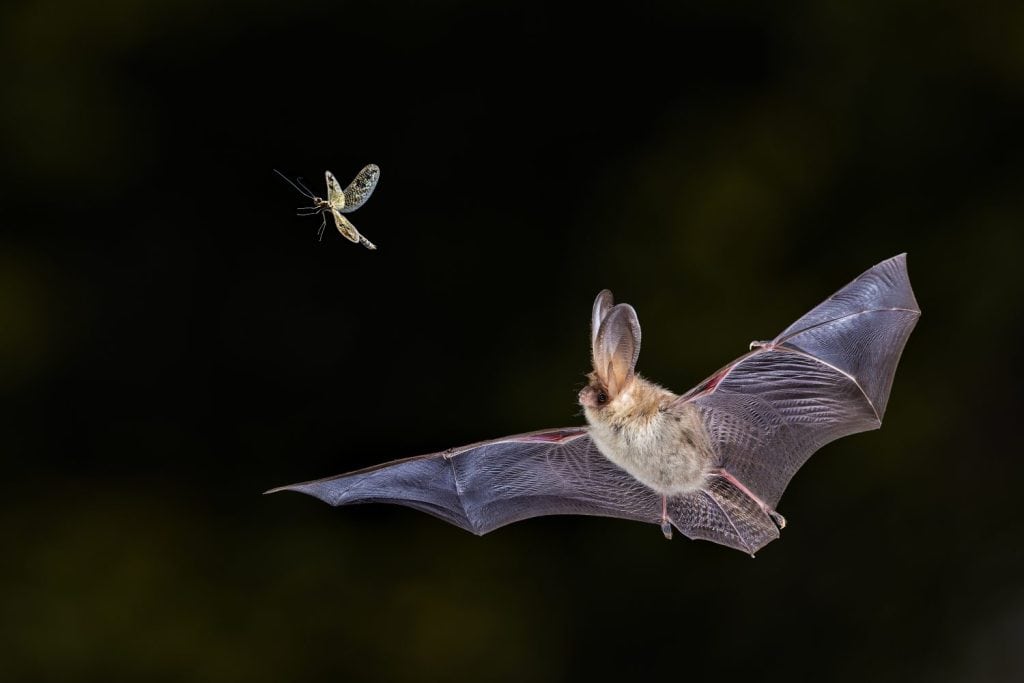
Bats navigate in complete darkness using echolocation. They produce high-frequency sounds and listen for the returning echoes. Scientists studying this ability learned how objects can be located using reflected sound waves. This knowledge led to improvements in sonar systems used by submarines, ships, and underwater mapping equipment. It has also helped with advanced medical imaging technologies. Bats are remarkable creatures and their near-magical abilities have led to some of our most high-tech inventions.
4. Shark
©Andy Casagrande – Shark Dreams via YouTube — used under fair use – Original / License
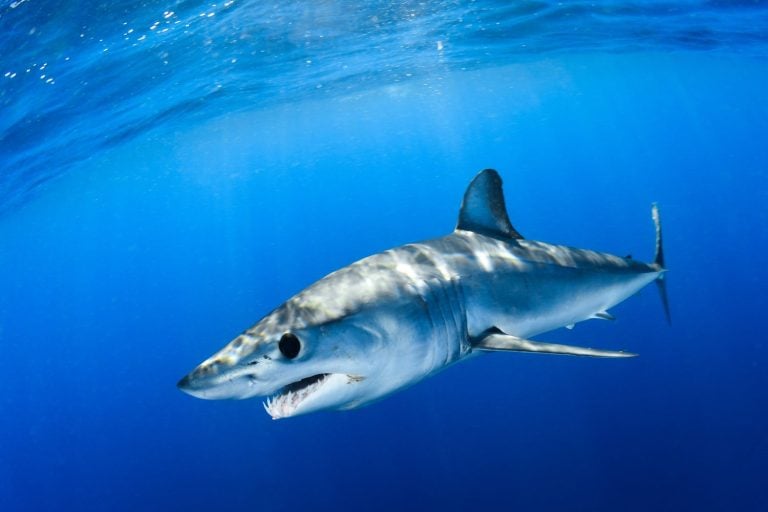
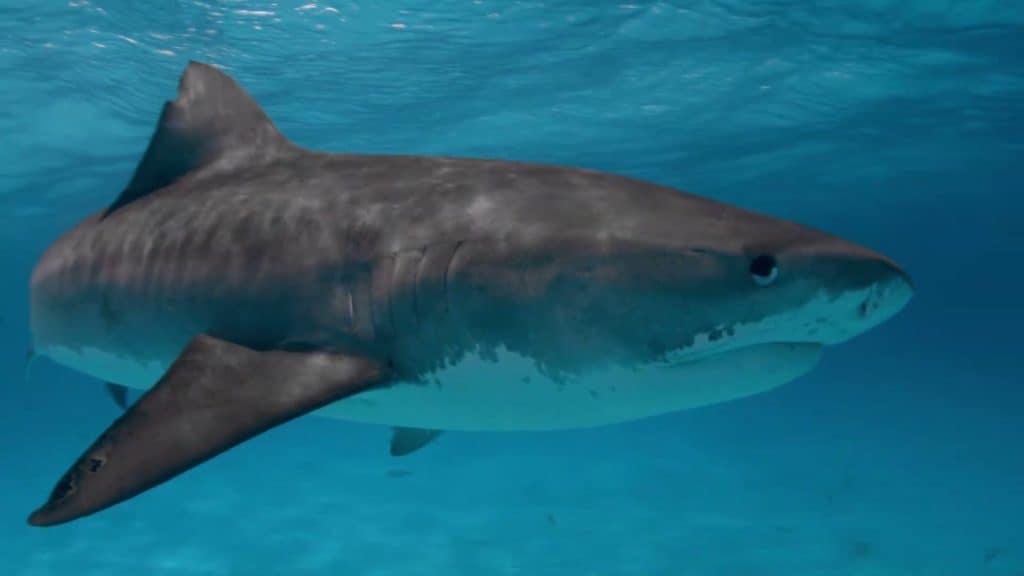
Shark skin looks fairly smooth. But these big fish are actually covered with microscopic scales called dermal denticles that help reduce drag as the apex predators swim through the water. Over time, engineers managed to copy this texture. It has been used in ship coatings and aircraft materials to reduce drag. Additionally, the tiny ridges on shark skin serve another purpose. They make it so that bacteria and other organisms have a difficult time attaching to the skin. Engineers applied this knowledge to antimicrobial surfaces used in hospitals and medical tools.
5. Termite

©reisegraf.ch/Shutterstock.com
Termites build towering mounds that keep consistent temperatures even in extremely hot environments. This is possible due to a network of tunnels that circulate fresh air throughout the colony. Architects didn’t hesitate to borrow the tiny insects’ know-how, allowing them to design buildings that need less air conditioning. One of the best examples is Zimbabwe’s Eastgate Centre. The building uses something called passive ventilation, which came directly from studying termite mounds. Though termites are usually seen as pests, they have led to more energy-efficient structures.
6. Humpback Whale
©Manuel Balesteri/Shutterstock.com
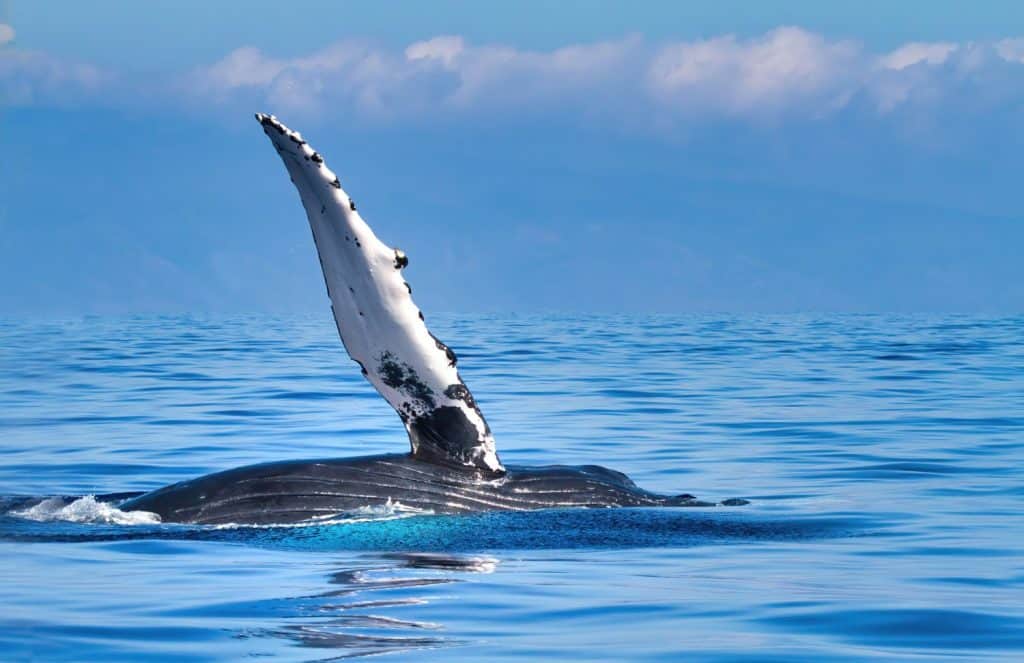
The massive flippers of humpback whales have raised bumps on their edges. These are called tubercles. While investigating the purpose of these mysterious bumps, scientists discovered that they both improve lift and reduce drag. Because of these tiny bumps, the whales can make sharp turns. Engineers took this unique design and applied it to things like wind turbines, airplane wings, industrial fans, and water turbines. The concept not only improved performance but it also lowered energy consumption. What first seemed like an odd skin feature turned out to be an effective design.
7. Owl

©FSTOPdotCOM/Shutterstock.com
Owls are famous for flying in almost complete silence, allowing them to easily sneak up on prey. What is the reason for their extremely stealthy abilities? It all comes down to specialized feather edges that reduce turbulence and muffle the sound of moving air. Engineers have analyzed these feathers, attempting to make human inventions quieter. Technologies like airplane wings, wind turbines, cooling fans, and drone propellers are all exceptionally loud and could benefit from noise reduction. The owl’s natural quiet flight may hold the answers.
8. Boxfish
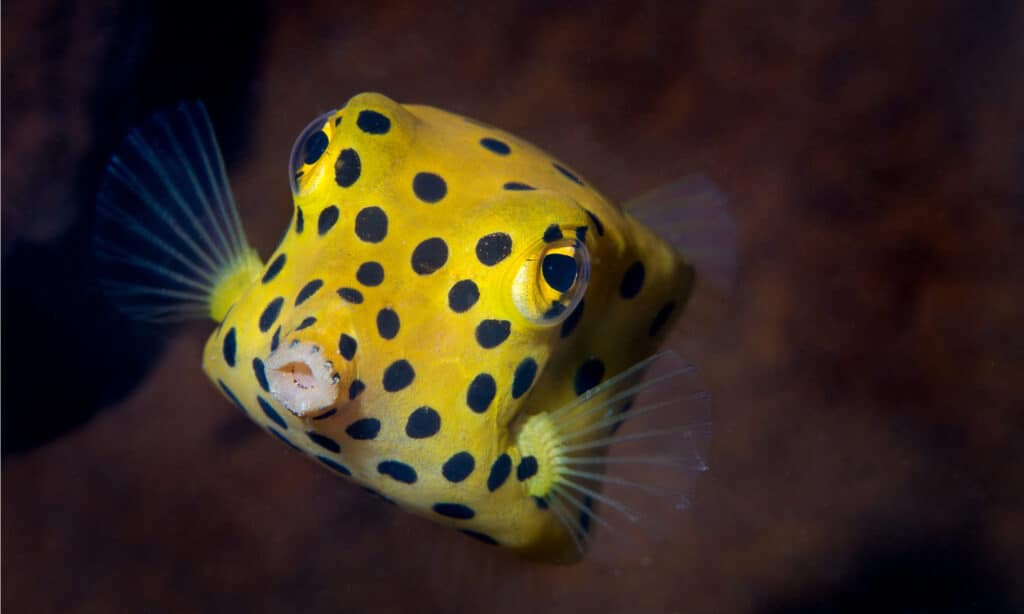
©Oliver Tindall/Shutterstock.com
Despite its boxy shape, the boxfish moves through water with surprising ease. Its rigid body has very little drag and stops the fish from rolling while navigating the ocean. Engineers studied this unusual shape with an eye toward creating more aerodynamic vehicles. Such cars could be more fuel efficient. The fish’s interesting structure also inspired lightweight but strong construction materials. One awkward looking fish has actually significantly helped modern science.