
Quick Take
- Collserola boars have contracted African swine fever, which has a near 100% fatality rate.
- Local pig farms have been restricted from selling pork products to stop the spread of African swine fever.
- The cause of African swine fever in Spain has yet to be identified, but it is believed to be due to contaminated deli meat consumed by wild boars.
- The Georgia 2007 strain of African swine fever is believed to be related to the recent strain in Spain.
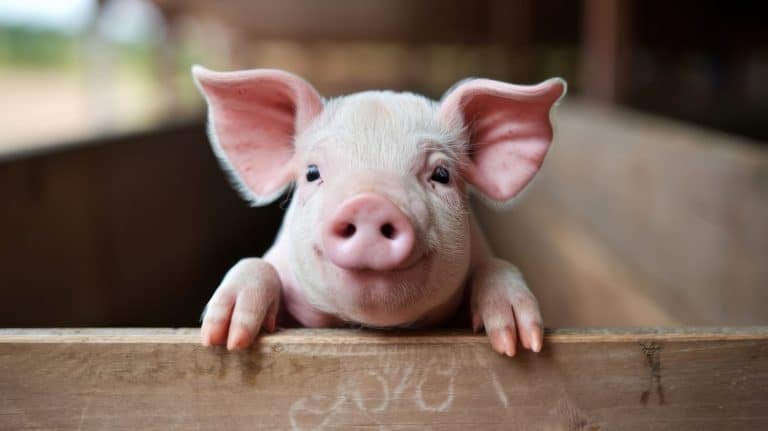
In the United States, wild pigs are a problem. These hardy animals destroy crops, adapt to a variety of environments, and cause substantial economic costs to the agricultural industry. Worse still, they can spread disease to both livestock and humans.
America isn’t the only country affected by wild boars. Spain is in the midst of a biological fallout due to an African swine fever outbreak in Collserola boars. While the disease seems to be contained for the time being, biologists have not been able to determine the source of the outbreak, meaning it could easily appear elsewhere before it is eradicated.
How Collserola Boars Became Infected with African Swine Fever
In November 2025, Collserola boars in Spain began to test positive for African swine fever. Since that time, the Spanish government has been battling the outbreak, which, to date, continues to infect boars. Consequently, this has been labeled the worst outbreak of African swine fever in the country since 1994, which also marked the last outbreak of the disease in Spain.
Collserola Natural Park is home to a significant population of wild boars. While their total population is unknown, their presence has led to a hunting season within the park between September and March each year. However, due to the outbreak of African swine fever, hunting has halted for the 2025 to 2026 season to stop the spread of the disease.
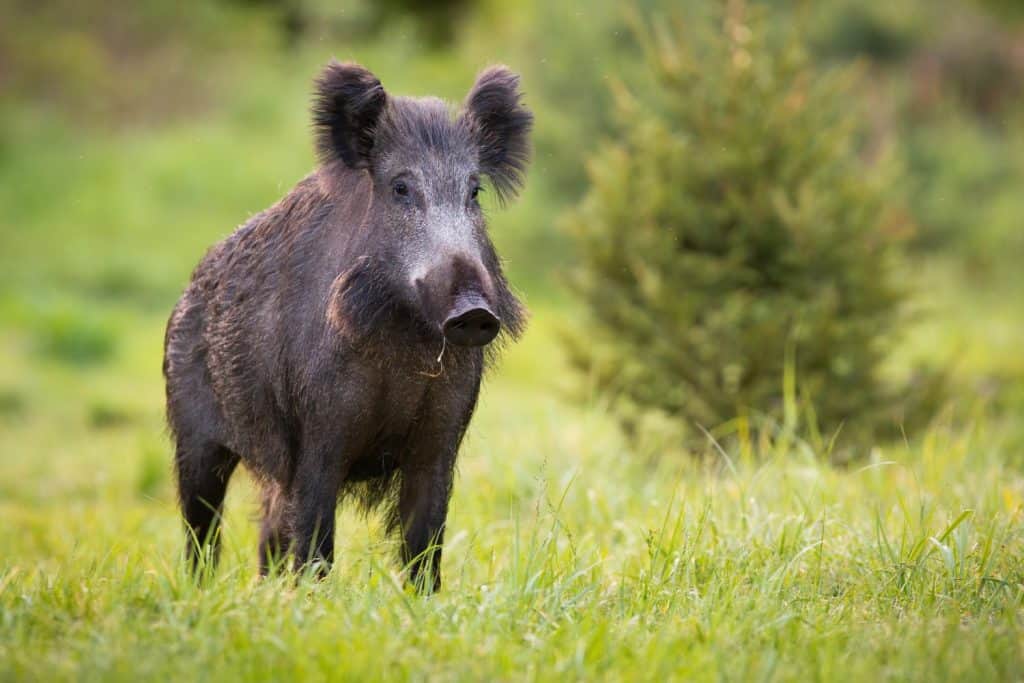
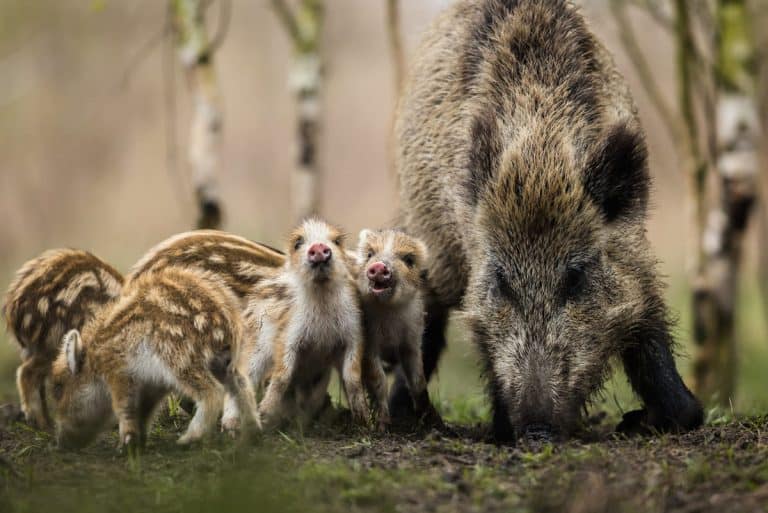
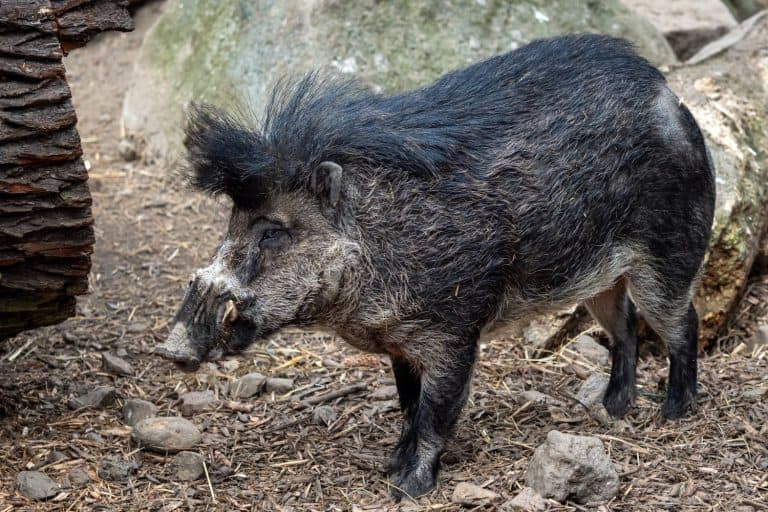
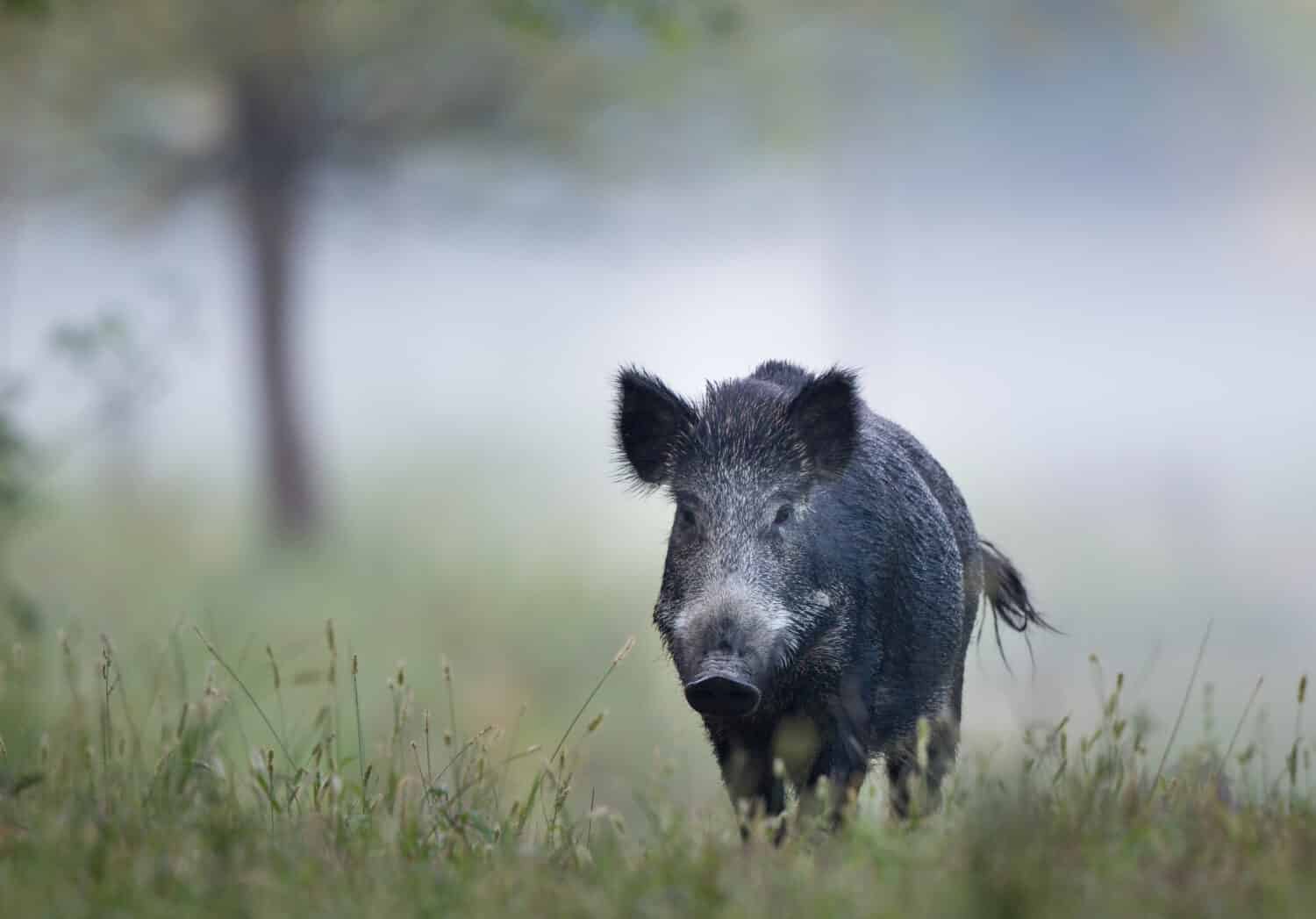
Wild boars in Spain have contracted African swine fever from an unknown source.
©WildMedia/Shutterstock.com
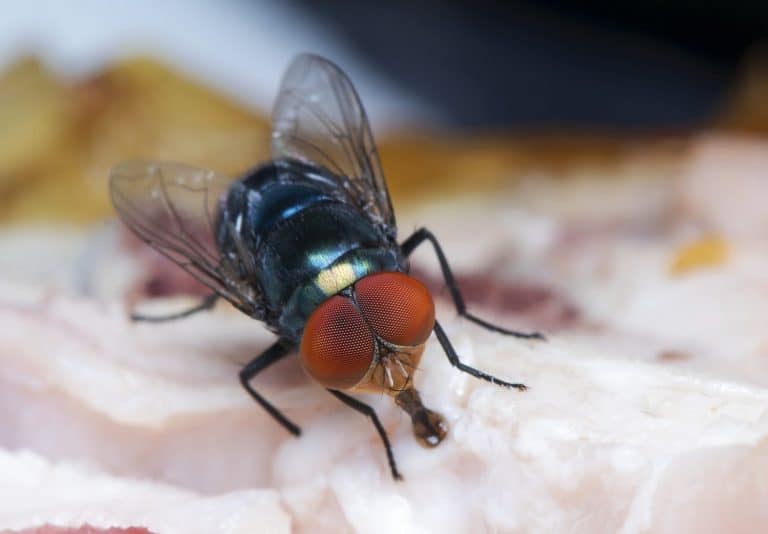
Just how African swine fever made its way into Collserola Natural Park is a mystery. One current working theory revolves around contaminated deli meat disposed of in a trash can. If one or more of the park’s boars consumed this meat, it could have easily infected them. However, proving this theory is difficult, if not impossible.
Another theory blames scientists working at the Animal Health Research Centre of the Institute for Agrifood Research and Technology (IRTA). This accusation raised questions about the integrity of the facility, those working there, and whether the outbreak was accidental or intentional.
Were Fears the Outbreak Came from the IRTA Unfounded?
After the new year passed, many still believed that the IRTA was to blame for the outbreak of African swine fever. For comparison, the organization provided strains of the specific African swine fever that they were studying. Those results finally came back in February 2026.
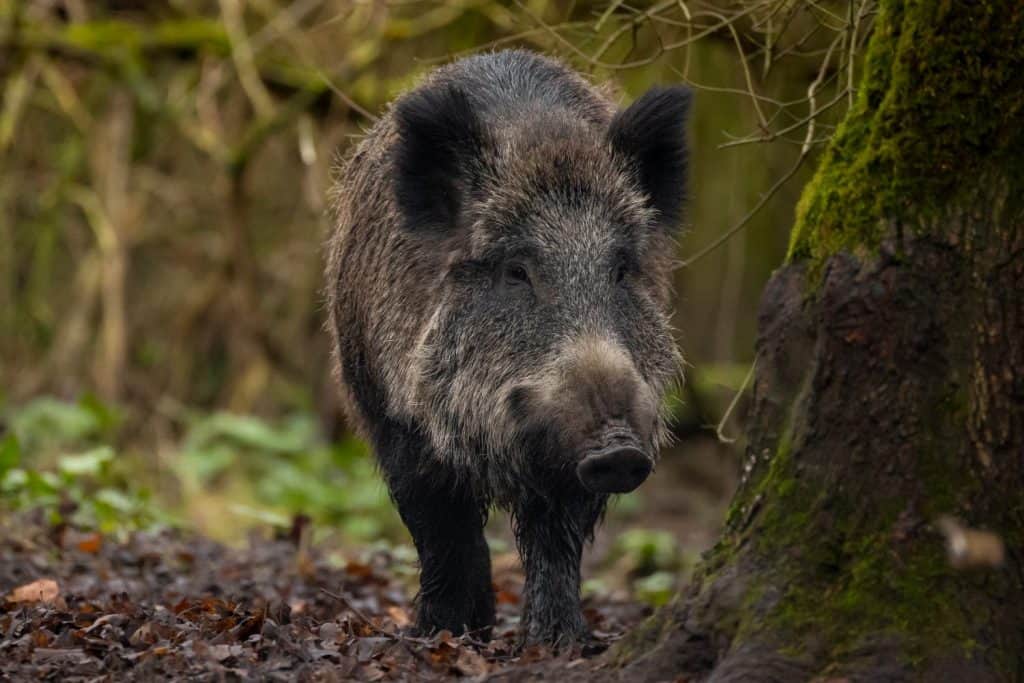
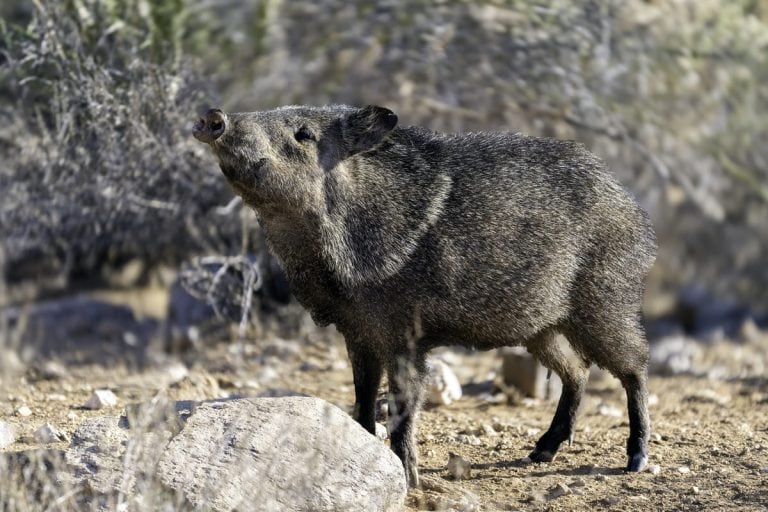
It is unclear what the initial source of contamination was, but the IRTA was found not to be responsible for spreading African swine fever in Spain.
©Nick van den Berg/Shutterstock.com
As it turns out, the fears that the disease originated from IRTA were unfounded. The strains of African swine fever the government organization was working with differed from those in the samples taken from the 155 wild Collserola boars who have tested positive for the virus. There were no similarities other than both were strains of the African swine fever. Instead, it was discovered that the Georgia 2007 strain discovered in the Republic of Georgia shares sequencing similarities with the Collserola strain.
Despite being erroneously blamed, the IRTA has been working with the Spanish government to find the link between previous strains and this most recent one. By doing this, many remain hopeful that the origin of the disease will eventually be identified.
However, without vaccines for any of the African swine fever strains, the likelihood of another strain emerging is high. Controlling the disease as soon as it is identified is essential for stopping its spread as early as possible.
What is African Swine Fever?
African swine fever is a virus that affects both wild and domestic swine. This highly contagious disease generally leads to death.
Fortunately, humans are not affected by African swine fever. If a person ate contaminated meat, it would not cause any ill effects.
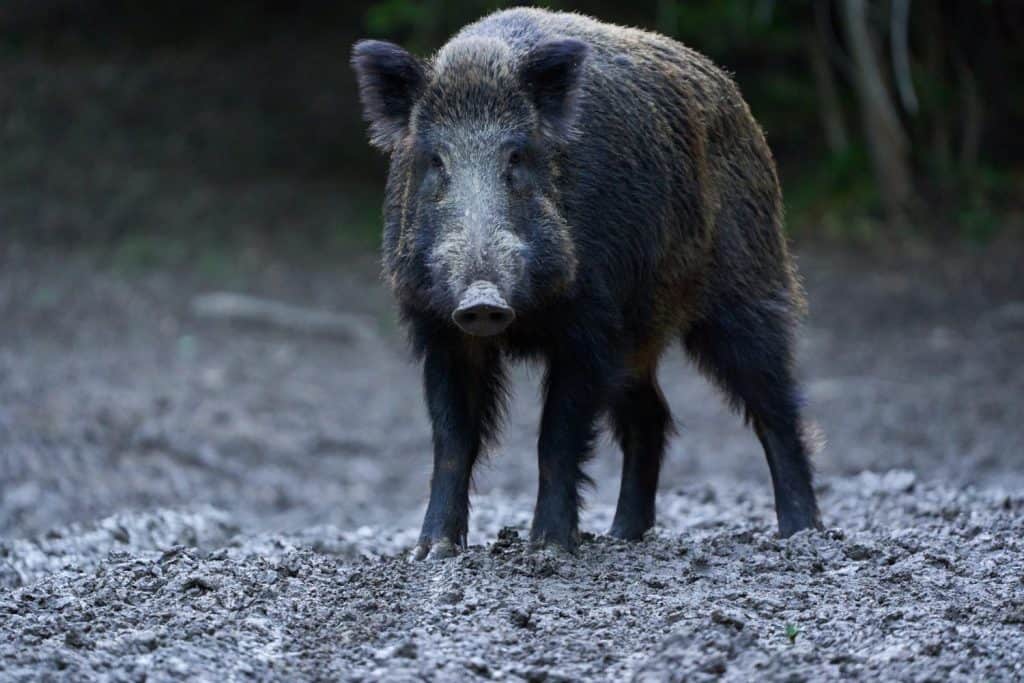
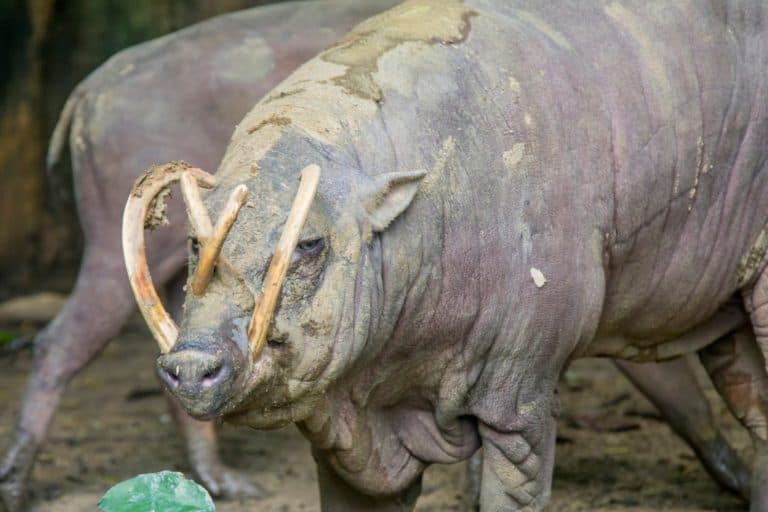
African swine fever was first discovered in Kenya in 1921.
©Slatan/Shutterstock.com
African swine fever was first discovered in Kenya in 1921. From there, the disease spread throughout Africa. By the 1960s, the disease had spread to the Iberian Peninsula, Cuba, Haiti, the Dominican Republic, Brazil, and several European countries. It had truly become a pandemic.
Countries that have never had a documented case of African swine fever include the U.S., Canada, Australia, and New Zealand. These countries are determined to maintain this disease-free status, not only because the virus spreads so easily but also because its economic impact can be devastating.
What Has Happened to Spain’s Economy Due to African Swine Fever?
Spain’s leading export is pork. Annually, pork exports bring in S$5 billion. As pig farms continue to be restricted from selling products throughout the region around Barcelona, the country’s income will suffer. By just how much, remains to be seen.

Pork farms located near the region where infected wild boars have been identified are not allowed to sell pork products.
©Piotr Krzeslak/Shutterstock.com
Pig farms located within approximately 13 miles of the infected region have been banned from selling pork products. Many may be unable to recover. Currently, only five pig farms operate outside the radius where infected boars were found, while 10 operate within the boundary.
If the disease spreads beyond its current confines, the remaining working pig farms may have to halt operations as well. Consequently, the Spanish government is scrambling to ensure African swine fever does not spread, to mitigate financial losses from becoming too great, and affecting the economy at large.
Signs That Pigs and Boars Have African Swine Fever
Once swine, both domesticated and wild, contract African swine fever, signs of the infection appear rather suddenly. Unfortunately, infection is typically a death sentence for both pigs and boars, as African swine fever has a close-to 100% mortality rate.
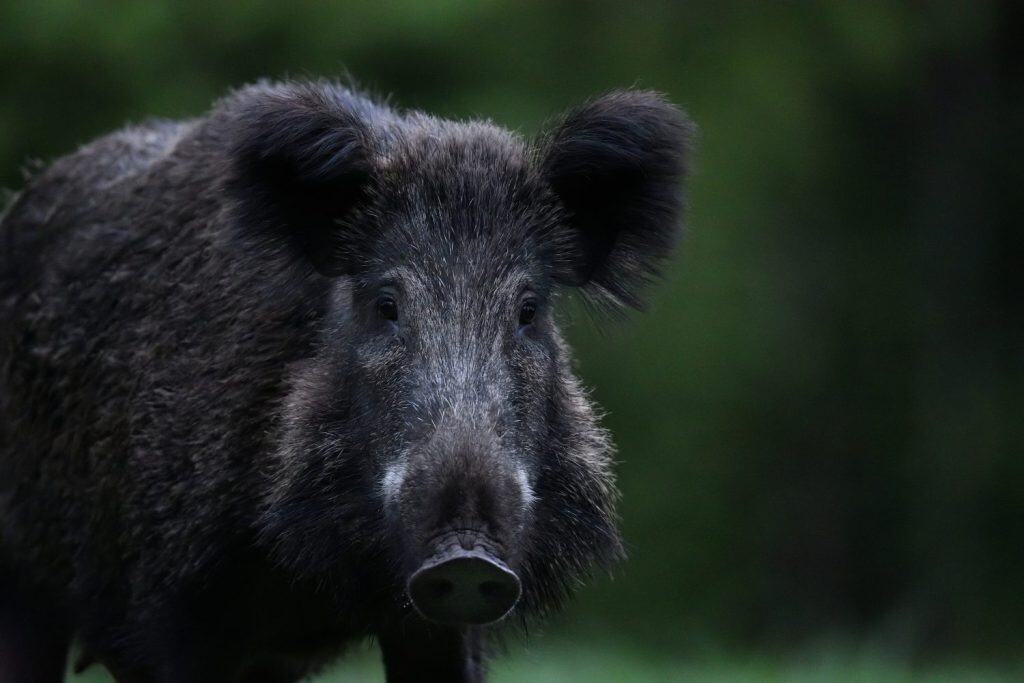
Infected swine with African swine fever show decreased appetite, weakness, red, splotchy skin, and more.
©Erik Mandre/Shutterstock.com
Signs that swine have contracted African swine fever include:
- Decreased appetite
- Weakness
- Red, splotchy skin
- Skin leisons
- High fever
- Coughing
- Difficulty breathing
- Nausea
- Vomiting
- Diarrhea
- Abortions
- Dying suddenly
The only way to stop the spread of African swine fever is to contain it. It may seem counterintuitive that the disease is easier to contain in wild boar populations than in domestic pigs. This is due to proximity; people can spread the disease by coming into contact with infected pigs, and humans are far more likely to engage with domestic pigs over their wild counterparts. Wild boars live in more remote regions where contact with people is limited. However, since the virus is able to survive for one year after the last known infected boar, eradicating the disease can be difficult for either population.
How African Swine Fever is Being Controlled in Spain
Not knowing the origin of African swine fever within Collserola Natural Park has made it difficult to contain. The Spanish government is making significant efforts to stop the spread, given the devastating economic effects the disease has already had.
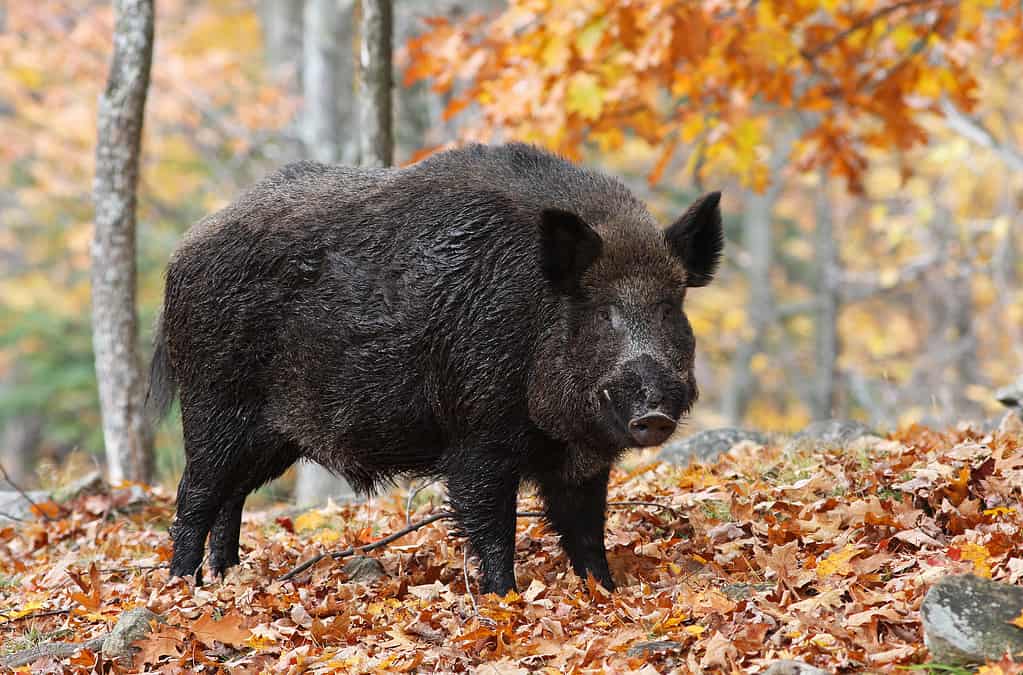
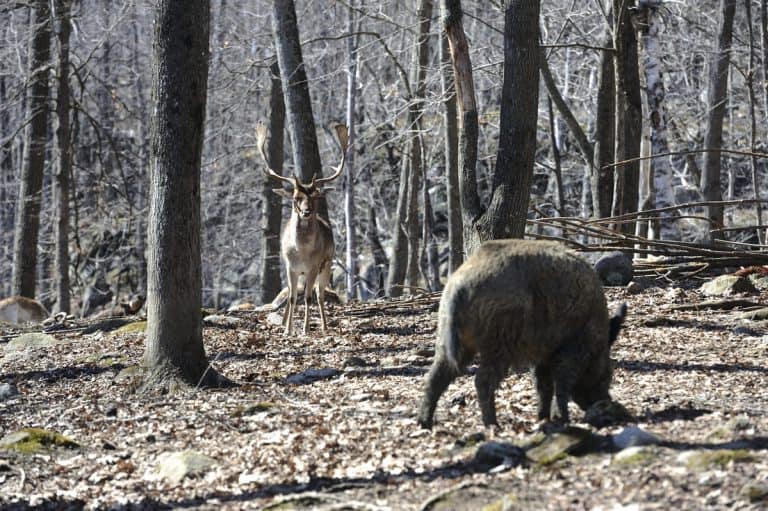
The Spanish government is containing the wild boars, banning hunting until the threat of African swine fever has passed, and disposing of dead boars to keep the disease from spreading.
©Mircea Costina/Shutterstock.com
Actions taken to stop the spread of African swine fever include:
- Containment of the region identified as being infected
- Searching for and disposing of dead boars
- Ban on hunting until it is proven African swine fever has been eradicated
- Monitoring pig farms for signs of outbreak
- Prohibited slaughter and transport of animals in and around infected regions
By imposing these restrictions, the goal is to prevent the spread of African swine fever. To date, the virus has not been detected in domestic pigs. To keep it this way, the IRTA continues to work with the most recent strain to determine its behavior, enabling predictions of how it will continue to evolve. The more information scientists gather, the easier it will be to stop the spread of this costly disease.