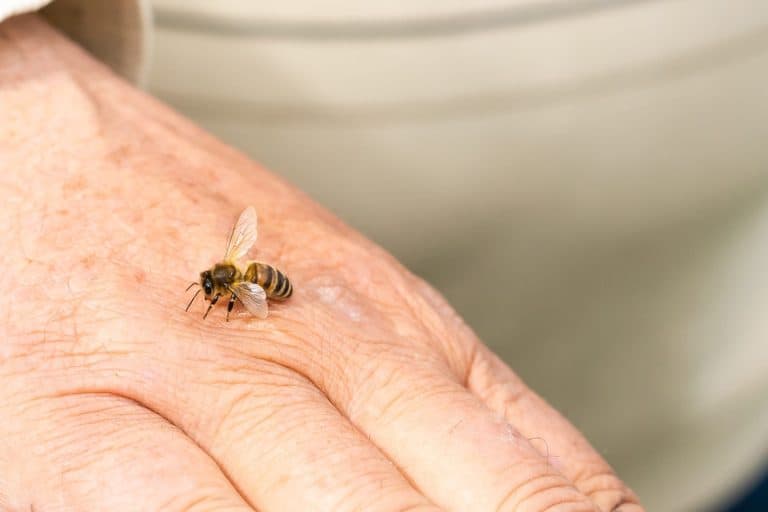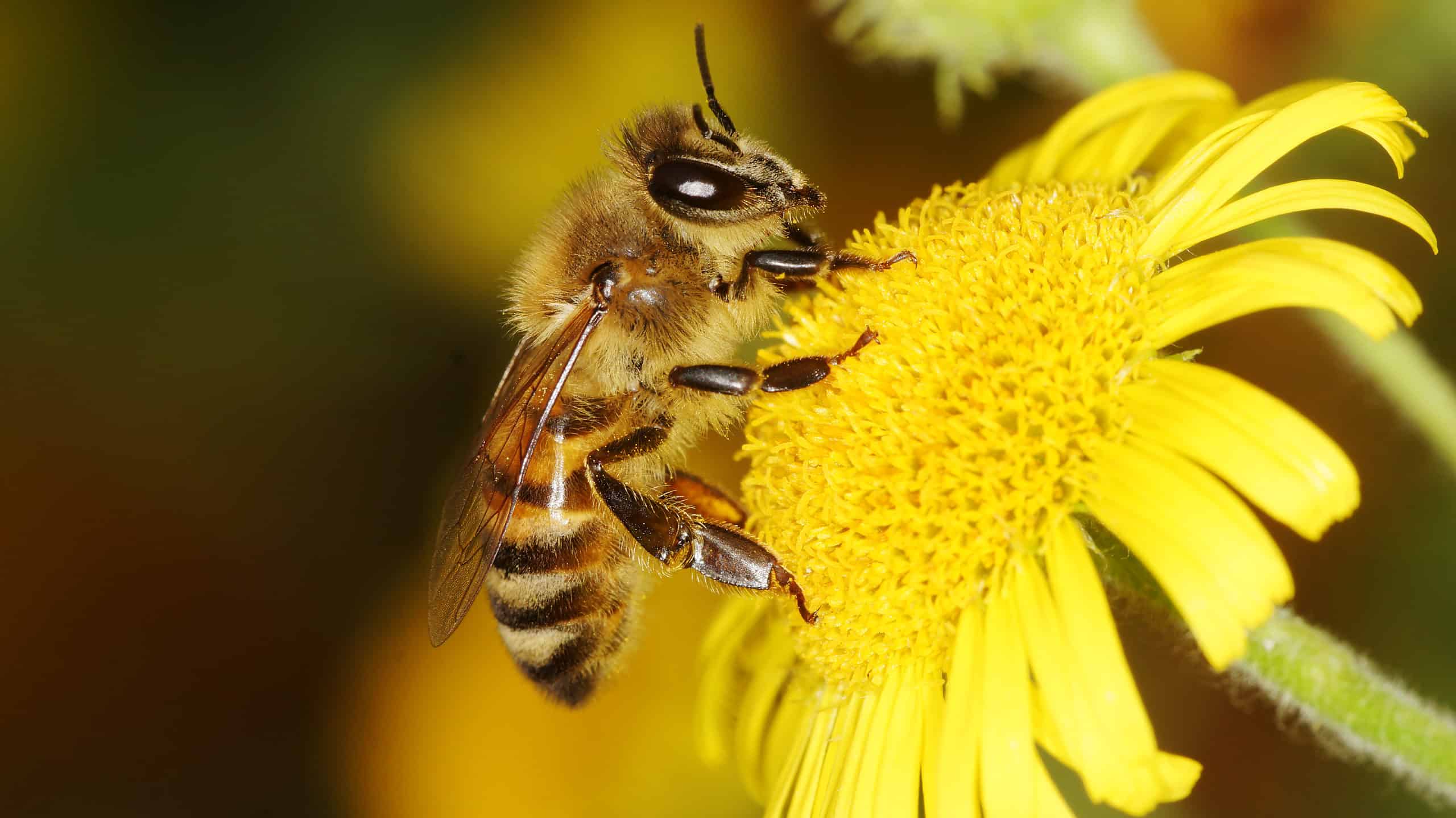

A bee sting is pretty straightforward, right? The bee jabs, the human victim (the stingee, if you will) shouts a profanity or two, then the bee flies away. But that’s not the whole story with the honeybee. For that little guy, this tiny act involves an astonishing, even tragic, biological sacrifice. Check out this Instagram Reel. That video captures only a part of the drama; the real story lies in what happens inside and after the sting, and why a single sting usually costs the bee its life.
How a Honeybee’s Sting Works
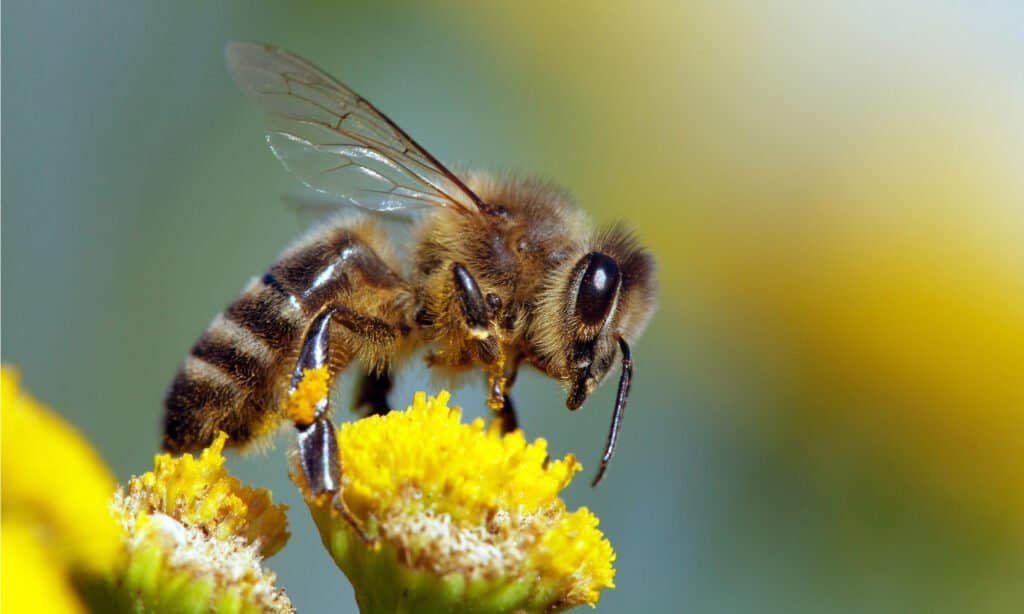
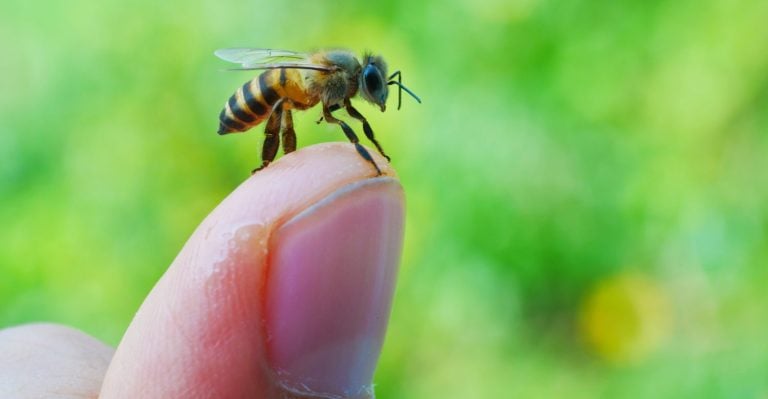
A honeybee’s stinger is a complicated little weapon.
©Daniel Prudek/Shutterstock.com
The honeybee’s stinger is a highly specialized organ, composed of three parts: a central shaft and two side blades called lancets. Each lancet has tiny backward-facing barbs, like very small fishhooks. When the bee stings, one lancet hooks its barbs into the skin, which pulls that lancet inward, dragging the entire stinger a little deeper. Then the second lancet does the same thing. They alternate back and forth in a kind of ratcheting or stepping motion, each step pulling the stinger deeper into the wound. Because the barbs are angled backward, the stinger becomes firmly anchored and can’t be pulled out easily, especially when embedded in elastic mammal skin. When the bee tries to pull away, the stinger remains lodged, tearing away part of its abdomen—not just the outer shell but vital internal structures: muscles, nerves, parts of the digestive tract, and the venom sac. This catastrophic injury essentially disembowels the bee, leading to death.
Why does the Stinger Keep Moving Even After It’s Detached?
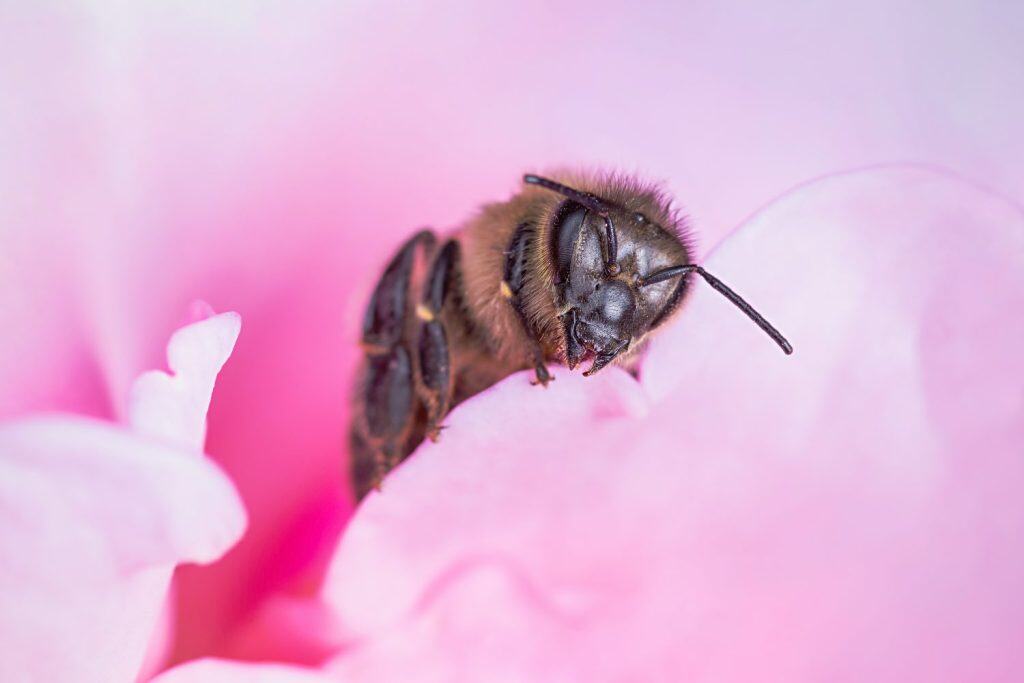
The honeybee’s stinger will continue to sting long after the bee has detached and flown away.
©nechaevkon/Shutterstock.com
Perhaps one of the most remarkable and chilling aspects of the honeybee’s sting is that the stinger continues to work even after being ripped from the bee, as if it’s a separate being. This is because the stinger apparatus, in addition to the venom sac, carries its own cluster of nerve cells and muscles. Those muscle fibers continue to involuntarily contract, pumping venom into the victim for a minute or more. Because of this, removing the stinger as quickly as possible is critical to limit how much venom is injected.
Does the Bee Die?
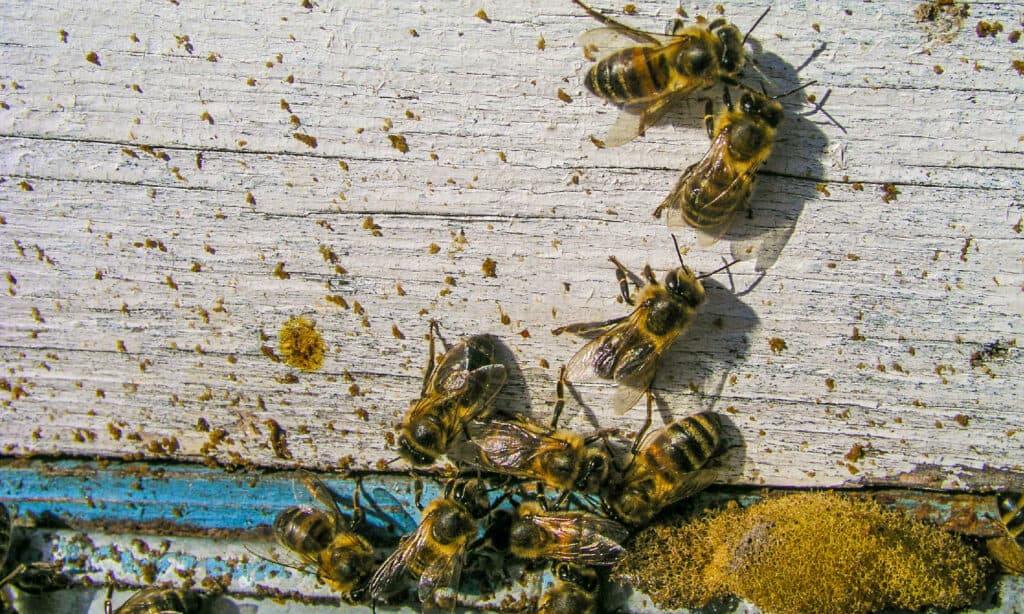
Unfortunately, honeybees almost never survive after stinging.
©Lipatova Maryna/Shutterstock.com
Sadly, yes (although if you are the one who’s just been stung, you might not be feeling so sad about the poor critter’s state). A worker honeybee that stings an animal with thick skin (humans included) almost always dies shortly afterward. Because the stinger rips away part of its abdomen (along with internal organs), the bee does not survive. The damage is too severe, and the bee cannot regenerate the lost tissues. A sting is a suicidal, self-sacrificial act.
It’s worth noting, however, that this tragic outcome only occurs under certain conditions. If a honeybee stings an insect or another arthropod with a thin, rigid exoskeleton, the barbs may not catch as firmly, and the bee can sometimes pull her stinger out without dying. But against mammals or other thick-skinned targets, the barbed stinger is unfortunately single-use.
How Honeybee Stings Differ from Other Bees, Wasps, and Hornets
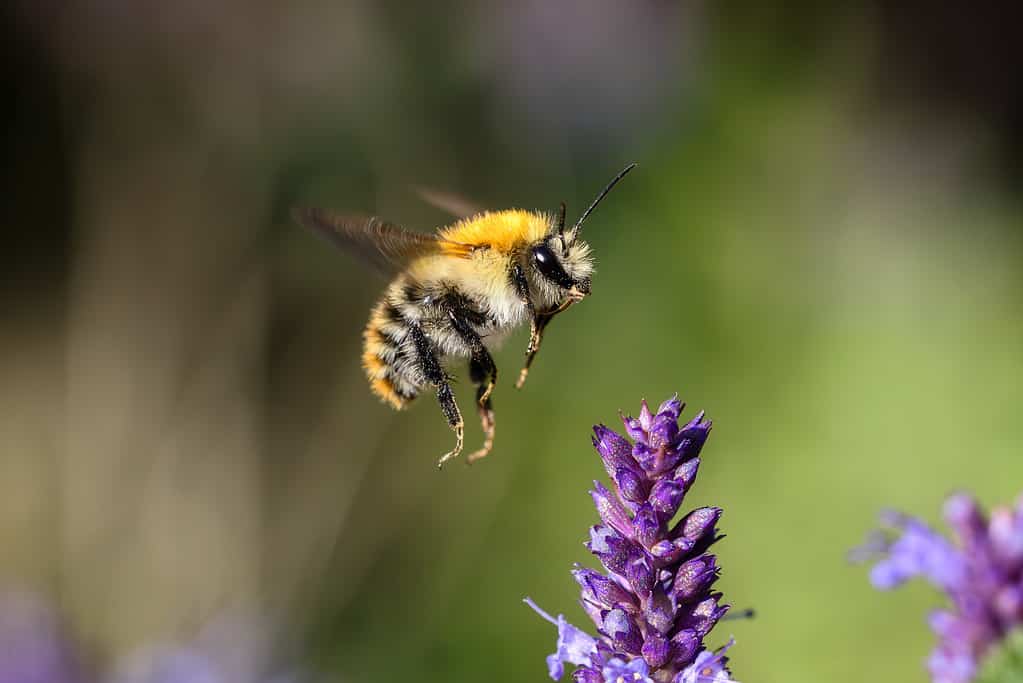
Unlike the honeybee, bumblebee’s have smooth stingers that do not get stuck when they sting.
©chris-mueller/iStock via Getty Images
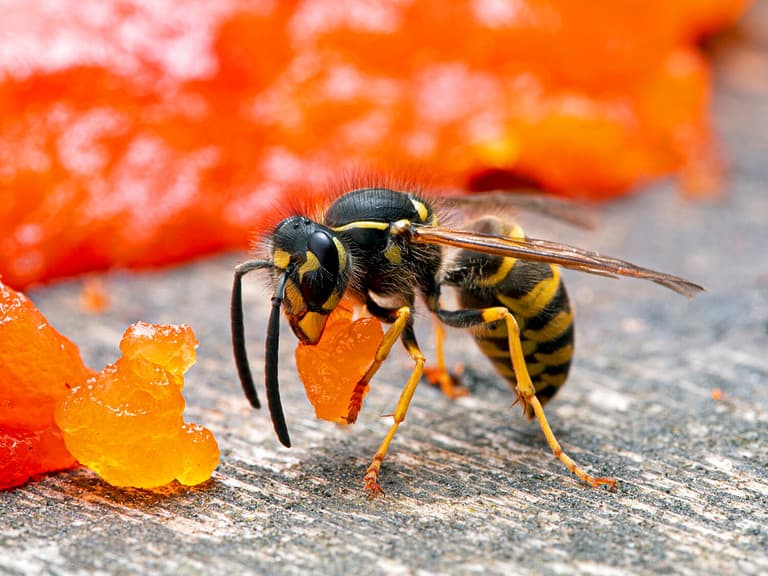
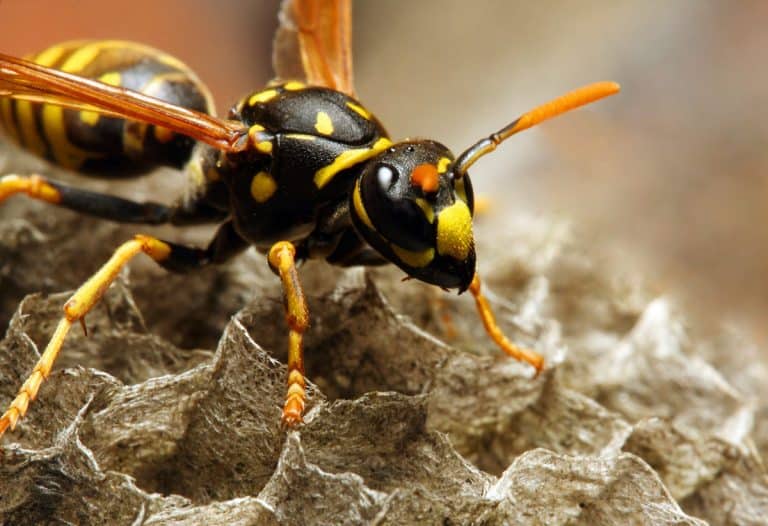
Other Bees (e.g., Bumblebees) have smooth or only slightly barbed stingers, meaning they can sting multiple times because their stingers don’t lodge in mammal skin the way honeybee stingers do. Likewise, most wasps and hornets have smooth stingers and can deliver many consecutive stings without injuring themselves. Interestingly, queen honeybees have stingers, but their stingers are less barbed than those of the workers, which means these ladies don’t necessarily die after stinging. Long live the queen! Honeybees are unique for their particular barbed design—a lavishing defense mechanism that physically sacrifices the individual for the benefit of the colony.
Protecting the Colony
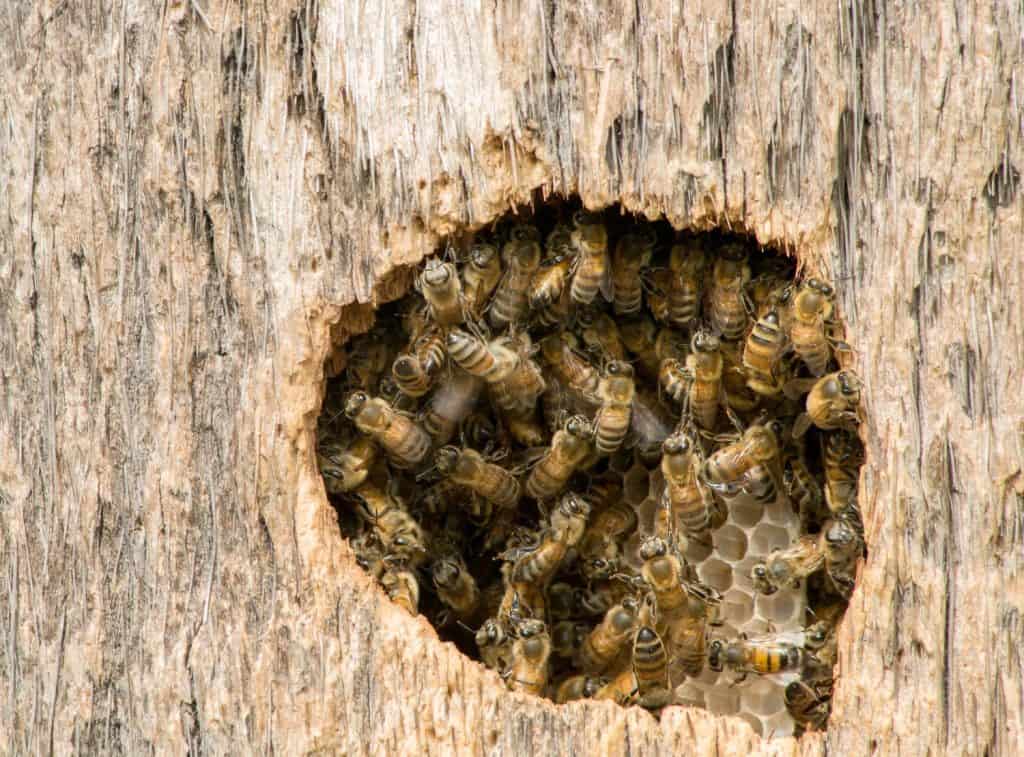
Honeybee’s suicidal sting is an actually an act of valor on behalf of the colony.
©Donna Bollenbach/Shutterstock.com
From an evolutionary viewpoint, the suicidal sting makes sense when you think of the colony, not the individual. While losing a single worker is costly, the defensive benefit can be enormous. The embedded stinger doesn’t just inject venom; it releases alarm pheromones that signal other bees to come and defend. One of the key alarm pheromones is isopentyl acetate, which is emitted by the Koschevnikov gland near the sting shaft. This blend of volatile chemicals alerts nearby workers and recruits them to sting. These brave little workers are sacrificing themselves to protect the overall colony, like a soldier diving on a grenade.
(Interesting sidenote about isoamyl acetate: this pheromone is responsible for the banana-like smell often associated with a bee sting. The smoke used by beekeepers helps mask this odor, dampening the alarm response.)
What’s in the Venom?
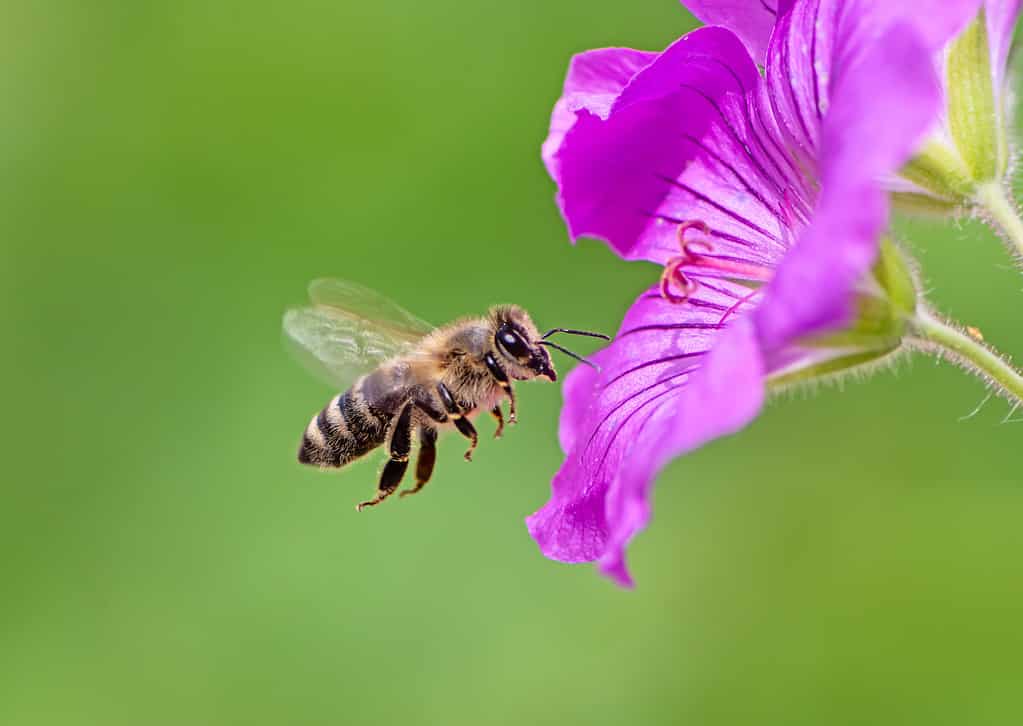
A bee sting is quite a mixture of biochemicals, none which feel great when injected.
©iStock.com/manfredxy
The venom (called apitoxin) is not just a simple poison; it’s a complex biochemical cocktail. Melittin is the most abundant peptide in bee venom. It has strong pain-inducing and cell-disrupting properties. Phospholipase A₂ is an enzyme that helps break down cell membranes, amplifying the damage. The venom also contains histamine, hyaluronidase, acid phosphatase, and more, which together contribute to inflammation, tissue penetration, and immune reactions. These components work together to make the sting both painful and effective as a defense.
So What’s Really Going on in that Video?
©Daniel Prudek/Shutterstock.com
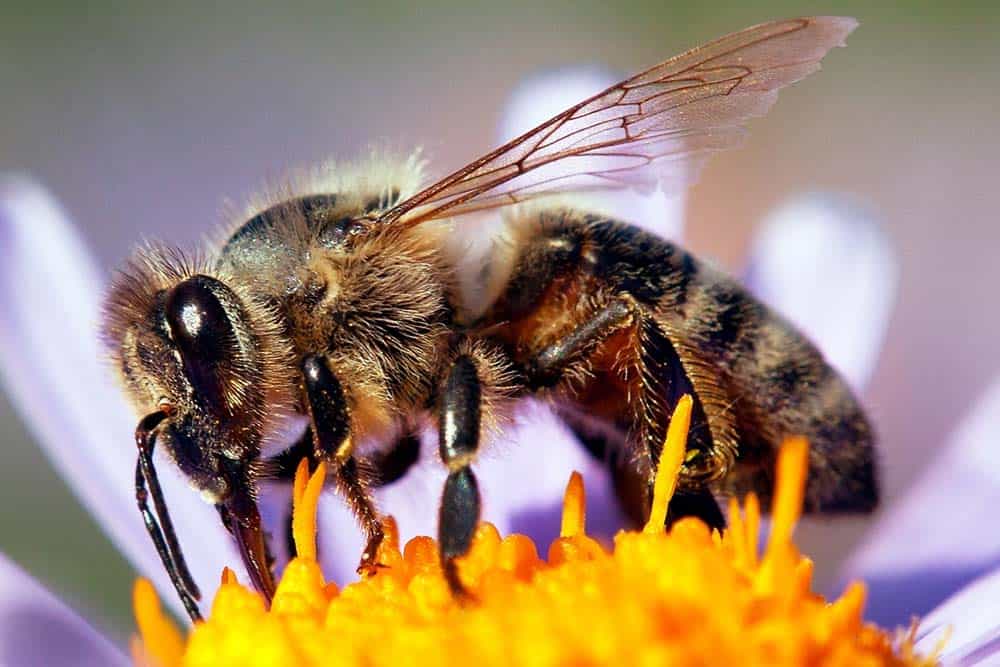
The video shows the immediate moment of stinging, but the real marvel is what happens next. After the bee loses her stinger, that embedded apparatus continues to pump venom while simultaneously emitting chemical signals to other bees. What looks like a brief strike is actually the beginning of a coordinated defensive cascade—and a final act of self-sacrifice by the bee. The honeybee’s sting is far more than just a defensive jab. It’s a complex, tragic, and highly evolved biological system that combines mechanical engineering, biochemical warfare, and social communication. The stinger rips free, the bee pays the ultimate price, but the embedded venom sac and alarm pheromones continue the fight, summoning others to defend the colony. It’s a powerful reminder that in the world of honeybees, individual sacrifice fuels collective survival.
And as for the poor stingee, the process is far less complicated… Ouch!