
Quick Take
- Aphids have a reproductive trick so bizarre it sounds impossible, and this strange ability is the main reason they can overwhelm an entire garden in days. See the reproductive trick →
- Some ant species have a secret relationship with aphids that flips the pest narrative completely on its head. Explore the ant relationship →
- When an aphid colony gets too crowded, it deploys a fascinating solution. Meet the winged solution →
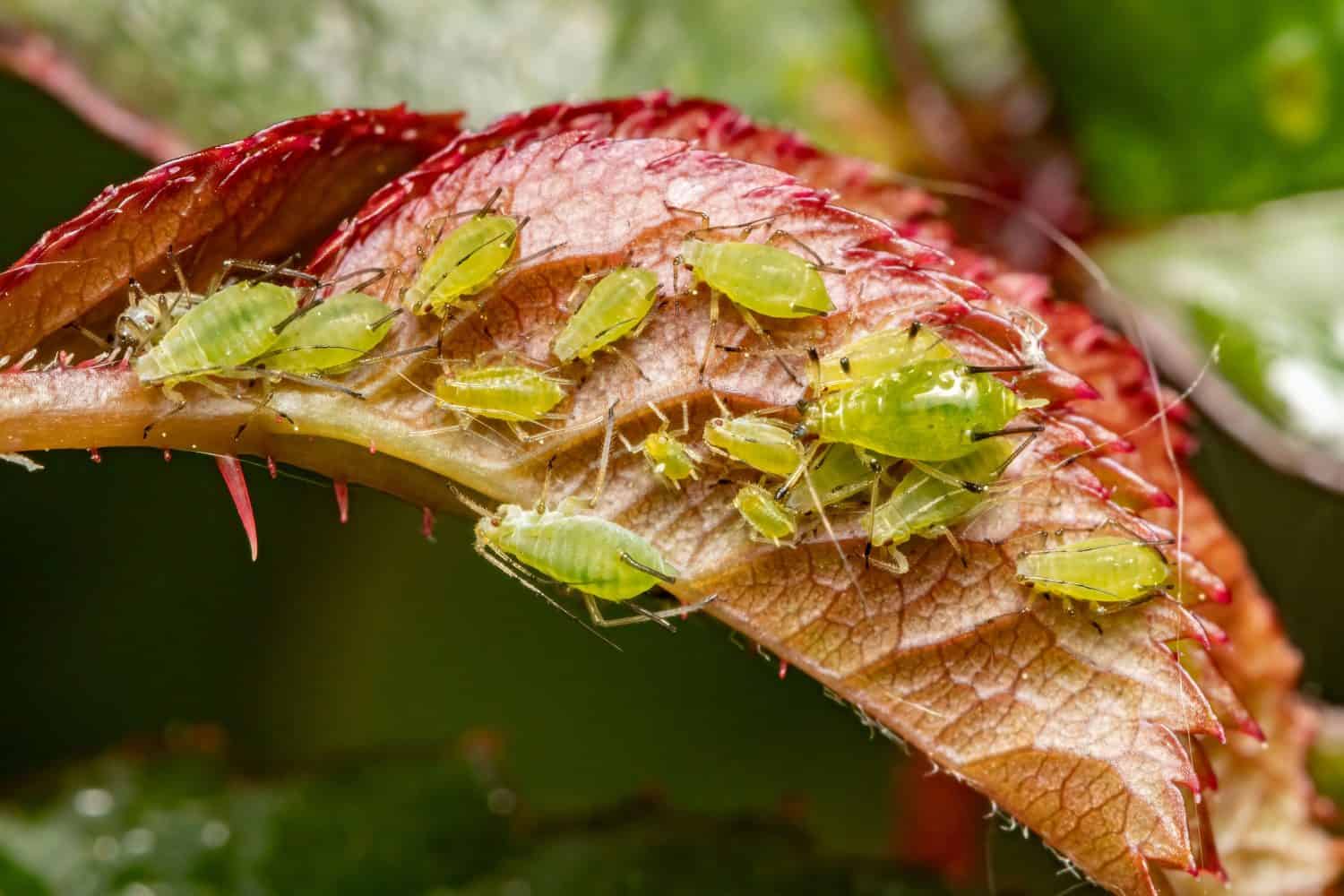
Unless you carefully inspect the leaves of a plant in your garden, you might not ever see the tiny little bugs known as aphids. They’re pretty good at hiding in plain sight; they’re also some of the most committed and triumphant insects on planet Earth. Though they are often referred to as plant lice, and are considered a nuisance by most gardeners, aphids are actually among the most influential members of any ecosystem they inhabit. Whether black, yellow, red, or white, these oval-shaped insects have evolved to quietly dominate almost every type of plant out there.
The influence of aphids is like a double-edged sword. They consume to such a degree that they destroy large swathes of crops. At the same time, their presence is integral for an ecosystem’s function; they serve as a foundational food for both lacewings and ladybugs. Whatever task these creatures take on, they accomplish it with remarkable efficiency. And you will know them by their trail of honeydew, a sticky residue they leave on the surface of plants. Let’s learn more about aphids and why they can be a habitat’s greatest ally or worst enemy in equal measure.
Aphid Details
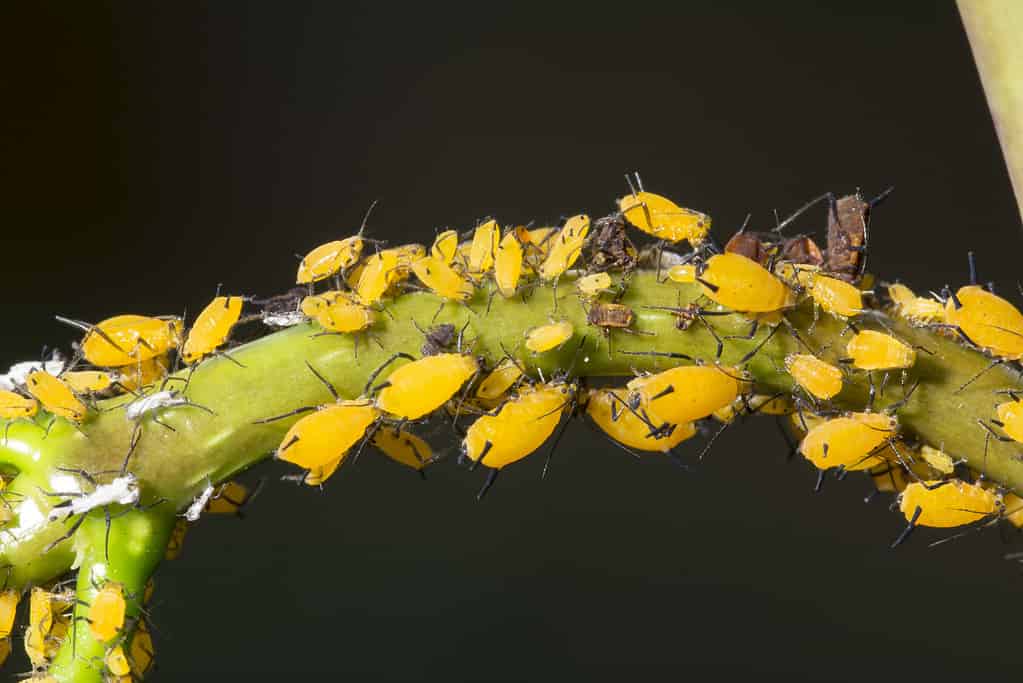
Aphids use needle-like mouth appendages to extract sugary sap from the phloem of plants.
©iStock.com/Wirestock
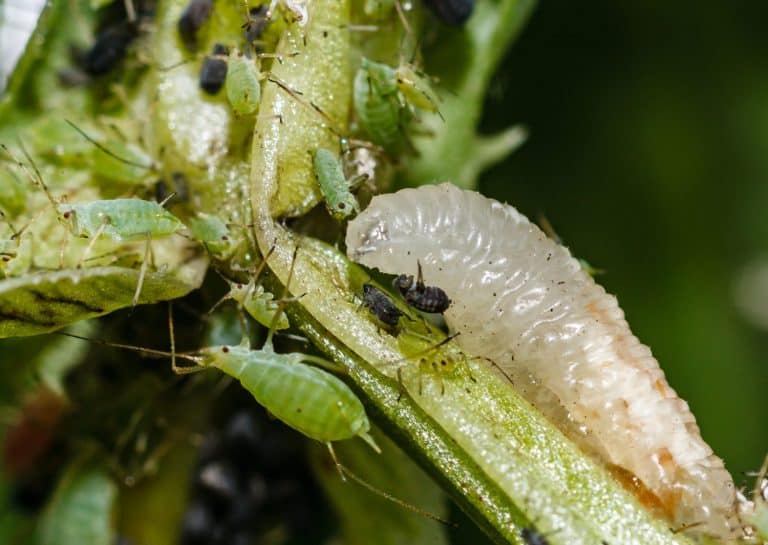
Aphids are a type of piercing, sap-sucking insect in the family Aphididae. While they come in a range of colors, all varieties possess mouthparts called stylets. Reminiscent of miniature needles, these stylets stab into the phloem or veins of plants and extract sugary sap. While they don’t need to actively chew or pump to gain sustenance, aphids must consume a considerable amount of plant sap to meet their needs. Once ingested, this sap travels through an aphid’s gut before being excreted as a sticky substance called honeydew.
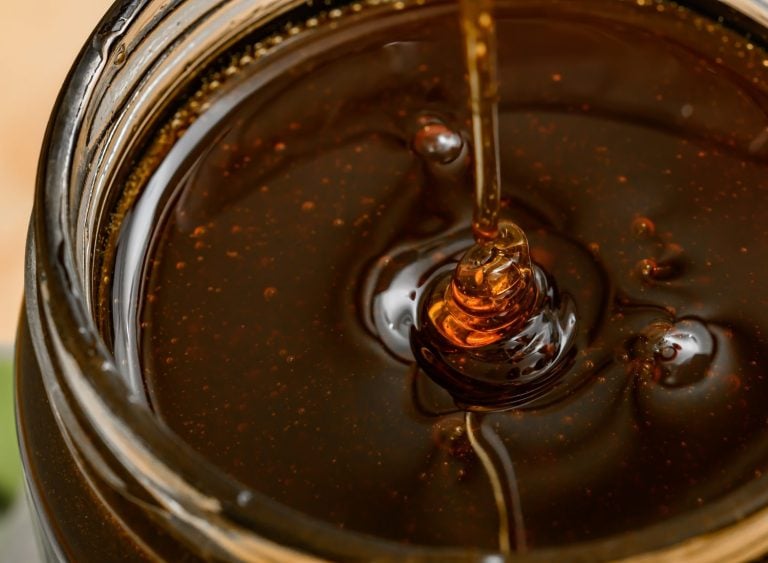
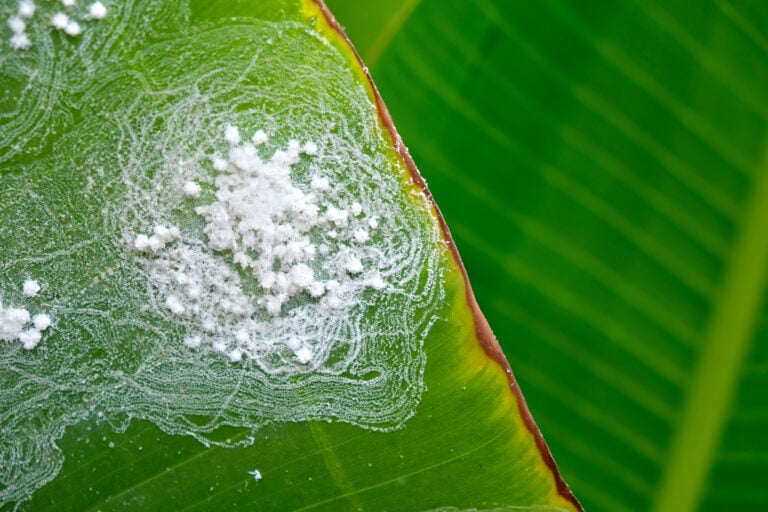
Due to their massive appetite, aphids often leave plant leaves completely coated in honeydew. Unfortunately, a certain type of fungus called sooty mold grows on honeydew. This blocks sunlight and therefore reduces a plant’s ability to undergo photosynthesis. This effect exemplifies the negative impact aphids have on ecosystems, and why home gardeners often despise them.
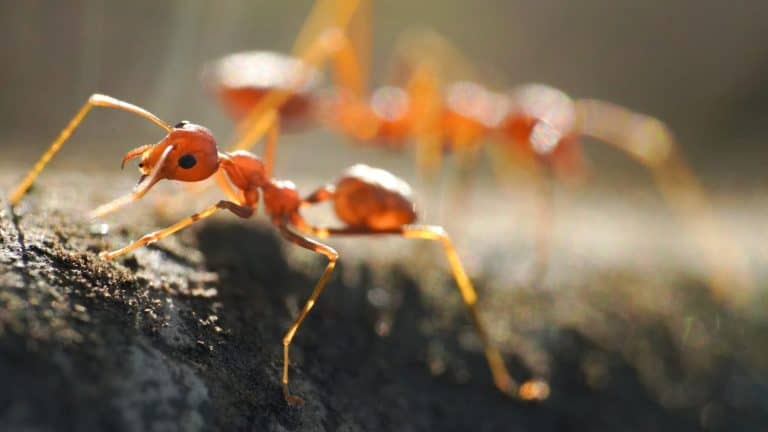
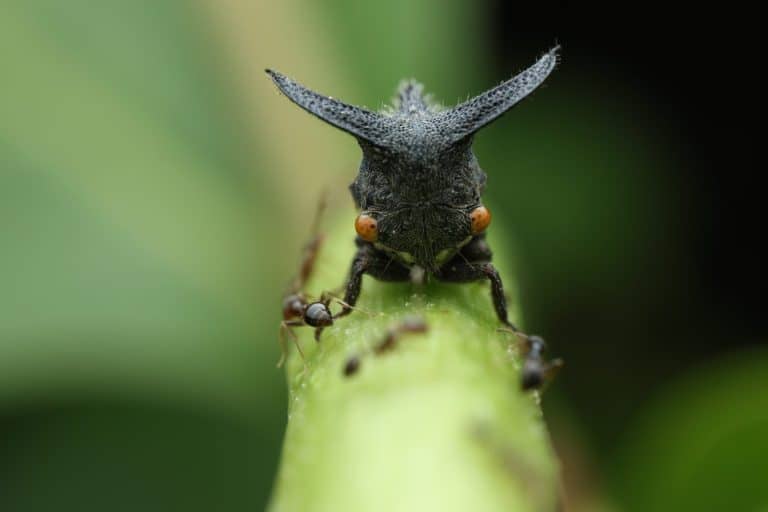
At the same time, however, other creatures like ants benefit from honeydew. In exchange, certain ant species will actually “farm” aphids. This involves protecting aphids from predators so the ants can harvest the honeydew.
Ludicrous Life Cycle
The secret to their success comes from the insect’s strange, yet efficient reproductive strategy called parthenogenesis, which is a fancy way of saying asexual reproduction. During springtime, overwintering aphid eggs hatch into stem mothers. These mothers start producing offspring without a mate, resulting in an onslaught of aphids in short succession. Even stranger, aphids begin giving birth to live clones during the summer, and these clones are already pregnant with the next generation.
If a plant becomes overcrowded, the colony will produce winged aphids (called alates) to search for new habitats. Come autumn, the cycle concludes with aphids producing a sexual generation that mates and lays eggs that survive until springtime.
This constant proliferation helps them spread far and wide with relative ease. As a consequence, this rapid spread can have disastrous effects on ecosystems. Beyond their creation of fungus-attracting honeydew, aphids are potent vectors for disease and pathogens. Due to their sap-sucking feeding method, these insects can easily inject viruses directly into a plant’s circulatory system, causing stunted growth, mottling, and even death of a host plant.
Friend or Foe
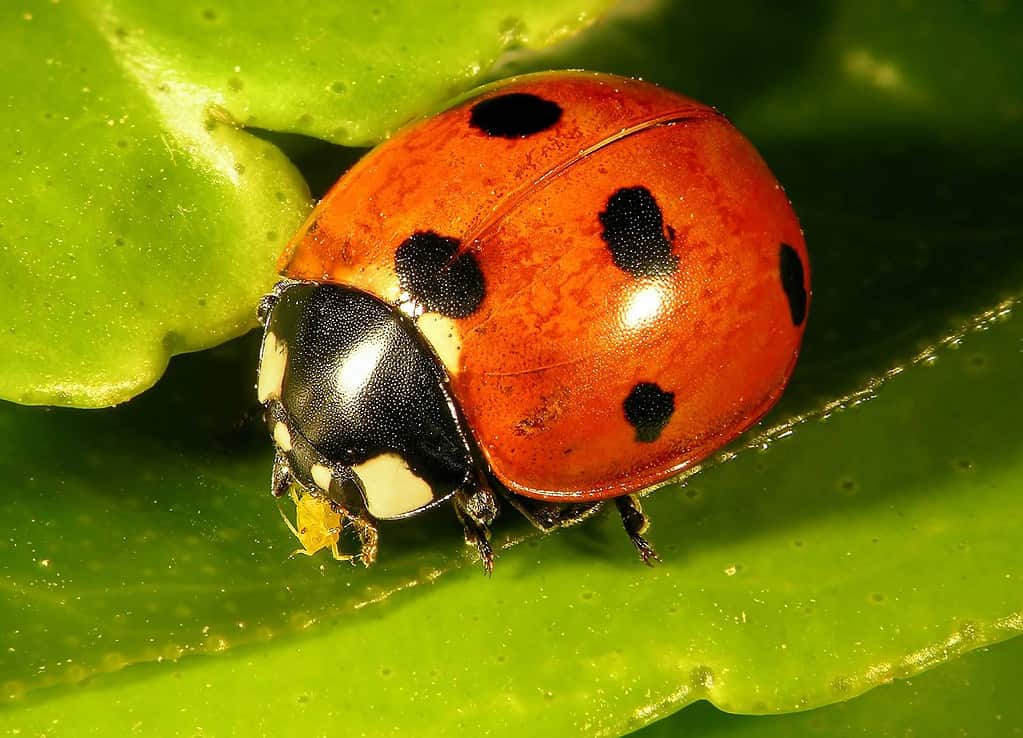
Farmers often use natural predators like ladybugs or hoverflies to combat the spread of aphid colonies.
©Protasov AN/Shutterstock.com
As you may have guessed, the aphids’ ability to reproduce on a massive scale quickly makes them a boon for certain ant colonies and a headache for farmers and gardeners. While ant species attempt to protect the small aphids, the agricultural industry tries to combat their spread through the use of natural predators like hoverflies, physical removal via water, or horticultural oils to block their breathing.
How these insects are perceived depends on perspective. Either way, it’s hard to argue that, for all their pest-like qualities, aphids are one of the most successful organisms on Earth.