
Quick Take
- A raven's personality, locked in before it ever faces a real threat, may already determine whether it lives or dies near the Dead Sea. See the personality study →
- Ravens can recognize your face years after meeting you, and yet that extraordinary intelligence isn't protecting them from the one threat they can't outsmart. Discover their cognitive limits →
- Cautious ravens stay safe by avoiding humans, but that very safety might be the thing that kills them. Unpack the cautious bird's dilemma →
The dry, semi-arid landscape surrounding the Dead Sea is a harsh environment. Few birds remain here long-term, and those that do have learned to embrace the desert oasis. Highly saline conditions make the water practically unusable, but for Israel’s fan-tailed ravens, it’s no challenge. This population of ravens adapted to survive amid these harsh conditions, foraging along the seaside for food. But now, they face their biggest threat yet: Human activity.
As a larger human presence looms at the coast, the ravens of the Dead Sea are forced to make a choice: flee their home in search of more habitable land or remain and risk their lives to protect their habitat? A new study proves that rather than making the decision as a species, some bold ravens are choosing to fight for their territory.
Incredible Intelligence Makes for a Brave Bird
A raven’s intelligence is often compared to that of an ape or a small child. Similar to other corvids, they possess exceptional problem-solving skills. When faced with a challenge, ravens use tools, logic, and forward-thinking to find a solution. Studies show they can reason and understand cause-and-effect, a rare trait among wildlife. They can also recall human faces, even years after their first encounter. That’s what makes the Dead Sea ravens such a fascinating species, and why their plight is drawing so much attention.
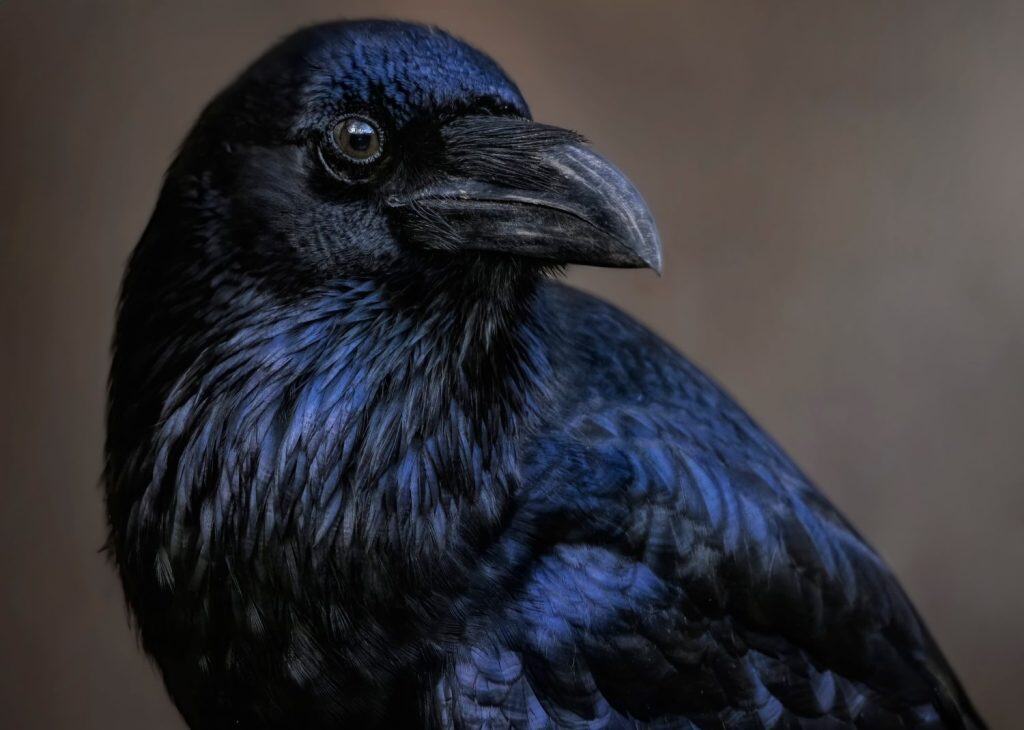
Ravens living near the Dead Sea are often forced to forage for food in tourist areas.
©ambquinn/Shutterstock.com
Human activity and climate change affect birds worldwide. At the Dead Sea, its native species face additional challenges. As the region becomes more urbanized, more people move into the space previously occupied by ravens. Crowds drive away most birds, who flee at the first sign of danger or uncertainty. In many cases, this would drive out an entire population, but for ravens, it’s yet another challenge to face. One study by Hebrew University, the University of Vienna, and the University of Exeter revealed that some individual ravens are bolder than others.
Fortune Favors the Bold (Birds)
The study, led by Dr. Miguel Guinea and Professor Ran Nathan, tested ravens in a controlled environment. The ravens were tested based on their risk assessment level. Inside the laboratory setting, ravens were given opportunities to forage and inspect foreign objects. When placed near humans (mimicking their habitat at the Dead Sea), some birds hesitated to approach, while others didn’t seem to think twice.
Researchers noticed that the same ravens displayed repeat behavior. Those that hesistated or avoided potential human interaction continued to do so, never once leaving their safe zones. The ravens that displayed bolder traits continued to explore and forage in new areas, regardless of the potential risks. These birds were also more willing to approach foreign objects, implying new buildings would not be off-limits to them in the wild.
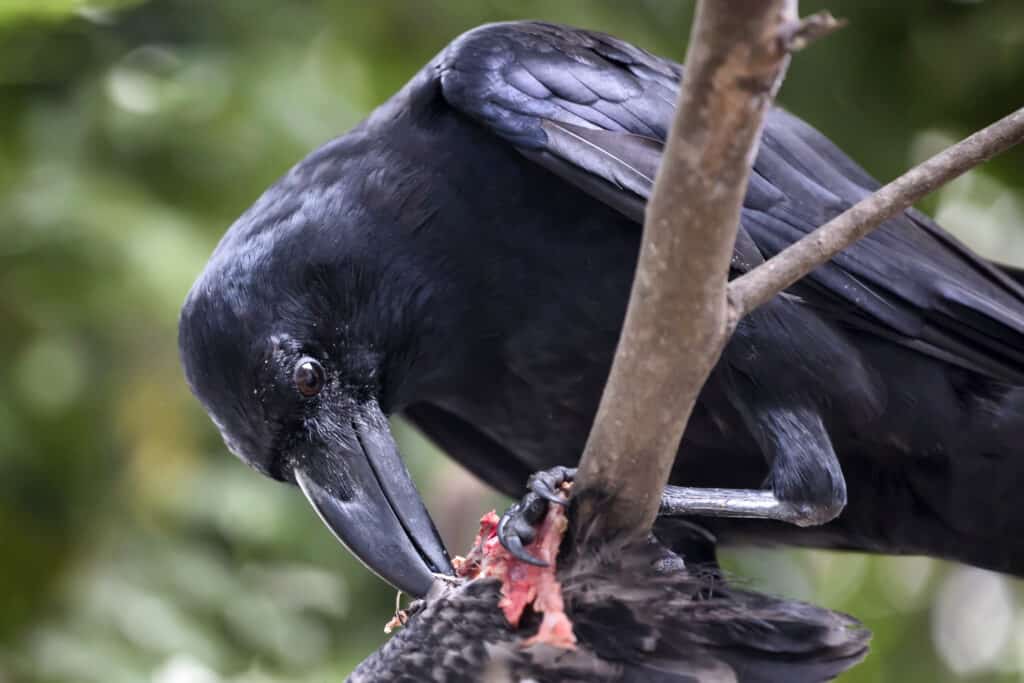
As ravens exhibit bolder behavior, they may face more danger.
©Raven eating carrion/Shutterstock.com
The real test came when these same ravens were released back into the wild. They were outfitted with GPS trackers, allowing researchers to follow their every move. The same ravens that took risks in a controlled environment also lingered in popular tourist areas. These brave few were willing to risk their lives to forage. In stark contrast, the shyer birds remained far from tourist areas after being released. These birds preferred to forage at the edges of their territory, far from human activity.
Which Ravens Will Survive Their Changing Habitat?
The biggest question researchers hope to answer is which bird has the “right” survival instincts. In the wild, cautious animals tend to have better odds. In the case of the Dead Sea ravens, this may also be true. The research shows that risk-taking ravens face higher mortality rates than their more cautious counterparts.
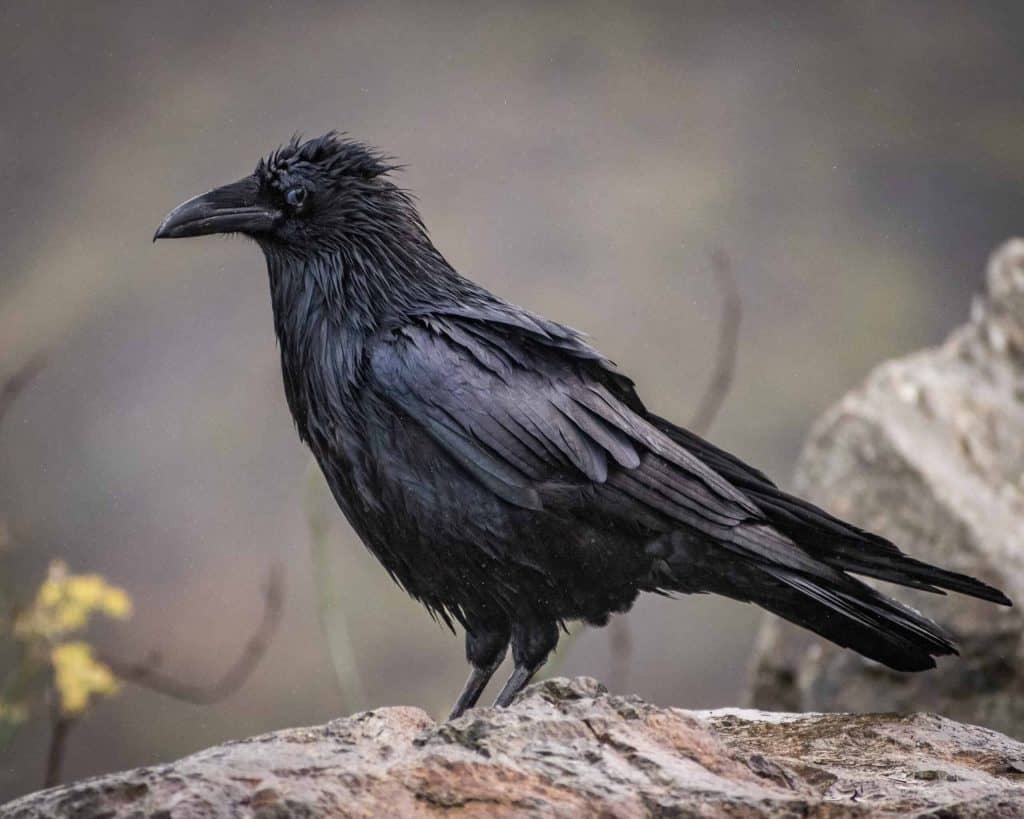
Conservative behavior may also cost ravens their lives if they run out of places to find food and shelter.
©Wirestock Creators/Shutterstock.com
According to Dr. Miguel Guinea, this is the determining factor between life and death for these birds. On the one hand, risk-taking could be essential to survival, but it also carries greater danger. Those who never take a risk may find themselves without food, which is a death sentence. The results show that ravens’ decision-making is not merely a reflection of their intelligence as a species. Conscious choices reflect a raven’s individual survival instincts, which could ultimately determine their fate.