
Quick Take
- The reason whales can't simply swim away from oncoming cargo ships is far more counterintuitive than most people assume. Understand why whales can't dodge ships →
- A war thousands of miles away has become one of the most immediate threats to whale populations off South Africa's coast, and conservationists are now racing to respond. See how rerouted traffic threatens whales →
- Climate change had already quietly pushed whales into dangerous new territory before a single ship rerouted, which makes the timing of this crisis far worse than it looks. Learn how climate change shifted whale habitat →
- At least one major shipping company has already proven vessel strikes can be dramatically reduced, yet South Africa's whales are not receiving the same protection. See MSC's proven strike-reduction methods →
As tensions continue to rise in the Middle East, global shipping companies have had to adjust. Shipping routes have been modified to ensure cargo and crews can travel safely.
But there is also an environmental cost to this sudden change in shipping patterns. Global shipping shifts have put South African whales in the crosshairs, prompting conservationists to sound the alarm and call for change before irreparable damage is done to whale populations.
Whales Off the South African Coast at Risk for Vessel Strikes
Whale vessel strikes have become an all-too-familiar topic in the modern maritime world. Conservationists argue that not enough is being done to save the whales, while shipping companies complain that they lose time and money following laws developed to keep whales as safe as possible.
Shipping routes are being altered as a result of war breaking out in the Middle East. Due to the sudden detours ships are taking to keep cargo and crew safe, whales that were once protected from vessel strikes are now at significant risk.
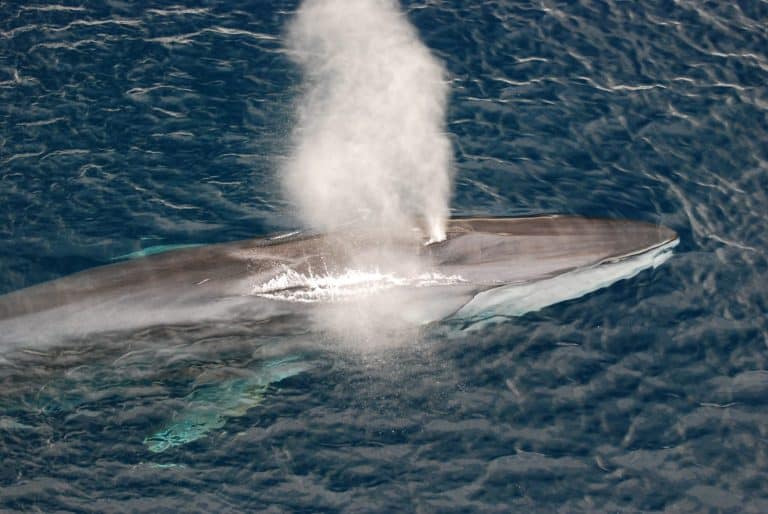
According to Els Vermeulen, University of Pretoria whale unit lead researcher, there is an “extensive spatial overlap” between where large pods of whales congregate and the designation of new shipping lanes. This is creating a perfect storm that will significantly increase vessel strikes and could decimate whale populations off the coast of South Africa.
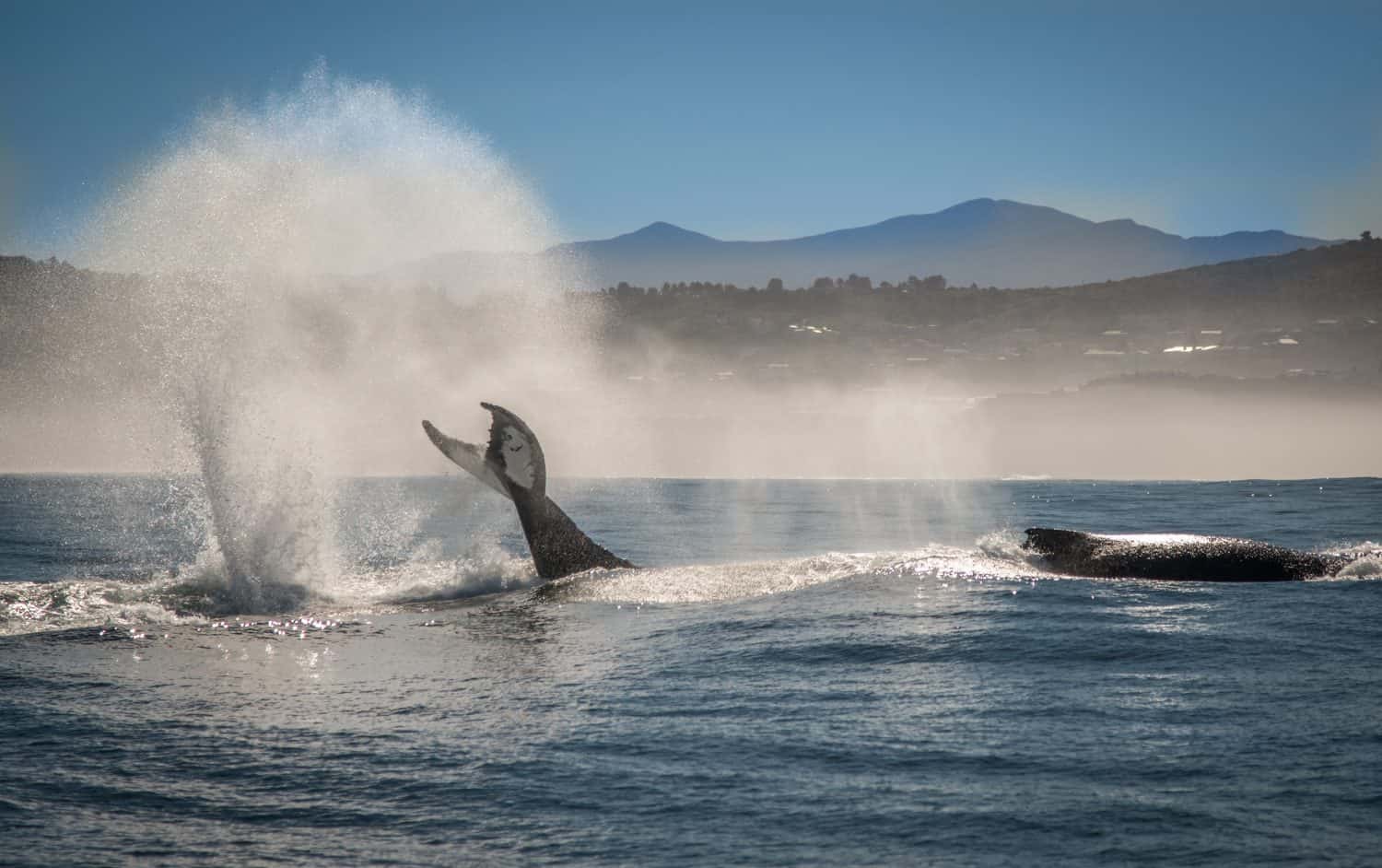
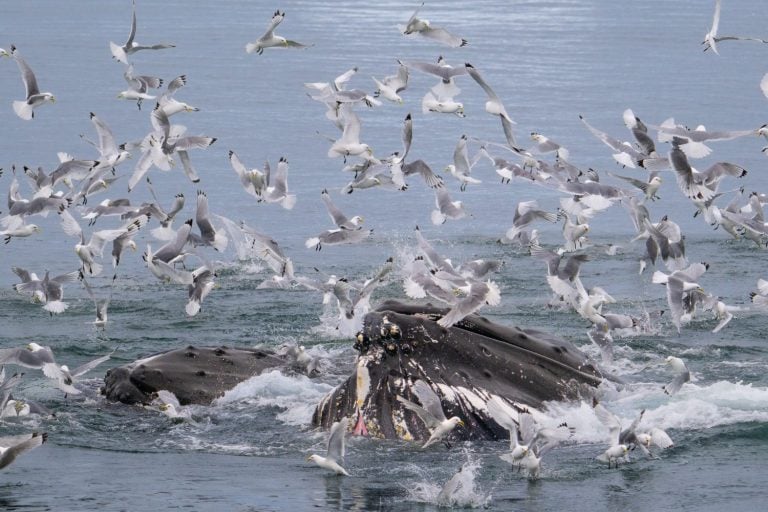
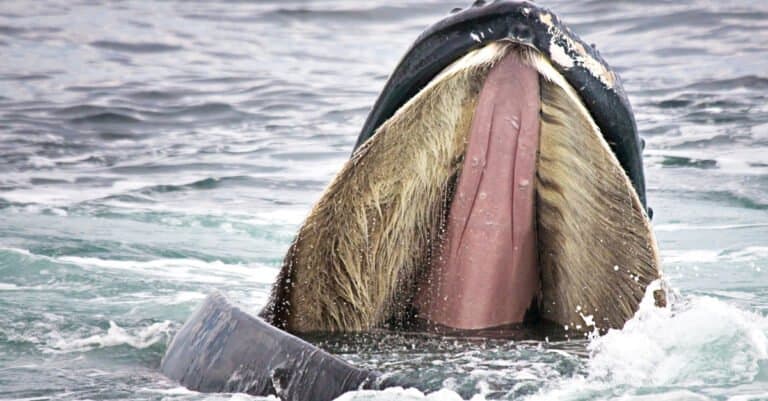
Humpback whales are just one of the species threatened by the increase in ships off the South African coast.
©Ashley Stiebel/Shutterstock.com
Vermeulen presented her study to the International Whaling Commission in May 2026. Shipping traffic around the Cape of Good Hope, particularly large and fast-moving vessels that pose the greatest risk to whales, has increased dramatically.
“The fastest traffic,” Vermeulen told Agence France-Presse, “which poses the greatest strike risk, has increased by a factor of four.”
The typical traffic around the Cape of Good Hope between March 1 and April 24 is 44 ships. According to the International Monetary Fund’s PortWatch, that number jumped to 89 in 2026.
With tensions continuing to rise in the Middle East, the route along South Africa may become a permanent option for some shipping companies. With limited regulations and enforcement in place to protect whales off South Africa, vessel strikes are all but inevitable.
Why Can’t the Whales Just Move Out of the Way of Ships?
With more cargo ships traveling along the coast of South Africa, it might seem logical for whales to simply move out of the way to avoid vessel strikes. Unfortunately, several factors limit whales’ ability to avoid collisions with ships, making it the responsibility of cargo ship operators to prevent these incidents.
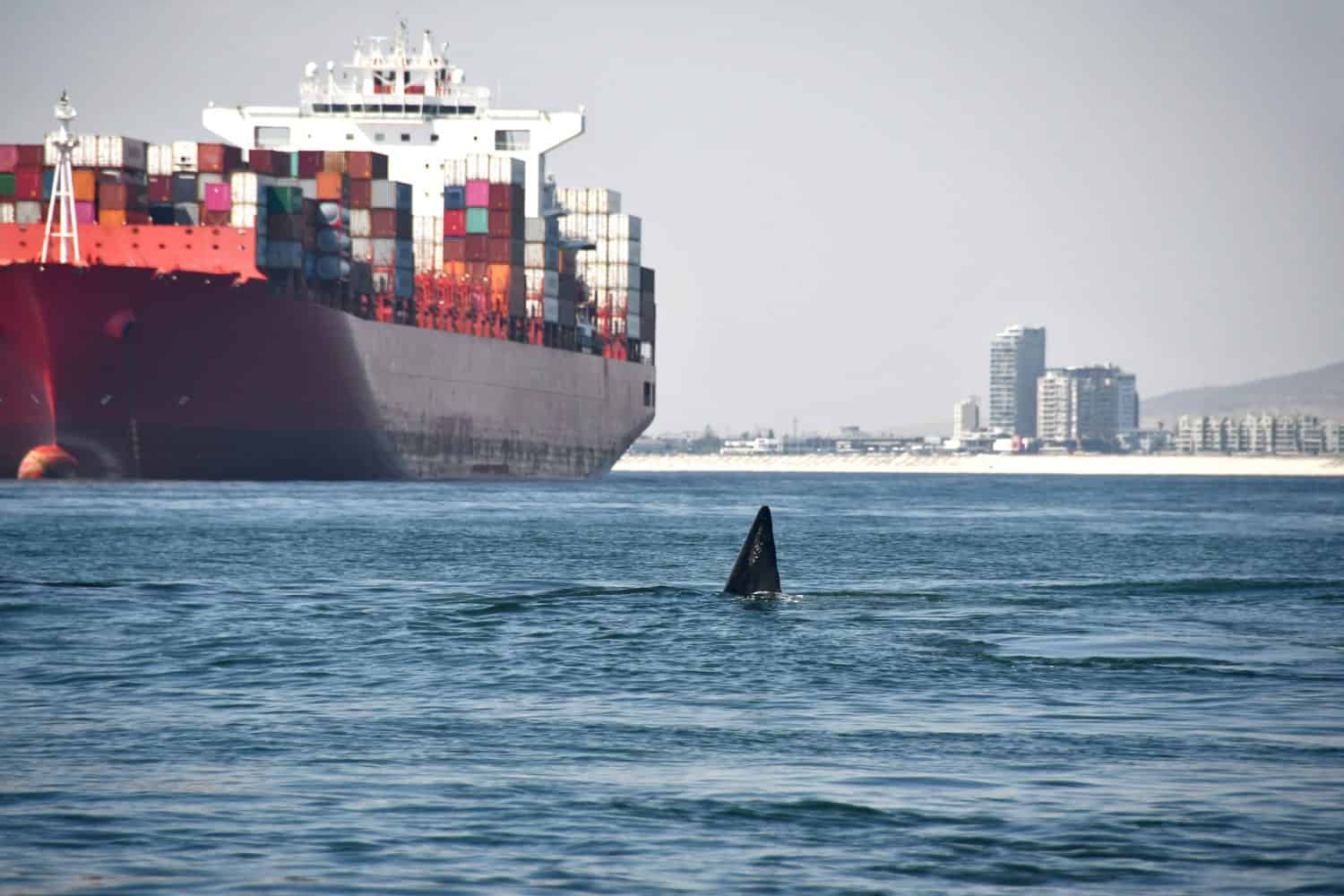
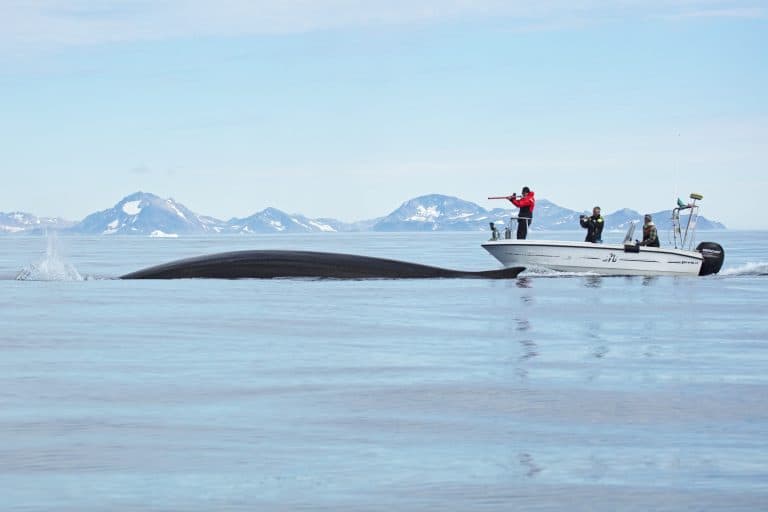
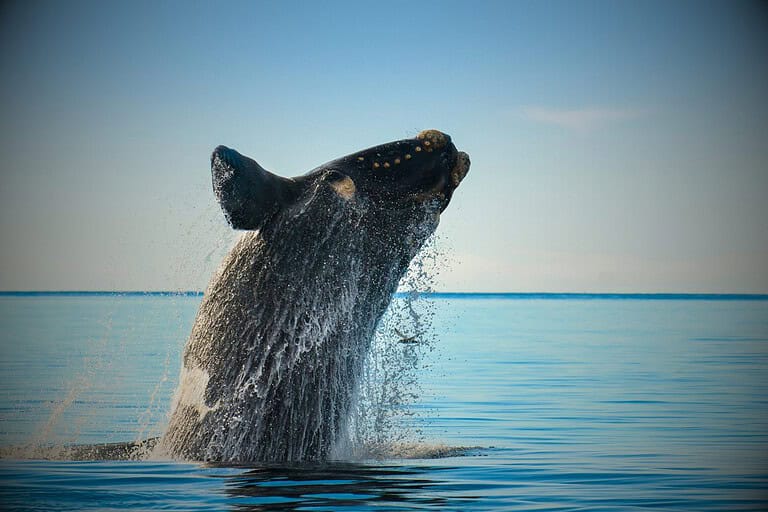
Whales cannot easily move out of the way of a shipping vessel, putting the responsibility on shipping companies.
©Eriq Walker/Shutterstock.com
The reasons why whales are typically unable to move out of the way of cargo ships are as follows:
- Ships produce noise at higher frequencies than whales can hear
- Noise travels differently underwater than it does on land, making it difficult to determine exactly where a ship is located
- Feeding and breeding activities both distract and put whales near the surface of the ocean and in the direct line of cargo traffic
- Whales move significantly slower than cargo traffic
- Whales need to come to the surface of the water to breathe
For whales to recognize cargo ships as a threat, they would need time to adapt and evolve. Since cargo ships have only posed a significant threat to some whale species for about one generation, there has not been enough time for such adaptation. Therefore, it is crucial to change shipping routes and cargo ship operations to ensure that vessel strikes become rare accidents rather than the norm.
Whales Have Adjusted Feeding Grounds for Climate Change
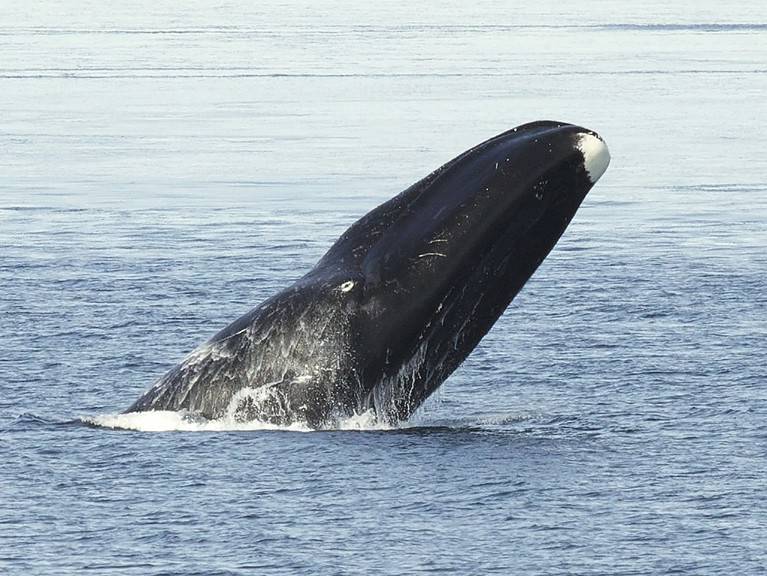
Climate change has caused whales to adjust where they feed. From blue whales to gray whales, North Pacific right whales, and more, these whales are at greater risk of vessel strikes as they move from traditional feeding and breeding grounds in search of food.
Off the coast of South Africa, the humpback whale is a fairly new visitor. According to ecologist and associate professor at Utah State University’s Quinney College of Agriculture and Natural Resources, Trisha Atwood, whales are moving to regions where they would not normally be in search of resources.
“Climate change is disrupting this balance by altering when and where resources appear, how abundant they are, the environmental conditions species must endure, and the other organisms they interact with,” Atwood explained to Inside Climate News, “reshaping entire networks of predators and competitors.”
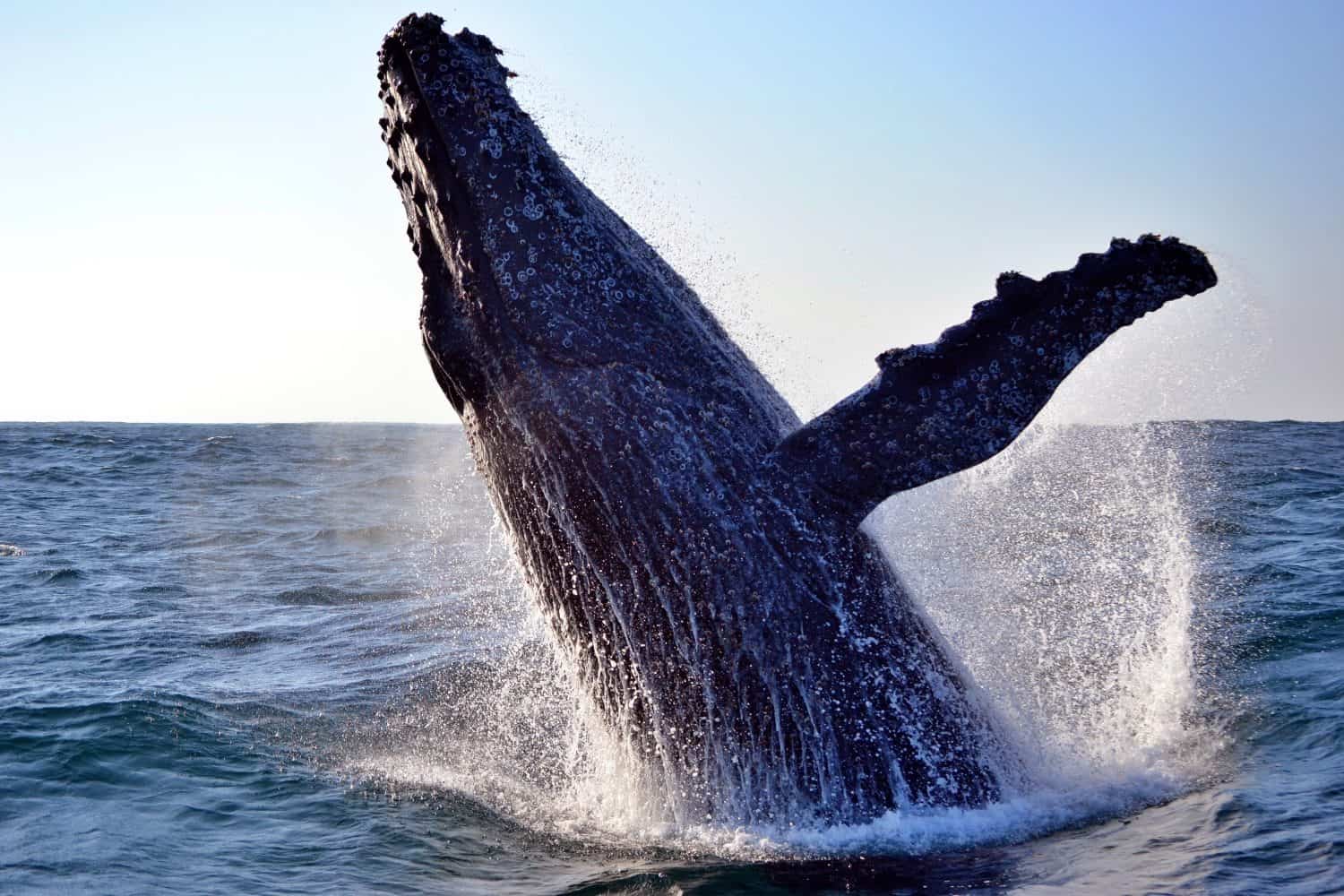
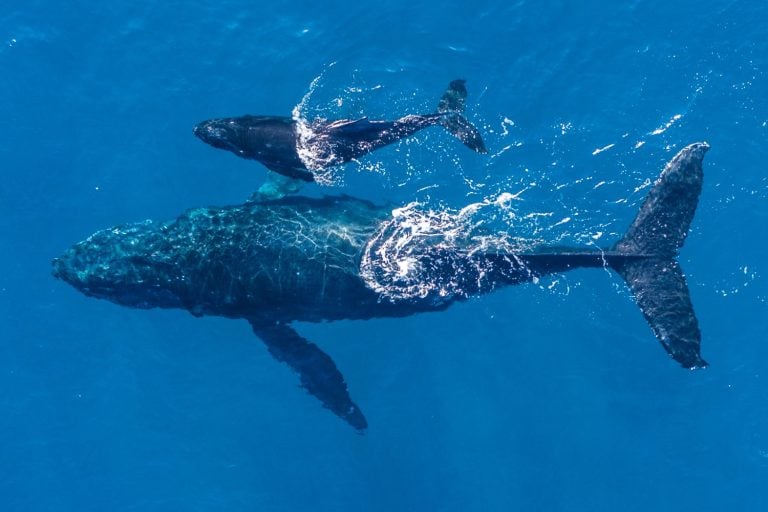
Humpback whales have altered their feeding grounds to the coast of South Africa due to climate change.
©Monica Lozano Subiranas/Shutterstock.com
Having moved their feeding grounds to the east coast of South Africa as recently as 2011, humpback whales are still adjusting to this region. This was evident, according to Vermeulen, as cargo ships sailed through superpods of whales, capturing video of them as they maneuvered around the coast of South Africa.
“There have been videos of people on cargo vessels that were going through high densities of humpback whales,” Vermeulen told Agence France-Presse. “Obviously, their social media post was all about, ‘Wow, look how many nice whales we see.’ My heart stopped—you know that they’re striking a couple of whales.”
How Ships Could Help Decrease the Number of Whale Vessel Strikes
With more shipping traffic than ever off the southwestern coast of South Africa, it is not a matter of if vessel strikes will increase, but when. As companies continue to shift their routes along this coastline, a few small changes would dramatically reduce the likelihood of a vessel strike. However, since the South African coast is a short-term shipping solution for many, experts are not convinced that companies will make changes to save the whales.
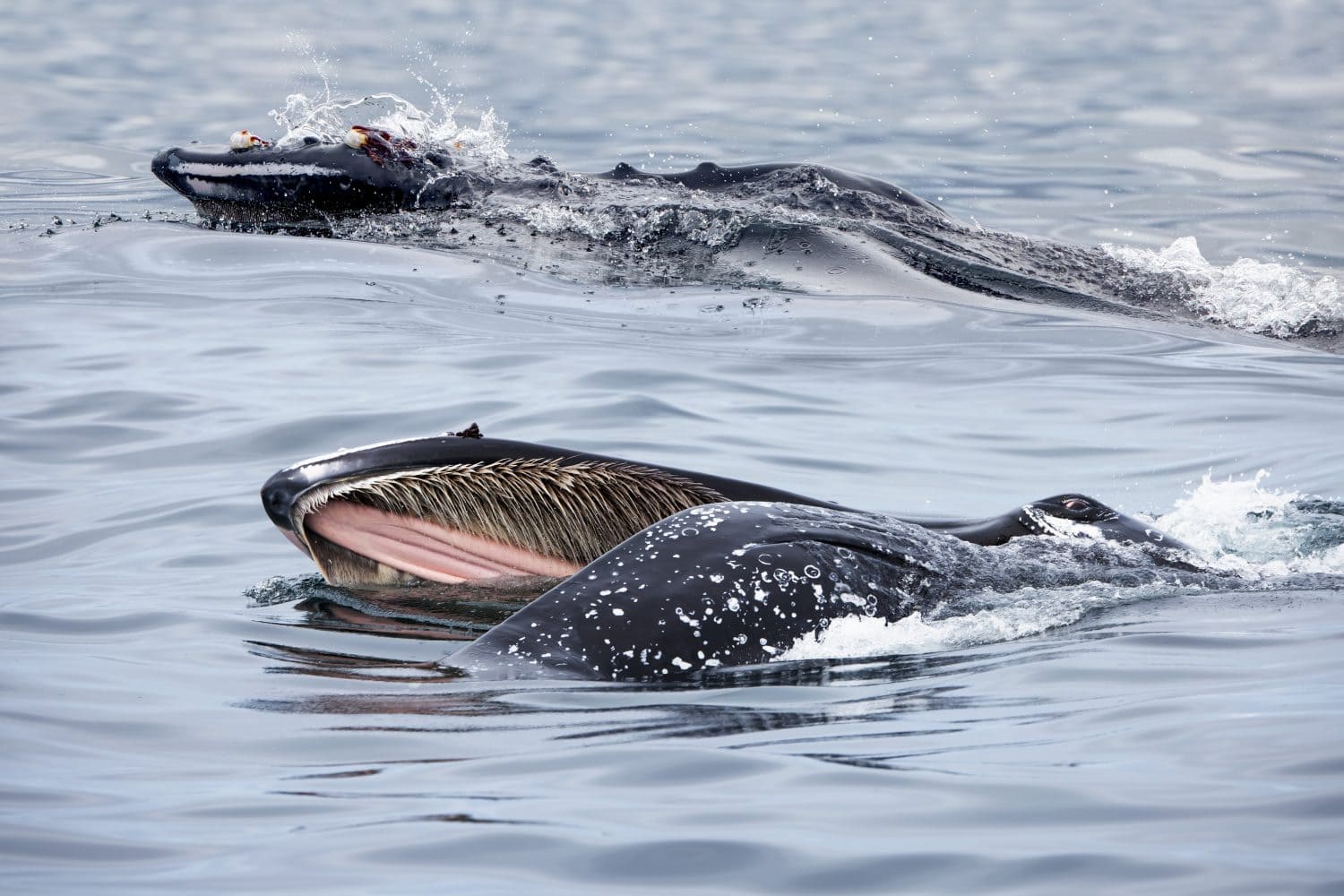
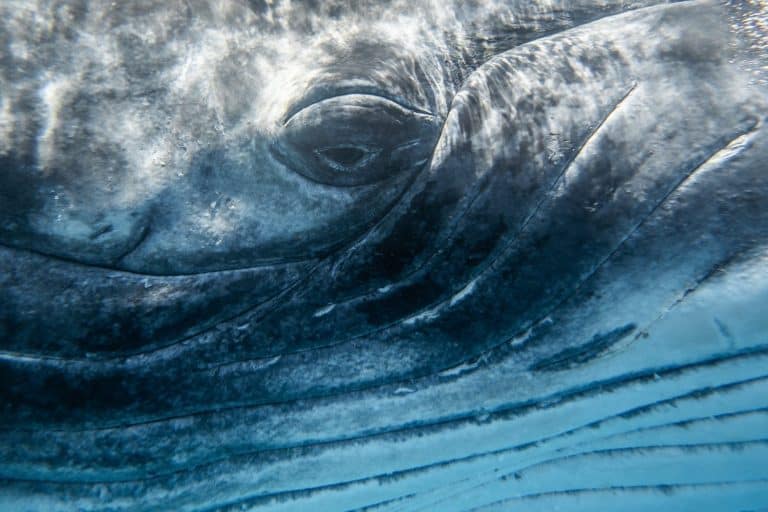
Cargo ships can reduce their speed, travel in deeper water, use alert systems, and take other measures to help reduce the number of whale-vessel strikes off the South African coast.
©muratart/Shutterstock.com
Ways that shipping companies could save whales’ lives by eliminating or severely decreasing vessel strikes include:
- Reducing speed in areas known for dense whale populations
- Going out into deeper water to avoid whale populations entirely
- Have lookouts on the ship that notify when whale pods are spotted so engines can be shifted into neutral until the whales pass
- Use alert systems that sound when whale activity is identified
- Inform other ships in the region of whale activity
With vessel strikes off the coast of South Africa having increased fourfold since 2023, increased traffic from short-term shipping solutions is expected to make matters even worse. In other parts of the world, shipping companies are working to reduce the number of vessel strikes. The world’s largest shipping company, MSC, has taken steps to move its ships to deeper waters off the coasts of Sri Lanka and Greece. As a result, vessel strikes have decreased. Conservationists hope the same steps will be taken off the coast of South Africa before whale populations—which have only recently begun to rebound after protection acts were put in place over the last several decades—see steep declines again.