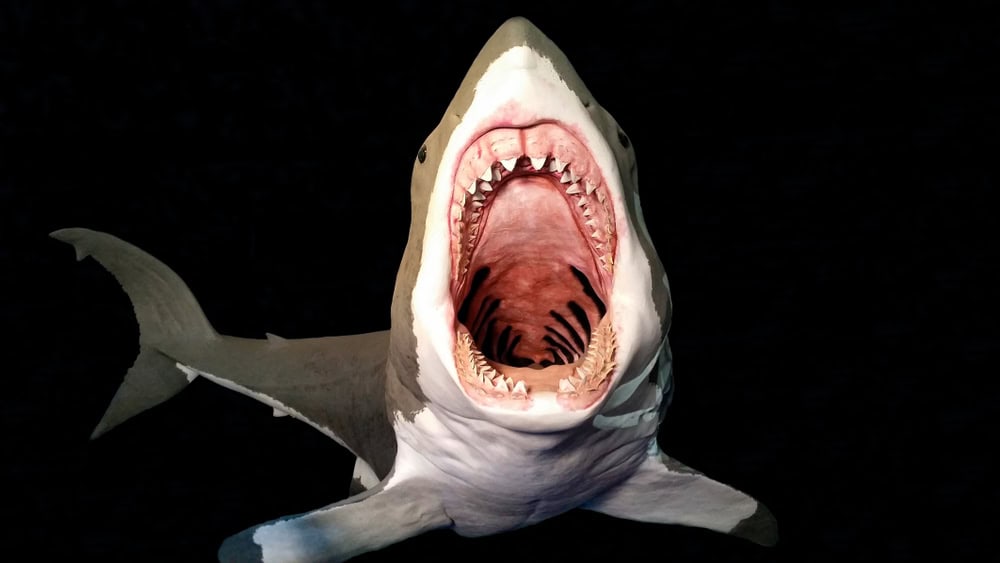

Quick Take
- Ancient shark predates Megalodon by about 90 million years, dating to roughly 115 million years ago in the Cretaceous.
- Belongs to cardabiodontids, early lamniforms, the lineage that produced modern great whites and makos.
- Discovered from enormous vertebrae found in northern Australia, later size-estimated via CT scans and digital modeling.
The ocean depths are full of mysteries and monsters. But some of its greatest secrets and behemoths lie not beneath the waves of today, but beneath the rocks of prehistory. Most people have heard of Megalodon, the massive shark that once ruled the seas, with teeth larger than a human hand and an estimated length up to 60 feet—which is the same length as a railroad car. But new research now shows that long before Megalodon ever existed, another colossal shark prowled the ancient oceans—actually predating Megalodon by about 90 million years.
The Discovery
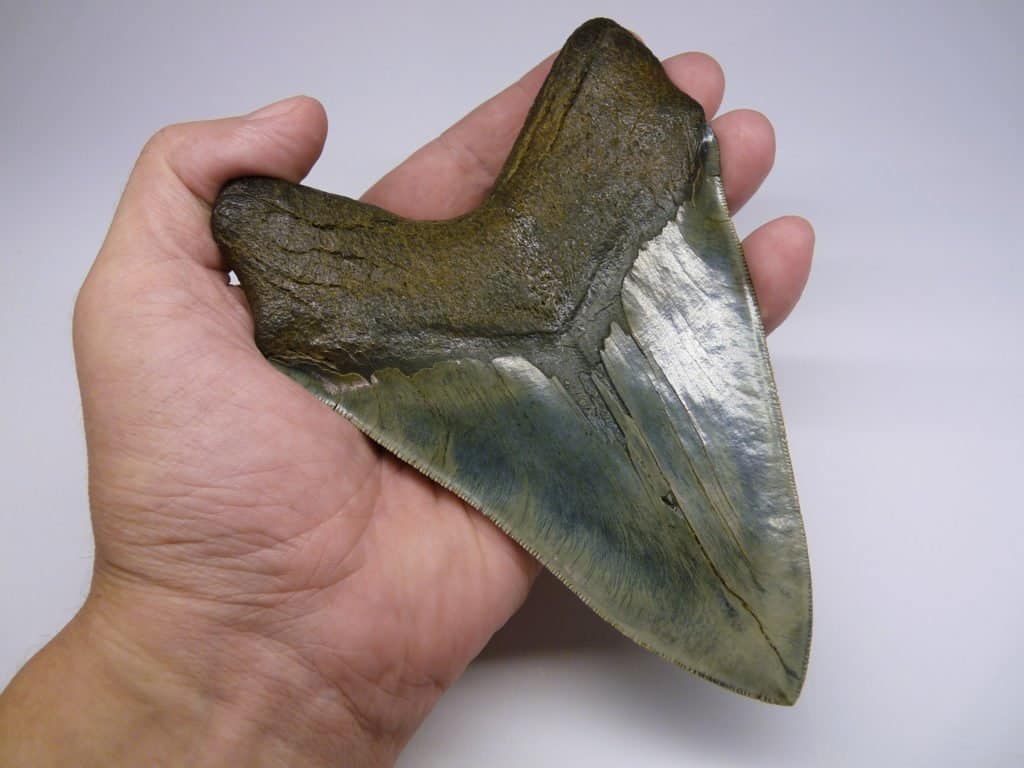
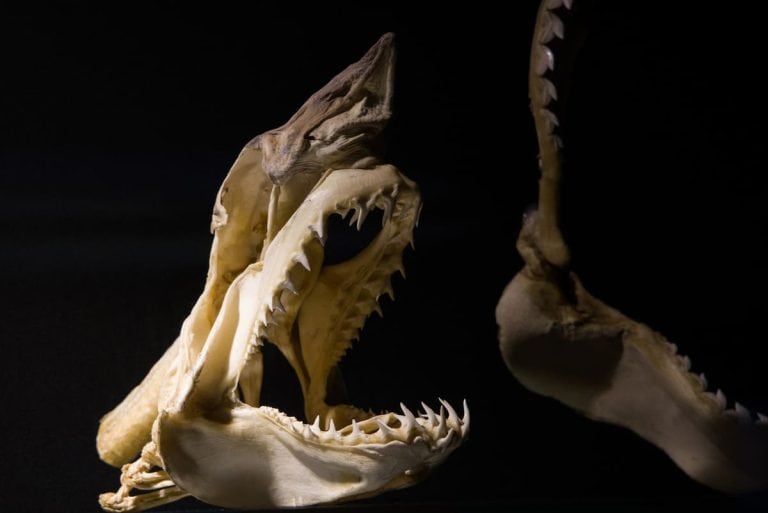
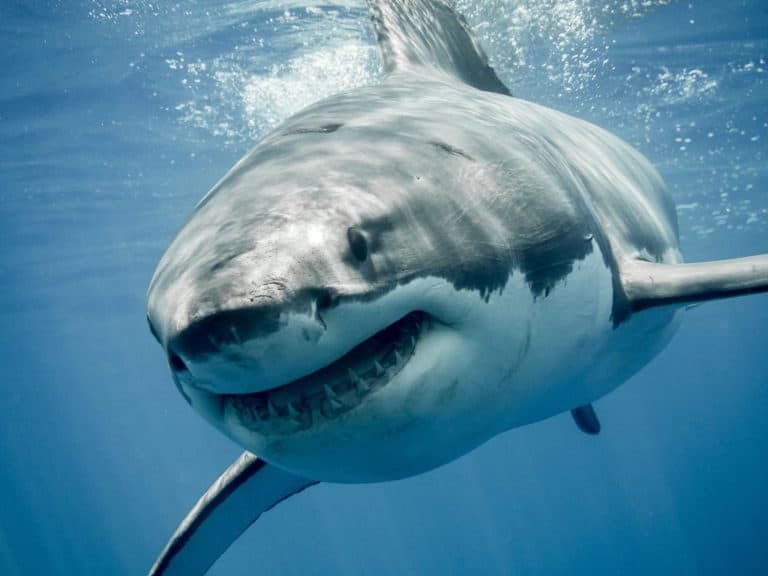
Shark skeletons are mostly cartilage, so most of what we find from ancient sharks is teeth.
©Nico Ott/Shutterstock.com
In a stroke of paleontological luck, scientists recently returned to a set of enormous, fossilized shark vertebrae discovered decades ago on a beach in northern Australia. Because shark skeletons are made mostly of cartilage, which rarely survives the fossil record, such vertebrae are an extraordinary find, offering a rare window into the true size of ancient sharks. When the fossils were first examined, the tools of the time could reveal only so much, and the specimens were quietly shelved in a museum collection, their significance unrealized. It would take decades—not to mention a new generation of technology—for researchers to recognize what they had been sitting on.
Using high-resolution CT scans, mathematical modeling, and comparisons with living shark species, scientists determined that the vertebrae belonged to a colossal predator that swam the seas about 115 million years ago, during the Cretaceous period. This shark ruled ancient oceans at a time when dinosaurs dominated the land and massive marine reptiles prowled the water, nearly 90 million years before Megalodon would make its appearance. Digital reconstructions built from the vertebrae now reveal an early giant—a reminder that long before the most famous sharks ever lived, the seas were already home to monster fish.
Who Was This Ancient Shark?
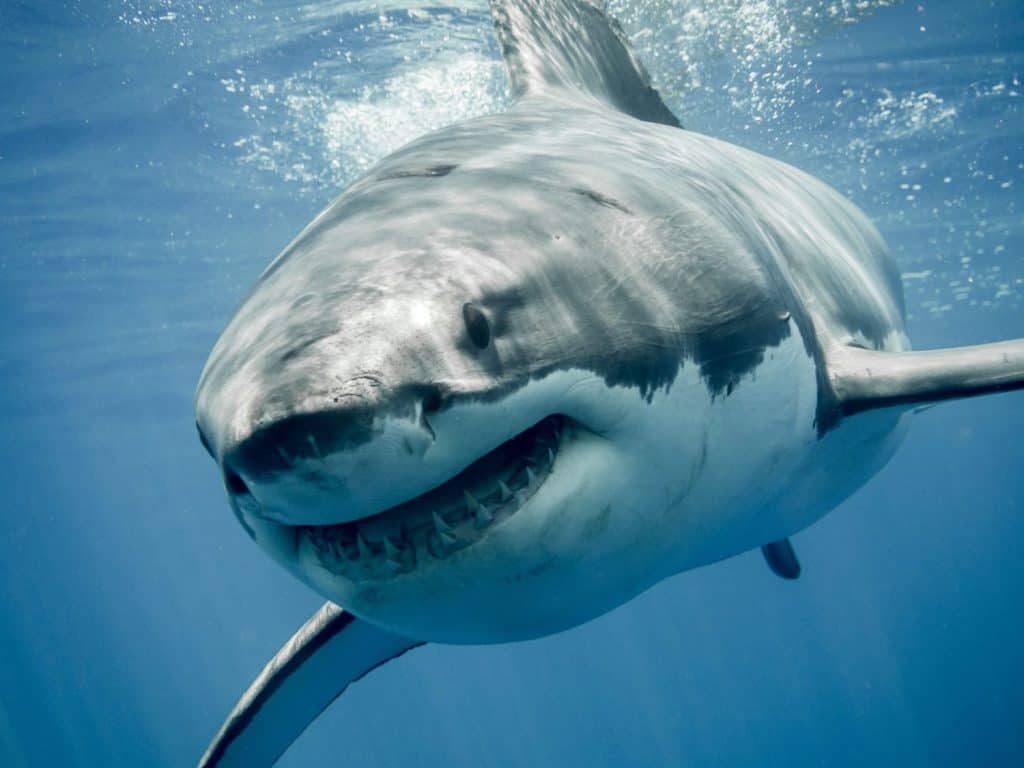
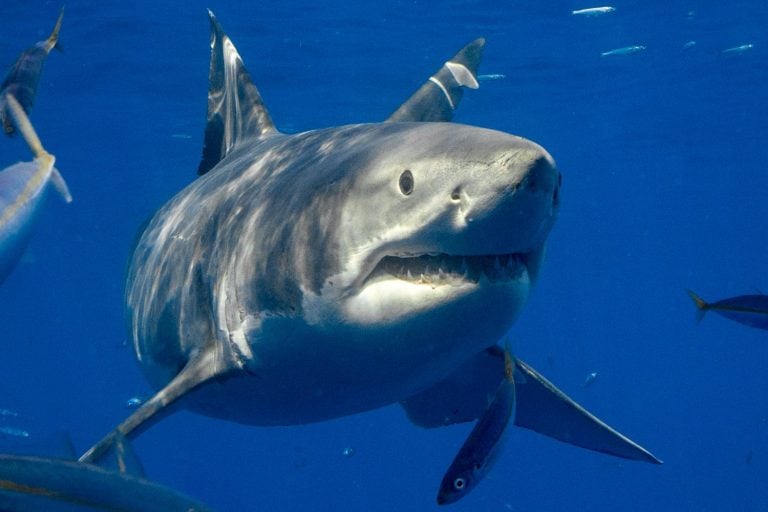
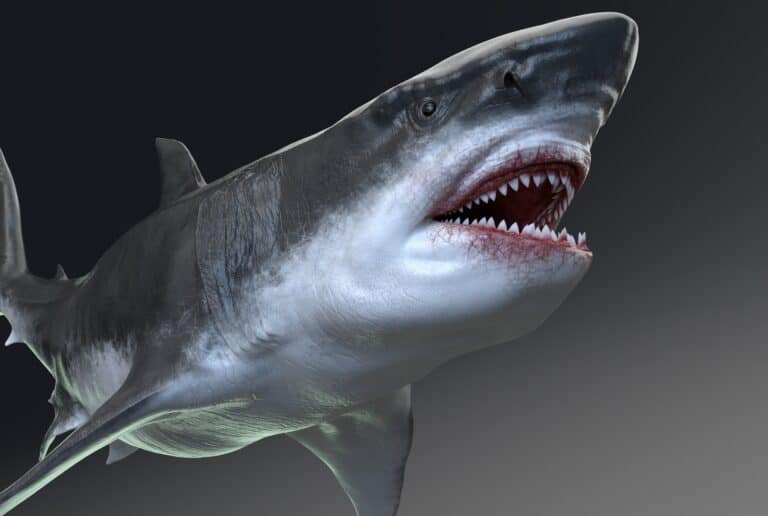
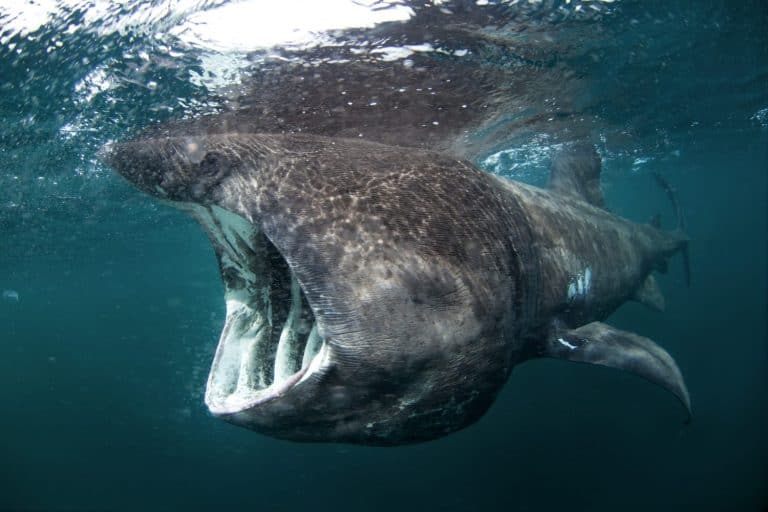
The ancient shark is estimated to be around 6 feet longer than today’s average great white.
©Ramon Carretero/Shutterstock.com
The creature belongs to a group of ancient sharks known as cardabiodontids, early members of the broader lamniform lineage, which is the same shark family tree that eventually produced modern predators like the great white and mako sharks. Although it doesn’t yet have a widely publicized scientific name separate from its group, what scientists do know paints a vivid picture:
- Estimated Length: Around 26 feet long. That’s about the size of a large Uhaul and noticeably larger than the average modern great white shark (about 20 feet).
- Ecological Role: A mega-predator at the top of its food chain, this shark likely hunted other large marine animals of the time.
- When It Lived: Approximately 115 million years ago, which predates the first truly giant lamniform sharks and far predates Megalodon’s heyday around 23 to 3.6 million years ago.
Imagine a shark more than eight times the length of a large man, cruising the warm, shallow seas that once covered northern Australia—a true apex predator long before whales, great whites, or bus-sized megatooth sharks swam the oceans.
An Ancient Wonder
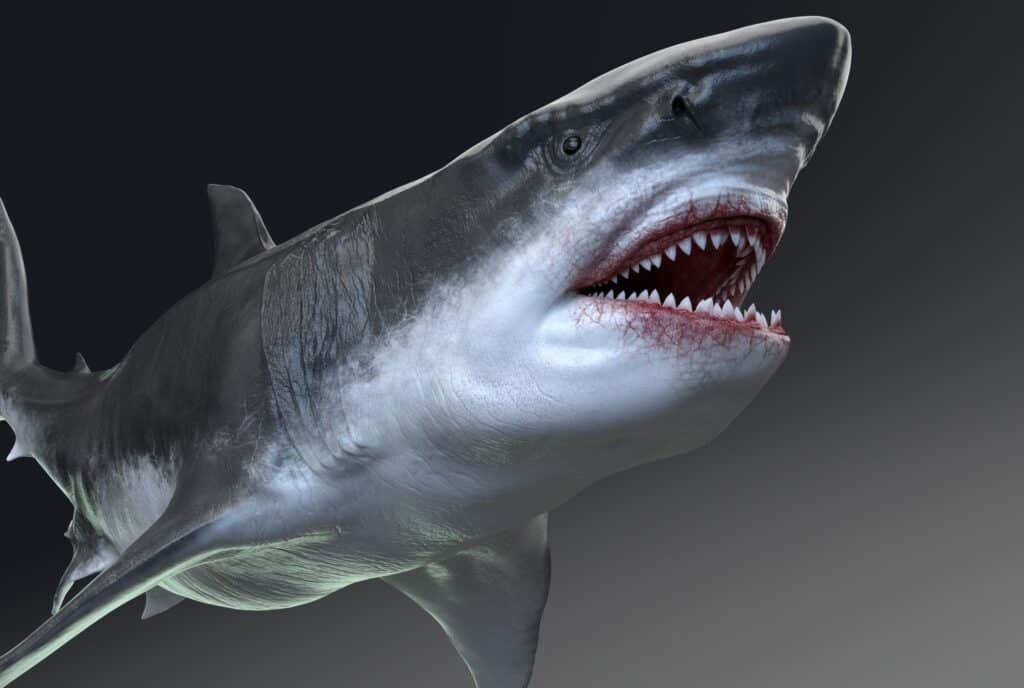
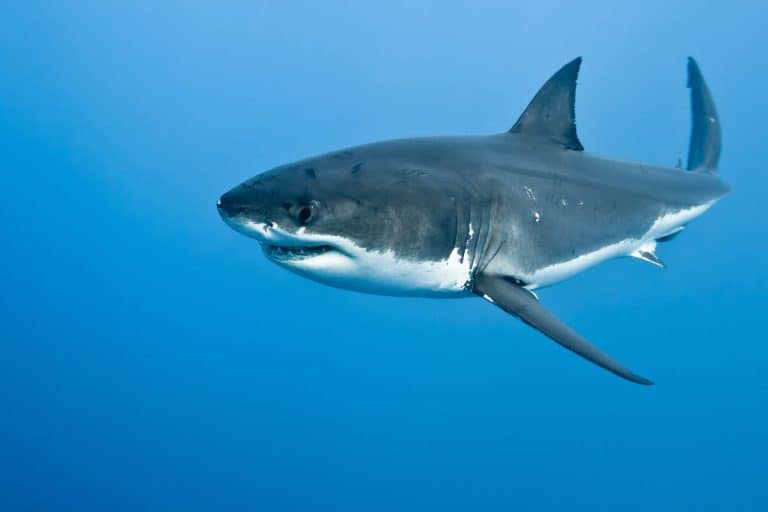
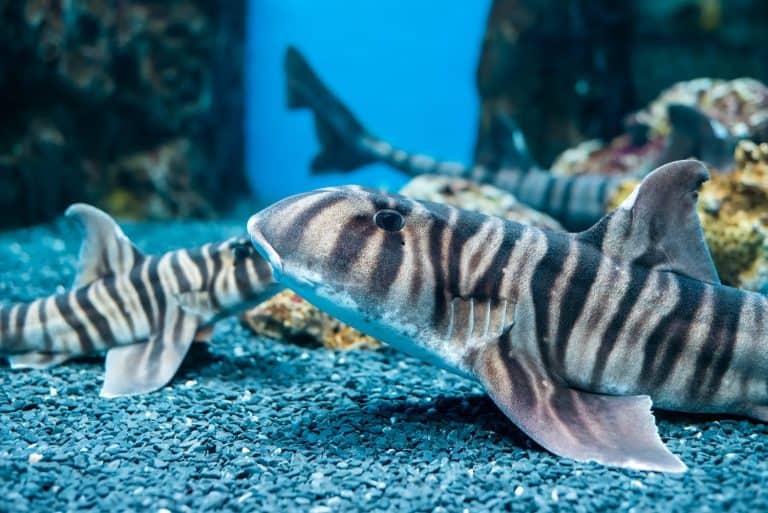
Megalodon’s extinction could be due to many different factors.
©racksuz/Shutterstock.com
Finding such a large prehistoric shark that predates Megalodon changes our understanding of shark evolution. It suggests that:
- Gigantic size evolved earlier than previously thought within the shark lineage that would eventually lead to today’s great whites and Megalodon.
- Ancient oceans supported complex and highly competitive predator ecosystems much earlier in Earth’s history than scientists assumed.
- Studying these early giants helps researchers understand not just ancient life — but how marine ecosystems respond over the long term to shifts in climate and biodiversity.
In other words, these discoveries don’t just fill a gap in the fossil record, they illuminate how large predators evolved and adapted over tens of millions of years.
Long before Megalodon thundered through the prehistoric seas, another monstrous shark was already ruling the waters off what we now call northern Australia. Its discovery pushes back the timeline of shark gigantism and deepens our understanding of marine evolution, while also highlighting how much remains unknown about Earth’s ancient oceans. Because shark fossils are so rare, many species may be missing entirely from the record, their existence hinted at only by a few overlooked bones or teeth. Scientists suspect that museum collections around the world may hold similar surprises, waiting for modern tools to unlock their secrets. Each new find has the potential to reshape our understanding of when giant predators first evolved, and what forces drove their rise, dominance, and eventual disappearance.
In the grand story of life on Earth, this ancient shark reminds us that giant predators have been shaping ocean ecosystems for far longer than most of us knew, and the deep history of the seas still has many surprises waiting beneath the surface.