
Quick Take
- Eurasian otters are the first species for which new eDNA technology has been tested to provide DNA samples from the animals.
- Scat was collected from Eurasian otters to obtain DNA samples.
- Technology was able to pull not only Eurasian otter DNA strains from the scat but also DNA from the otters’ prey.
- This new technology may be the first step toward ending invasive methods used to study elusive and endangered species.
Over 200 species of flora and fauna go extinct daily. Some of these species go extinct before they are discovered. Others disappear because they are too elusive, leaving researchers at a loss for the best practices to study them.
This may all be about to change. A new blueprint for studying endangered wildlife has been developed.
Beginning with the Eurasian otter, researchers are building upon known technology and science to study the animals without being invasive. Conservation efforts can be better tailored for elusive and endangered animals if the technology proves effective in species other than Eurasian otters, potentially preventing their extinction.
A New Tactic for Studying Endangered Wildlife Begins with Eurasian Otters
As more species become endangered, scientists are doing what they can to track individual populations. This helps determine whether a species is declining or increasing, what factors are driving changes in population, and how species are adapting to changes in their environments.
One of the best ways to determine this information is by examining a species’ DNA. Obtaining DNA has always meant being hands-on with an animal. With advances in technology, there has been a shift toward less invasive methods, such as eDNA. Previously, the DNA collected was often incomplete, making it difficult to obtain a full genetic profile.
According to a new study published in Royal Society Open Science, this may no longer be the case. Scientists, using scat from the elusive and endangered Eurasian otter, have obtained the animal’s entire DNA sequence.
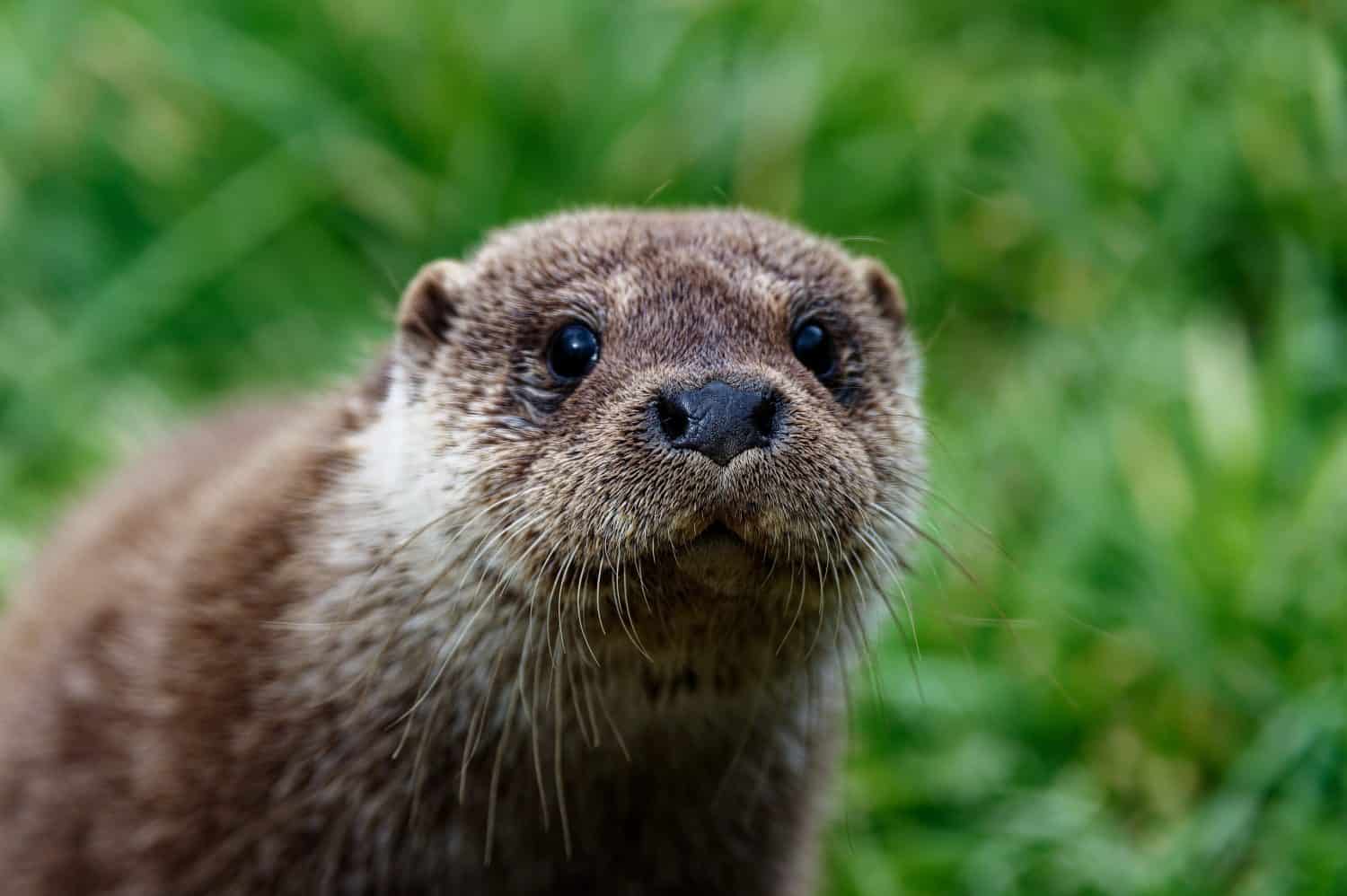
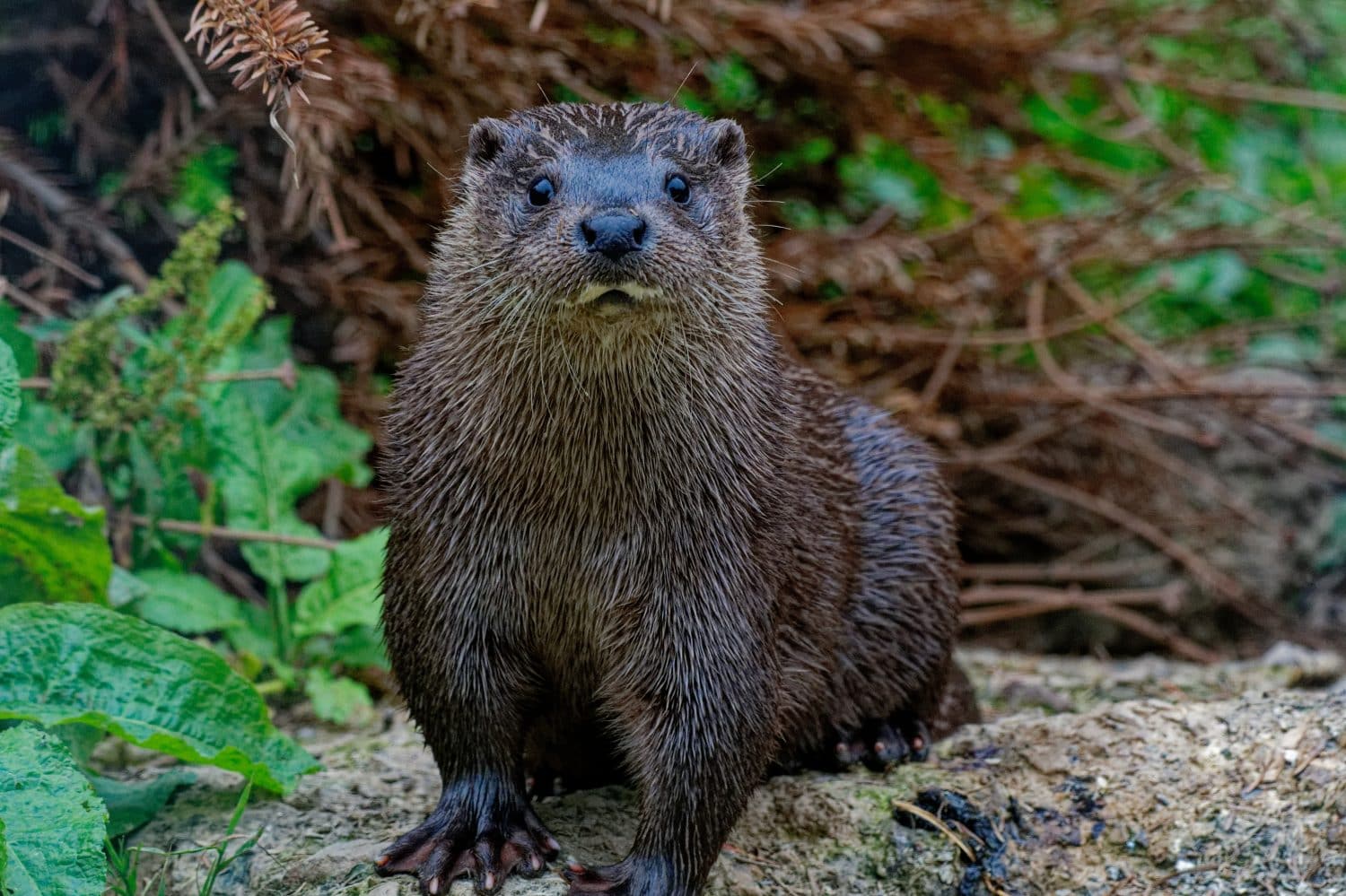
Eurasian otters are endangered and elusive, making them difficult to find.
©Colin Seddon/Shutterstock.com
This technique was developed using a “laboratory and bioinformatic pipeline for recovering whole mitochondrial genomes.” The “shotgun sequencing” approach takes short fragments of DNA and uses computer algorithms to reconstruct the entire DNA sequence.
To conduct their research, researchers at Cardiff University collected 27 Eurasian otter scat samples. Of the 27 samples, 20 enabled researchers to recover complete DNA sequences. These DNA sequences were compared with those from muscle samples of Eurasian otters captured and released in Wales, and the genetic material was found to be identical.
Researchers found that scat collected in the spring yielded better results than scat collected in the winter. Additionally, if the scat could be collected within 24 hours of being dropped, the sample provided better results.
This technology represents a significant breakthrough, building on decades of eDNA research and enabling scientists to study animals without invasive techniques. This discovery is poised to reveal more about endangered and elusive animals at a time when many species are on the brink.
What Is eDNA?
Traditionally, the gold standard for assessing the health of endangered species involved collecting DNA samples directly from the animals, a process that often caused stress to the animals and negatively impacted their habitats.
In recent years, the concept of Environmental DNA, or eDNA, has become popular in the scientific community. This allows short DNA fragments to be collected from animals without trapping them. Some of the most popular items collected to conduct eDNA tests include:
- Skin cells
- Waste
- Mucus
- Decaying tissue
- Reproductive cells
The advantages of using eDNA include determining if a targeted species is present in an area, detecting the return of regionally extinct species, and estimating whether the population is low or high in that region.
eDNA can create short DNA strands from skin cells, waste, mucus, and more, without being invasive to animals.
©Billion Photos/Shutterstock.com
There are some drawbacks to using eDNA. However, eDNA cannot provide precise information about the number of individuals present, their exact locations, reproductive status, or whether a species has established a permanent population in a habitat.
However, with the new techniques described in the study, eDNA can unlock more than has been done in the past. This method may not be applicable in all circumstances. As technology advances, scientists may need to handle fewer live animals to obtain the information necessary to study individual species, whether endangered or not.
Why Is Physically Handling Endangered Species Harmful?
In the past, methods for assessing the health of endangered species required scientists to capture animals and collect DNA samples. According to the study, this not only caused significant stress to the animals but also disrupted their environment. This is especially problematic for elusive species like the Eurasian otter, as tracking them requires significant resources and may not always be successful.
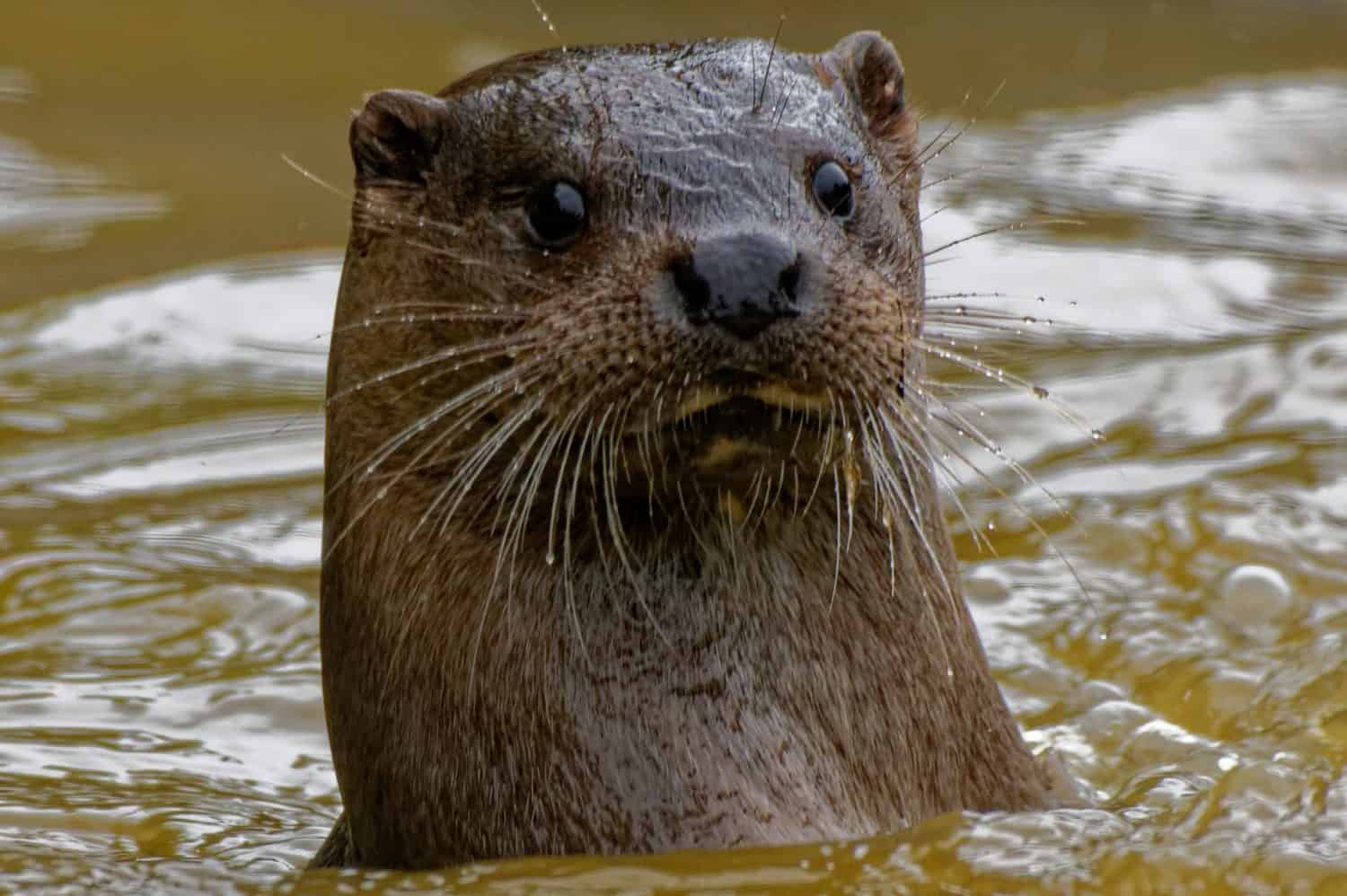
By using non-invasive methods to collect DNA from endangered animals, such as the Eurasian otter, the animals and their environments are not stressed.
©Colin Seddon/Shutterstock.com
With over 1,600 species covered by the Endangered Species Act in the United States, finding new ways to collect data on them without handling them would be a significant win for the animals. By collecting scat for DNA analysis and other laboratory tests, scientists can avoid tranquilizing or capturing animals. Instead, they can visit known habitats, collect scat, and gather data without harming the animals.
As technology continues to advance, scientists no longer need to be as invasive as they once were to collect DNA. This is a win for science and endangered and non-endangered animals alike.
Eurasian Otter Prey
Previously, to determine what prey Eurasian otters consumed and assess the health of that prey, scientists had to observe otters in their habitat and then capture prey for testing—a process that was often challenging and not always successful, depending on otter population levels.
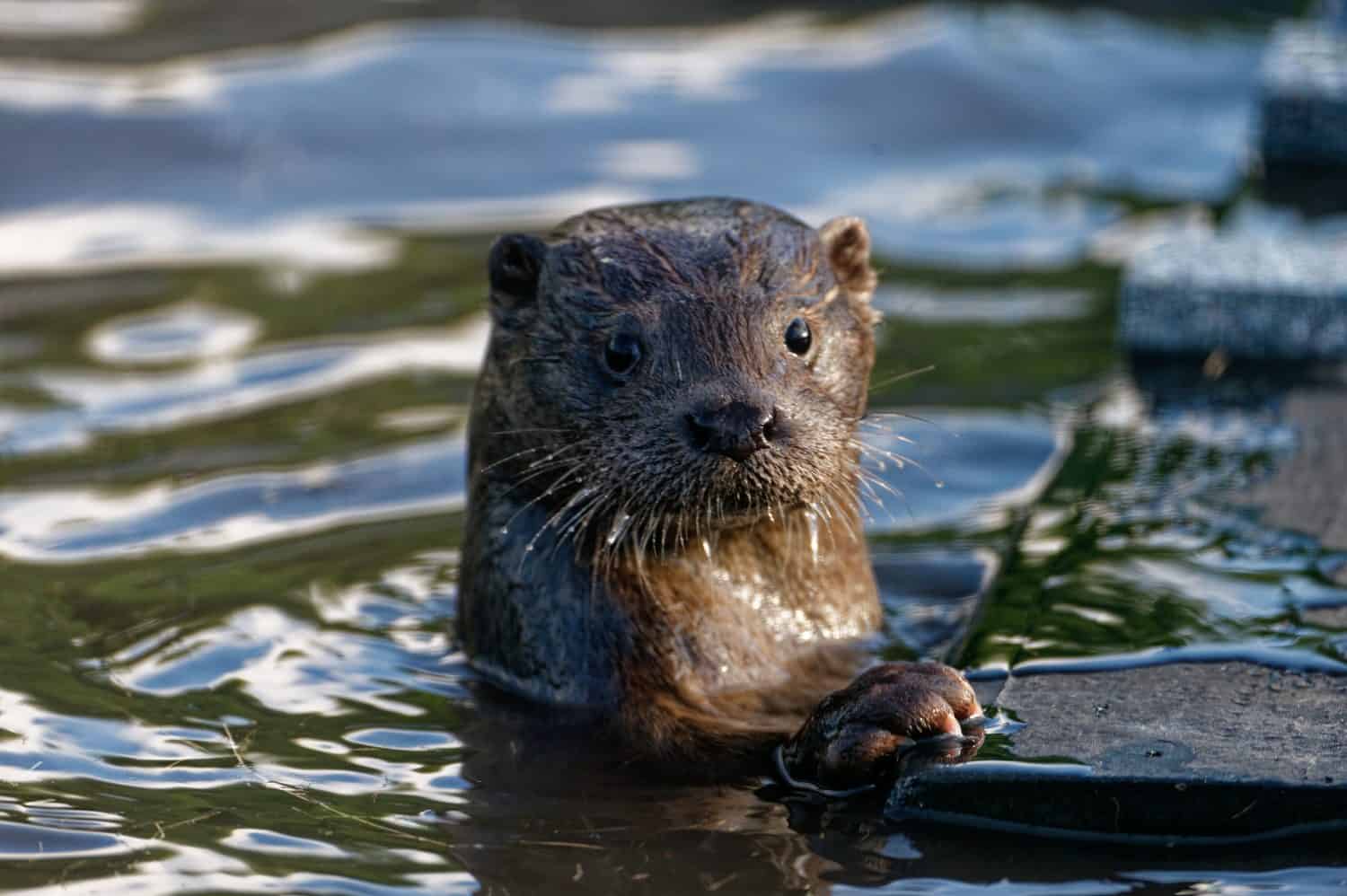
DNA collected from Eurasian otter scat not only provided information about the otters but also about their prey.
©Colin Seddon/Shutterstock.com
Using new techniques derived from the bioinformatic pipeline, the recovered scat provided information beyond just Eurasian otter DNA. According to the study, it accurately provided genetic information on Eurasian otter prey.
This genetic information about Eurasian otter prey is important for scientists. As aquatic environments have changed over the last several decades and as more invasive species have challenged Eurasian otters for prey, scientists can learn how this has shifted the prey that Eurasian otters target. If a change in diet is detected through DNA analysis of otters’ prey, scientists can use this information to monitor Eurasian otters and assess whether these dietary shifts negatively impact their health.
What Led to the Eurasian Otter Becoming an Endangered Species?
Very little is known about the current population of the Eurasian otter. This has to do not only with how secretive the otters are but also with how widespread yet fragmented their habitats are. Because of this, the IUCN has listed the Eurasian otter as a “near threatened species.” But with regional populations declining, countries such as China, Kazakhstan, Uzbekistan, Kyrgyzstan, Turkmenistan, and Tajikistan have classified the Eurasian otter as endangered. Afghanistan has also listed the otters as vulnerable.
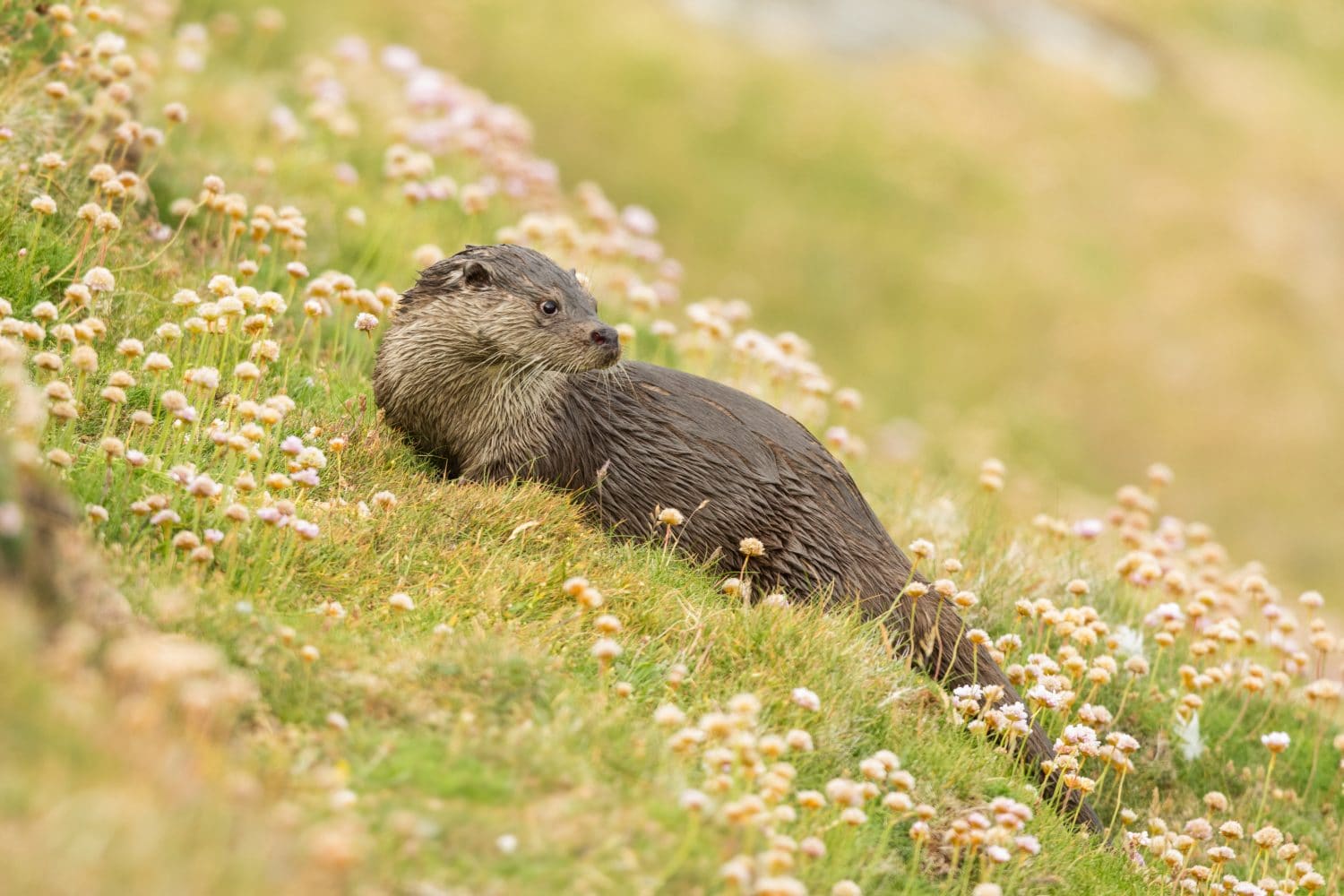
Eurasian otters became endangered due to being hunted, habitat loss and fragmentation, pollution, and more.
©JaklZdenek/Shutterstock.com
The last time there were significant Eurasian otter populations across Europe and Asia was in the early 20th century. However, within just 25 years, the majority of otters had disappeared. The reasons the Eurasian otter populations went into significant decline include:
- Being hunted for their fur
- Habitat loss
- Habitat fragmentation
- Lack of food
- Road mortality
- Pollution
In some countries, the Eurasian otter was considered regionally extinct. This led to negative changes in the ecosystems where otters once lived, as they are a keystone species.
It was not until the 1980s, and even the 1990s in some countries, that regulations were put in place to stop pollution and restore otter habitats. This was done to protect the fragmented populations of Eurasian otters that were able to adapt to rapidly changing ecosystems. As a result of these regulations and increased protection, Eurasian otter populations have slowly rebounded in some countries. However, without up-to-date or comprehensive information, it is difficult to assess the global status of the Eurasian otter population.
Threats Eurasian Otters Face Today
Despite population rebounds in Western Europe, threats to Eurasian otters persist. Restoring habitats and reducing pollution have gone a long way, but the otters are not out of the woods when it comes to population decline today.
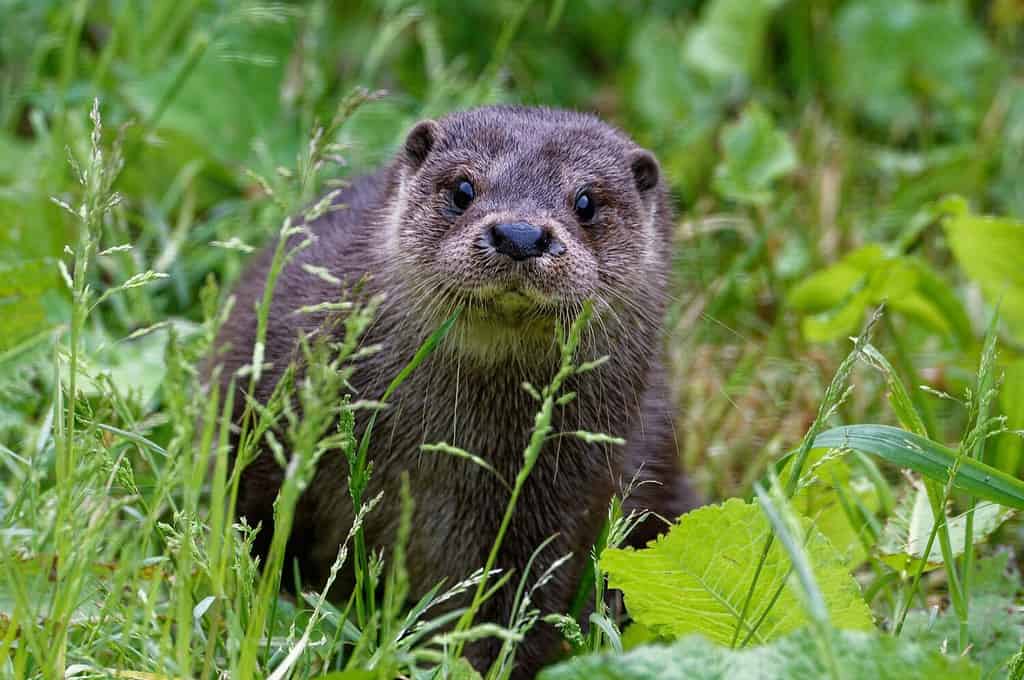
Some of the threats facing Eurasian otters today include microplastic pollution, motor vehicle collisions, and more.
©Colin Seddon/Shutterstock.com
Some of the biggest threats that Eurasian otters continue to face today are:
- Ecotourism causing Eurasian otters to become more nocturnal to protect their young
- Microplastic pollution
- Motor vehicle collisions
- Competition with fisheries
In addition to these threats, the inability to properly track Eurasian otters is one of the greatest threats to their survival. Not knowing the status of individual populations makes it difficult to implement effective conservation measures to increase or at least stabilize Eurasian otter populations.
The future of Eurasian otters is uncertain. However, with these non-invasive methods proving to be an accurate and effective way to study the overall health of otters, there may be greater insight into the lives of Eurasian otters today than at any other time in history.