
Quick Take
- The ocean floor holds species scientists are only beginning to understand, and one booming industry may be erasing them before many of their ecosystems can even be studied. Explore the mining threat →
- A green energy project designed to help the planet is quietly pushing one desert species closer to extinction. See the frog's decline →
- One marsupial's improbable comeback proves extinction trajectories can reverse, though the method used is not what most conservationists would try first. Read the numbat comeback →
The International Union for Conservation of Nature (IUCN) just published a stark update to its list of threatened species. Some creatures, like Australia’s numbat marsupial, show an improved status thanks to tireless conservation efforts. Many other creatures, however, sit precariously on the brink of extinction. These include over half of mollusc species, which are threatened by deep-sea mining and its effects on hydrothermal vents, as well as the desert rain frog, which is threatened by industrial developments in southern Africa.
The IUCN Red List remains one of the most comprehensive and sobering assessments of humanity’s impact on the environment, with no sign of improvement in sight. For the first time, the IUCN Red List identifies flowering plants that are both evolutionarily distinct and threatened with extinction. Let’s learn more about the organization’s recent update, what it says about threatened or endangered species, and how human activity has contributed to these increasing losses.
About the IUCN Red List
The International Union for Conservation of Nature became the first global environmental organization upon its founding in 1948. However, it was not until 1963 that the then-chair of the group’s Species Survival Commission, Sir Peter Scott, created the Red Data Book. It started as a book that categorized threatened species using subjective expert opinions.
The modern form of the Red List began in earnest in the early 1990s when Dr. Georgina Mace spearheaded the creation of a quantitative classification system. Instead of relying on mere expert observation, the revised Red List used population-based metrics to calculate extinction probability. Since then, the IUCN Red List has become the go-to source for policymaking, conservation funding, and biological research.
As per its latest update, the IUCN Red List includes 175,909 species, 49,505 of which are on the verge of extinction. Like previous iterations, this update tells a troubling story, illustrating how precious life is and how quickly it can be lost.
Dwindling Molluscs
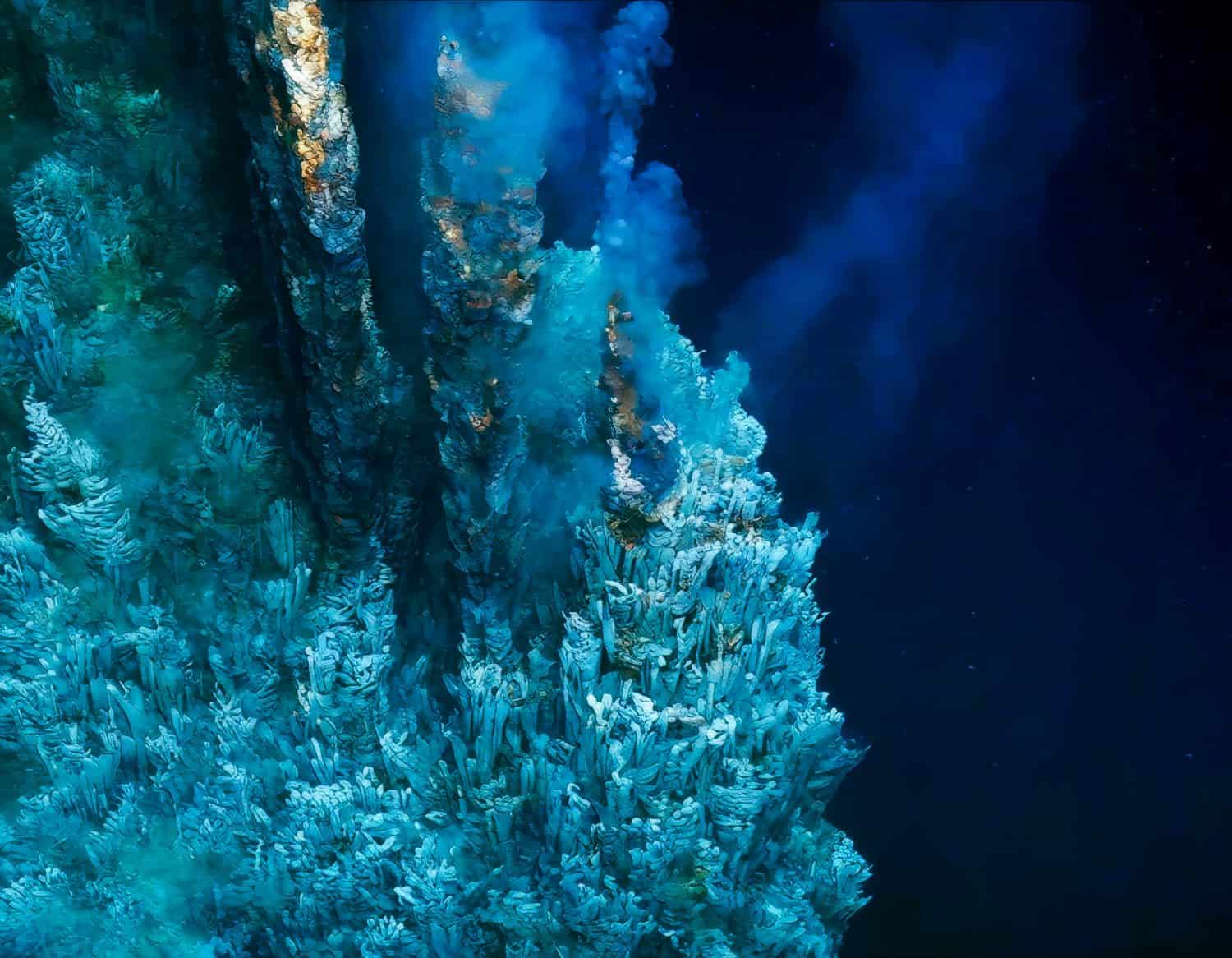
Deep-sea mining around thermal vents threatens mollusc species that use them for nutrients.
©Gallwis/Shutterstock.com
The latest IUCN Red List highlights the status of hydrothermal vent molluscs: 125 of the 201 known species are at risk of extinction due to deep-sea mining. These creatures, including snails, mussels, clams, and limpets, live thousands of meters below sea level. They survive thanks to deep-sea vents that release water at extreme temperatures.
Increasing technological demand for minerals on the seabed has led to extensive deep-sea mining. These processes often create sediment plumes in the water, smothering creatures like molluscs and preventing them from breathing and absorbing nutrients. The IUCN added many species, like the Lirapex felix snail, to the list due to mining exploration in areas like the Indian Ocean. The lack of government jurisdiction in many mining hotspots exacerbates these potential losses.
Desert Rain Frogs
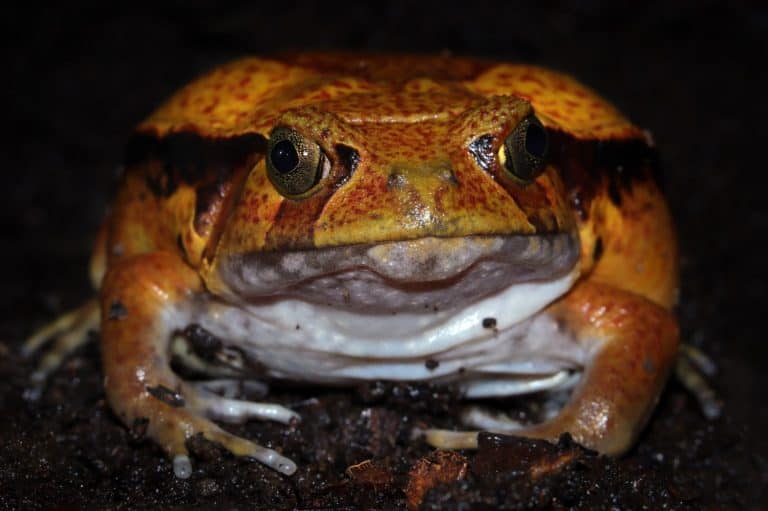
Another species with an updated status is the desert rain frog. Since the last update, this small desert frog has gone from Near Threatened to Vulnerable. Increased industrial development, including a massive green hydrogen project, will likely affect up to one-third of the frog’s historic range in South Africa and Namibia. Their population has been further threatened by increased demand in the exotic pet trade, as well as climate change. The IUCN estimates that the desert rain frog population will decline by 20% in the next decade without efforts to protect their habitats.
Endangered Plants
This IUCN Red List update newly highlights evolutionarily distinct and threatened flowering plants. This includes a reassessment of 40 species of rowan, whitebeam, and service trees found exclusively in the United Kingdom and Ireland.
As Head of Conservation Prioritisation at Botanic Gardens Conservation International, Emily Beech, explains, “95% of these species remain threatened, and one species, Wilmott’s whitebeam (Sorbus wilmottiana), found only in the Avon Gorge, has been uplisted from Endangered to Critically Endangered because of railway works and an unknown pathogen.”
Silver Lining
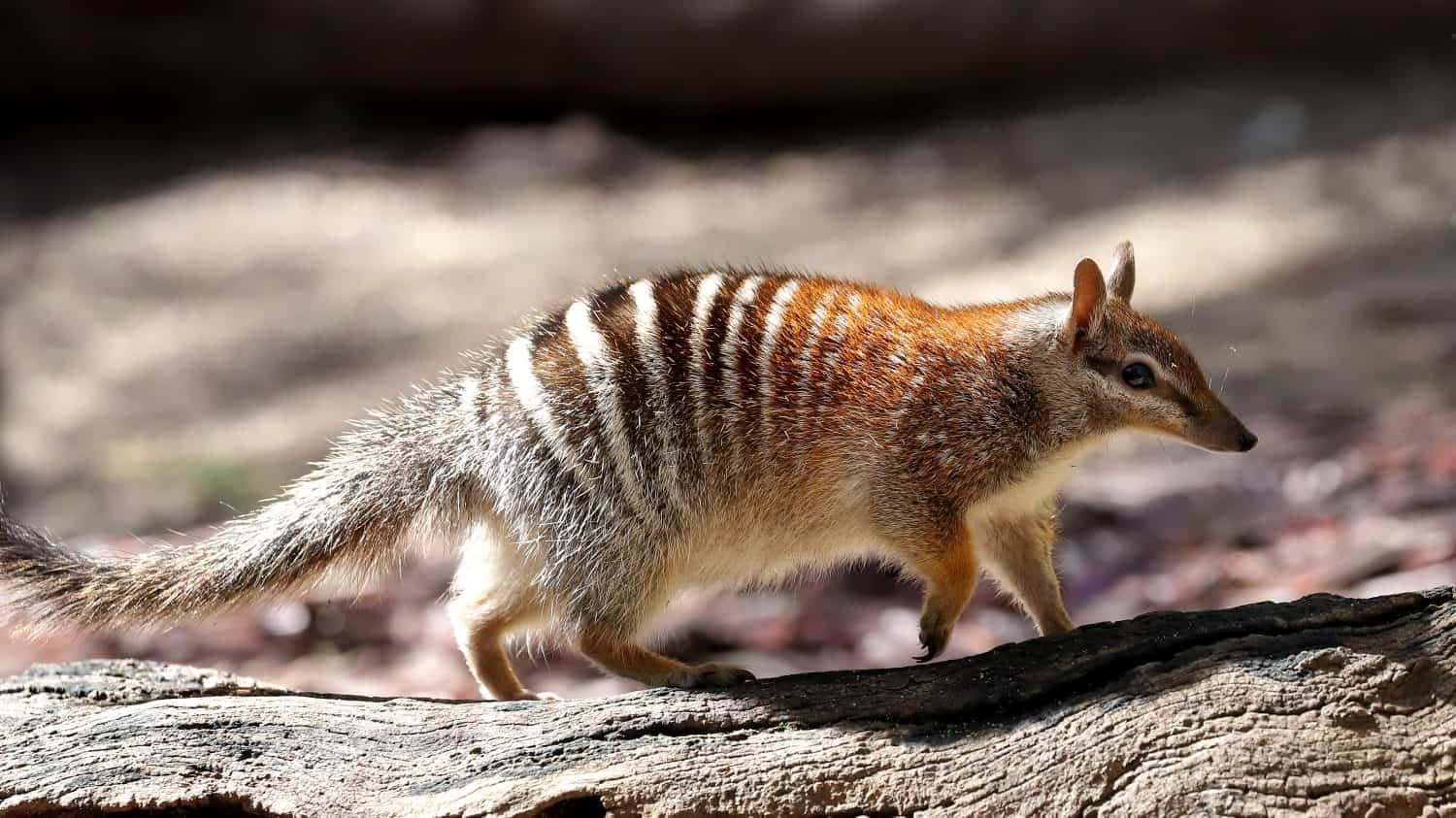
While numbats are near threatened, efforts to reduce the impact of feral cats and foxes in Australia have helped protect their population.
©Ken Griffiths/Shutterstock.com
Not all the news is grim, however, as some species are faring better than in previous years. The numbat, a marsupial of Western Australia, improved from Endangered to Near Threatened due to efforts to reduce the impact of feral cats and foxes. Translocation and a captive breeding program at Perth Zoo further improved the numbat population’s health.
IUCN Red List updates may be sobering, but they can lead to real protections for threatened species. Molluscs remain threatened across the world, but over 30 vent species sit at Least Concern because they live in Marine Protected Areas.
Kathleen Flower, Vice President of Biodiversity Science at Conservation International, clarifies the threat to molluscs and points to solutions, stating, “The new Red List findings for hydrothermal vent molluscs demonstrate why we need to protect the world’s deep and high seas. We’re still learning so much about the fragility found at the ocean’s greatest depths. Until science has more thoroughly explored the marine ecosystems at the bottom of the sea, we must be cautious of deep-sea mining and other practices that disturb the sea floor.”