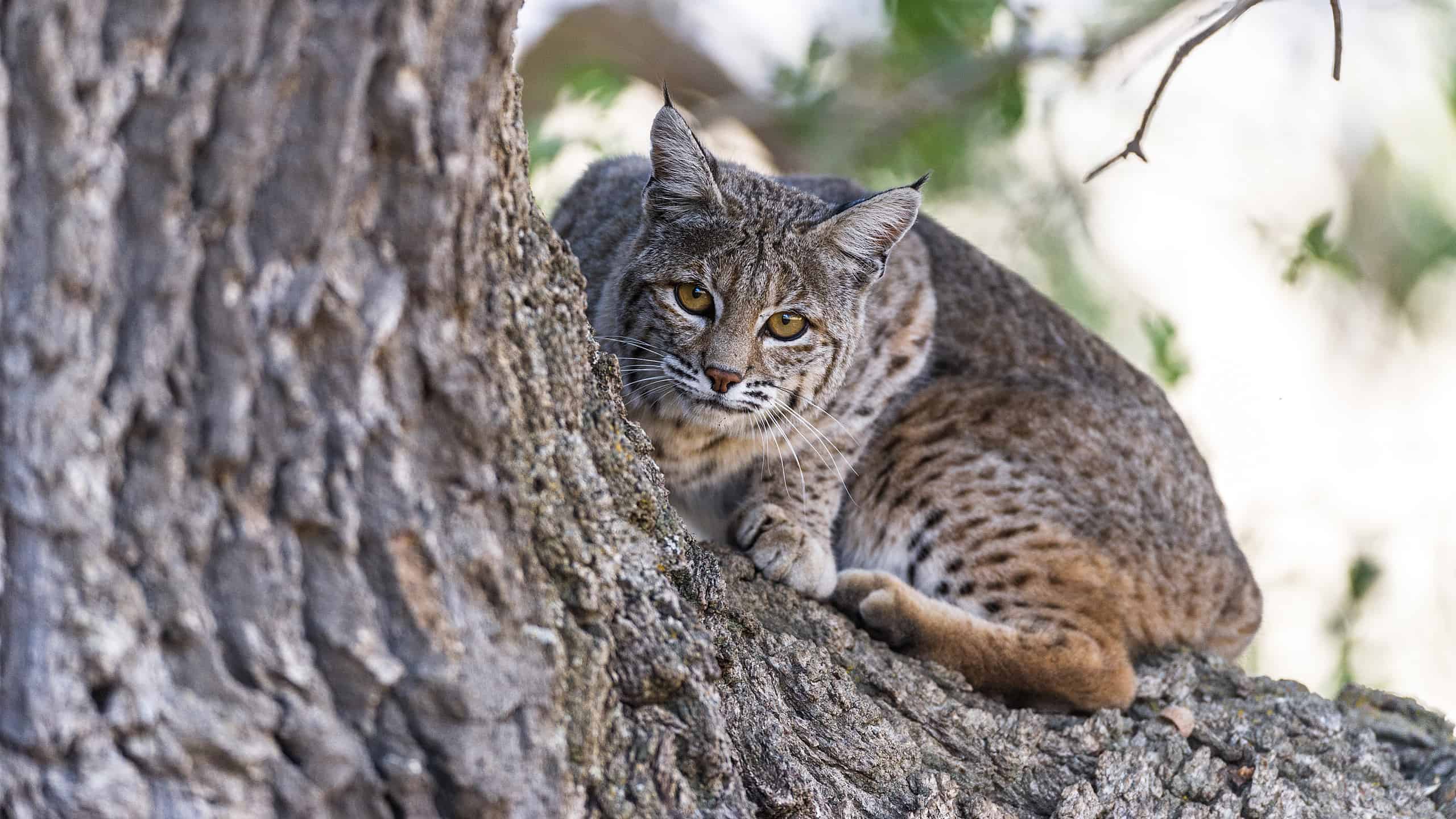

As more people have chosen to live in areas that have traditionally been wildlife habitats, there has been more interaction with wild animals. In many instances, wildlife is more afraid of people than people are of them. As a result, wild animals tend to give people a wide berth, preferring to avoid being seen. However, wild animals are curious creatures. They will explore properties when they feel unthreatened. A distinct sign that animals have been exploring is their tracks.
When living in an area with outdoor house cats, feral cats, and wild cats, determining who left a track can be challenging. There are ways, however, to distinguish between bobcat tracks and house cat tracks by spotting the differences. Having the know-how to do this and what to do if bobcats are continuously returning to a property will help keep both domestic and wild cats safe by avoiding any unwanted interactions.
How Bobcat Tracks Differ From House Cat Tracks
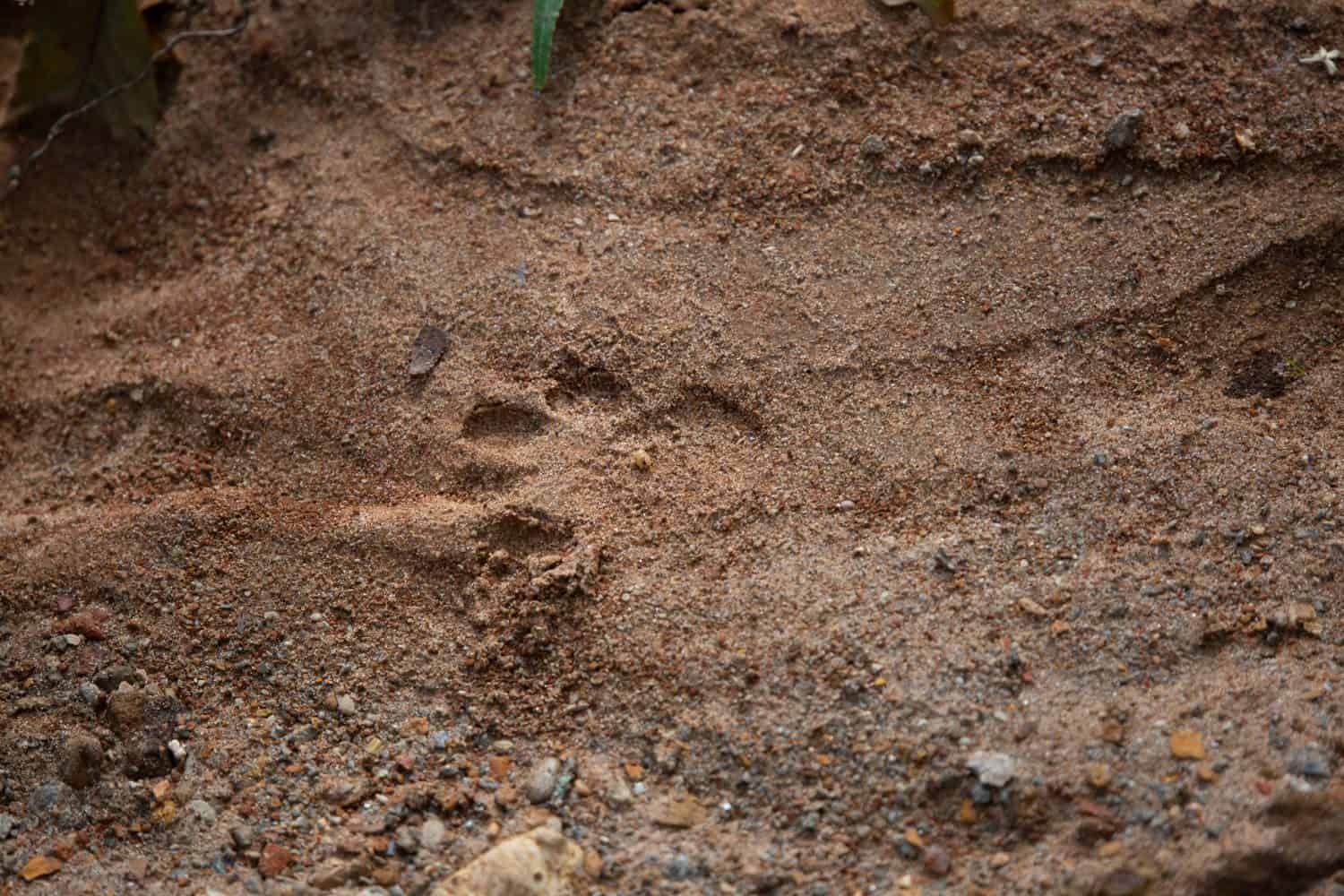
Bobcat tracks, like this one, will have some distinct characteristics that vary from house cats.
©Brandy McKnight/Shutterstock.com
Bobcats and house cats are both felines and members of the Felidae family. Because of this, the two have similar tracks when they explore the great outdoors. One or neither of these animals may be wanted on a property. But for those with domestic animals, determining if there is a wild animal threat is necessary to keep pets safe from harm.
When examining the tracks, there will be some key differences that will help identify if a house cat or a bobcat has been coming on the premises. Those differences include:
| Characteristics Of Tracks | Bobcat | House Cat |
| Paw print size | Up to 2.5 inches wide | One inch wide |
| Spacing between tracks | Has a large amount of fur on its paws that can leave its own distinct impression on the track | Has a large gait, so the spacing between tracks is large |
| Indent in tracks | Has a smaller gait, so the spacing is small between tracks | Hair on paws does not affect the impression of the track |
| Has a large amount of fur on paws that can leave its own distinct impression on the track | There may be claw marks in the tracks, but they are not always a distinguishing characteristic | Claw prints will not be in tracks |
| Track appearance | Claw prints in the track | Tracks may appear to have a paw print on top of another, as gait causes back legs to land essentially in the same place as where the front legs imprinted a track |
In addition to these characteristics of bobcat and house cat tracks, there is another characteristic that needs to be considered when trying to identify the feline, and that is how the overall size of the animal can change the look of a track.
Compare Sizes
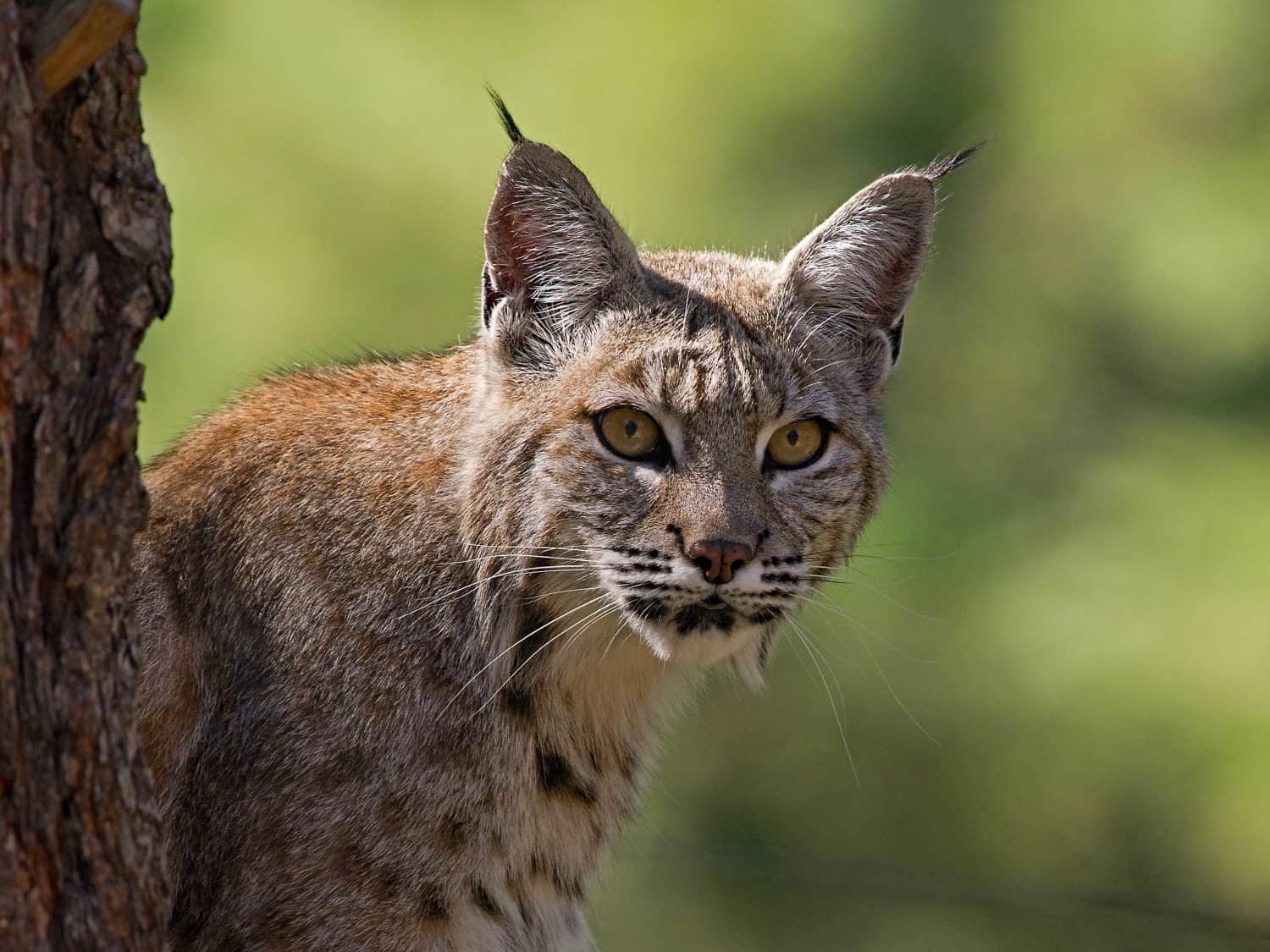
Bobcats are often substantially larger than house cats, making identifying their tracks fairly easy to do.
©Laurie E Wilson/Shutterstock.com
When examining feline tracks, one of the most obvious giveaways that can indicate whether a house cat or bobcat made them is their size. This is because bobcats are significantly larger than house cats.
On average, a bobcat weighs between 15 and 40 pounds. A house cat weighs between five and 15 pounds. Immediately, there is a weight differential that will put a different amount of force on the pads of the feline’s feet. The more weight, the more pressure is placed on the feet, which creates a different look to the tracks being left.
In addition to the bobcats weighing more than house cats, the overall size of a bobcat is larger. Bobcats, according to Vet Explains Pets, can reach a length of 37 inches and have a height of 16 to 23 inches. Conversely, house cats are approximately 18 inches long and have a height of nine to 10 inches. By being a larger cat, bobcats will have larger paws than house cats. Therefore, if large feline tracks are being found, the chances of it being a bobcat are substantially higher than that of a house cat.
However, there are times when the identification can get a little murky. This occurs when a house cat, on the higher end of the size and weight spectrum, lives in the same environment as a bobcat, on the smaller end of the size and weight spectrum. This is where using the other means of identification comes into play, to help narrow down if a track is indeed that of a bobcat or not.
Pet Safety Concerns
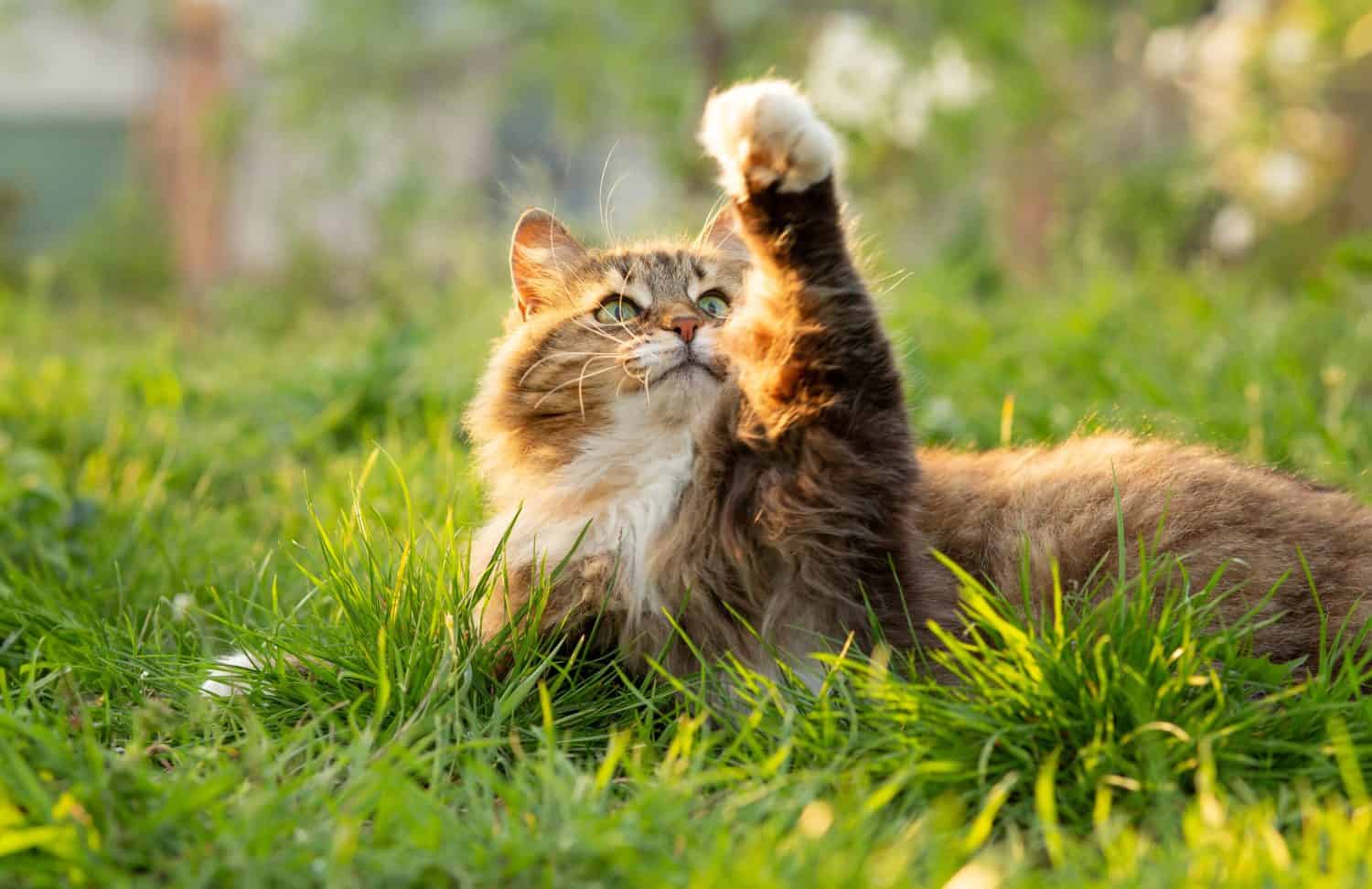
If house cats spend time outdoors, knowing if a bobcat is lurking is vital for the safety of the domestic feline.
©fantom_rd/Shutterstock.com
For homeowners without pets, identifying the culprit making tracks around their home may seem trivial. Those who have pets, particularly smaller pets, need to be aware of this information, as they run the risk of their beloved dog or cat getting into a scuffle with a predator larger than themselves.
Bobcats are animals with strong predatory instincts. While bobcats tend to be shy animals, if they see a cat in a position that makes them easy prey, they will absolutely attack. The easier it is to gain access to a property where small animals wander, the higher the chances that bobcats will take the opportunity to attack. This is especially true if hungry and hunting wild prey has been unsuccessful.
In addition to being hungry, bobcats will attack a domestic cat if it is perceived that the domestic cat has encroached on the bobcat’s territory. Bobcats will see domestic cats as competition for resources. Because bobcats are solitary animals, it is every bobcat for themselves. These stealthy hunters will not hesitate to eliminate any competition, and based on size and strength, a domestic cat does not stand a solid chance of coming out of that confrontation victorious.
What If You’re Not Sure?
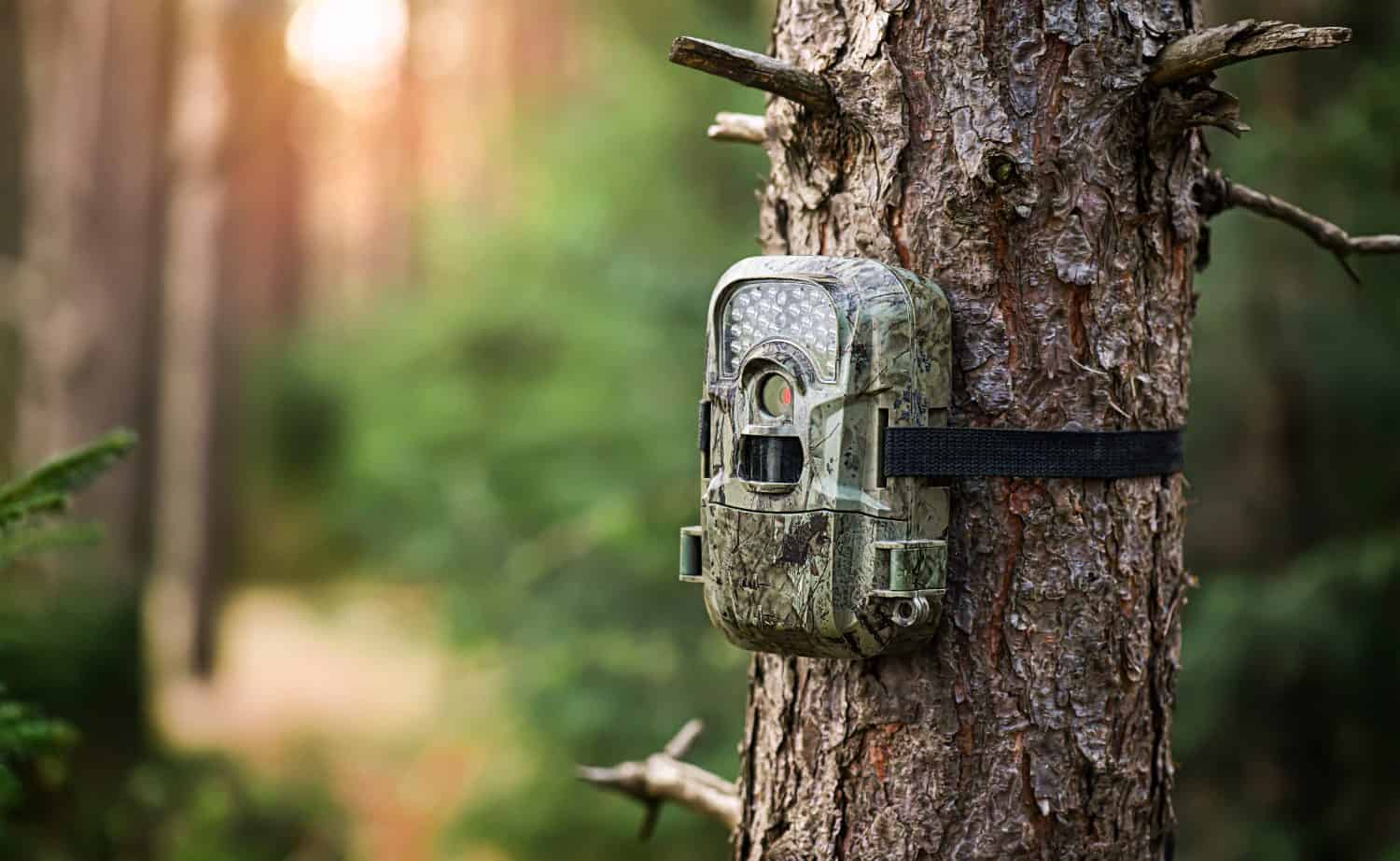
A wildlife camera on the property can help to positively identify the feline leaving tracks.
©Krasula/Shutterstock.com
In many instances, it will be easy to tell the difference between a bobcat track and a house cat track. But, what if a younger bobcat is coming onto the property and has paws of a similar size to those of a housecat? It becomes a little trickier to identify the species of cat roaming the property positively. With a wildlife camera, however, the mystery can easily be solved.
Wildlife cameras are a non-invasive way to observe what domestic or wild animals are entering a person’s property under the cover of darkness. Outside of determining whether a bobcat or domestic cat is responsible for the tracks near a home, the camera also provides a better understanding of the animals living in the environment.
The more that is known about the wild and domestic animals coexisting in an environment, the more informed choices can be made about what will successfully deter wild animals from coming on the property. This is something that homeowners with pets want to do, if a bobcat is indeed comfortable enough to step foot into the domain that domestic animals call home.
What to Do If You Find Bobcat Tracks Near Your Home
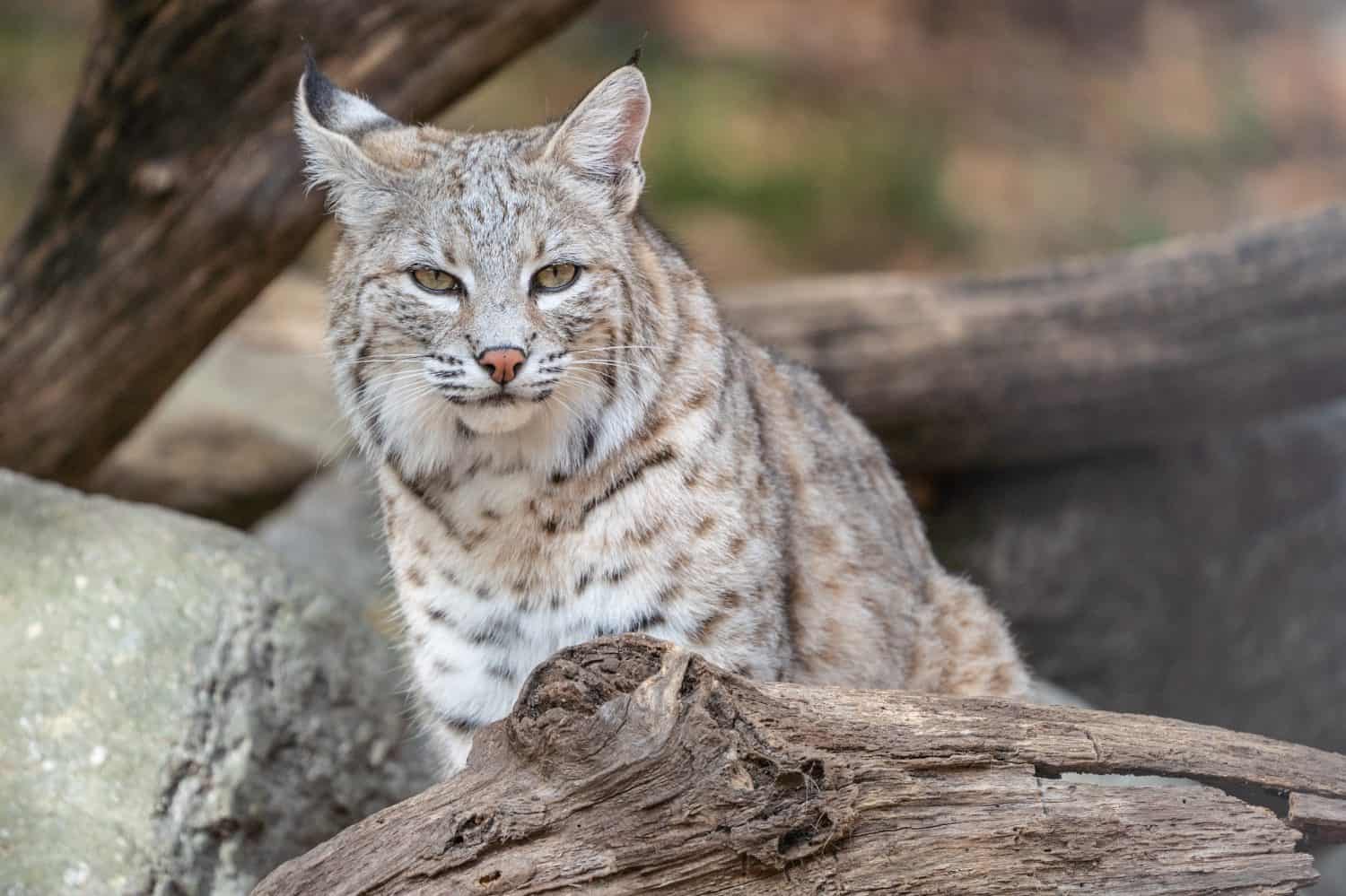
If bobcat tracks have been positively identified, there are ways to discourage the wildcat from coming back on the property.
©Amy Lutz/Shutterstock.com
Bobcats are important predators in their ecosystems. While they play this vital role, this does not mean homeowners with pets want them coming onto the property, potentially putting their beloved cat or dog in danger. Fortunately, there are steps that can be taken to discourage the bobcat from coming too near, keeping all animals safe and unharmed in the process.
Some of the recommendations for making a property where domestic animals reside less appealing to bobcats include:
- If pets go outdoors, put them on a leash to keep them from wandering too far and potentially startling a bobcat
- If a bobcat is in the yard at the same time a pet is, pet owners should secure their dog or cat and make themselves as large as possible to scare the bobcat away
- Make noise that startles bobcats away and hopefully ensures they will not return
- Never leave pet food out unattended, as it will attract bobcats into the yard
If a bobcat is persistent and refuses to leave despite all the tips being tried, it may be time to call out a wildlife expert to assist with the problem. This is especially true if the bobcat is acting sick or erratically. The goal is not to remove the bobcat from its habitat, but to encourage it to go elsewhere where it is not in contact with people or their pets.
Understanding the difference between bobcat and house cat tracks may seem like trivial information to know. However, for those who have pets, especially smaller ones like cats, tracks may be the first signs a bobcat is coming too close for comfort. Taking preventative steps early will help ensure neither the bobcat nor the pet becomes injured, allowing both to live separately and without incident in a habitat the animals call home.