
Quick Take
- Toad 'warts' aren't warts at all. They're actually toxin-producing glands that predators quickly learn to avoid. Discover the toxic truth →
- Toads were blamed for warts for centuries, but the real culprit was hiding in plain sight the whole time. Trace the blame to witchcraft →
- Touching a toad can affect your body, though not in the way the old wives' tale warns. See what actually happens →
The reputation of toads has always been steeped in legend and lore. Their poor reputation dates back to the Middle Ages and hasn’t changed much in the 21st century. People still avoid toads in their path or turn the other way if they happen to come face to face with this amphibian.
And while its unattractive appearance doesn’t help its case, the common toad is actually quite harmless. It’s a myth that you can contract warts or any other skin disease from a toad, but its own “warts” serve an incredible purpose.
The Supernatural Toad Seeped in Witchcraft
Toads have always been associated with the occult. Specifically, they were viewed as companions to witches back in the day. During the Middle Ages, encountering one meant a sorcerer was near. Their wart-like appearance allowed imaginations to run wild, leading entire villages to draw connections between witch-warts and toad-warts. Over time, the toad became somewhat of a bad omen. They were blamed for blight, disease, and plain old bad luck.
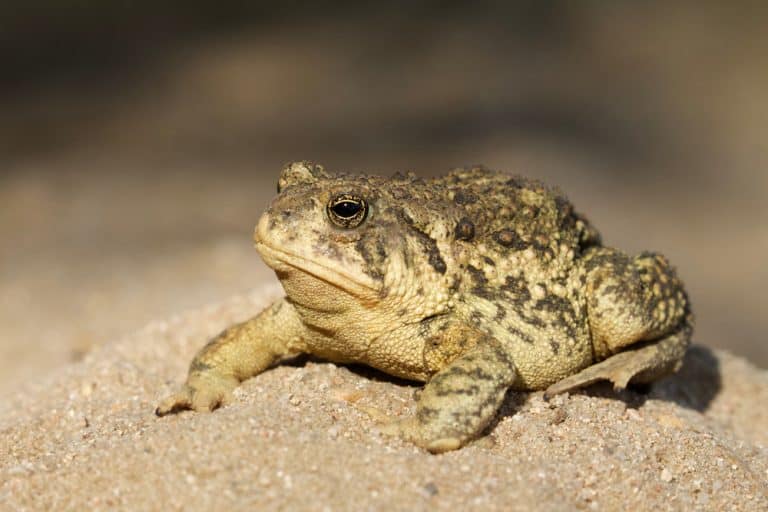
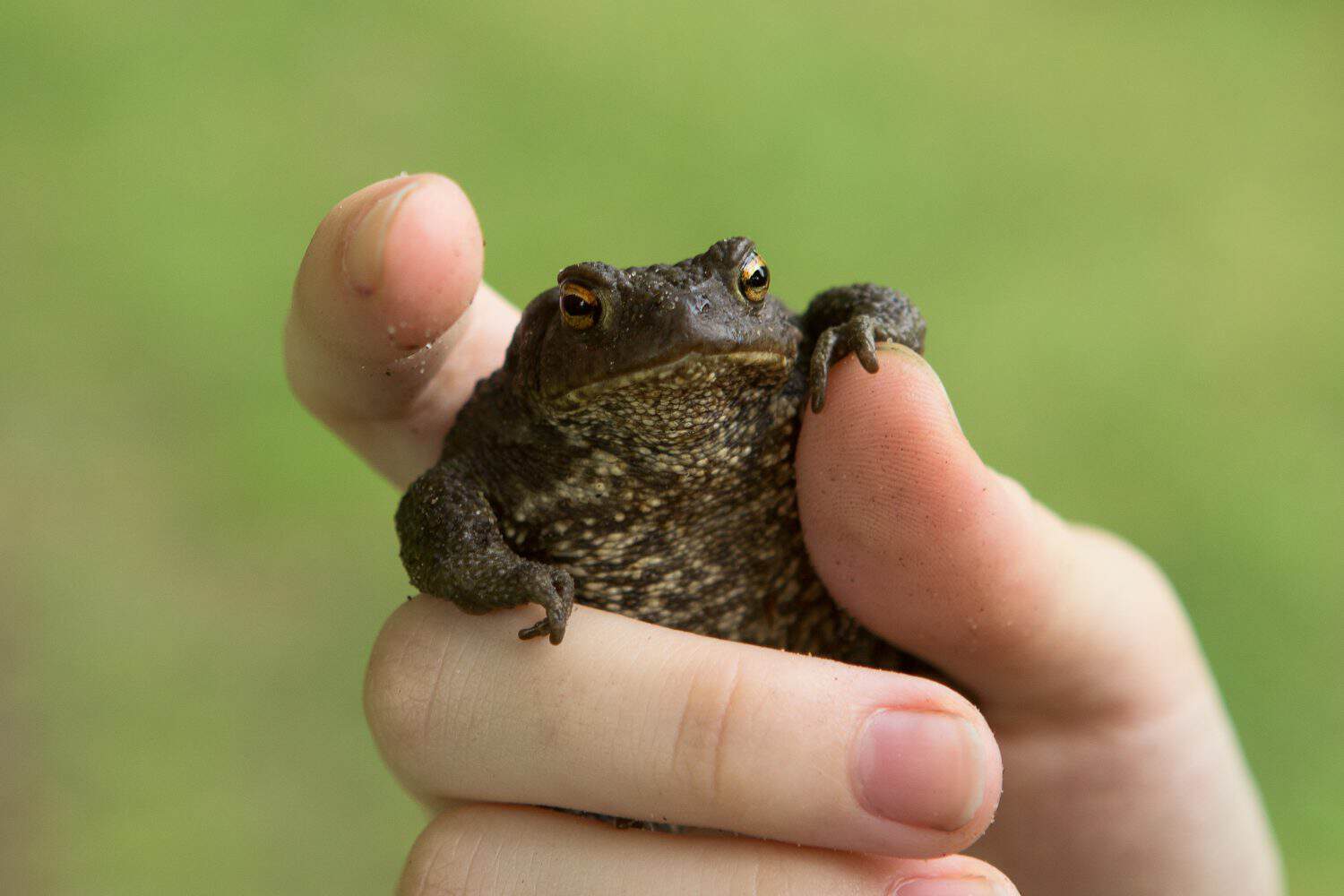
The toad’s warty appearance doesn’t help its bad reputation, but it’s typically harmless.
©Swaroop Pixs/Shutterstock.com
In reality, the poor toad was merely an innocent bystander. Its presence in bogs and swamps was simply due to its lifestyle. The species requires a steady diet of flying insects, which are easily caught from a lily pad or riverbank. It also requires a damp environment, making lowlands the ideal habitat. However, even this wasn’t enough to change people’s minds, especially during a time when science had yet to discover human papillomavirus, aka HPV, the true source of warts.
Toads Have Warts, But Not Like That
The old wives’ tale that toad skin gives people warts is a work of fiction. Toads have bumpy, wart-like skin for an entirely different reason. This has nothing to do with a disease or a virus, and everything to do with its natural defense mechanism. When it comes to neutralizing a threat, toads have the remarkable ability to make themselves extremely unpalatable to predators.
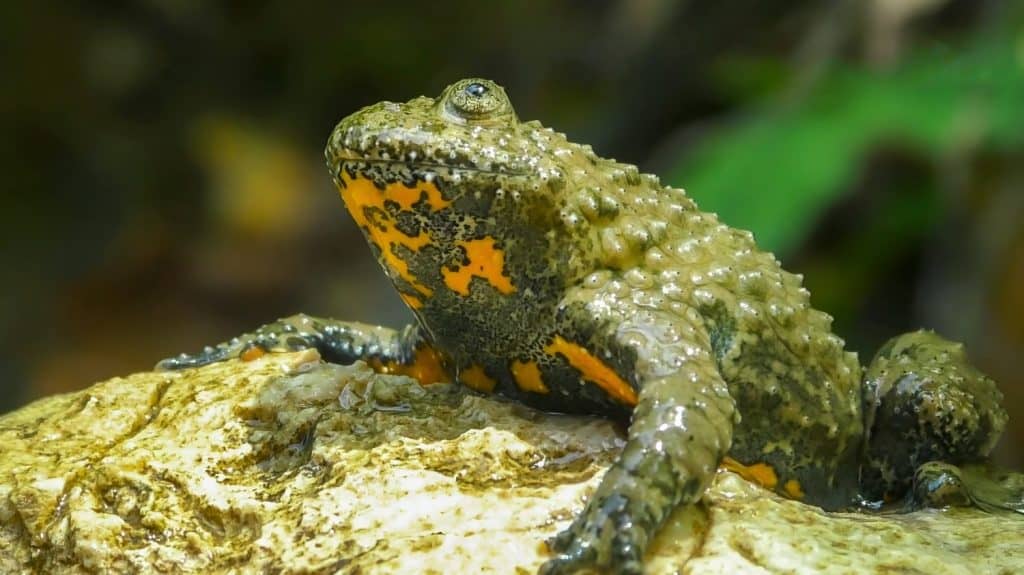
Toad ‘warts’ are actually tiny, raised bumps that run along the body of the amphibian. Unlike true warts, these bumps are actually glands in the animal’s skin. Inside is a foul-tasting toxin known as bufotoxin. The largest of these are located behind the eyes of a toad, where it is most vulnerable. If a predator tries to consume a toad head-first, it will be in for an unpleasant surprise.
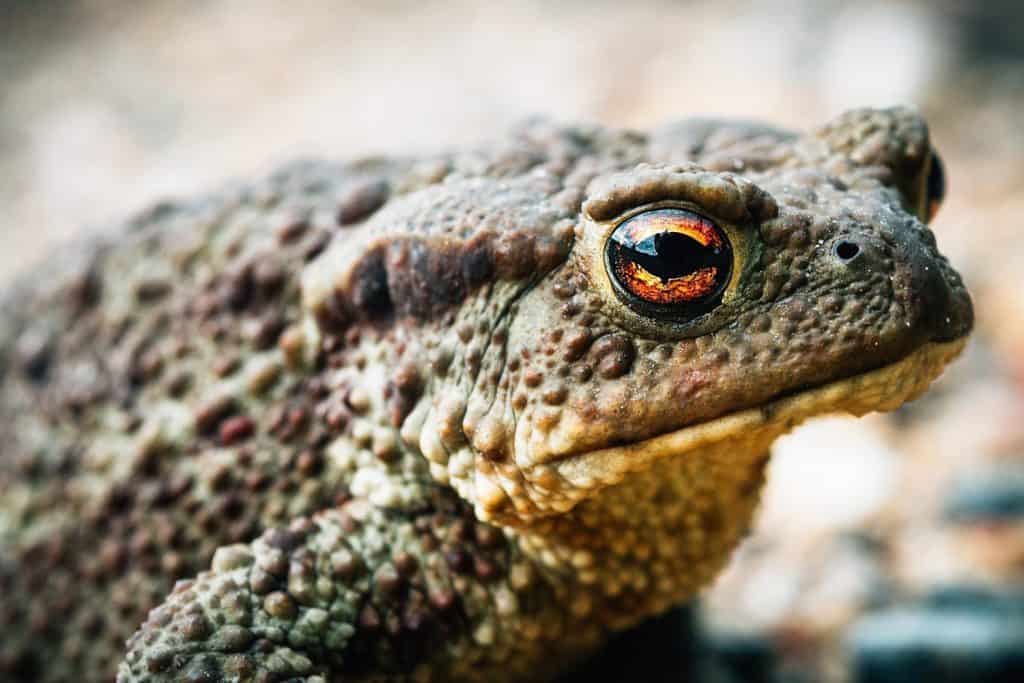
Two glands behind the toad’s eyes hold the largest amount of bufotoxin.
©OlegKovalevichh/Shutterstock.com
When bufotoxin is secreted from the toad’s glands, it can cause a severe reaction. In addition to its horrible taste, predators may experience a racing heartbeat or arrhythmias. In severe cases, animals may have seizures or hallucinations if they’ve ingested a large amount of bufotoxin. It’s a strong deterrent against predators, who are likely to avoid toads in the future.
Human Warts Are Caused By a Virus
A toad’s toxin can have severe effects on other animals, and while skin contact typically causes only mild irritation in humans, ingestion or exposure to mucous membranes can be dangerous. It is important to wash your hands thoroughly after handling a toad and avoid touching your eyes, mouth, or open wounds.
HPV is transmitted exclusively between humans, making it virtually impossible to contract from any other species. The virus spreads through skin-to-skin contact, typically through open wounds. In some cases, it can also be transmitted by sharing the same razor, towel, or other personal hygiene product used by an infected individual. In rarer cases, certain strains of HPV that cause plantar warts can be transmitted by walking barefoot on contaminated surfaces.
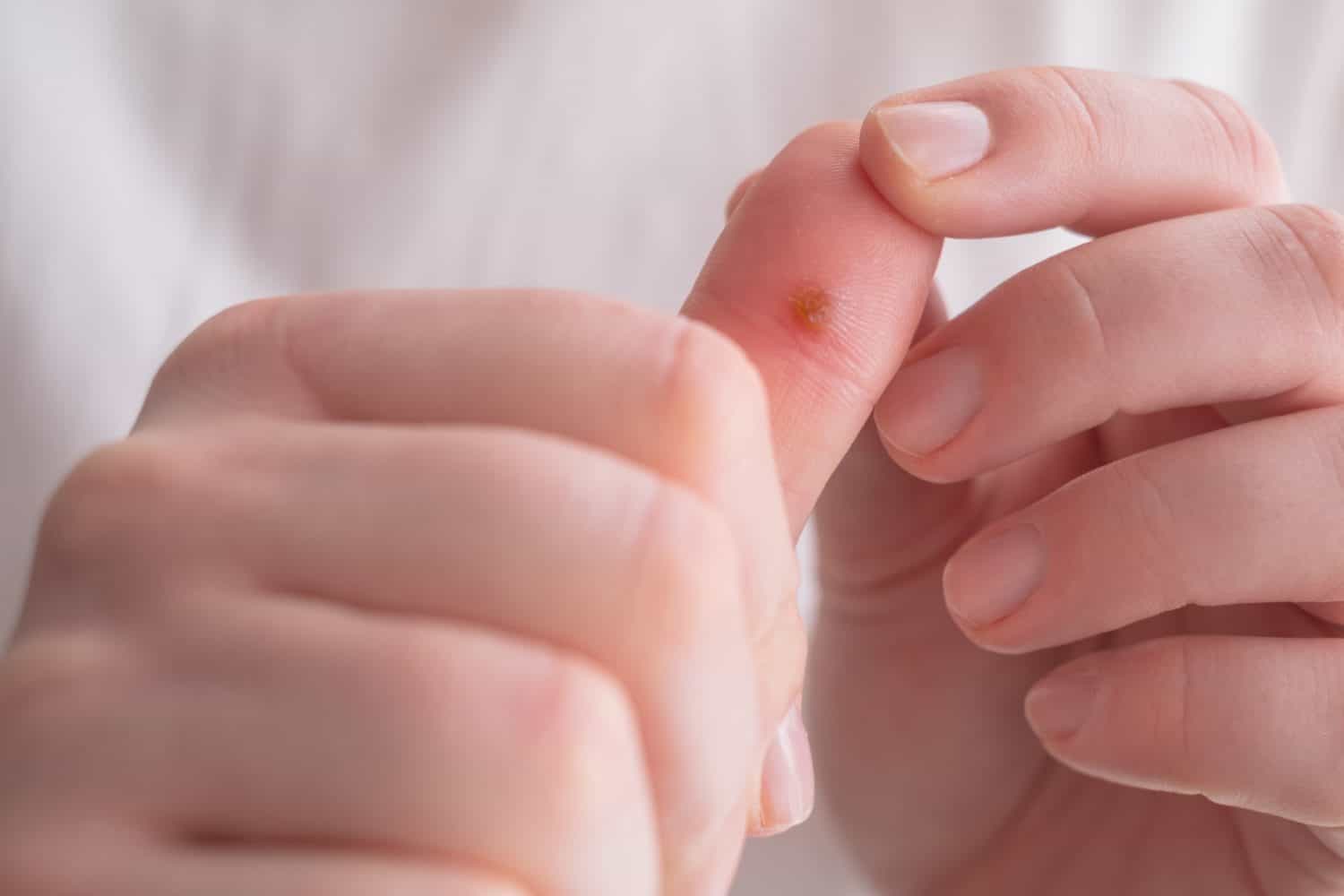
Human warts can only be transmitted from human to human, and you can’t get sick from touching a toad’s “warts.”
©Parfenish_579/Shutterstock.com
HPV causes skin cells to accumulate in one area of the body. This results in the tiny, compact bumps known as warts. Due to the nature of how these are formed, it’s biologically impossible that they could be associated with toads. Whereas toads are born with their “warts,” humans must be infected. Additionally, HPV can spread to other parts of the body through direct contact.
If you have a wart on your hand, the virus can easily spread to your foot if you scratch or touch the area. In the past, little was known about this age-old virus, leading to the obvious scapegoat: the unsavory toad. Now, we know better. So the next time you see one in your backyard, know that its warts have nothing to do with yours.