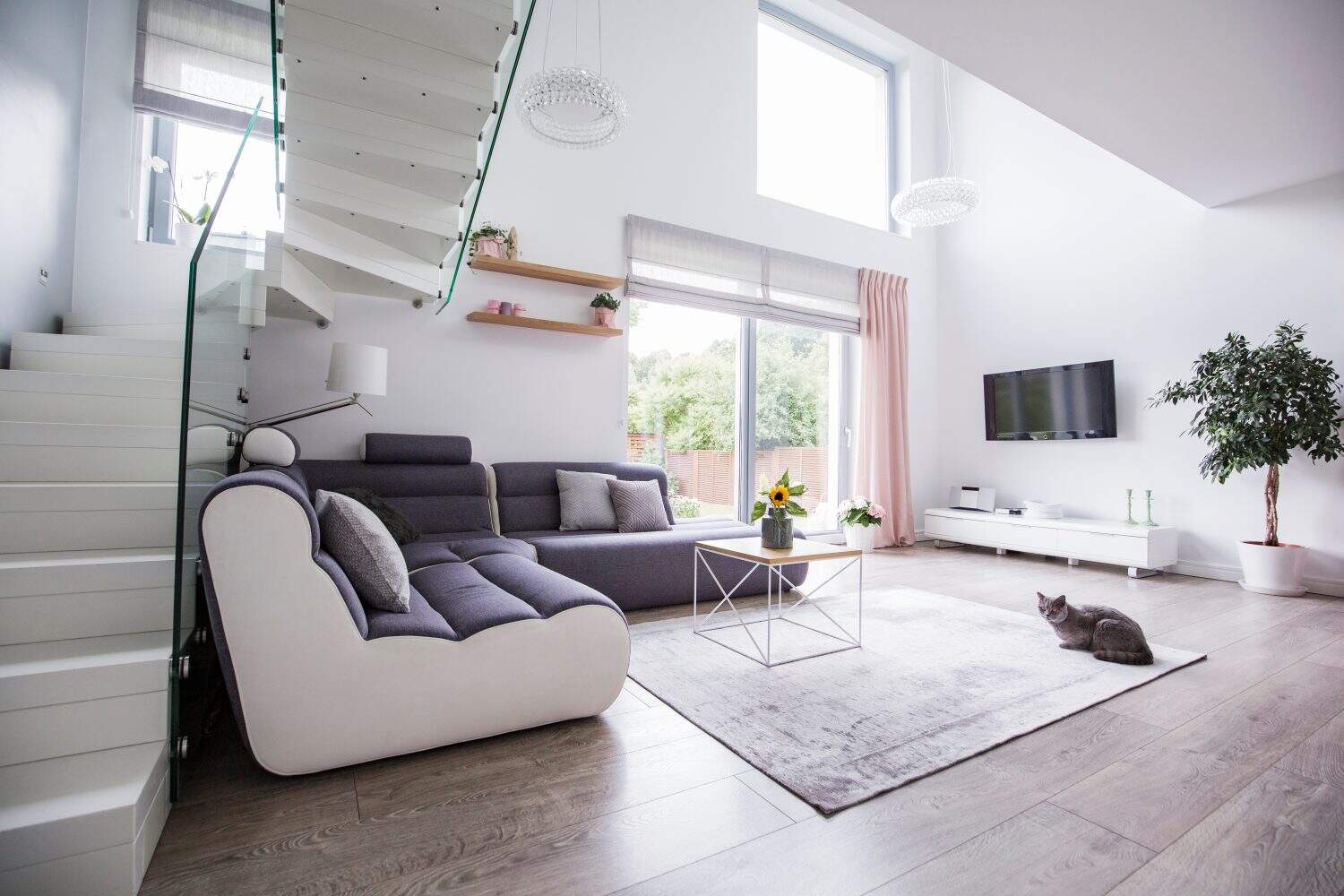

Quick Take
- Today’s cats have endless options for enrichment in their home environments.
- Many cat owners are opting to include elements like catwalks and built-in litter cabinets designed into their home’s blueprints.
- For existing homes, cat owners are turning to designers to elevate their living spaces with cat comfort in mind.
- There are many DIY options available to ‘catify’ your home, no matter your budget.
Ancient Egyptians weren’t the only ones who adored felines. Cat lovers around the world today want to create havens worthy of their feline companions, too.
What started as DIY ‘catification’ has evolved into a far more sophisticated approach to centering the design of a home around one’s cat. Thanks to this trend, today’s domestic cats are living their best lives.
How Did The ‘Design for Cats’ Trend Begin?
Over a decade ago, a collaboration between famed cat behaviorist Jackson Galaxy and interior designer Kate Benjamin introduced the idea of designing interior spaces with cat needs in mind. Their book, Catification, was, for many readers, the first time they considered adding cat-centric features to their homes that moved beyond the traditional cat tree.
But Galaxy and Benjamin were only putting a name to a trend that had started years earlier. Benjamin had already earned her reputation as an interior design pioneer, curating a high-end design aesthetic that bridged the gap between architecture and feline behavior.
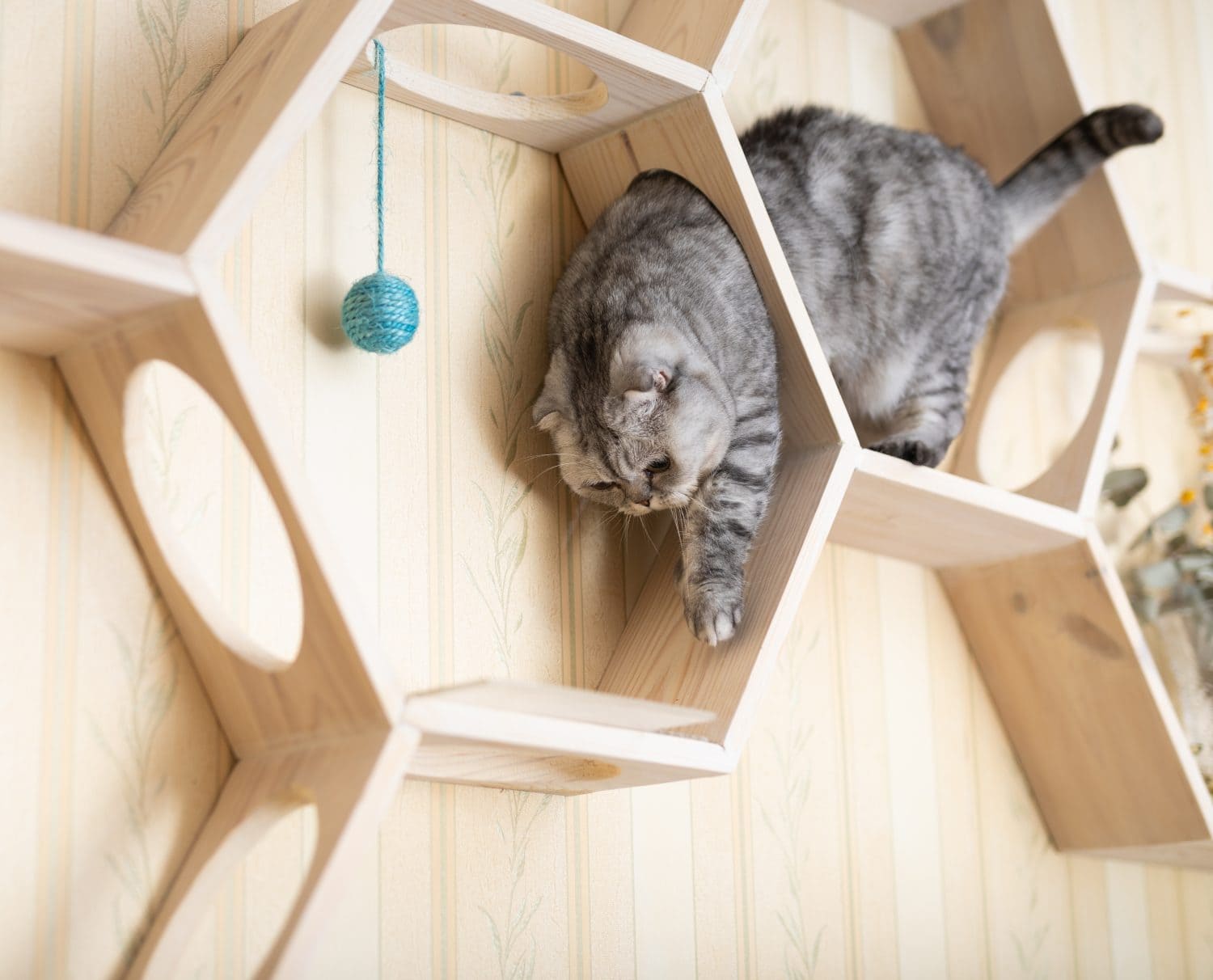
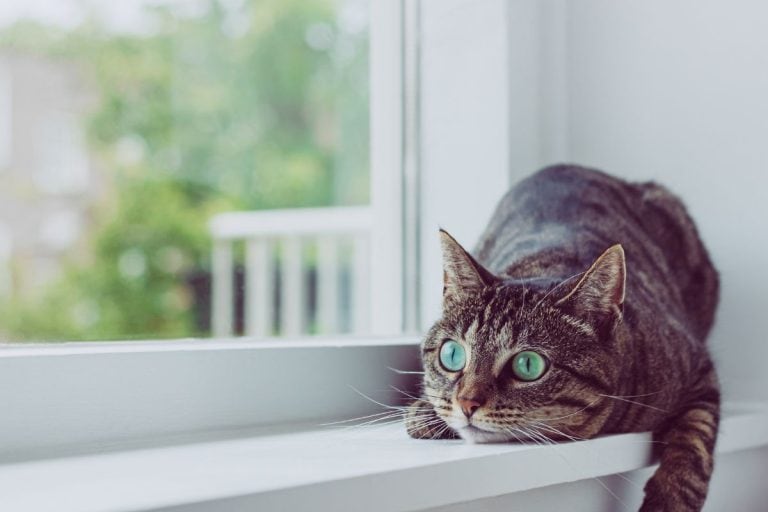
Cat lovers embraced the idea of ‘catifying’ their living spaces.
©Caftor/Shutterstock.com
In 2007, she founded her first website, ModernCat, to share stylish cat products with her fans. The site evolved into today’s Hauspanther, a one-stop resource to help style-minded humans design swoon-worthy spaces that fulfill their feline friends.
For many cat guardians (as Jackson and Benjamin’s book calls them), ‘catification’ was a fun and creative way to enhance their home environments and, more importantly, keep cats happy. But some devoted cat guardians took the concept one step further.
Those tastemakers wanted homes architecturally designed around their cats.
‘Catification’ Evolves to ‘Carchitecture’
The demand for high-end home designs catering to cats helped usher in a new era of luxury architectural design. Borrowing a name from the car + architecture crowd, cat-centric design lovers deemed this trend ‘carchitecture.’
The most prominent example of this ‘carchitecture’ is architectural pioneer, Asahi Kasei Homes, a Japanese builder that created the famous Plus-Nyan House. The blueprints for that first ‘carchitecture’ home incorporated elements like interior cat doors, multi-level play areas, open-air catwalks, and climbing steps throughout the design. Even the walls themselves incorporated tunnels that provided cat-level access between rooms.
The idea caught on and it wasn’t long before other architects and designers were integrating the concept of ‘carchitecture’ and vertical space into designs for custom homes. Thinking Design, a Taiwanese-based design firm, is one of the leaders in the field. Their cat-focused designs blend seamlessly with a modern, minimalist vibe, and there isn’t a carpet-covered cat tree in sight.
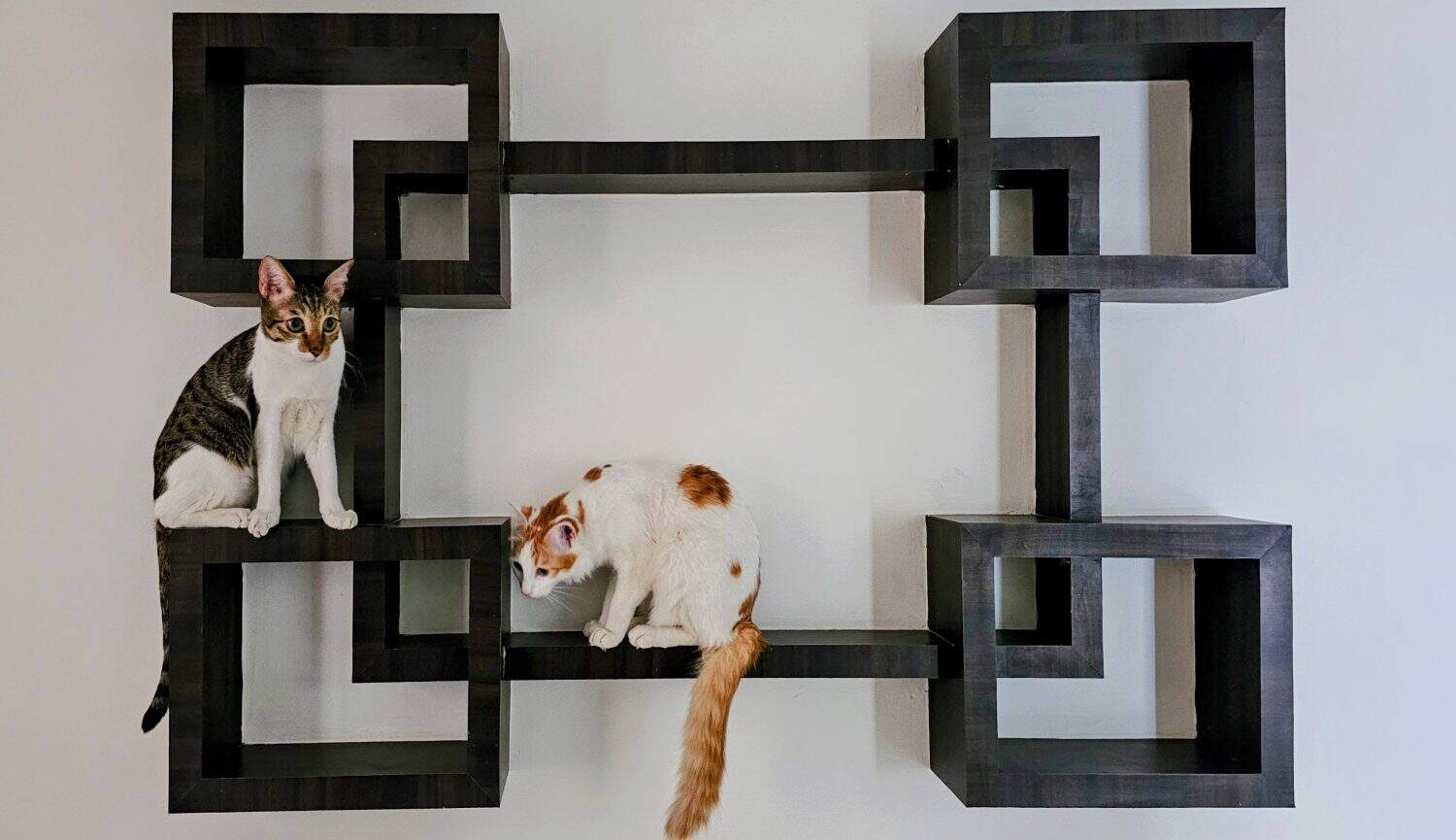
The idea behind ‘carchitecture’ is to create appealing spaces for cats to climb, run, and explore that also serve as architecturally interesting elements.
©ayushkumar0907/Shutterstock.com
This design-first approach extends beyond visible elements. It’s also about creating an aesthetic experience for the not-so-adorable part of cat ownership–the litter box. From integrated millwork designs that tuck litter boxes into cabinetry to converting the dead space under stairs complete with exterior ventilation, designers and builders can create a variety of options to help cat lovers avoid having to accept the litter box as a necessary eyesore.
But cat-centric modern style isn’t exclusively reserved for affluent clients designing custom homes. There are many interior designers that help discerning cat guardians integrate “catification” into their existing living spaces in a tasteful way.
The Designer Approach to ‘Catification’
If you have the budget for professional assistance, there are many designers out there ready to help you convert your living space into a luxe experience worthy of the Egyptian deity Bastet. One such interior designer is Tamara Leicester, an accomplished interior designer and cat lover based in North Carolina.
Her website, Tamara Heather Interiors, offers a wealth of information on how to design a cat-friendly home and how to select the best materials to ensure a peaceful and healthy existence for both people and cats. Her designs incorporate many aspects of biophilic design, which is the practice of incorporating elements from the natural world into interior environments. This includes things like using non-toxic wood, natural sisal, cork, and stone to bring elements of nature indoors.
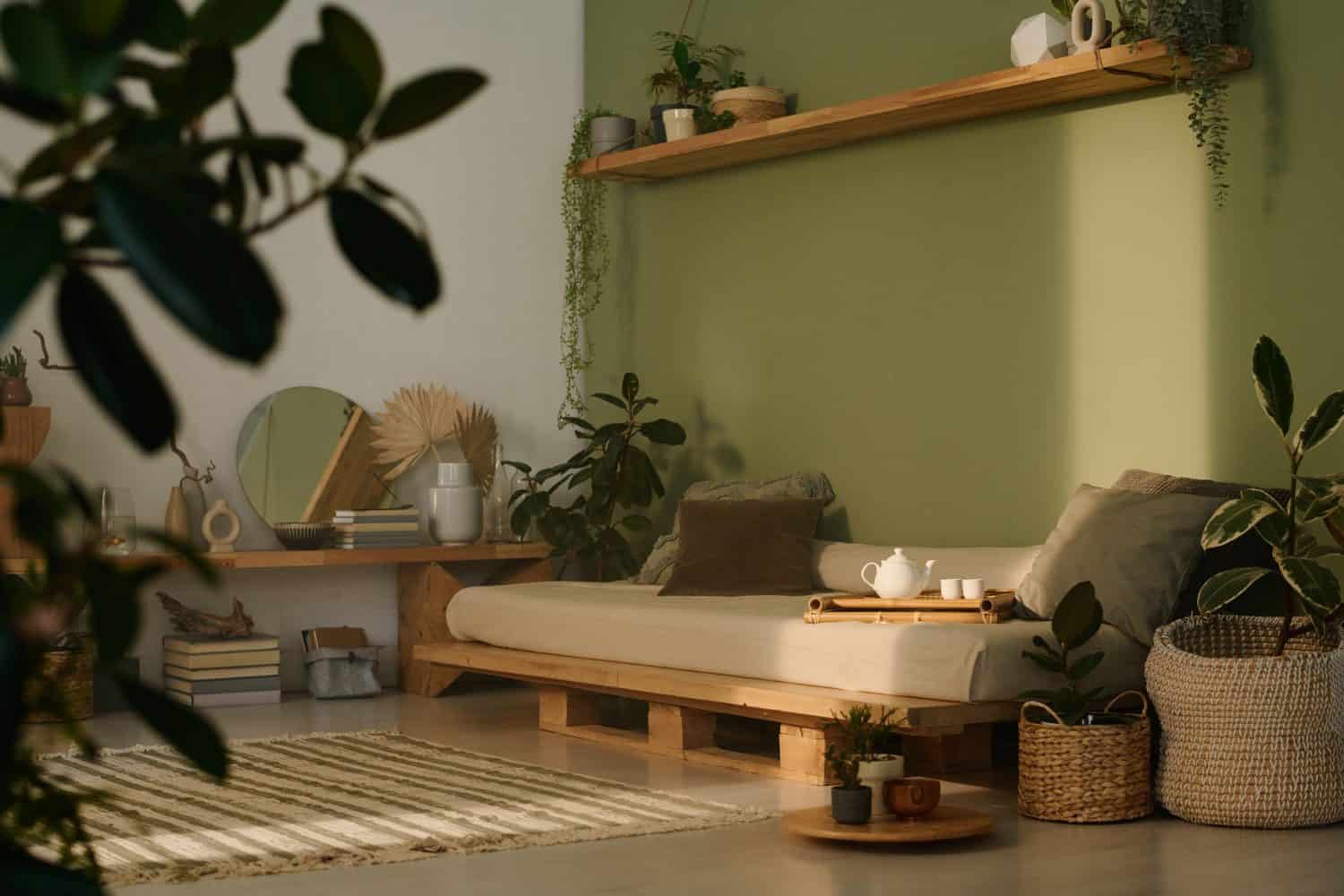
Biophilic design incorporates elements like untreated wood, outdoor light, and natural fibers into a room.
©AnnaStills/Shutterstock.com
Another prominent designer is Seattle-based Keith Miller. His company, Miller Interior Designs, often features his projects designed for cat lovers. He regularly incorporates biophilic elements like sustainable, reclaimed wood for custom-built cat trees.
The DIY Approach to ‘Catifying’ Your Home
Even if you don’t have a budget for a designer, you can still transform your living space into a cat-tastic experience for your feline friends. Instagram and Pinterest are filled with fun ideas to add cat walkways, hiding spots, and cat tree alternatives that blend seamlessly into your home’s decor.
Whether you want to tuck your cat’s litter box into existing cabinetry or the nook under the stairs, add a catwalk to a wall, or build a perch for your cat to chill in, almost anything is possible.
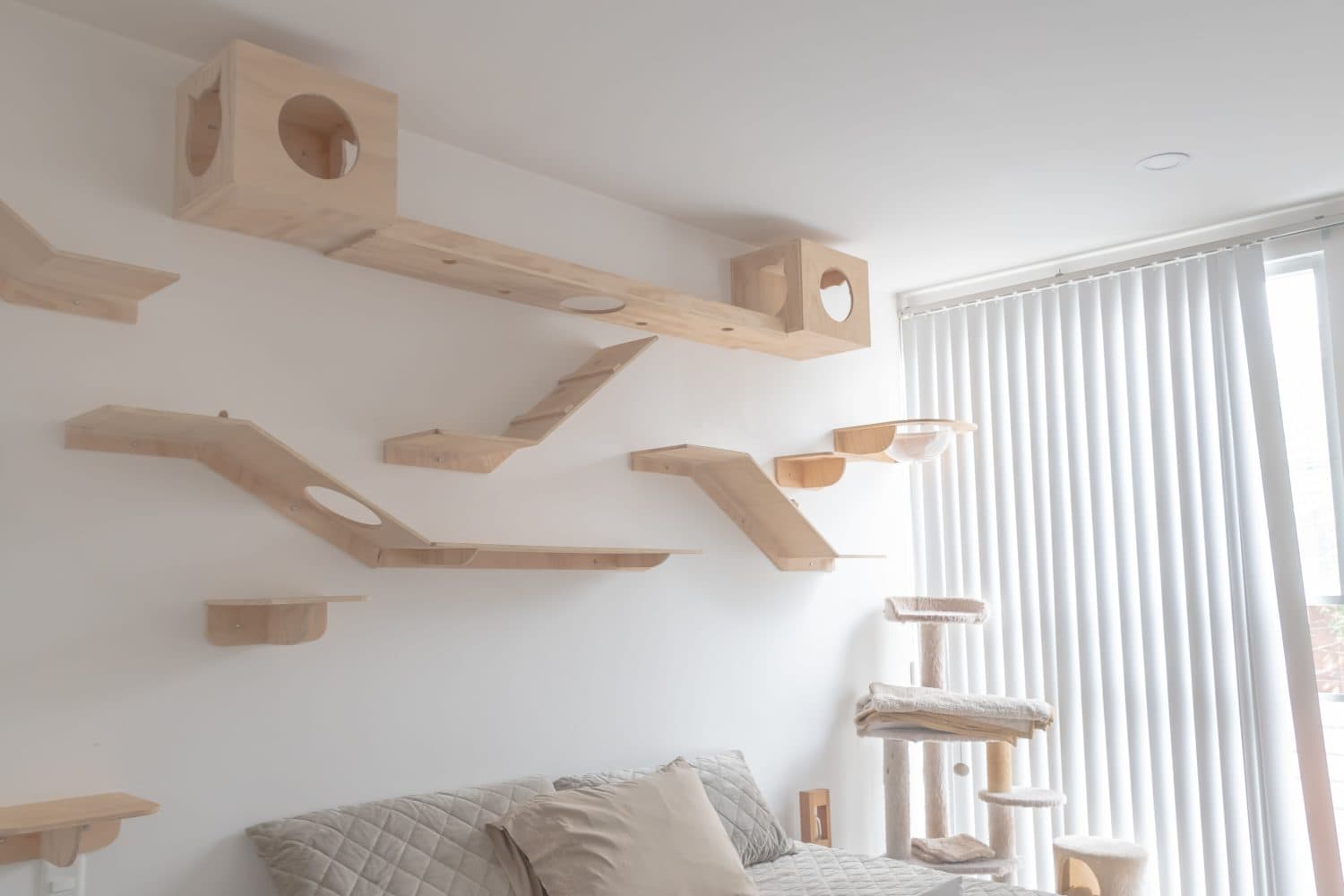
Even without a designer-level budget, cat lovers can DIY their way into creating a haven their felines will love.
©Claudia Luna Mtz/Shutterstock.com
If you’re yearning for inspiration, check out this video right meow, featuring home builder and cat lover, Peter Cohen. For more than 20 years, he’s been rescuing cats and continuously converting his California home into the ultimate cat sanctuary.