
Quick Take
- Tibetan Mastiffs became a status symbol in China, driving record prices such as Big Splash at about $1.5 million in 2011.
- A 2014 Zhejiang Mastiff sold for about $1.9 million, showing a peak boom driven by scarcity and auction dynamics.
- Long-run costs matter: giant breed care, food, grooming, training, and potential abandonment can outweigh the upfront price.
If you’ve ever wondered where a dog could possibly cost a million dollars, you have yet to see this Instagram reel. This Tibetan Mastiff was sold in China for an estimated million dollars, making it one of the rarest and most expensive pets ever sold. Why did this dog sell for such a high price, and at what auction? Did this sale even happen, or is it just another bit of clickbait found online?
We’re telling you now: this sale did indeed occur, and the auction price became legendary overnight.
The reasons this dog sold for such a high price reveal much about cultural differences, including how status is measured, the perceived scarcity of certain breeds, variations in pet culture, and how living animals can be valued like collectibles. This is the story behind a beloved Tibetan Mastiff that fetched far more than expected at an auction.
We’ll also discuss other expensive dogs and compare them to this $1 million dog, including those used for service work and other dogs sold at auction. Let’s take a look at the staggering details behind this Mastiff, lovingly dubbed Big Splash (and boy, did he make a big splash at his auction!).
Is the $1 Million Dog Real?
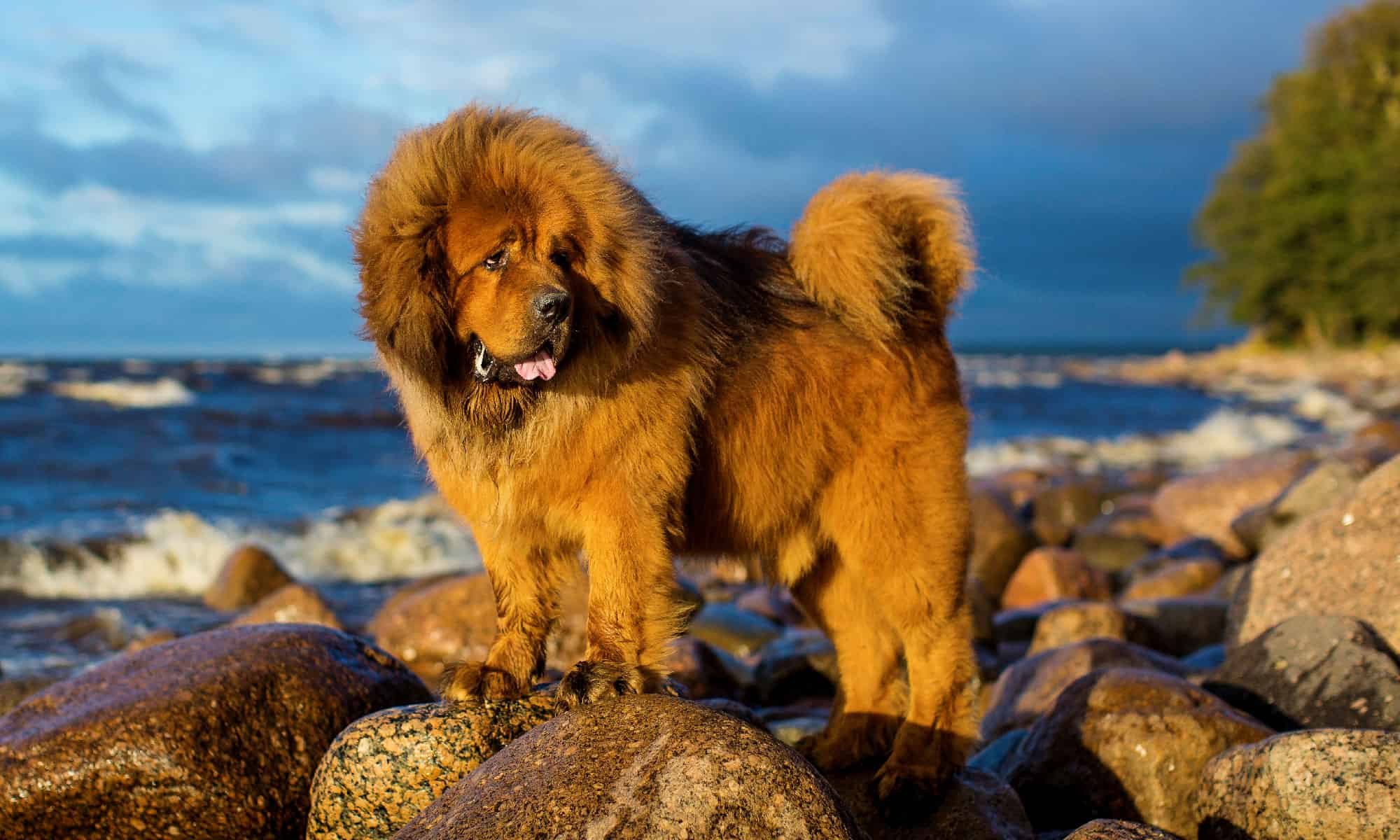
Looking like lions, Tibetan Mastiffs are considered luxury dogs in China, coming from a prized lineage.
©Ksenia Raykova/iStock via Getty Images
This million-dollar dog claim isn’t coming out of nowhere, nor is it fake news. In that particular Instagram reel, a red Tibetan Mastiff nicknamed Big Splash (or Hong Dong) was purchased for about $1.5 million back in 2011. But this wasn’t the only record-breaking sale of a Tibetan Mastiff, especially considering how prized they are in China.
There are reports of another auctioned Mastiff, reports noting a sale price that went even higher than Big Splash. In 2014, another Tibetan Mastiff was reportedly sold for around $1.9 million at a luxury pet fair in Zhejiang. But why Mastiffs, and why does China seem to value them so much? There are many reasons, both cultural and practical, behind this trend, especially during the 2010s in China. Here are some of them.
What Makes A Dog Worth $1 Million?
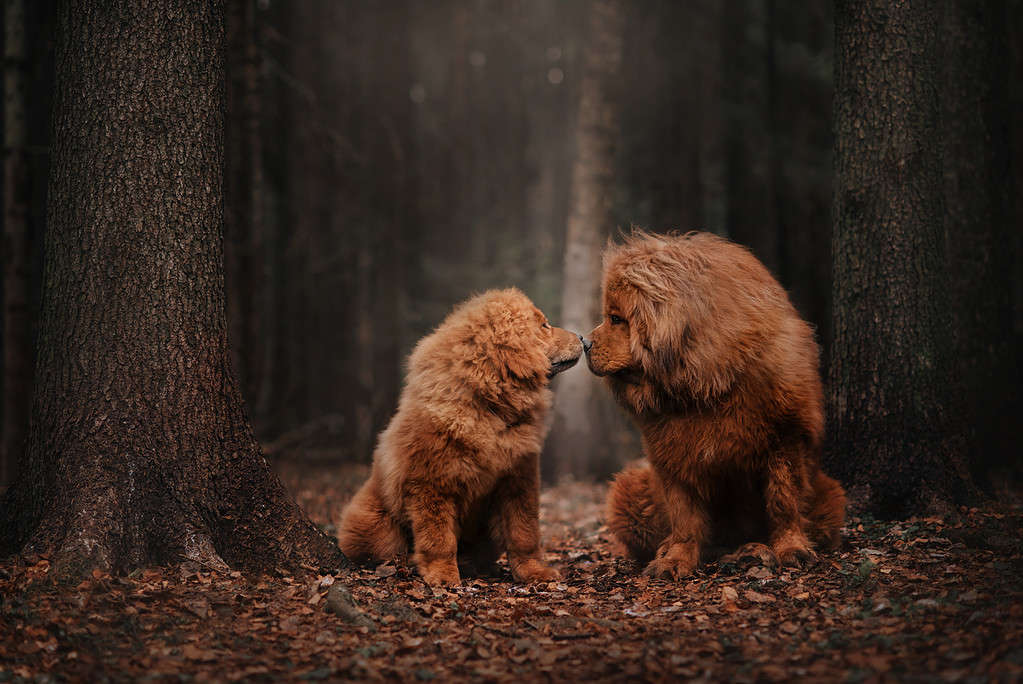
Tibetan Mastiffs are one of the oldest dog breeds in existence, which keeps their prices high.
©Kat_marinina/Shutterstock.com
While it isn’t unheard of for certain purebred dogs to sell for high prices in the United States and elsewhere in the world, the story behind this $1 million Mastiff is fairly unique and regionally connected to China. These are some of the reasons why Big Splash sold for such an impossible sum.
Status
During the 2000s and early 2010s, Tibetan Mastiffs were prized in China the same way certain car brands become status symbols. Their huge bodies, heavy coats, lion-like mane, and breeding made them valuable and coveted. In fact, many believed Tibetan Mastiffs were born with lion’s blood given their ancient lineage, especially ones resembling Big Splash. His red coloration and mane made him particularly valuable, hinting at his lion origins (no matter how unrealistic this is).
Investment Hype
Another driver for this high price is the investment opportunity Mastiffs present. Buyers who purchase one imagine more money in the future and a return on their investment through breeding, stud fees, selling puppies tied to a famous lineage, and even brand partnerships or opportunities for social media fame.
Scarcity
A big part of luxury pricing for any product is making the item feel hard to get or exclusive. Even when a dog breed isn’t truly rare, the market is designed to make certain colors, sizes, genders, and bloodlines feel exclusive or scarce. This is precisely what happened with Big Splash, as his reddish coloration was deemed extremely rare.
The Auction Itself
When a sale happens at an auction or in an otherwise publicized setting, prices can balloon. Purchasing Big Splash became a type of performance, a way of flexing wealth in a way that can’t be done in a private sale. After all, countless news articles and reports exist about him now, which likely benefitted his owner more than we realize.
All About Tibetan Mastiffs
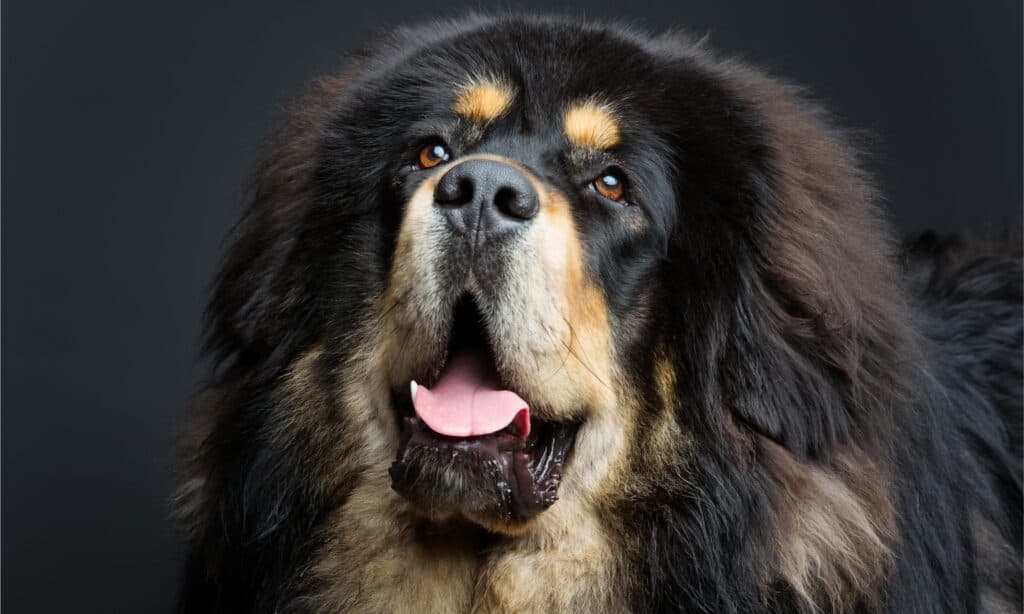
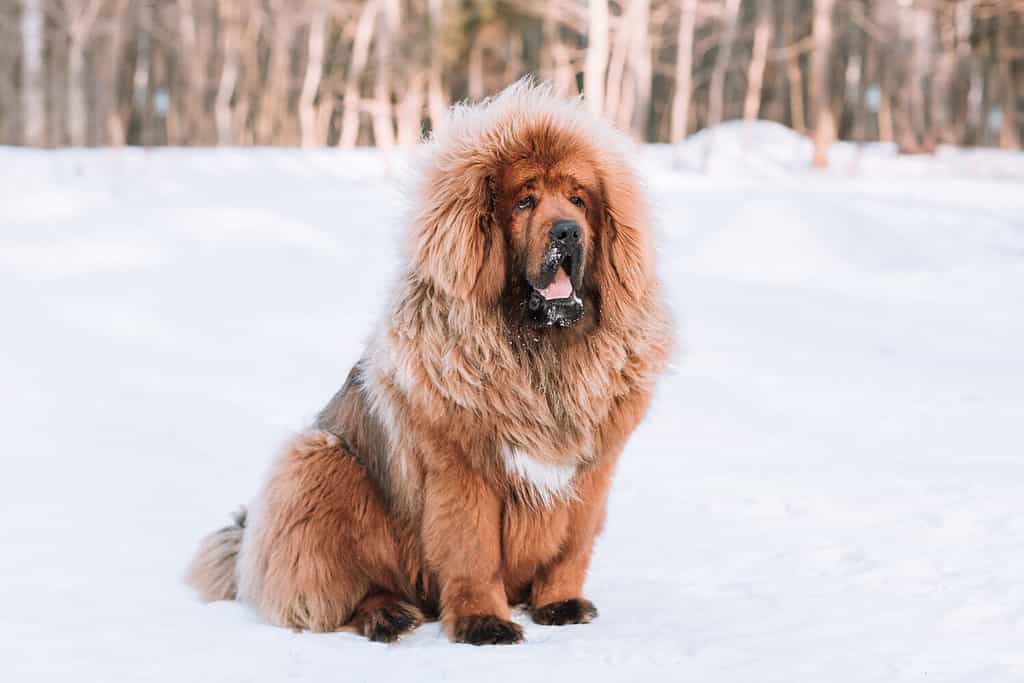
While devoted to their immediate family, Tibetan Mastiffs have an independent streak that cannot be broken.
©Svetography/Shutterstock.com
The Tibetan Mastiff can be a surprise to many because of its appearance, as many assume it’s a cuddly dog thanks to its ample fur. However, the AKC’s Tibetan Mastiff profile describes them as watchful and territorial with strangers. While they are devoted to their family, they are also famously independent, treating human instructions as suggestions rather than rules.
The breed’s history is perhaps the most fascinating aspect, even beyond their striking appearance. They are often referred to as an ancient guardian type of dog, giving luxury markets more of a reason to gravitate toward them. These dogs look powerful, are noted in mythology, always turn heads wherever they go, and generally represent importance, regardless of where they live.
Are Most Tibetan Mastiffs Million-Dollar Dogs?
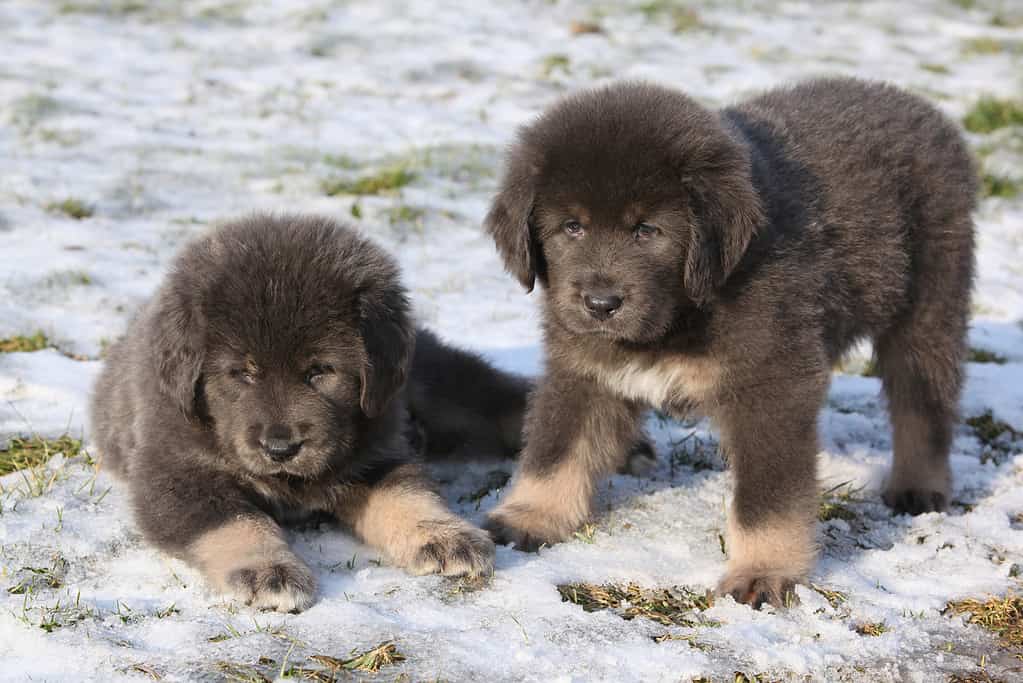
While Tibetan Mastiffs were incredibly valuable at one point in time, their popularity waned and they suffered for it.
©Zuzule/iStock via Getty Images
It’s important to note that those huge auction prices for Mastiffs are outliers tied to a boom period for this breed. Later reporting on Tibetan Mastiffs described a serious cool-down in their hype, including price drops and a deflating market; while still beloved, they did not last as a luxury dog after the 2010s.
When trends surrounding dog breeds inevitably crash, these animals suffer the consequences. After their popularity bubble burst, abandoned Mastiffs appeared in Tibet, gathering in packs and demonstrating extremely aggressive behavior.
When any dog is treated like a luxury asset rather than an animal deserving care and kindness, this unfortunate reality exists. Tibetan Mastiffs were abandoned after many wealthy Chinese businesspeople and celebrities grew tired of them, leaving these independent dogs loose in the streets of neighborhoods. Their abandonment received less attention than their brief fame, which is another heartbreaking aspect of this breed’s modern history.
Separating Fact from Fiction

It can be difficult to determine what claims are real when found online, especially surrounding pop culture.
©Song_about_summer/Shutterstock.com
There are always credible reports you can find for determining whether million-dollar dogs exist, especially since they are so widely discussed. Any real coverage you find about these purchases tends to name where the sale happened and who is claiming it. However, if you’re only able to find reposts and vague details, it may not be legitimate.
There’s one more important factor to consider for all of these luxury purchases: even when a sale is real in the sense that it was reported by major news outlets, the actual selling price may not be accurate, nor is it a number that will apply to all dogs of the same breed. The Tibetan Mastiff boom shows how quickly hype can inflate their prices, only for it to all fall apart in a few brief years.
The True Price of a Luxury Dog
Dogs cost money in the long run, not just upfront.
©Kashaeva Irina/Shutterstock.com
Even if you never spend anywhere near a million dollars on your next dog, the breeds that end up in luxury headlines can be genuinely expensive to own in a typical life. When we take a closer look at Tibetan Mastiffs, these dogs are huge, heavily coated, in need of training, and not exactly built for a casual household.
Food costs add up fast for a giant dog like this one, and grooming isn’t optional if you want your lion-coated friend to stay pretty. Plus, training costs can run high since this is not a breed that defaults to friendly or accommodating behavior.
Ultimately, if a buyer chooses a dog based on appearance rather than compatibility with their lifestyle, buyer’s remorse is likely. The Tibetan Mastiff is just one example of a breed that isn’t suitable for everyone, and owning one without proper preparation can lead to an unhappy household for both the dog and its owners.
Other Dogs Fetching High Price Tags
Some dogs are more expensive than others, though auctioned animals are always more expensive than average.
©JStaley401/Shutterstock.com
There are other reports of dogs selling for high prices, including two Tibetan Mastiffs and a newly reported puppy that sold for even more. Here are the dogs making a splash in headlines for their ridiculous sale prices.
Big Splash (Hong Dong): $1.5 Million
Big Splash ultimately cemented the Tibetan Mastiff as the poster child for luxury-dog pricing in 2011. His $1.5 million price tag ensured his breed became a status symbol for businesspeople and celebrities in China and elsewhere.
The 2014 Zhejiang Fair Mastiff: $1.9 Million
A 2014 sale of another Tibetan Mastiff is still reported to this day, with accurate reports coming from major news outlets like TIME. This dog sold for nearly $2 million, right at the end of the Tibetan Mastiff boom.
The Latest World’s Most Expensive Dog Claim
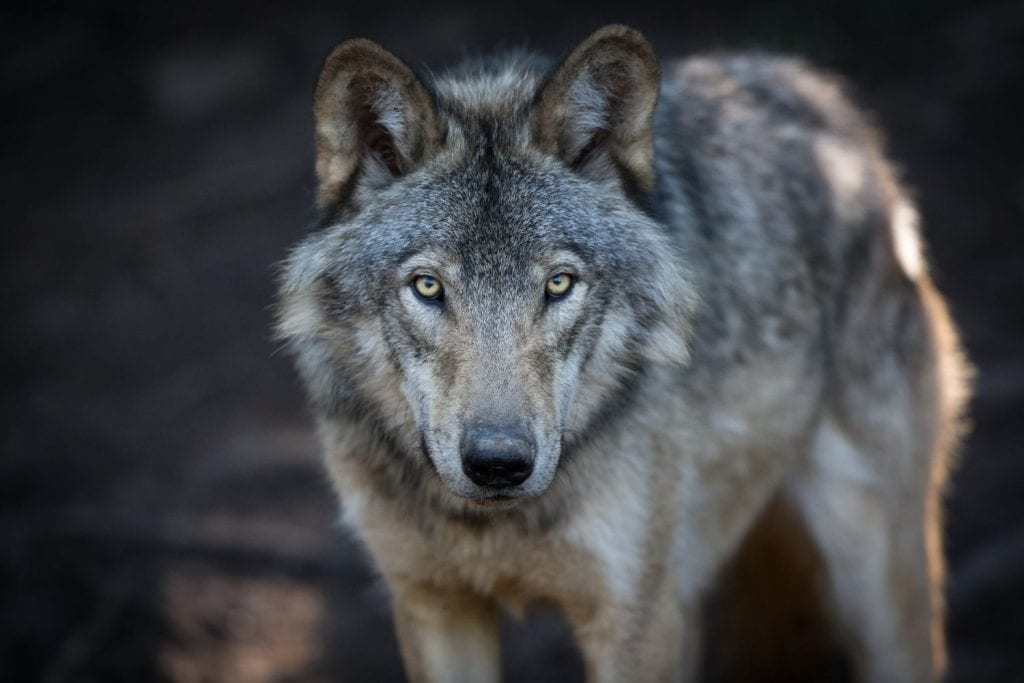
Bred with a wolf and a rare type of shepherd, the most expensive dog on record was sold in 2025.
©PatrickLauzon photographe/Shutterstock.com
A dog sold in March 2025 fetched an even higher price than the Tibetan Mastiffs sold during the early 2010s. A dog named Cadabomb Okami was reportedly sold for about $5.7 million, but why? Apparently, there are a number of reasons.
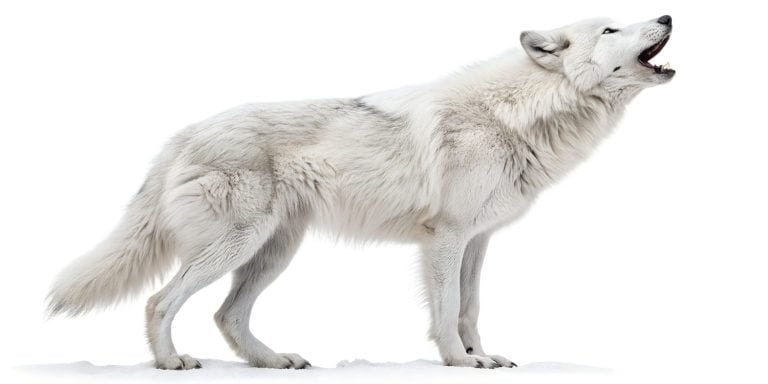
Okami is half Caucasian Shepherd and half pureblooded wolf, making him the first of his kind. He was bred in the United States but sold to a retired dog breeder and collector in India. While the reasons behind his initial breeding are unclear, the purchaser of Okami stated he’s already making a return on his investment, charging thousands of dollars for anyone wanting to meet or be photographed with his dog.
Expensive Dogs and Their Impact
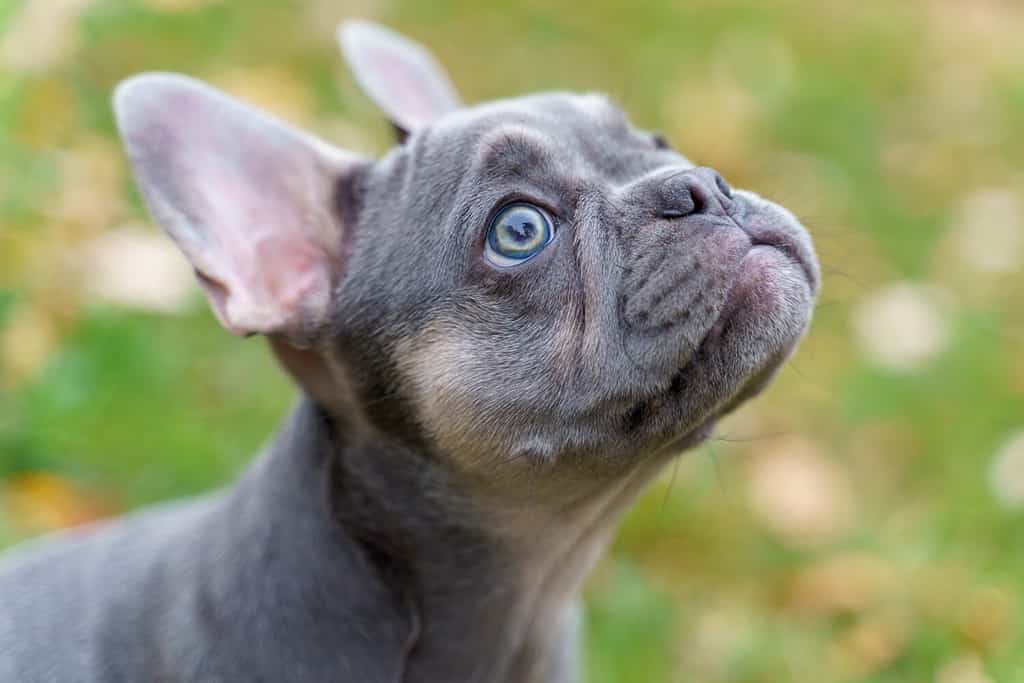
French bulldogs are another victim of hype and what happens when living creatures are treated like luxury items.
©Michael Reilly/Shutterstock.com
Once a dog becomes a status symbol, theft becomes a harsh reality for unsuspecting owners. High-priced breeds can become targets precisely because they’re easy to resell and especially hard to trace. French Bulldog puppies stolen at gunpoint is one of the most recent examples of this issue, though they are just one of many dog breeds suffering because of their supposed status.
Additionally, high price points don’t mean a healthy situation for the dogs. When demand spikes, as we’ve seen with French Bulldogs in particular, irresponsible breeding is commonplace. Plus, surrendered French Bulldogs with serious health issues are becoming a norm, despite what owners initially pay for them (they average anywhere from $3,000-$7,000 per puppy, depending on the region).
At the end of the day, dogs pay for these trends long after the buyers get bored. They are bred irresponsibly and abandoned when owners realize they are living creatures that require attention and more care than the average luxury handbag.
When Dogs Are Expensive for a Reason: Trained Service Dogs
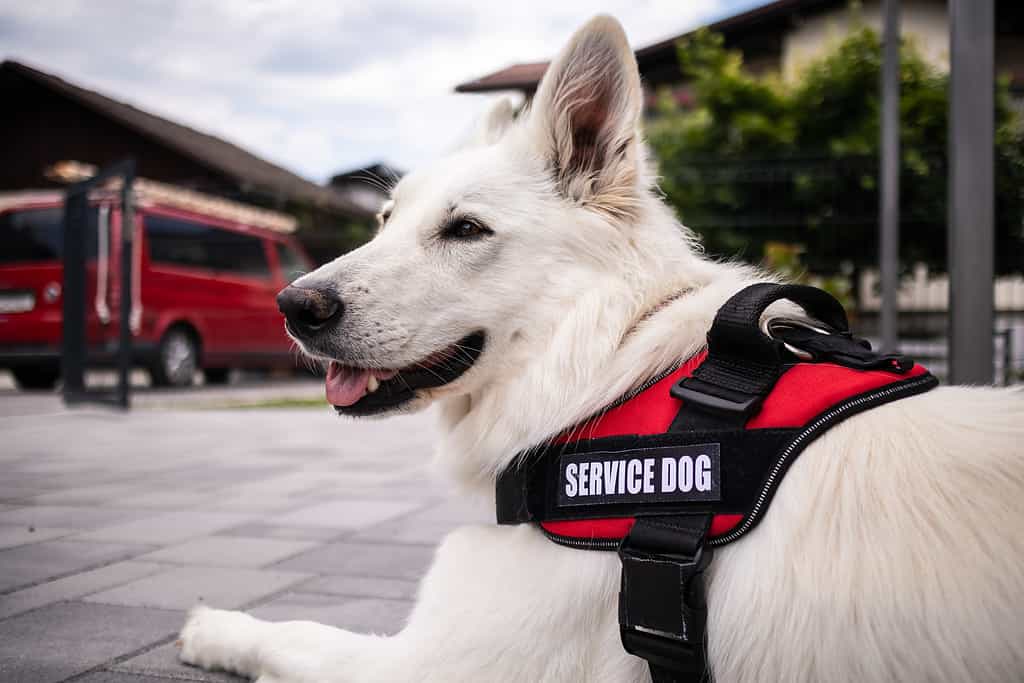
The cost of a service dog can be anywhere from ,000-,000, depending on the services provided.
©24K-Production/iStock via Getty Images
It may surprise you to know that trained working dogs, especially guide and service dogs, come with their own type of sticker shock. However, these prices aren’t about status. It takes months or years of breeding, selection, raising, health screening, and skilled training to ensure a service dog is prepared to care for their owner.
Organizations like the Guide Dog Foundation note that breeding, raising, training, and placing a single guide dog can cost over $50,000, even though recipients typically do not pay this amount themselves. While insurance plans cover these dogs in certain situations, prices for service dogs can be prohibitive, even though they’re meant to save lives.
A million-dollar Tibetan Mastiff is one story, while service dogs are another. The expensive process built around reliable service dogs is very different from a luxury-touted dog, but many balk at service dog pricing. Will this stop owners from purchasing Frenchies or Tibetan Mastiffs to show off on Instagram? Unlikely.
No matter what hype hides behind a particular dog breed, it’s important to remember that they are living beings. These dogs suffer at the hands of popularity and status when all they really need is a safe and supportive home environment. Keep this in mind if you’re considering an expensive dog, especially when there are amazing dogs waiting for you at your local animal shelter.