
The Indian River Lagoon is the most diverse estuary in North America and one of the most diverse areas in the world. It is home to several thousand species of plants and animals. Although it is less than half a mile wide in some sections, the Indian River Lagoon stretches over 150 miles along the Atlantic coast of central Florida. However, its abundance of flora and fauna has not fared well in recent years. Human development encroaches upon its fertile banks with increasing urgency. This has choked the lagoon and the creatures that live there. Even the smallest change to this estuary ecosystem can have a ripple effect outward, sowing destruction up through the food web.
In many ways, the Indian River Lagoon has had the cards stacked against it for centuries. One of the first things European settlers did upon arriving in the area was drain its swamps to grow pineapples and citrus fruits. Since then, the Indian River Lagoon has faced an increasing variety of problems. These include population encroachment, an increasing influx of sewage, and other harmful forms of pollution. The problems became so severe that in 2018, the Florida House of Representatives had to get involved. Let’s explore the history of the Indian River Lagoon and how human forces have shaped its development but hastened its destruction.
Indian River Lagoon
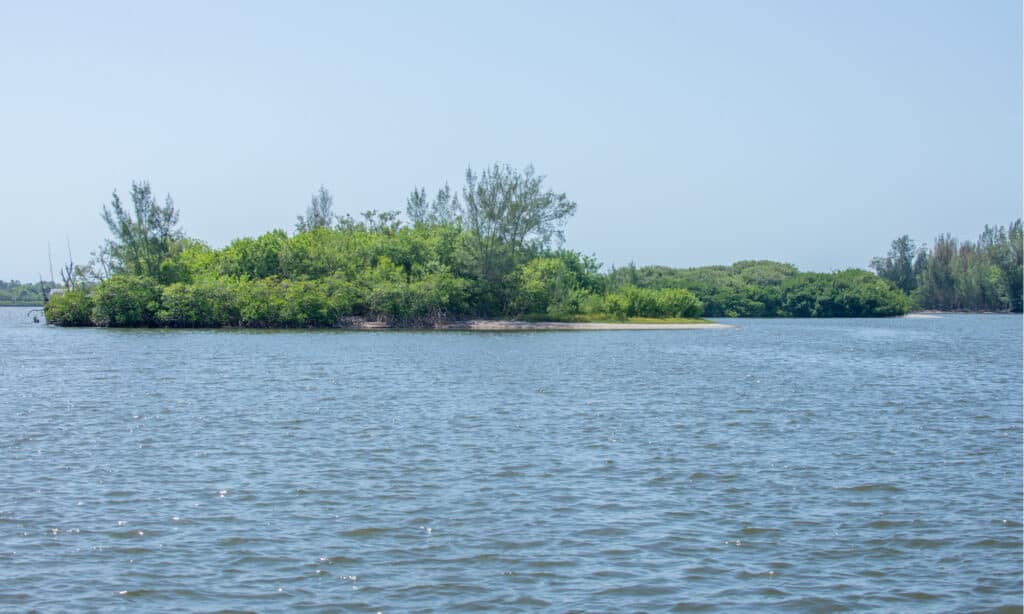
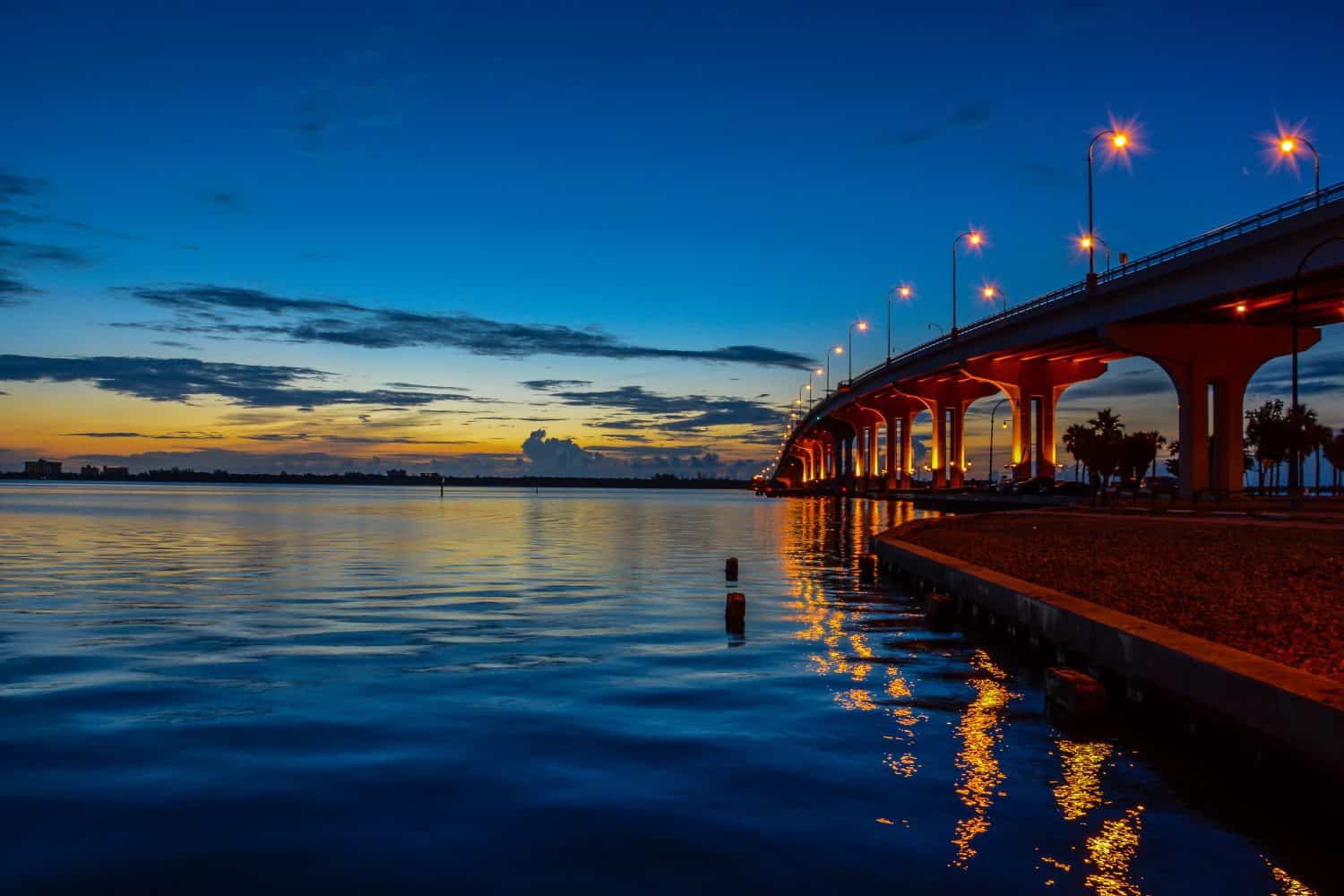
The Indian River Lagoon is the most diverse estuary in North America.
©Phillip Sunkel IV/Shutterstock.com
It is difficult to overstate the rich biodiversity of the Indian River Lagoon. It is the most diverse estuary in North America, featuring more than 2,100 species of plants and 2,200 species of animals. This is because the lagoon is located at the boundary of different climates. It is only five miles from the Gulf Stream. The lagoon supports a wide variety of species because of its unique location at the intersection of different climates. For example, migratory ocean fish are often swept into the lagoon. Over thousands of years, this has led to unique adaptations among the species that inhabit the lagoon.
The unique location also hosts unexpected animals. In the 1920s, an immigrant from the Southwestern United States introduced nine-banded armadillos to the area. Some of Florida’s most beloved animals also live in the lagoon. For example, around 1,000 bottlenose dolphins live in the region, as well as red drum, spotted seatrout, and common snook. It also supports a significant portion of Florida’s manatee population, especially during the winter months.
The Indian River Lagoon is a delicate location, and that fragility extends to its flora. The area contains approximately 50 species listed as threatened or endangered, one of the highest counts among North American estuaries. One of the most important species in the lagoon is seagrass. Seagrass is the main food source for manatees, but fertilizer runoff caused an algal bloom in the mid-2000s that destroyed 95% of the seagrass in the northern and central lagoon by 2017. As we will soon see, this is one of many problems affecting the area.
History of the Lagoon
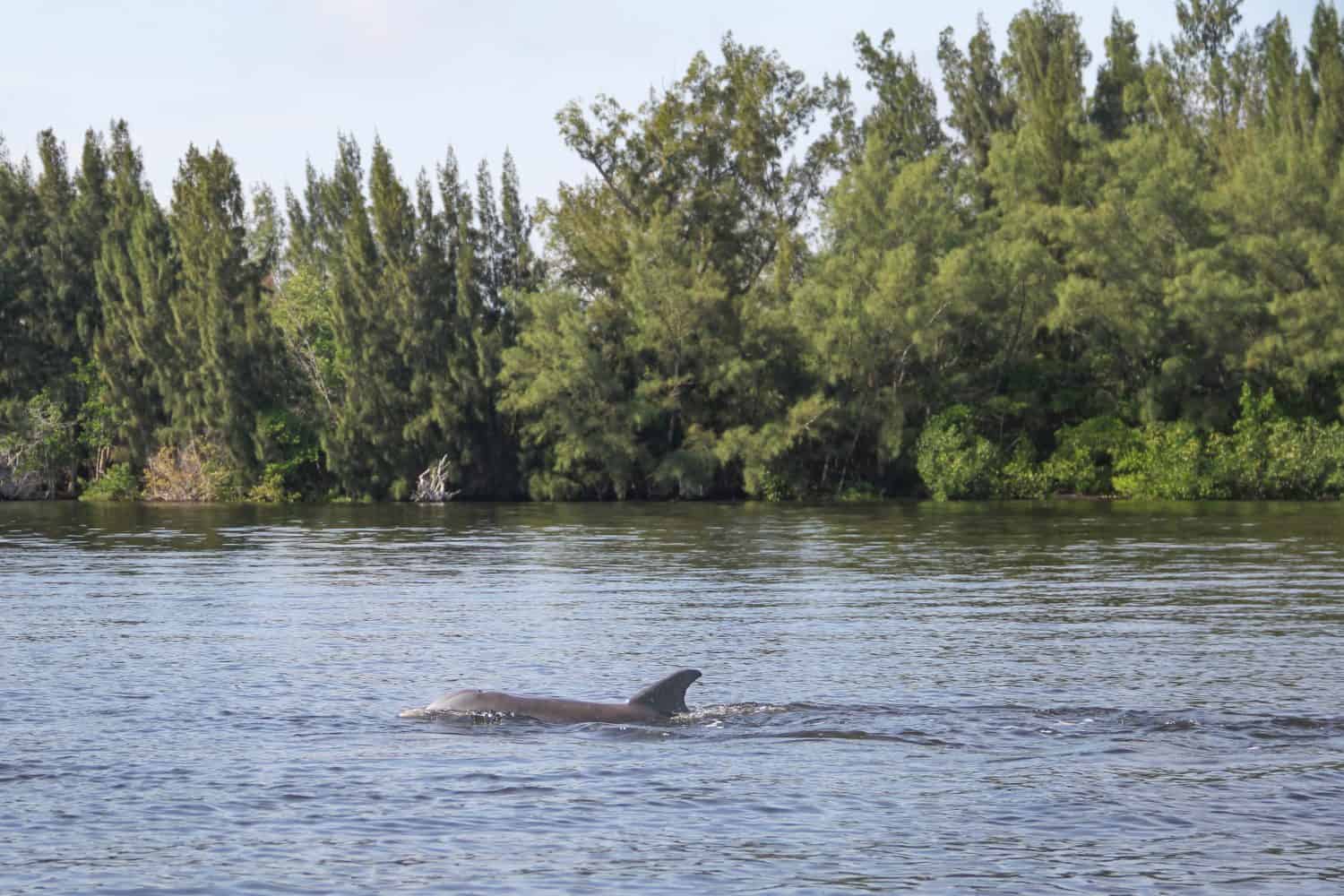
Several centuries ago, European settlers drained parts of the lagoon to grow fruit.
©Sara Matulonis/Shutterstock.com
During the most recent glacial period, some 20,000 years ago, the ocean receded. The Indian River Lagoon was a grassland back then, about 30 miles from the shore. Eventually, the glaciers melted, the sea rose, and captured the grassland in it. Thus, the lagoon was born. For thousands of years, indigenous groups lived along the lagoon.
The tribes that lived along the lagoon relied on it for fish and shellfish. Analysis of ancient refuse shows they lived in abundance, enjoying plentiful clams, oysters, mussels, and other marine creatures. When the Spanish showed up in the early 17th century, they called the lagoon Rio de Ais, so-named for the Ais Indian tribe that lived along Florida’s east coast.
A 1605 expedition by Alvaro Mexia mapped the lagoon and gave names to areas such as Los Mosquitos, Haulover, and Ulumay Lagoon. Not long after, European settlers drained the swamps and replaced them with fruit farms. They also dug canals, which discharged freshwater into the lagoon at five times its historical volume. This helped expand the lagoon, but it also foreshadowed the increasingly destructive effects of human activity.
Growing Problems
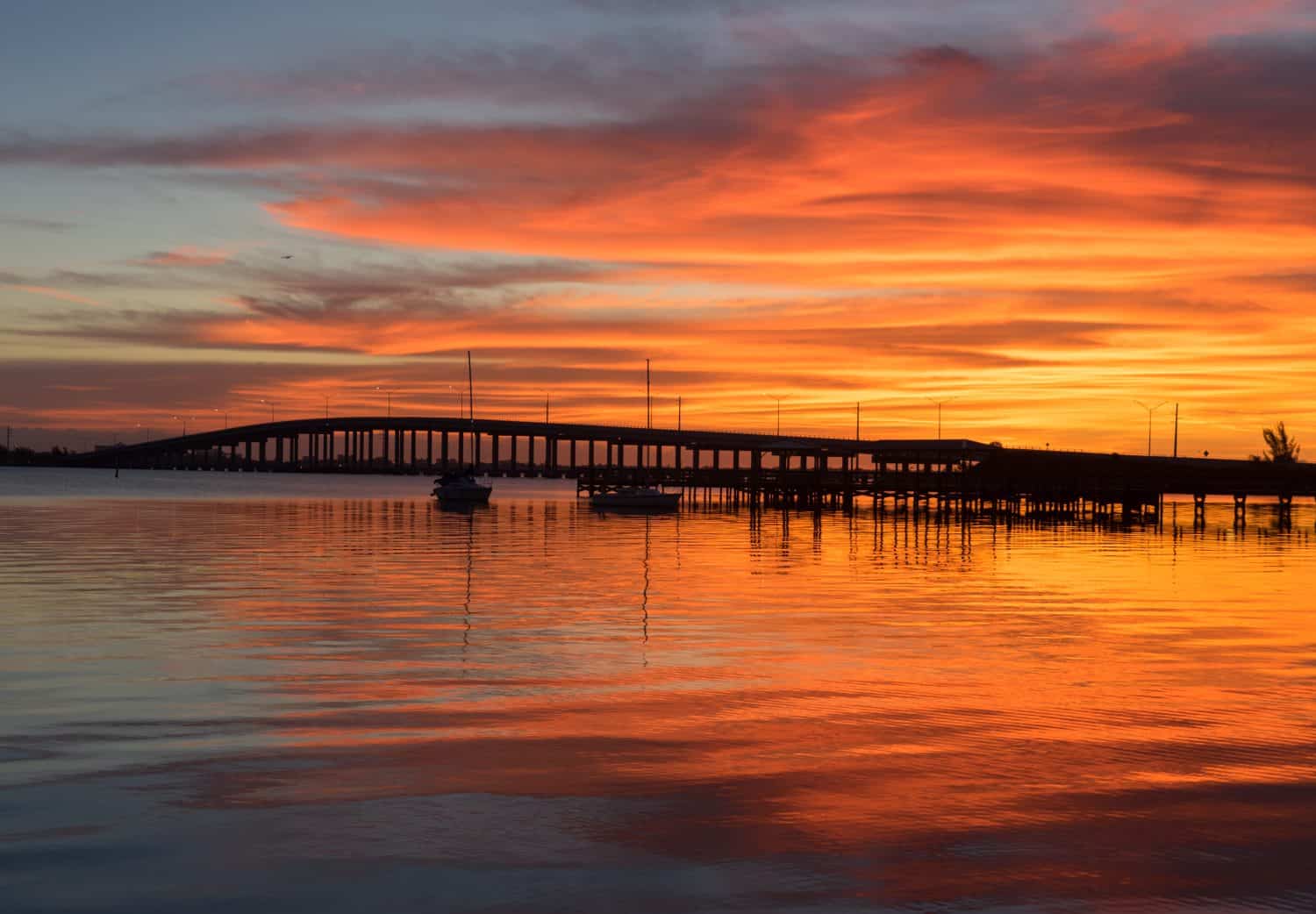
Sewage and pollution have put increasing pressure on the lagoon ecosystem.
©Stephen Wood/Shutterstock.com
The Industrial Revolution brought cars and pollution with it. Between 1896 and 1902, gas from the muck below the lagoon routinely killed populations of fish. As one excerpt from the Titusville Advocate (a newspaper from the turn of the century) explained, this was a common sight. A man named Sebastian was quoted as saying, “The fish are dying by thousands on account of the gas which is rising from the mud in the bottom of the river, the water being low and of a red muddy color. All the jellyfish are dead.”
After causeways were built throughout the region, environmental problems intensified. A massive number of people moved to the area, resulting in more sewage, which polluted the lagoon. However, that influx of people was small compared to the population growth at the end of the 20th century. Between 1989 and 2013, the human population along the lagoon increased 50% to 1.6 million people. This placed increasing pressure on an already vulnerable ecosystem.
A Crisis Point
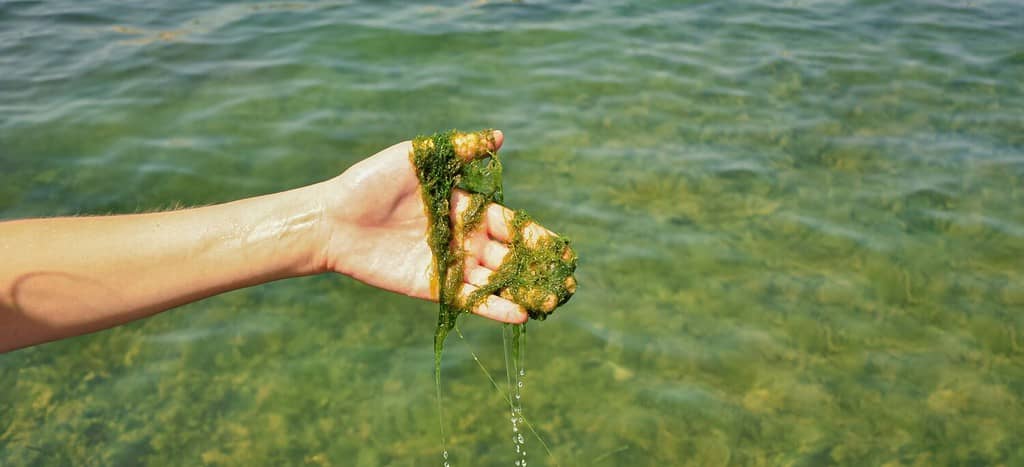
Changing nutrients have led to large-scale and destructive algae blooms.
©Elif Bayraktar/Shutterstock.com
All of these factors have stressed the Indian River Lagoon to a significant degree. Agricultural runoff, stormwater, and sewage have infused the area with nutrients like nitrogen and phosphorus. These nutrients have fueled algal blooms, which can last for months and kill off large areas of plant and animal life. Seagrass is greatly affected by these blooms. Since seagrass is the foundation of many of the lagoon’s complex food webs, its decline creates cascading effects. Everything from fish to invertebrates and even higher-level predators can be affected by the loss of seagrass.
When seagrass declines, so do some of the area’s most treasured inhabitants. As previously mentioned, manatees depend on seagrass as a primary food source. Other creatures, like young fish and crustaceans, also use it as a nursery habitat. When these foundational elements of the food web disappear, higher levels of the ecosystem can collapse like a house of cards.
Aerospace
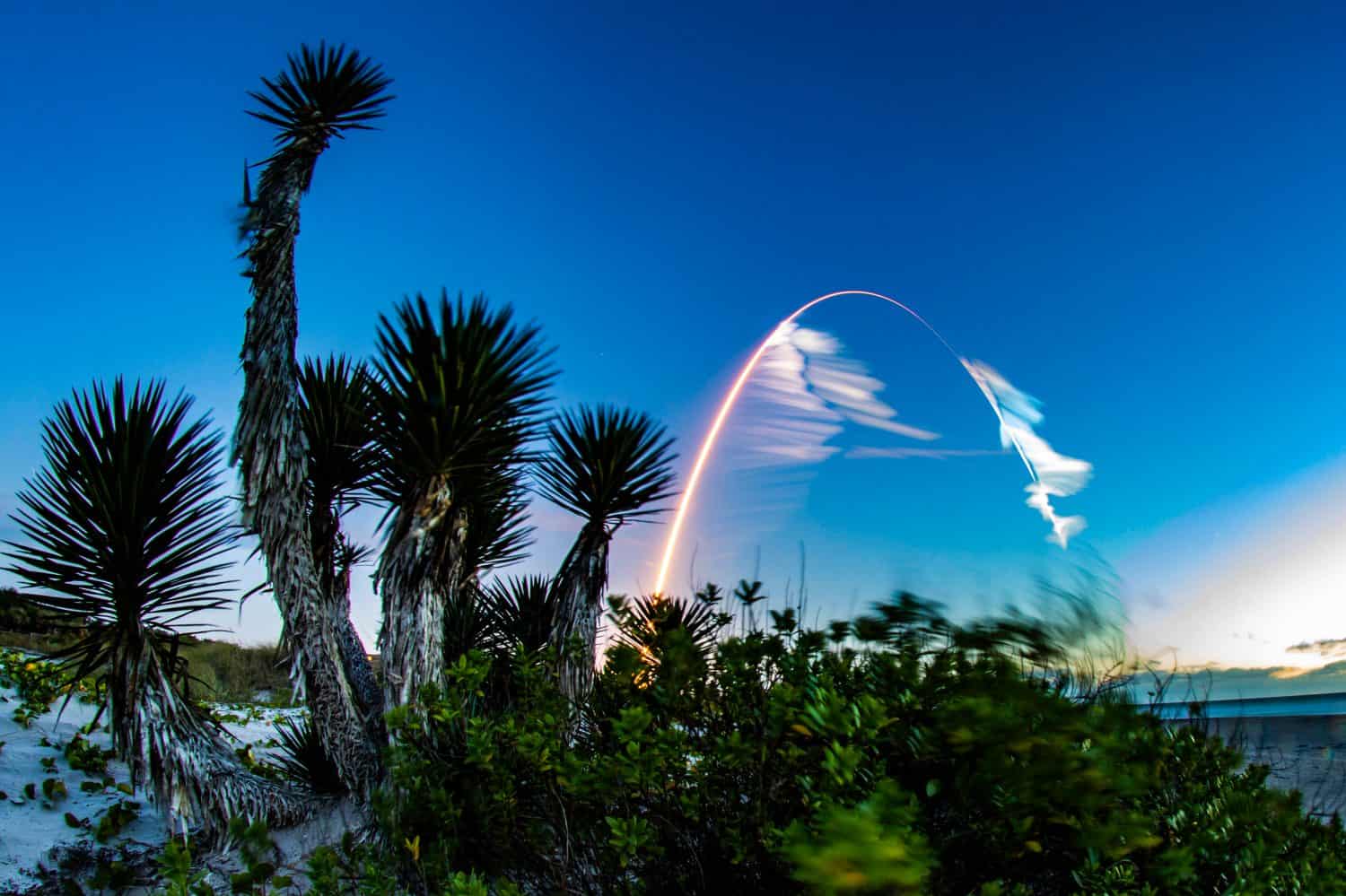
The nearby aerospace facilities contribute to the lagoon’s vulnerability.
©Stephen Marr/Shutterstock.com
The Indian River Lagoon is located near Florida’s Space Coast, which includes facilities for rocket and space company Blue Origin. These complex launch and infrastructure facilities are connected to portions of the lagoon’s waterways. While the company’s activities are regulated by state and federal environmental frameworks, it’s still too easy to harm a vulnerable ecosystem like the lagoon.
However, Blue Origin is not solely responsible for the problem. The aerospace industry as a whole affects the lagoon’s water quality, habitat integrity, and wildlife well-being. Any change to drainage patterns can alter the lagoon’s nutrient composition. Underwater noise is another concern; intense sound waves from nearby rocket launches can disrupt species in the lagoon that rely on sound for navigation and communication.
Government Efforts
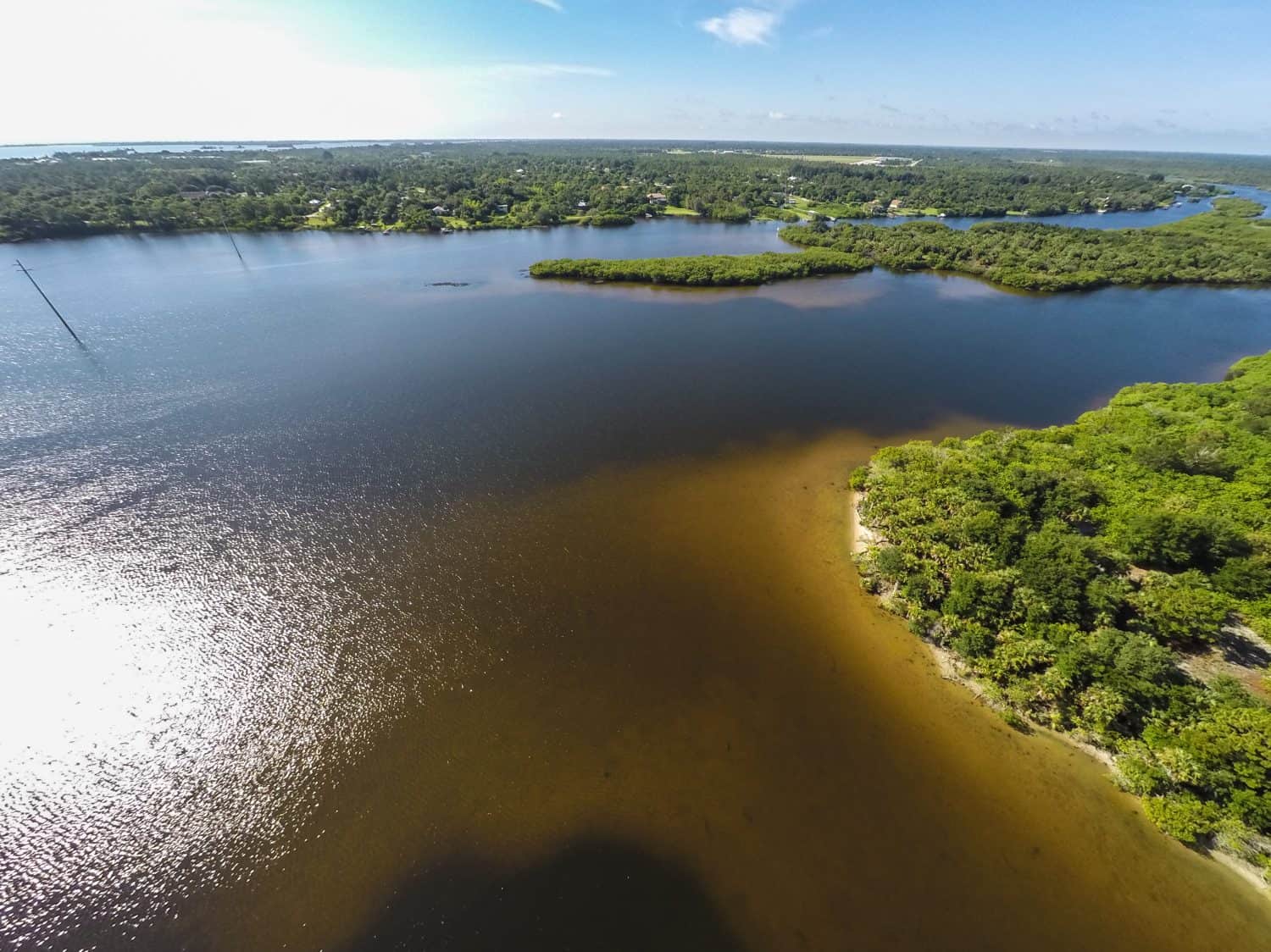
A 2023 study found human sewage to be to blame for most of the lagoon’s poor conditions.
©Phillip Sunkel IV/Shutterstock.com
In recent years, the Florida legislature has increased its involvement in addressing the lagoon’s environmental issues. A 2023 study by the Harbor Branch Oceanographic Institute at Florida Atlantic University found that human sewage was mostly to blame for the area’s poor conditions.
Although the situation may seem dire, the parts of the lagoon near the ocean remain relatively healthy. As the aforementioned quote from the turn of the 20th century shows, these sewage effects on the lagoon are not a new problem. Sometimes, longstanding problems can be solved by modern solutions. Let’s hope that happens before it’s too late for the Indian River Lagoon.