
Quick Take
- Animal hoarding involves keeping a large number of animals while failing to meet their needs, resulting in overcrowded, unsanitary conditions and health risks.
- Simply having many pets is not hoarding; hoarding is neglectful, with crowded spaces and untreated illnesses, while owners deny the problem.
- Effective interventions require coordination across agencies and address mental health needs; removing animals alone often leads to recurrence.
Animal hoarding often begins in a way that appears caring or well-intentioned. A neighbor may take in stray cats, a relative may foster dogs that never leave, or a self-described rescuer may fill a yard with cages and kennels. At first, these situations can look like generosity rather than danger. Over time, however, the number of animals may increase beyond what one person can reasonably manage. Food runs short, waste builds up, and medical care falls behind.
As conditions worsen, both animals and people face serious risks. Animals may suffer from untreated illness, malnutrition, or overcrowding, while people living in the home may face health hazards and legal trouble. Understanding why animal hoarding develops, and learning how to recognize early warning signs, can help families and communities step in before the situation reaches a breaking point. Early awareness can prevent long-term harm and make it more likely that meaningful help is accepted.
What Counts as Animal Hoarding?
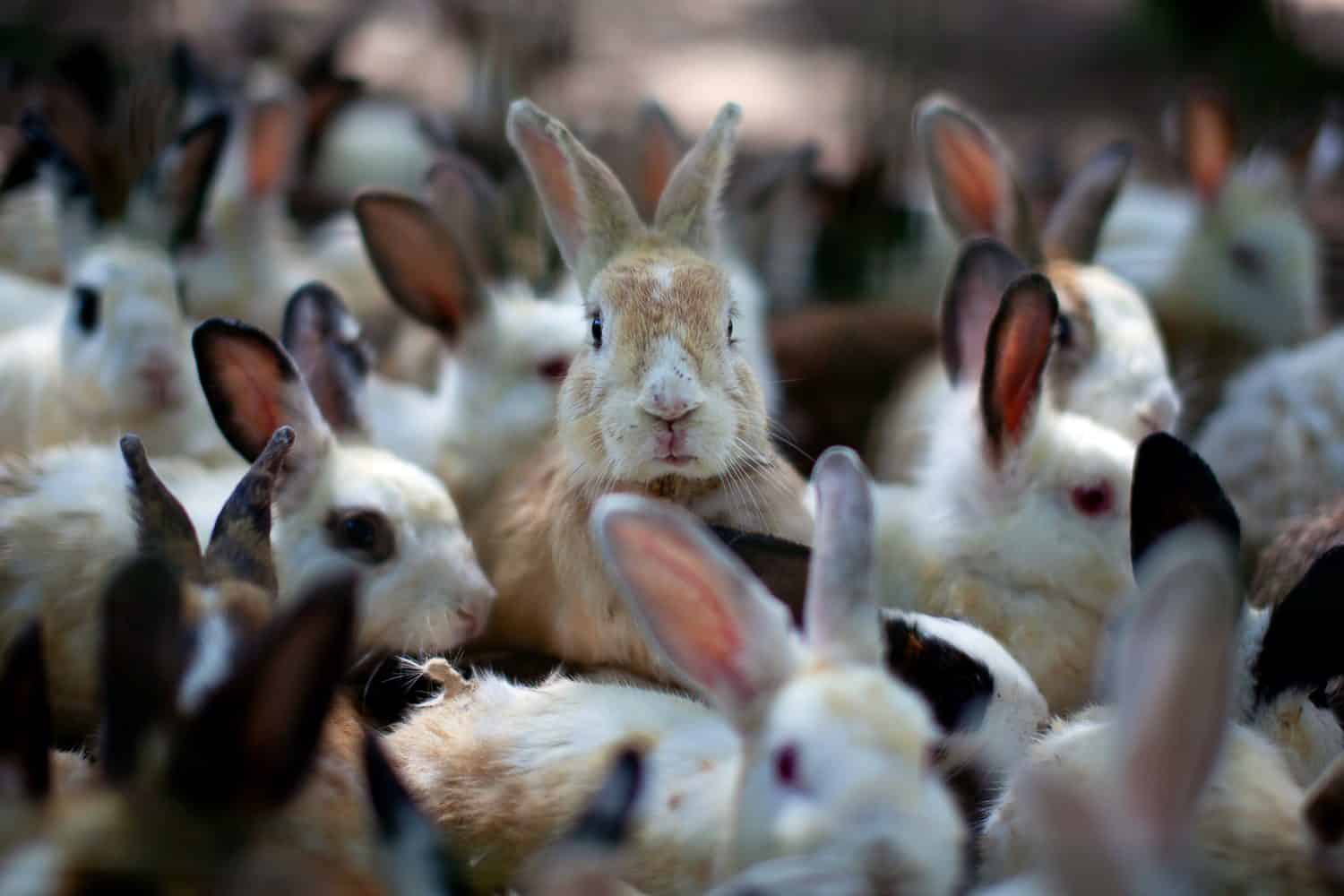
Animals like rabbits that reproduce rapidly can quickly get beyond their owner’s ability to care for them.
©TY Lim/Shutterstock.com
Animal hoarding is generally defined as keeping a large number of animals while failing to meet their basic needs. These needs include adequate food, clean water, shelter, sanitation, and veterinary care. In hoarding situations, animals often live in overcrowded spaces with limited access to clean areas. Strong odors from urine and feces are common, and parts of the home may become unusable for cooking, sleeping, or bathing.
Animals in these environments may appear underweight, sick, injured, or heavily infested with parasites. In severe cases, deceased animals may be present and not removed promptly. Studies by animal welfare and public health agencies indicate that thousands of animal hoarding cases are identified in the United States each year, affecting tens of thousands of animals. These cases often overwhelm local shelters and require extensive coordination among agencies, making early identification especially important.
How Animal Hoarding Differs From Having Many Pets
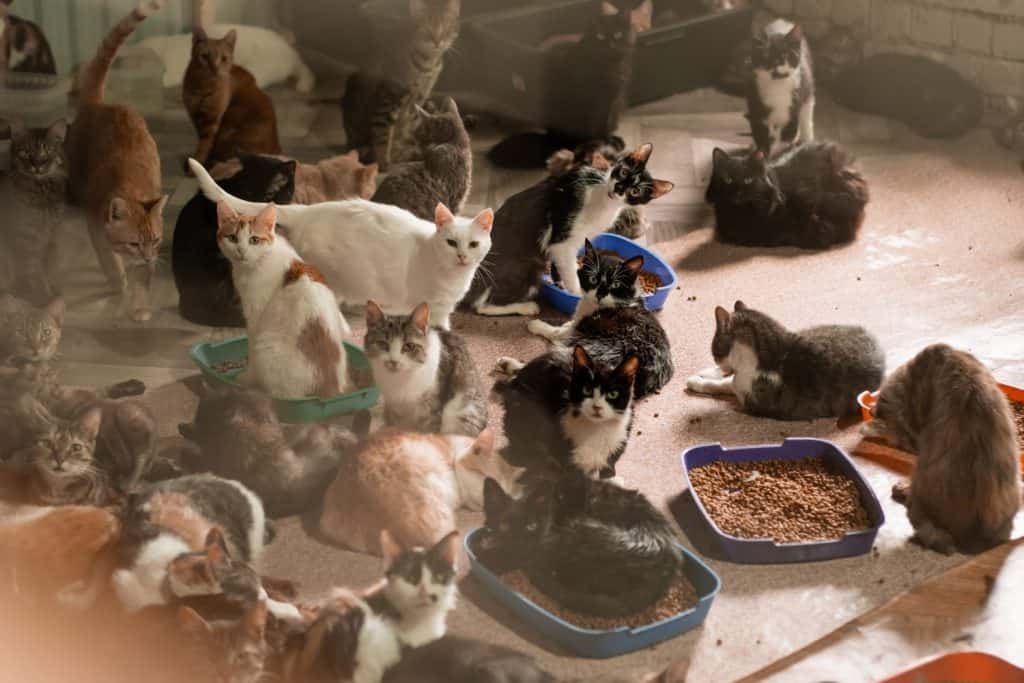
A hoarding situation is one in which animals are not being properly cared for, with negative health implications for pets and people.
©Nastya Revva/Shutterstock.com
Having several pets does not, by itself, mean that someone is hoarding animals. The distinction lies in the quality of care and the condition of the living environment. Responsible pet owners with many animals typically maintain clean homes, seek regular veterinary care, and limit their numbers based on time, finances, and space. They are also open to feedback and willing to find new homes for animals if they can no longer provide proper care.
In animal hoarding situations, neglect becomes a pattern rather than an exception. Living spaces may be overcrowded, waste may accumulate, and animals may have untreated medical problems. Individuals often deny that anything is wrong, even when conditions are visibly poor. This denial, along with an inability or unwillingness to reduce the number of animals, distinguishes hoarding from responsible multi-pet ownership.
Hoarding Disorder and Its Connection to Animals

Hoarding disorder is a recognized mental health condition.
©trekandshoot/Shutterstock.com
Animal hoarding is widely viewed as a form of hoarding disorder, a mental health condition recognized in the Diagnostic and Statistical Manual of Mental Disorders, Fifth Edition. Hoarding disorder involves ongoing difficulty discarding possessions, strong emotional distress at the idea of letting go, and clutter that interferes with daily living. When the possessions involved are animals, the consequences are often more severe.
Because animals are legally considered property, individuals who hoard them meet many of the same diagnostic criteria. They may feel intense anxiety at the thought of giving up animals, even when those animals are suffering. Homes may become unsafe due to crowding and unsanitary conditions. Some researchers argue that animal hoarding should be classified separately because it involves living beings and often leads to serious health, safety, and legal consequences.
Psychological Factors That Contribute to Animal Hoarding

The roots of animal hoarding are in the owner’s psychological state.
©Lucigerma/Shutterstock.com
There is no single explanation for why someone hoards animals. Research suggests that multiple psychological and emotional factors often overlap. Many people who hoard animals describe a deep emotional connection and see themselves as protectors or rescuers. They may believe no one else can be trusted to care for the animals properly.
Others experience loneliness, unresolved grief, trauma, or chronic mental health conditions such as depression or anxiety. Obsessive or compulsive traits may also play a role. Over time, acquiring animals can become a coping mechanism that provides purpose or comfort. As numbers grow, however, the person may lose the ability to care for them adequately while still believing they are doing the right thing.
Patterns Researchers See Among Animal Hoarders

One pattern of hoarding happens when a compassionate person rescues more animals than they can care for.
©Okssi/Shutterstock.com
Researchers and advocacy groups have identified several recurring patterns among people who hoard animals, although individuals may show traits from more than one group. Some are described as overwhelmed caregivers. These individuals often start with a manageable number of pets but experience illness, financial strain, or major life changes that make continued care difficult. Instead of asking for help, they keep animals they can no longer support.
Others fall into a category often called rescue hoarders. These individuals actively seek out animals they believe are in danger and may operate informal rescues without sufficient resources. A smaller group, sometimes referred to as exploitative hoarders, shows little concern for animal suffering and resists oversight. Understanding these patterns can help responders tailor interventions more effectively.
Health and Safety Consequences for Animals and Humans

Birds in overcrowded conditions can develop digestive and respiratory problems that can affect peoples’ health as well.
©neme_jimenez/Shutterstock.com
Animals in hoarding situations often endure severe and prolonged suffering. Common problems include malnutrition, dehydration, untreated infections, respiratory illness, and injuries caused by fighting or overcrowding. Lack of veterinary care allows minor conditions to become life threatening over time.
Humans living in these environments also face significant risks. High levels of ammonia from urine can irritate the lungs and eyes. Mold, parasites, and zoonotic diseases can spread between animals and people. Fire hazards increase when clutter blocks exits or when electrical systems are overloaded. Neighbors and emergency responders may also be placed at risk. Communities often bear substantial costs when large numbers of animals must be removed and treated.
Early Warning Signs Families and Friends May Notice

Family and friends might notice signs of mental distress and poor care for the home as early warning signs of animal hoarding.
©Strannik_fox/Shutterstock.com
Animal hoarding rarely appears overnight. Families and friends often notice subtle changes long before authorities become involved. One early sign is a steady increase in animals without a clear plan for long-term care. The person may avoid having visitors or make repeated excuses to keep others out of the home.
Other warning signs include persistent odors near doorways or windows, animals that appear thin or unwell, and explanations that animals are being rescued faster than they can be adopted or sterilized. Emotional changes can also appear. The person may become defensive, withdrawn, or distressed when anyone suggests reducing the number of animals. Recognizing these signals early can allow for less confrontational intervention.
How Can Communities Address Animal Hoarding?

Several different government agencies and services, as well as private organizations and individual,s may need to coordinate to handle an animal hoarding situation comprehensively.
©gatostock/Shutterstock.com
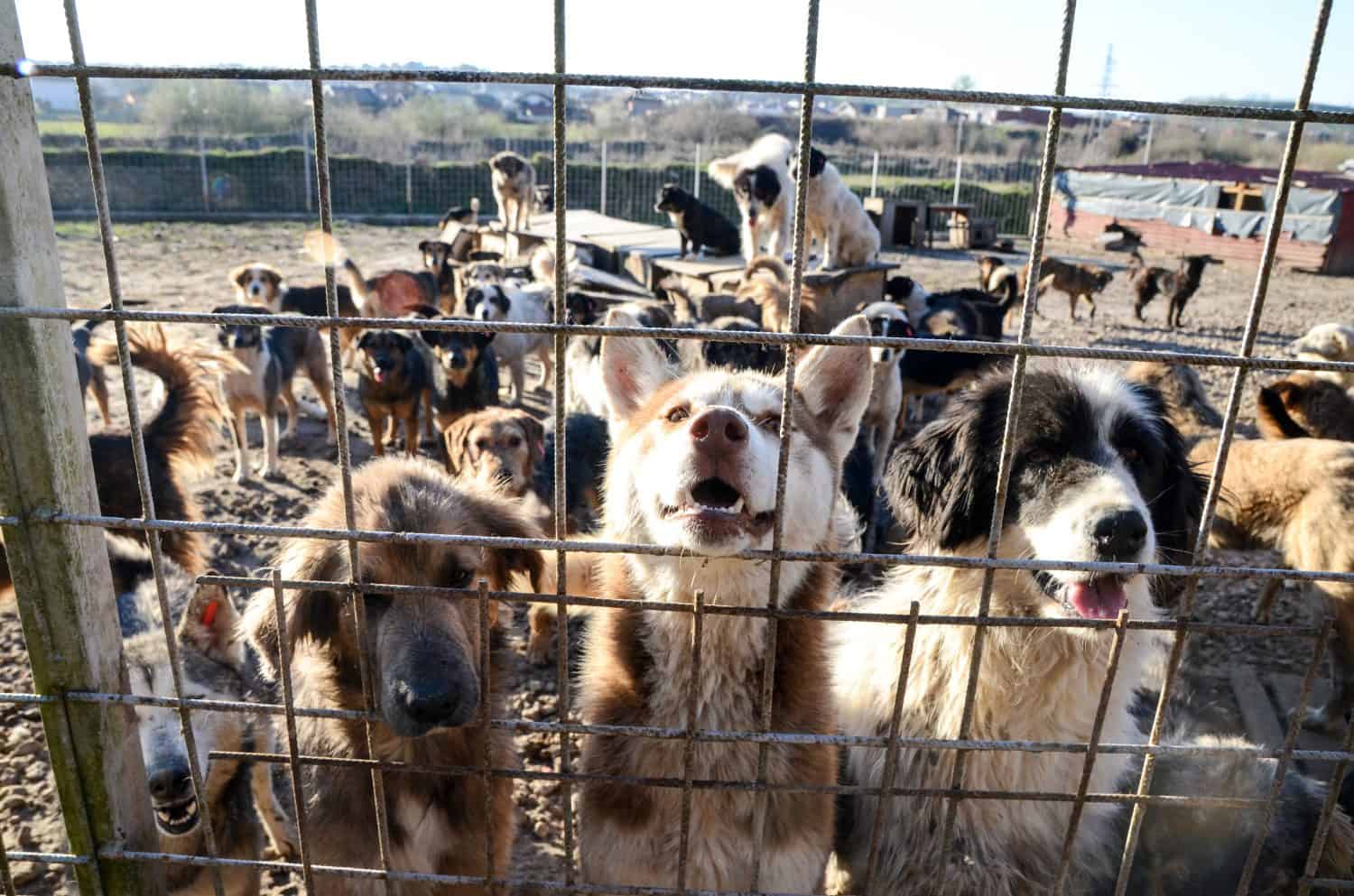
Effective responses to animal hoarding usually involve multiple agencies working together. Animal control officers, public health departments, law enforcement, mental health providers, and social services may all be involved. This coordinated approach recognizes that animal hoarding affects more than animal welfare alone.
Research indicates that removing animals without addressing underlying mental health needs often leads to repeat cases. More successful interventions combine legal measures with counseling, monitoring, and practical support. This may include help with cleaning, repairs, and clear limits on future pet ownership. Long-term follow-up is often necessary to prevent recurrence.
Reporting Concerns and Protecting Safety
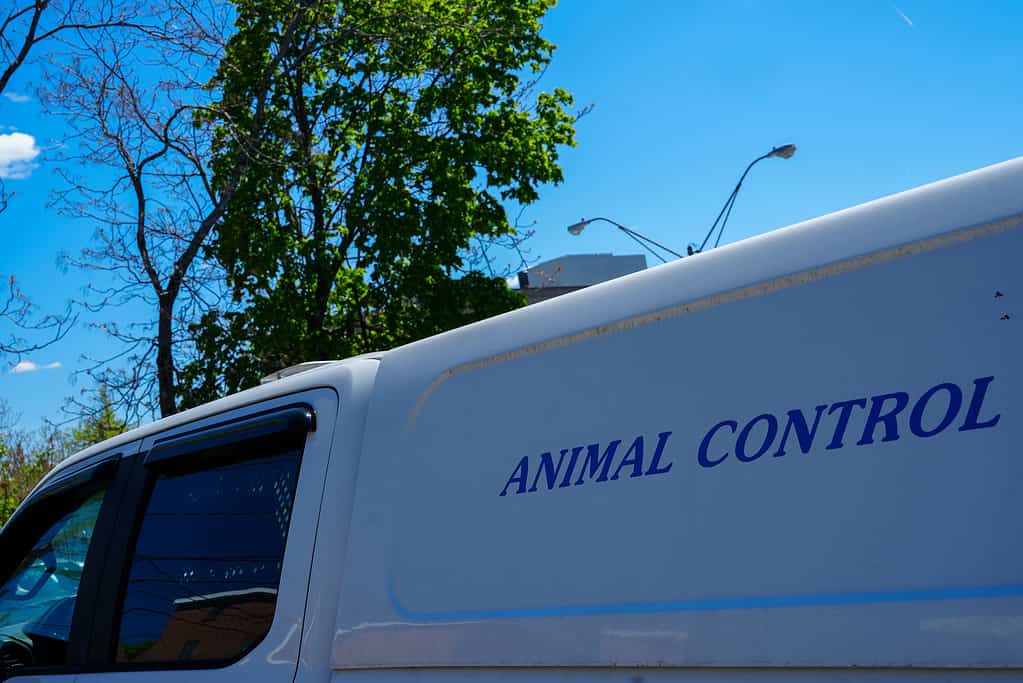
Animal control officers may help relocate hoarded animals to situations where they can be rehabilitated and re-homed.
©Lilia Moscalu/iStock via Getty Images
When animal hoarding is suspected, safety should remain a priority. Family members can document visible conditions and patterns, and then contact local animal control or humane organizations for guidance. These agencies can advise on appropriate next steps based on local laws.
In some cases, calm conversations focused on concern for the animals may help, particularly when the person feels overwhelmed rather than defiant. In situations involving immediate danger, such as severe neglect, fire hazards, or children at risk, contacting law enforcement or child protective services may be necessary. Acting early can reduce harm and increase the chances of a constructive outcome.
Looking Past Harmful Stereotypes
Animal hoarding is often dismissed with simplistic labels, but the reality is much more complex. These situations reflect a mix of emotional pain, attachment, and declining capacity to cope. The result is suffering for animals and serious consequences for people and communities.
By understanding what animal hoarding really involves, learning to recognize early warning signs, and supporting coordinated responses, families and professionals can protect vulnerable animals while also offering a path toward stability and recovery for those involved. Awareness and compassion, paired with clear boundaries, remain essential tools in addressing this difficult issue.