
Quick Take
- The oystercatcher population was quietly collapsing, though not for the reason scientists expected. See why numbers fell →
- What makes this bird nearly impossible to protect is the same thing that makes it uniquely fascinating to watch. Explore the bird's traits →
- The recovery strategy that worked broke every rule of large-scale conservation campaigns. See the recovery strategy →
- Conservationists just declared a rare win, though they immediately started worrying about what comes next. See what's threatening gains →
Oystercatchers were once a staple on beaches and rocky outcroppings up and down the eastern seaboard and Gulf coast of the United States. The black, brown, and white birds with the distinctive bright orange beaks were easy to spot. But their numbers dropped over the decades, and the birds nearly disappeared.
However, between 2008 and 2023, oystercatcher populations rose significantly. What changed?
Discover the Oystercatcher
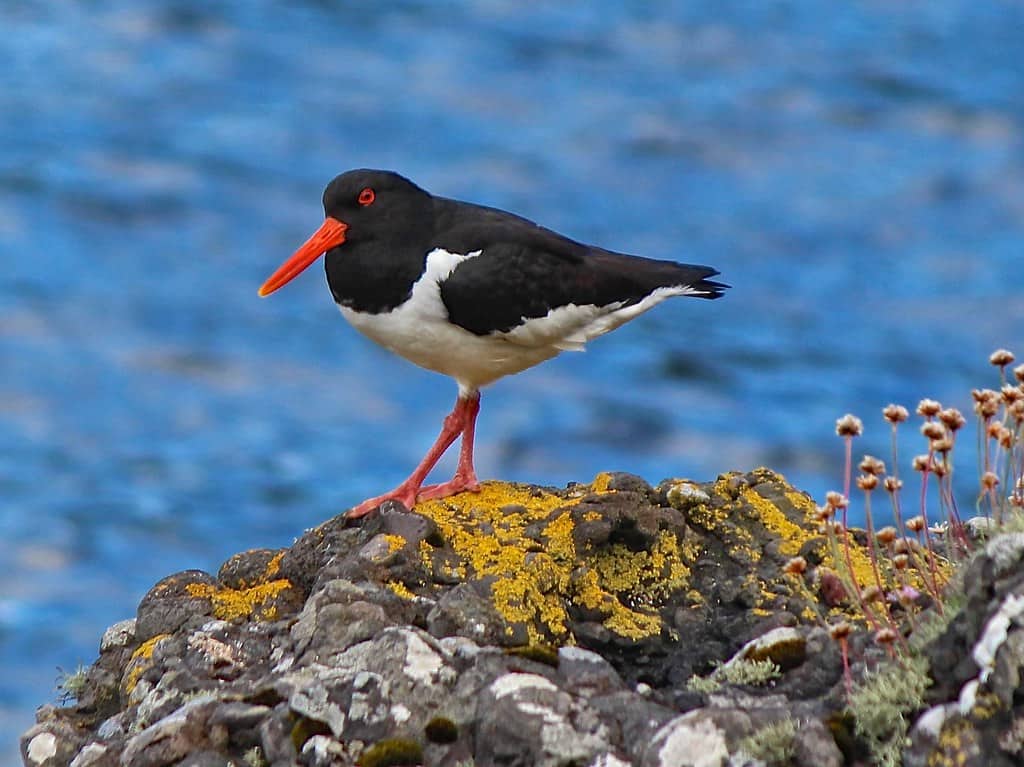
Oystercatchers are large shorebirds with a black head, brown back, and white belly. Adults are about 16–20 inches long. What makes them unmistakable are their carrot-colored, knife-shaped bills – the ideal tool to stab open clams, oysters, and mussels. It’s the bill that gives the bird its name. In fact, oystercatchers are one of the only birds anywhere that can pry open a large clam shell on their own.
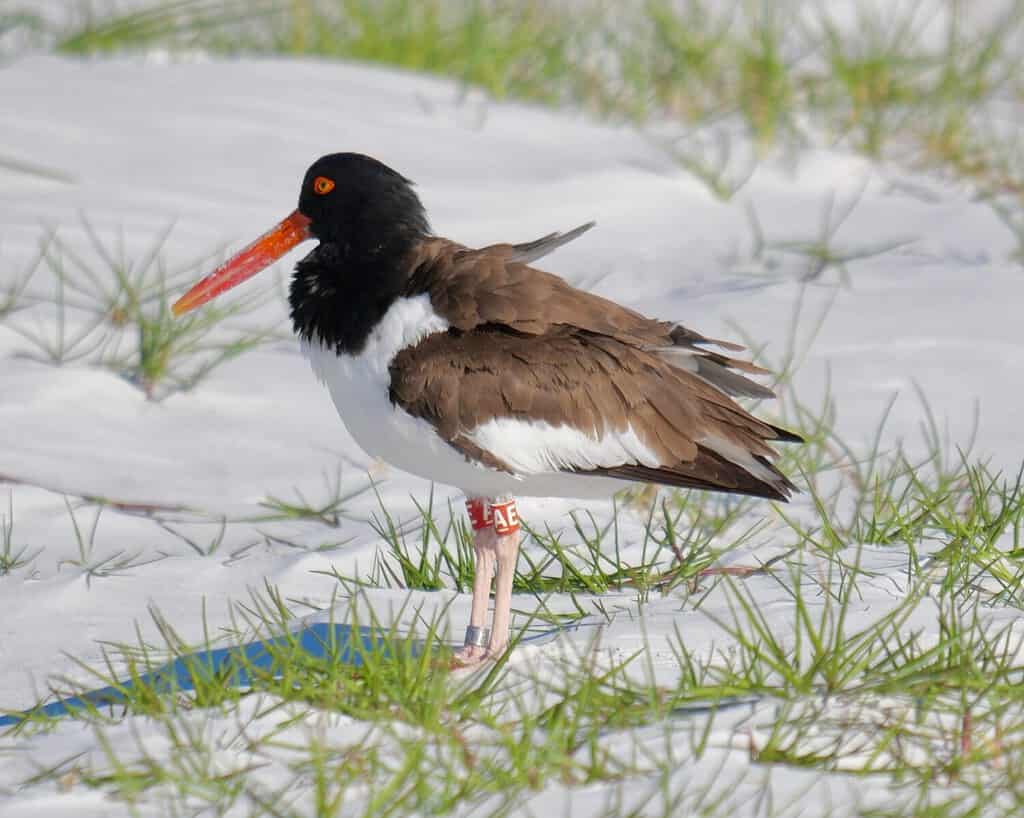
The American oystercatcher has a distinctive carrot-colored, long beak.
©Archaeopteryx Tours/Shutterstock.com
These industrious birds live wherever their food source can be found. This includes beaches, barrier islands, and salt marshes. They can regularly be seen combing the rocks and crevices along the shoreline, hunting for their next meal.
Oystercatchers also have a peculiar nesting habit. Unlike many other bird species, the oystercatcher chooses a shallow nest on the ground, usually just a scooped-out bowl. It’s a simple, low-effort set-up that isn’t always ideal. Their choice of nest makes the birds and their eggs vulnerable to predators and changing tidal conditions.
Why Did Oystercatcher Numbers Plummet?
Oystercatcher numbers decreased rapidly due to several factors. In New England, nearly the entire population was wiped out thanks to hunting and egg collecting. Populations there and elsewhere faced additional threats as coastal human populations grew. Beach development took away their habitat, while off-leash dogs and beach traffic added additional threats beyond the usual raccoon and fox predators that thrive on their eggs and chicks.
By 2008, the total population was down to around 10,000 birds. That number faced an average annual decline of about 1.5 percent each year, according to one study. But the steady decline wasn’t because adult oystercatchers were dying; it was due to low rates of chick survival.
The Efforts to Rebuild Oystercatcher Populations
Efforts to help oystercatcher populations grow began in 2008 when the American Oystercatcher Working Group was formed. The group included around 35 coastal organizations from 16 states. Working together, they raised $10 million over 15 years to fund conservation efforts.
The approach wasn’t one-size-fits-all, though. While many of the efforts focused on beachgoer education, other more targeted solutions were also implemented. Local teams studied the biggest threats at their local oystercatcher habitats and designed protection solutions accordingly.
“At one site, it might be recreational disturbance, at another site it might be predators, at another site it might be sea level rise or loss of dune structure that’s causing overwash events causing nest failure,” Alan Kneidel, senior conservation biologist with the environmental group Manomet Conservation Sciences told the Associated Press.
What Local Efforts Looked Like
The approaches taken by local conservation groups were as diverse as the areas they were trying to protect. One example is Martha’s Vineyard, where a low chicken-wire fence was installed each spring at the entrance of a key breeding site for oystercatchers and other birds. The fence kept predators like skunks and raccoons from entering the area and eating the eggs.
In Rhode Island, colorful signage was placed on local beaches to educate the public about the proximity of oystercatcher nests, with advice on how to avoid disturbing the birds during breeding season. Conservationists there also implemented a banding effort to enable them to track banded birds throughout the year.
Conservationists in South Carolina, Georgia, and North Carolina roped off breeding sites to protect nests from beachgoers. Georgia and North Carolina went one step further and began trapping and euthanizing predators during the breeding season.
There’s A Bigger Threat Looming
The ongoing threat of climate change is working against conservation efforts. It has led to rising sea levels and erosion that is decimating oystercatcher nesting habitats. Georgia has responded by building elevated nesting platforms and using dredged materials from shipping channels to both maintain existing nesting islands and create new ones. Along North Carolina’s Cape Fear River, conservationists are replenishing “shell rakes” – beds of old oyster shells where oystercatchers prefer to nest.
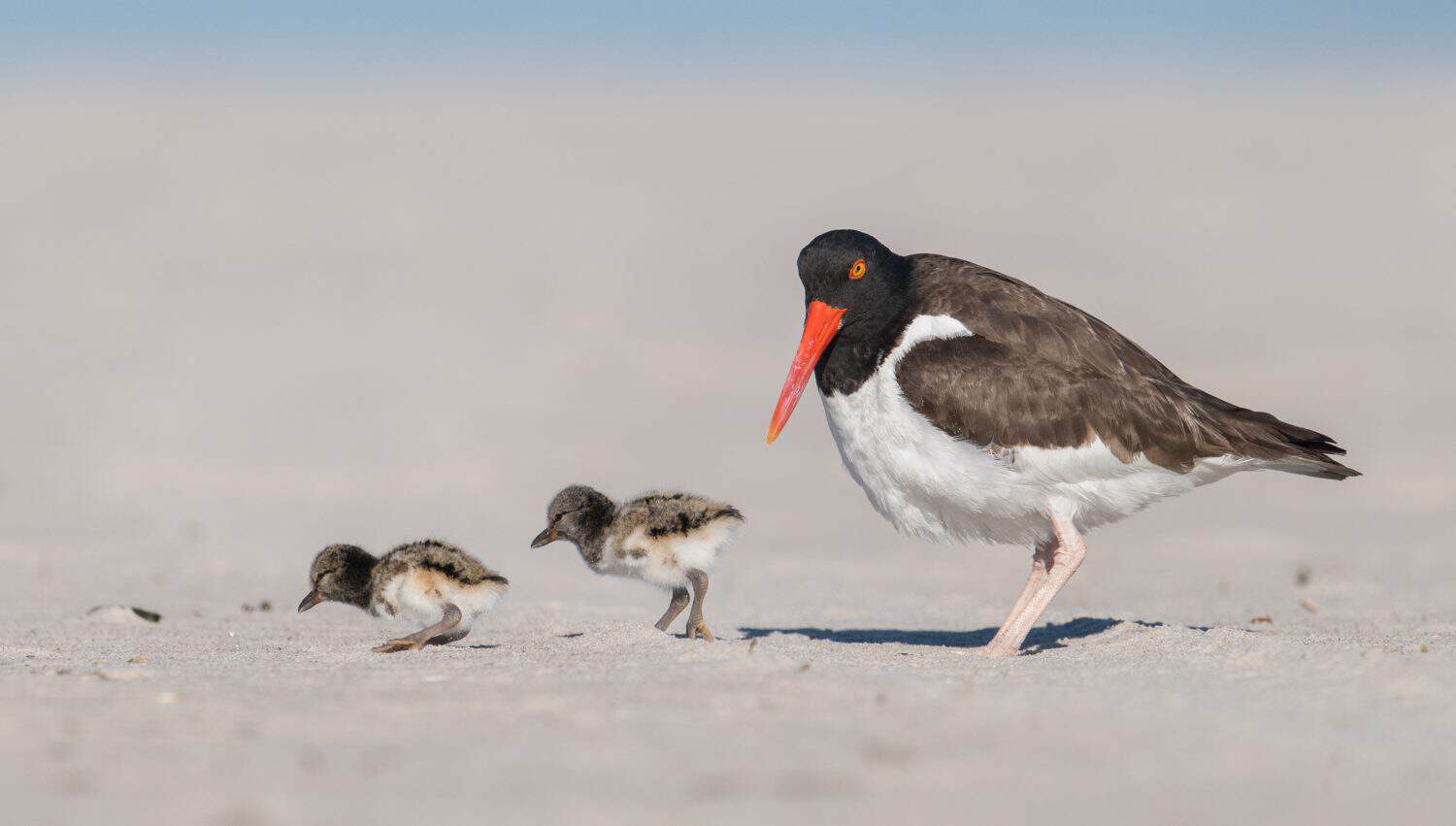
The loss of oystercatcher chicks is the primary reason for population numbers declining.
©Harry Collins Photography/Shutterstock.com
“Climate change, sea level rise, it’s a big challenge not only for oystercatchers but for all kinds of interests on the coast,” Lindsay Addison, a coastal biologist with Audubon North Carolina, told the Associated Press. “There’s going to be loss of habitat due to sea level rise so we have to make sure that we do what we can to provide the habitat that we can so they can get through this next bottleneck.”
Efforts Are Working
Conservationists are finally seeing the fruits of their labor. Oystercatcher populations are up 45 percent, according to Inside Climate News. Breeding pair numbers are up, too. In Martha’s Vineyard, that number is up 77 percent since 2009. In North Carolina, pairs are up 20 percent.
This is especially impressive given that most other North American shorebird species are facing declining numbers. Oystercatchers are proving to be resilient and adaptive to changing environmental conditions.
Ted Simons, a retired emeritus professor at North Carolina State University, told the Associated Press, “What we found is that these birds are incredibly adaptive.”