
Quick Take
- Elephant extinction wouldn't just erase elephants. It would set off a collapse no one in conservation is talking about. See the cascade effect →
- One overlooked insect is so dependent on elephants that a 15-year experiment produced results that shocked even the researchers. Read the beetle study →
- Decades of conservation funding may have quietly made ecosystems more fragile, not less. See what's been missed →
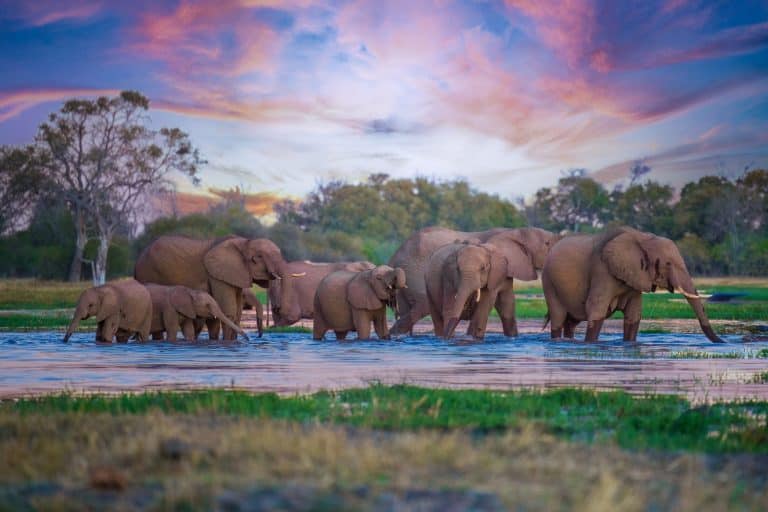
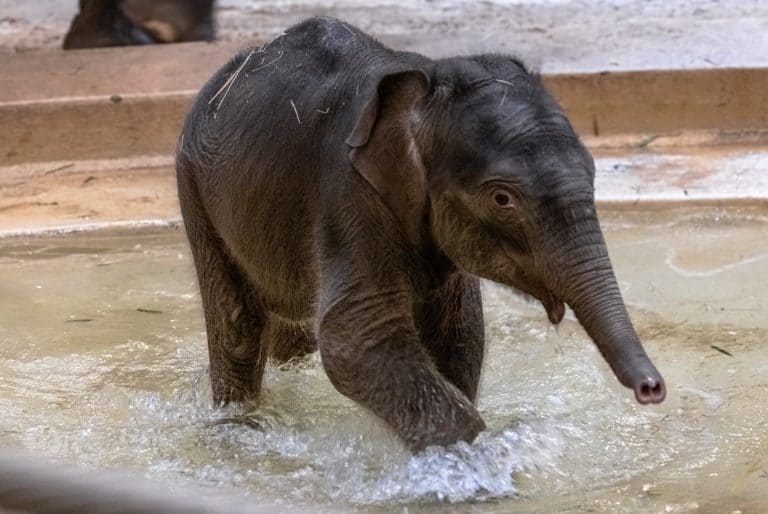
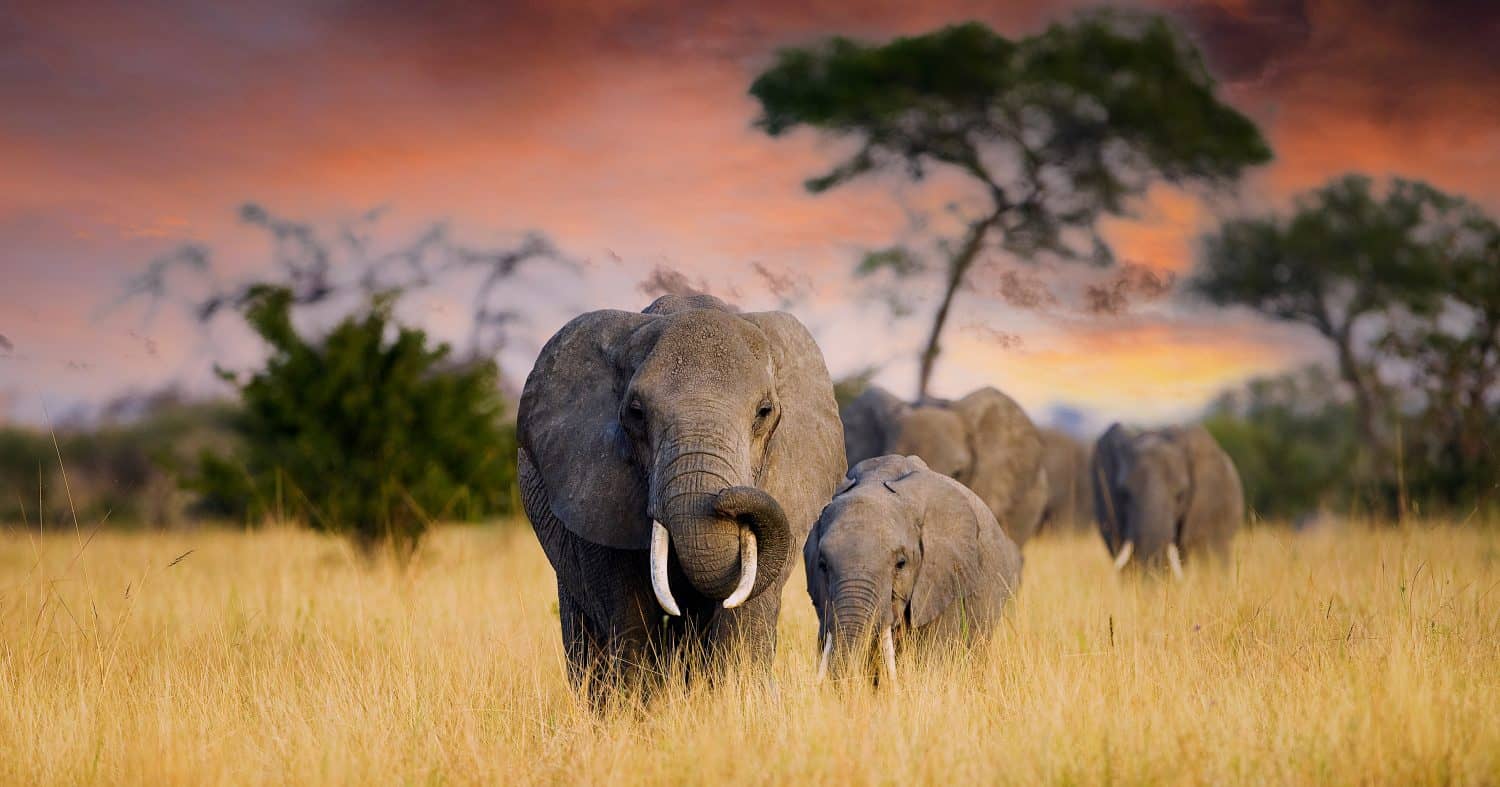
Elephants have been the face of conservation campaigns for decades. With more focus on the elephant itself rather than the environment it lives in, the full picture of what happens when elephants are removed from the savanna is not clear. A 15-year study has revealed a looming coextinction crisis if elephants disappear from their habitats, in which not only ecosystems but also local economies will be impacted.
Conserving Elephants Protects Other Species from Decline
Elephant populations have been in decline since at least the 1950s. However, conservation efforts did not really begin in earnest until decades later.
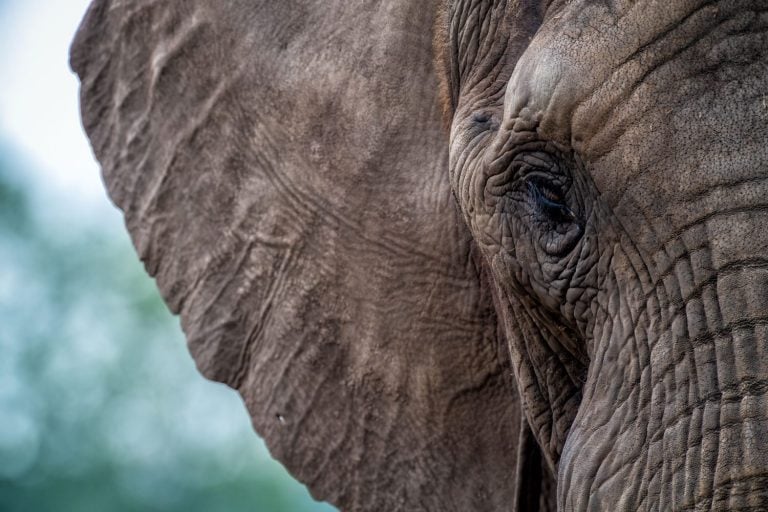
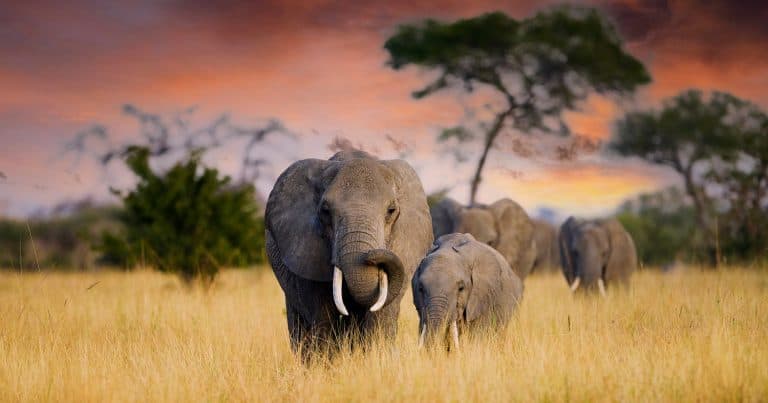
The focus of these conservation efforts has always been directly on the elephants themselves. Given their size, their emotional intelligence, which rivals that of humans, and their impact on their habitats, the attention is warranted. However, so is attention to animals that both share the same ecosystem as elephants and rely on them for survival.
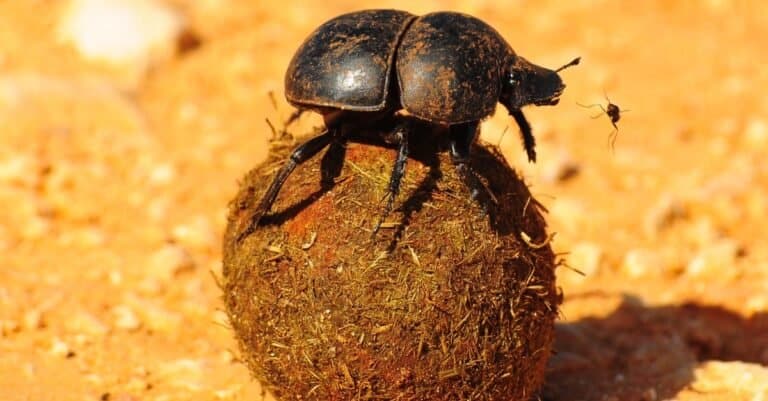
According to a new study published in Science, if elephants were to go extinct, a coextinction chain reaction would be triggered in the ecosystems they inhabit. One of the biggest creatures negatively affected by this would be the dung beetle.
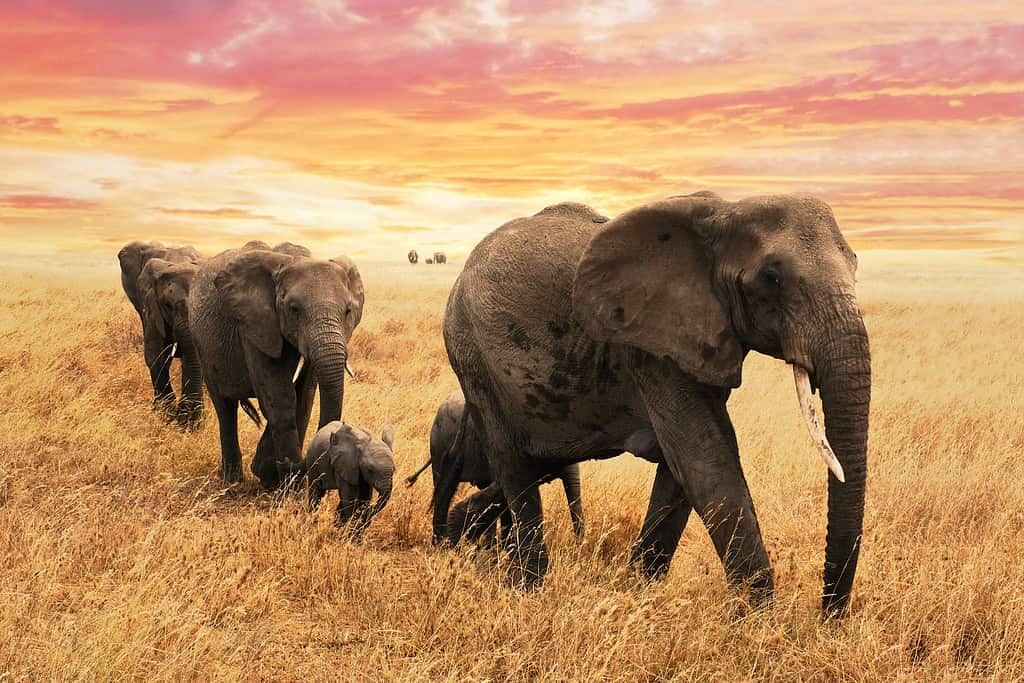
In the plots of land where elephants were not present, dung beetle populations significantly declined.
©TeamDAF/ via Getty Images
The 15-year study, conducted by Finote Gijsman, a Princeton University doctoral student, and Todd Palmer, Ph.D, a professor from the University of Florida, showed how strongly the dung beetle relied on elephants for survival. This was determined by fencing off plots of land in Kenya. Some plots allowed larger mammals, such as elephants and giraffes, to wander and graze within them. Other pieces of land were for medium-sized mammals only.
As the data were compiled, it quickly became clear that elephants are a keystone species for dung beetles. When elephants were not present, dung beetle populations were negatively impacted.
The plots of land without elephants experienced the following:
- 67% reduction in dung beetles
- 51% less biomass of the beetles
- 23% reduction in overall beetle species
According to Dr. Palmer, what happened in the study is exactly what computer simulations predicted would happen if elephants were lost from their habitats.
“Interestingly, the 23% species loss matched almost exactly what computer simulations of the biggest mammal’s extinction predicted,” Dr. Palmer explained in a news release. “Excluding all the other large herbivores on top of that made almost no additional difference… it really was about elephants specifically.”
Consequently, the key to saving ecosystems is not only conserving the largest animals that live in them. The findings suggest that conservation strategies should consider the broader ecological community, not just the largest animals.
“Elephants are charismatic and there is lots of focus on their conservation, but primarily for their own sake,” Dr. Palmer stated. “This paper adds a new argument, showing that elephants are infrastructural. Their dung subsidizes an entire community of insects that collectively perform services worth billions of dollars annually.”
Elephants Are a Keystone Species, While Dung Beetles Are Keystone-Like
Elephant conservation is necessary, given their role as a keystone species in their ecosystems. However, dung beetles are also important due to their keystone-like engineering prowess.
If elephants were to disappear from their ecosystems, a massive collapse would occur. This is due to the elephants’ influence on the ecosystem’s structure. The ways elephants impact their ecosystems include:
- Ecologically important due to breaking trees, branches, and the consumption of vegetation that allows sunlight to penetrate forests for smaller plant and grass growth
- Formation of waterholes during the dry months that provides water for species other than elephants
- Seed dispersal that creates biodiversity via the creation of savannas and forests
It is not only elephants that play a role in keeping ecosystems healthy. The dung beetle does as well. While not characterized as a keystone species, that categorization may need to be reconsidered, given that the removal of dung beetles would negatively impact their ecosystems.
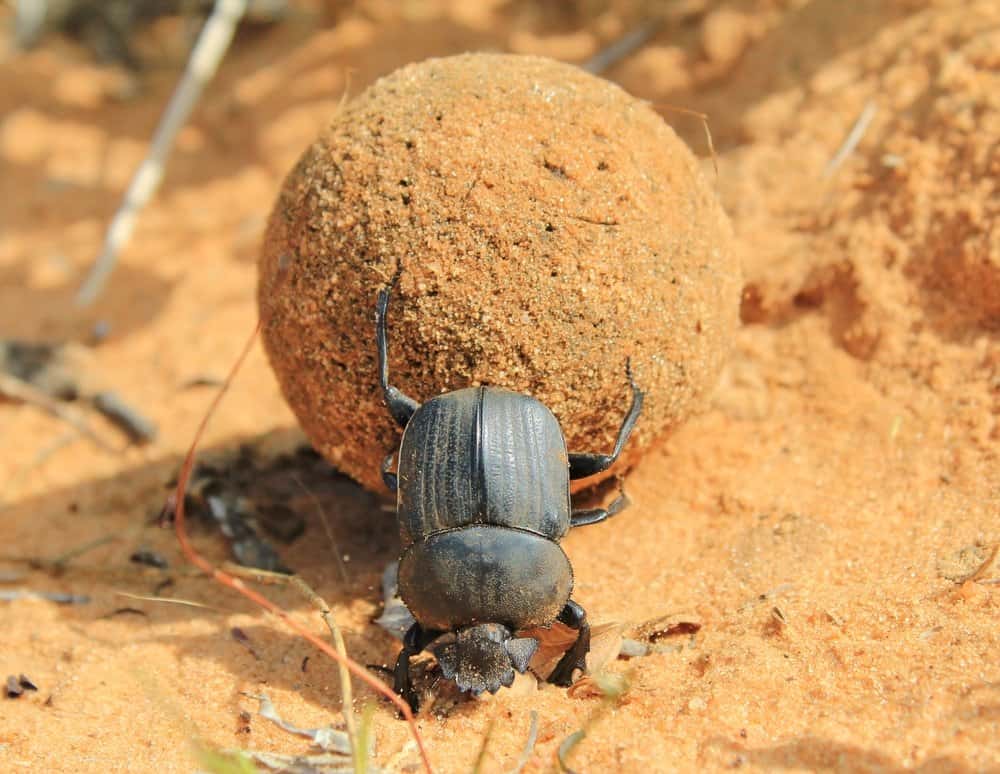
Dung beetles are keystone-like species that directly impact the health of the ecosystems they inhabit.
©Stacey Ann Alberts/Shutterstock.com
The ways dung beetles support the ecosystems they live in are as follows:
- Soil aeration that better allows water to saturate the earth, while reducing erosion
- Nutrient cycling
- Seed dispersal
- Reduction in breeding locations for pests and parasites
- Underground tunnels create homes for insects, leading to diversity in species
Because other species can fill some of the roles dung beetles play, they are not considered a true keystone species. As the study’s statistics show, when dung beetle populations are declining or absent, the effects are measurable on habitats. This is why not only the largest animals need to be conserved, but the smallest also deserve support to survive.
Dung Beetles Play an Important Economic Role
Dung beetles may be small, but they play a significant role in the economy. If they were to disappear, the effects on the cattle industry would be financially staggering.
The dung beetle’s role is to bury and consume animal dung. In doing so, they not only provide nutrient cycling but also improve soil health, which allows grasses to grow that sustain cattle.
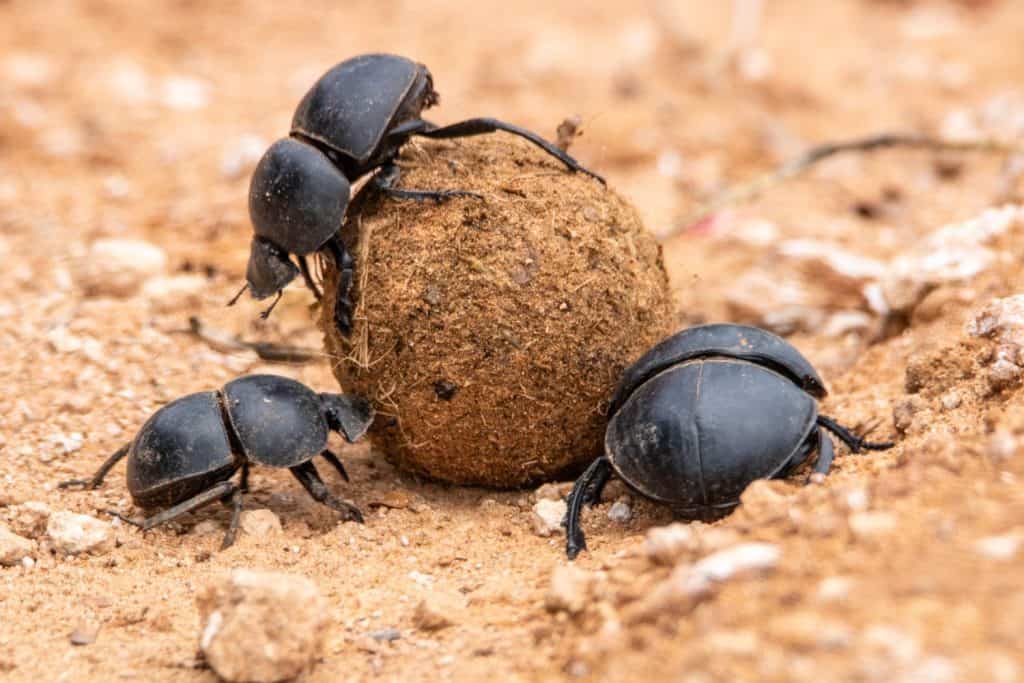
The loss of dung beetles would put a massive economic burden on cattle ranchers.
©Boris Edelmann/Shutterstock.com
Additionally, the constant cycling of animal dung ensures it does not sit in one location for too long. This reduces the habitat available for parasites to grow, keeping cattle healthier.
Taking into account all that dung beetles do, the study points out that in the United States and the UK alone, the beetles provide services valued at $1.6 billion. Were the beetles to disappear, cattle ranchers would have to shoulder the financial burden by outsourcing these services. Doing so would cut into profits, potentially leaving some ranchers unable to sustain their operations.
Why Conservation Can No Longer Only Focus on Charismatic Animals
For years, conservationists have been stating that charismatic animals are not the only ones that need protecting. In many cases, it is animals and insects whose declining populations do not make headlines that need just as much, if not more, help. The new study underlines this sentiment by providing long-term evidence of its validity.
Charismatic animals have been used for decades to raise funds for conservation efforts. While there is no denying that these animals have benefited from the money raised, those who are equally important ecologically are overshadowed. Consequently, a Band-Aid effect has been created, in which spotlighted animals see their populations recover while others in the same ecosystem continue to decline.
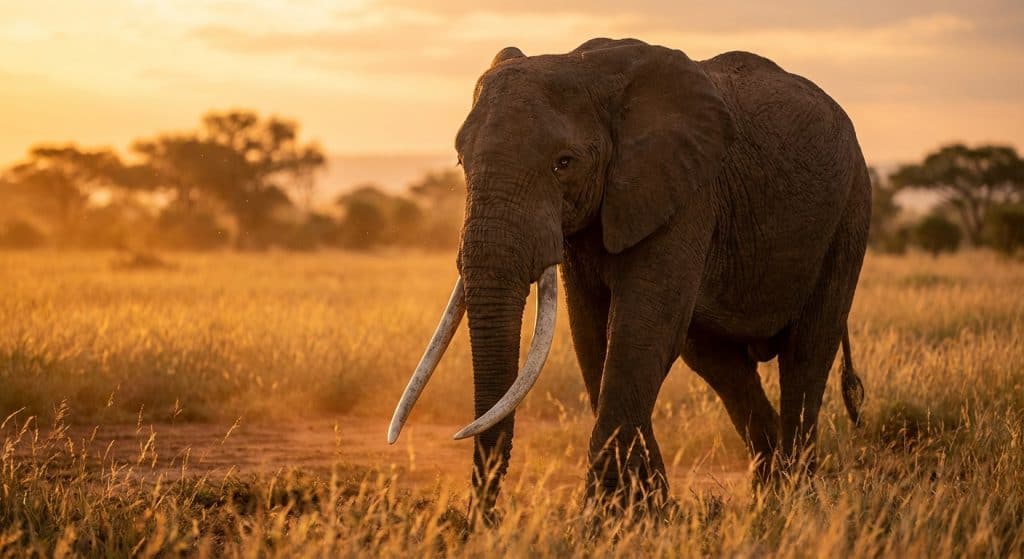
All creatures in an ecosystem need conservation, not only the charismatic ones.
©A-Z Animals
To truly have a positive impact on an ecosystem, all creatures, big and small, charismatic or not, need to be considered. If they are not, an ecological imbalance will be created. Once this imbalance occurs, the long-term functioning of the ecosystem becomes unsustainable.
Saving an ecosystem requires it to be strong and healthy, especially in the face of climate change, habitat loss, and habitat fragmentation. This can only be accomplished by focusing on all species within the ecosystem, rather than just a single species. Only then can real conservation efforts succeed and global biodiversity goals be achieved.