
Quick Take
- In 2025, Florida completed its first black bear hunt in 10 years, achieving 52 successful harvests.
- Proponents and opponents of the hunting season both adamantly voice what they think of 2025’s hunt.
- Despite the hunt’s goal being to manage bear populations, it will not eliminate human-bear conflict.
- Public debates continue after the hunting season, with a full report potentially bringing more answers.
Florida’s first state-sanctioned black bear hunt in a decade finished on December 28th, 2025. Arguments and backlash about this hunt immediately followed.
Supporters of Florida’s black bear hunt contend that regulated hunting is a standard wildlife management tool used across much of the U.S. However, opponents argue that the hunt was unnecessary and even risks normalizing the killing of an animal many Floridians see as part of the state’s identity.
Using reports from the Florida Fish and Wildlife Conservation Commission (FWC) and other scientific reports, we take a closer look at 2025’s Florida black bear hunt. We cover what happened, what the state says it was trying to accomplish by reintroducing the hunt, why opponents are against it, and what ethical hunting and non-lethal alternatives look like for a hunting season like this one.
What Happened During Florida’s 2025 Bear Hunt
In an FWC bulletin announcing the results of the season, the agency revealed it ultimately issued 172 permits via a random drawing process across bear hunting zones within four bear management units, including the East Panhandle, North, Central, and South units. One bear was allowed per permit, and 52 bears were reported as harvested during the season in total, a success rate the agency said is comparable to other states with similar parameters.
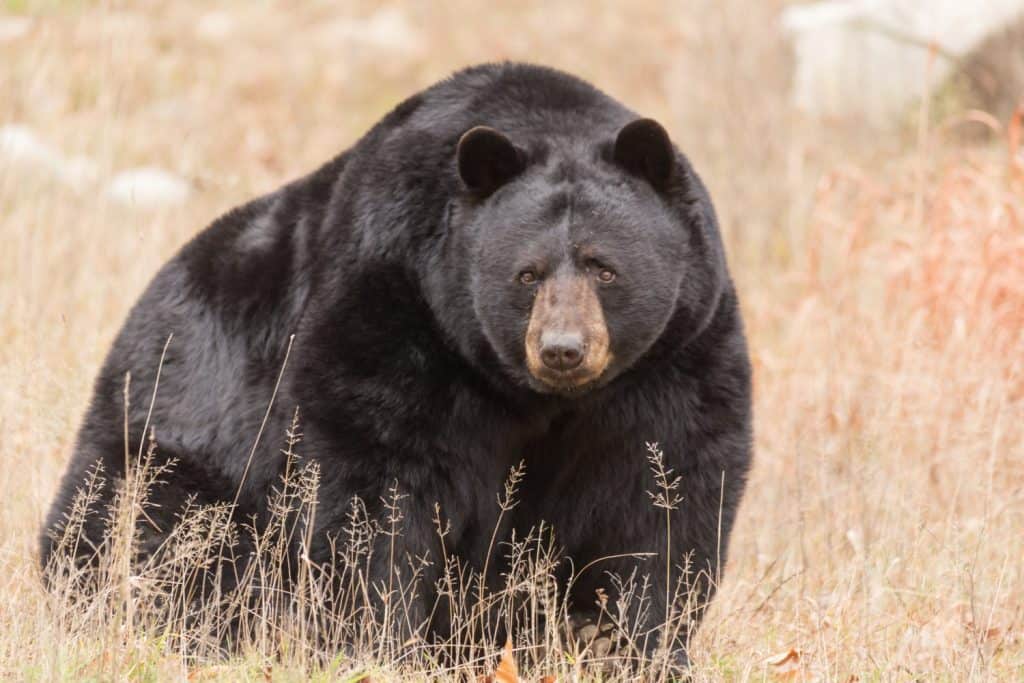
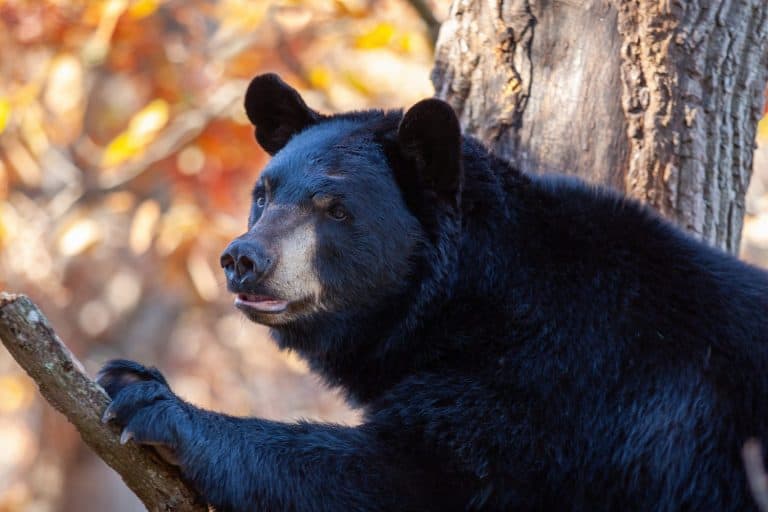
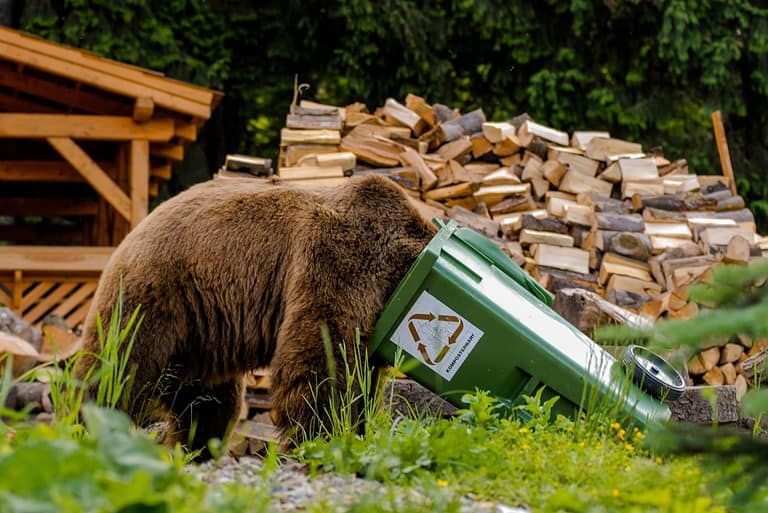
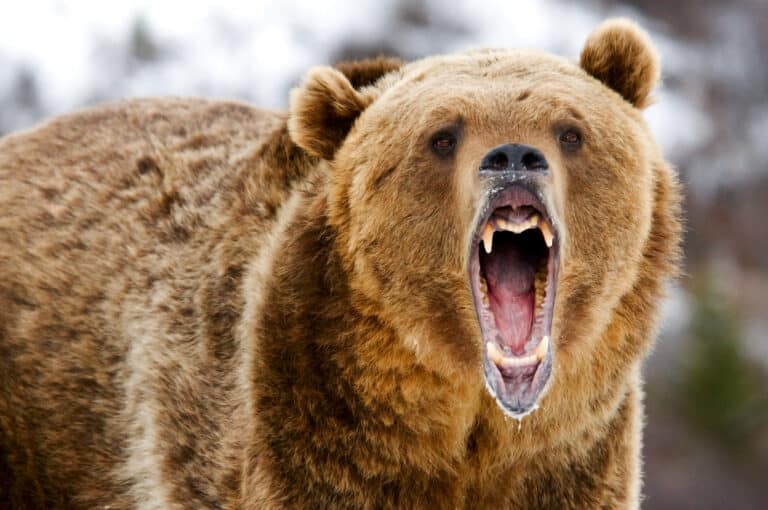
Florida’s black bear hunting season returned after a decade, but to a great deal of debate.
©Josef Pittner/Shutterstock.com
Oversight and data collection are paramount components to any hunting season, but especially so during a reintroduced hunt like this one. The agency noted that every harvested bear was physically checked by staff and contractors, with a full harvest report pending after the organization finishes analyzing all available data.
But these numbers mean very little without looking at the entire picture of Florida’s black bear population. Here’s why supporters of the hunt, as well as FWC, believe the hunt was safe to reintroduce in the state.
Why FWC Says the Hunt Was Justified
In the 2019 Florida Black Bear Management Plan, FWC estimated there were roughly 4,046 bears statewide, with a statistical range of 3,018 to 5,603, based on research that includes genetic analysis from hair samples. Subpopulations exist in certain locations, which were selected for the 2025 hunting season, such as:
- Apalachicola (East Panhandle): ~1,060 bears
- Ocala/St. Johns (Central): ~1,198 bears
- Big Cypress (South): ~1,044 bears
- Osceola (North): ~496 bears

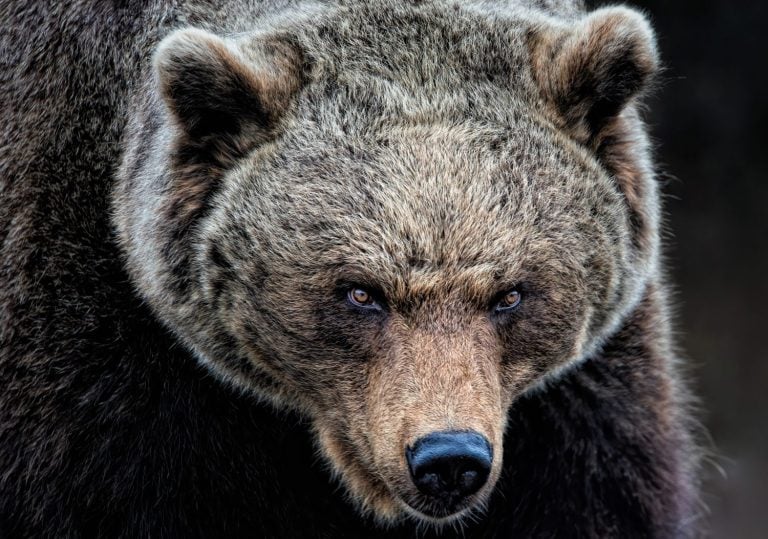
Black bear populations vary widely in Florida, which is why the hunting limits were different depending on the unit.
©knelson20/Shutterstock.com
Florida divides its state bear management units due to the region’s geography and habitat connectivity, as well as the fact that human-bear interactions vary widely across regions. Reintroducing the hunt was based on a number of reasons, as seen in the 2019 population statistics.
Ultimately, if bear numbers are highest in certain regions, and habitat plus human development limits what those regions can support, then regulated harvest can be used to guide the growth rates of the population. Protecting long-term population health is always the goal, but do opponents of the hunting season believe this to be true?
Why Opponents Say Florida’s Black Bear Hunt Misses the Real Problem
Given that human-bear interactions are a key component of why the hunting season was reintroduced, it remains a central issue to those against the hunt. Opponents argue that most conflict with black bears in Florid occur because of:
- unsecured trash and other food attractants
- suburban and exurban sprawl into bear habitat
- people feeding wildlife, both intentionally or indirectly
- a lack of consistent bear-resistant waste systems in high-conflict areas

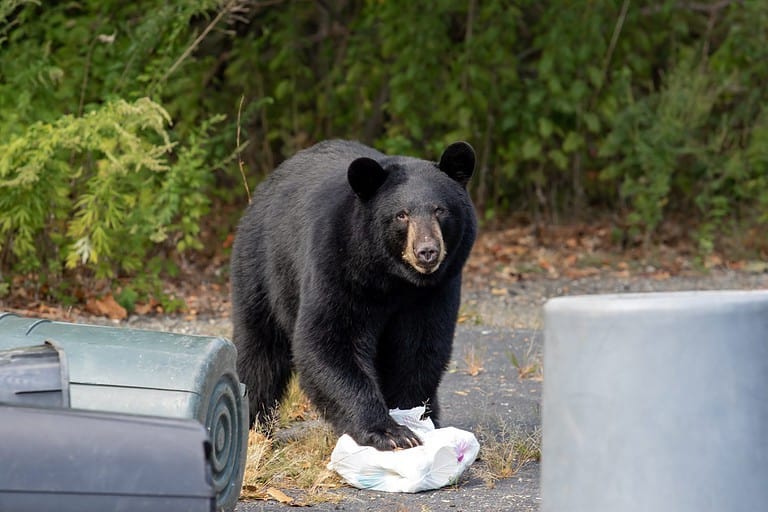
Urban development has threatened black bear/human interactions, which is one reason why the hunt was reintroduced.
©JMP_Traveler/Shutterstock.com
FWC acknowledges that managing bear populations “does not necessarily mitigate human-bear conflicts,” and says conflict prevention still has to continue outside of the hunting season. Critics hear this and can’t fathom why hunting black bears should happen at all if it doesn’t eliminate conflicts. FWC agrees that hunting is just one tool for population management, and that more changes are needed.
Why Past Florida Hunting History Matters Today
Florida’s last bear hunt was in 2015, and it’s still the reference point for nearly every argument surrounding the hunting season today.
In the official 2015 Florida Black Bear Hunt Summary Report, the statistics were as follows:
- 3,776 permits sold
- 304 bears harvested statewide across the four open units
- 59% of harvested bears were female
- 21% of harvested females were lactating, which became one of the biggest issues in public debate

There are many goals involved in Florida’s black bear hunt, including keeping their populations stable.
©Pierre Leclerc/Shutterstock.com
While the harvest was monitored closely and units were closed as numbers approached the statewide objective, many aspects of the hunt left the general public unsettled by the idea. That distrust remained for the 2025 season, despite even stricter hunting rules and protocols.
The True Goals of Florida’s Black Bear Hunting Season
Wildlife management institutions across the United States have specific goals when it comes to hunting seasons. Florida’s reasons for reintroducing their black bear hunt include:
- Biology goals: keep populations stable
- Public safety goals: reduce dangerous encounters between humans and bears
- Social goals: reduce conflict between neighbors and prevent illegal killing of animals
- Ethical goals: ensure any lethal control is humane and justified
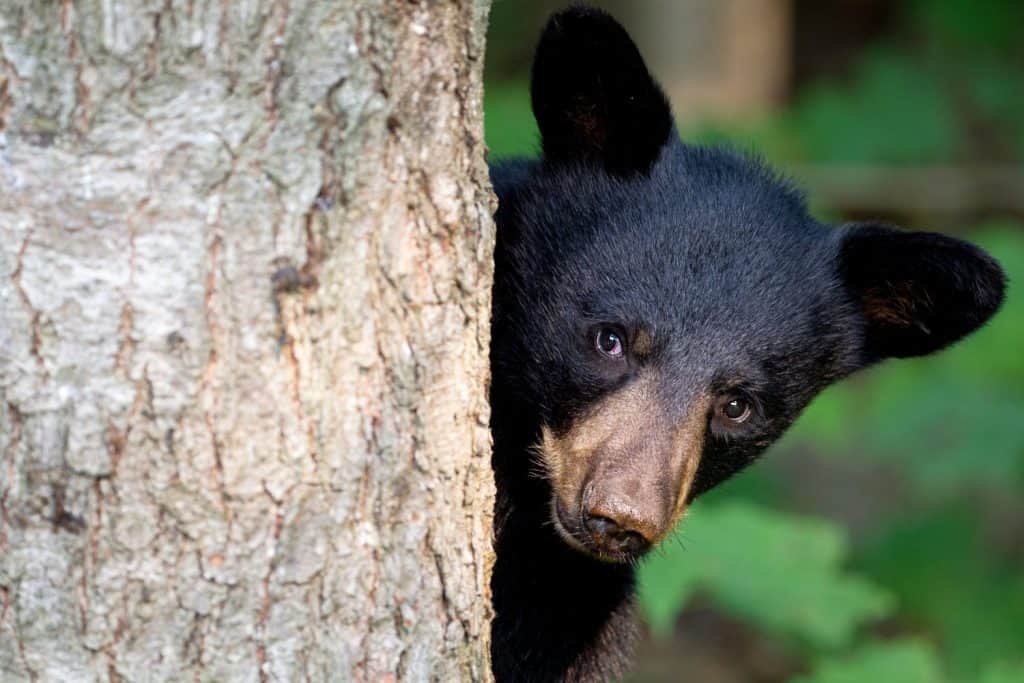
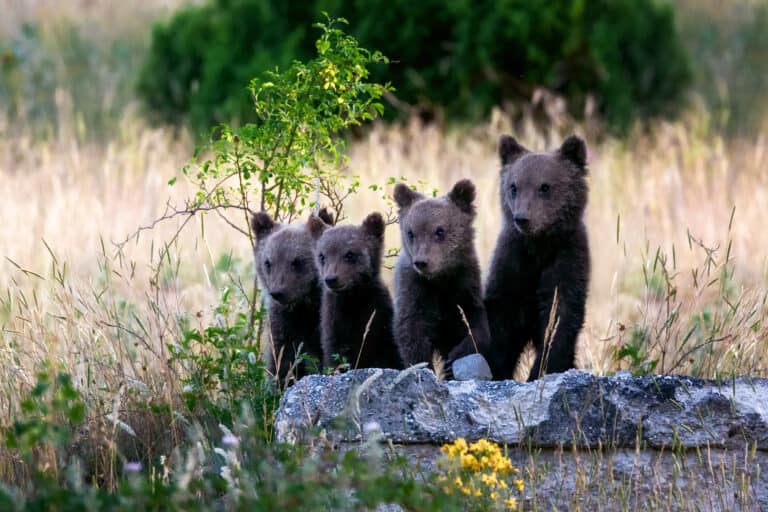
Cubs and family groups are typically protected from hunting, but adult females are not always excluded from harvest during black bear hunting seasons.
©Christopher MacDonald/Shutterstock.com
At the end of the day, a hunt on its own will not solve human-bear conflict or exploding population numbers. Likewise, conflict prevention on its own may not address the growth of Florida’s most robust black bear subpopulations if habitat and connectivity can’t keep up.
What “Ethical Hunting” Means in This Debate
Ethical hunting is meant to be a set of decisions aimed at minimizing suffering and avoiding irresponsible take, but many people don’t understand this about hunting. When agencies and hunter-education programs talk about ethical big-game hunting, non-negotiables usually include:
- Respecting prohibitions on cubs and family groups, and doing no harm when there’s any uncertainty
- Taking high-percentage shots and passing on marginal angles or distances
- Tracking and recovery every step of the way, including immediate follow-up when a shot is taken
- Using appropriate equipment and practicing beforehand
- Field care and use of meat, not waste
- Following access rules, including landowner permission and WMA regulations
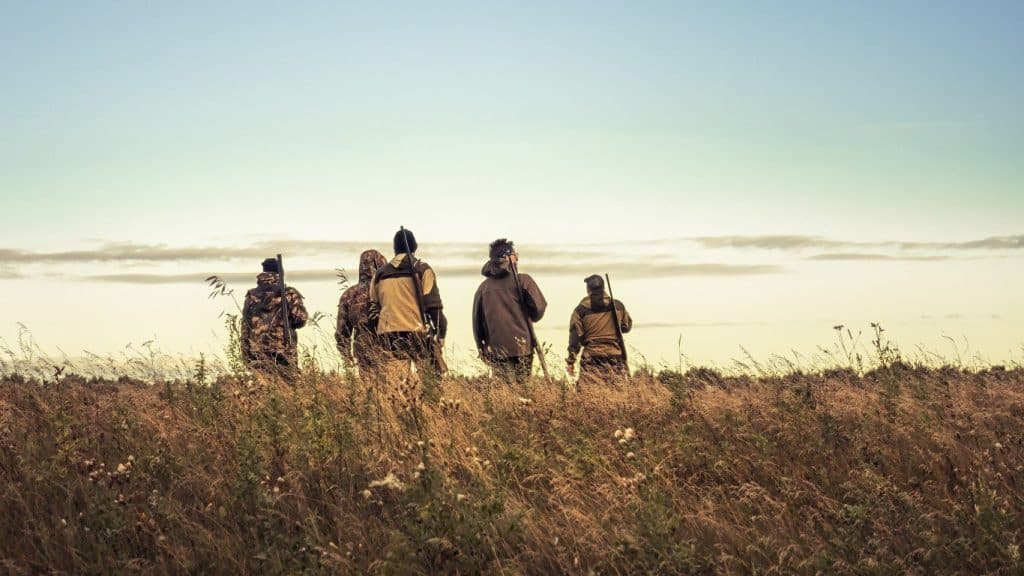
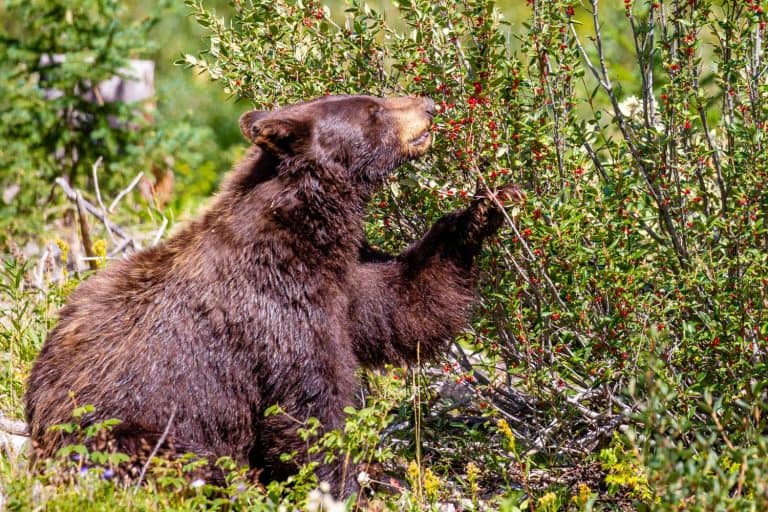
Hunting seasons are designed to be sustainable and ethical, contrary to popular belief.
©splendens / iStock via Getty Images
FWC’s 2025 structure kept the hunting season tightly controlled, and supporters stated that’s exactly what responsible hunting is supposed to look like. However, opponents don’t tend to see it in such a positive light.
Non-Lethal Alternatives to Florida’s Rising Bear Population
There are always alternatives to hunting, but they’re not simple. A realistic non-lethal strategy usually stacks multiple tools, tools that Florida may introduce when budgets can tackle them:
- Bear-resistant trash systems in high-conflict areas
- Attractant ordinances that treat things like garbage ot outdoor pet food as community-level issues
- Public education working in tandem with action
- Targeted response to problem bears, which can include relocation or lethal removal when a bear repeatedly poses a public safety risk
- Habitat and connectivity work so bears aren’t funneled into roads and neighborhoods as development expands
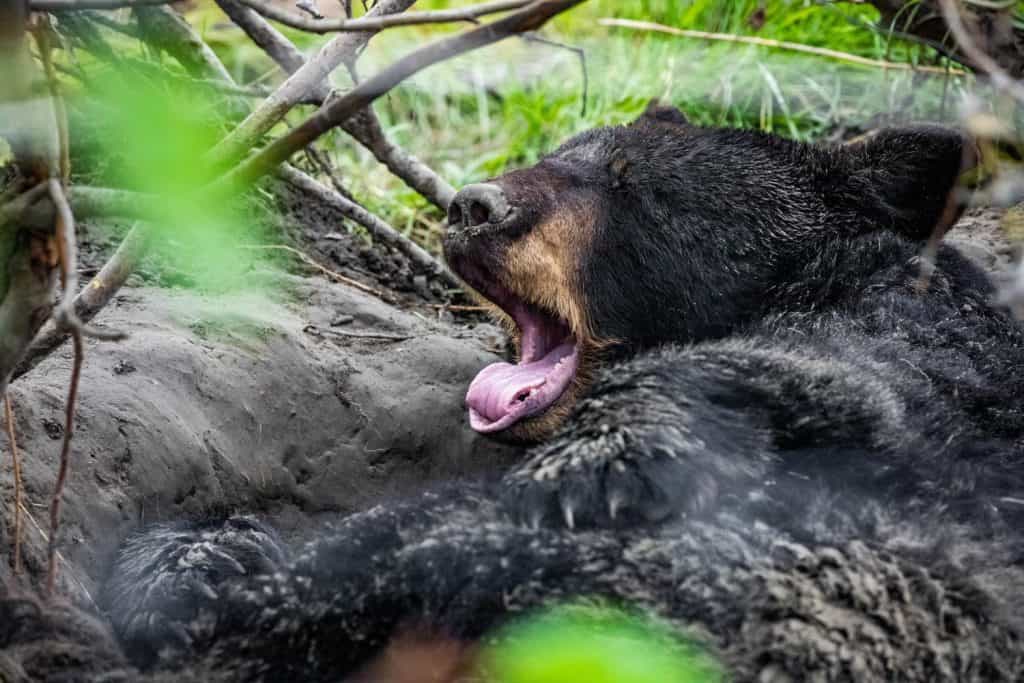
Communities can do their part to protect black bear populations by securing their trash.
©Photo Spirit/Shutterstock.com
Even strong opponents of hunts often agree on one thing: if communities don’t secure food attractants, bears will keep coming back. That’s why the hunt and Florida’s black bear population in general has become a widespread topic of debate.
What Happens Next For Florida’s Black Bear Hunt
The data gathered during Florida’s 2025 hunting season will influence future management decisions. However, politically, the hunt has already become bigger than anyone expected. The primary question remains: Should black bears be managed like other game species or treated as a protected animal through coexistence policies?
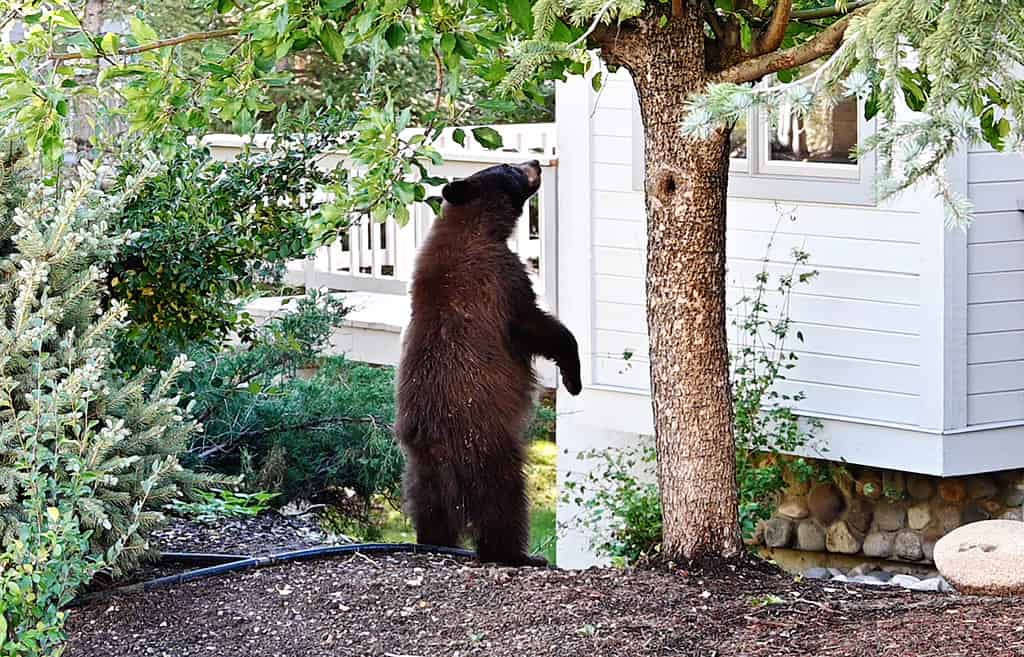
Florida will evaluate the data from the 2025 hunt to organize future hunting seasons.
©steverts/iStock via Getty Images
Either way, Florida is unlikely to escape the underlying challenge facing much of the state: bears and people are sharing more space, making conflict more likely. While a hunt is one solution, it is not the only solution.