
Quick Take
- The Asian swamp eel is an invasive creature spreading through certain U.S. waterways.
- This creature is capable of breathing air and taking over wetland habitats, given its indiscriminate diet.
- These predators utilize sex changes to sustain reproduction when initial population numbers are low.
- Following the Clean, Drain, Dry process is strongly recommended to prevent human-assisted migration of Asian swamp eels and other invasive species.
The Asian swamp eel is an air-breathing, mud-loving predator spreading throughout the United States. These slithering threats are hard to detect and built to survive conditions that affect native fish populations. But how much trouble are they actually causing?
This article details important information about Asian swamp eels, like where they are being found and how they arrived in the U.S. in the first place. To uncover the truth about these creatures, we dug deep, citing research from wildlife experts to determine why they are raising so many alarms.
Learn what Asian swamp eels are, why their biology makes them problematic in rivers and wetlands, how they are introduced and spread, and what anglers and pet owners can do to help prevent further invasion. Let’s dive into these invasive species and the potential damage they’re causing in the United States.
The Asian Swamp Eel
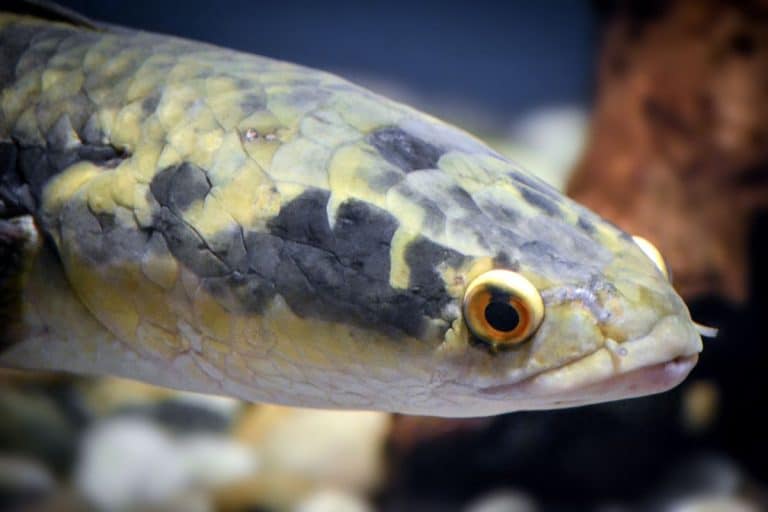
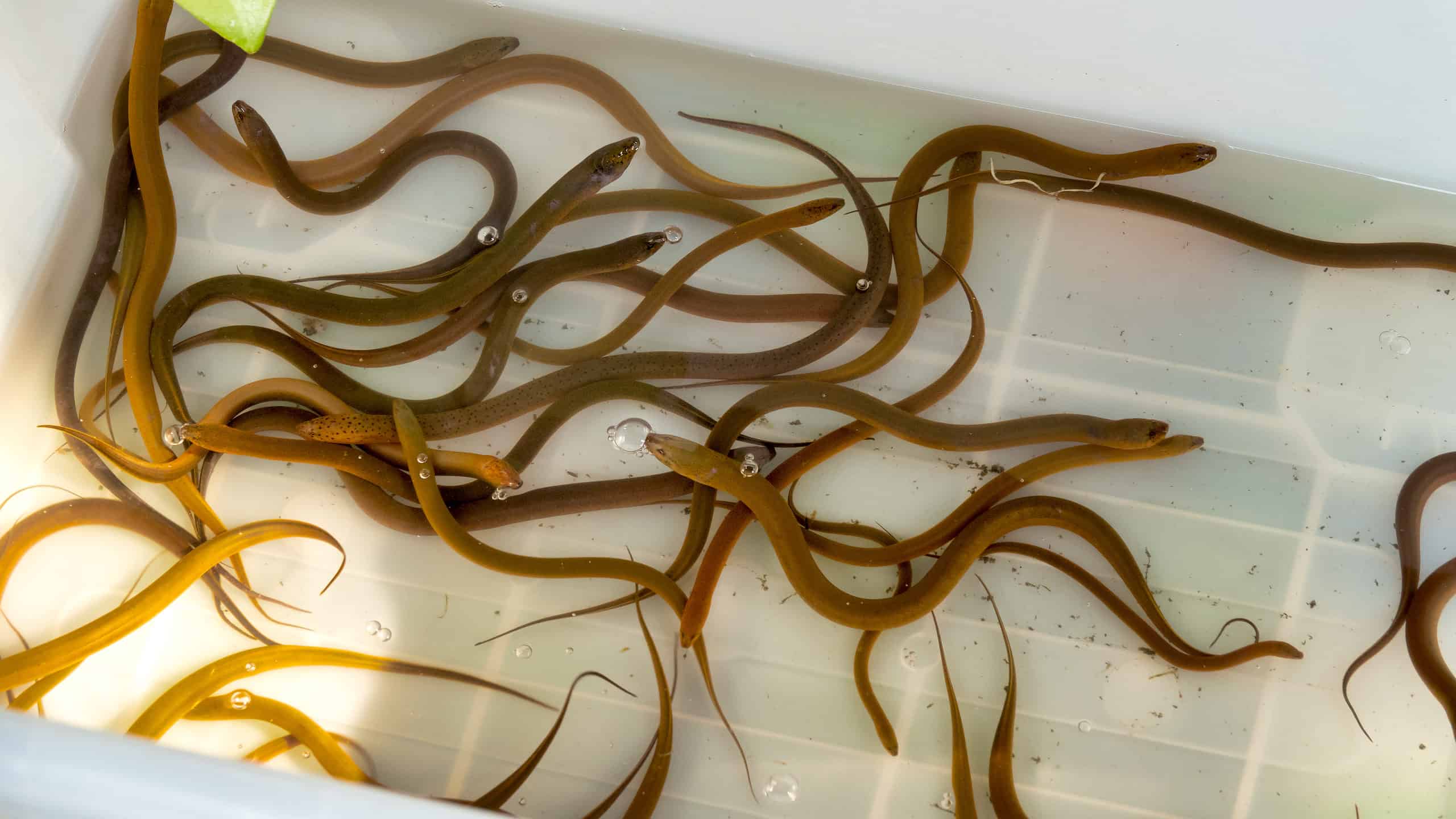
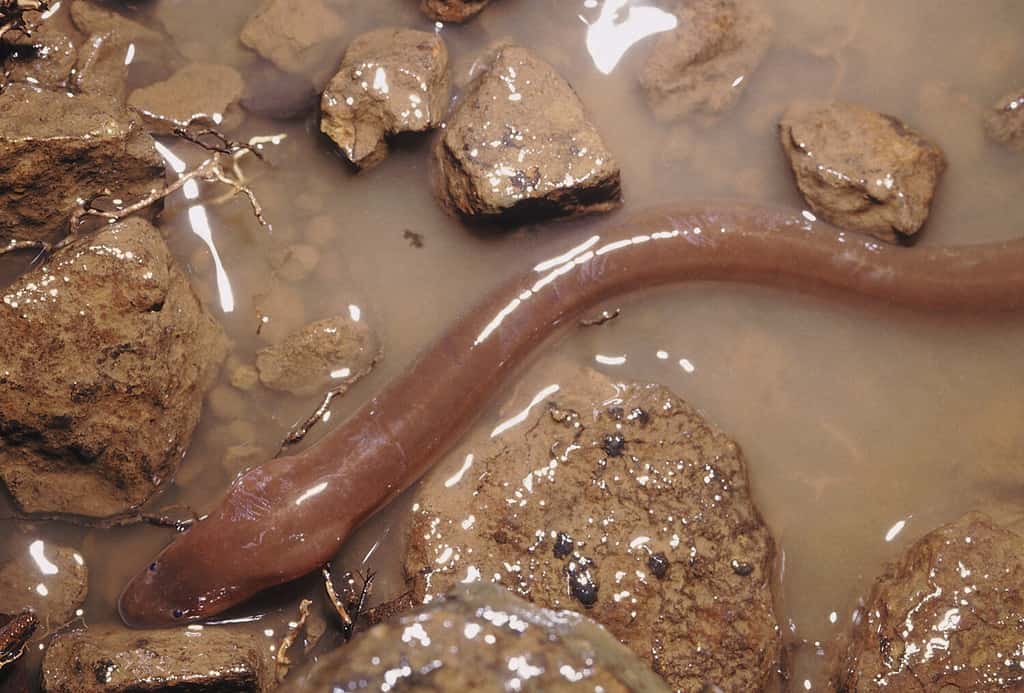
Despite its name, the Asian swamp eel (Monopterus albus) isn’t actually a true eel. It is a long, snake-like freshwater fish native to Southeast Asia, China, and parts of India. The USGS Nonindigenous Aquatic Species factsheet states that they’re often confused with American eels and even lampreys given their shared habitats and general shape. However, these animals are missing key features like pectoral fins, and they also have a distinctive gill shape that helps identify them.
Adaptable and invasive, Asian swamp eels are taking over certain waterways and wetlands.
©RealityImages/Shutterstock.com
These animals are also unusually adaptable, which cannot be said for most eel or lamprey species. For example, Georgia’s wildlife agency describes the Asian swamp eel as able to live in a wide range of freshwater habitats, including wetlands, marshes, streams, canals, and ponds. They also tolerate low oxygen conditions and even cold snaps, which is part of why they can persist once established.
Additionally, Asian swamp eels have the remarkable ability to change their sex, which can help a population keep reproducing even when their numbers are low.
Why Wildlife Experts Take the Asian Swamp Eel Seriously
The Asian swamp eel’s threat level isn’t consistent across states, but many wildlife agencies are painfully aware of the invasive creature. For example, Florida’s wildlife agency notes that while the species may spread slowly in parts of the state, negative impacts on native fishes and decapods have already been documented, and the overall risk is considered high.
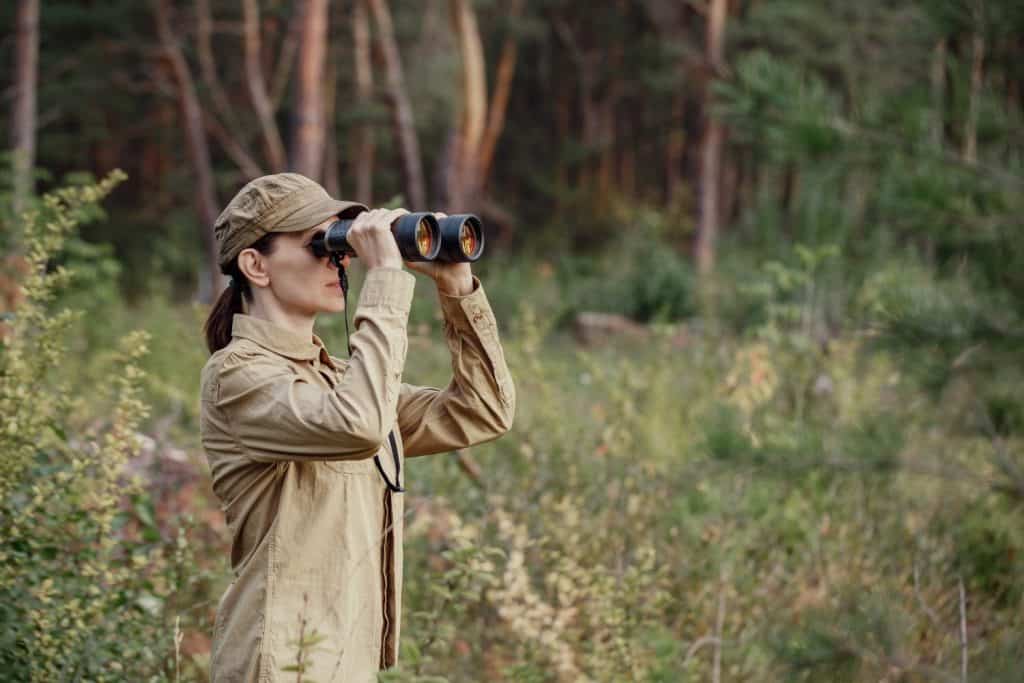
Wildlife officials are concerned about Asian swamp eels, given just how quickly they spread.
©n.k.junky/Shutterstock.com
In fact, a 2025 open-access study reports that, after their establishment in Taylor Slough, the average fish and decapod richness declined, with total small fish and decapod biomass dropping substantially, and the biomass of key prey for nesting wading birds declining even more sharply.
While overall impacts can vary by habitat and invasion stage, there is clear evidence that swamp eels can seriously affect aquatic communities where conditions favor them. And they aren’t exactly easy to get rid of, even in places with known populations.
The Biology That Makes Swamp Eels Hard to Stop
Asian swamp eels have a few traits that make them a management headache, and these traits are extremely unique.
For example, Asian swamp eels can breathe air and tolerate low-oxygen water, which is why they do well in stagnant, often ignored waters. They are described as air-breathing fish that can survive out of water for extended periods, allowing them to persist in a wide range of environments and survive conditions that would kill other species. On top of these factors, they can easily move from one wetland to another.
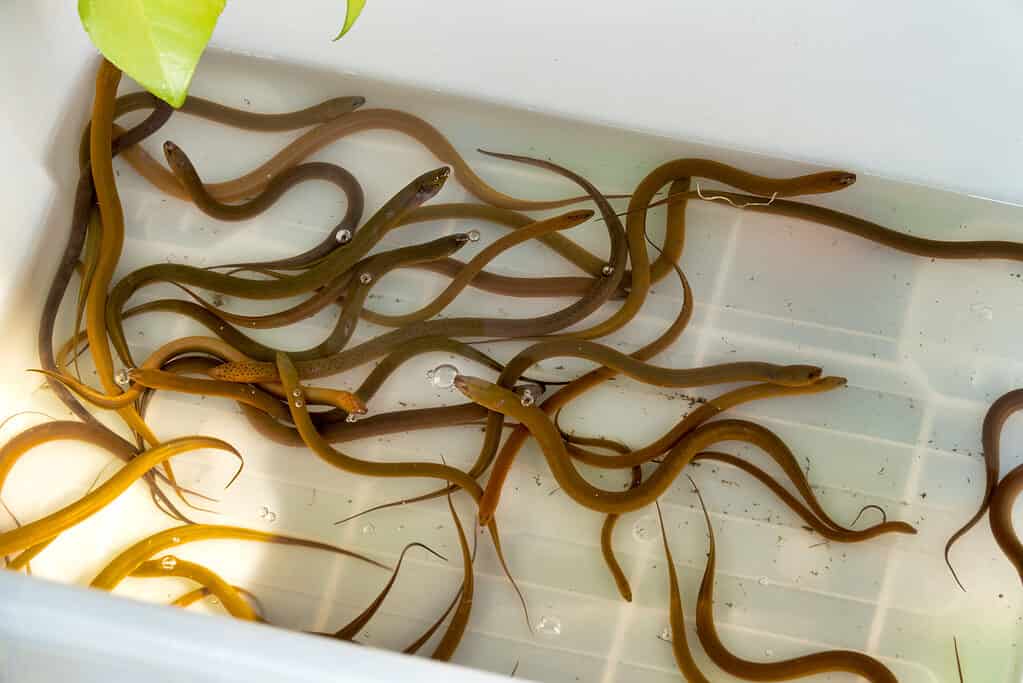
Asian swamp eels are native to southeast Asia but have been introduced into Florida and Georgia in the United States.
©iStock.com/only_fabrizio
These highly adaptable fish also have a flexible reproductive strategy. Recent research describes them as capable of starting life as females, with some transitioning to males, and reproduction can often occur year-round in suitable conditions.
Finally, these creatures have a broad, indiscriminate diet. They’ve been observed taking fish, shrimp, crayfish, frogs, turtle eggs, and aquatic invertebrates, which is exactly the kind of generalist diet that can allow an invasive species to multiple, destroying or irrevocably altering a wetland ecosystem.
How Asian Swamp Eels Enter U.S. Waters
It’s too late to stop them now, but how did Asian swamp eels enter U.S. waterways in the first place?
There are two likely answers to this question: imported food as well as importation for the aquarium trade. Swamp eel introduction dates go back as far as the early 1900s in Hawaii and the mid-1990s on the continental U.S., with Florida and Georgia introductions likely tied to aquarium releases and potential escapes in particular.
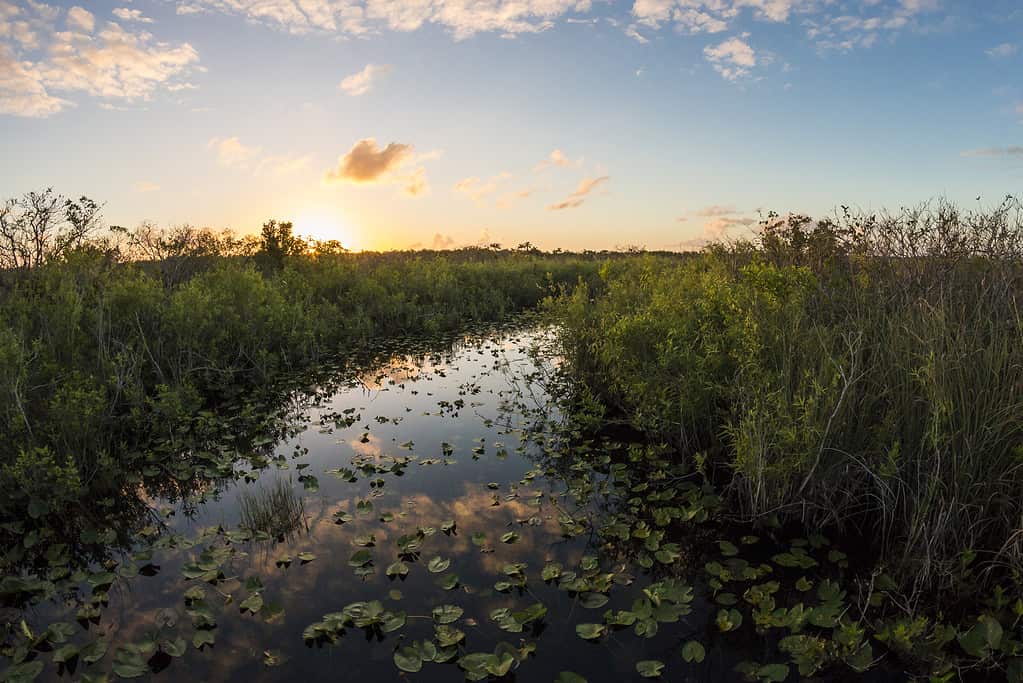
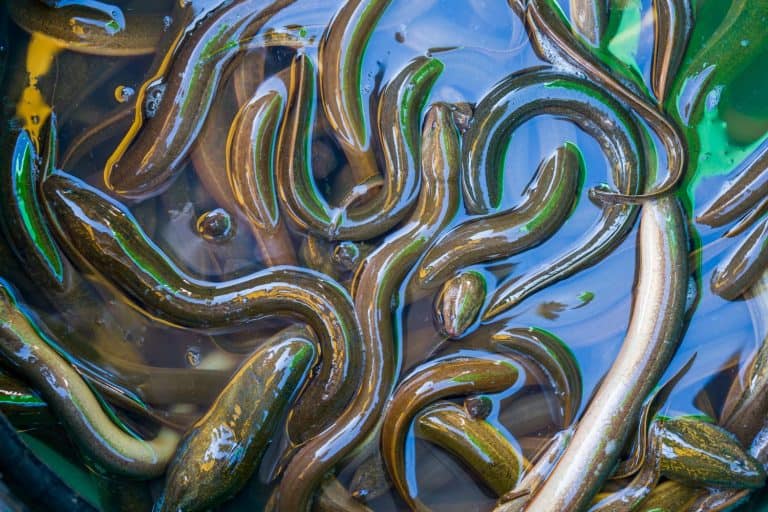
Asian swamp eels can traverse waterways with ease, given their ability to breathe air.
©BlueBarronPhoto/iStock via Getty Images
Once these eels are in a region, spread can easily happen in multiple types of waterways, especially canals and connected wetlands. Humans can also assist their spread by transporting live animals, dumping unwanted pets, mishandling live bait and gear, or unknowingly supporting an invasive species.
So, where are they most commonly found?
Where Asian Swamp Eels Have Been Found in the U.S.
While reports of this invasive species are continually occurring, some states have confirmed multiple Asian swamp eel sightings.
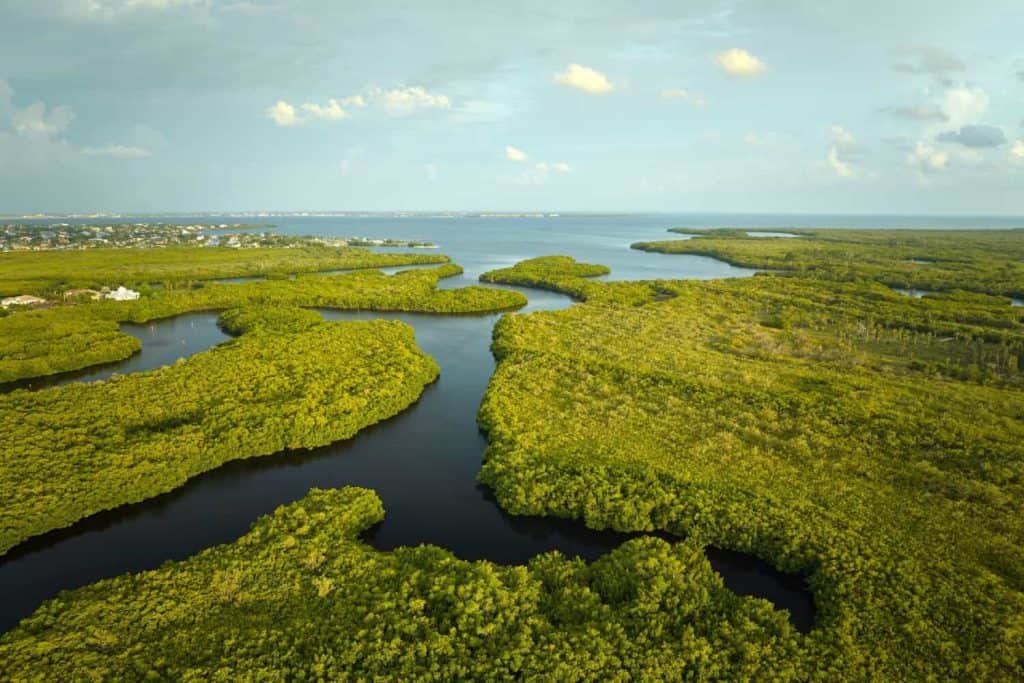
Beyond Florida, Asian swamp eels have been discovered in Georgia and New Jersey.
©Bilanol/Shutterstock.com
A 2025 federal screening document for the swamp eel lists reports from Florida, Georgia, New Jersey, and Hawaii as having established wild populations, while reports from Illinois, Missouri, and Texas also exist.
However, it also explains that some locations, including several in the central U.S., were associated with live markets, pet stores, or enforcement collections rather than confirmed wild establishment. Plus, New Jersey’s state-confirmed detection is limited to a specific, private lake, making it more difficult for the population to spread to other waters.
As of early 2026, established wild populations of Asian swamp eels are confirmed in Florida, Georgia, New Jersey, and Hawaii, while isolated reports in other states are primarily linked to live markets or enforcement actions.
What Anglers Can Do to Combat Asian Swamp Eels
Most new aquatic invasions and established invasive species begin with small, avoidable mistakes, which is why it’s important to do your part as an angler.
The U.S. Fish & Wildlife Service “Clean, Drain, Dry” guidance is a great go-to resource, as it outlines how cleaning and drying gear, draining all water, and disposing of unwanted bait and fish parts in the trash helps prevent invasive species from spreading.
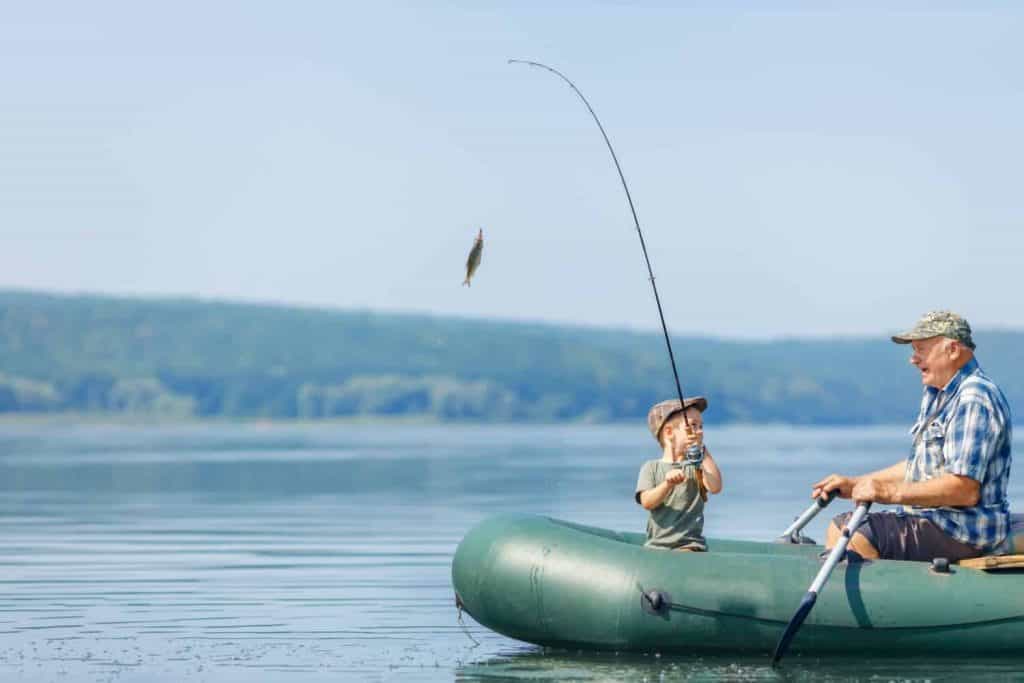
Practicing safe angling habits can help prevent the Asian swamp eel from spreading.
©Alter-ego/Shutterstock.com
Ultimately, if you catch something eel-like and suspicious on your next fishing trip, don’t assume it’s a native American eel. Learn how to quickly ID the Asian swamp eel based on its absence of pectoral fins, or retain the specimen if possible and contact your regional fisheries office.
This same mentality applies to pet stores and aquarium owners. Make sure you’ve positively ID’d the eel you’re looking to purchase and never release unrecognized creatures into a wild ecosystem. You never know what harmful effects it might have.
Preventing Asian Swamp Eels in the Future
Asian swamp eels are a concern primarily because they can arrive in waterways through everyday human behavior. While some local impacts are uncertain or limited, research suggests the potential for serious ecological damage is real, including sharp declines in small fish and decapod prey that support wading birds.
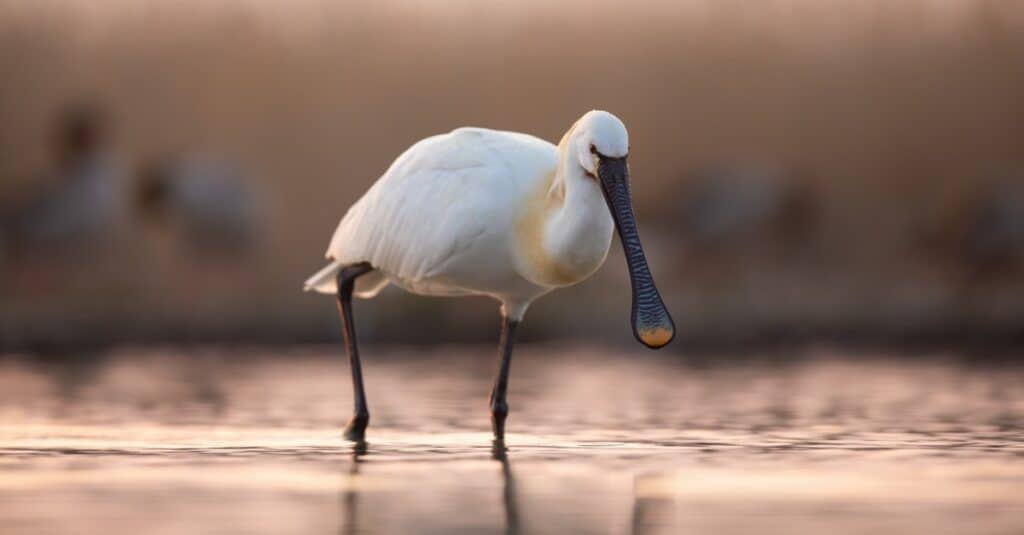
Wading birds are deeply affected by Asian swamp eel populations.
©iStock.com/JMrocek
Prevention is the best way to keep these eels out of wetlands and waterways. Common practices, such as reporting suspicious catches through state wildlife channels and treating aquarium releases as true ecological harm, can keep these invasive eels from becoming the next permanent (and terrifying) feature of American waterways.