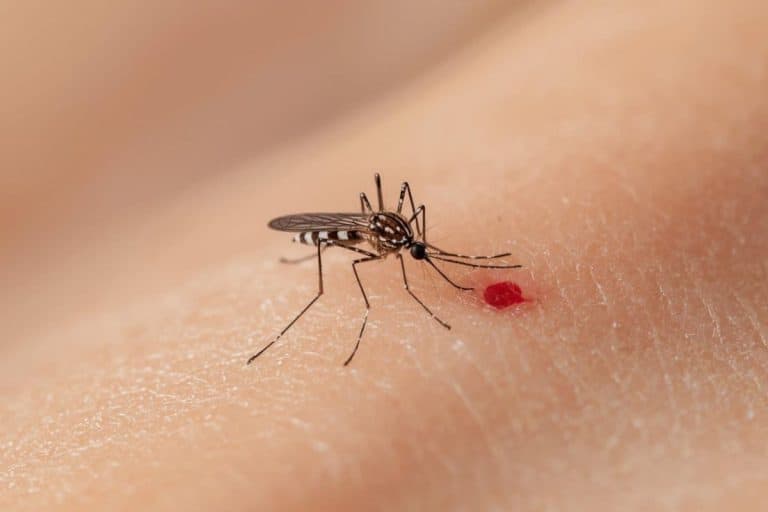
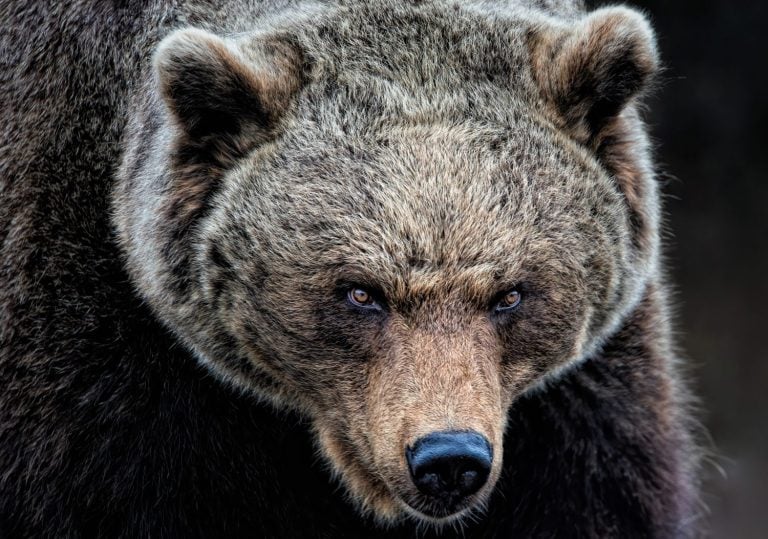
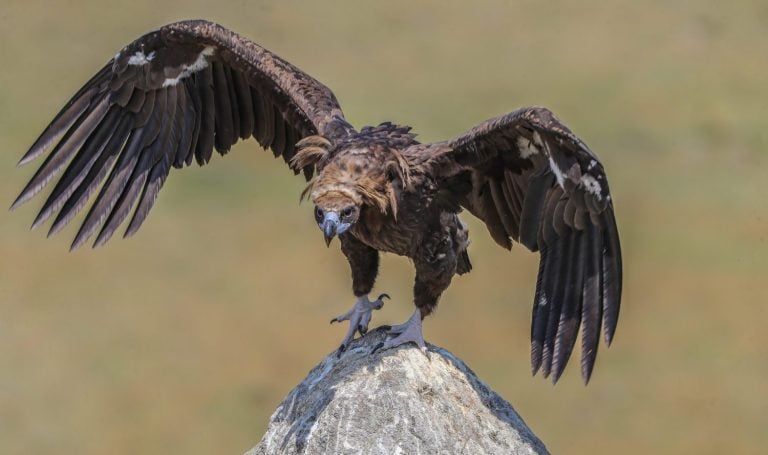
Throughout the animal kingdom, certain species have earned notoriety for their ability to kill humans, whether through direct attacks or disease transmission. While the tiny mosquito kills more humans than any other animal, the vertebrate world contains its own set of deadly contenders. Some animals kill in large numbers without ever touching their victims, while others rely on raw power, speed, or predatory skill. For the purposes of this slideshow, we measured danger by number of human fatalities the animal is responsible for each year. The resulting list of human-killing animals is fascinating, and at times surprising!
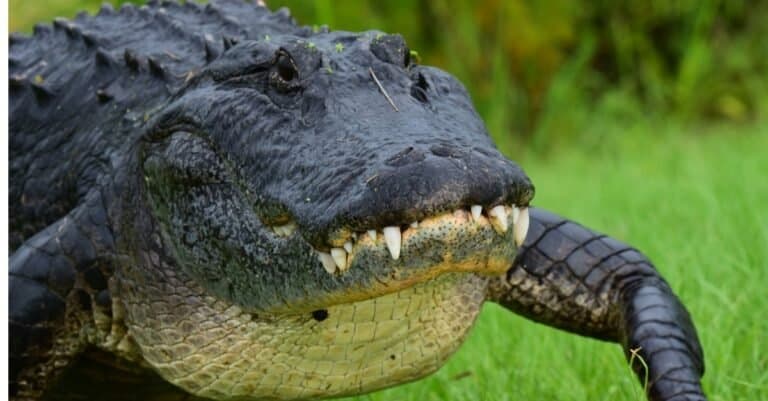
Some animals on this list are known for their man-eating ability. The Nile crocodile is feared throughout its African territory, and has a reputation for launching brutal and unsuspecting attacks on its victims. Their stealth and power make them incredible apex predators, and their native habitats put them in close proximity to humans. Likewise, sharks inspire fear in countless beach goers, from those who surf on a regular basis to the occasional seaside vacationer. However, for amphibians and birds, there are no species that regularly kill humans.
This slideshow ranks the top three most dangerous animals across each vertebrate category. It highlights nature’s raw power, and offers a reminder of our complex relationship with other species. Many of these human-killing animals are not predators targeting humans for food. Instead, these creatures are acting out of defense or territorial instincts, or sometimes unknowingly spreading deadly pathogens. Understanding their interactions with humans can help us minimize danger while respecting the ecosystems they dominate.
Most Dangerous Mammal: Human

©Getmilitaryphotos/Shutterstock.com
- Humans cause over 400,000 human deaths annually through violence, war, and accidents.
- Environmental destruction and resource depletion driven by humans contribute to millions more indirect deaths.
- Our global reach and advanced technology make humans the most lethal species to ourselves.
2nd Most Dangerous Mammal: Dog
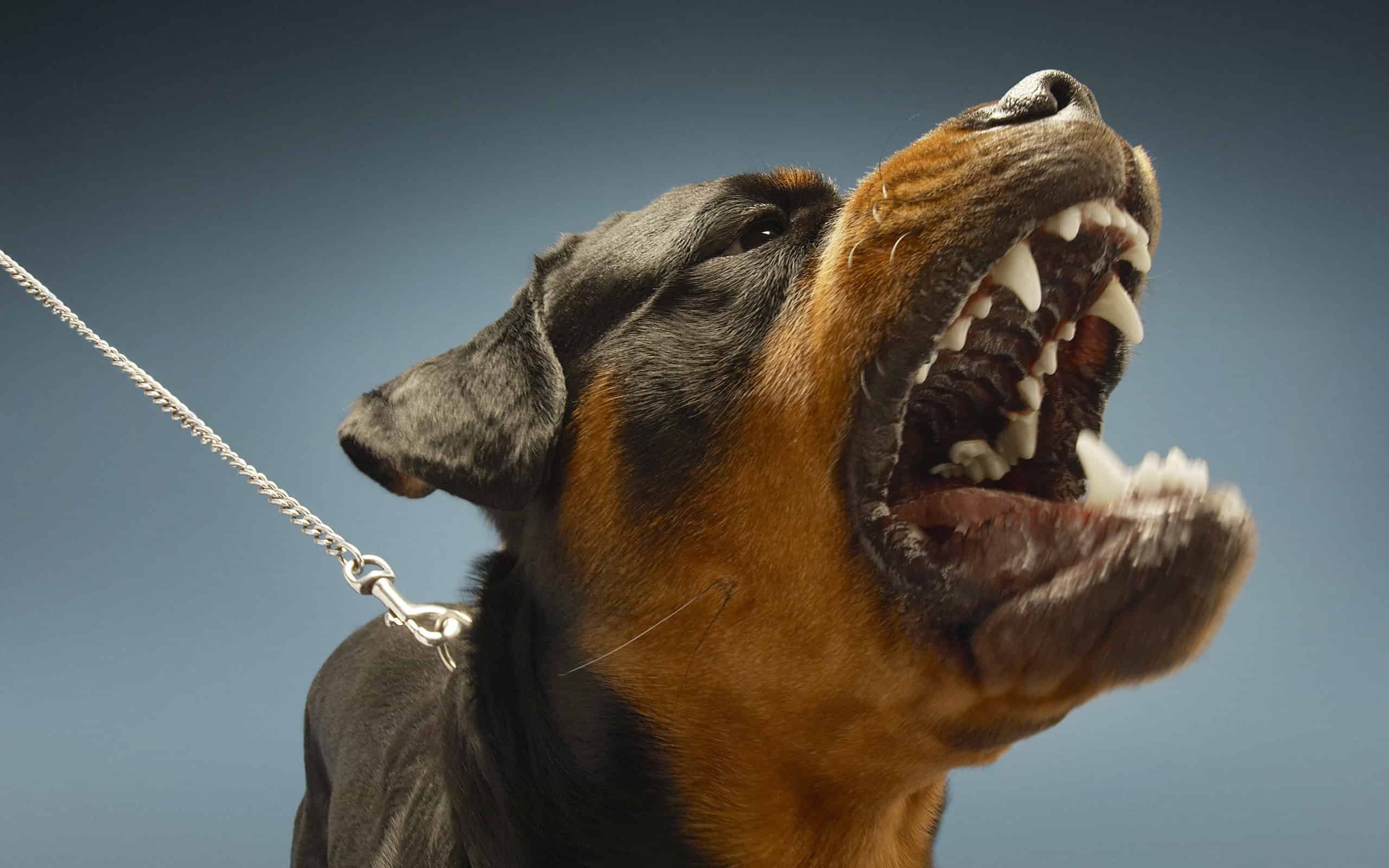
©IPGGutenbergUKLtd/iStock via Getty Images
- Dogs kill 25,000–30,000 people each year, mostly due to rabies transmitted via bites.
- Stray and unvaccinated dogs are the primary risk in regions without rabies vaccination.
- Prevention relies on vaccination, public education, and controlling stray populations.
3rd Most Dangerous Mammal: Hippo
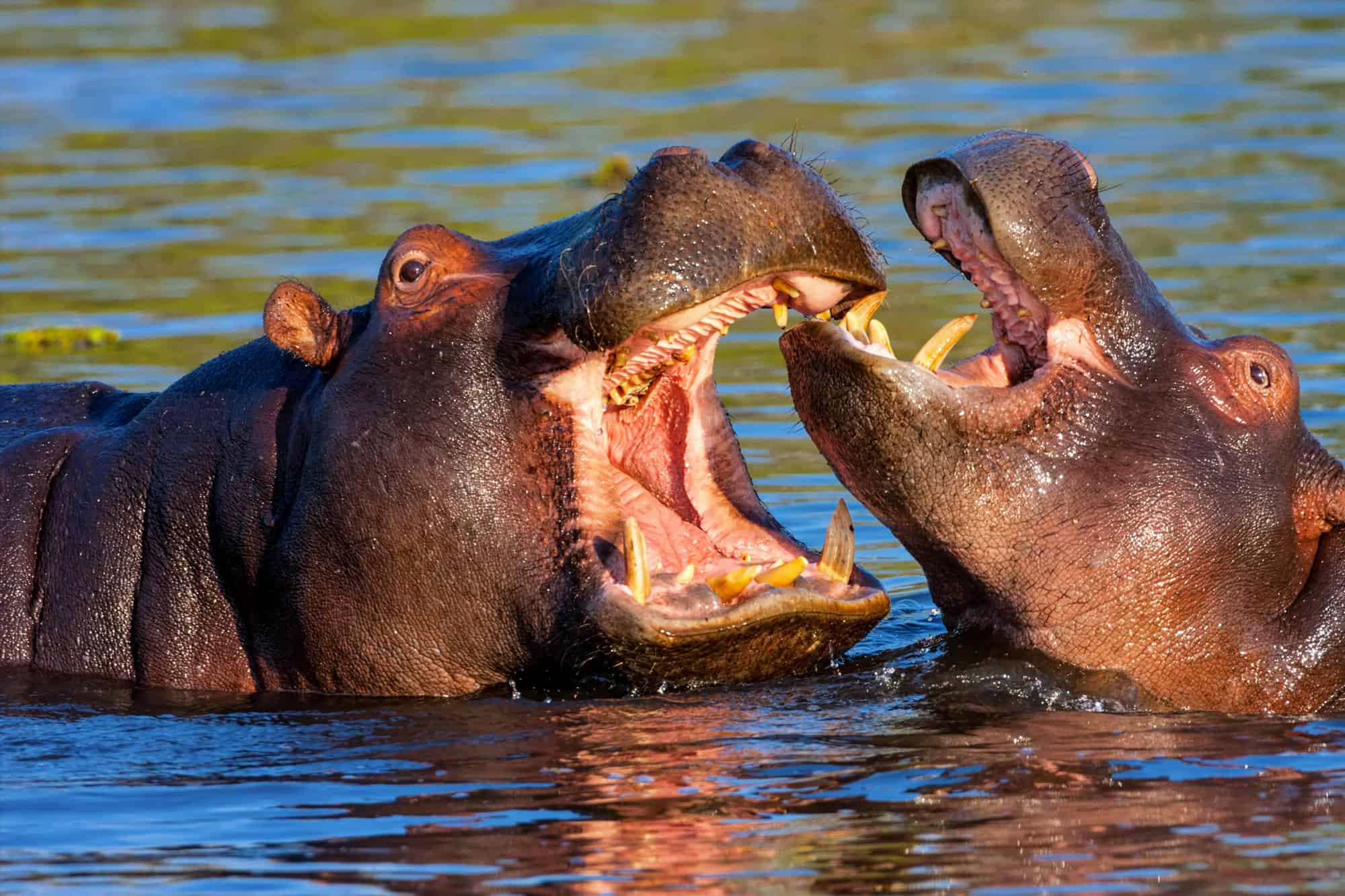
©iStock.com/mesut zengin
- Hippos kill an estimated 500 people per year in Africa.
- They can run up to 20 mph and aggressively charge boats or intruders.
- Hippos are extremely territorial and protective of their young.
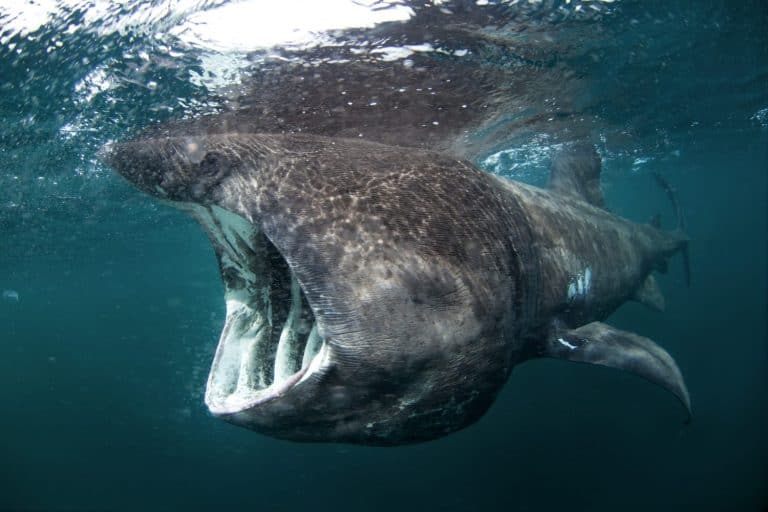
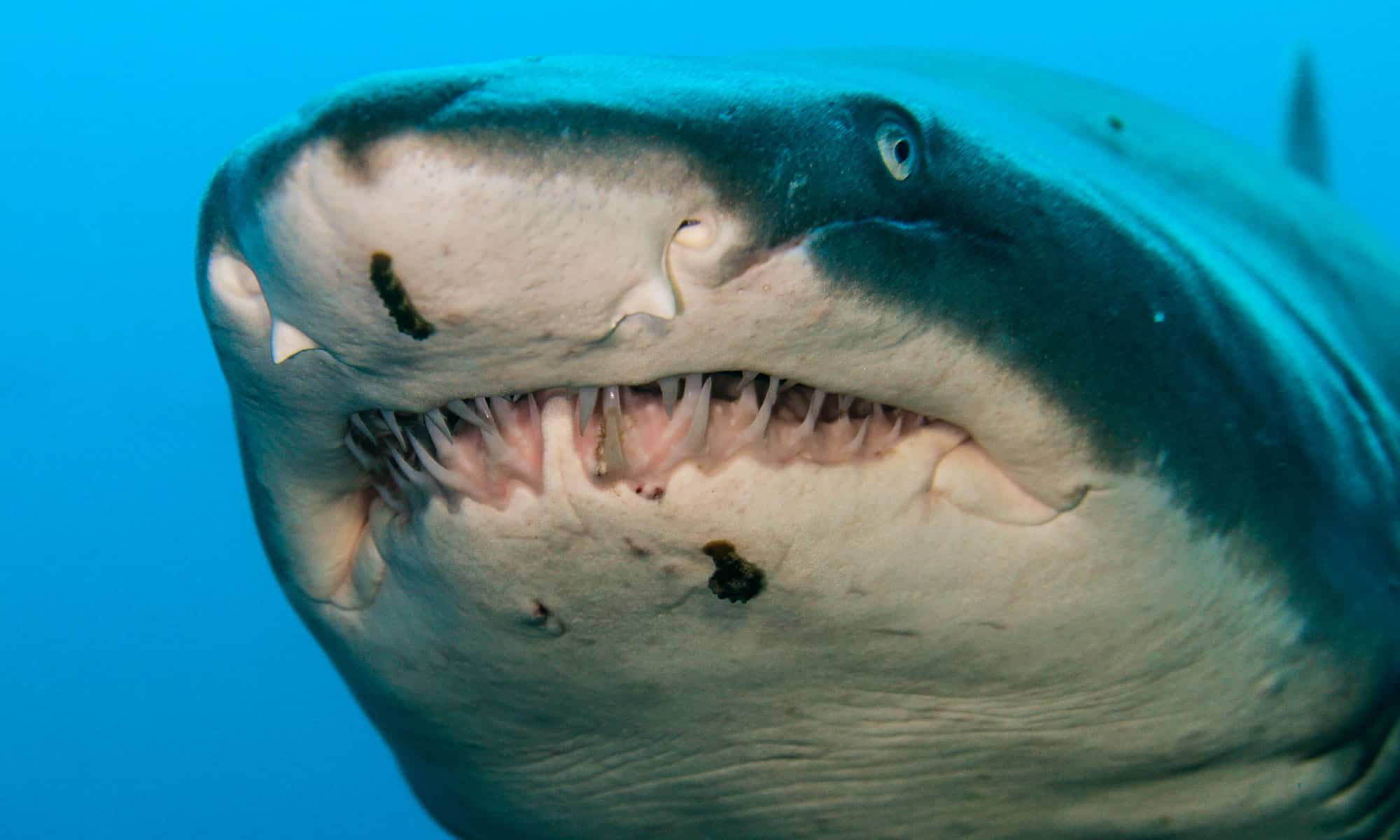
Most Dangerous Fish: Shark
©Michael Rothschild/Shutterstock.com
- Sharks kill 5–10 people worldwide annually, mostly via unprovoked attacks.
- Attacks often occur in popular swimming or surfing locations.
- Great white, tiger, and bull sharks are behind most fatal encounters.
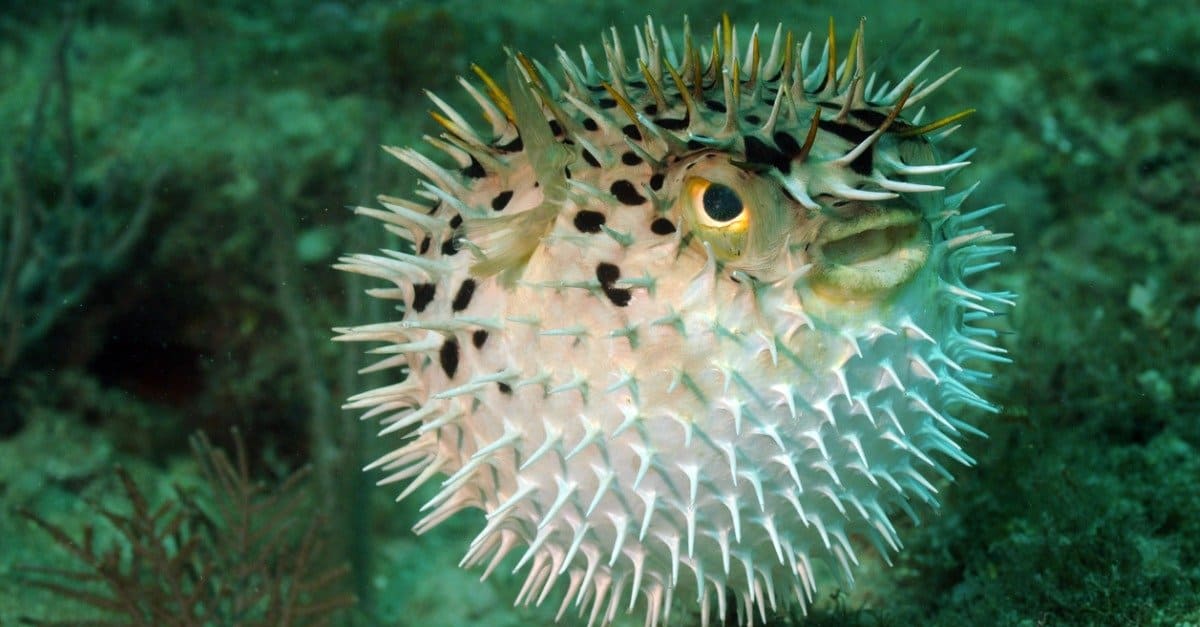
2nd Most Dangerous Fish: Pufferfish
©iStock.com/FtLaudGirl
- Pufferfish contain tetrodotoxin, which is 1,200 times more poisonous than cyanide.
- Fatalities occur from eating improperly prepared pufferfish, especially in Asia.
- There is no known antidote for tetrodotoxin poisoning.
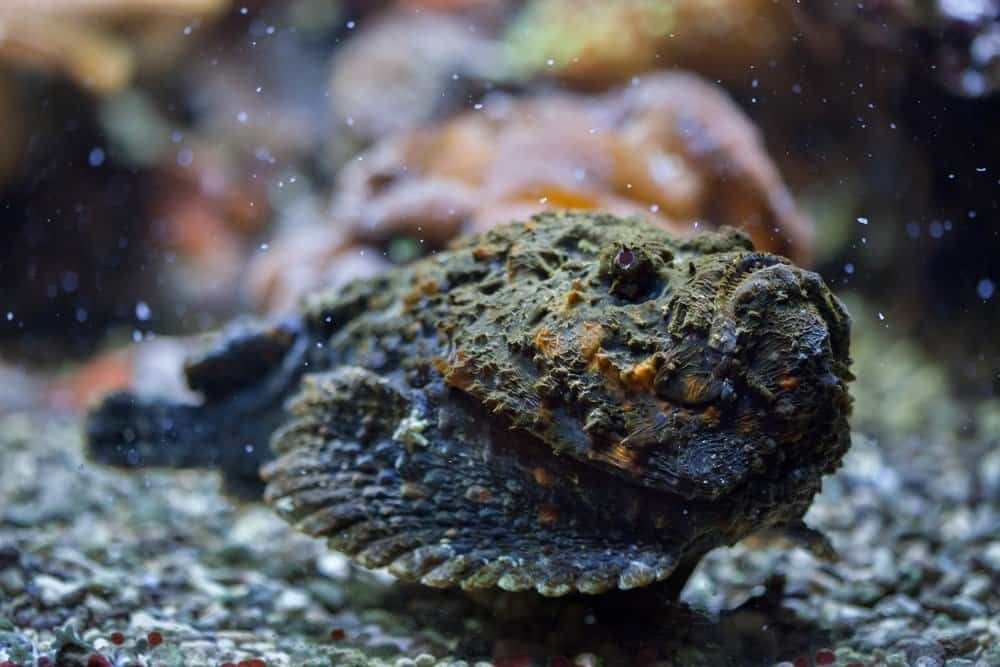
3rd Most Dangerous Fish: Stonefish
©Vladimir Wrangel/Shutterstock.com
- Stonefish can cause death with venomous spines that deliver intense pain.
- They camouflage so well they are often stepped on accidentally.
- Immediate treatment is critical for survival.
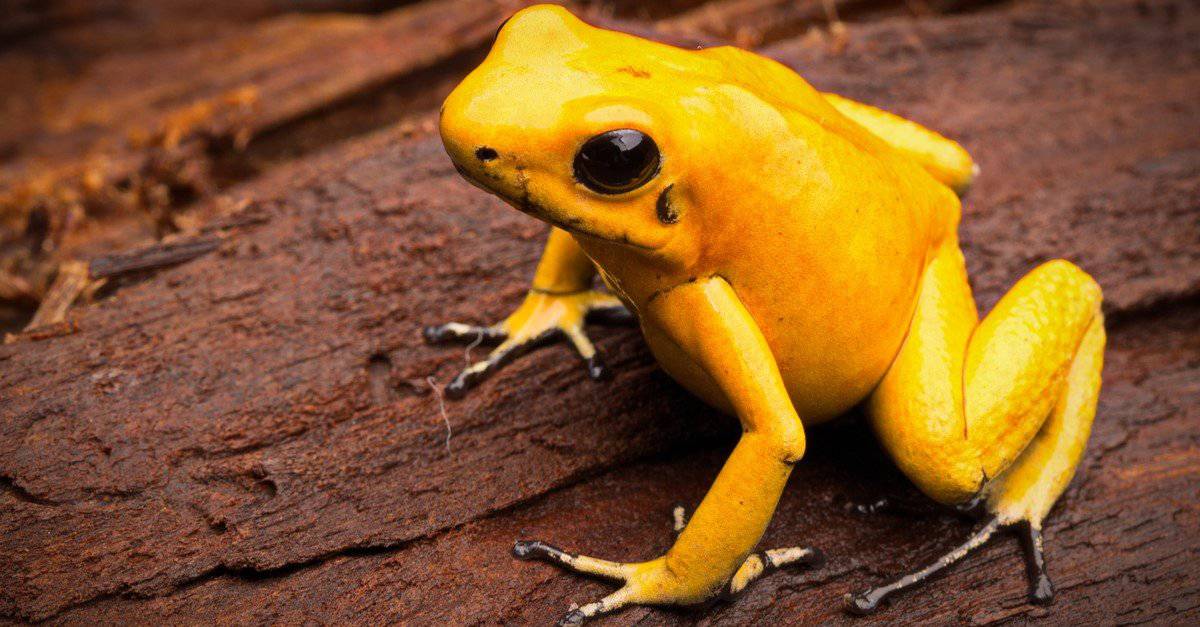
Most Dangerous Amphibian: Golden Poison Dart Frog
©Dirk Ercken/Shutterstock.com
- Each frog carries enough toxin to kill up to 10 humans.
- Fatalities are rare due to their remote rainforest habitat.
- Indigenous people have used their toxin for hunting weapons.
2nd Most Dangerous Amphibian: Cane Toad
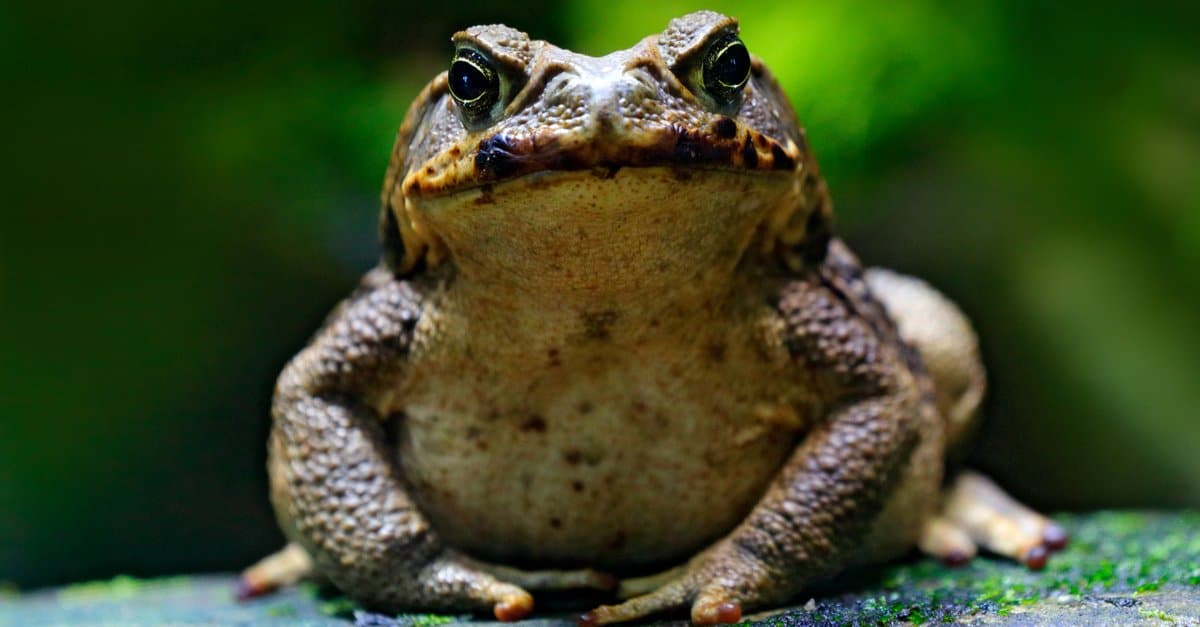
©Ondrej Prosicky/Shutterstock.com
- Cane toads produce bufotoxin, which can cause cardiac arrest in humans.
- They have caused deaths in pets and occasional human fatalities.
- Their invasive spread is a health and ecological concern.
3rd Most Dangerous Amphibian: Rough-Skinned Newt
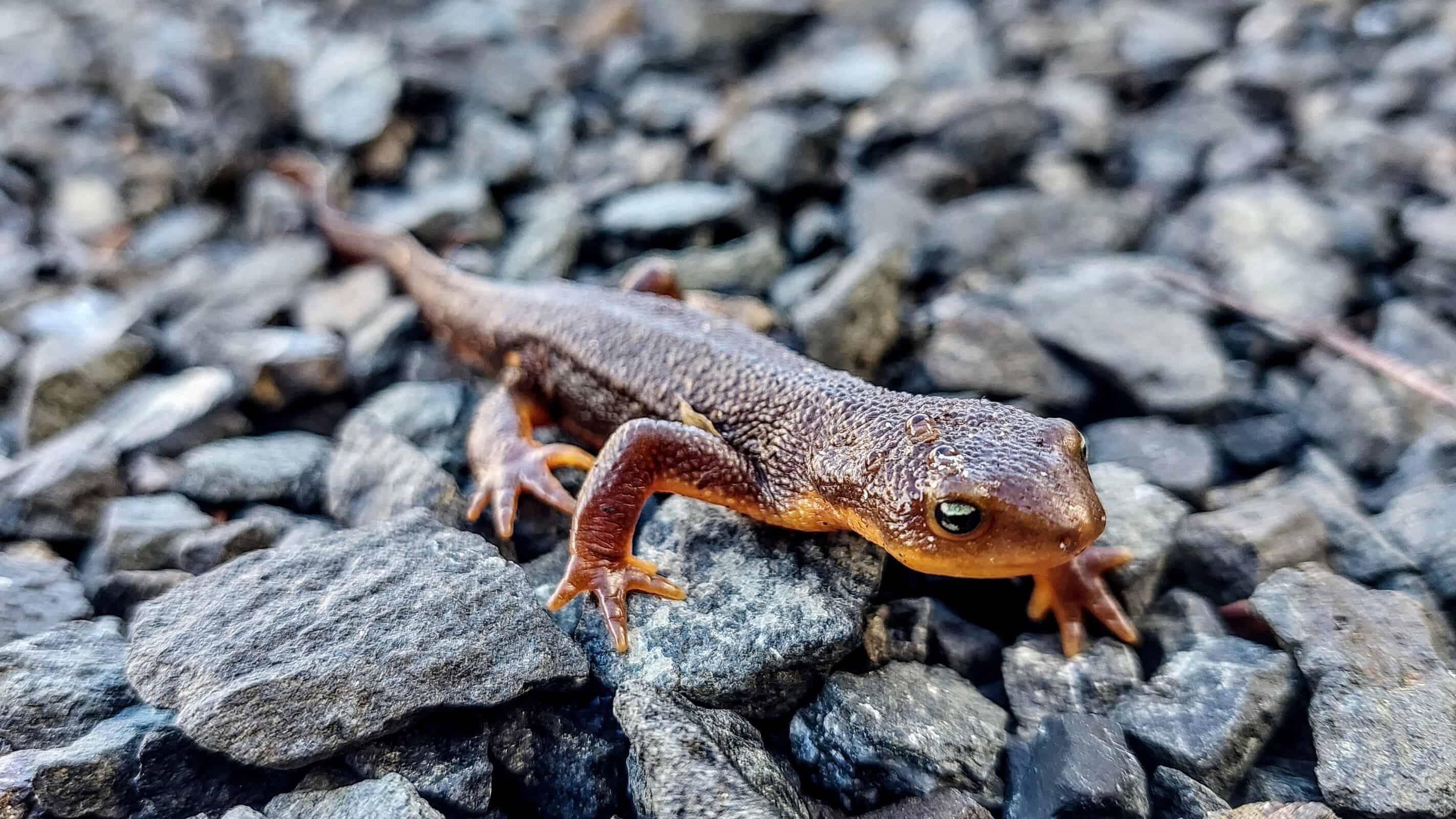
©Janet Halstead/Shutterstock.com
- Rough-skinned newts contain lethal tetrodotoxin.
- Fatalities are extremely rare and usually from intentional ingestion.
- The toxin is a strong defense against predators.
Most Dangerous Reptile: Nile Crocodile
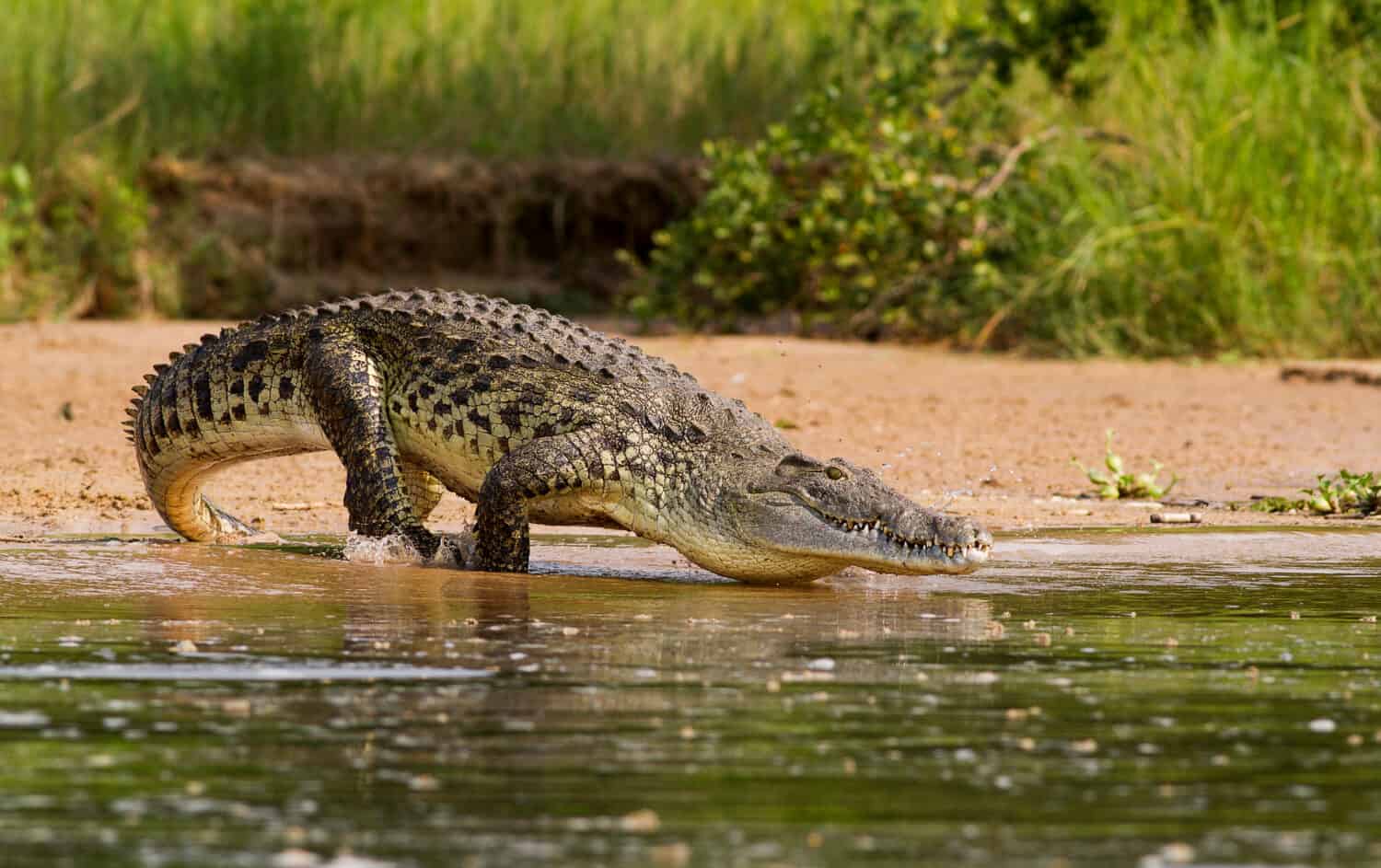
©diegooscar01/Shutterstock.com
- Nile crocodiles kill 200–300 people annually in sub-Saharan Africa.
- They ambush victims at the water’s edge with immense bite force.
- Their opportunistic hunting makes them feared predators.
2nd Most Dangerous Reptile: Saltwater Crocodile
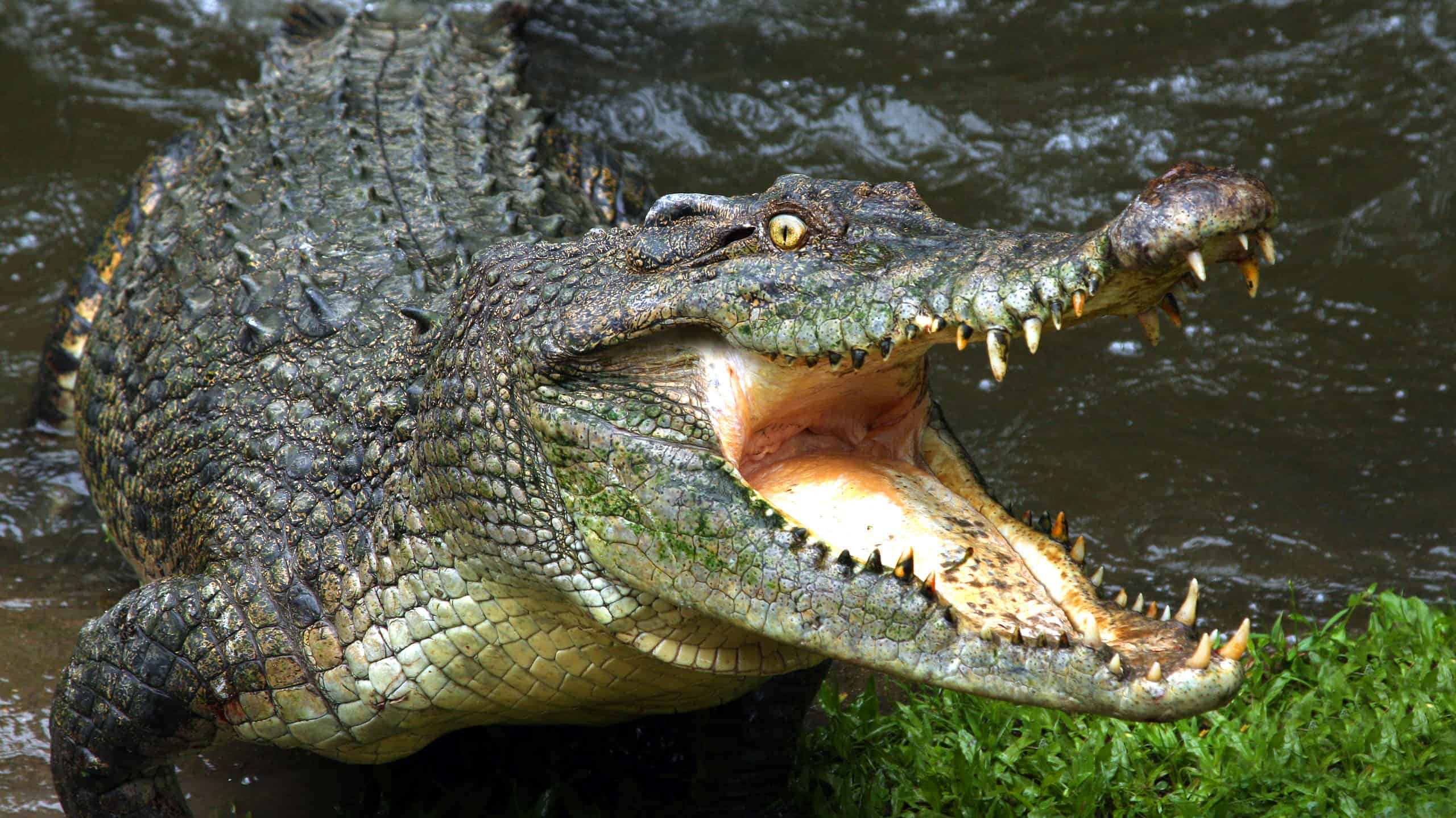
©Audrey Snider-Bell/Shutterstock.com
- Saltwater crocodiles cause dozens of deaths each year in Asia and Australia.
- They can exceed 20 feet in length and have crushing bite force.
- Highly aggressive, they are apex predators.
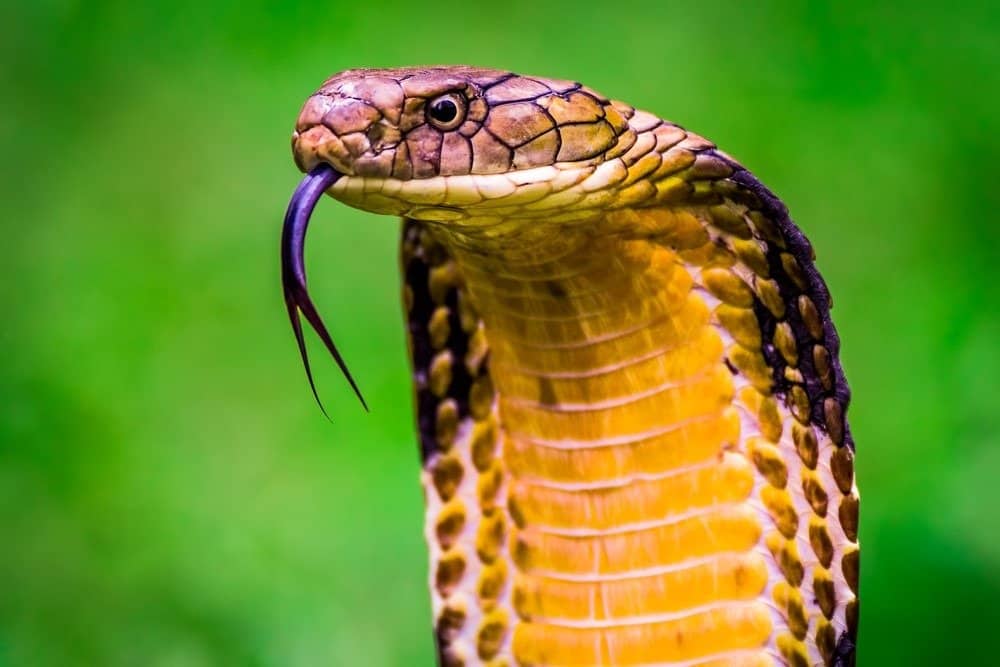
3rd Most Dangerous Reptile: King Cobra
©CappaPhoto/Shutterstock.com
- King cobras can deliver enough venom to kill 20 humans in one bite.
- Bites can be fatal without rapid antivenom treatment.
- They are revered and feared in their native habitats.
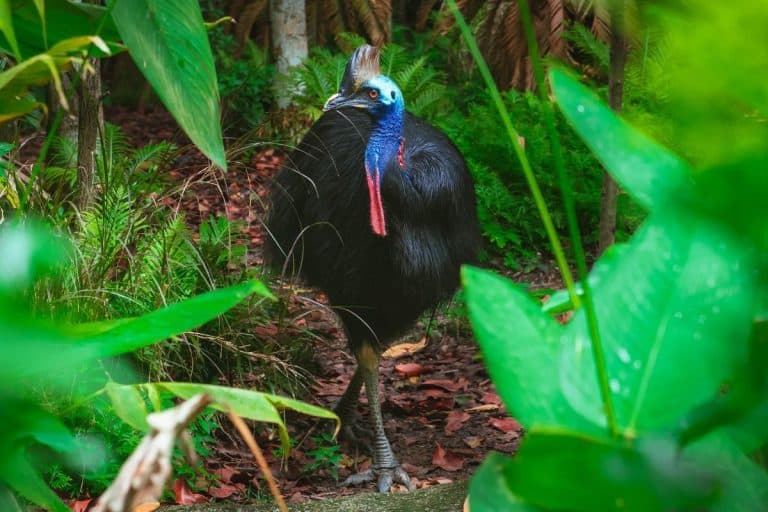
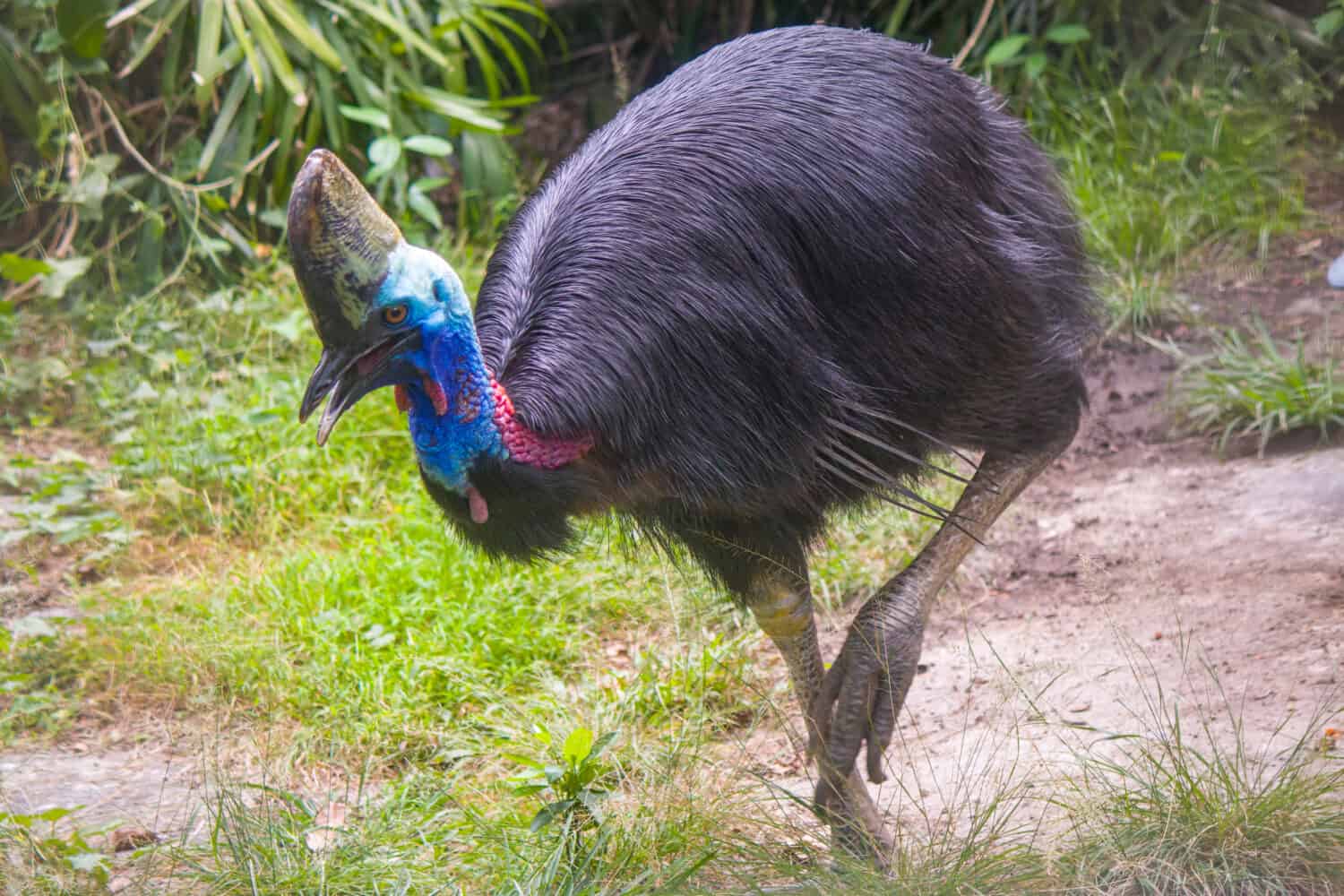
Most Dangerous Bird: Cassowary
©Danny Ye/Shutterstock.com
- Cassowaries have killed humans with powerful kicks and sharp claws.
- They are territorial and attack when provoked.
- Their dagger-like claws can reach 4 inches.
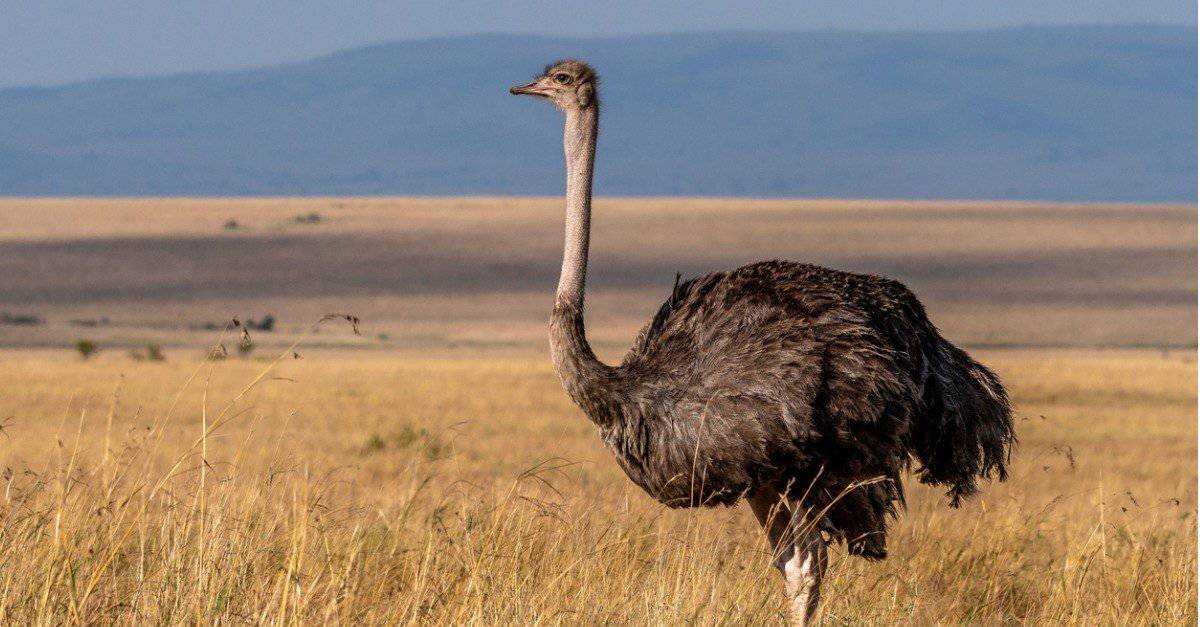
2nd Most Dangerous Bird: Ostrich
©NileshShah/Shutterstock.com
- Ostriches can kill with strong kicks capable of breaking bones.
- They are the largest living birds, reaching up to 9 feet tall.
- Most attacks happen during breeding season or when threatened.
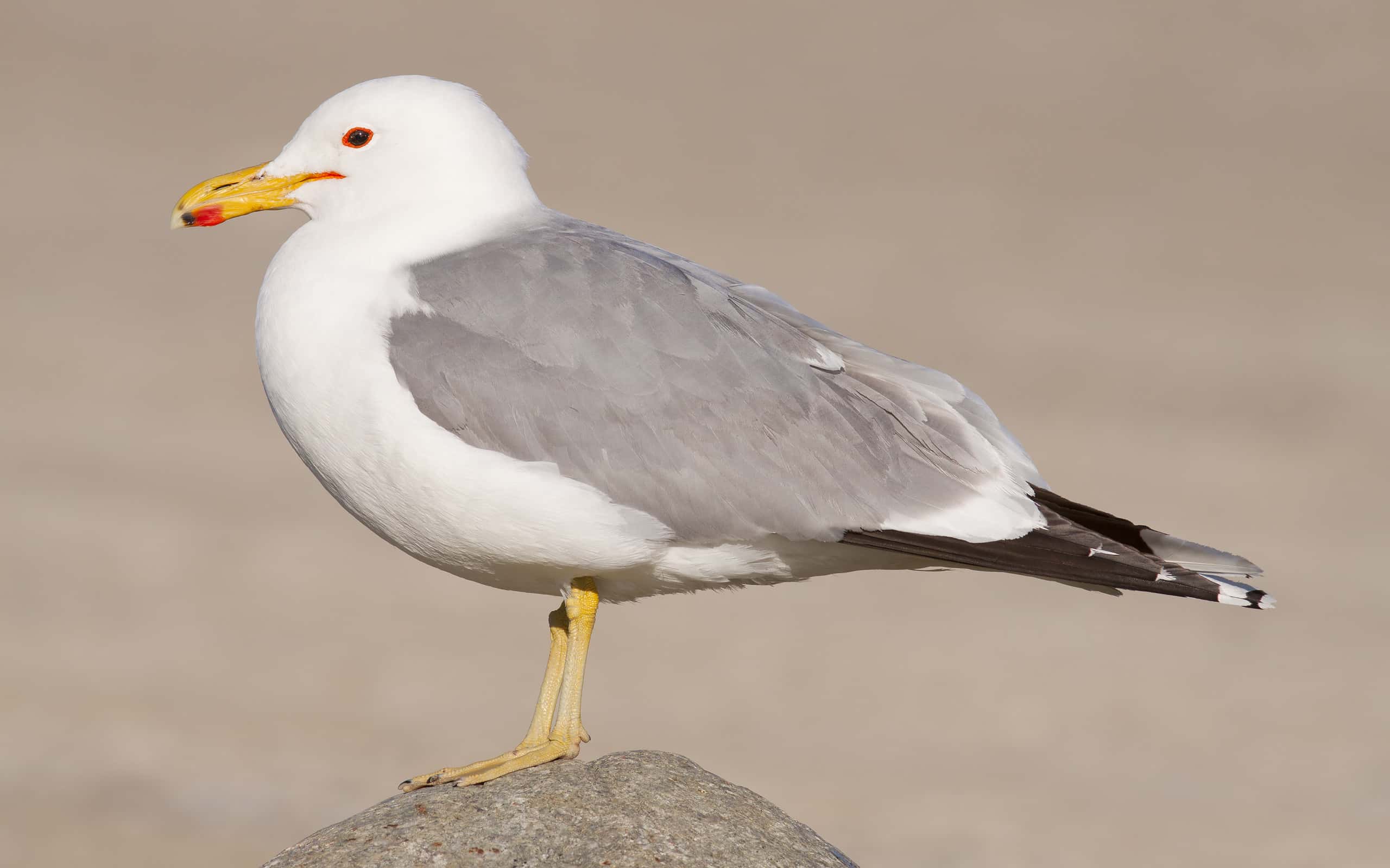
3rd Most Dangerous Bird: Gull
©Ken Hoehn/iStock via Getty Images
- Large gulls have caused fatal accidents through aggressive food theft.
- They mob humans near cliffs and boats, leading to injuries.
- Their danger is often indirect but still significant.