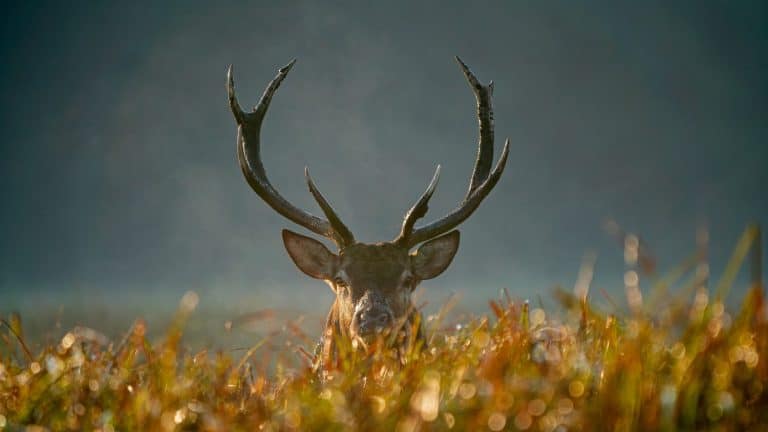

Even though California has the biggest population and some of the biggest cities in the country, 97 percent of its land is rural. And about 24 percent of it is protected as public wilderness. California’s vast territory includes coasts, mountains, deserts, and meadows, providing extensive habitat for wildlife. And that includes two of North America’s iconic deer species: the black-tailed and the mule deer.
Each autumn, the rut, or breeding season, fills forests and foothills with clashing antlers and restless movement. Bucks drop their caution, does are chased in the open, and the secret lives of deer come briefly into view. In an already-wild California, the deer rut makes things a little wilder. Read on to discover when and where you might spot active deer, and what precautions you might need to take. Because even if you don’t deliberately go into their space…they might come into yours.
California’s Deer Species
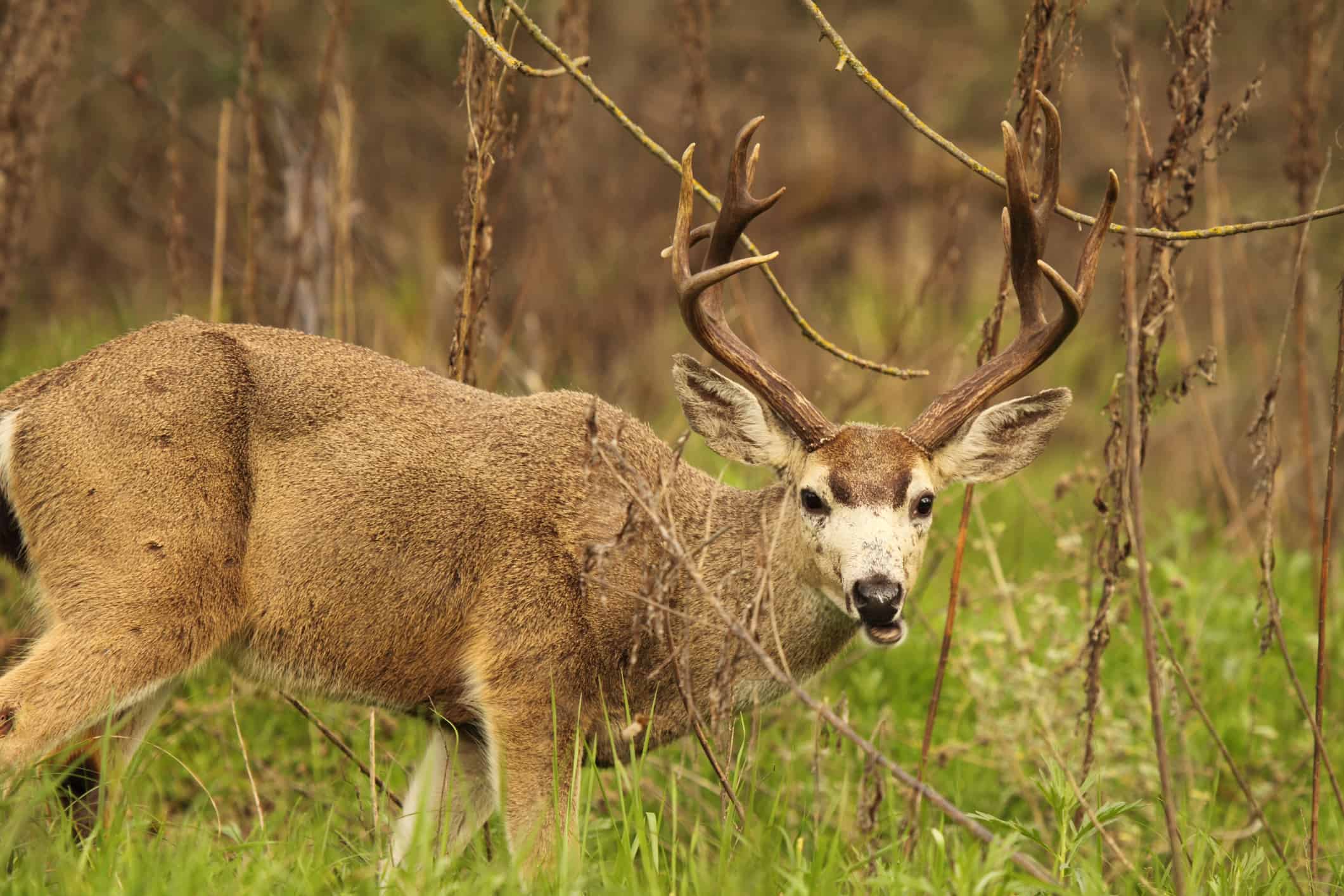
A large blacktail deer buck grazing in California.
©iStock.com/gatito33
Daphne Carlson is Chief Conservation Officer at Conservation X Labs. She was formerly the head of the Division of International Conservation at the U.S. Fish and Wildlife Service. She relates, “In California, the most common deer species are mule deer and black tailed deer. White tailed deer are not considered native to California. The total deer population, including both black-tailed and mule deer, is approximately 500,000.”
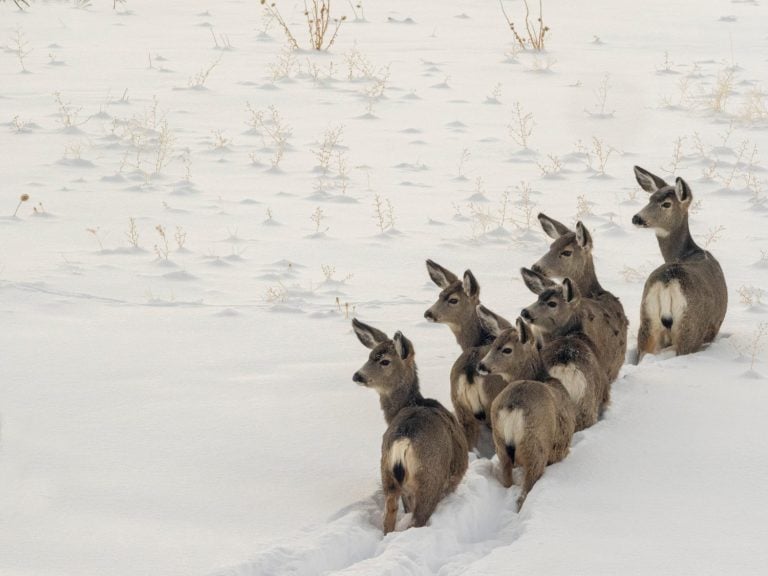
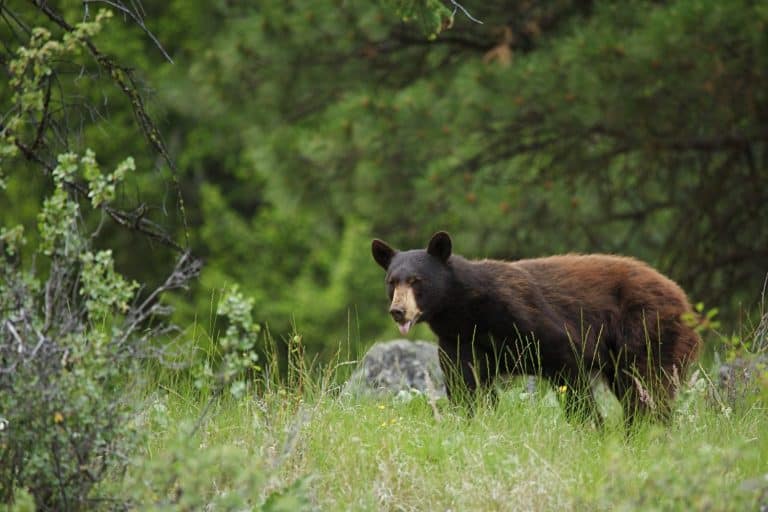
Attempts to introduce white tailed deer into the state in the past have not succeeded. Comparing the two species in the state, black-tailed deer are smaller and more secretive, thriving in the northern and central coastal forests, particularly in the redwood belt and oak woodlands. Mule deer are the most widespread, roaming the Sierra Nevada, Central Valley, and high desert. They migrate seasonally between mountain ranges in summer and lower elevations in winter.
The Breeding Season
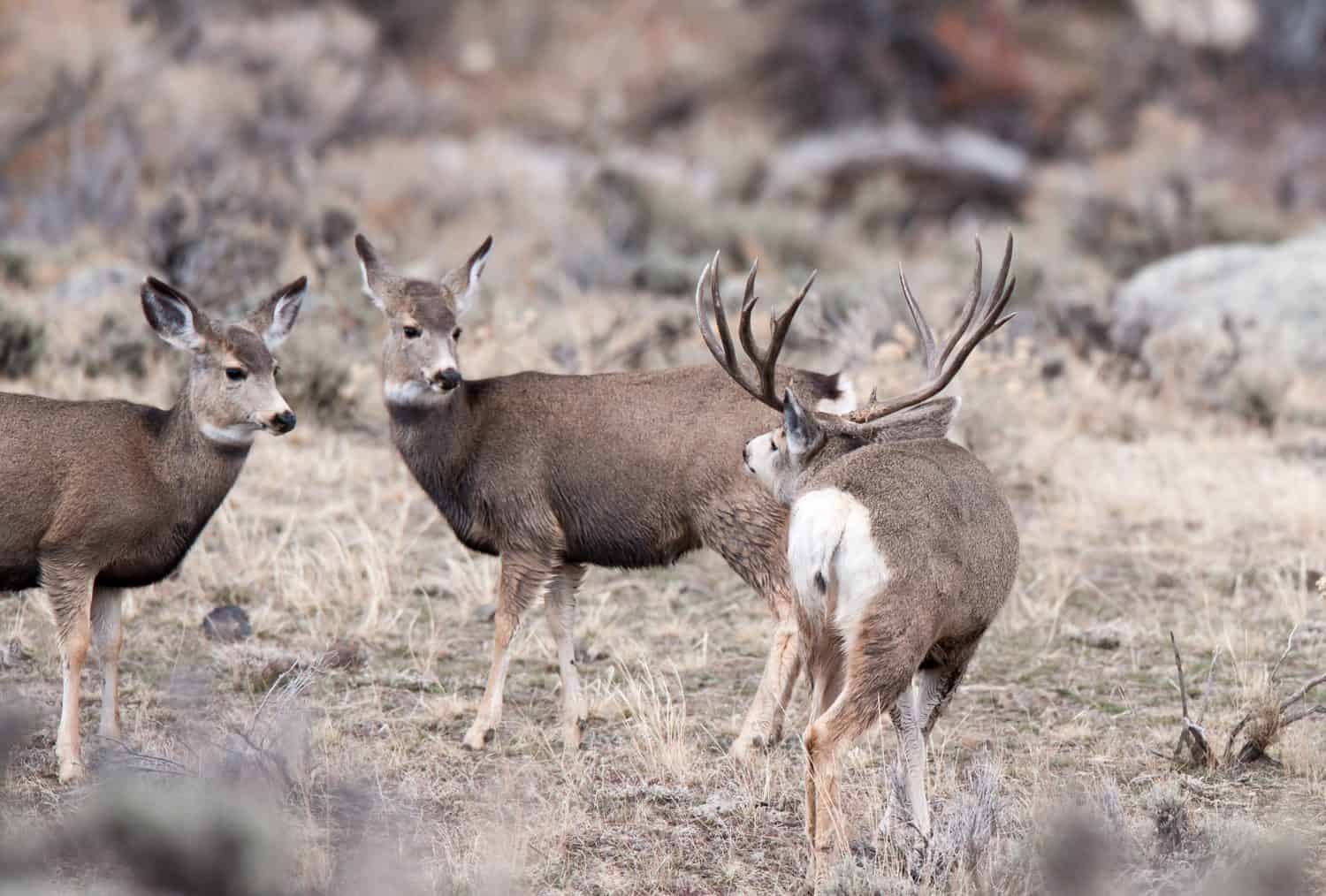
A mule deer approaches two females during the rut.
©Lorraine Logan/Shutterstock.com
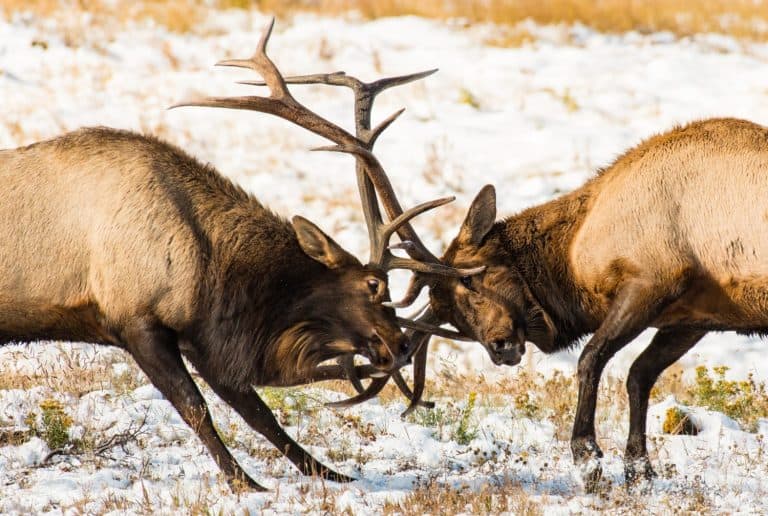
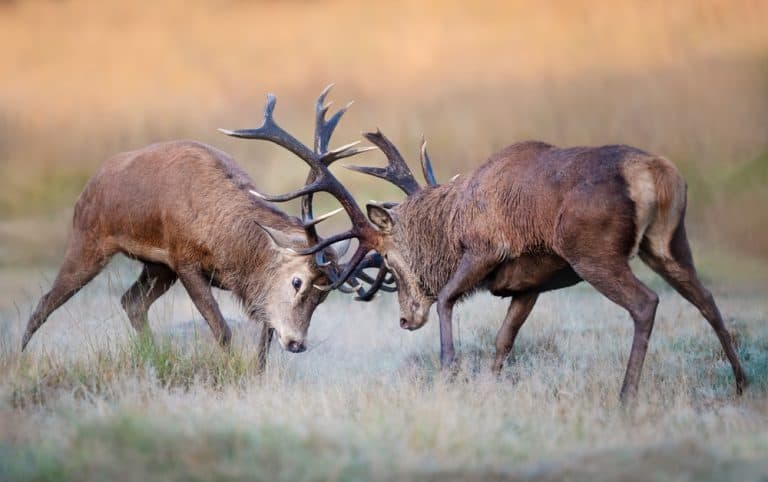
The rut marks a radical shift in deer behavior. Normally wary and elusive, bucks become restless and bold. They clash violently in sparring matches to establish dominance. Bucks chase does across open ground, often during daylight hours. This surge of activity makes deer unpredictable and sometimes dangerous during the rut. They are much more intense about guarding their territories against all intruders, not just other deer.
”Bucks can show more aggressive behaviors during breeding season when they compete with other males for mates,” Carlson says.
The Best Time to Observe the Rut
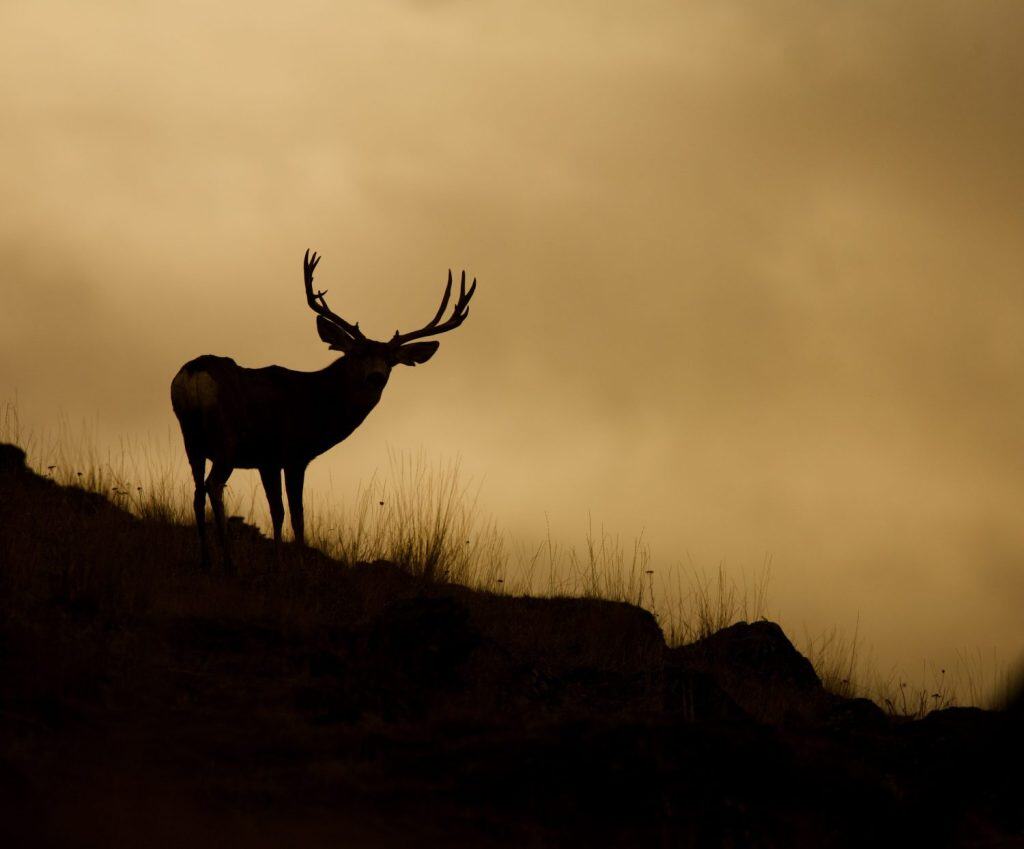
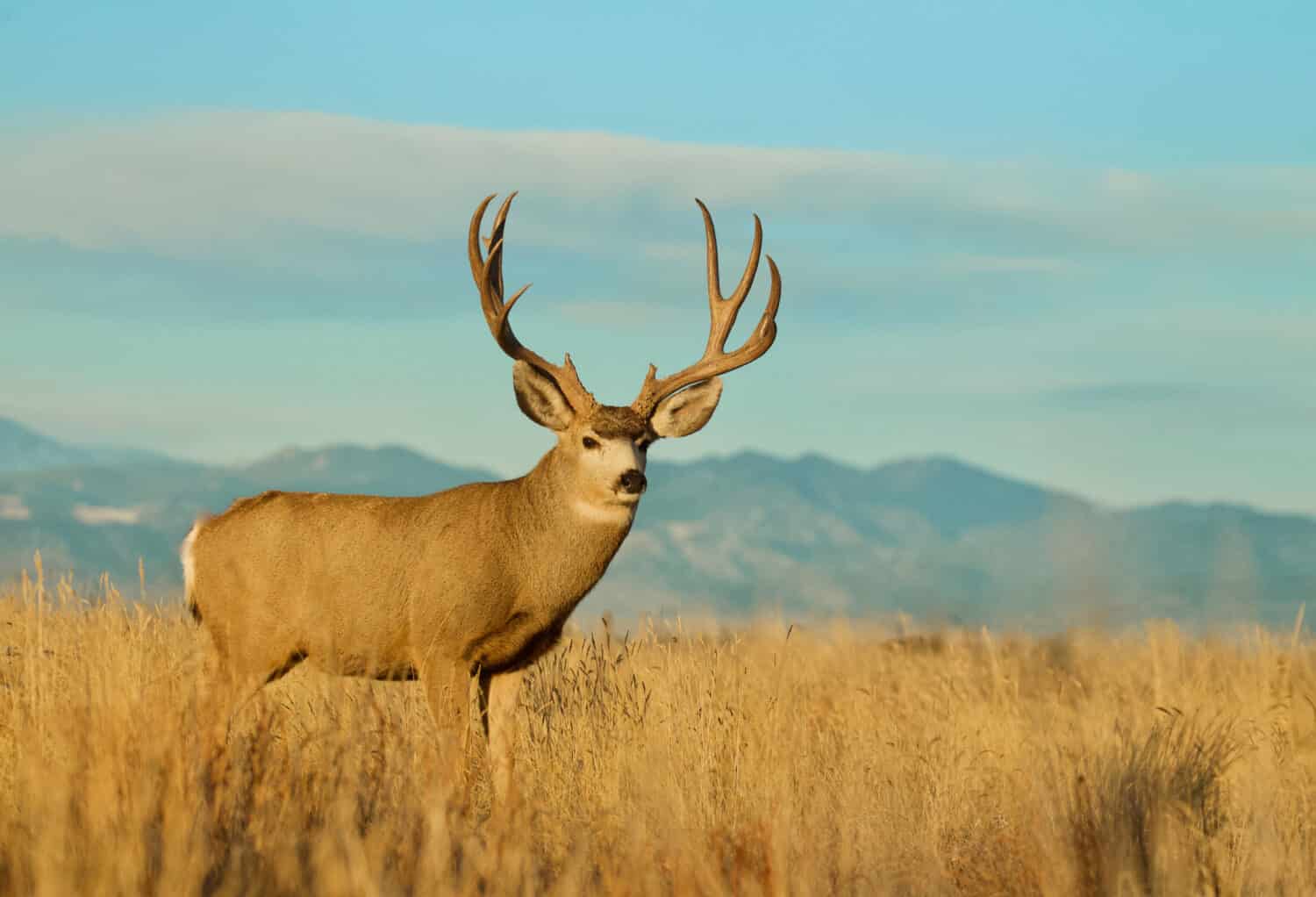
Deer are most active at dusk and dawn. This is a wide-racked mule deer buck.
©Tom Reichner/Shutterstock.com
The timing of the rut depends on species and geography. Black-tailed deer rut earlier, peaking in September and October along the coast. Mule deer rut later, from late October into December, particularly in the Sierra Nevada and interior valleys. Deer are most active at dawn and dusk. This is when bucks are most likely to be chasing does, patrolling territories, or engaging in sparring matches. Meadows, forest edges, and migration corridors are especially good spots for viewing. It’s not guaranteed you’ll see them, but quiet patience and careful observation will improve the odds of witnessing rutting behavior.
Where to See Deer in California
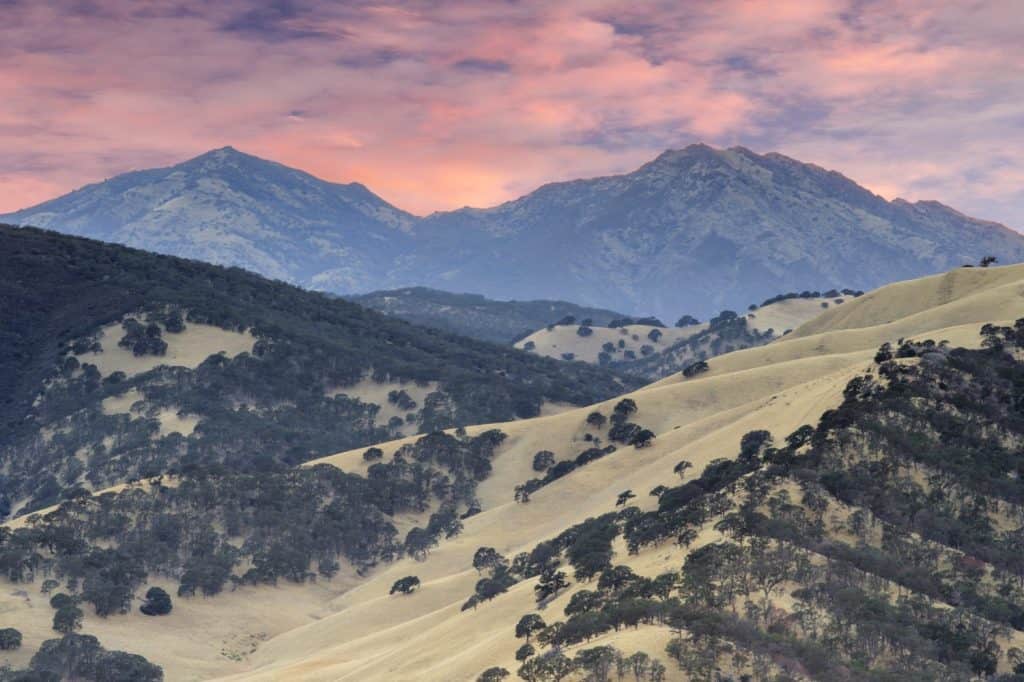
In the Bay Area, Mount Diablo State Park is a scenic location with sweeping views to observe deer.
©yhelfman/Shutterstock.com
California’s parks and public lands have great opportunities for deer watching during the rut. Along the coast, Redwood National and State Parks are prime black-tailed deer habitat, with animals often spotted moving through forest groves. Deer are highly visible in the grasslands and wooded ridges of Point Reyes National Seashore.
In the Sierra Nevada, Yosemite National Park is a good location to watch mule deer grazing in meadows. The Sequoia and Kings Canyon National Parks have herds in the foothills and high-country habitats. In the Inyo National Forest and areas near Mammoth Lakes, large migratory herds travel between mountain and desert ranges. Mount Diablo State Park and open-space preserves around Sacramento and the Bay Area give residents a chance to see deer without traveling far.
CWD is a disease caused by misfolded proteins called prions. There is no vaccine and no treatment, and infection is fatal in animals.
Daphne Carlson, Chief Conservation Officer at Conservation X Labs
Disease and Population Management
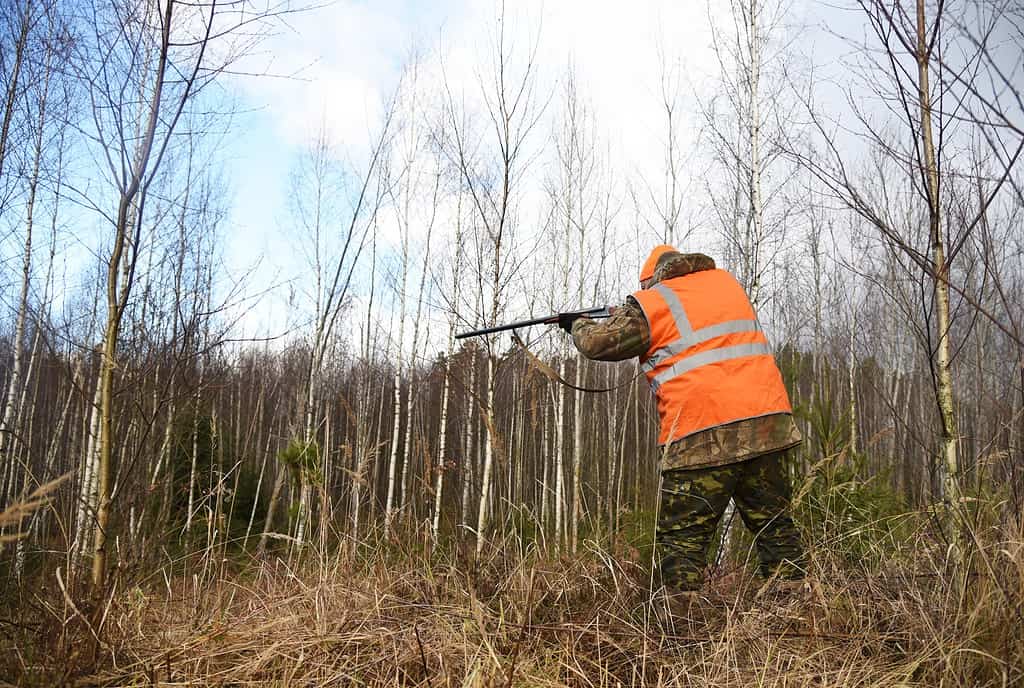
Hunting is one of the ways California manages its deer population.
©Maksim Safaniuk/Shutterstock.com
Deer are a highly adaptable and successful species that can multiply rapidly, especially since humans have removed many of the apex predators that once kept their populations in check. “California conducts regulated hunts for population control through the issuance of hunting licenses,” Carlson explains. “These efforts, along with habitat management and research into fertility control, aim to balance herd health, reduce deer-vehicle collisions, and protect biodiversity from over-browsing.”
Disease is a major concern when it comes to deer in California. In 2024, the state confirmed its first cases of Chronic Wasting Disease (CWD) in two deer.
“CWD is a disease caused by misfolded proteins called prions. There is no vaccine and no treatment, and infection is fatal in animals,” Carlson says. The California Department of Fish and Wildlife describes it as the most important disease affecting deer and elk in the U.S. While no human cases are documented, Carlson notes that both the CDC and WHO warn against consuming meat that tests positive for CWD.
California’s deer seasons vary by zone, with archery hunts beginning in summer and rifle hunts running into December. Hikers and other outdoor users should wear bright clothing, such as blaze orange, make their presence known with occasional sounds, and avoid posted hunting zones. Regulations differ from one zone to another, and the California Department of Fish and Wildlife provides detailed, updated information online.
Road Hazards During the Deer Rut
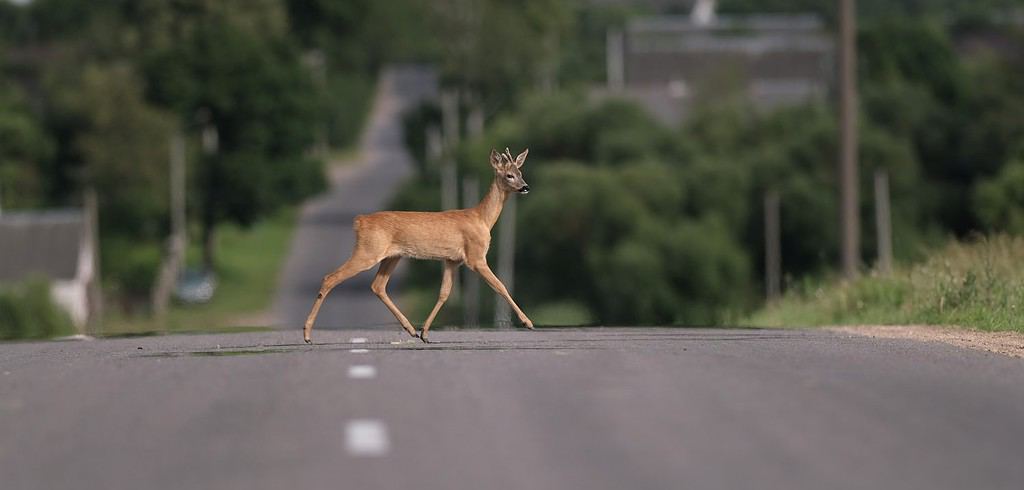
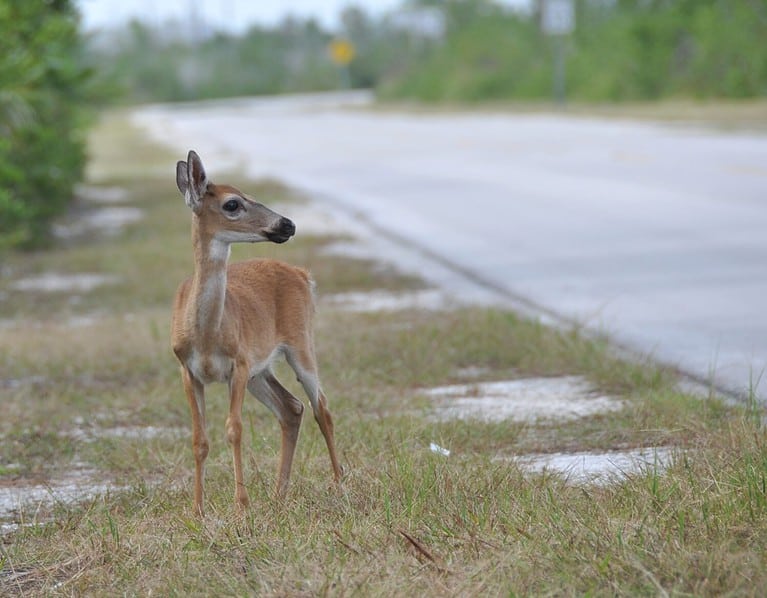
Deer are a greater hazard during the rut because they are more active and less cautious than usual.
©gorid photo/Shutterstock.com
From October through December, vehicle collisions with deer rise sharply. Drivers should slow down near wooded areas, streams, and rural roads, especially at dawn and dusk when deer are most active. High beams can improve nighttime visibility. If a collision seems unavoidable, it is safer to brake firmly and hit the deer than to swerve, since many accidents occur when drivers lose control trying to avoid a deer. Because deer often travel in groups, seeing one usually means more are nearby.
Deer In the Suburbs
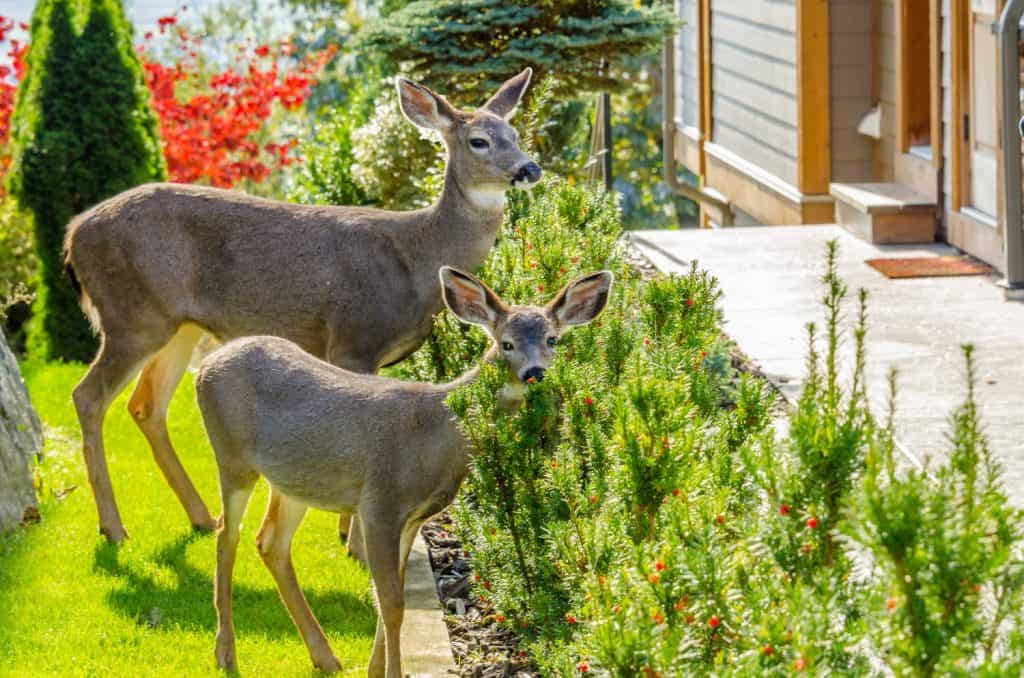
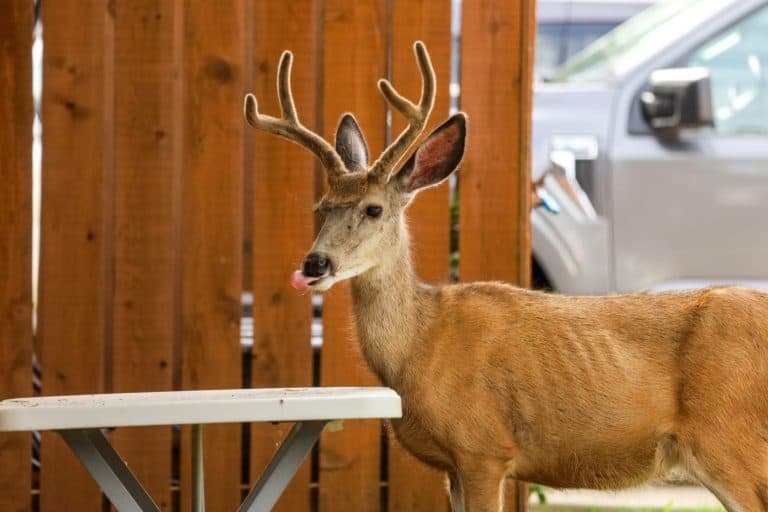
Due to urban sprawl, deer are increasingly at home in the suburbs.
©karamysh/Shutterstock.com
The rut sometimes draws deer into residential areas as they pursue or flee one another. Bucks can be aggressive during this time, especially if there are other deer nearby, if they are challenged by dogs, or if they feel their territory is threatened. Keeping a distance of 100 feet is recommended. Pets are also at risk; bringing them indoors at night or during twilight hours helps reduce the danger of them being charged by a buck. Humane deterrents, such as fencing or motion-activated sprinklers, can keep deer from damaging gardens and landscaping.
Needless to say, it’s never a good idea to feed deer. Doing so lowers their inhibitions about being around people, makes them dependent on humans for food, and increases the spread of disease by bringing deer together in close proximity. It can also cause their population to grow to unsustainable levels over time.
Wilder-Than-Usual
Each autumn, the rut transforms California’s landscapes, making deer more visible and active than usual. It is a time of vibrant life in a natural cycle, but because of heavy development, it’s also a time of increased risk for people and pets. By observing with caution, respecting regulations, and taking reasonable safety precautions, Californians and visitors alike can appreciate deer and help ensure they continue to thrive in the Golden State.