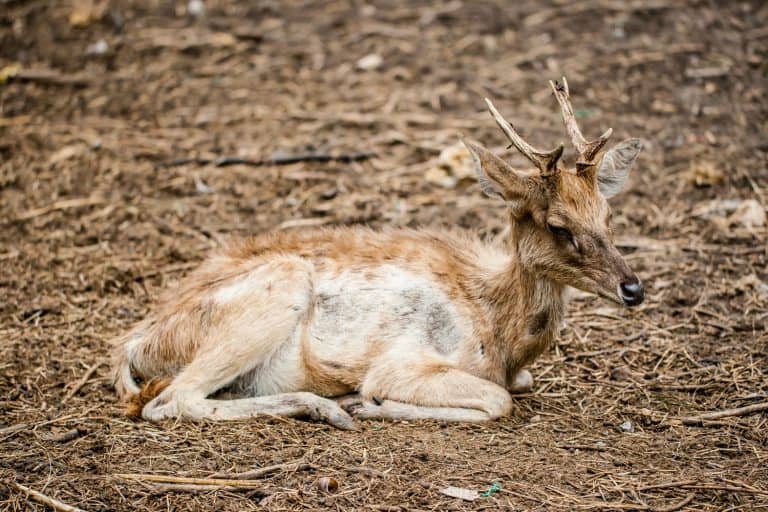

There has always been a unique relationship between the people of Alabama and the deer that call the state home. In the early 1900s, the animal had almost vanished completely throughout the state due to overhunting. However, an aggressive restocking program of white-tail deer started during the 1920s allowed the population to rebound.
With the rise of wild deer populations continuing to grow, many people view the initiative as a success. Yet, there have been several clashes between lawmakers and wildlife management on the handling of these captive creatures. The most recent debate between the two groups focuses on House Bill 509 (HB509). The new legislation seeks to redefine the ownership and regulatory oversight of captive deer, potentially impacting the state’s efforts to control Chronic Wasting Disease (CWD) and affecting both wildlife conservation and the local economy.
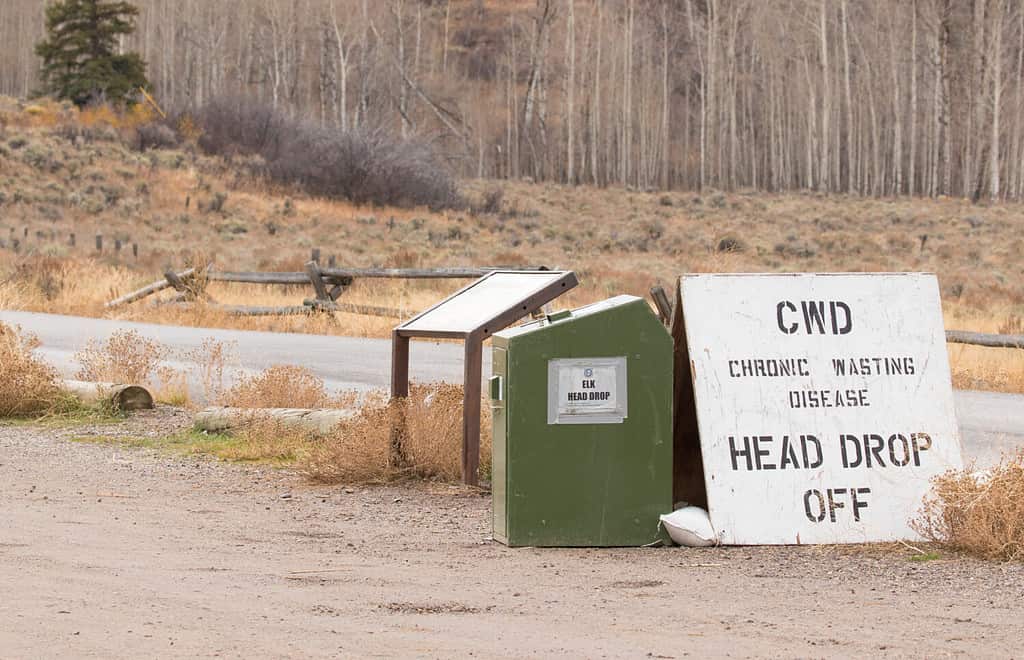
©moosehenderson/Shutterstock.com
What is House Bill 509
Rep. Jeff Sorrells recently introduced and passed House Bill 509 in an effort to classify deer held by licensed game breeders as private property and limit the Alabama Department of Conservation and Natural Resources’ authority over these animals. The bill prohibits state agencies from killing, testing, and restricting the movement of captive deer due to disease, except under specific circumstances.
While the bill has been supported by breeders who argue it protects their property rights, conservation officials and wildlife advocates are expressing concern that the bill will undermine efforts to manage and contain wildlife diseases like CWD.
What is Chronic Wasting Disease (CWD)
One of the biggest issues for wildlife experts opposing House Bill 509 is the potential spread of CWD. CWD is a fatal neurological disease that affects animals in the Cervidae family, including:
- Deer
- Elk
- Moose
- Reindeer
- Muntjac
Animals that contract the illness typically experience weight loss, behavioral changes, and coordination problems, leading to a shortened lifespan. It also easily spreads through direct contact with bodily fluids and is nearly impossible to eradicate once introduced to a deer population. There is no effective treatment or vaccine for CWD.
What Are the Potential Impacts of HB509?
Even though the focus has been on the impact of Alabama’s wildlife management policies, there is also a growing concern for the health of the state’s deer population. As the regulations around captive deer shift, this bill could challenge conservation efforts and the well-being of wild deer herds.
Weakened Disease Surveillance and Control
While HB509 has created several challenges, its limitations on disease surveillance and control efforts are the most worrisome. With the loss of power and authority, wildlife experts have limitations on how they can test and manage captive deer. Without mandatory testing, diseased animals could unknowingly spread illnesses like CWD to other breeding facilities or even wild herds. In return, this lack of oversight could mean outbreaks, leading to the death of thousands of deer.
Threat to Wild Deer Populations

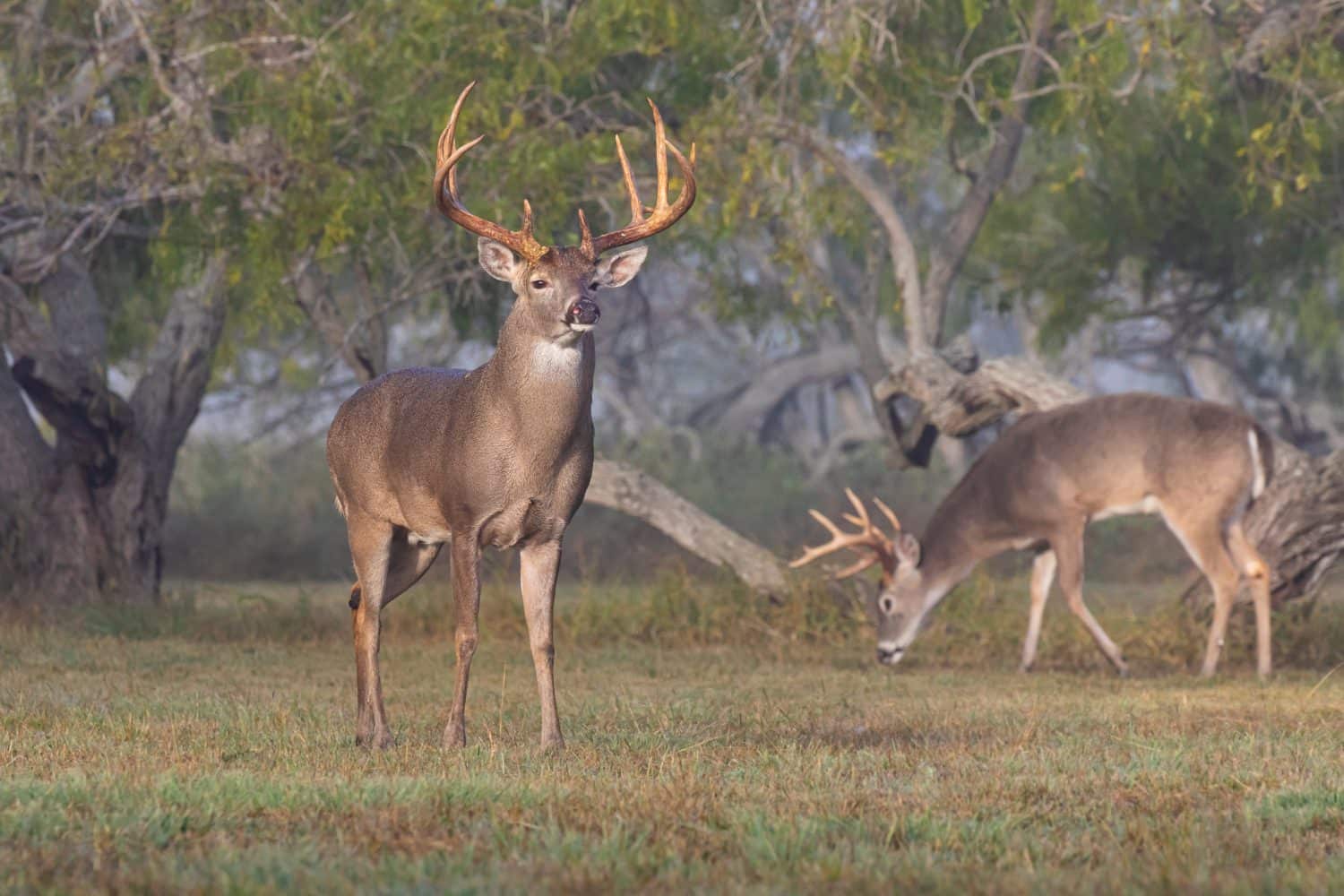
Rep. Jeff Sorrells wants to classify deer held by licensed game breeders as private property.
©Cynthia Vannoy/Shutterstock.com
Deer are an important part of Alabama’s ecosystem and play a vital role in the local food chain. As mentioned above, CWD is highly contagious and rapidly decimates deer populations if not properly controlled. Without the proper regulations, there is no way to perform routine tests to catch the illness before it spreads. If there were an outbreak of CWD, it could affect not only the deer population numbers but also the state’s overall biodiversity. Without deer, a ripple effect could impact many other animals that depend on these creatures for food.
Ethical and Regulatory Concerns
Even though the bill directly impacts the deer, it also sets the stage for another concern around the ethical management of Alabama wildlife. With the introduction of HB509, captive deer are now categorized as private property, and the responsibility for deer management shifts from public oversight to individual breeders. There’s no way to tell for sure, but many wildlife experts are concerned that profit will take priority over the welfare of the deer.
Many conservationists also believe this new approach to deer management undermines the principle that wildlife should be a public resource, not a private interest. As captive deer are now treated as personal assets, this could encourage unethical practices from breeders to prioritize profits over the health of the animals.
The Year Ahead
House Bill 509 presents a complex challenge for Alabama’s wildlife management. Although it offers protection for breeders, it could weaken disease control efforts, potentially having a lasting impact on wild deer populations.
Many conservationists and wildlife experts are closely monitoring the impact of the new regulations on the wild herds scattered throughout the state.