
Quick Take
- Hunters must adapt to reshaped landscapes to preserve sustainable hunting traditions in North America.
- Counterintuitive migration patterns show that many game species now move in shorter, less predictable bursts.
- Shifting temperatures can paradoxically increase mortality by pushing breeding cycles out of sync with peak food availability.
- Implementing real-time monitoring is essential to prevent abrupt, emergency closures of hunting seasons.
My family is full of hunters, and over the past several years, they have watched their hunting seasons change in real and tangible ways. Familiar opening days no longer align with animal movement. Weather conditions that once felt predictable are now erratic. Species are appearing earlier, later, or sometimes not at all in locations that were once reliable. These firsthand experiences show that climate change is not just an abstract environmental issue discussed in reports or projections; it is unfolding on the ground, season by season, in blinds, tree stands, and backcountry camps.
Climate change is actively reshaping landscapes, altering animal behavior, and changing the structure of hunting seasons across North America and beyond. Long-standing assumptions about when animals migrate, breed, and concentrate on the landscape are becoming less reliable. As a result, climate change is impacting not only when and where hunting occurs, but also how wildlife populations are managed in the long term.
From shifting seasonal migration patterns to altered breeding timelines to increased management challenges, climate change is forcing both hunters and agencies to adapt in real time. Below are the key ways climate change is directly affecting hunting seasons.
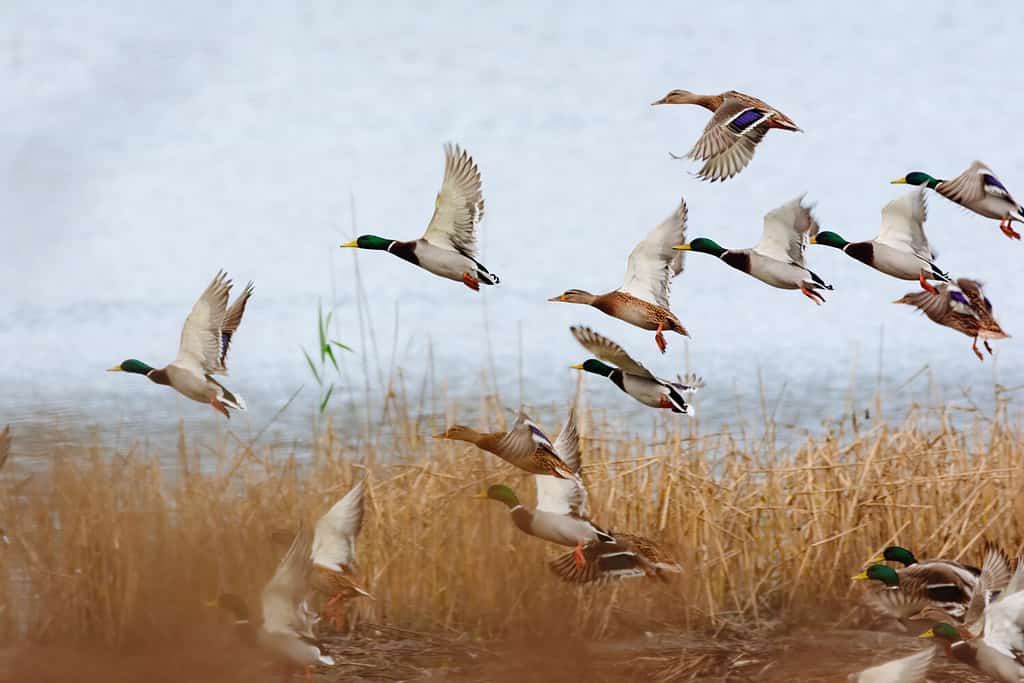
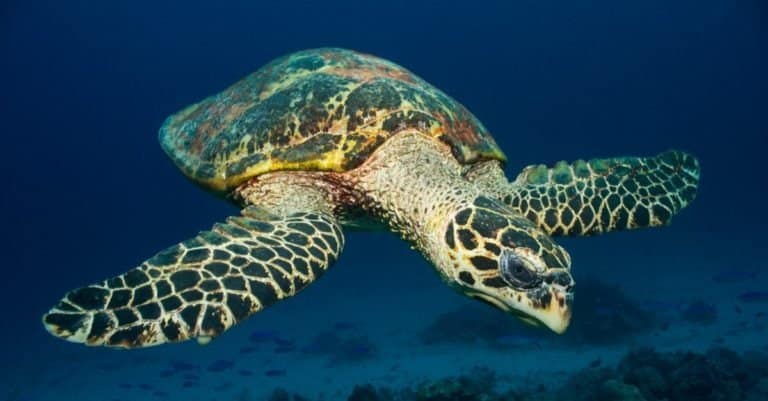
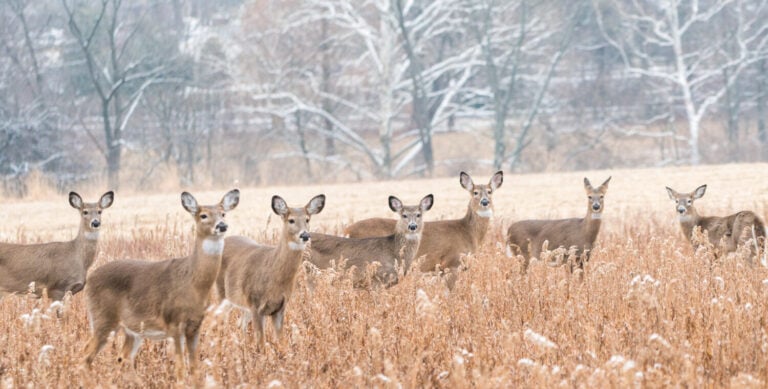
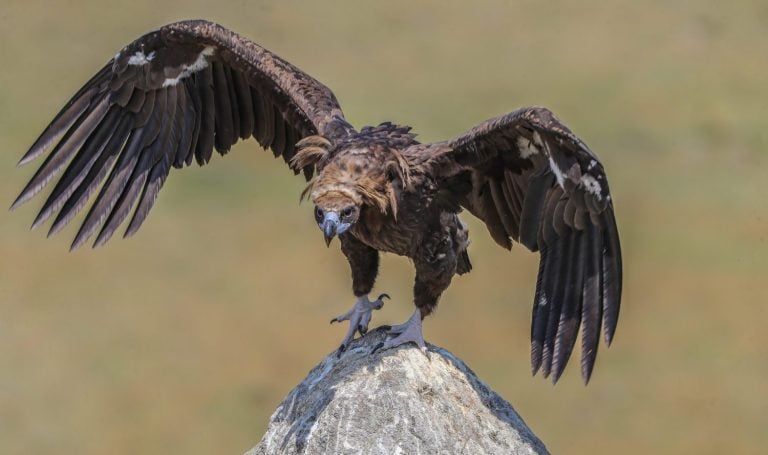
Many bird species are moving northward, which can disrupt traditional hunting seasons and locations.
©Creaturart Images/Shutterstock.com
Many game species depend on predictable seasonal cues such as temperature, snowfall, and daylight to guide their migrations. As winters become warmer and snowfall arrives later or becomes more inconsistent, these migration patterns are changing.
Waterfowl may delay migration or stop short of traditional wintering grounds if lakes and rivers remain unfrozen farther north. Big game species such as elk, mule deer, and moose may stay at higher elevations longer when snowpack is reduced, rather than moving downslope into traditional winter ranges. In some regions, animals now migrate in shorter bursts or change routes entirely in response to weather events rather than calendar dates.
For hunters, these changes can mean that animals are no longer present during historically productive seasons. Areas that once held consistent numbers of game may see fewer animals, while new regions might encounter unexpected concentrations. This irregularity can reduce success rates and requires hunters to be more flexible, mobile, and informed than in previous decades.
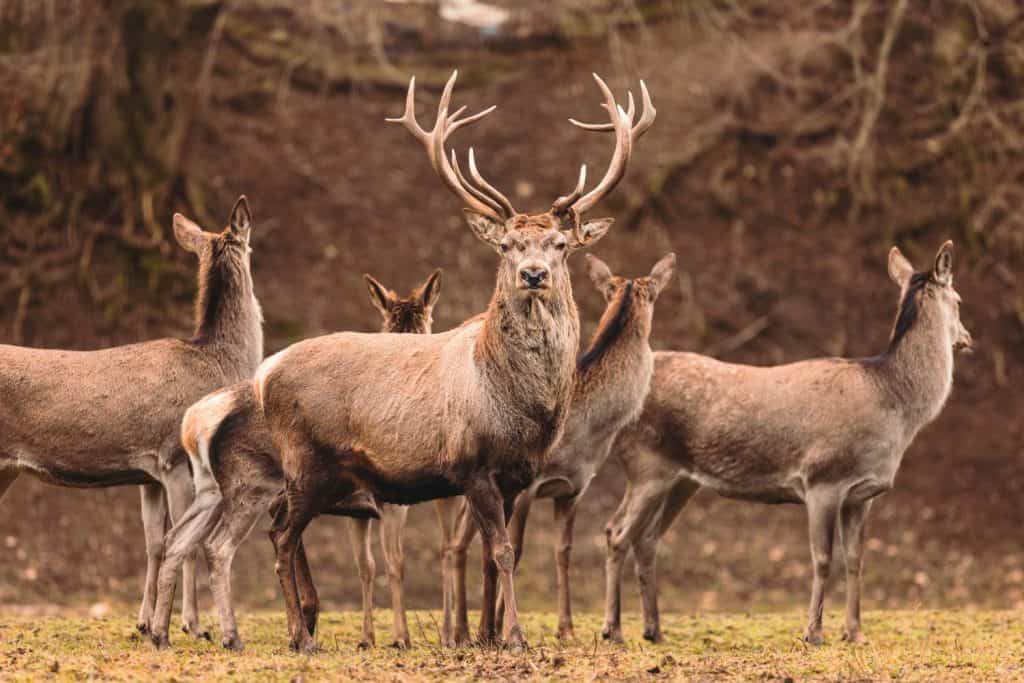
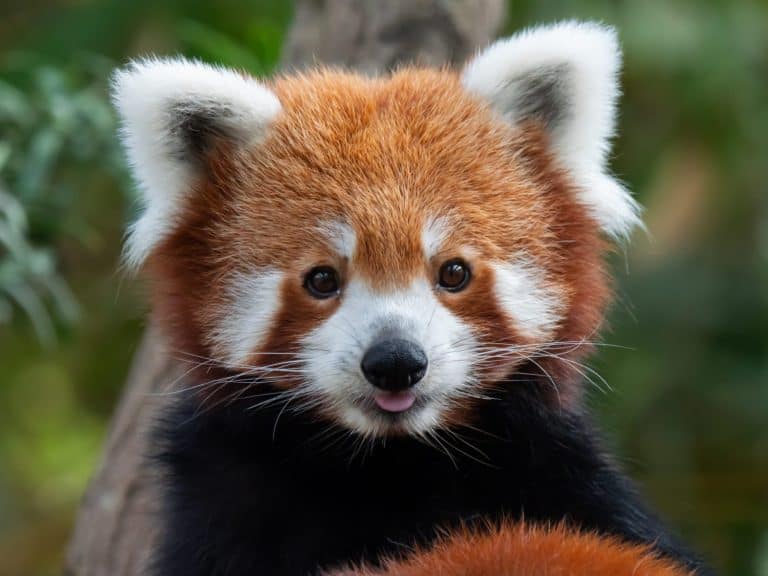
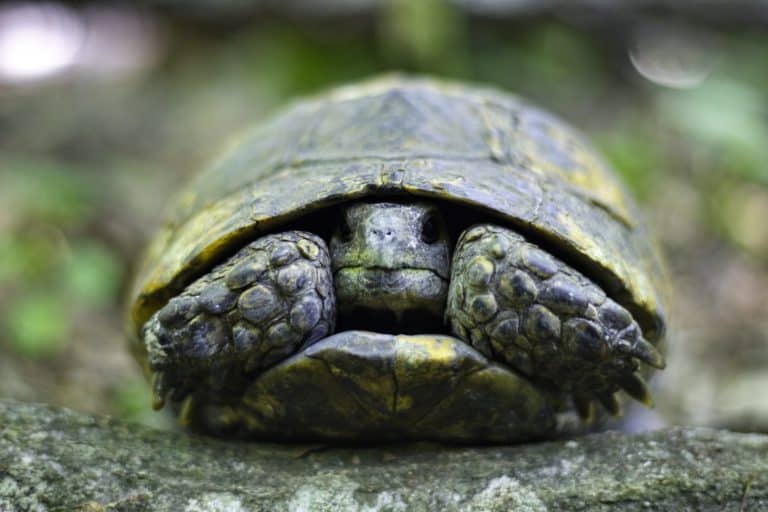
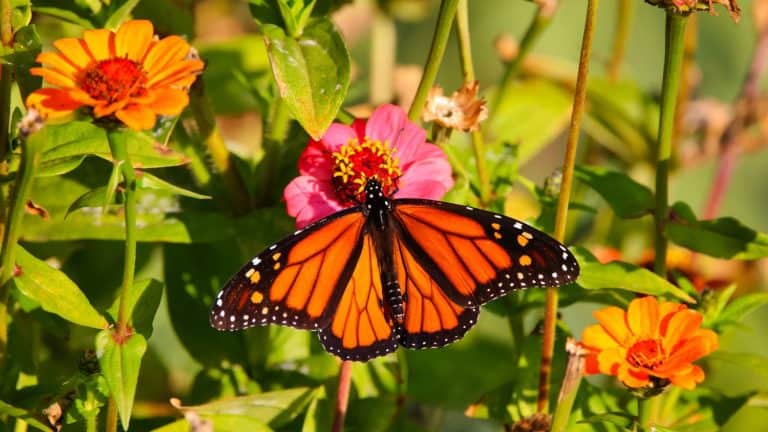
Hunters and outdoor enthusiasts must actively participate in discussions about climate change.
©MAD.vertise/Shutterstock.com
Climate change may disrupt the timing of breeding cycles, which are often closely linked to temperature, food availability, and seasonal cues. Even small changes in weather patterns can affect hormonal triggers and animal behavior.
Warmer autumns may delay or compress the rut in species such as white-tailed deer, reducing visible rutting activity during traditional hunting windows. Earlier springs can shift calving, fawning, or nesting seasons, sometimes creating a mismatch between when young are born and when peak food resources are available. This mismatch can increase mortality among young animals and reduce the number of new individuals entering the population.
Because many hunting seasons are designed to avoid peak breeding periods or protect vulnerable animals, these shifts may force wildlife agencies to reconsider season timing. Adjusting seasons becomes necessary to maintain principled hunting practices and long-term population health.
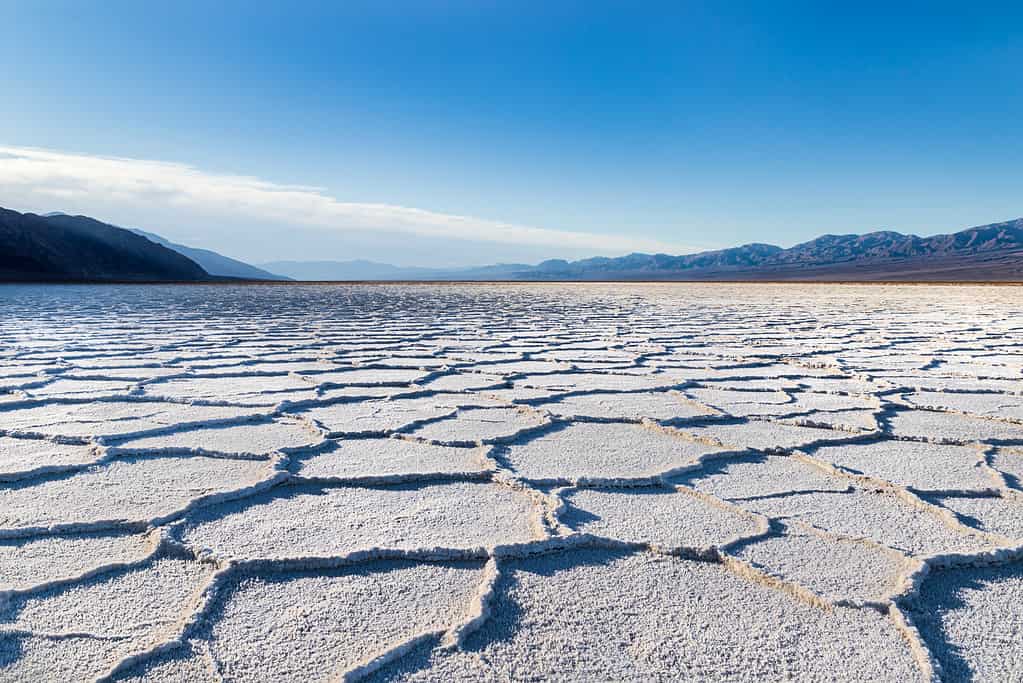
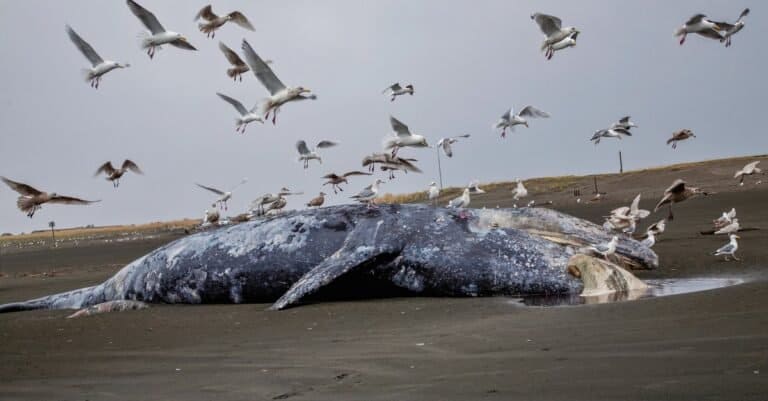
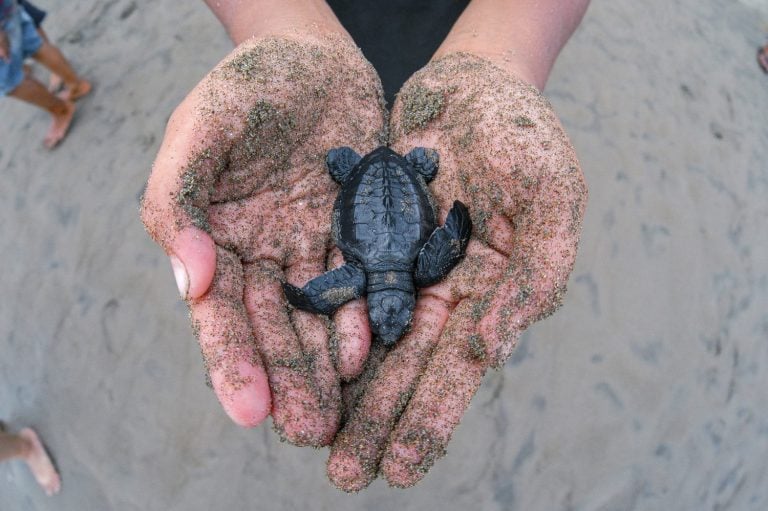
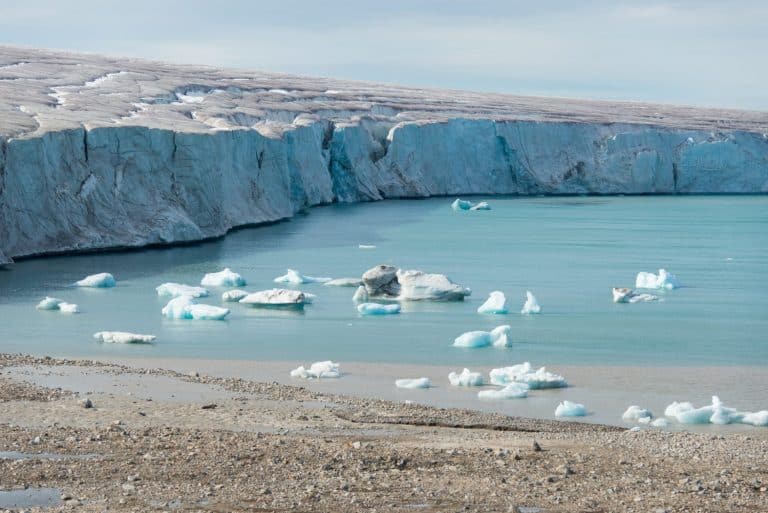
Wildlife species are responding to climate change by migrating to new habitats that are more favorable.
©iStock.com/DGHayes
Climate-driven changes to vegetation, drought frequency, and wildfire behavior are altering critical wildlife habitats across many regions. Prolonged drought reduces forage quality and availability, leading animals to travel farther for food or to concentrate around limited water sources. This can increase competition, stress, and vulnerability to predation and disease. Wildfires, which are becoming more frequent and severe, can destroy habitat in the short term while also creating long-term changes in plant communities that reshape where animals feed and shelter.
Invasive plant species often thrive in warmer conditions and can displace native vegetation that many game species depend on. As habitats shift or degrade, animals may move into new regions, sometimes closer to agricultural or suburban areas. These changes create challenges for hunters and wildlife managers who must quickly learn new patterns and respond to emerging conflicts.
Warmer temperatures allow parasites and diseases to survive longer, reproduce more rapidly, and expand into regions where they were formerly restricted by cold winters. Ticks, mosquitoes, and other disease-carrying organisms are appearing earlier in the year and persisting later into the fall. Diseases such as chronic wasting disease continue to spread in some regions, while heat stress can weaken animals’ immune systems and make them increasingly prone to illness.
When disease reduces population numbers or threatens sustained survival, wildlife agencies may respond by shortening seasons, reducing tag allocations, or limiting harvest in affected areas. These measures directly influence hunting opportunity, even when hunters are not the source of the problem.
Wildlife management has historically depended on long-term data and relatively stable seasonal patterns. Climate change introduces uncertainty that makes this approach increasingly difficult.
Harvest quotas may need to be adjusted more frequently as wildlife population trends fluctuate. Seasons may shift earlier or later to match changing animal behavior rather than historical dates. In extreme cases, agencies may implement emergency closures following events such as severe droughts, floods, or large-scale wildfires.
Managers are increasingly forced to make decisions with incomplete information, relying on responsive methods and immediate monitoring rather than fixed historical models. This shift requires more resources, better data, and stronger communication with hunters and the public.
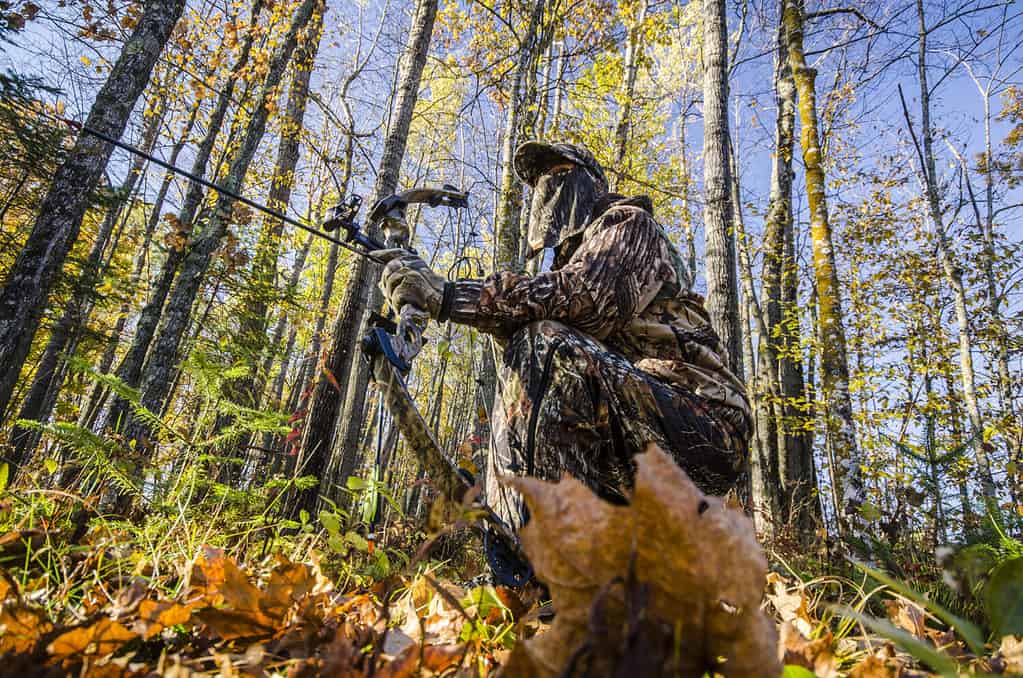
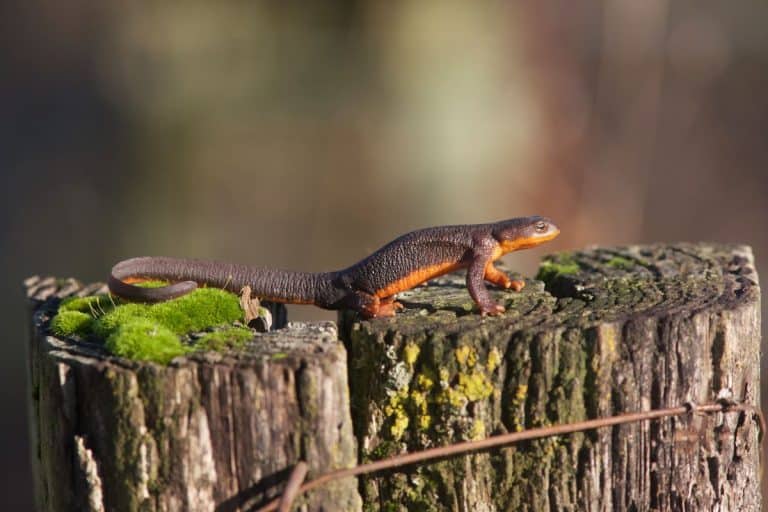
Wildlife management organizations must adapt their strategies to the effects of climate change.
©paul geilfuss/Shutterstock.com
Reduced snowpack can limit access to remote areas that once depended on frozen ground or consistent snowmobile travel. Warmer temperatures during early-season hunts increase the risk of meat deterioration and cause worries about heat exhaustion and dehydration. Extended fire seasons and degraded air conditions may make entire regions unsafe or inaccessible during peak hunting periods.
Unstable weather conditions, such as sudden storms, extreme cold snaps, or prolonged heat waves, may disrupt hunts with little warning. Hunters must now plan and monitor conditions more carefully and adapt gear, timing, and expectations to a wider range of scenarios.
As climate change continues, hunting seasons are likely to become more flexible, more region-specific, and more responsive to environmental conditions. Adaptive management, improved monitoring technology, and collaboration between hunters, scientists, and conservation groups will be increasingly important.
Hunters have long played a key role in wildlife conservation through funding, advocacy, and ethical harvest practices. Understanding how climate change affects hunting seasons is about more than just maintaining hunting opportunities; it is about ensuring healthy ecosystems, resilient wildlife populations, and a sustainable hunting tradition for generations to come.
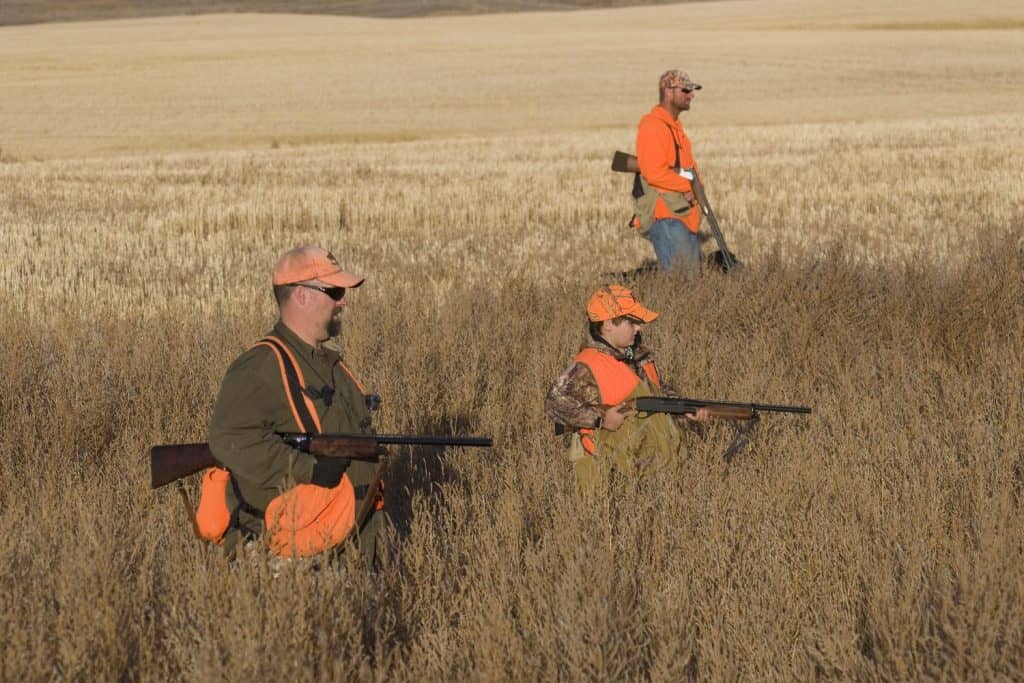
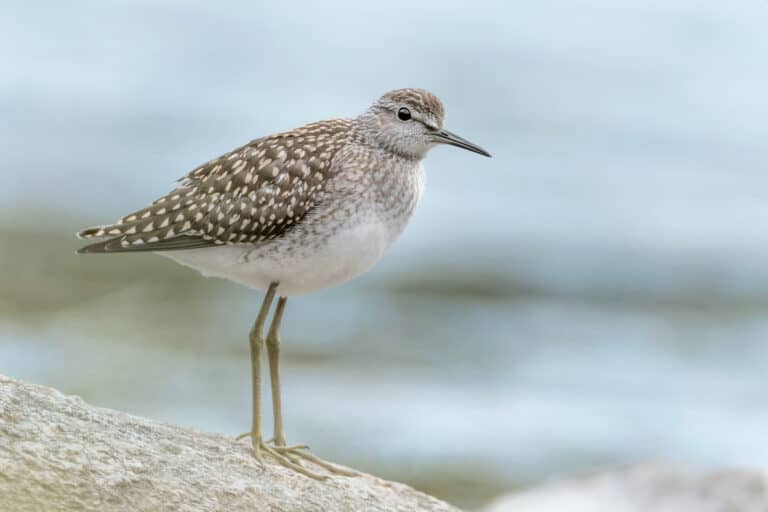
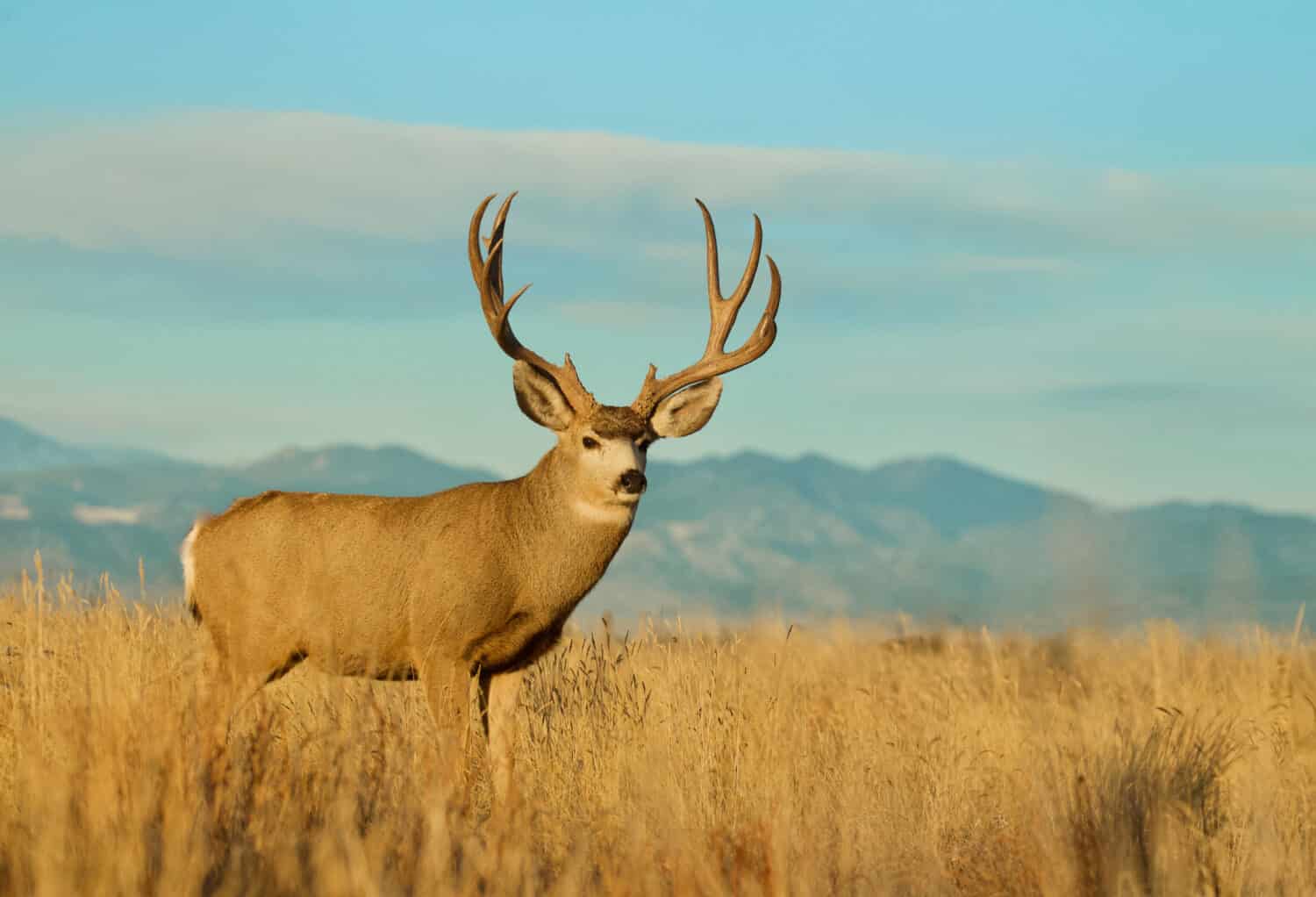
Adaptation and stewardship will be crucial as we navigate the uncertainties of a changing climate.
©Steve Oehlenschlager/Shutterstock.com
In summary, the effects of climate change on North American hunting seasons are profound and multifaceted, prompting urgent adaptations among hunters, wildlife agencies, and conservationists alike. As traditional patterns of migration, breeding, and habitat use shift unpredictably, the landscape of hunting is becoming increasingly dynamic. This necessitates a proactive, informed approach, as hunters must not only adjust their expectations and methods but also collaborate with wildlife management efforts to address these emerging challenges.
For me, this issue is very real. The hunters in my family are witnessing these changes firsthand, from altered season timing to shifts in animal behavior that challenge long-held knowledge passed down through generations. Their experiences reflect a broader reality playing out across North America.
The interplay between climate change and wildlife dynamics underscores the essential role of hunters in fostering healthy ecosystems and sustainable populations. By staying informed, participating in conversations around climate issues, and embracing new practices, the hunting community can contribute to effective conservation strategies that ensure the legacy of hunting endures for future generations.