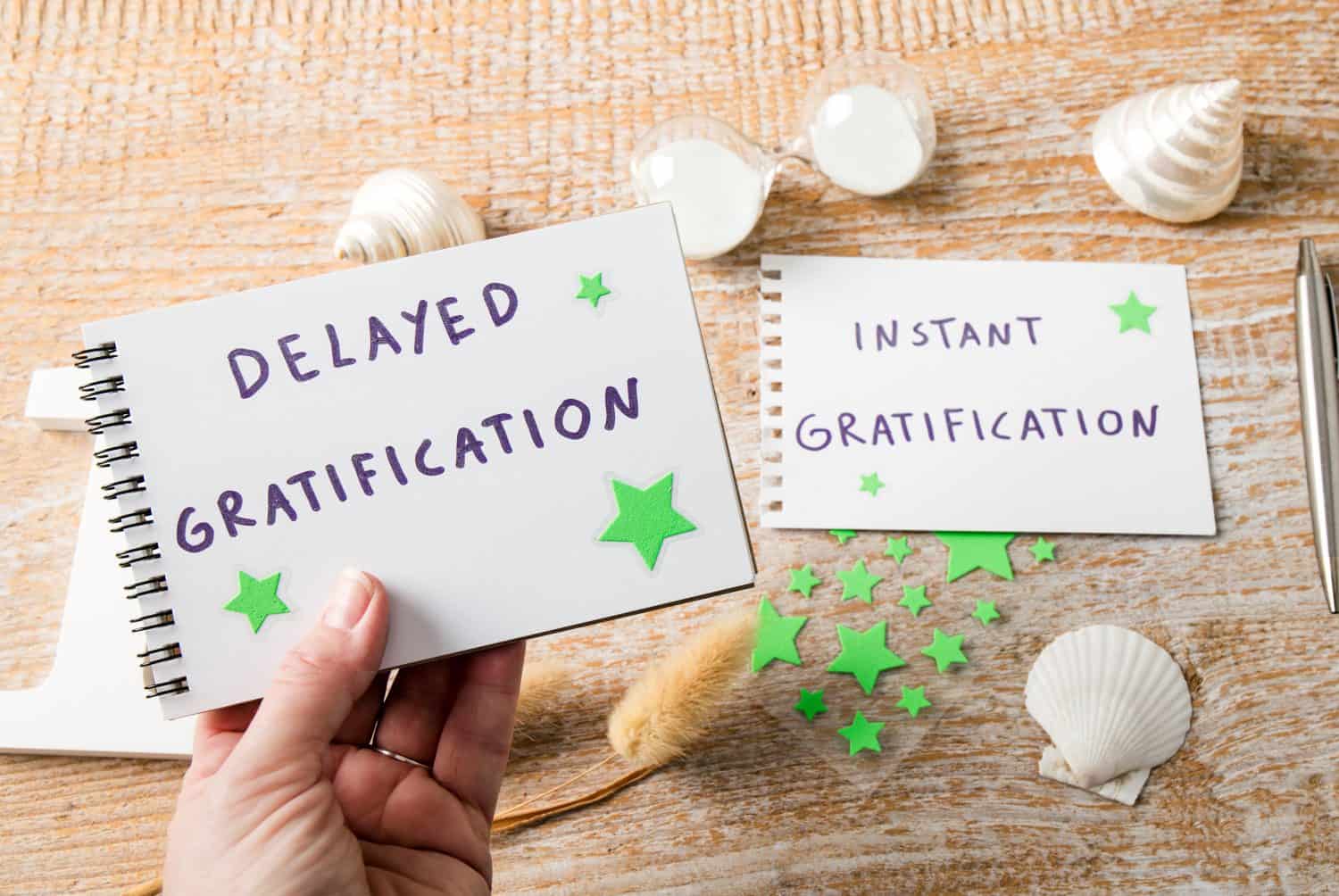

Delayed gratification — the ability to sacrifice an immediate reward for a more valuable one in the future — can tell us a lot about intelligence. While once believed to be a uniquely human trait, many animal species also exhibit impressive delayed gratification. In fact, delayed gratification has been observed in all kinds of animals, from chimpanzees and bonobos to rats, dogs, and even birds!
Understanding Delayed Gratification

The famous Marshmallow Test was led by Walter Mischel in the 1970s.
©Josie Garner/Shutterstock.com
Delayed gratification is a form of self-control that requires ignoring immediate impulses or desires. It is a key indicator of intelligence, as it involves many cognitive abilities:
- Resisting temptation: Overcoming the urge for instant gratification.
- Working memory: Keeping a long-term goal in mind.
- Cognitive flexibility: Adapting strategies as circumstances change in order to achieve a desired future outcome.
The concept of delayed gratification is famously illustrated by the Stanford Marshmallow Test. In this experiment, children were given a choice: eat one marshmallow immediately or wait for a short period and receive two marshmallows. Similar tests are used to assess delayed gratification in animals:
- Exchange Test: An animal is offered an immediate treat. However, if they wait, they can exchange this smaller treat for a more desirable one. This tests an animal’s ability to wait for a higher-quality reward.
- Accumulation Test: Treats are progressively added to a pile over time. The animal can eat from the pile at any point, but once they do, no more treats are added. This tests an animal’s ability to wait for a larger reward.
Avian Intelligence
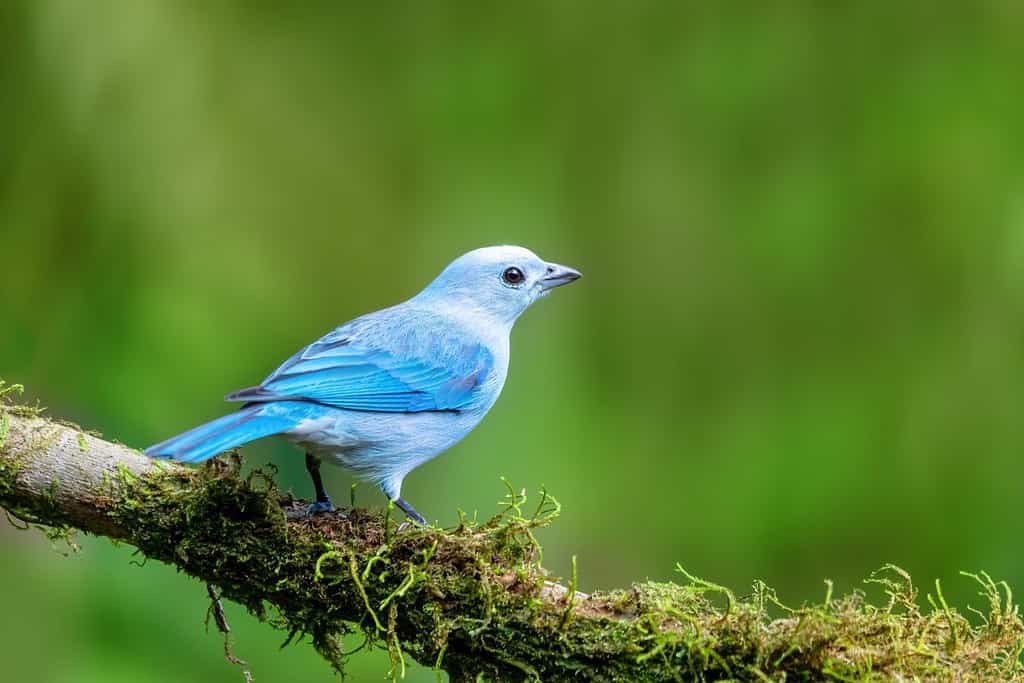
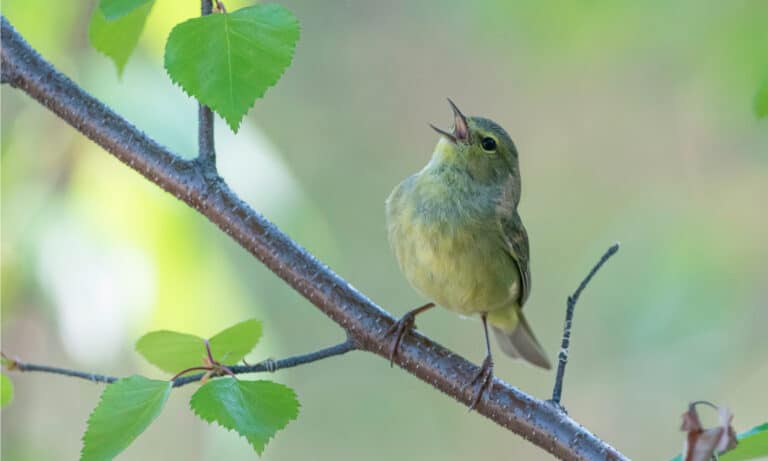
Songbirds learn complex songs similar to how humans learn languages.
©Artush/Shutterstock.com
For a long time, ornithologists — scientists who study birds — mostly looked at bird behavior and habitats without paying much attention to birds’ cognitive abilities. While apes were extensively studied for their intelligence, birds received much less attention. However, recent research has revealed many surprising insights into avian intelligence, particularly how similar birds and apes actually are. For example, birds’ brains are proportionally similar in size to those of apes. Many bird species also live in complex social structures, and like apes, they often take a long time before becoming independent.
Some studies suggest that certain birds, such as crows and parrots, might be as intelligent as apes. Despite having brains often no bigger than a walnut, birds like parrots and corvids (crows, jays, and ravens) can think and solve problems just as well as apes. Songbirds and parrots pack a huge number of neurons into their tiny brains — even more densely than mammals. These neurons are concentrated in the forebrain. As a result, large parrots and corvids can have as many, or even more, forebrain neurons than monkeys. This allows birds to process much more information relative to their brain size compared to mammals.
Clever Corvids
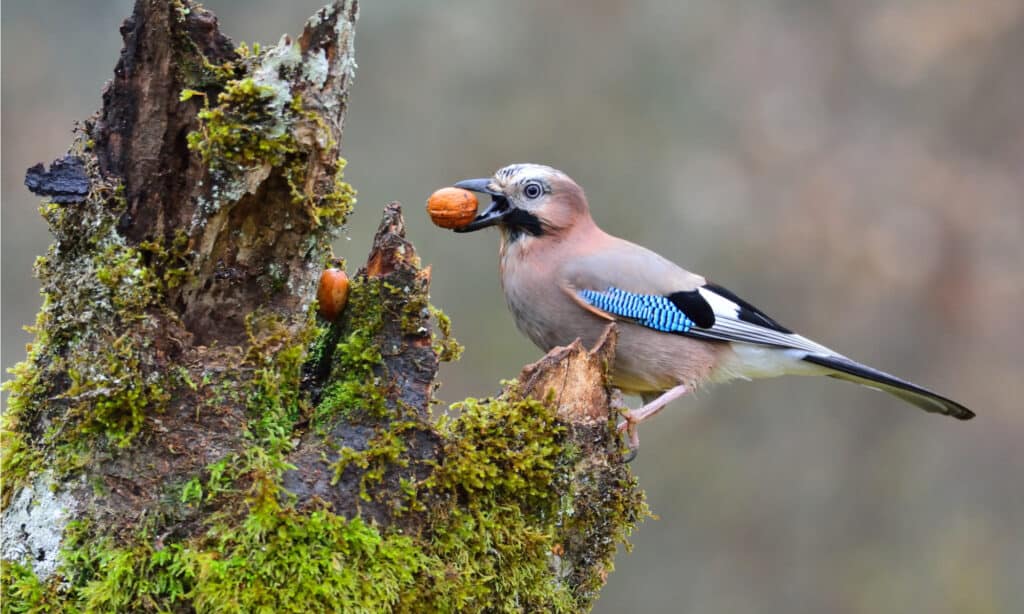
Eurasian jays stash their food and can remember the location of these hidden caches months later.
©StockPhotoAstur/Shutterstock.com
Eurasian jays (Garrulus glandarius), a type of corvid species, are known for their intelligence, so scientists tested their ability for self-control. The birds faced a choice: immediately eat bread or cheese, or wait for their favorite treat — a tasty mealworm. Remarkably, all the jays in the study chose to wait for the mealworm. However, how long they waited varied from bird to bird. One jay, known as “JayLo,” waited for over five minutes! Researchers also found a strong link between the jays’ overall intelligence and their ability to delay gratification.
This study reveals that corvids have advanced cognitive abilities previously believed to be exclusive to primates and humans. Their willingness to delay gratification for better rewards suggests sophisticated mental processes, such as planning, foresight, the ability to mentally represent future outcomes, and higher executive functioning. By waiting several minutes for a more desirable food item, birds like “JayLo” show that their decisions are not just reactive. They intentionally consider and weigh their options and the possible consequences.
Social Influences on Self-Control
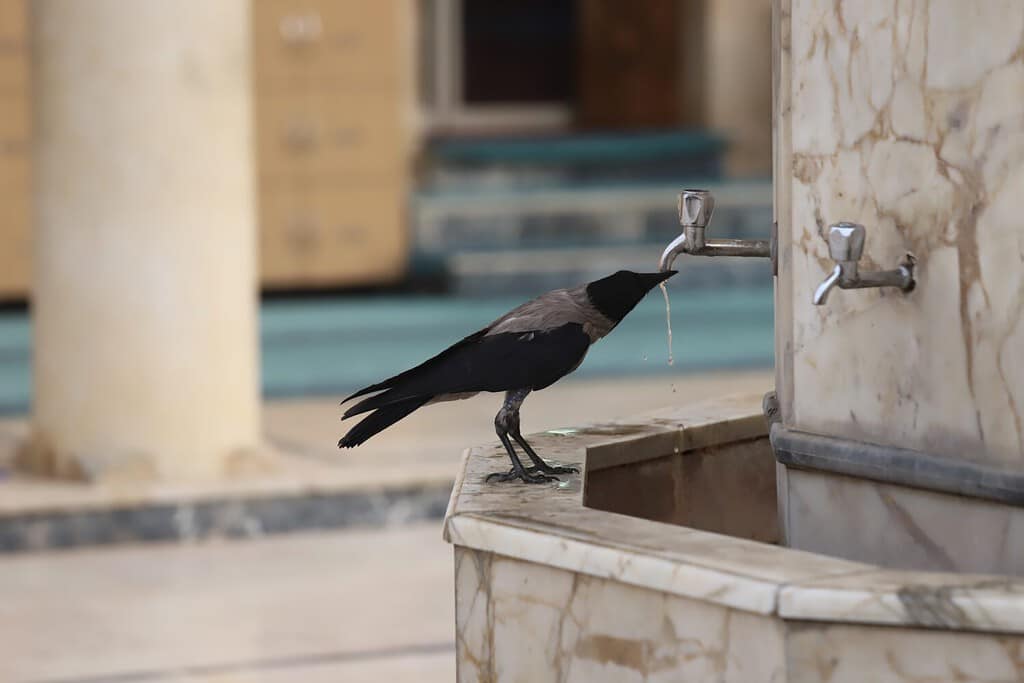
New Caledonian crows can create tools using two or more elements.
©Alfa Net/Shutterstock.com
Another experiment explored how the presence of other birds affects delayed gratification in New Caledonian crows (Corvus moneduloides) and Eurasian jays. The birds had to choose between an immediate but less desirable snack and a better quality snack available after a delay. Researchers tested the birds under three conditions: alone, with a potential food-stealing competitor nearby, and with a non-threatening bird nearby. The Eurasian jays were more impulsive, especially when any other bird was present. New Caledonian crows, on the other hand, consistently waited for the better snack, even when competitors were nearby.
These variations in self-control highlight how ecological and social adaptations shape mental strategies. For example, the Eurasian jays’ impulsivity in social settings matches their highly competitive environment, where food theft is common. In such an environment, delaying gratification could mean losing the reward entirely. In contrast, New Caledonian crows face fewer threats of food theft and exhibit self-control more consistently, even when competitors are present. This adaptability suggests that corvids adjust their behavior based on their social and ecological conditions, much like humans do.
Quality Over Quantity in Corvids
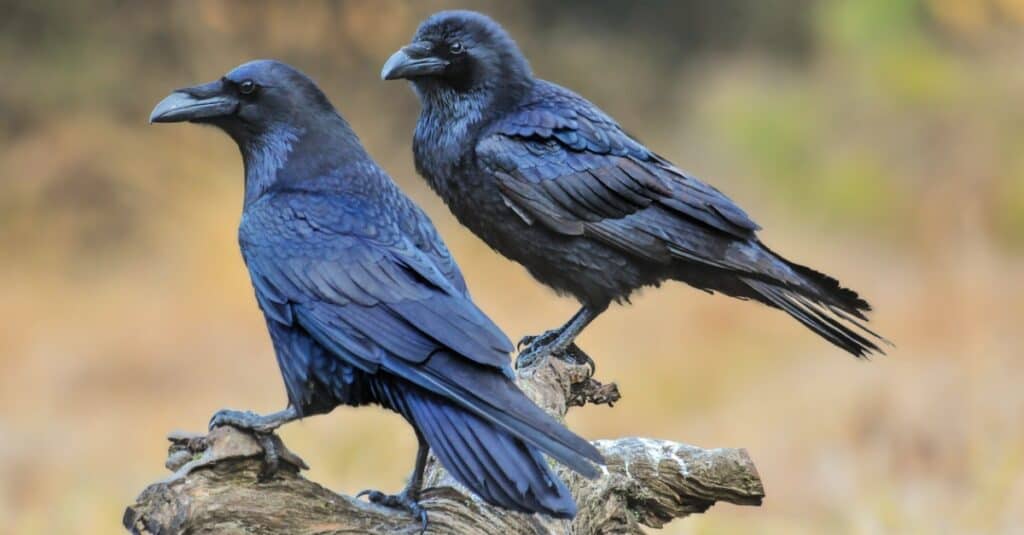
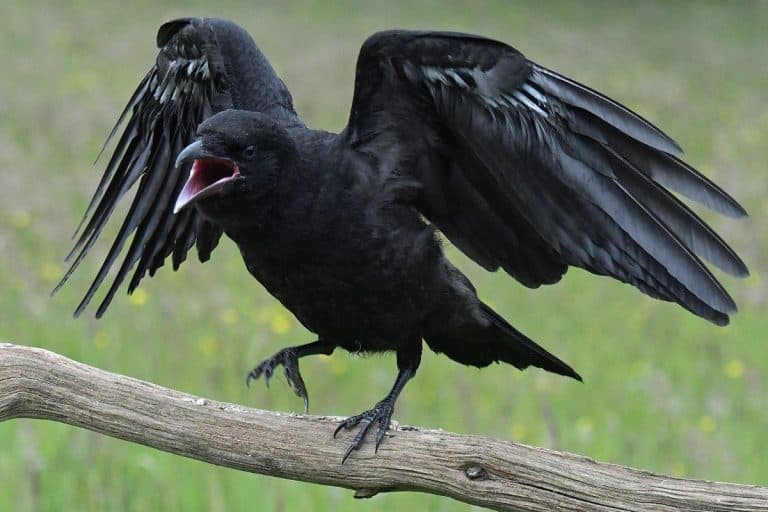
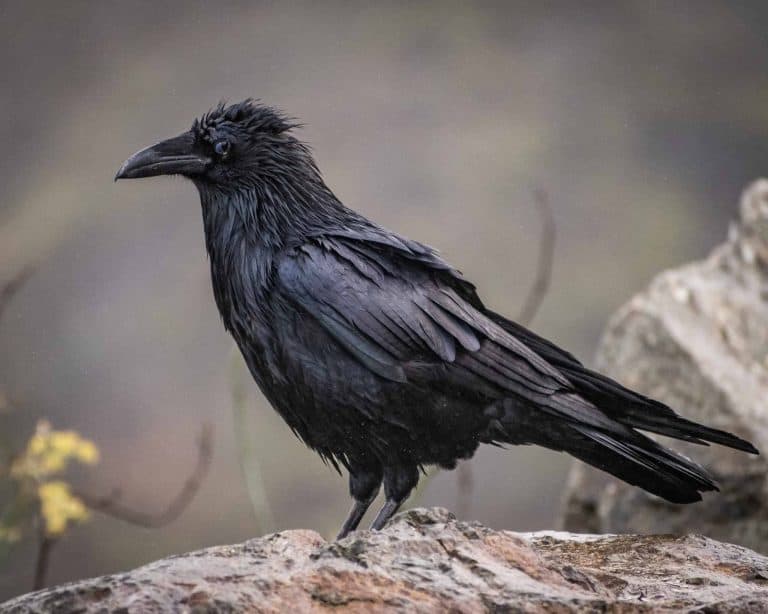
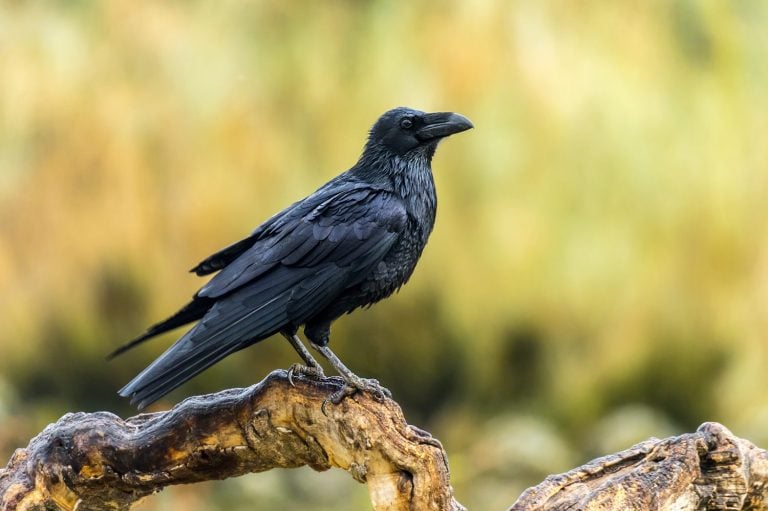
Ravens mate for life.
©Krasula/Shutterstock.com
In a separate study, crows and ravens participated in both an exchange test (swapping an immediate food item for a better one later) and an accumulation test (waiting for a pile of treats to grow). The results showed that the birds were willing to wait for a higher quality food reward. However, they were less willing to wait for a larger quantity.
Patient Parrots
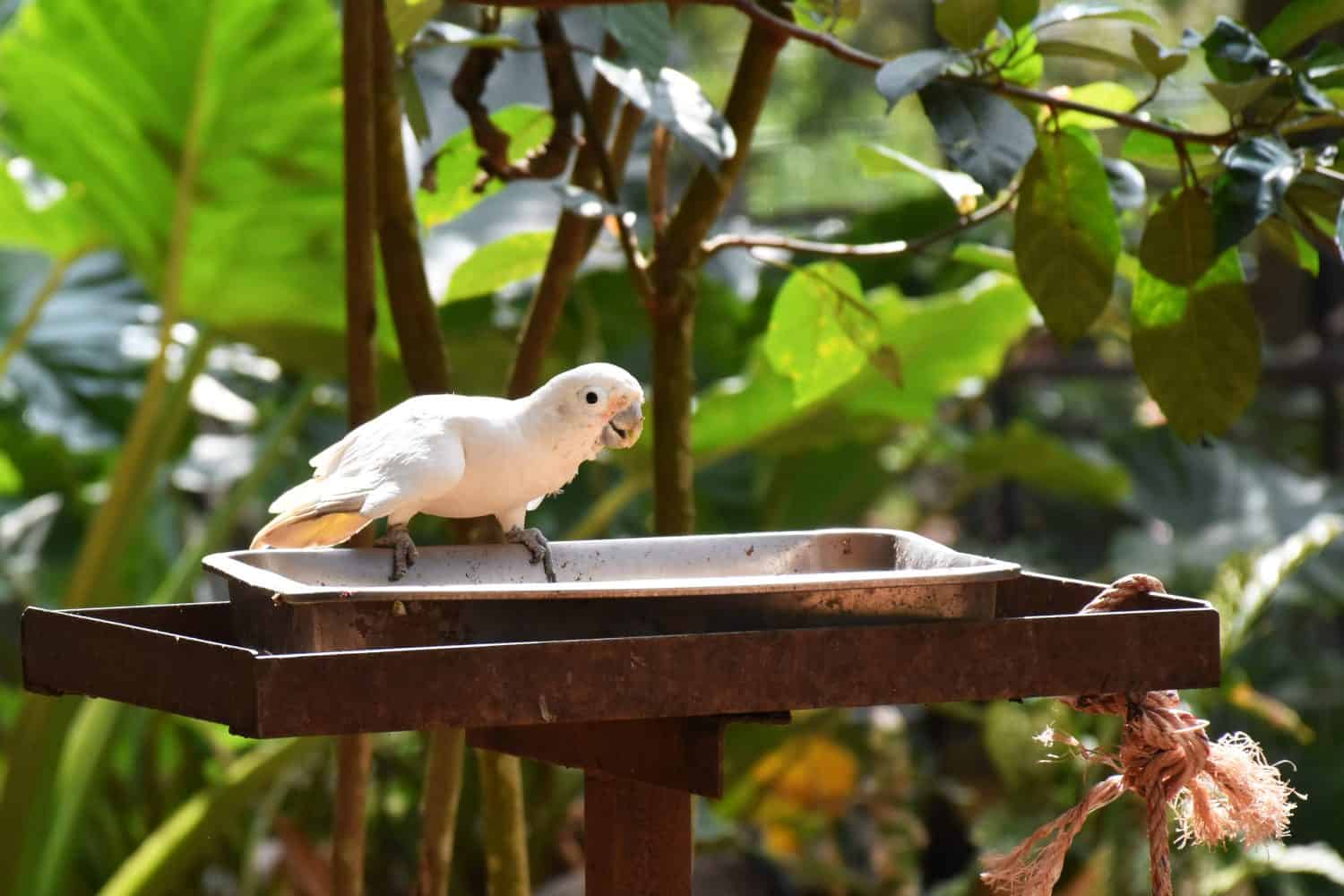
The Goffin’s cockatoo is also known as the Tanimbar corella or Tanimbar cockatoo.
©Asri Aziz/Shutterstock.com
African grey parrots (Psittacus erithacus) and Goffin’s cockatoos (Cacatua goffiniana) also demonstrate remarkable delayed gratification. When given the accumulation and exchange tests, Goffin’s cockatoos waited up to 80 seconds for a higher-quality food item and up to 20 seconds for a larger amount of food. This shows they can value both the quality and quantity of a future reward.
An African grey parrot was trained to understand and respond to the command “wait.” Taking delayed gratification to another level, the bird waited for an impressive 15 minutes for a better-quality reward. What’s especially interesting is that it didn’t matter if the parrot could see the reward — or even the person offering it — the parrot still continued to exercise self-control.
Quality vs. Quantity in Parrots
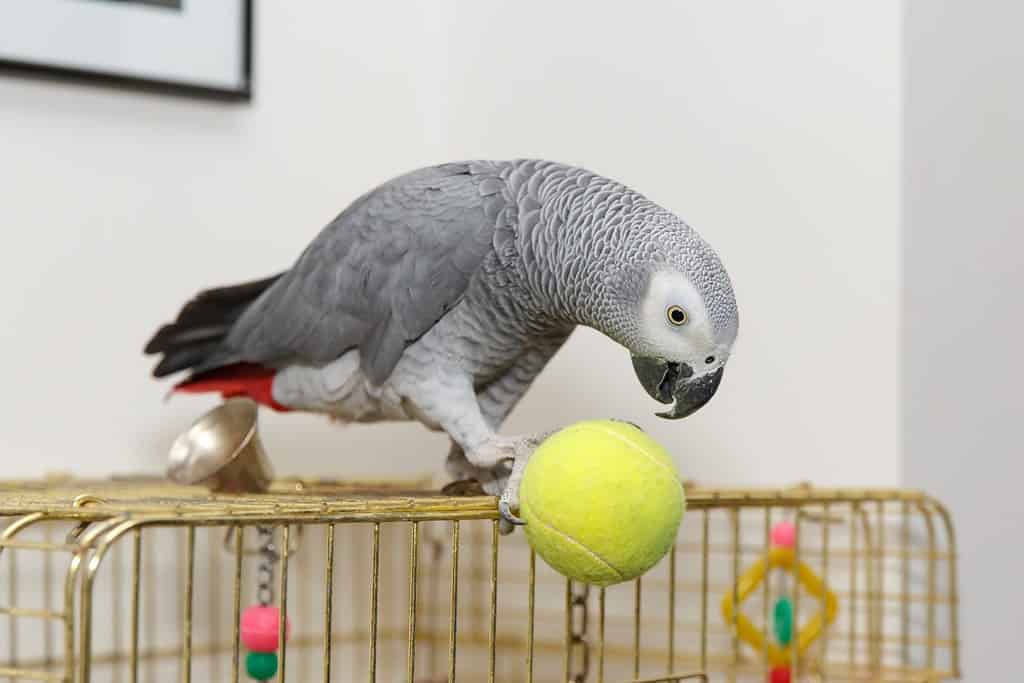
African grey parrots can learn to “speak” and use words or phrases contextually.
©GaevoyB/Shutterstock.com
Although previous studies showed that corvids are more likely to wait for a better quality treat rather than a larger quantity, parrots behave differently. Researchers introduced a token system (wooden hearts representing nut pieces) to an African grey parrot. While the parrot had previously waited 15 minutes for higher-quality food, it now waited for a larger quantity of food for up to 15 minutes as well.
This suggests that using symbols to represent rewards, rather than having the food physically present, allowed the parrot to perform at a similar level to young children on the classic Marshmallow Test.
Self-Control and Cognitive Connections
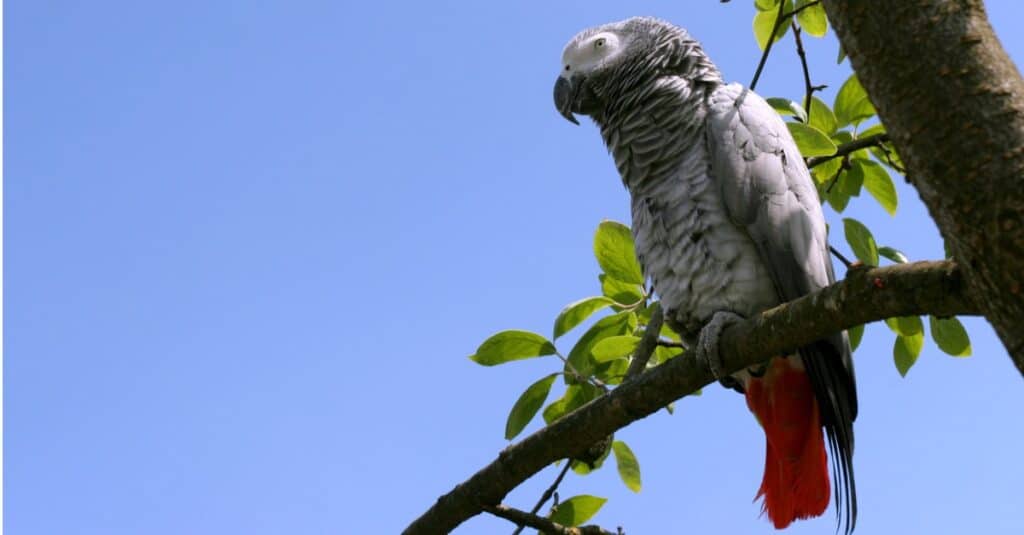
People often keep African grey parrots as pets due to their intelligence and social nature.
©iStock.com/AJevs
The ability of parrots to delay gratification demonstrates their advanced problem-solving skills. These birds don’t just resist temptation; they actively evaluate future outcomes, suppress immediate desires, and can even do so without seeing the reward.
The use of symbolic representation, such as using tokens in place of food, also suggests a form of abstract reasoning. The fact that the parrot performed better when tokens replaced actual food is similar to what is observed in young children. This cognitive control is also linked to social learning and tool use, which both Goffin’s cockatoos and African grey parrots exhibit. Self-control likely helps the birds to observe, imitate, and learn from others without acting too quickly. This is essential in their natural habitats, where parrots live in cooperative flocks. In these groups, good timing and patience can lead to better resources and higher social status.