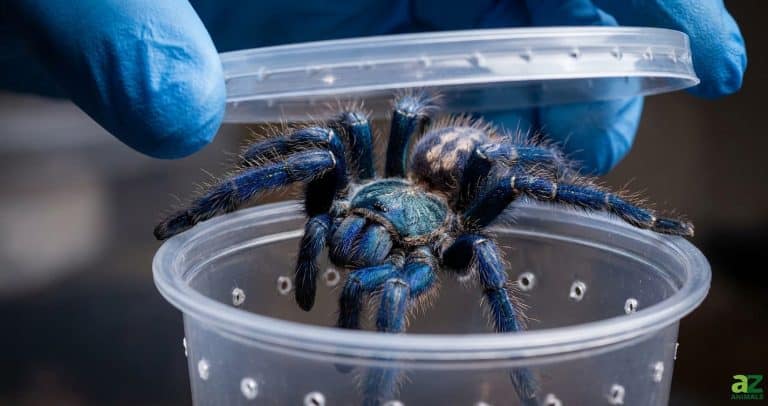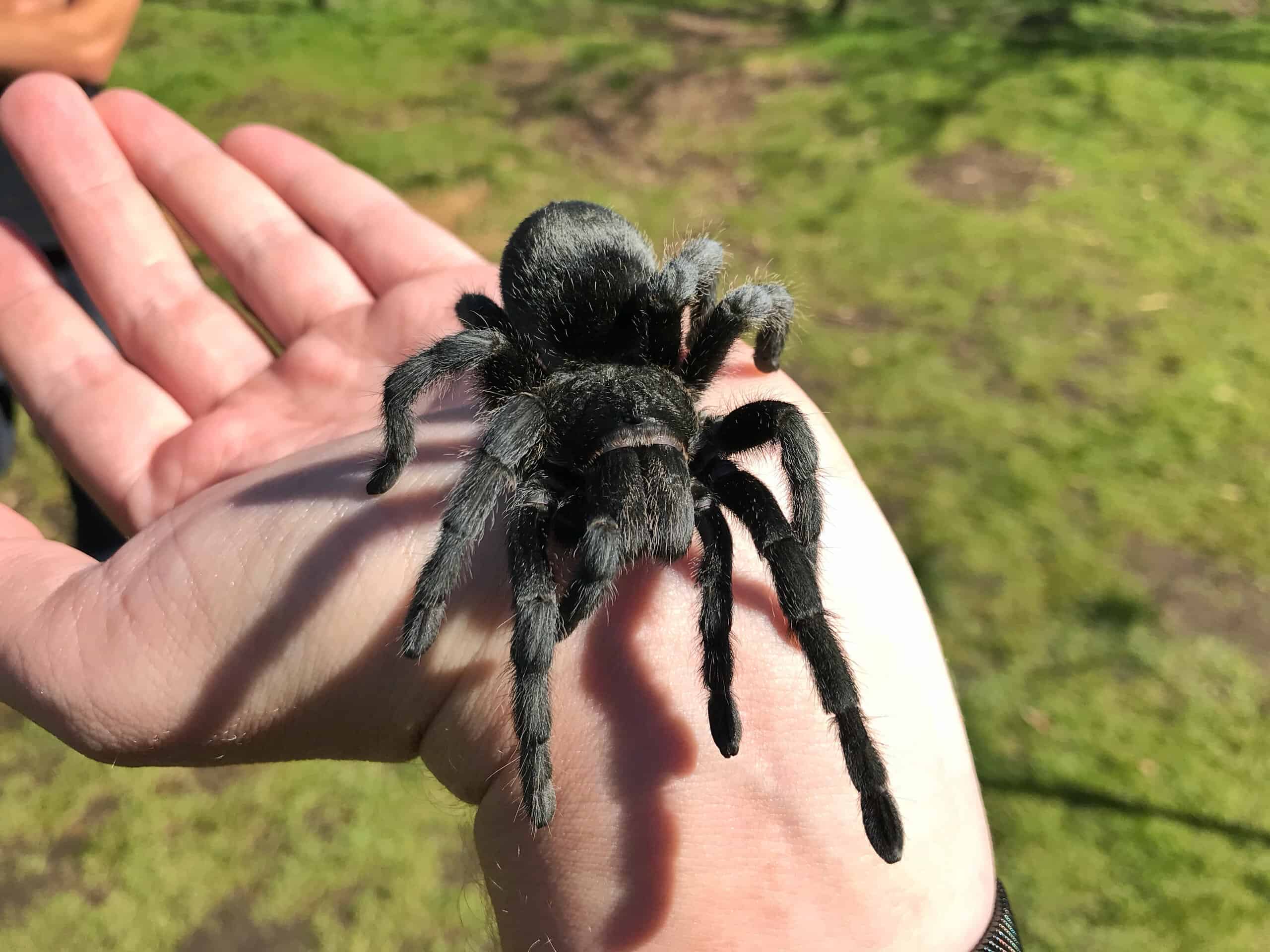

Despite their intimidating appearance, tarantulas are surprisingly fragile. In this YouTube video, a veterinarian cares for a tarantula that has become constipated (impacted) and is unable to excrete waste. Read on to learn more about the causes of impaction, the signs to look for, and the proper care of an impacted tarantula.
Possible Causes of Impaction in Tarantulas

An impacted tarantula has a blockage in its digestive tract that prevents it from passing waste.
©theinkedvet / YouTube – Original
When a tarantula’s digestive tract is blocked, this condition is called impaction. Impaction causes symptoms similar to constipation, preventing the spider from defecating and leading to a buildup of waste inside its body. The blockage may be located anywhere in the digestive tract, from the internal organs to the anal opening. Although experts are still studying the exact causes of this condition, there are several factors that are believed to contribute to impaction.
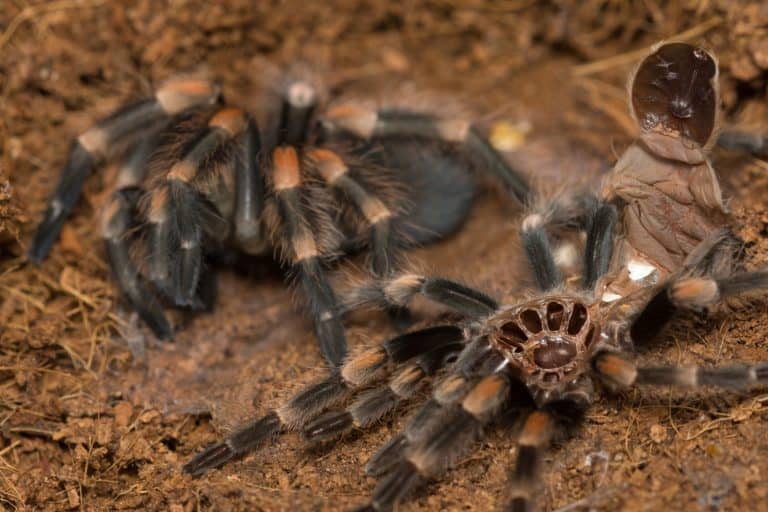
Veterinarians believe dehydration is a primary contributing factor. If a spider is not getting enough water, its feces can become hardened and difficult to pass. Dehydration can also contribute to a problematic molt, which has been suggested as another possible cause for impaction. A spider may struggle during molting if it does not have the required fluids to expand its body and crack the exoskeleton. This can result in internal injuries that lead to blockages in the digestive system. Shed skin can also become stuck around the anus and cause a blockage.
Experts note that keeping tarantulas at improper temperatures may also contribute to constipation. When temperatures are too cold, it can negatively impact a tarantula’s metabolism, interrupting its natural digestive processes. Other factors may include injuries, poor diet, infections, parasites, neurological disorders, and ingestion of foreign objects, such as sediment from a water bowl.
Signs That Your Tarantula May Be Impacted
Inappropriate care is unfortunately common in the spider trade. Therefore, it is crucial for tarantula owners to learn to recognize the signs of illness in their pets. Signs that a tarantula may be impacted include:
- Lethargy
- Dragging its abdomen across the substrate or walls of its enclosure
- Excessive grooming of the anal region and/or abdomen with its back legs
- Drinking more water
- Decreased appetite
- A white crust on its anus and/or spinnerets
- An oddly-shaped or plump abdomen, even when not eating
Impaction can be difficult to detect, and the condition can be deadly if not treated early. If you notice any of the signs above or believe your pet is behaving differently, contact your vet for advice.
Veterinary Care for Impacted Tarantulas

Fluids may be required because dehydration is a significant concern when a tarantula becomes impacted.
©theinkedvet / YouTube – Original
Veterinary care for an impacted tarantula first involves removing the blockage, if possible. Next, the vet ensures that the spider gets plenty of fluids. As discussed above, dehydration is often a significant contributing factor to impaction. In the video above, the veterinarian flushes the area with warm water and uses a wet cotton swab to gently remove the blockage from the anal opening. Then, the tarantula is injected with fluids to help it rehydrate.
For dehydration, fluids can be given orally via a syringe or pipette or injected into the tarantula’s body cavity or heart. If fluids must be injected, veterinarians recommend regular saline, lactated Ringer’s solution (which contains electrolytes), or spider’s Ringer’s solution. This solution is similar to the Ringer’s solution used in IVs for humans with low blood volume, but it is specially formulated for tarantulas. Veterinarians stress the importance of providing fresh water for your pet tarantula, not only to prevent impaction, but also to ensure they maintain optimal health.