
Quick Take
- A single trilobite could produce 12 fossilized skeletons throughout its life.
- The Badger State nickname refers to the living conditions of lead miners rather than the animal.
- A class of third grade students proposed the honey bee as the Wisconsin state insect.
Wisconsin is renowned for its diverse, glacier-sculpted landscape, with thousands of lakes and scenic bluffs along the banks of the Mississippi River and the shores of Lake Michigan. Key features include rolling plains, glacial moraines, deep river valleys, and the rocky gorges of the Wisconsin Dells. Within these areas is a diverse array of wildlife, with over 650 native vertebrate species, including mammals, birds, reptiles, amphibians, and fish. Continue reading to discover which animals Wisconsin has officially designated as symbols of America’s Dairyland.
State Bird: American Robin
In the mid-1920s, Wisconsin schoolchildren cast votes to select the state’s official bird. The American robin (Turdus migratorius) won by a 2-1 margin over the next closest competitor. But, while the children of Wisconsin made their wishes known, state lawmakers did not act on the measure for over 20 years. As a result, it wasn’t until 1949 that the American robin received official designation as Wisconsin’s state bird.
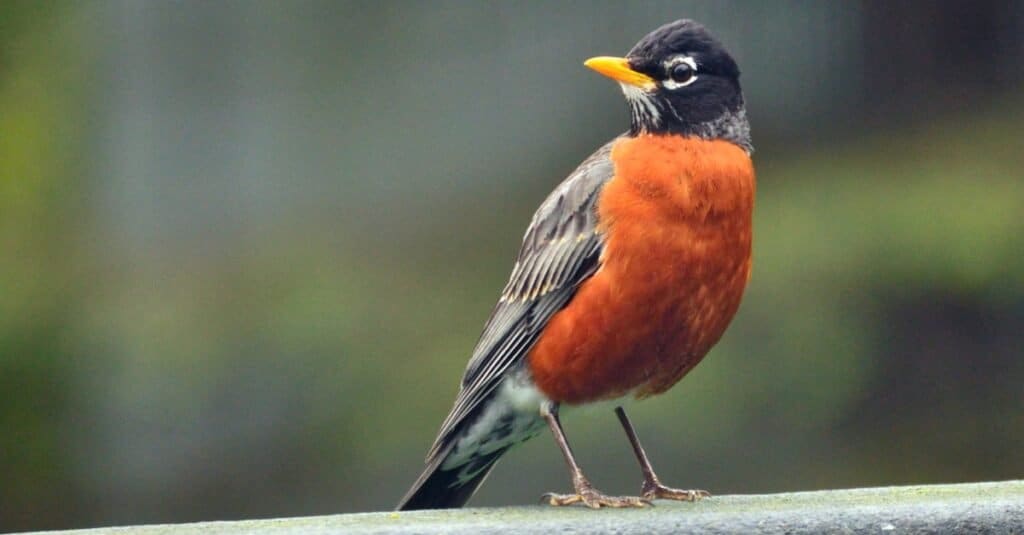
The American robin’s orange chest is one of the most familiar sights among North American birds.
©iStock.com/PhotosByMSA
The American robin is a migratory bird that heralds the arrival of spring. When Wisconsinites hear the robin’s familiar song, they know that the doldrums of winter are coming to a close.
The American robin is a member of the thrush family. It is the most widespread and abundant thrush in North America. The bird’s instantly recognizable black and gray body, with its vivid orange chest, is a familiar sight throughout the U.S., Canada, and Mexico.
State Fish: Muskellunge
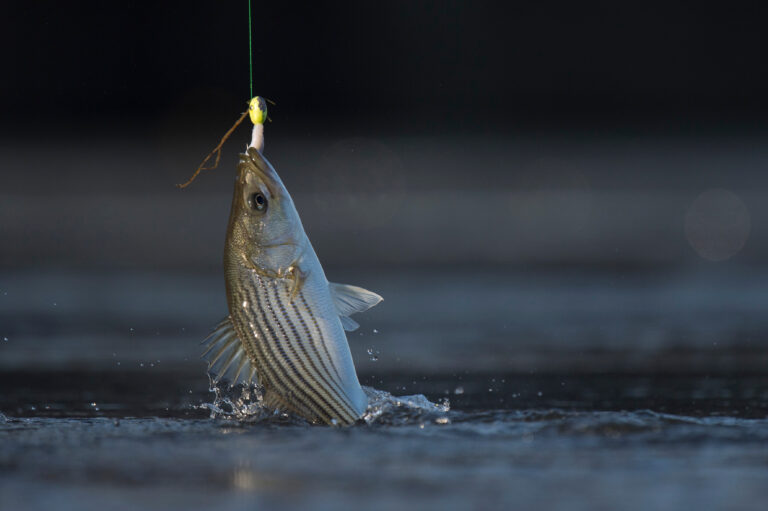
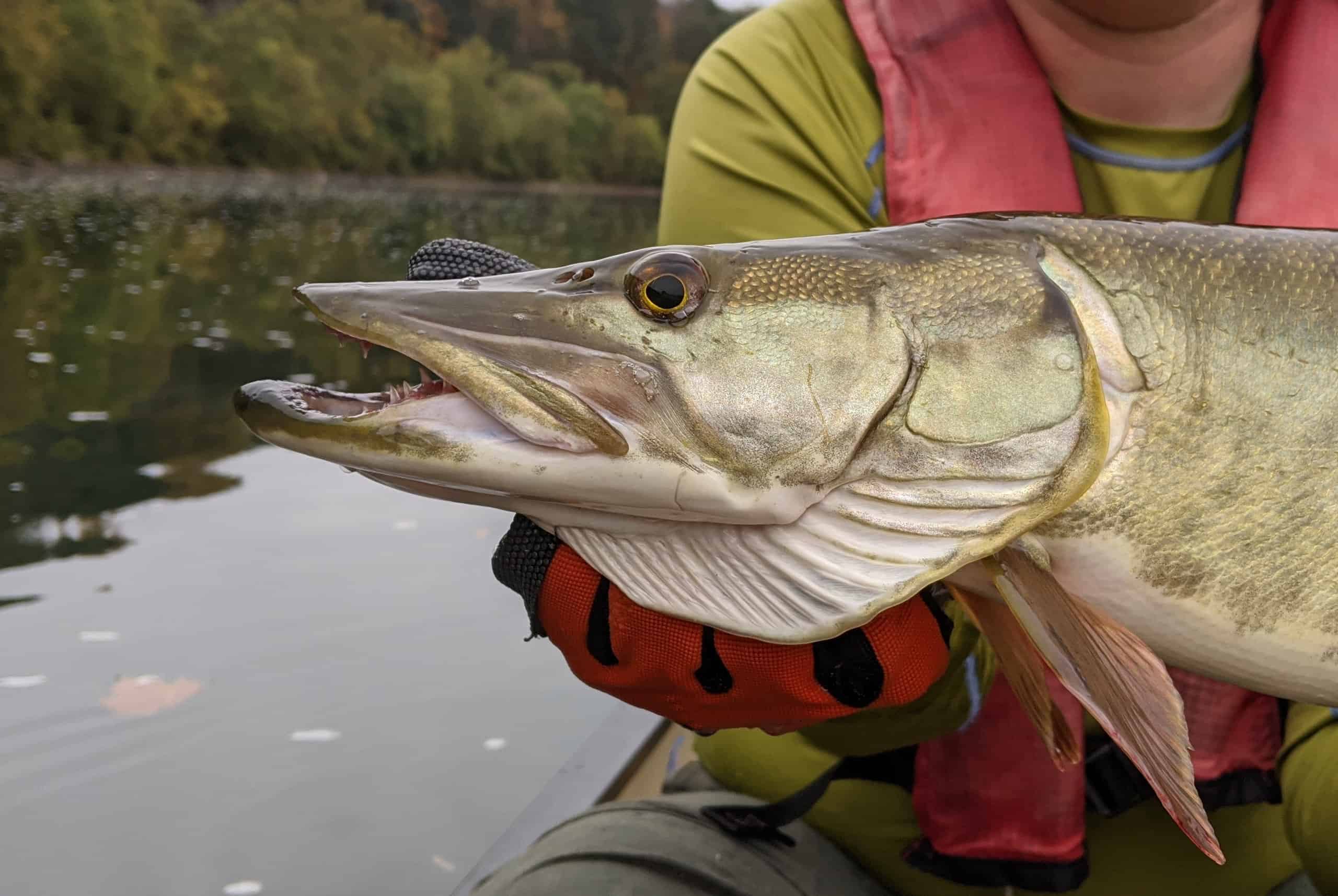
Wisconsin lawmakers named the muskellunge (Esox masquinongy Mitchell) the official fish of the state in 1955. The muskellunge, commonly known as the muskie, is unique to North America. This premier gamefish can be found in numerous lakes and streams throughout Wisconsin.
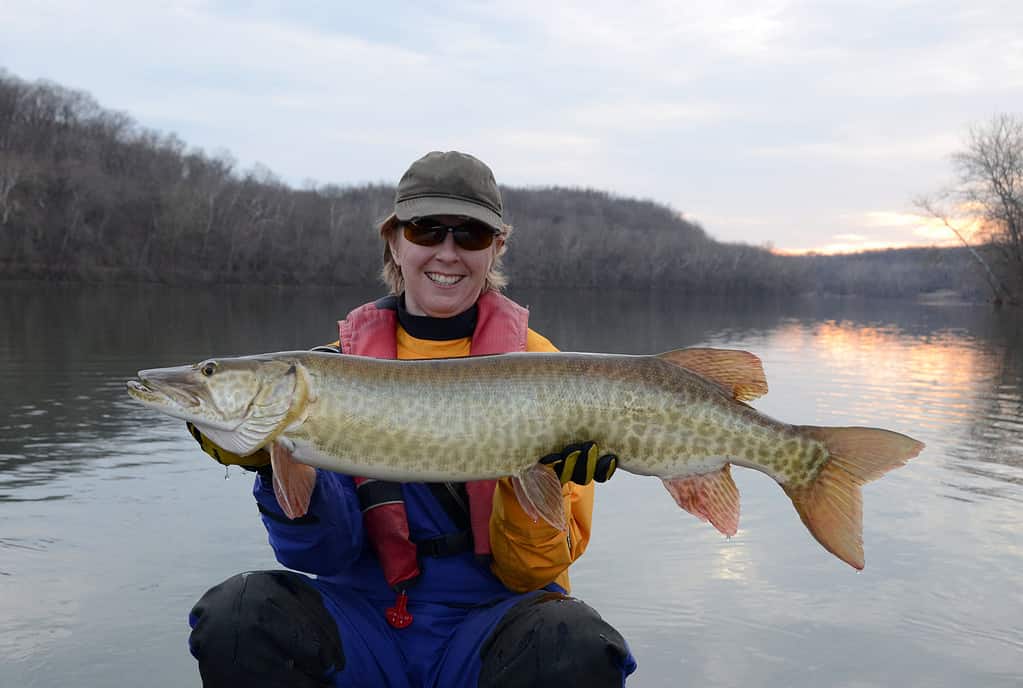
Muskies are a prized sport fish in Wisconsin.
©M Huston/Shutterstock.com
Muskies are light silver, brown, or green with dark stripes or spots and typically grow 24-48 inches long. A mature muskie averages 10-20 pounds in weight. Considered an apex predator, muskies feature a large mouth filled with razor-sharp teeth.
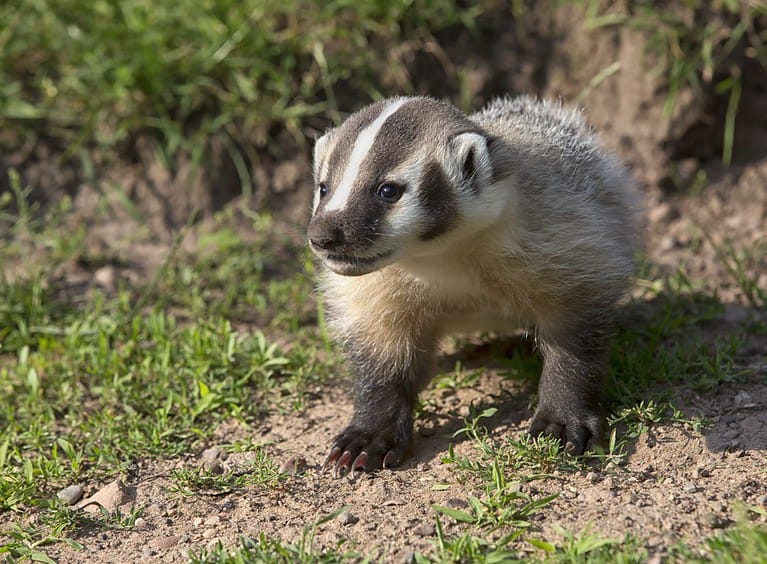
State Animal: Badger
The official state animal of Wisconsin is the American badger (Taxidea taxus), which is unsurprising given the state’s nickname: The Badger State. However, this nickname is not a reference to the actual animal, but to the living conditions of miners in the 1820s. Lead miners were called badgers because many lived in burrows or temporary dugouts in hillsides during winter. The specific subspecies of American badger found in Wisconsin is the Jackson’s badger (T. t. jacksoni), which is well adapted to the Great Lakes region. They are found in prairie and other grassland habitats across the state, but are seldom seen because of their nocturnal nature.
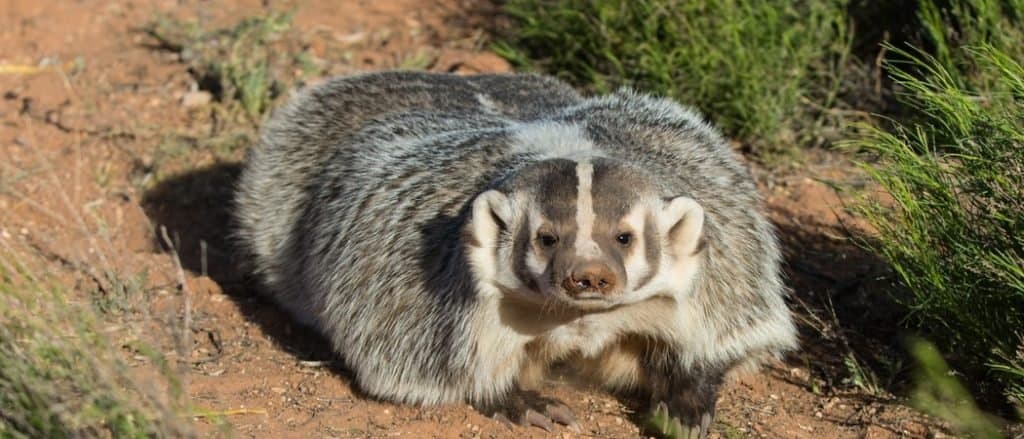
A badger’s burrow can be 10 feet deep and 33 feet long.
©Warren Metcalf/Shutterstock.com
American badgers are fossorial carnivores that use their large foreclaws to dig for and pursue prey into their dens. Their primary diet includes gophers, moles, prairie dogs, voles, marmots, woodrats, and pikas. They also eat snakes (including rattlesnakes), ground-nesting birds, fish, skunks, amphibians, lizards, insects, carrion, and some plants such as corn, mushrooms, peas, and sunflower seeds. American badgers typically measure 20 to 35 inches in length and weigh between 13 and 25 pounds.
State Wildlife Animal: White-Tailed Deer
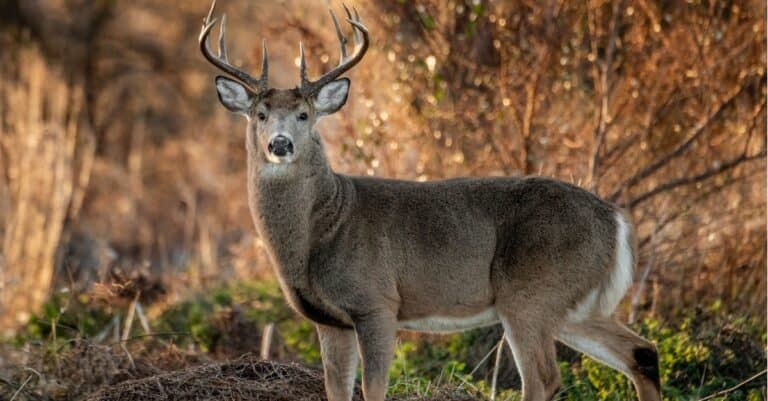
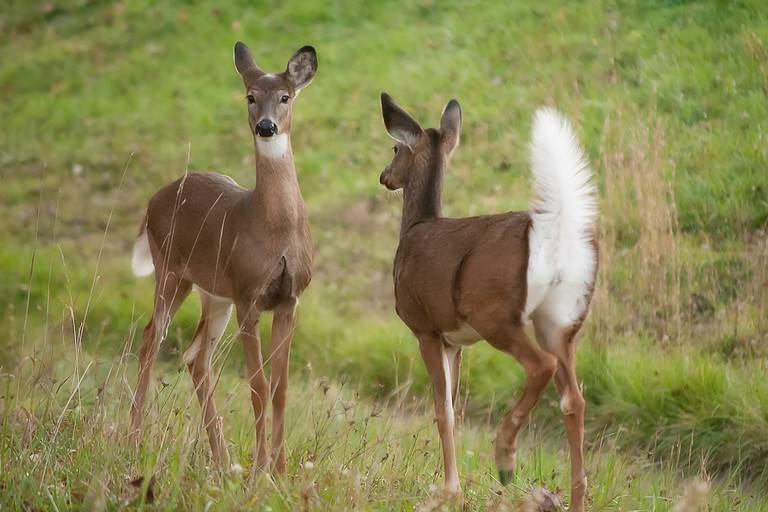
The official Wisconsin wildlife animal is the white-tailed deer (Odocoileus virginianus). The white-tailed deer was officially designated as the Wisconsin state wildlife animal in 1957. It was adopted for its economic and recreational value.
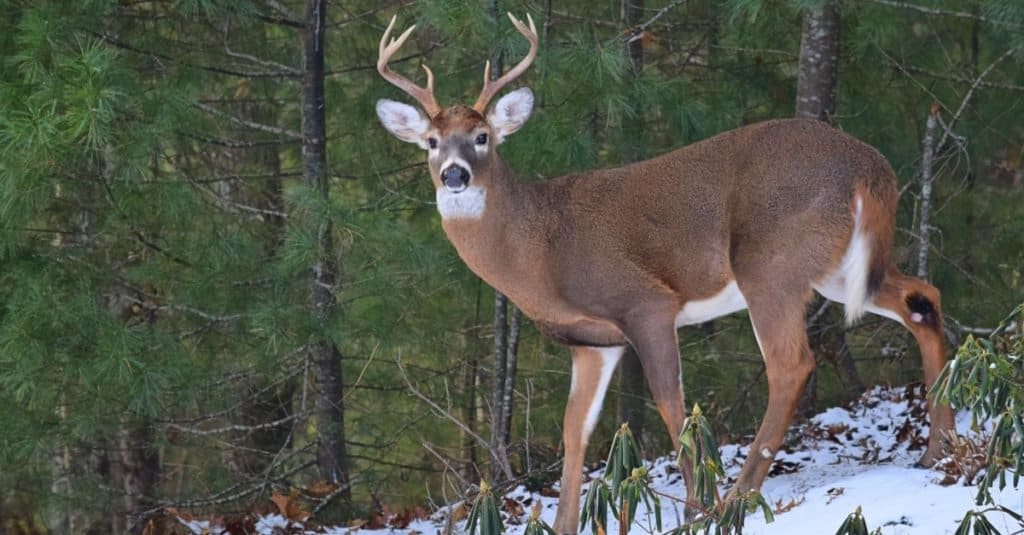
White-tailed deer are found in every county in Wisconsin.
©Michael Sean OLeary/Shutterstock.com
The white-tailed deer is a beautiful, graceful creature that can run up to 30 miles per hour. Deer are found in abundance in all of Wisconsin’s 72 counties. Annual revenue from the state’s deer hunting season is estimated to be around one billion dollars.
State Symbol of Peace: Mourning Dove
Doves have symbolized peace in many different cultures for thousands of years. There are multiple species of dove native to the United States and Canada, but the most widespread is easily the mourning dove (Zenaida macroura).
Through much of the 1960s, animal rights groups and activists pressured Wisconsin legislators to remove the mourning dove’s status as a game bird in the state. Lawmakers acquiesced in 1971 and named the mourning dove the official state symbol of peace, while also removing it from the statutory definition of game birds.
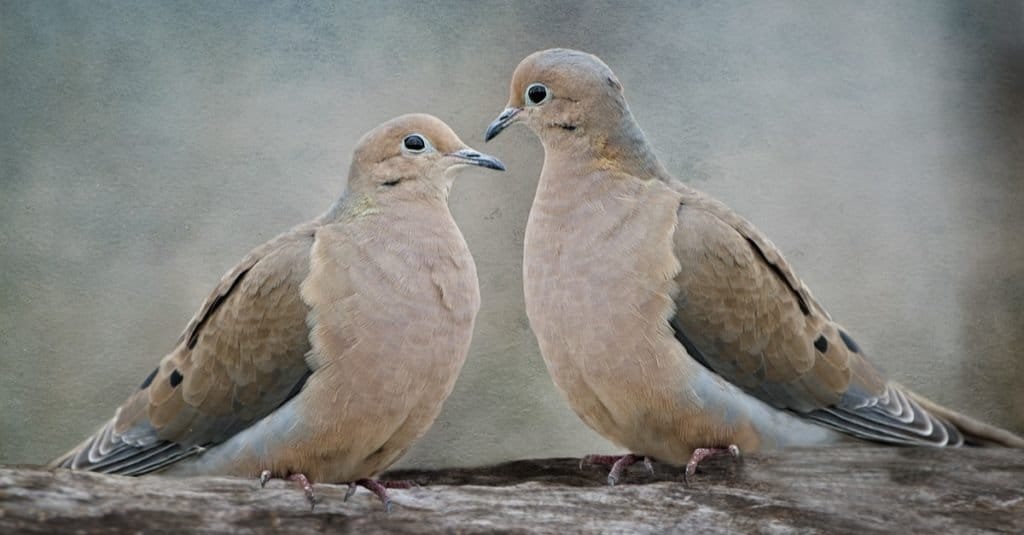
The mourning dove is the most common dove in the U.S. and Canada.
©Bonnie Taylor Barry/Shutterstock.com
That decision was reversed in 2001. While the mourning dove retained its status as the state’s symbol of peace, it was added back to the state’s list of legal game birds due to population growth. Lawsuits slowed things down, but mourning dove hunting was officially reinstated in Wisconsin in 2003.
The mourning dove is one of the most common of all birds in the United States. Their breeding and resident ranges encompass the entirety of the continental U.S. The mourning dove’s unique profile and lamenting call are known coast to coast in the United States, as well as in much of Mexico and Canada.
State Domestic Animal: Dairy Cow
As milk is Wisconsin’s official beverage, it follows that the dairy cow (Bos taurus) would be the state’s official domesticated animal, and the designation was made official in 1971. Cows have been domesticated by humans for thousands of years. Today, it is estimated that there is one cow for every five humans on Earth. The cow is the second most common livestock animal in the world, after the chicken.
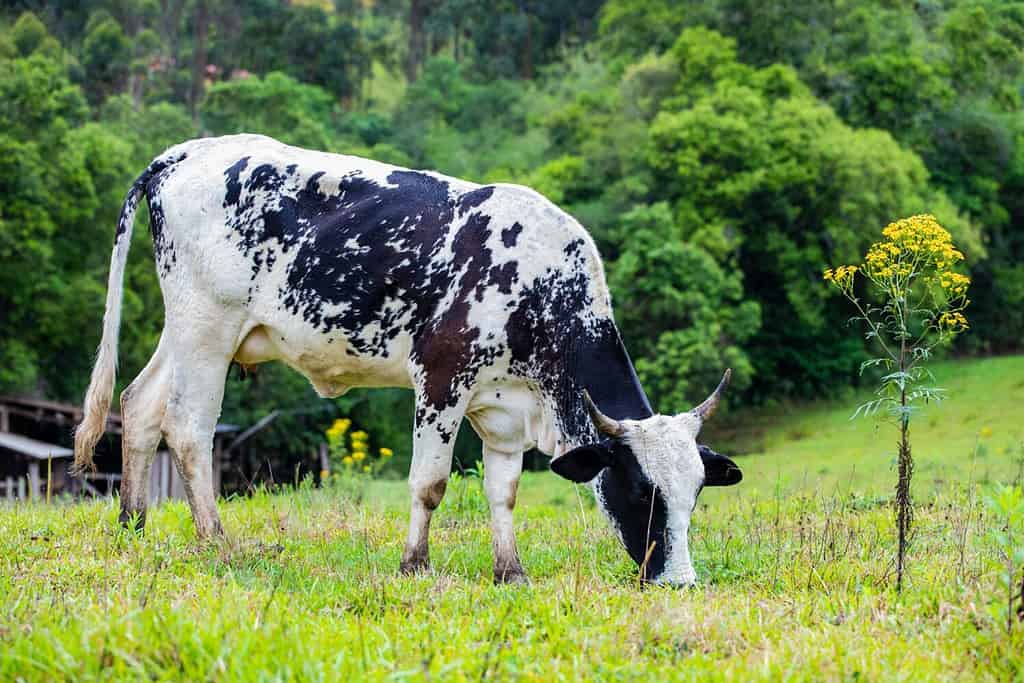
Wisconsin recognized the dairy cow as the official state domesticated animal in 1971.
©difgomez/Shutterstock.com
Wisconsin has the distinction of having more dairy farms than any other state in the nation. While the number of farms has declined to about 5,100 as of early 2026, Wisconsin remains the industry leader in dairy, producing over 31 billion pounds of milk annually and serving as the top producer of various cheeses.
State Insect: Honey Bee
Third-grade students at Holy Family School in Marinette were learning about the legislative process in the 1970s when they decided to put their studies into action. With the full support of the Wisconsin Honey Producers Association, the students petitioned the legislature to adopt the honey bee (Apis mellifera) as the state’s official insect. Other insects were under consideration for the official designation, including the monarch butterfly, dragonfly, ladybug, and mosquito. Ulti lately, state legislators chose the honey bee as the official state insect in 1977, due in large part to the influence of the third-grade class.
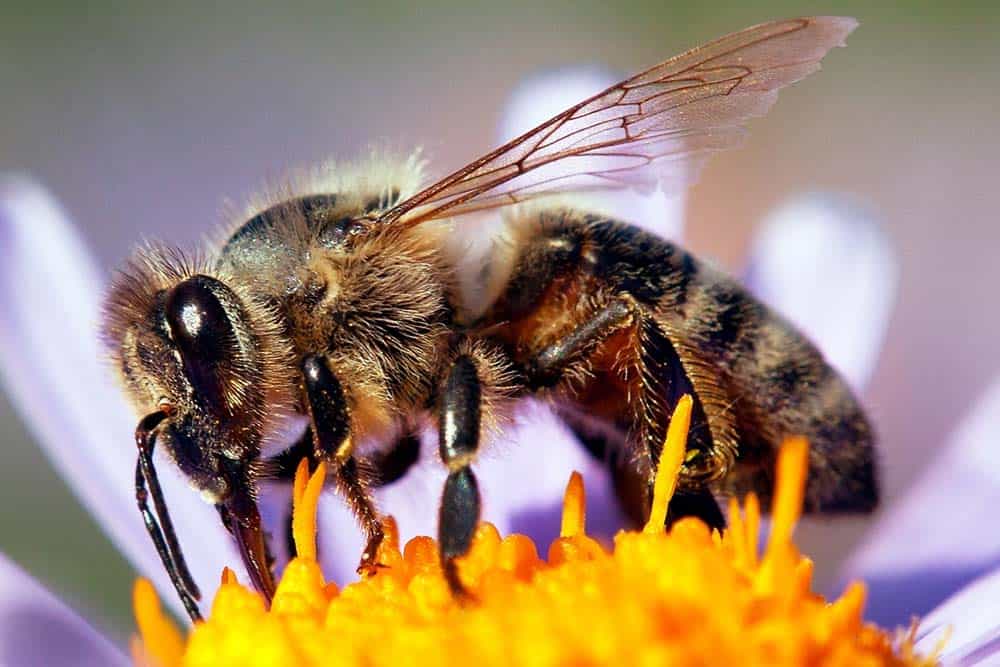
Honey bee pollination is critical for Wisconsin gardens and farms.
©Daniel Prudek/Shutterstock.com
The honey bee is the most common pollinator in the United States and the most important bee in domestic agriculture. Around one-third of the food eaten by Americans comes from crops pollinated by these bees, including many fruits, vegetables, and nuts.
State Dog: American Water Spaniel
The persistent effort of students at Washington Junior High School in New London, Wisconsin led to the official designation of the American Water Spaniel (Canis lupus familiaris) as Wisconsin’s state dog in 1985. The breed originated in Wisconsin and neighboring Minnesota when European immigrants were seeking a dog that could retrieve waterfowl from the cold waters of these Northern U.S. states.
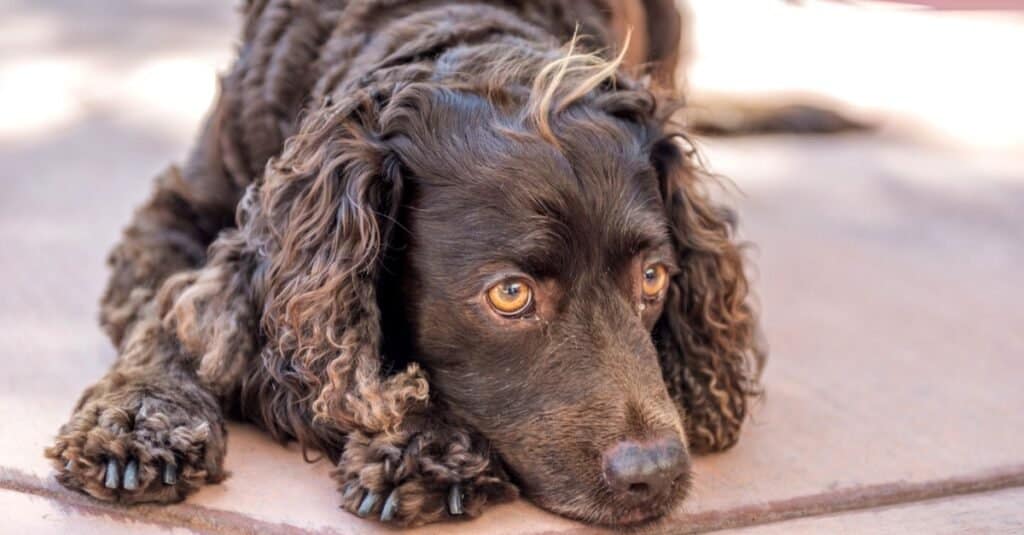
Even super-active dogs like the American Water Spaniel need a break now and then!
©Steve Bruckmann/Shutterstock.com
The exact mix of breeds used to create the American Water Spaniel is not known, but it is generally believed that the Irish Water Spaniel, Curly-Coated Retriever, and the now-extinct English Water Spaniel are part of the breed’s lineage. The American Water Spaniel breed was standardized and accepted by the American Kennel Club in 1940.
This dog has a sweet, affable disposition. As a hunting dog, the American water spaniel requires routine exercise. Its curly coat needs to be groomed regularly, as well. The American Water Spaniel is a loyal and fun-loving dog, making it a wonderful family pet.
State Fossil: Trilobite
During the late Cambrian Period, approximately 520 million years ago, most of Wisconsin was covered by a shallow inland sea. The sea persisted for the next 200 million years until the end of the Devonian Period.
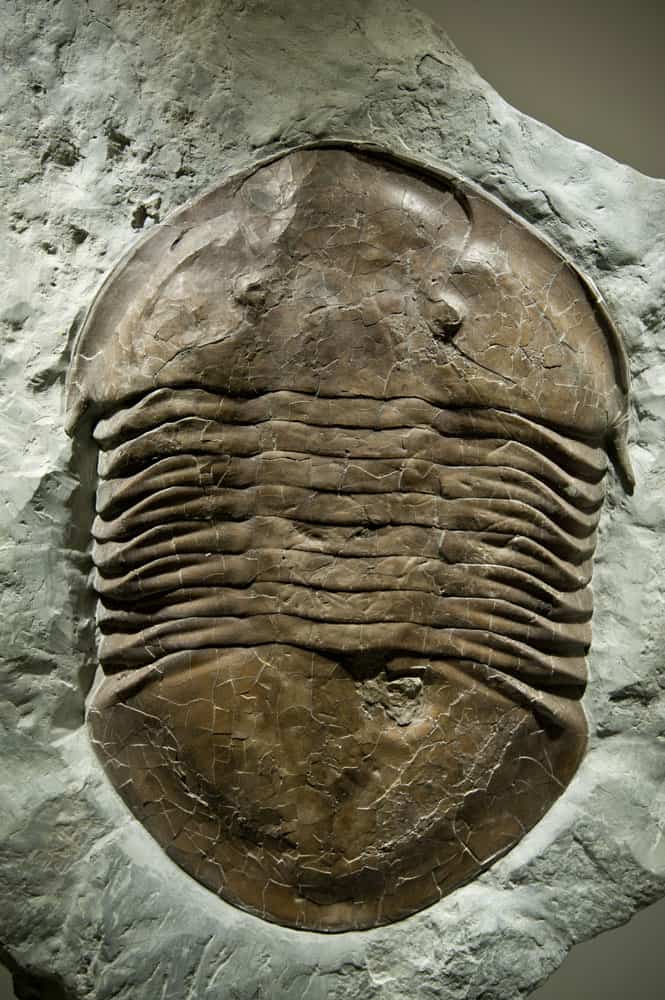
Trilobites were marine animals.
©iStock.com/markchentx
The deposits of this prehistoric sea are found in sandstone and shale beds in the state. A few types of ancient fossils can be found in these beds, including the trilobite (Eldredgeops rana).
Trilobites were marine arthropods. Some varieties were filter feeders, some were scavengers, and some were predators. Trilobites were the prehistoric ancestors of modern crabs, lobsters, shrimp, spiders, and insects.
Trilobite fossils are common because these ancient arthropods molted and discarded their outer skeletons multiple times during their lives. A single trilobite could leave behind as many as a dozen fossilized skeletons. Trilobite fossils ranging from one inch to 14 inches have been found in rock formations throughout Wisconsin.
In recognition of one of its first animals, legislators adopted the trilobite as the state’s official fossil in 1985.