
Quick Take
- The “Wash” Myth: It’s not about hygiene. Discover the biological reason raccoons soak their food (it actually gives them “super-powered” touch).
- Survival of the Smartest: With front paws as sensitive as human hands, the raccoon’s problem-solving skills made it a frontier legend long before 1971.
- A 300-Year Bond: From Daniel Boone’s legendary hats to modern urban backyards, find out why this “masked” neighbor defines Tennessee culture.
- Unlikely Hero: Why lawmakers passed over bears and deer to name the raccoon as the official “State Wild Animal.”
Every state has its favorites, but Tennessee’s choice of official wild animal often catches people off guard. Instead of a large predator or a widely admired game species, lawmakers selected the ring-tailed raccoon. The raccoon’s story is deeply tied to Tennessee’s settlement, rural economy, and daily interaction with wildlife. This familiar animal, often seen near creeks or backyards, reflects how people in the state have lived alongside nature for generations.
The Raccoon (Procyon lotor)
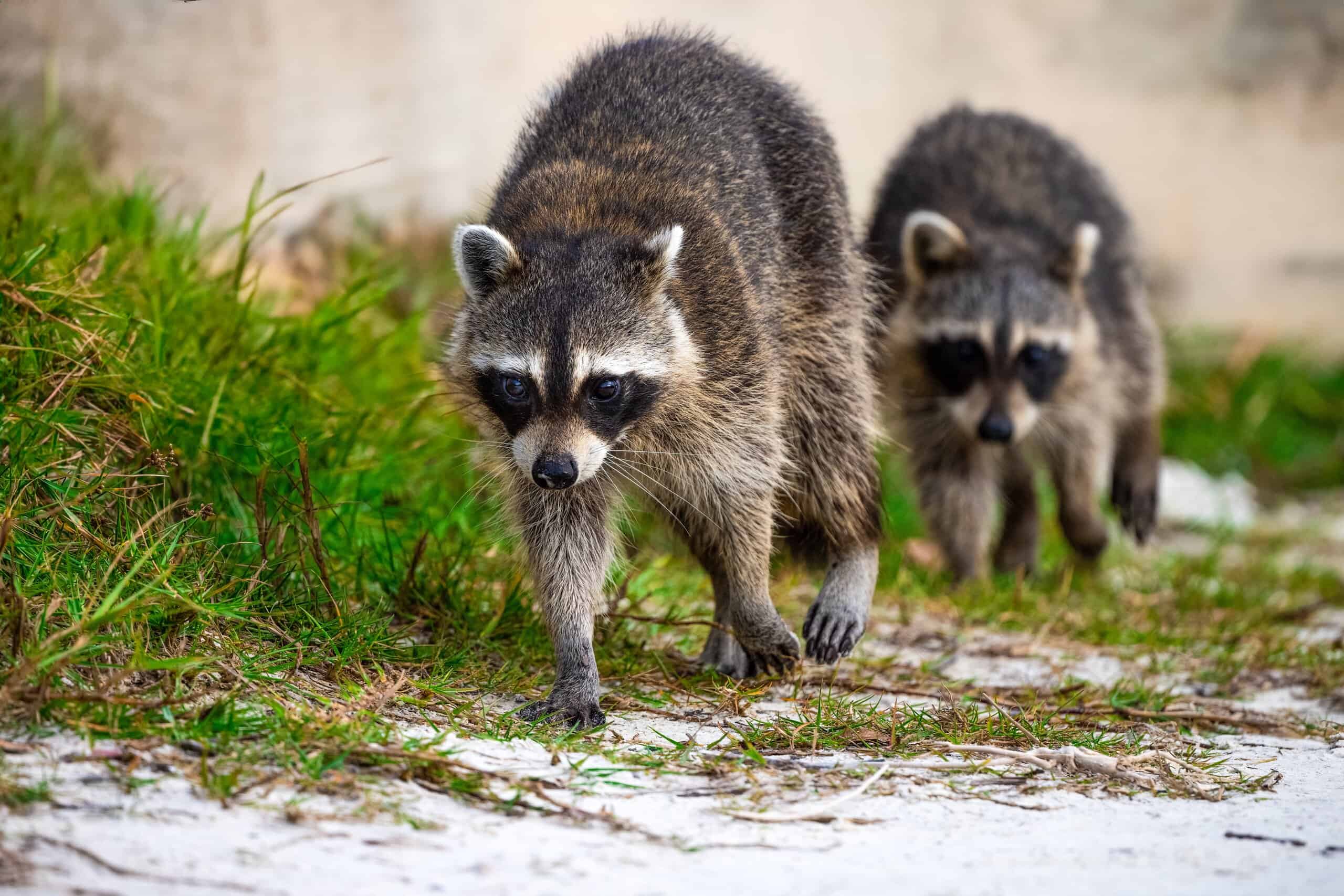
The raccoon is a medium-sized mammal known for its stocky build, ringed tail, and dark markings around the eyes. Adults usually weigh between ten and thirty pounds, with size varying by region and food supply. In Tennessee, raccoons live in hardwood forests, floodplains, wetlands, and increasingly in towns and suburbs.
They are mostly active at night and rely on a broad diet that includes fruits, nuts, insects, frogs, crayfish, fish, eggs, and discarded human food. Their front paws are sensitive and flexible, allowing them to grasp, pry, and explore objects with precision. This ability gives them a reputation for problem-solving that few other mammals share. Their adaptability has helped them thrive in landscapes shaped by farming, logging, and urban growth.
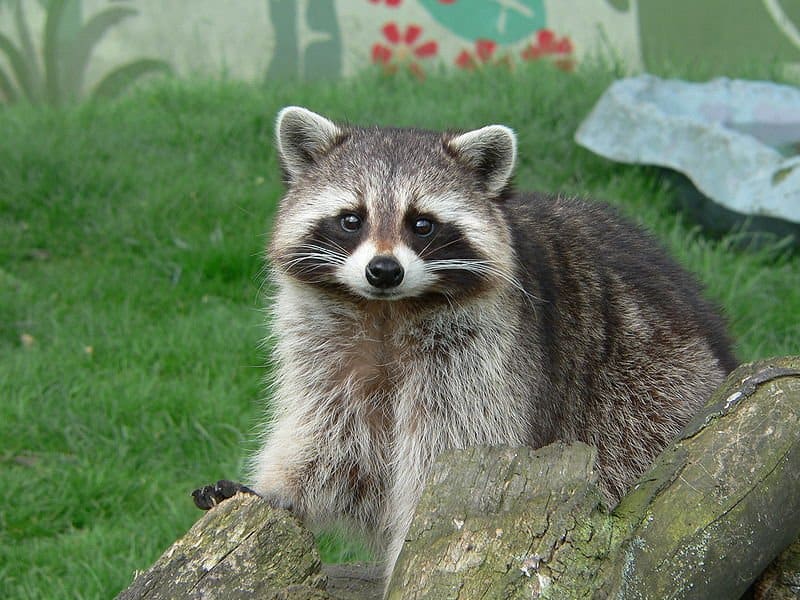
Raccoons are equally at home in the woods or the suburbs.
©Harlequeen / Creative Commons – Original
Life in Tennessee Habitats
Across Tennessee, raccoons make use of a wide range of environments. In forested regions, they den in hollow trees or fallen logs near streams. In agricultural areas, they feed along field edges and in cornfields, especially late in the growing season. Urban raccoons rely on storm drains, attics, and abandoned structures for shelter. Water sources play an important role, since raccoons often wash or soak food before eating. They do this not primarily to clean their food, but to improve the sensitivity of their fingers and explore them more thoroughly.
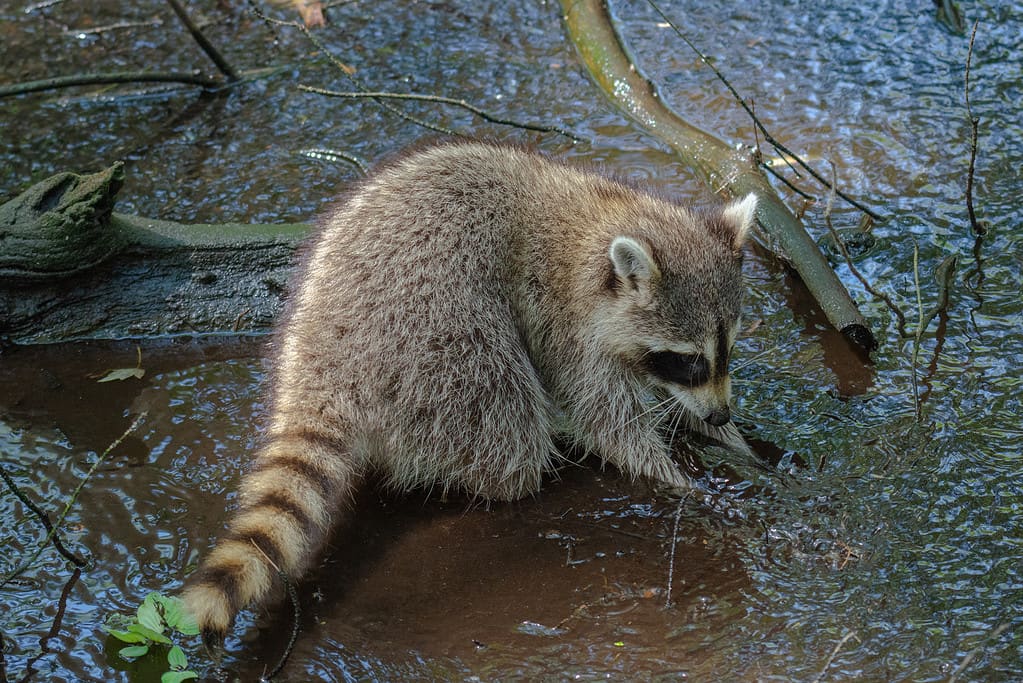
Raccoons get their food wet to make their fingers more sensitive to explore it.
©ad-e-motion/iStock via Getty Images
Seasonal changes influence their behavior, with heavier feeding in fall to build fat reserves for winter. Unlike true hibernators, raccoons remain active year-round, though they may sleep for long stretches during cold weather. This flexibility has allowed them to remain one of the most common wild mammals in the state.
Ecological Roles of Raccoons
Ecologically, raccoons play several important roles. Their varied diet helps control insect populations and limits the spread of some small aquatic animals. By eating fruits and nuts, they also disperse seeds across wide areas. Raccoons serve as prey for predators such as coyotes and bobcats, linking them to larger food webs.
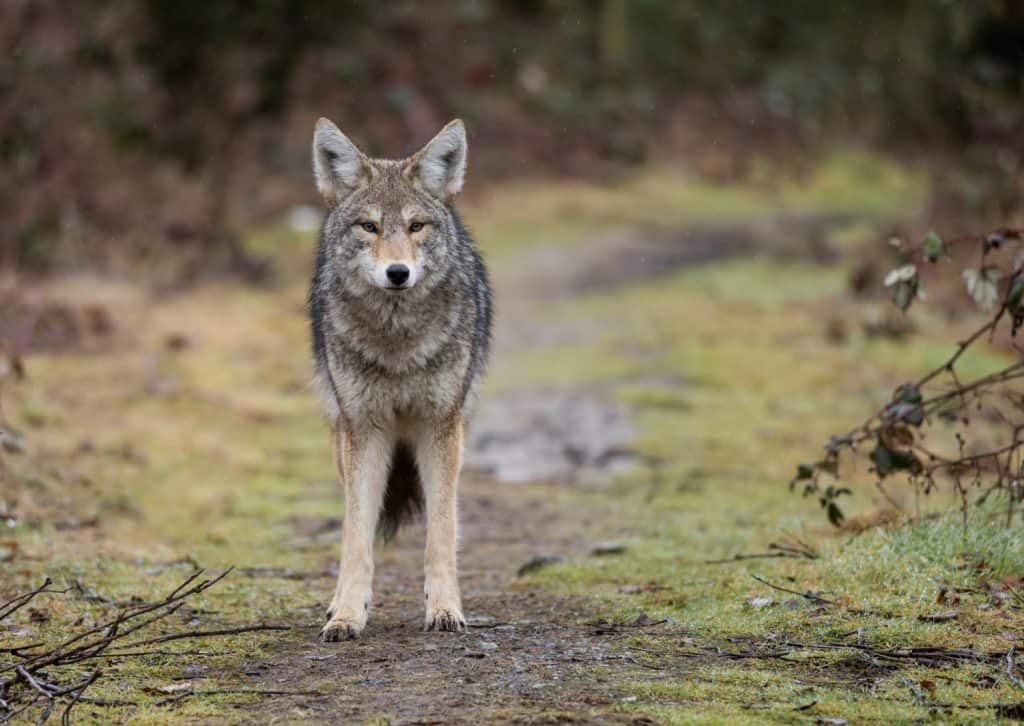
Coyotes are one of the main predators of raccoons.
©Harry Collins Photography/Shutterstock.com
Their dens provide shelter not only for themselves but sometimes for other animals after they move on. Because raccoons tolerate human presence, their numbers can increase near developed areas. This can strain local ecosystems, but it also highlights their adaptability. Their presence reflects the changing balance between natural habitats and human activity.
Frontier Fur and Food
Before Tennessee became a state, raccoons were already part of daily life for Indigenous peoples across the region. Many Native American groups hunted raccoons for meat and used their thick fur for clothing, blankets, and trade. When European settlers arrived, they quickly adopted similar practices. Raccoon meat supplemented diets that depended heavily on seasonal harvests and wild game. The fur was valued for its durability and warmth, which made it useful in damp, cool conditions. Raccoons were common near early cabins and farms, reducing the need for long hunts. This availability made them an important resource rather than a luxury. For families trying to survive on the frontier, the raccoon was familiar, practical, and reliable.
Frontier life demanded efficiency, and raccoons fit well into that system. They could be hunted at night, which allowed settlers to gather food after daytime labor was finished. Raccoon pelts were often sold locally or traded for supplies. Caps made from raccoon fur became especially common, offering warmth and water resistance.
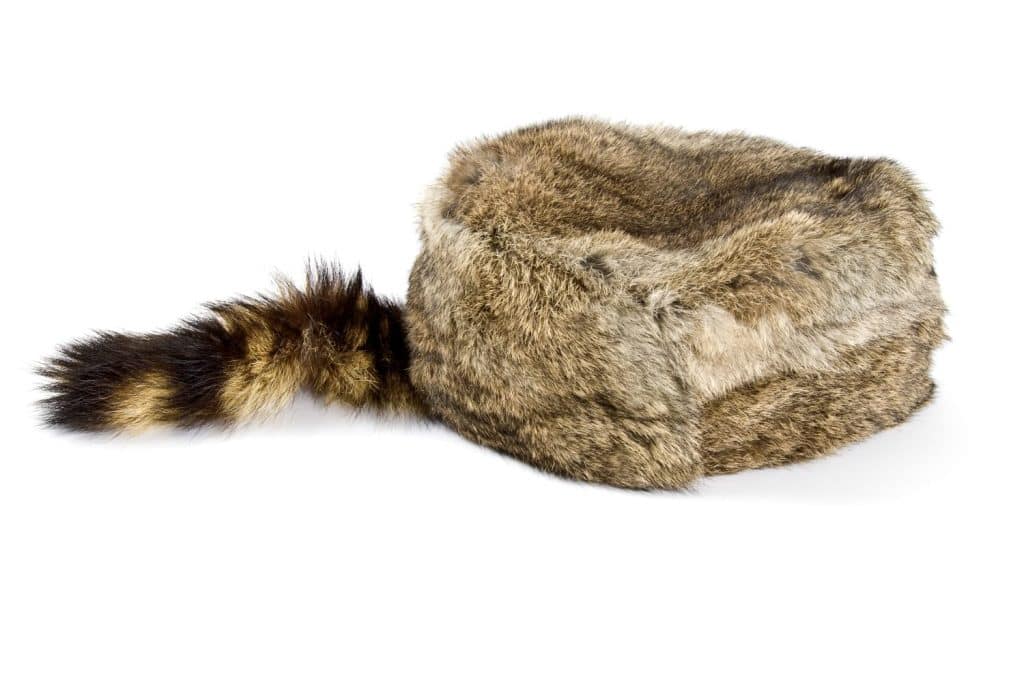
Frontier heroes like Daniel Book made “coonskin” hats legendary.
©Chiyacat/Shutterstock.com
These items were not fashion statements but tools for survival. Over time, the animal became tied to stories of self-reliance and adaptability. These traits helped shape the image of rural Tennessee culture. The raccoon’s presence in daily routines helped cement its place as a familiar neighbor rather than a distant wild creature.
Rural Hunting Culture
By the late nineteenth century, raccoon hunting shifted from necessity to tradition in many parts of Tennessee. Night hunts with trained hounds became social events, drawing friends and neighbors together. Hunters followed dogs through wooded hills while listening for distinctive calls that signaled a raccoon had taken refuge in a tree. These gatherings created shared stories, rivalries, and local pride. At the same time, raccoon pelts remained a source of income, especially during the winter months. Fur buyers traveled rural routes to purchase pelts, connecting small communities to wider markets. The raccoon’s role as a fur-bearing animal linked recreation, the economy, and local identity in ways that few other species did.
As hunting grew more organized, clubs and informal competitions developed. Dog breeding became a point of pride, with hunters focusing on traits like scent tracking and treeing ability. These activities reinforced bonds between people and their environment. They also passed skills and values from one generation to the next. The raccoon became a symbol of outdoor knowledge and patience. While modern attitudes toward hunting have changed, these traditions remain part of Tennessee’s cultural memory. They influenced how lawmakers later viewed the raccoon, not just as wildlife, but as part of lived experience.

In Tennessee, hunting became a shared community experience for many people.
©PRESSLAB/Shutterstock.com
The Road to Official Status
In 1971, the Tennessee General Assembly moved to recognize the raccoon as the state wild animal. The resolution noted that raccoons were widespread across the state and held importance as a fur-bearing game species. Supporters argued that the raccoon reflected Tennessee’s history more accurately than larger or less common animals. With that action, the raccoon became part of Tennessee’s official symbols, joining others that reflect agriculture, music, and natural resources.
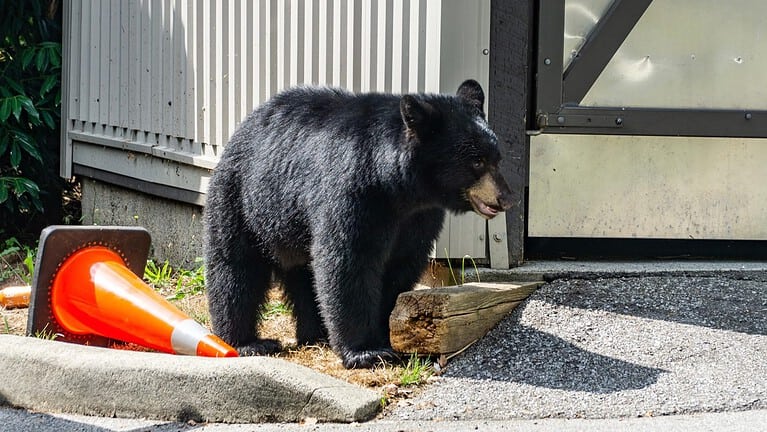
Tennessee recognizes several animals through official designations. The black bear represents wilderness in mountainous regions. White-tailed deer are widely associated with hunting. These animals, while important, are shared symbols in many states. The raccoon stands apart because of its specific ties to Tennessee’s rural history. It represents close, everyday interactions with wildlife rather than distant admiration. The raccoon’s story is about daily contact, problem-solving, and shared space. That grounded identity helped it stand out when lawmakers considered a symbol that felt truly local.
How the Symbolism Holds Up Today

Raccoons have adapted to changing times in Tennessee and are thriving despite the growing human population.
©L-N/Shutterstock.com
More than five decades after its designation, the raccoon remains a relevant symbol. Tennessee has changed, with growing cities and shifting economies. The raccoon has adapted alongside those changes. Its ability to thrive in varied conditions mirrors the state’s own flexibility. Challenges remain, especially around conflict and conservation. Still, the raccoon’s story continues to evolve. It reminds Tennesseans that nature does not exist apart from daily life. Instead, it shares space, adapts, and persists.
A Masked Face of Tennessee
Tennessee’s state wild animal carries layers of meaning built over centuries. From frontier survival to modern city life, the raccoon has remained present. Its official recognition in 1971 acknowledged that long relationship. Today, the raccoon stands as a reminder of practical wisdom, resilience, and coexistence. Following its path through forests, farms, and neighborhoods offers insight into how Tennesseans have lived with wildlife. The masked face looking back from a tree or alley reflects a shared history that continues to unfold.