
Quick Take
- The Nickname: Wisconsin became the “Badger State” in the 1800s because lead miners lived in their dug-out mines to survive brutal winters—earning them the nickname “badgers.”
- Kid Power: The animal wasn’t made official until 1957, following a persistent letter-writing campaign led by four schoolchildren from Jefferson County.
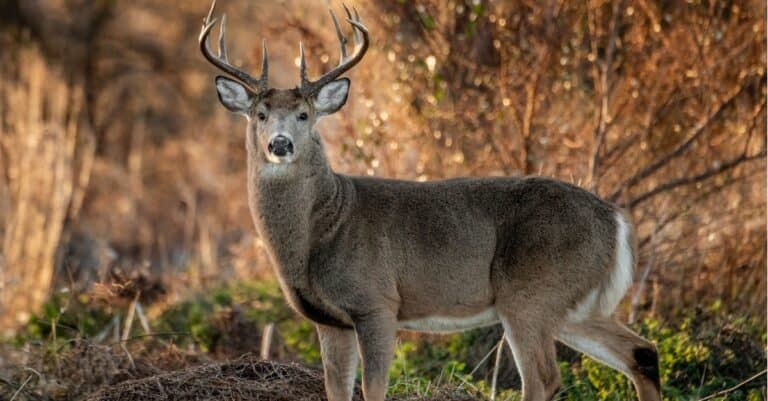
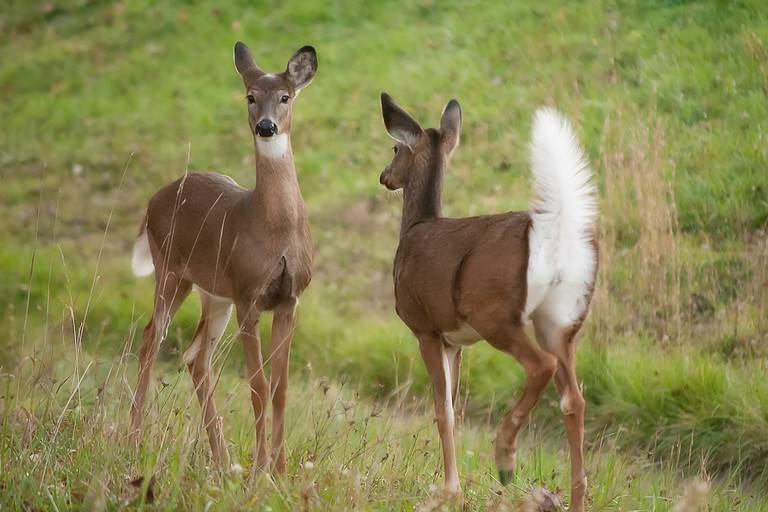
- The Compromise: To settle a legislative debate with Northwoods lawmakers, the Badger was named “State Animal” while the White-tailed Deer was named “State Wildlife Animal.”
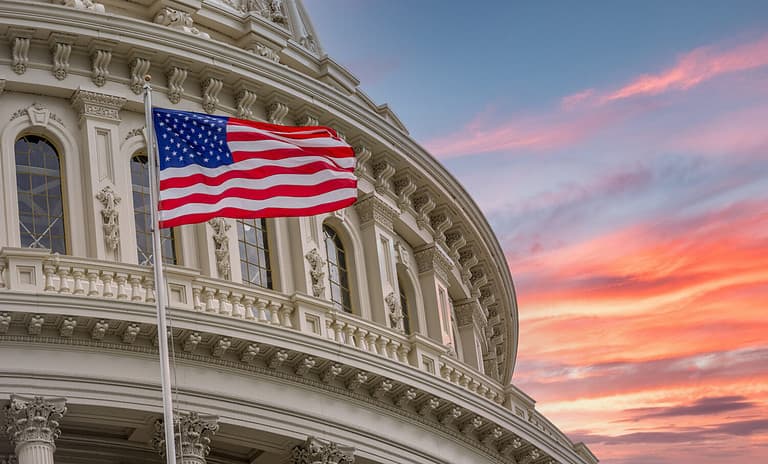
- The Icon: Today, the badger is a symbol of tenacity found on the state flag, the Capitol architecture, and as the famous “Bucky” mascot for UW-Madison.
Growing up near Madison, Wisconsin’s state capital, I discovered badgers at a young age. The city is home to the University of Wisconsin-Madison, the largest public university in the state. It wasn’t unusual to see the school’s red and white colors plastered on bumper stickers, jackets, winter scarves, and anything else that could display school spirit.
The most eye-catching aspect of UW-Madison, though, is the school’s mascot, Bucky. This fierce-looking badger sports a red-and-white striped W sweater, clenched fists, and a posture that makes it clear he means business.
While I did eventually learn about the history of the actual animal and its relevance to Wisconsin, it was Bucky that initially introduced me to the badger. But there’s more to Wisconsin’s badger history than Bucky. The American badger became Wisconsin’s official state animal in 1957 after four Jefferson County schoolchildren petitioned lawmakers. Here’s how and why the Badger State chose this tenacious and resourceful critter as the state animal.
Why Did Wisconsin Choose the Badger?
To understand why the badger makes sense as the state animal, it helps to take a trip far back into Wisconsin’s past. Long before it became a state in 1848, the southeastern region of what we know today as Wisconsin was an area rich with lead, a valuable natural resource.
The earliest inhabitants of these lands were the Ho-Chunk and other First Nations people. The various tribes mined lead for hundreds of years before the first white settlers arrived. Tens of thousands of European and American settlers from the east made their way west and quickly discovered the lead resources. Eager to have the resources for themselves, the new arrivals quickly displaced the original population.
Miners staked claims and got to work. They were so eager to harvest the lead that they never bothered to build proper homes, which was a problem once Wisconsin’s harsh winters hit. The miners’ solution was to simply live in the mines they dug, a habit that they kept up over many years. This drew ridicule from non-mining settlers, who called the miners badgers in reference to the animals that live in dug-out burrows.
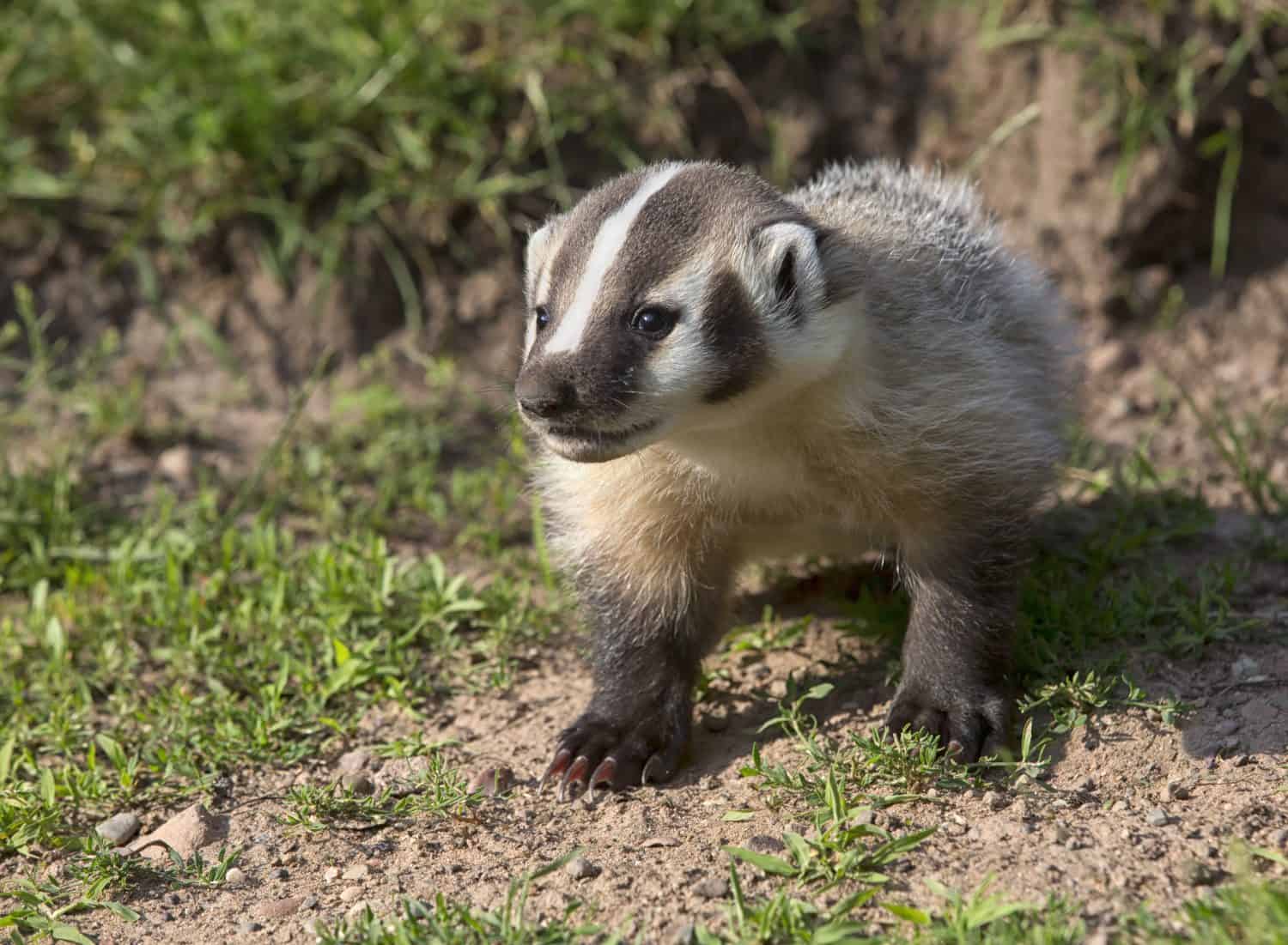
The American badger is a tough and fierce mammal that has an impressive digging ability.
©moose henderson/iStock via Getty Images
The miners, tough and ferocious themselves, liked the nickname. They weren’t insulted at all. They thought it was a mark of honor and began calling themselves badgers too. These early miners set the stage for Wisconsin to become known as The Badger State and the adoption of the badger as the state animal.
How and When Did the Badger Become the State Animal?
Even though Wisconsin earned The Badger State as its nickname in the early 1800s, it took more than a century for the state to recognize the mammal as its official state animal. And it wasn’t thanks to any legislative initiatives, either.
Instead, it took the efforts of four school children in Jefferson County. These kids got the ball rolling on naming the badger the official state animal. While the badger had long been associated with Wisconsin, it didn’t have any official status. Kristin Gilbertson, then eight years old, and her three older siblings launched a campaign to make it happen. With help from their father, the siblings petitioned the state legislature to officially designate the badger as the state animal.
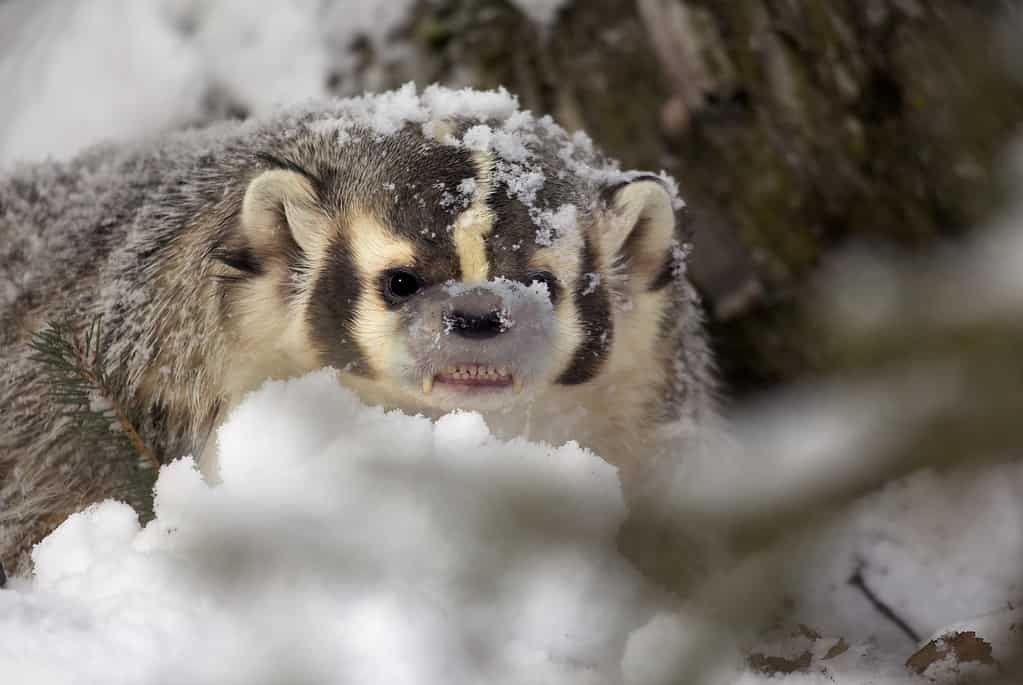
The American badger officially became the state animal in 1957.
©Klaus Brauner/iStock via Getty Images
Their efforts didn’t meet with unanimous support, though. While Jefferson County is in the southeastern part of the state, legislators in the more northern counties of the state pushed to designate a different animal—the white-tailed deer. This choice is valid, since the state’s north woods are protected forests brimming with white-tailed deer.
The legislature came up with a good solution to satisfy both sides of the debate. In 1957, the American badger was finally designated the official state animal. The white-tailed deer became the state’s official “wildlife animal.” The badger’s status was cemented as part of Wisconsin’s legacy.
Badgers and Wisconsin Today
The badger’s relationship to Wisconsin began hundreds of years ago with lead miners, but its relevance remains as strong today as it did when those miners lived in the tunnels they dug. The symbolism of the badger as a tough and resilient fighter resonates with state residents, especially as they endure the harsh winters that visit the state each year.
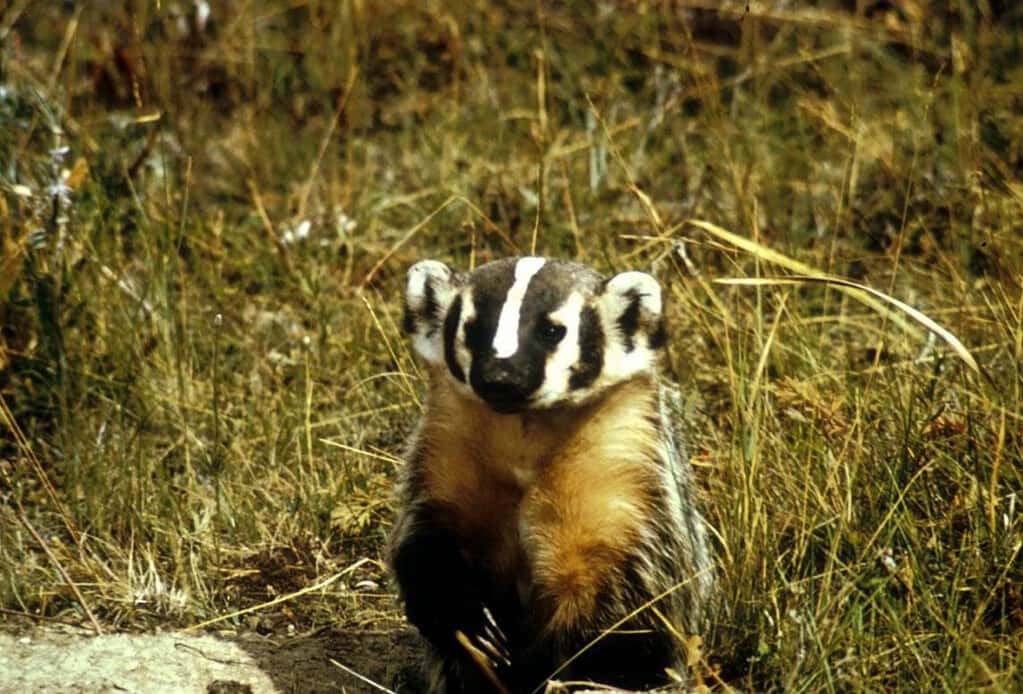
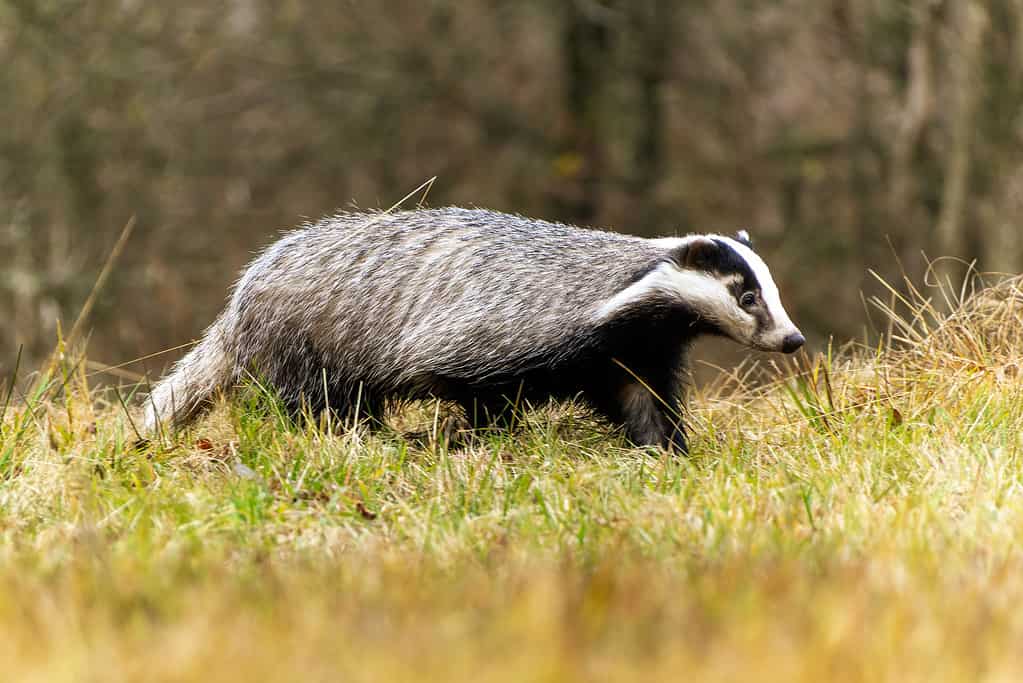
The American badger perfectly symbolizes the tough and tenacious nature of Wisconsinites.
©U.S. Fish and Wildlife Service, Public domain, via Wikimedia Commons – Original / License
Today, you’ll find the badger incorporated into the state coat of arms, seal, and flag. There are even badgers designed into the architecture of the state capitol. They are all enduring reminders of the toughness required for early settlers in the state.
The badger remains front and center at the UW-Madison, too. Bucky Badger is still the school’s iconic mascot and one of the country’s most recognizable school representatives. Bucky and the school fight song, On Wisconsin, even inspired the state to adopt a version of the song for use as the official state song in 1959.