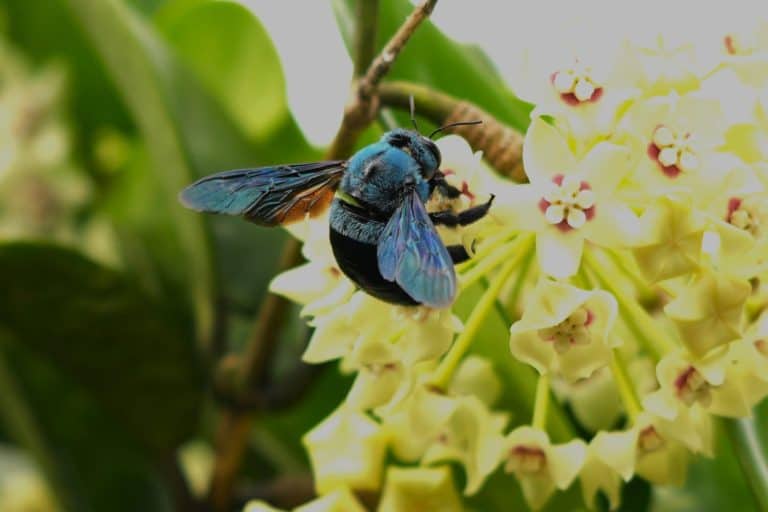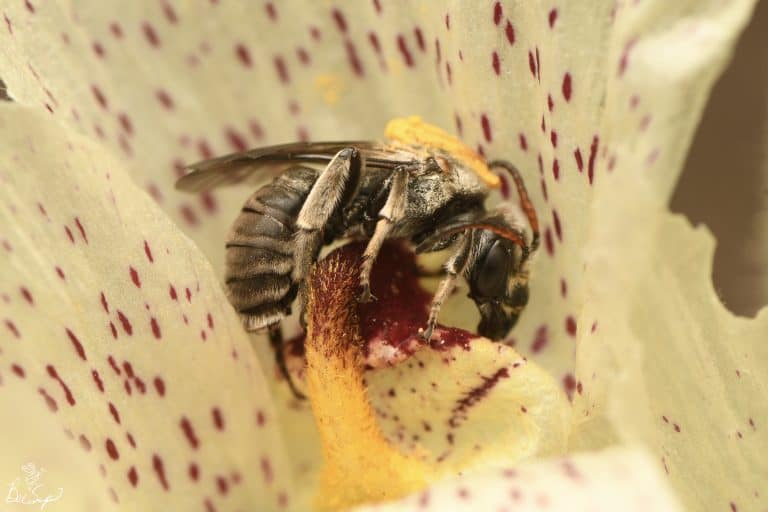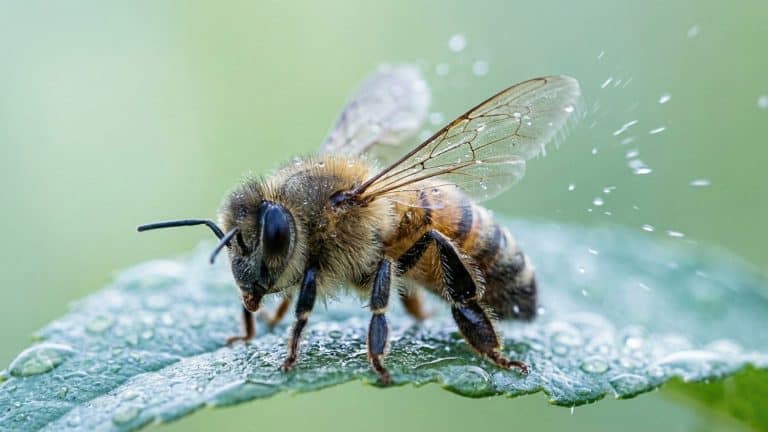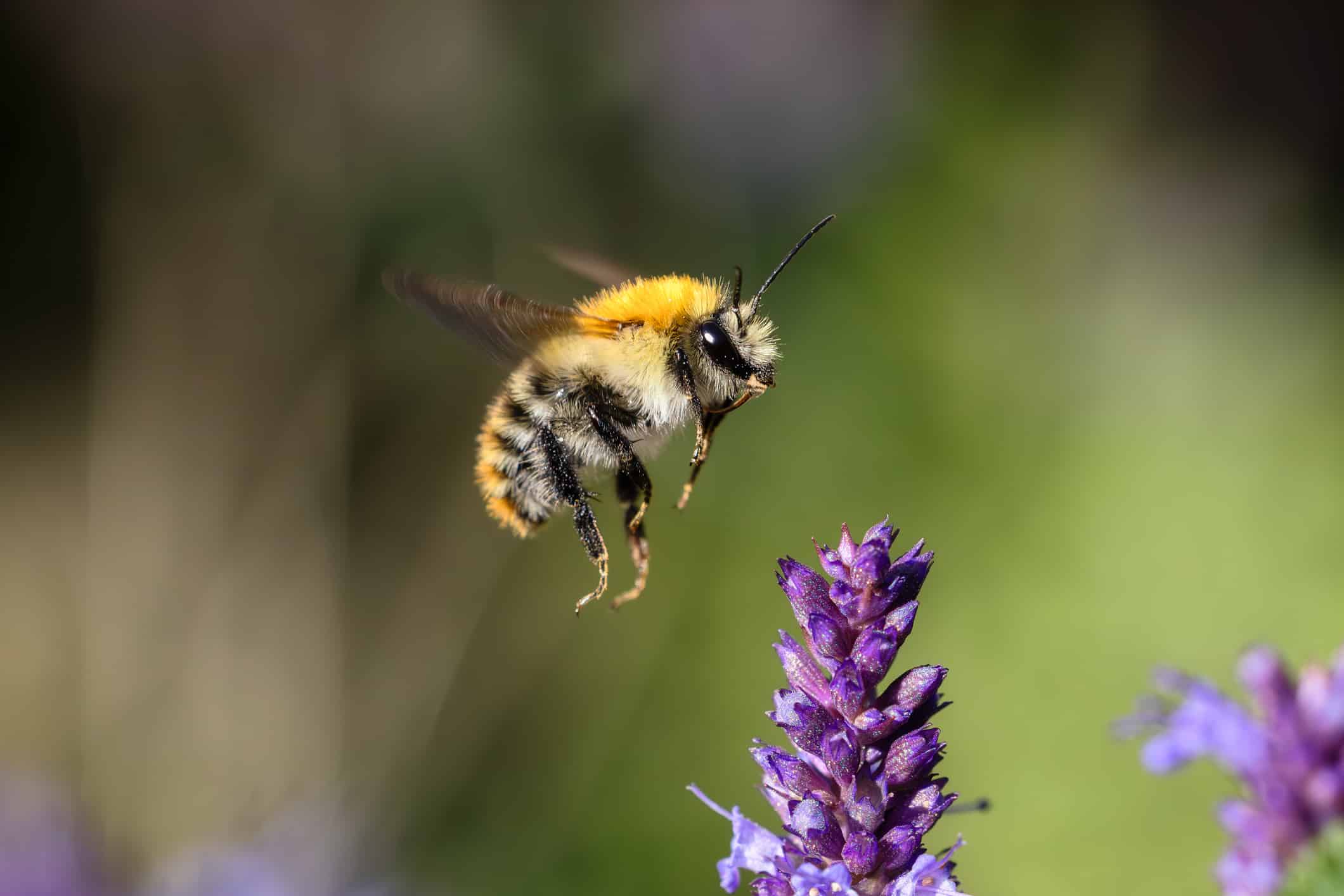

One kind woman found a bumblebee lying motionless near her home and noticed its wings were broken. Rather than merely passing it by, she decided to bring the insect home for its last days. She then turned her home into a comforting bumblebee “hospice.”
Emily, the woman who rescued the bee, spoke with GeoBeats Animals about how she created a sanctuary for the bumblebee. Emily fed the bee, named Beatrice, sugar water and made an enclosure filled with fresh flowers, ensuring she was comfortable. Beatrice began to ‘bond’ with Emily and even displayed playful behaviors, such as the ‘zoomies.’ This heightened activity is similar to the energetic spurts that cats experience.
You can watch the full interview in the video linked above. If you’re curious about bumblebees, their unique lifespans, and their behaviors, keep reading for expert insights from Daniel Baldwin, board-certified entomologist at Hawx Pest Control.
Do Bees Have Personalities?
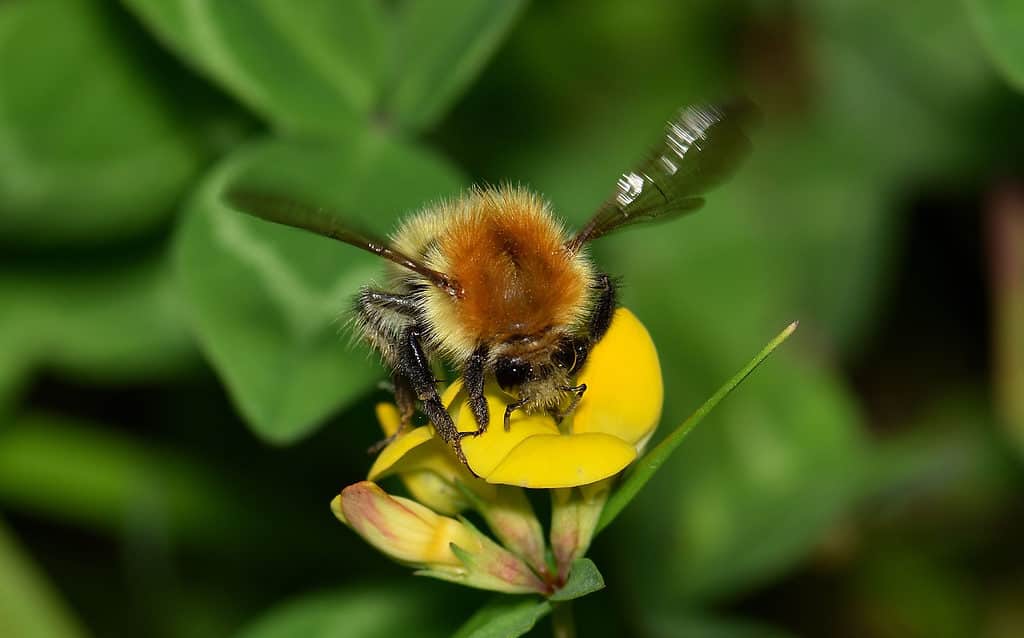
Bumblebees often nest underground.
©iStock.com/Wirestock
Yes, bees absolutely do have “personalities.”
“Scientists have found that individual bees possess consistent behavioral traits that remain stable over time, much like a personality,” says Baldwin. “They aren’t just interchangeable worker units. Within a hive, you will find differences in aggressiveness—some bees are simply more likely to sting than others, regardless of the situation—and in adventurousness.”
These behavioral variations influence the particular roles bees perform. For example, bolder, more aggressive bees are typically better foragers.
“Only a small fraction of bees are the thrill-seeking ‘scouts’ responsible for finding new food sources and nest sites, a behavior that correlates with certain brain pathways associated with novelty-seeking in humans,” Baldwin adds.
Can Bees Develop Bonds With Humans?
Bees might not “bond” the way humans do, but they can become comfortable around certain people.
“While a true emotional ‘bond’ as we understand it is unlikely for an insect, research indicates that bees are capable of facial recognition and can distinguish between individual humans,” says Baldwin. “If a person is consistently calm and gentle around them, the bees may learn to perceive that individual as a low-level threat.”
This is likely what Emily experienced with Beatrice the bumblebee. In fact, Beatrice became so comfortable with Emily that she would even sleep next to her.
“Bees’ long, mutually beneficial history with humanity (spanning over 9,000 years) suggests they are highly adaptable to our presence,” Baldwin says.
Warning Signs of a Threatened Bumblebee
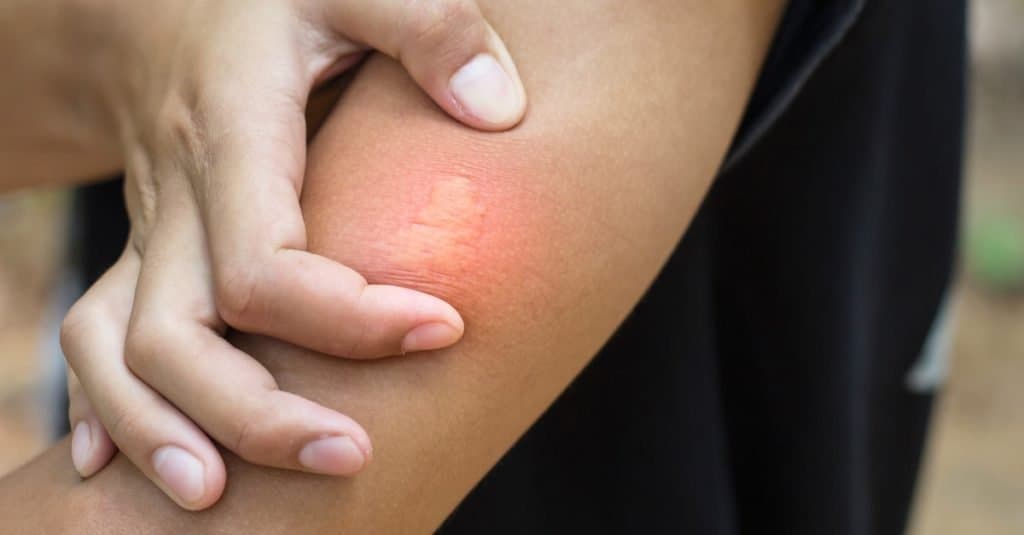
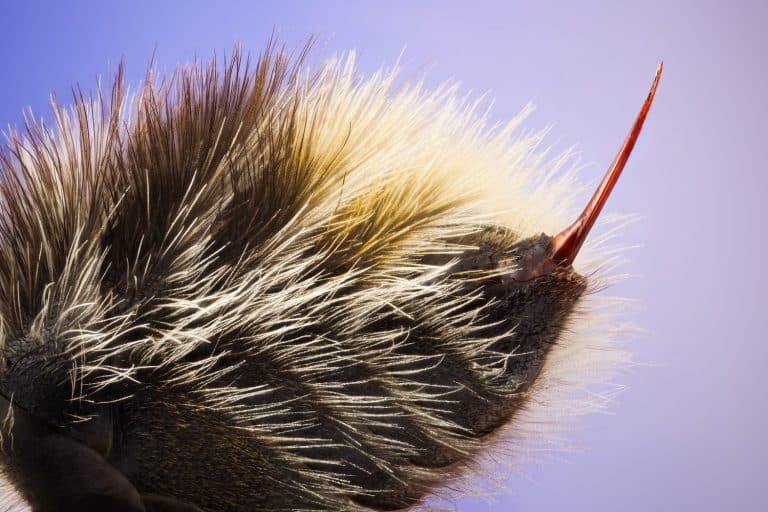
Bumblebees typically only sting when they feel threatened.
©WIRACHAIPHOTO/Shutterstock.com
In her interview with GeoBeats, Emily mentioned that she can tell when Beatrice feels threatened, which is how she avoided being stung. Many believe bumblebees are aggressive creatures who will sting for little to no reason. However, they really only do so when they feel threatened.
“The single most important factor is the bee’s mission,” Baldwin explains. “A bee that is foraging for nectar is too focused on its job to pick a fight, and stings in this situation are very rare, usually only happening if the bee is accidentally squeezed or touched.”
Of course, if you actively disturb the bee or its nest, that’s a totally different story.
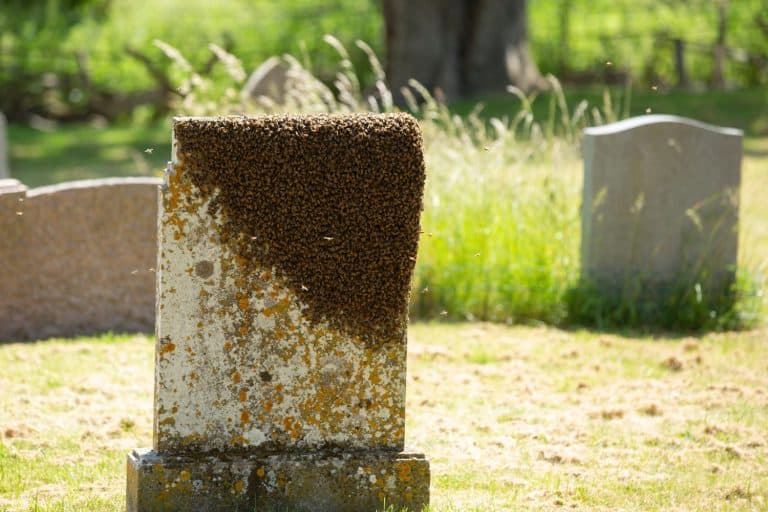
“The real danger arises if the nest is disturbed,” Baldwin continues. “If a colony’s home is blocked, threatened, or opened, the workers will instinctively defend it, resulting in a swarm attack and multiple stings. The warning sign, therefore, isn’t in the bee’s posture, but in your proximity to its home.”
How to Support an Injured or Dying Bumblebee
Next time you notice a hurt or dying bumblebee along your path, consider how you can help support it.
“For a bee that appears tired or cold, the best course of action is immediate support: gently move it to a safe, warm, and sunny spot,” says Baldwin. “You can offer a tiny drop of sugar water (a simple mixture of white sugar and warm water) placed near its head for a quick energy boost.”
However, Beatrice’s broken wings were likely due to old age, meaning she was nearing the end of her life.
“In that case, the kindest choice is often to let nature take its course, as chances of recovery are low,” Baldwin says.
Of course, like Emily did in the video, you can provide a safe, loving, and supportive space for the bee to spend the rest of its days.
Scientists have found that individual bees possess consistent behavioral traits that remain stable over time, much like a personality.
Daniel Baldwin, board-certified entomologist at Hawx Pest Control.
How Long Do Bumblebees Live?
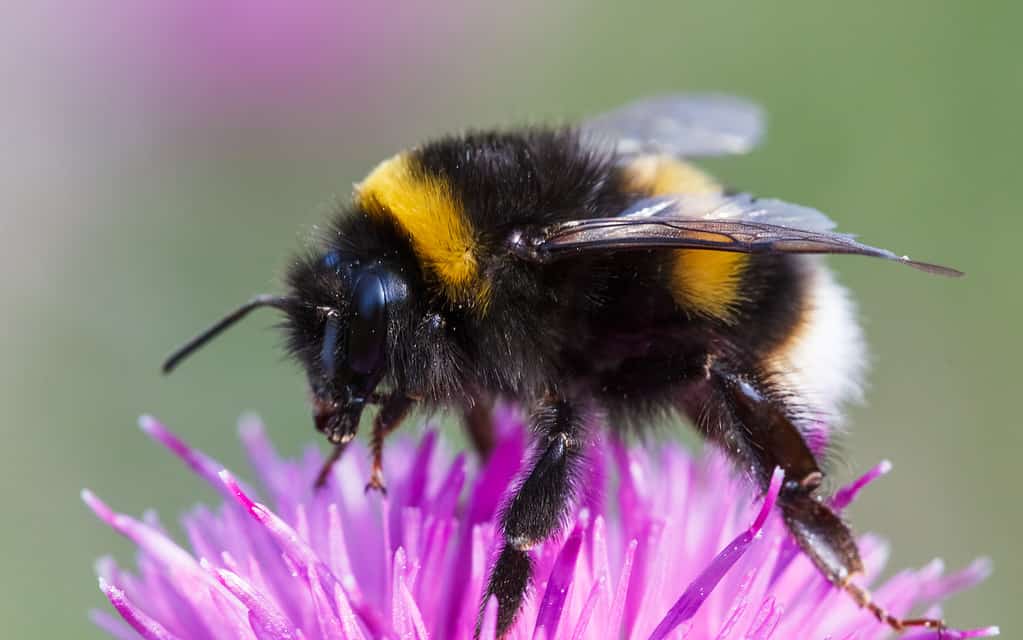
Bumblebees only live for about a month.
©Ant Cooper/Shutterstock.com
According to Baldwin, bumblebees have short lifespans.
“The entire colony, including the queen, typically dies off in less than a year,” he says.
However, queen bumblebees—like Beatrice—typically live longer than the workers.
“The adult worker bees you see buzzing around will usually only live for about four to six weeks,” Baldwin explains. “They certainly pack a lot of personality into a very brief existence.”