
Quick Take
- Chickens can recognize up to 100 faces, and that cognitive ability has a dark flip side when they're left alone. See the cognitive science →
- A lonely chicken's behavior changes in ways most owners mistake for illness, and misreading the signs only makes things worse. Spot the loneliness signs →
- "Chicken math" sounds like a joke, but it's actually the strategy backyard keepers swear by to solve a surprisingly tricky problem. Understand chicken math →
- Adding a new chicken to a lone bird's life can backfire badly if you skip one critical step. Avoid the introduction mistake →
Chickens are the most abundant of all domesticated animals (over 19 billion worldwide). So it is no surprise that many of them have become more than just food for us. Backyard chicken raising has become increasingly common in the U.S. In fact, chickens have recently joined the top five most popular pets in America. Though they are highly prized pets, understanding how to keep them happy as their numbers naturally decline is important. Let’s look into the mind of a chicken that is the last one standing.
Continue reading
Chicken Cognition & Intelligence
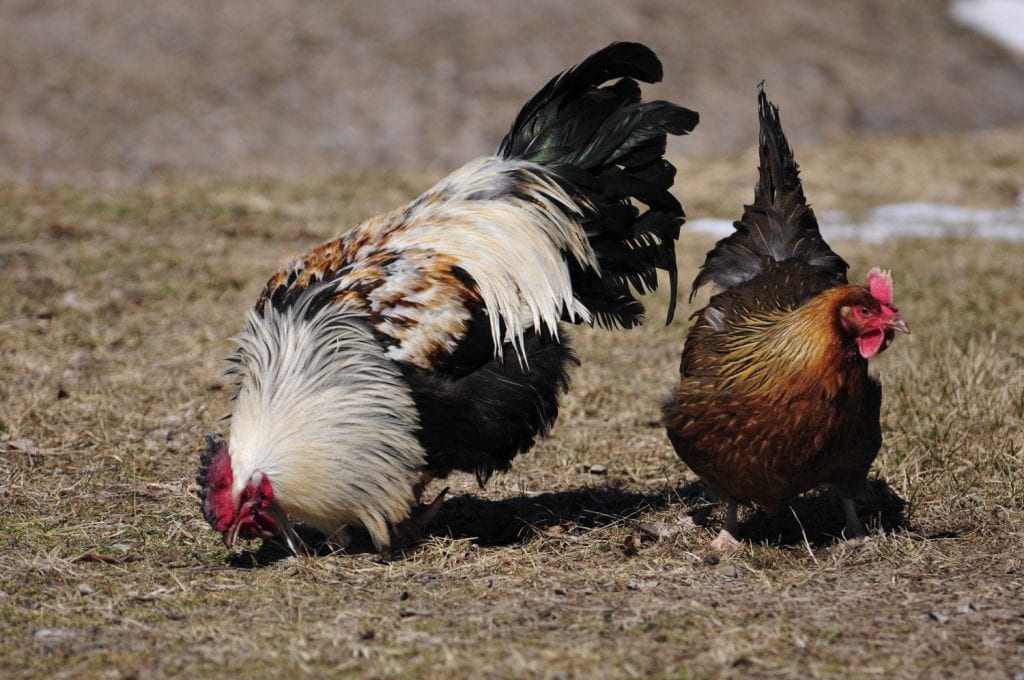
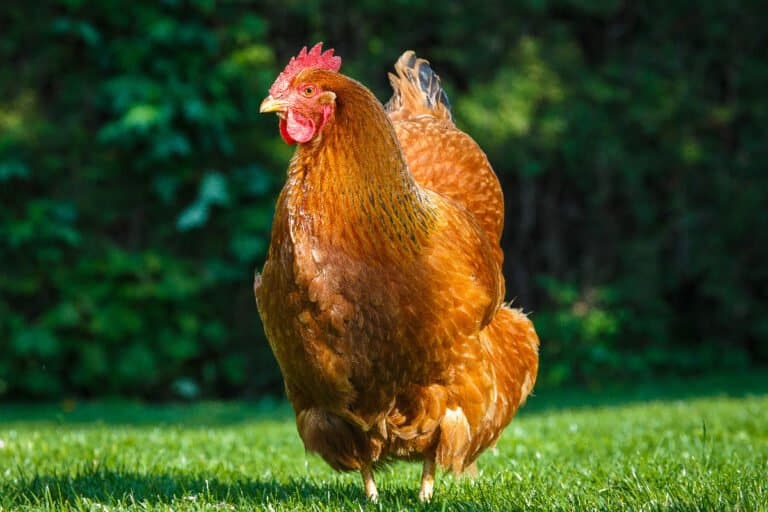
Chickens communicate through body language and social calls.
©Alicia Cooper/Shutterstock.com
Though we often think of them as simple birds, chickens are complex social animals. Chickens in the wild often exist in flocks, which are large groups of animals that feed, live, and travel together. Survival in the wild depends on group dynamics, visual communication, and recognizing members within their flock. The same rings true for chickens in your backyard. According to research, chickens can recognize up to 100 individual faces, avian and human alike. Using the “pecking order,” they maintain clear social structures that help keep balance in the flock. Since the mind of a chicken is wired for communication, living in total isolation can deprive them of the very interactions they require to thrive.
Chickens perceive the world starting at the tip of their beak, which they use to peck and examine objects and their surroundings. The beak of a chicken is filled with nerve endings used to touch, taste, and examine objects in their environment. Apart from physical touch, chickens can learn complex behaviors such as finding food or how to dust bathe by observing other members of the flock. Therefore, being without their flock can deprive chickens of important mental stimulation and learning opportunities.
Without a flock to observe and learn from, the healthy habits of a chicken can turn into stress-induced behaviors. Activities like foraging and dust bathing may decrease or cease altogether. Some isolated birds can even develop obsessive behaviors like over-grooming or feather-plucking as a coping mechanism. Importantly, for young chicks, isolation can be particularly harmful as they rely heavily on adult birds to learn essential survival skills.
Signs Your Chicken Is Lonely
The sudden loss of their flock mates can trigger behavioral changes in these birds when isolated. Though some chickens may be fine living solo, especially if they have other companions, there are key behaviors to look out for to determine if your bird is struggling:
- Distress Calls: Loud sqwaking that is persistent and loud as though they are calling out to its missing flock
- Lethargy/Depression: Sitting still for long periods of time, showing no interest in exploration.
- Egg Production Ceases: Little to no egg laying
- Loss of Appetite: Reluctance to eat or drink causing noticeable weight loss
Navigating “Chicken Math”
Chicken cognition is a research field with many areas to grow. Scientific studies have shown some chickens can determine their status in social landscapes. Many chickens are also able to recognize when they are separated from others. If chickens are aware of their social environment and rely on these hierarchies, living in complete solitude can be emotionally distressing for them.
With this in mind, many backyard chicken keepers scramble to figure out what to do when predator attacks, illness, or other factors leave them with a “last bird standing.” This is exactly where the term “chicken math” comes in. This term refers to chicken owners buying more birds than planned. Since flocks naturally dwindle, adopting this chicken math could help rebuild the flock so that the lone chicken is not left by itself. Because chickens rely heavily on the dynamics of their flock, expanding it or finding your lone bird a new home is necessary to keep them healthy and secure.
So, should you get more chickens? In most cases, yes. But there is a method to introducing more chickens to your flock to prevent territorial aggression. When rebuilding your flock, try not to add singles. Introducing new birds in pairs or small groups helps distribute any tension that may arise at the beginning. Keeping new arrivals in separate enclosures for a few weeks to ensure they aren’t carrying illness or disease is also necessary. Also, separating chickens while allowing them to see one another helps ease the transition before allowing true physical contact.
From recognizing faces to relying on flock mates, chickens are far more complex than many realize. By recognizing the warning signs and taking action, you can ensure your last chicken standing lives out its days supported and happy.