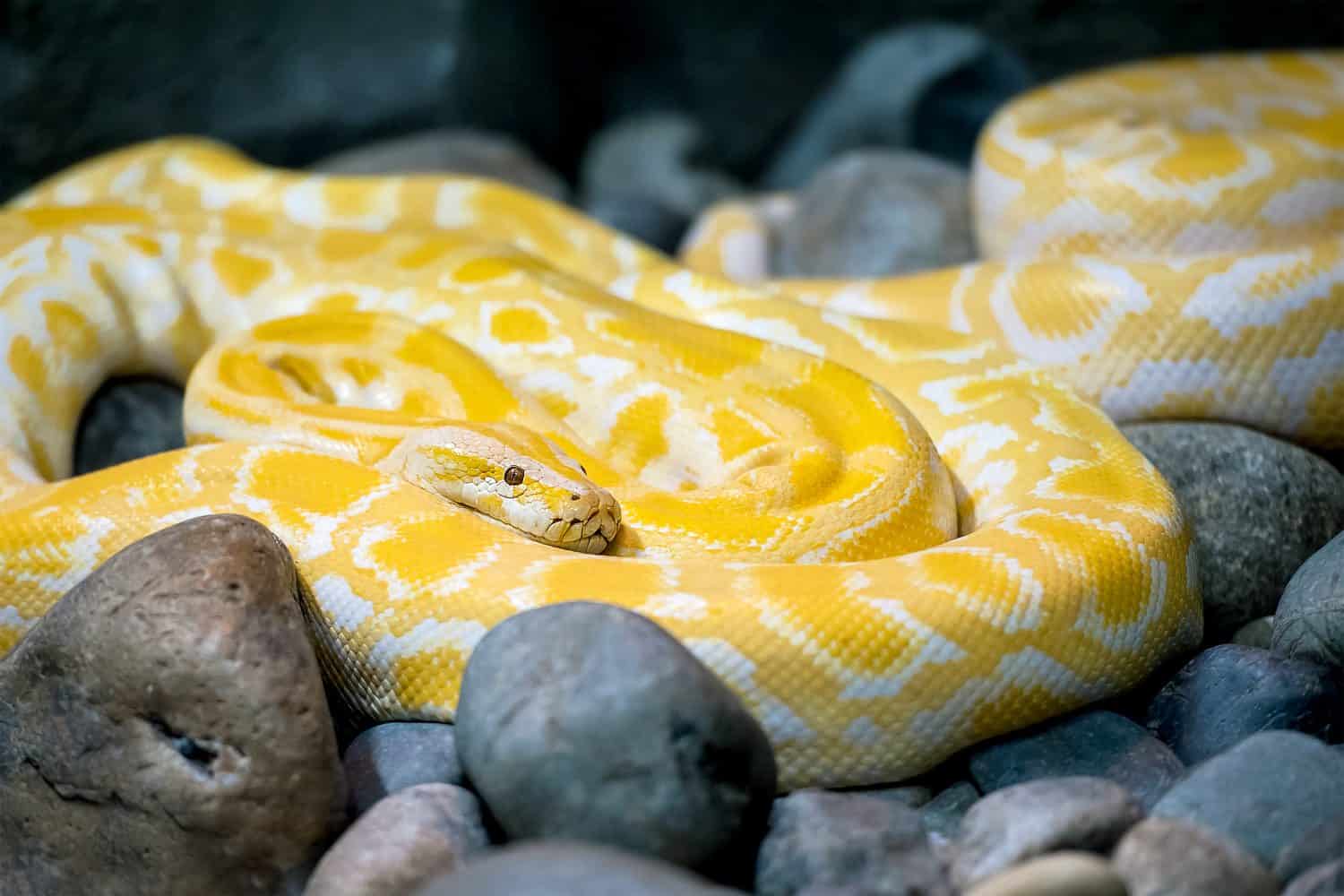

Snakes are often thought of as cool, solitary creatures. However, it turns out, not only do snakes experience emotions, such as fear, aggression, and contentment, but, according to some, they also experience depression. While the topic of whether reptiles, including snakes, experience depression may be controversial, those who believe snakes are capable of experiencing this emotional state claim that there are three signs a snake is depressed.
Decreased Activity Level
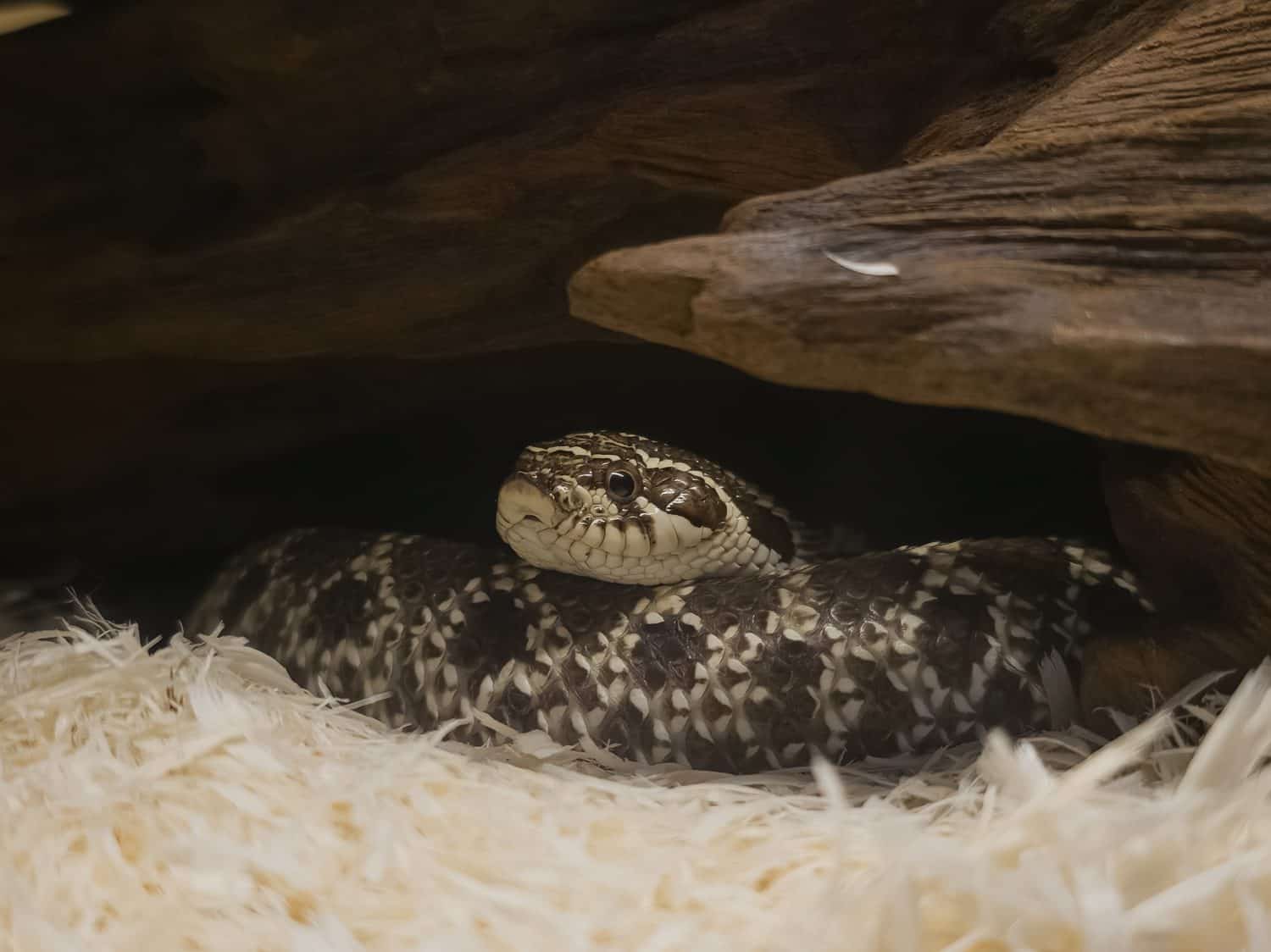
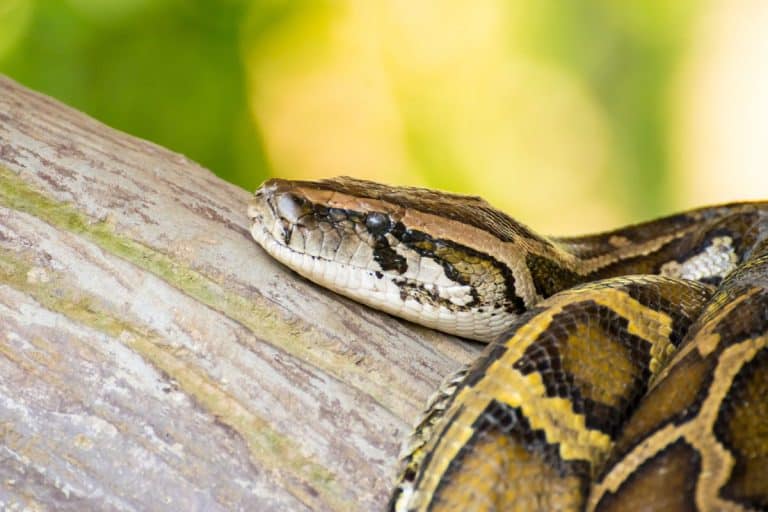
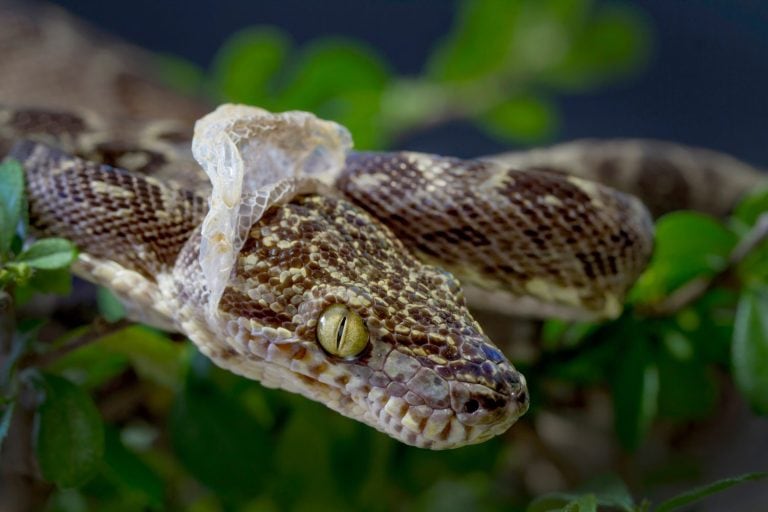
Snakes that no longer participate in normal daily activities may be suffering from depression.
©ANURAK PONGPATIMET/Shutterstock.com
When snakes show signs of decreased activity, depression may not be the first thing that comes to mind for snake owners. Instead, other maladies come to mind when snakes significantly slow down.
Some of the most common reasons that snakes have a decreased activity level include:
- Change in temperature
- Hunger
- Shedding
- Illness
- Injury
- Brumation
- Aging
- Eating a large meal
- Boredom
While all of these reasons could be why a snake is lethargic, depression is also a very real reason for lethargy. If the snake has recently experienced changes such as a new tankmate, changes in food, changes in the environment, or breeding in captivity, and is acting less active than usual, it is recommended to speak with a veterinarian. Getting an expert opinion will help determine the underlying reason for a snake’s inactivity. If it is indeed depression, you can learn effective ways to regulate your snake’s mood and help it become active again.
Decreased Appetite
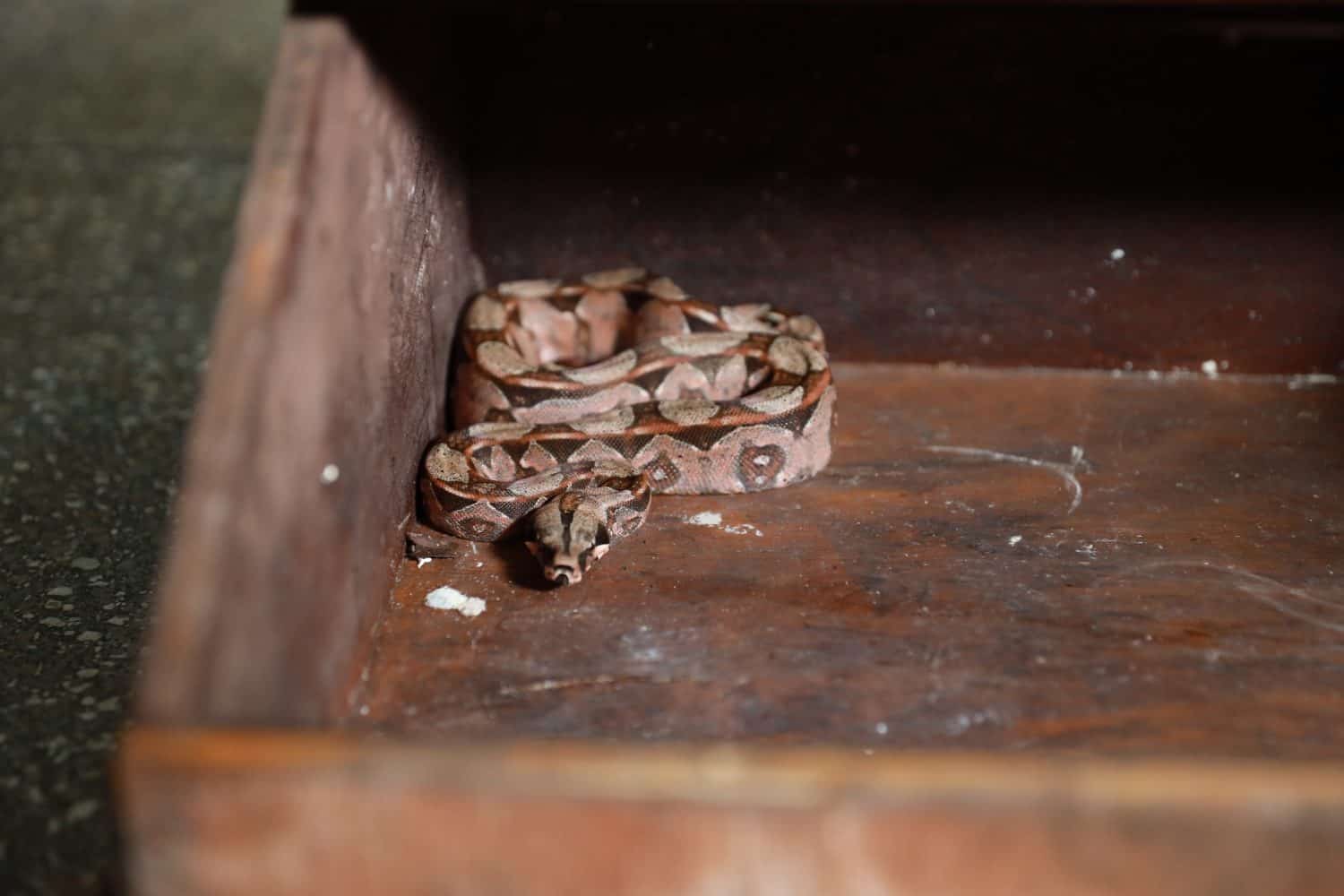
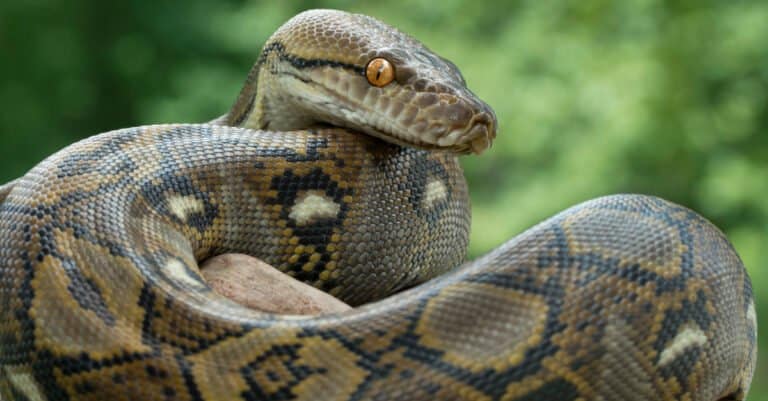
Snakes with decreased appetites may be suffering from a vitamin deficiency that leads to depression.
©Joa Souza/Shutterstock.com
A snake with a decreased appetite is likely an ill snake. The first signs of a decreased appetite should prompt an immediate visit to a veterinarian so the underlying issue can be addressed before the snake becomes too sick to recover.
Typically, the common factors that cause a snake to have a decreased appetite include:
- Parasitic infections
- Mites
- Scale rot
- Abnormal swelling on the body
- Respiratory problems
If none of these issues is presenting, likely, a snake that is not eating or barely eating at all is suffering from depression. Captive snakes must receive adequate nutrition. This includes both food and necessary supplements. By giving snakes a variety of foods and supplements that meet their nutritional needs, they will have a better mental outlook. When they have a better outlook, snakes are more likely to eat and less likely to face problems like bones showing, no muscle tone, and dry, cracked skin, all of which are signs of a snake with a decreased appetite.
Weight Loss
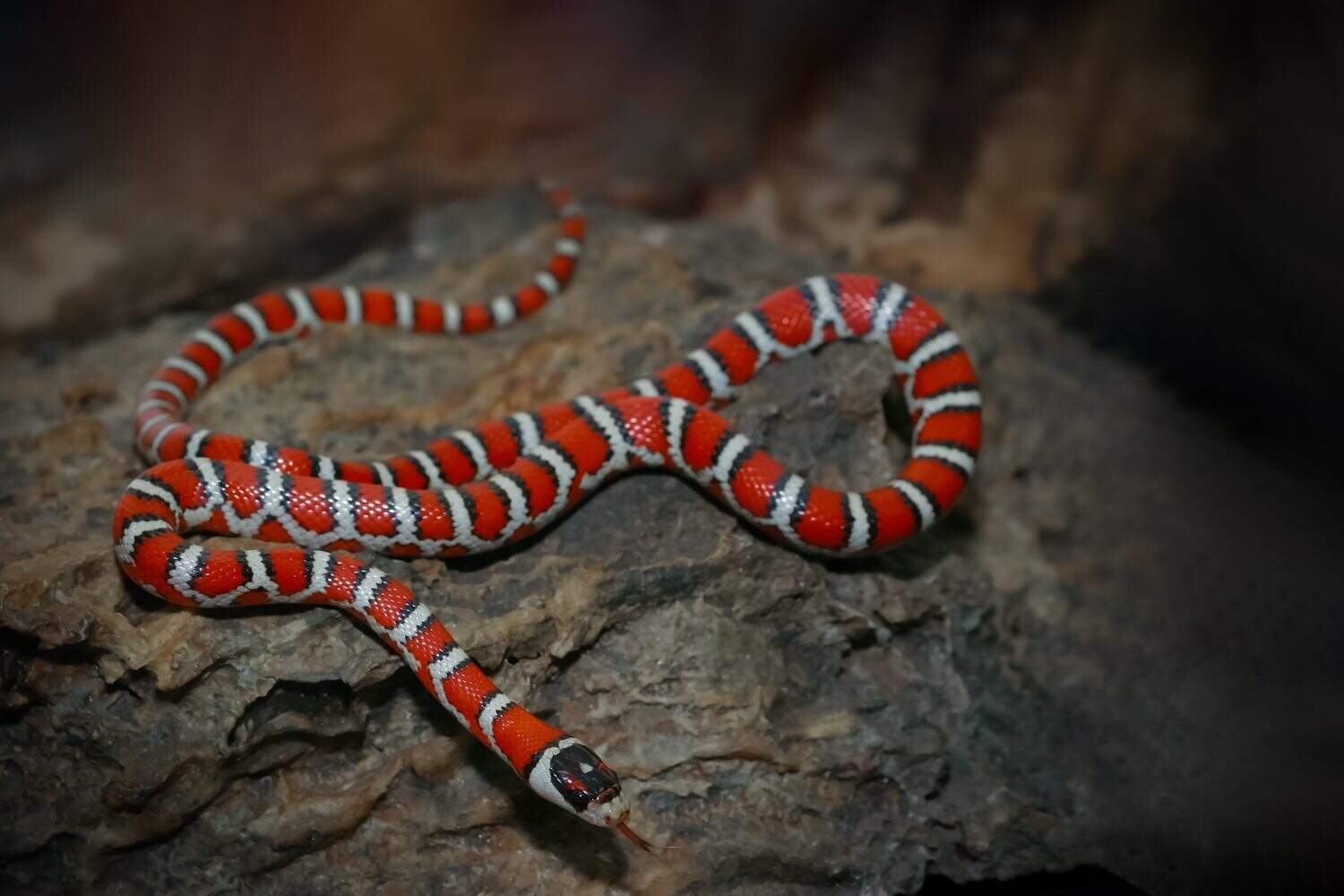
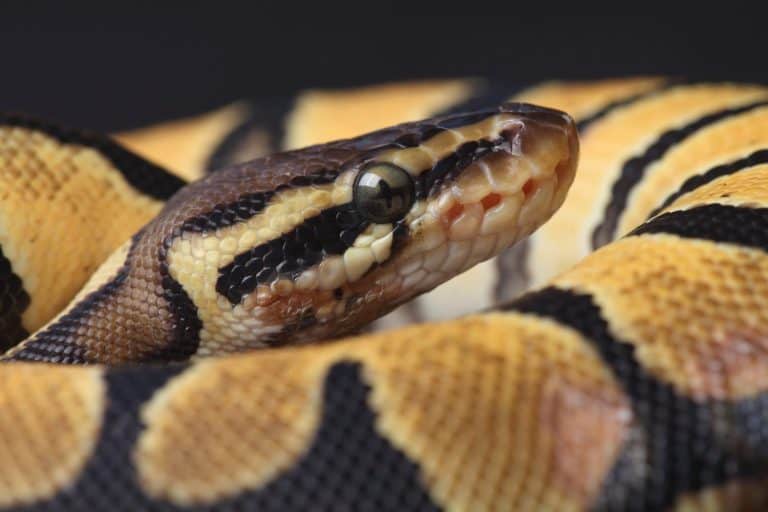
When snakes lose weight, they could be suffering from depression, which can be remedied by creating an enriching environment and a balanced diet.
©Krisda Ponchaipulltawee/Shutterstock.com
When illness strikes, whether physical or mental, they are prone to losing weight quickly. Because of this, the first signs of significant weight loss should be addressed with a veterinarian as soon as possible to help the snake recover.
Several causes should be considered when snakes start to lose weight. Some of the most common reasons snakes lose weight include:
- Parasites
- Infections
- The cage is not being cleaned
- The temperature and humidity are not optimal
- Nutritional needs not being met
If a snake is not being affected by any of these issues, the snake is likely suffering from depression. Therefore, ensuring the snake’s enclosure is not only large enough but also has places to climb, hide, and soak in water can help prevent snakes from plunging into a depression. The more enriching the environment, the less the snake will feel like it is in captivity and the more it will feel at home in a natural habitat.
It is also necessary to ensure the snake is fed a nutritionally balanced diet. This helps keep the snake physically healthy and also regulates its mood, supporting mental health.
There is currently no scientific consensus or peer-reviewed evidence that snakes experience depression in the same way mammals do. Most claims about depression in snakes are based on anecdotal reports and behavioral observations rather than clinical studies. However, as snake owners can attest, snakes can show a variety of different moods. Being in captivity means snakes rely on their owners to make their lives fulfilling. Whether that be just with an enclosure that keeps them stimulated or with a tankmate to interact with depends on the personality of the snake. However, if a snake’s needs are not met, it can become both physically and emotionally unwell. If this occurs, veterinary care is always recommended to ensure snakes can recover and live their best possible lives in captivity.