
Quick Take
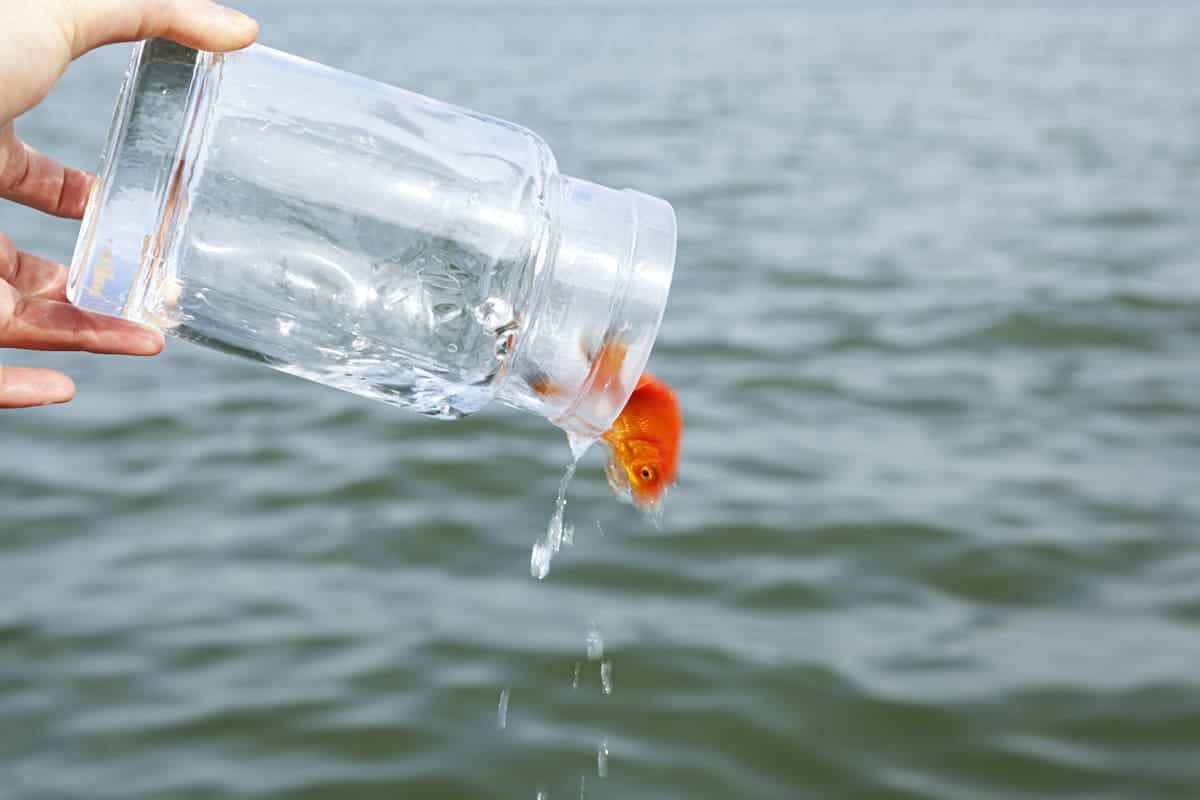
- What most pet owners believe is a compassionate farewell for their goldfish turns out to be anything but kind to the ecosystem receiving them. See the responsible alternatives →
- Scientists found a specific tipping point that goldfish can trigger in lakes, and once that threshold is crossed, reversing it is a battle few ecosystems win. Explore the tipping point →
- The goldfish you recognize from a bowl barely resembles what it becomes once it reaches open water. Discover how goldfish transform →
- Researchers tested every type of lake condition they could think of, and goldfish caused problems in every single one. See the mesocosm findings →
Last December, volunteers on White Lake in British Columbia’s Shuswap region netted about 10,000 goldfish in a single operation. A consultant stunned the schools with an electric current for 15 to 20 seconds at a time, and the club running the work called it one of the province’s largest goldfish harvests. The fish had most likely escaped from a nearby pond during spring flooding. The lake now needs removal treatments every year, and its local anglers have spent four decades stocking it with rainbow trout.
That is what can happen once a goldfish leaves the bowl.
Continue reading
From Bowl to Lake: How a Goldfish Transforms
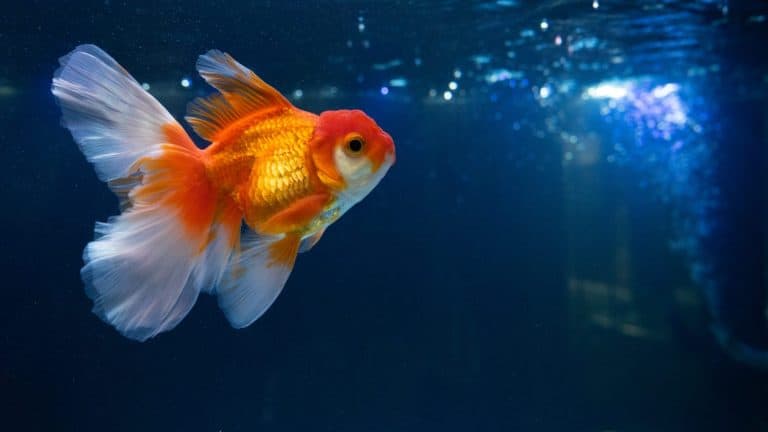
In a tank, a goldfish stays small because space, food and water quality hold it back. In open water, those limits disappear. Wild goldfish can grow past a foot long and weigh several pounds. Biologists with the U.S. Fish and Wildlife Service have pulled football-sized ones out of Lake Erie.
Several traits make them hard to stop:
- They breed fast. A female can release up to 30,000 eggs at a time and spawn up to three times a year.
- They eat almost anything, from plants and insect larvae to the eggs and young of other fish.
- They survive where other fish die. Goldfish can live without oxygen for months, by switching to a metabolism that turns lactic acid into alcohol. That lets them make it through winters under ice that kill off competitors.
- They live long, up to 25 years.
Once a population is established, removal rarely ends the problem. In Minnesota, ten management efforts removed an estimated 1.6 million goldfish from a single chain of lakes.
The Tipping Point Researchers Measured
The clearest evidence of what goldfish do to a lake comes from an experiment published this year in the Journal of Animal Ecology. William Hintz of the University of Toledo’s Lake Erie Center led it with Hannah Barrett and Rick Relyea of the University of Missouri. The team built large outdoor mesocosms, which are artificial ponds designed to behave like small lakes. Some were low in nutrients and others were rich in them.
Goldfish caused harm in both. As they rooted through the bottom for food, they kept mud suspended and the water turned cloudy. Snails, amphipods and zooplankton, the small animals at the base of the food web, declined sharply. Native fish sharing the ponds lost body condition because they were competing for the same food.
The study also separated two effects: the impact of goldfish themselves, and the impact of simply adding more fish. Some changes in plant life came from fish density alone, but the most severe damage was caused specifically by the goldfish.
The researchers describe the result as a regime shift. The lake passes a tipping point and settles into a degraded state, and pulling it back is difficult and expensive. They urge wildlife managers to treat goldfish as a high-priority invasive species and to focus on prevention and early detection.
Better Ways to Part With a Goldfish
Releasing a pet goldfish often comes from kindness. “Releasing a goldfish into the wild may feel like an act of kindness, but it can quickly become a major ecological threat,” Hintz said.
The alternatives are simple:
- return the fish to a pet store that accepts them;
- rehome it with another aquarium keeper or a local fish club;
- ask your state or provincial wildlife agency for guidance;
- if the fish is sick, ask a veterinarian about humane euthanasia.
Never flush a live fish, and do not empty leftover bait into the water. Keep backyard ponds away from spots that flood, since overflow can carry goldfish into streams, as appears to have happened at White Lake.
Goldfish are only one case of a pet release turning into a lasting problem. Here is why releasing any unwanted pet into the wild can have consequences for decades.