
Of all the unique flying, buzzing specimens out there, bumblebees are one of the most mesmerizing…even when they’re engaging in surprising acts. Bee mating happens out in the open, and a queen’s pheromones can attract numerous suitors. In the case of the bumblebee captured in this video, the act also drew the attention of an unlikely participant: a spider.
An Awkward Jump Scare
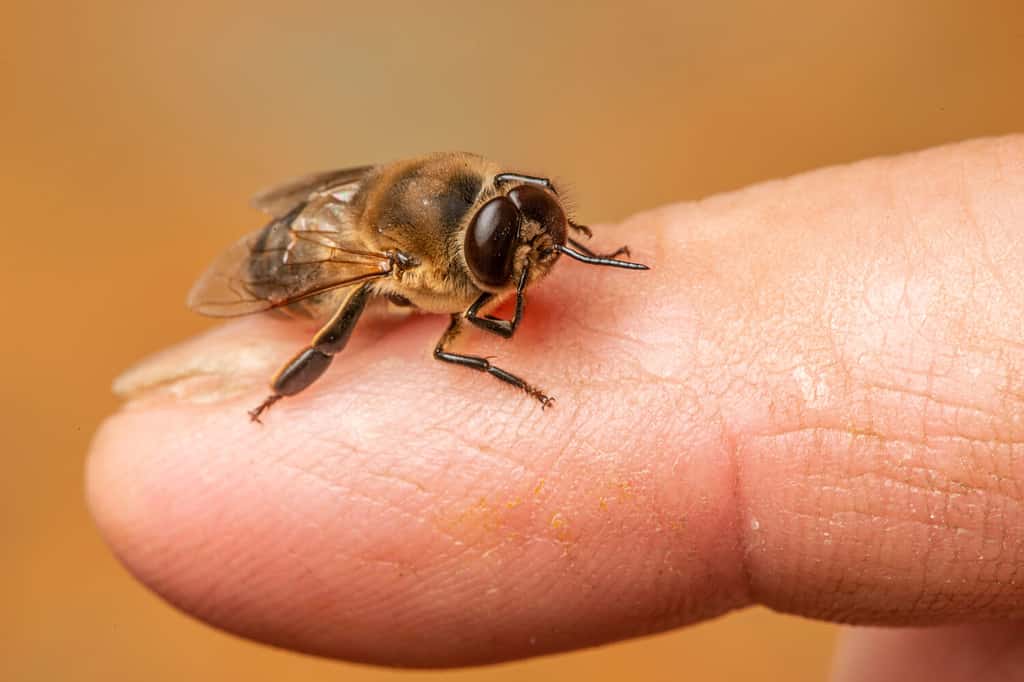
As it turns out, there is a story behind this unlikely threesome. It’s a classic example of nature being unpredictable, and it was all witnessed by the Reddit user who captured this rare moment. According to rama_the_great, these San Francisco bees were mating when they both tumbled into a waiting spider’s web. Sensing the vibration in the web, the spider rushed over and latched onto the closest meal it could. Sadly, the bumblebee queen’s mate was caught in this spider’s clutches–while he was still attached to her.
©Kuttelvaserova Stuchelova/Shutterstock.com
In a moment of empathy, the onlooker used a stick to remove the queen from the situation gently. By doing so, her life was saved, but unfortunately, her mate was not so lucky. According to Reddit, the queen flew away with the lifeless body of her mate intact. However, thanks to the potency of mating pheromones, she was quick to attract another one. What happened to her late mate, however, is unclear. In one fell swoop, a spider lost its meal, and a bumblebee queen lost her mate during the mating ritual.
The Unfortunate Fate of Male Bees
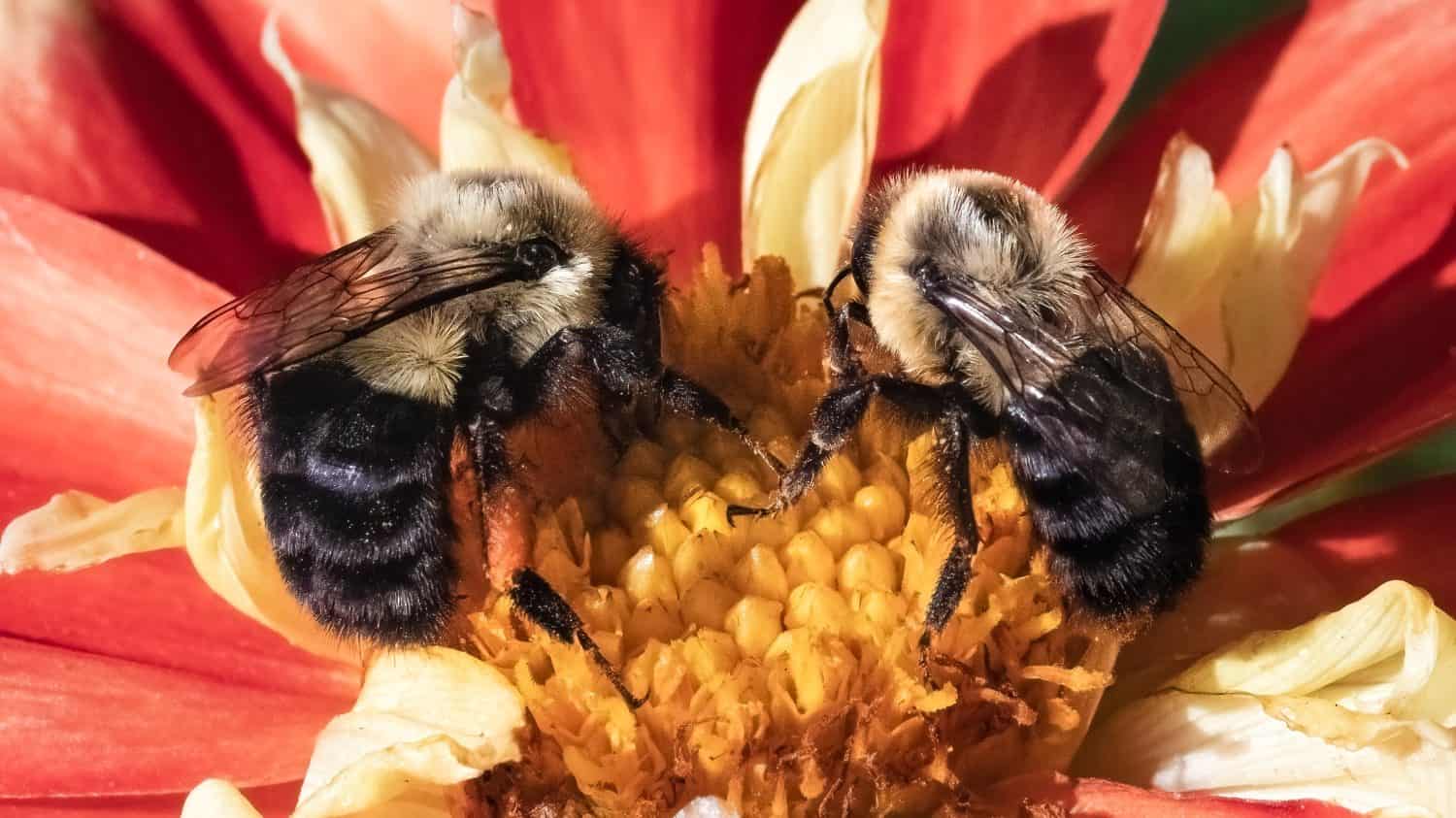
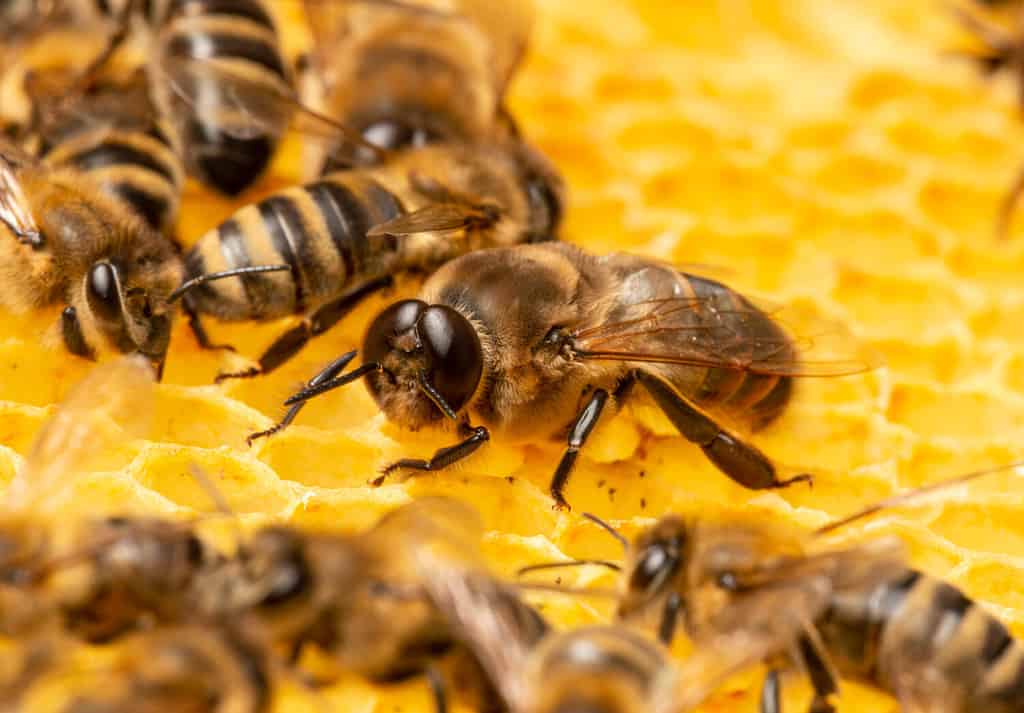
Male bees are called drones, and they have a singular purpose with the queen: to produce offspring. They steal the show during mating season, when the queen releases pheromones that attract awaiting males. Once a male honeybee locates a queen and mates with her, he dies almost immediately after mating due to the detachment of his sexual organs, a process known as explosive copulation. In the case of male honeybee drones, a queen’s mate dies almost immediately after mating. This is called explosive copulation. After a drone releases sperm, its sexual organs detach from its body. This sudden detachment essentially disembowels the bee, and he dies after his organs spill from his abdomen.
©Kuttelvaserova Stuchelova/Shutterstock.com
Bumblebee drones have a slightly less dramatic life following a mating session. They do not experience explosive copulation, but they don’t live for very long, either. They can mate with multiple females during this phase, and their subsequent time is short-lived. Food becomes scarce after the mating season, and drones eventually die off as new colonies are established. As the queen finds a place to overwinter, her mate will already have fallen.
This Drone Never Had a Chance
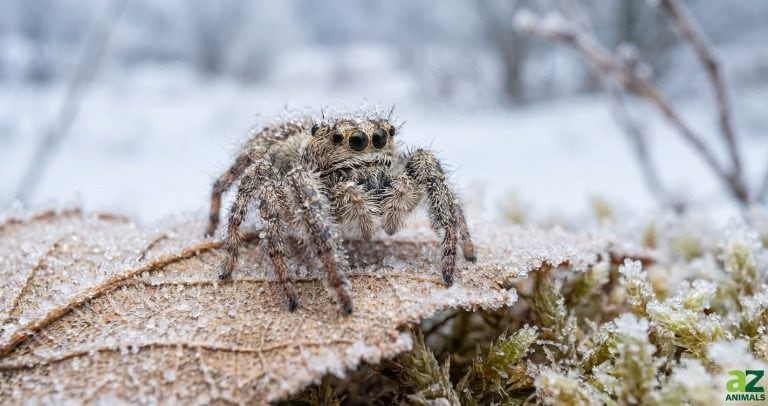
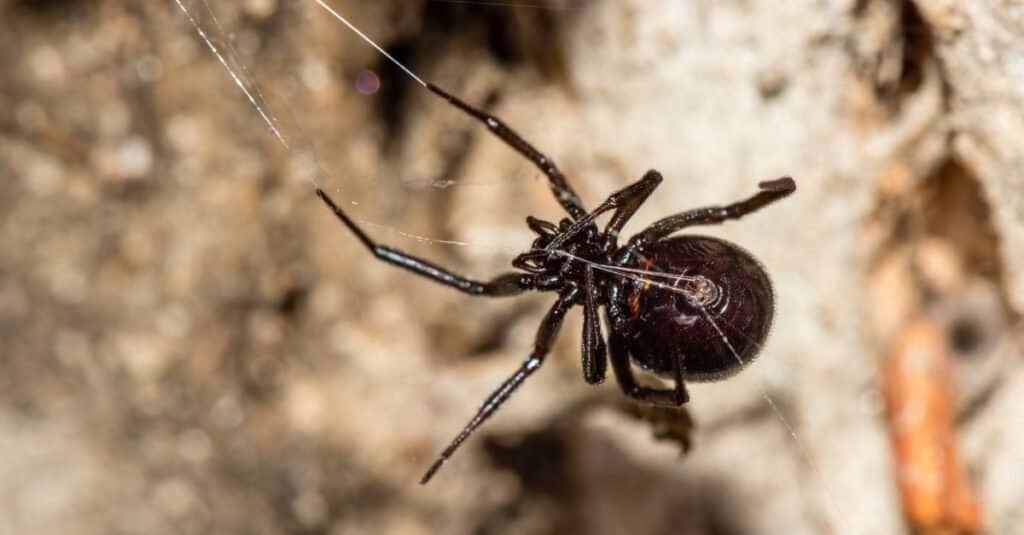
Unfortunately, this male bee never really had a chance against the spider. One Reddit user identified the spider as a noble false widow, a species found in the San Francisco area. This spider is often mistaken for a true black widow and is one of the largest false widow species. A bite from this spider feels like a wasp sting to a human, and its venom is effective at immobilizing and killing its prey, including this bee. The queen was saved, but the spider was too quick to attack her mate, likely biting it before attempting to wrap it in silk.
©Danie Spreeth Photography/Shutterstock.com
This video also shows how quickly the noble false widow attacks prey that falls into its web. While bumblebees are tough to capture, this scenario relied on pure happenstance. If only the queen had fallen into the web, she might have had a chance to escape due to her size and the strength of her wings. However, her mate would have struggled regardless due to his smaller size. Queen bumblebees are roughly the size of a quarter, while male drones are small in comparison. Drones also lack a stinger, which means they’re practically defenseless in a situation such as this.
Drones are created purely for reproduction, and a queen only produces them when the hive is at its maximum capacity. They’re the only males in the hive and make up a small percentage of the total colony population. They spend most of their life outside the hive waiting for females to signal that they’re ready to mate. While this video portrays what seems like a brutal end, the finality of a drone bee is equally cruel. They’re often pushed out of the hive before winter by worker bees rationing food. Many die of starvation, if they don’t first die from exposure. In the spring, the cycle begins anew—therefore, one might even see this act of aggression from the spider as a form of mercy for the drone.