
Quick Take
- A duck wagging its tail at you might not be happy to see you, and the real reason could surprise you. Discover the real reasons →
- Ducks and dogs share the tail-wag, but what's behind it in ducks is a completely different story. See how ducks differ →
- That cute tail shimmy during mating season means something very specific, though probably not what most people assume. Explore the courtship display →
- Duck feathers have a hidden property that makes one tail-shaking reason far more practical than it looks. See the feather science →
Ducks and dogs have more in common than you might think. When they are happy and excited, they shake their tail feathers, which is adorable. However, this isn’t always the reason they may shake their tails. This Instagram post by @ladbible shows a duck shaking its tail when meeting a group of puppies! Read on to learn why a duck might be shaking its tail and what it means.
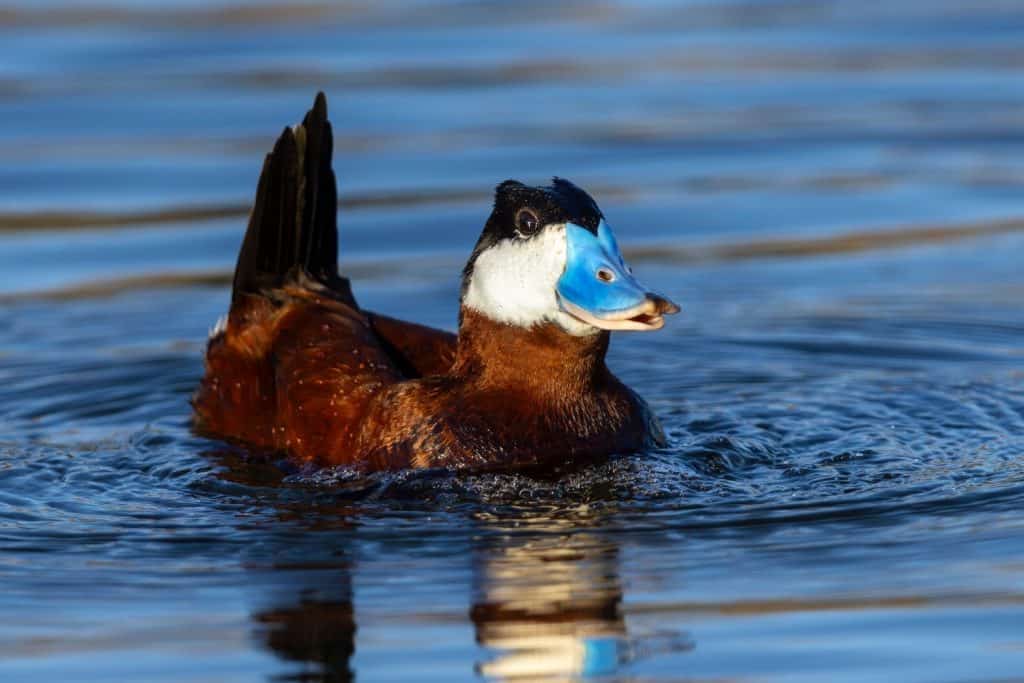
Ducks shake their feathers out of happiness, to clean themselves, or for courting.
©Neil Lockhart/Shutterstock.com
Why Ducks Shake Their Tails
Ducks are some of the most adorable birds out there. Over the years, more and more people have been keeping domestic ducks as pets. Just like pet dogs, when ducks get excited, they often shake their tails back and forth. The video above is an example, with a duck playing with a group of puppies. The duck seems even happier than the puppies, shaking its tail back and forth and running around. The video is a great look at how domesticated ducks act, especially when they feel their best. However, unlike dogs, ducks shake their tails for a number of different reasons. While excitement may be the most easily understood reason, other causes can indicate something about the duck’s condition. Because of this, it’s important to be aware of the reasons they shake their tails.
One reason a duck might shake its tail is simply to dry off. Since they are aquatic birds that love to spend time in water, it’s not uncommon to see them shake off any excess water. Their feathers are naturally coated with hydrophobic oil, which helps waterproof them. An extra flick of their tail helps remove water droplets. They may also shake their feathers as part of preening. Preening helps maintain and realign their feathers and removes debris that could interfere with their flight. Tail movement is just part of this routine. Finally, another reason could be courtship. During mating season, male ducks perform displays for females, including wagging their tails. So, what might seem like a cute display can actually be a flirtatious gesture. Regardless, the duck in the video above is simply adorable.