
Quick Take
- A rattlesnake's rattle isn't just a warning signal. It also plays a sneaky role in how the snake hunts its prey. See the hunting tactic →
- This Southern Pacific rattlesnake carries two distinct types of venom, and what each one does to the body is genuinely alarming. Explore the dual venoms →
- Watch a single light touch trigger a tail rattle so violent it looks like the snake is having a seizure. Watch the rattle reaction →
- Rattlesnakes got their name for an obvious reason, but the physics behind how that sound actually happens is less obvious than you'd think. Discover the rattle physics →
There’s something about snakes that, for most people, strikes fear into their hearts when they come across them. Sure, there are snake lovers all around the world. But for most of humanity, we dare say people fear snakes. We are fearful of their size, their ability to slither anywhere, and the way that some snakes’ tails shake violently. Watch the video above and see how this snake’s rattle was almost like an earthquake when this guy touched it.
Southern Pacific Rattlesnake Sighting
The following YouTube short video posted at the top of this blog post is one of Brian Barczyk’s rattlesnakes. Brian’s YouTube page is filled with various animals, such as stingrays, lizards, anacondas, and sloths, to name a few. This guy is dedicated to showing what animals are really like and how not to be afraid of them as so many people are. You might want to be slightly scared of this snake below.
Southern Pacific Rattlesnake Tail Rattling
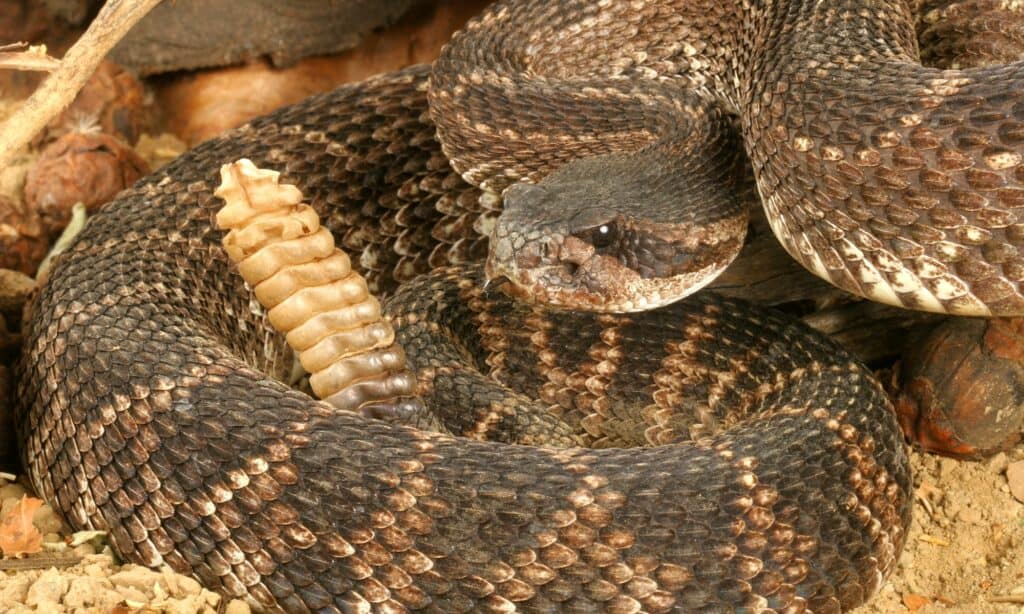
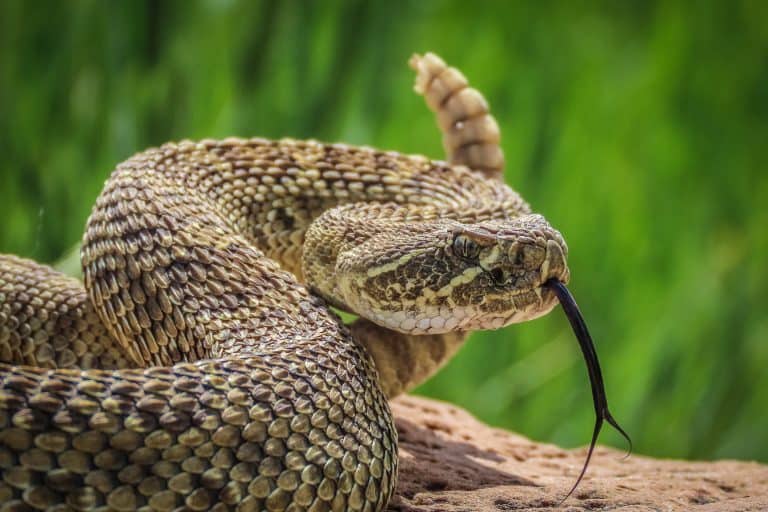
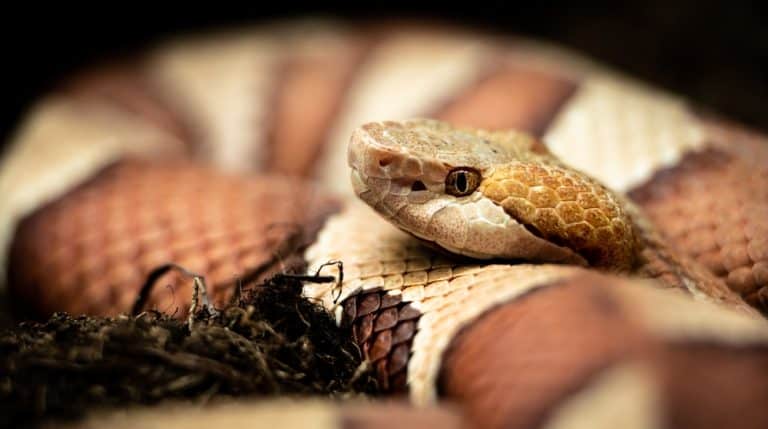
The Southern Pacific rattlesnake is a venomous snake.
©iStock.com/johnaudrey
Many animals, like the Nile crocodile or the Chinese alligator, have been bestowed their names because of where they live. However, sometimes animals get their names because of their ability, such as the rattlesnake. Rattlesnakes are called that because their tails will shake so fast that it sounds like a child’s rattle.
As the video below starts, Brian pulls out one of his rattlesnakes. He is getting ready to show what it looks like and sounds like when a rattlesnake starts to rattle. Brian begins by sharing that this is a Southern Pacific rattlesnake.
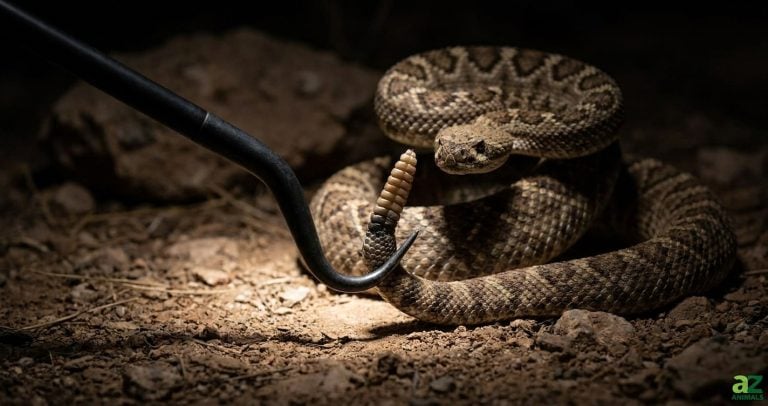
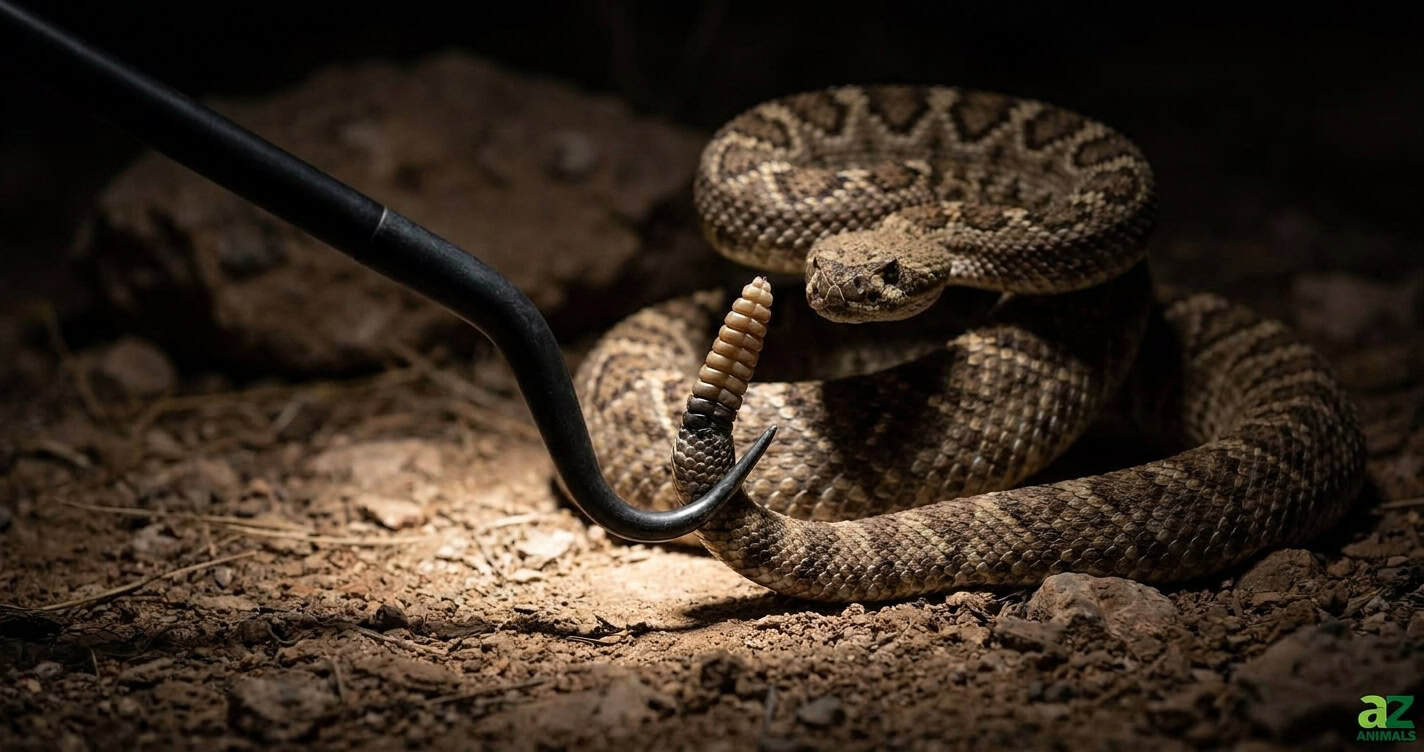
He refers to the end of the tail as “buttons” and then pokes it slightly with a stick, and the tail begins to rattle incredibly fast. We can not only see it moving back and forth, but we can hear the sound of a rattle.
Brian shares that this snake contains venom with hemotoxin and neurotoxin. He describes the hemotoxin as what destroys red blood cells, damages tissue, and disrupts the blood’s ability to clot. Neurotoxin causes neurological symptoms. He warns that you would not want to be struck by this snake!
Why Do Rattlesnakes Rattle?
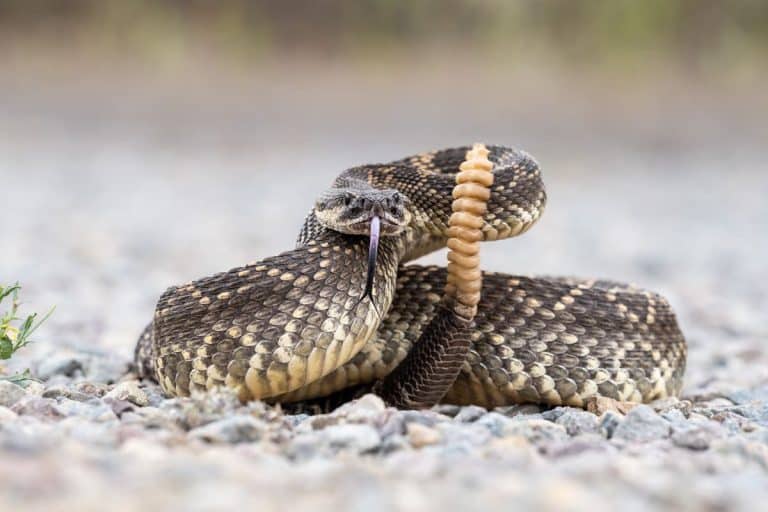
Not every snake has this rattle found at the tip of its tail. But, for rattlesnakes, they do. The rattle serves as their defense mechanism, warning signal, and a hunting tactic.
Rattlesnakes will use the rattle to warn off potential predators. The Missouri Department of Conservation adds, “By “scaring off predators and large, blundering intruders, rattlesnakes conserve their energy and venom for catching food.”
Their rattle is not used to distract prey while hunting. Rattlesnakes are ambush hunters that stay silent when pursuing prey, reserving their rattle solely as a warning signal to potential predators. Luckily for Brian, he knew how to handle these snakes — but even so, we have to admit he got pretty close!