
Quick Take
- The mother elephant isn't the one leading the rescue, and there's a biological reason why. Meet the allomothers →
- Elephants were communicating the entire time, though not in a way most observers would notice. Discover how elephants communicate →
- The herd's instinct to close in isn't just about predators, and that distinction matters more than it seems. See why herds close in →
- The rescue took far longer than expected, and the reason why is what makes it remarkable. Watch the 10-minute struggle →
A young elephant is stuck at the bottom of a slippery bank, and every attempt to climb back to the herd ends the same way: the calf slides down again. Then the adults start closing in.
What follows is a remarkable look at just how seriously elephants take the safety of their young. One adult reaches toward the calf, another moves in behind it, and more members of the herd gather as the rescue continues. It takes patience, strength, and several frustrating attempts before the little elephant finally makes it back up.
Watch the Elephant Herd Rescue the Calf
The Calf Keeps Sliding Back Down
The video begins with the young calf separated from the rest of the herd by a steep, slippery bank. It can get part of the way up, but keeping its footing is another problem. Each time the calf begins to make progress, it appears in danger of sliding back toward the water.
The adults do not simply walk away and wait for it to figure things out. They crowd around the edge and repeatedly try to help. Trunks reach toward the calf while other elephants position themselves nearby, creating what becomes a group effort. According to the video’s uploader, the rescue took about 10 minutes before the calf finally made it out.
Elephant Calves Have More Than One Protector
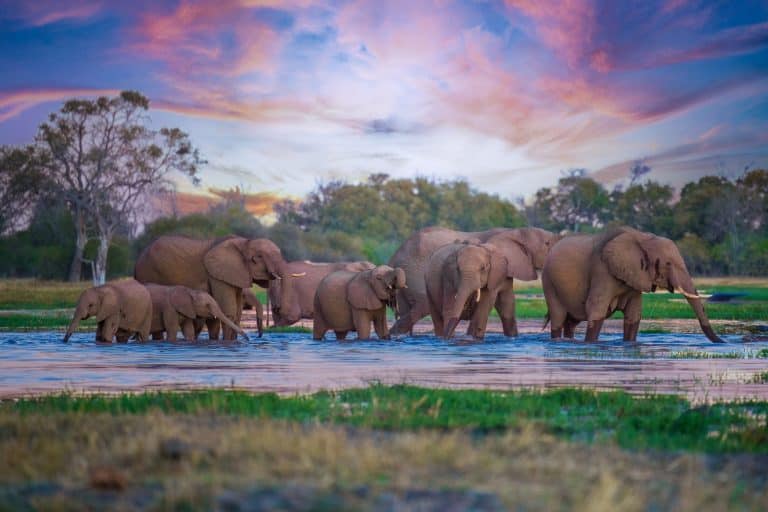
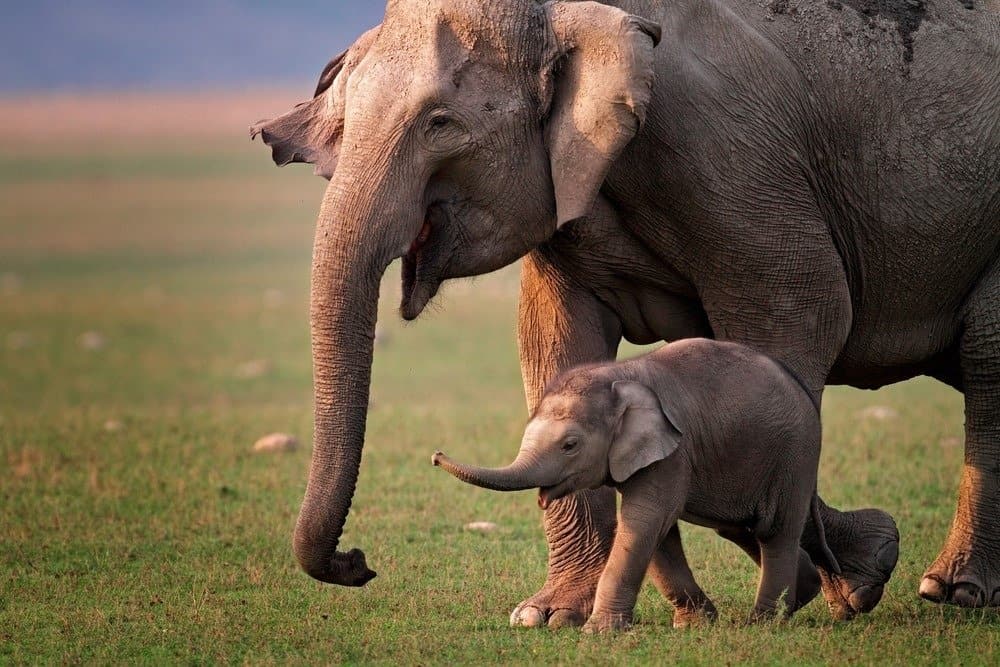
A mother elephant is normally the calf’s primary caregiver, but she is far from the only elephant watching over it. African elephant families are typically made up of related females and their young, and other females often help care for calves.
Researchers call this behavior allomothering. Younger females may babysit, guide, comfort, retrieve, or defend calves that are not their own. If a calf gets separated or runs into trouble, multiple elephants can respond. That makes what happens in the video less surprising biologically, even if seeing several enormous animals coordinate around one tiny calf is still impressive.
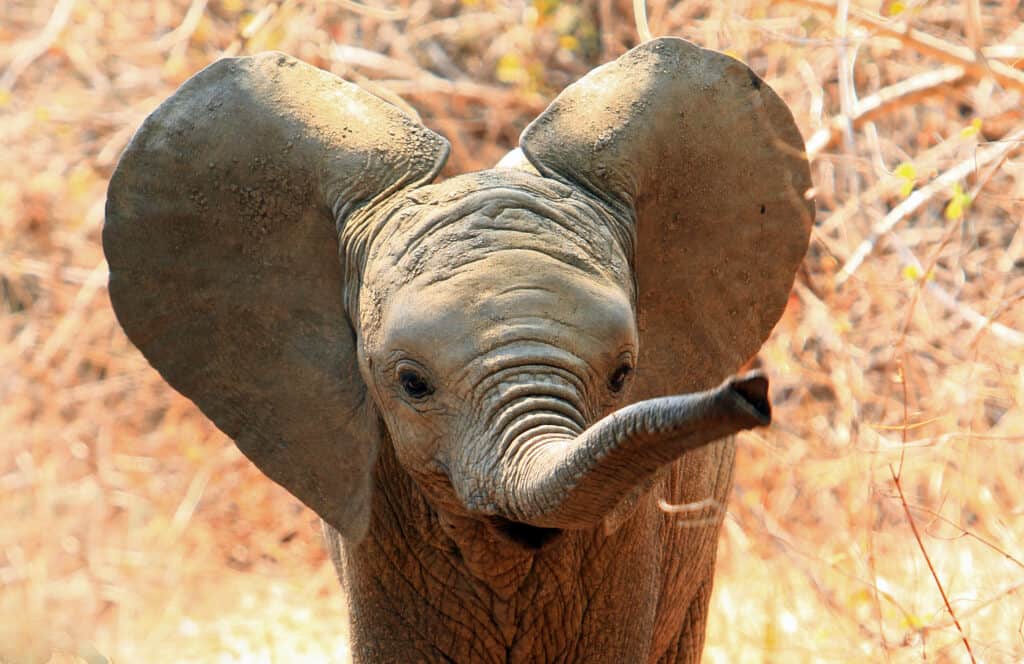
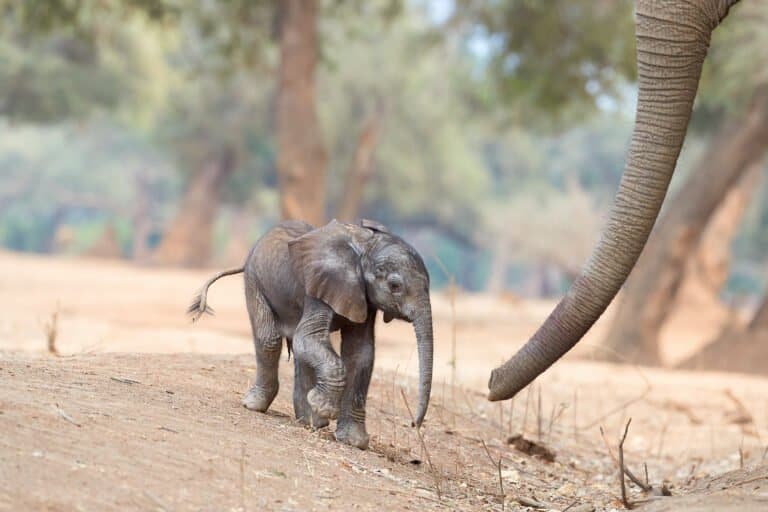
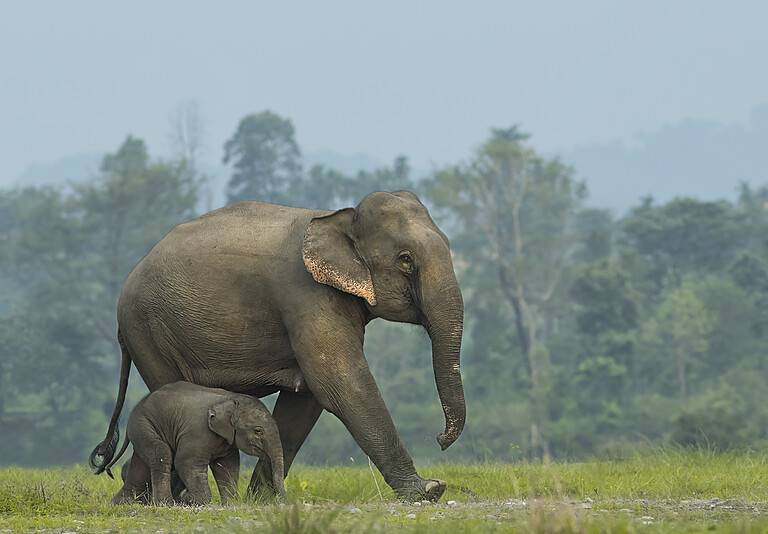
Young elephants grow up surrounded by mothers, sisters, aunts, and other members of the family herd.
©paula french/Shutterstock.com
Elephants Have a Surprisingly Complex Way of Talking
The noise coming from an excited elephant herd is not random. Elephants use a surprisingly varied collection of sounds, including trumpets, roars, cries, snorts, and deep rumbles. Different calls can be associated with distress, excitement, aggression, play, greetings, and coordinating the movement of the herd.
Some rumbles contain frequencies so low that people cannot hear every part of them. Those low-frequency calls can travel long distances, allowing elephants to communicate even when herd members are separated or cannot see one another. In a stressful situation involving a calf, vocalizations are only one part of the response. Elephants also communicate through touch, posture, movement, and physical contact.
Why the Herd Closes In Around a Calf
Adult African elephants have few natural predators, but calves are much more vulnerable. Lions and other predators can pose a threat, and young elephants can also run into trouble simply because they are smaller, less coordinated, and still learning how to move through difficult terrain.
When danger appears, adult females may gather around calves and put their much larger bodies between the youngsters and the threat. The same social instinct can be useful when the problem is not a predator at all. A slippery bank, deep mud, steep ground, or water can leave a calf needing help from elephants with far more size and experience.
The Rescue Shows Why Elephant Families Matter
The most striking part of the video may be how many elephants become involved. The calf’s problem does not remain one mother’s problem for long. Other members of the family group move in, remain close, and continue responding until the youngster is finally back with the herd.
That kind of cooperation is one reason elephant family groups are so important. Young elephants spend years learning from older herd members while also benefiting from a built-in network of protection. For this calf, that network appears to have made the difference between being stuck at the bottom of the bank and walking away with the rest of the family.
Give Wild Elephant Families Plenty of Space
A scene like this can make people want to move closer or intervene, but wild elephants should always be given plenty of room. Adults protecting calves can react aggressively when they believe the herd is threatened. In parks and reserves, visitors should remain in approved vehicles or viewing areas and follow instructions from guides and wildlife officials rather than attempting to help an animal themselves.