
Quick Take
- The Dracula ant can't eat other insects, yet there is one prey it can never resist. That prey is hiding inside its own nest. Meet the reluctant cannibal →
- Scientists studying this ant's cannibalism did not find a dead end. Instead, they found a missing link to a completely different insect order. Discover the evolutionary link →
- 'Non-destructive cannibalism' sounds like a contradiction, and the reason it works is even stranger than it sounds. Understand how it works →
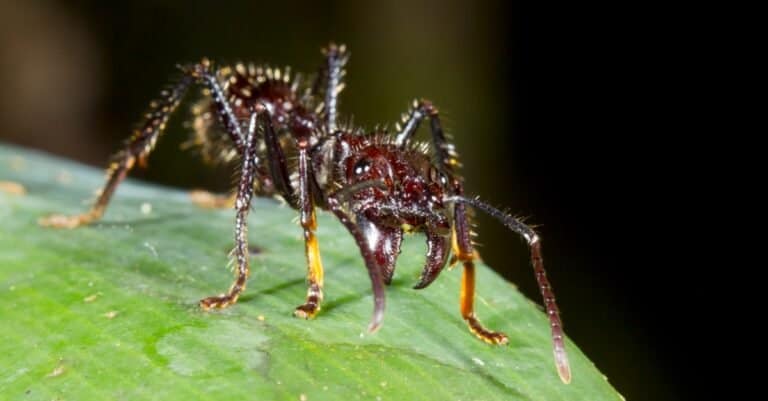
Unlike others with vampiric names, the Dracula ant (Adetomyrma venatrix) has earned its reputation. This blood-sucking ant has one of the fastest mandible bites in the world, and also the most unsavory diet. By extension, they also have the most unusual prey.
In a bizarre evolutionary twist, other insects are safe from the bite of the Dracula ant. The queen’s own children, however, make a meal fit for royalty.
Continue reading
Dracula Ants Are Limited by Their Anatomy
Ants in the Adetomyrma and Mystrium genera are wildly fascinating insects. Adetomyrma, the true Dracula ants, are endemic to Madagascar, while some related Mystrium species are found in Madagascar, Asia, and Australia. And their ability to drink the blood of others comes from their inability to consume solid food. As luck—or misfortune—would have it, the anatomy of Dracula ants keeps them on a liquid diet.
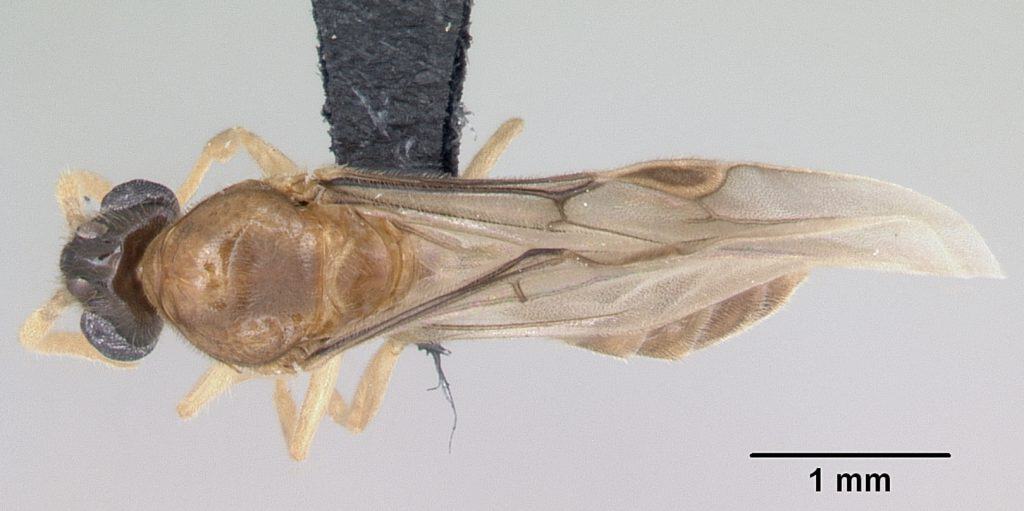
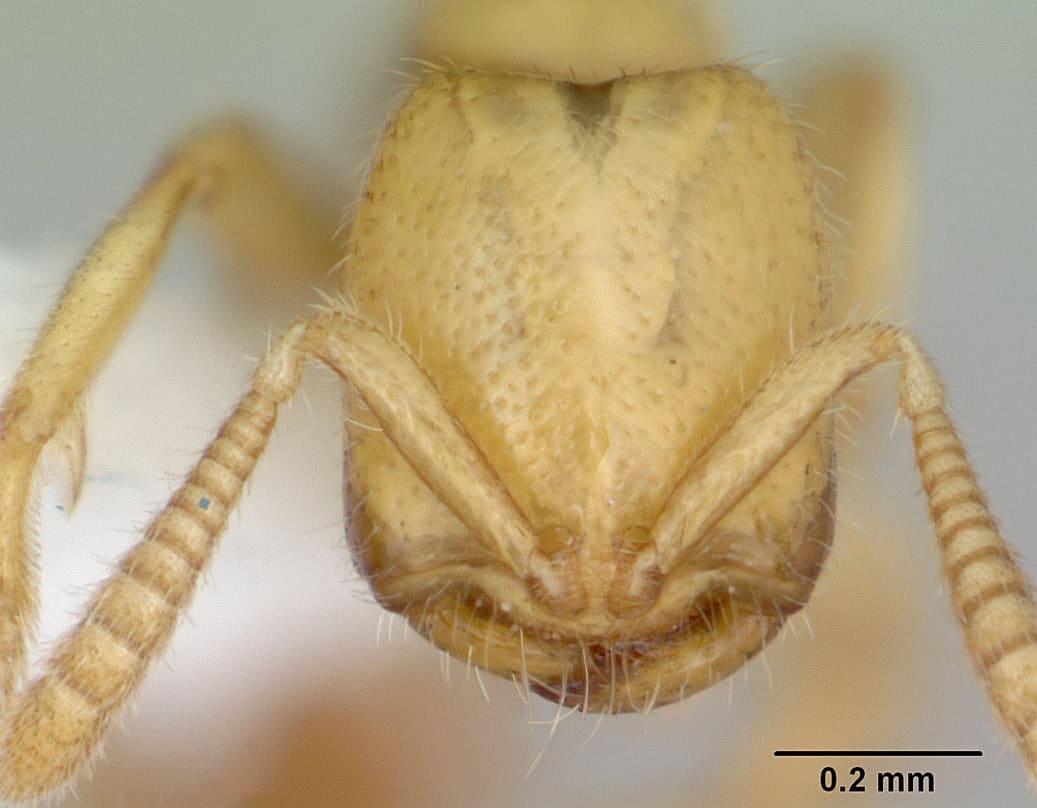
Male Dracula ants are winged, making it easier to find females to mate with.
©By The photographer and www.AntWeb.org, CC BY 4.0 – Original / License
Their skinny bodies and cinched abdomens prevent them from digesting solid food. With little room for anything, including digestive organs, these ants seek sustenance in other ways. Thankfully, Dracula ant larvae are full of hemolymph. This isn’t the same blood that’s found in vertebrates, but it functions the same way for invertebrates. It also contains the same amount of nutrients, which are exactly what the queen of the ant colony needs.
The act she commits is known as “non-destructive cannibalism.” Or, for fiction readers, “vampirism.” The queen punctures the skin of her larvae to drink their hemolymph. As she does, she absorbs all the nutrients from the food they consume. As they grow and their bodies mature, they will no longer be able to digest solids. At this point, the cycle begins anew with a new generation of larvae, laid by the queen who cannibalized her previous offspring. Thankfully, she only takes the hemolymph she needs to survive.
Destructive Cannibalism Paved the Way For Ants
After years of observation, scientists connected a series of unusual findings. A Madagascar colony of Dracula ants led them to believe there’s an evolutionary link between this species and modern-day wasps. The same anatomy that limits the diet of a Dracula ant is more akin to that of a wasp than to that of a two- or three-jointed ant. This was puzzling until scientists realized they were looking at the missing piece of the puzzle.
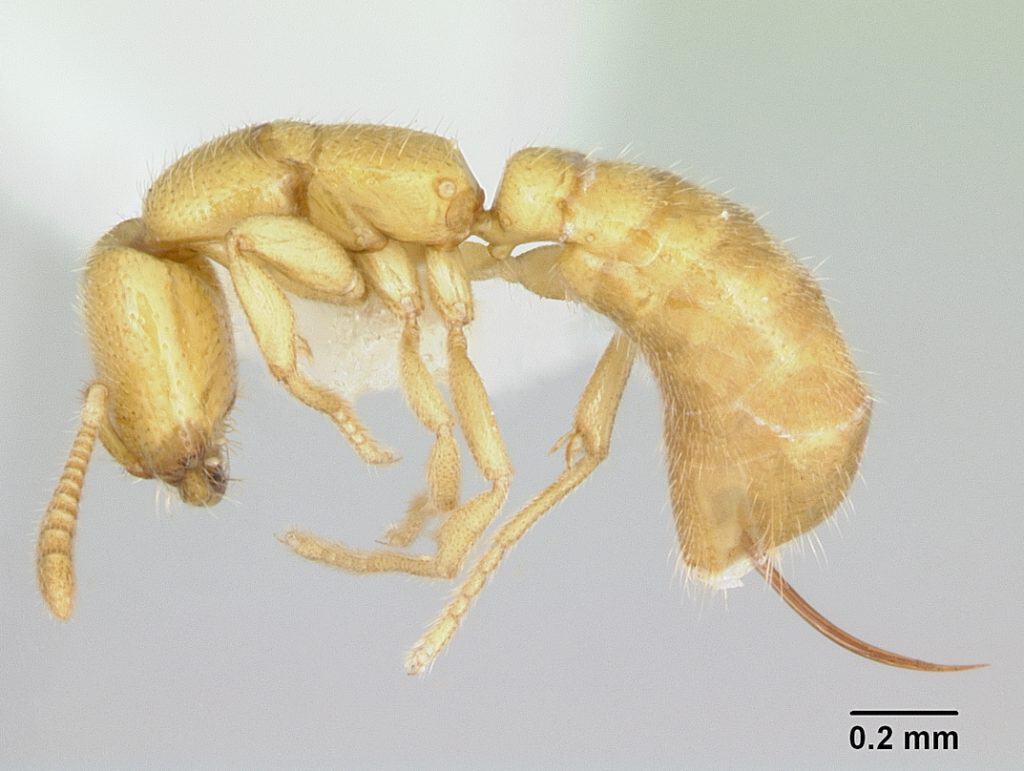
Worker Dracula ants are blind and are born without eyes.
©By The photographer and www.AntWeb.org, CC BY 4.0 – Original / License
Given that some related ants in the genus Mystrium can snap their mandibles at 200 MPH, in addition to their cannibalistic habits, it was determined that they’re closely related to the wasp family. Through millions of years of evolution, these Dracula ants eventually evolved into the multi-jointed species we see today. Not only is their name indicative of their eating habits, but it also speaks to their ancient origins.