
Quick Take
- Experienced birders show measurable differences in brain regions tied to attention, memory, and visual processing.
- The study suggests these differences may reflect more efficient brain organization developed through skill practice.
- While causation isn’t proven, birding combines multiple cognitive skills that may help support brain health over time.
Getting older comes with its fair share of worries, and for many people, keeping their mind sharp sits near the top of the list. Crossword puzzles, reading, and learning new skills are often recommended. But what if something as simple as stepping outside and identifying birds could help strengthen your brain?
That’s exactly what a recent study suggests. Researchers found that experienced birders, people who regularly identify birds by sight and sound, showed measurable differences in brain structure compared to beginners. The findings hint that birdwatching might not just be a relaxing hobby. It could also be a subtle but powerful way to support cognitive health as we age. So how did scientists figure this out, and what does it really mean? Let’s take a closer look.

Spotting and identifying birds isn’t just relaxing—research suggests it may engage multiple brain regions tied to memory, attention, and perception all at once.
©iStock.com/:Rawpixel
How the Study Was Designed
The research, led by neuroscientist Erik Wing at Baycrest Hospital in Toronto and published in the Journal of Neuroscience, set out to investigate whether expertise in bird identification is associated with measurable differences in brain structure and function.
To explore this, the team recruited two groups of participants. One group consisted of expert birders, people with years of experience identifying birds in the wild. The other group included beginners who had little to no birding experience. Both groups were carefully matched for age and sex in an effort to eliminate those factors as explanations for any differences observed.
Once the participants were selected, the researchers used a type of brain imaging called diffusion magnetic resonance imaging, often shortened to diffusion MRI. This technique takes pictures of the brain while also measuring how water molecules move within brain tissue.
Why? What do water molecules moving around the brain have to do with anything? Well, it’s actually a powerful way to understand brain structure. Water tends to move more freely in areas where the brain’s wiring is organized efficiently. When movement is more restricted, it can indicate differences in how densely or tightly packed those structures are.
The researchers found that, compared to beginners, expert birders showed differences in specific brain regions tied to visual processing, attention, and memory—the exact skills you’d expect to be heavily used when identifying birds in the field.
Think about what birding actually involves. You’re scanning a tree line, catching a brief glimpse of movement, noticing subtle color patterns, and maybe listening for a distinctive call. Then you’re comparing that information to what you already know, often in a matter of seconds.
That kind of rapid, detail-oriented processing relies on several parts of the brain working together. And according to the study, those areas appear to be more structurally refined in experienced birders.
Back to the diffusion MRIs: the key finding was that water diffusion in these regions suggested a more efficient organization of brain tissue. While the phrase “more structurally compact” was used to describe the difference, it doesn’t mean the brain is physically smaller. Instead, it points to a more optimized internal structure, where neural pathways may be better organized for the task at hand.
Think of it like a highway system. A well-designed network allows traffic to flow smoothly, even during busy times. A poorly organized one leads to congestion and delays. The brains of expert birders may simply have more efficient “routes” for processing visual and auditory information.
Why Birding Is a Unique Mental Workout
Plenty of activities engage the brain, but birdwatching combines several types of cognitive demand all at once:
- Visual discrimination: Spotting tiny differences in color, shape, and movement
- Auditory recognition: Identifying birds by their calls and songs
- Memory recall: Matching what you see and hear to stored knowledge
- Sustained attention: Staying focused in a constantly changing environment
Many hobbies focus on just one or two of these skills. Birding blends all of them together, often outdoors and in unpredictable conditions. For example, recognizing a warbler flitting through branches isn’t like identifying a static image in a book. The bird might only be visible for a second. Lighting conditions change. Leaves get in the way.
The brain has to process incomplete information and still make an accurate call. Over time, repeatedly engaging in this kind of challenge may encourage the brain to adapt. That’s a concept known as neuroplasticity, the brain’s ability to reorganize itself based on experience.

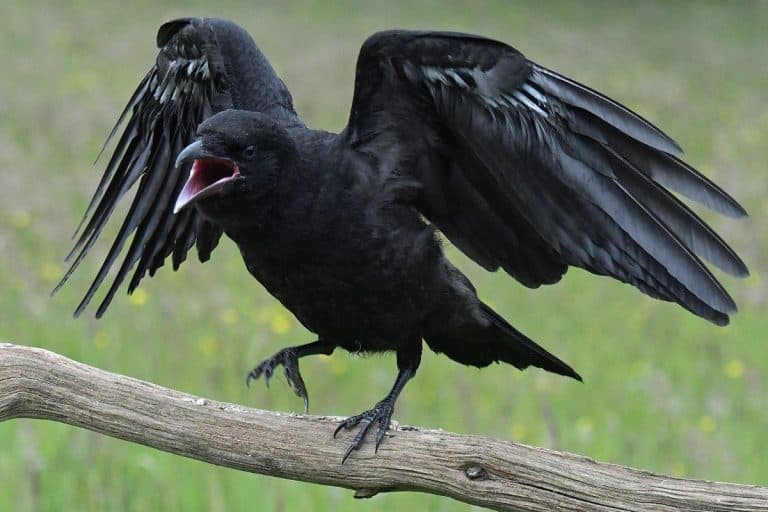
Birdwatchers often identify species in seconds using fleeting visual cues and sounds, forcing the brain to process incomplete information quickly and accurately.
©Ondrej Prosicky/Shutterstock.com
Does Birding Actually Improve Your Brain, or Do Certain People Just Gravitate Toward It?
The classic “chicken or the egg” conundrum is one of the most important questions raised by the study. The researchers found a clear difference between experts and beginners, but that doesn’t automatically prove cause and effect. It’s possible that people who already have strong visual and attentional skills are more likely to become skilled birders in the first place.
However, the fact that the groups were matched for age and sex helps strengthen the argument that experience plays a role. And there’s a large body of research showing that learning complex skills can reshape the brain over time.
Studies on musicians, for example, have found structural differences in areas related to hearing and motor control. Taxi drivers in major cities have shown changes in brain regions linked to spatial navigation. Birding may be another example of this same principle. The more you practice a skill, the more your brain adapts to support it.
To truly prove causation, scientists would need to follow beginners over time as they develop birding expertise and track how their brains change. That kind of long-term study is more challenging, but it would provide stronger evidence.
What This Means for Aging and Cognitive Health
One of the most intriguing aspects of the study is its potential connection to aging. As people get older, certain cognitive abilities naturally decline. Attention, memory, and processing speed can all be affected. Activities that challenge these skills are often recommended as a way to help maintain mental sharpness.
Birding checks a lot of those boxes. It’s mentally engaging, requires learning and recall, and encourages sustained focus. It also gets people outdoors, which comes with its own benefits for mood and overall well-being.
The researchers suggest that developing birding skills might help support cognition as people age. While the study doesn’t prove that birding prevents cognitive decline, it adds to a growing body of evidence that mentally stimulating hobbies can make a difference.
Limitations of the Study
As promising as the findings are, it’s important to keep them in perspective. First, the study compared two groups at a single point in time. That means it can show differences, but not definitively explain how those differences developed.
Second, the sample size was relatively small, which is common in brain imaging research but still limits how broadly the results can be applied.
Third, birding itself involves a mix of skills, and the study doesn’t isolate which aspects are most important. Is it the visual identification, the auditory recognition, or the combination that matters most? Future research could dig deeper into that question.
Finally, brain structure is just one piece of the puzzle. While the study shows physical differences, it doesn’t directly measure whether expert birders perform better on cognitive tasks outside of birding.

Activities that challenge memory and attention, especially outdoors, are often linked to better cognitive resilience as people get older.
©PeopleImages.com – Yuri A/Shutterstock.com
Even with those limitations, the study offers a compelling glimpse into how everyday activities can shape the brain. It reinforces the idea that learning and practicing complex skills is not just about gaining knowledge; it can also lead to measurable changes in how the brain is organized and how efficiently it functions.
Birding happens to be a particularly rich example because it blends perception, memory, and attention in a real-world setting. But the broader takeaway applies to many areas of life. Whether it’s learning a new language, playing an instrument, or yes, identifying birds in your backyard, challenging your brain in meaningful ways appears to support its long-term health. So the next time you’re walking in the park and you spot something moving in the trees, it might be worth taking a closer look. Not only are birds interesting to look at, but you just might be giving your brain a boost.