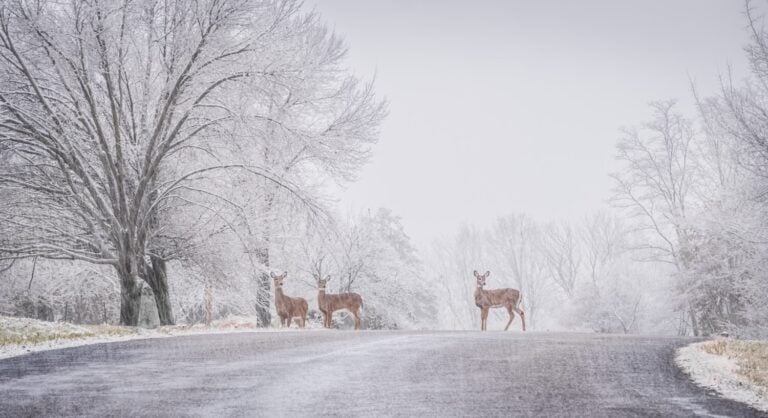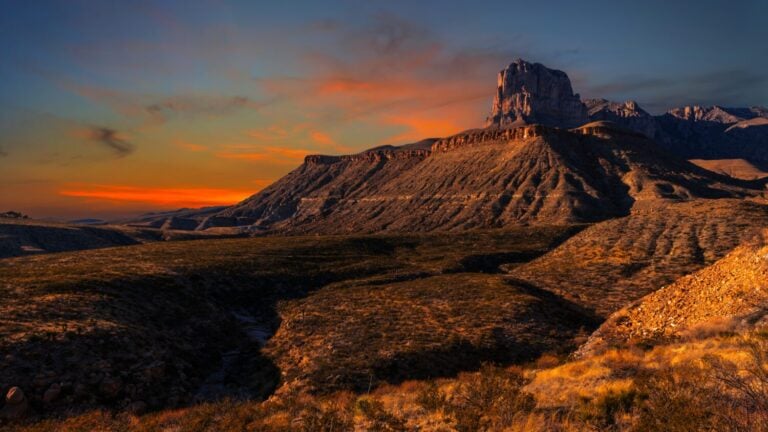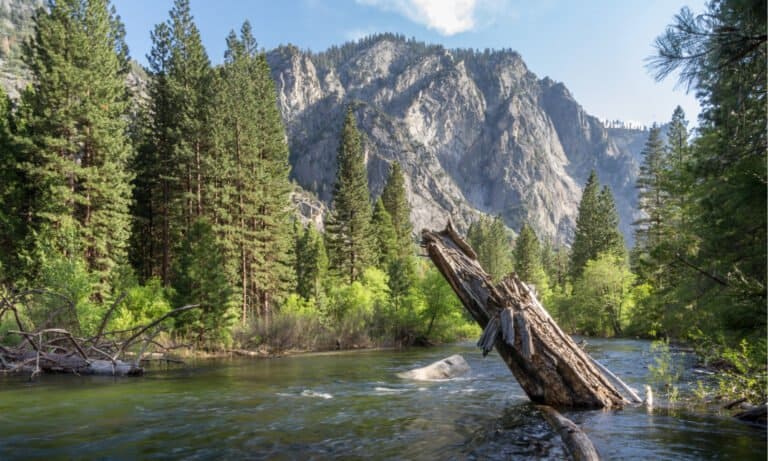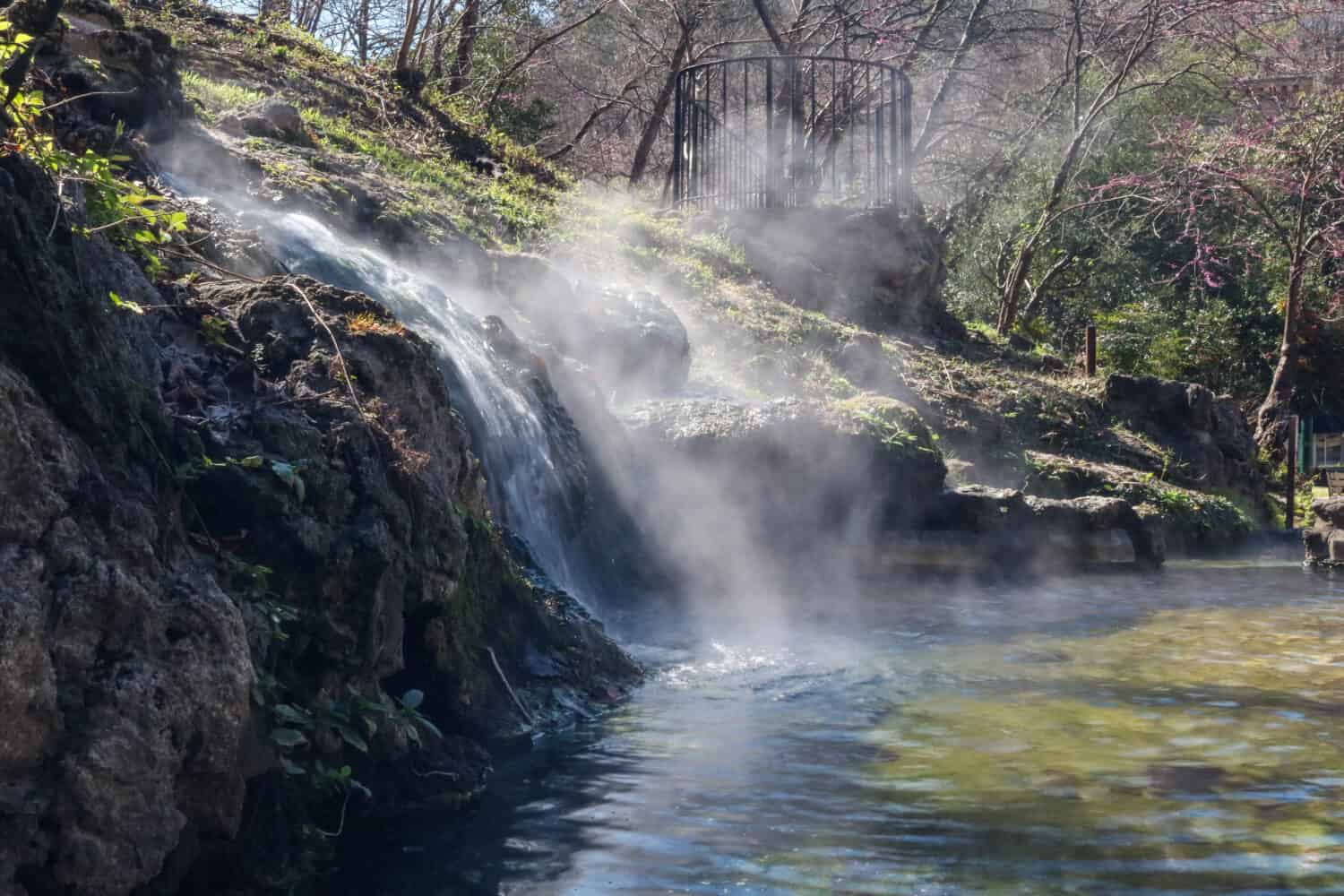

In 1832, the area that would later become Hot Springs National Park was set aside as the first federally protected land in the United States. The park is notable for its non-volcanic hot springs, which are rare among national parks. For centuries, people flocked to these springs for the water’s healing properties. Today, visitors can enjoy the hot springs at several historic bathhouses. The 5,500-acre park is also home to diverse wildlife and offers 26 miles of hiking pathways, including trails through the city of Hot Springs.
Gray Fox
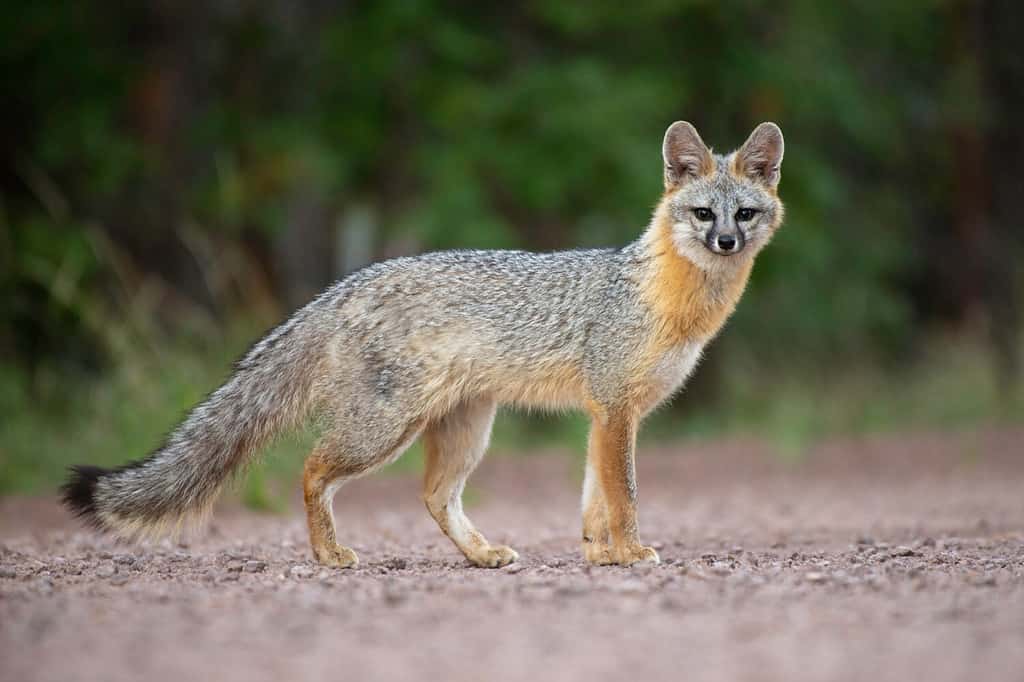
The gray fox’s tail makes up around one-third of the fox’s overall body length.
©Sean R. Stubben/Shutterstock.com
Gray foxes are the only canid species in North America that can climb trees. They use their partially retractable claws to dig into tree bark and gain a foothold. They are nocturnal hunters and spend their days denning in hollow tree trunks, rock crevices, or abandoned burrows. Their prey includes birds and small mammals, but they also enjoy fruit when available. They will cache excess food to consume later. Gray foxes weigh around 11 pounds and grow to about 42 inches long.
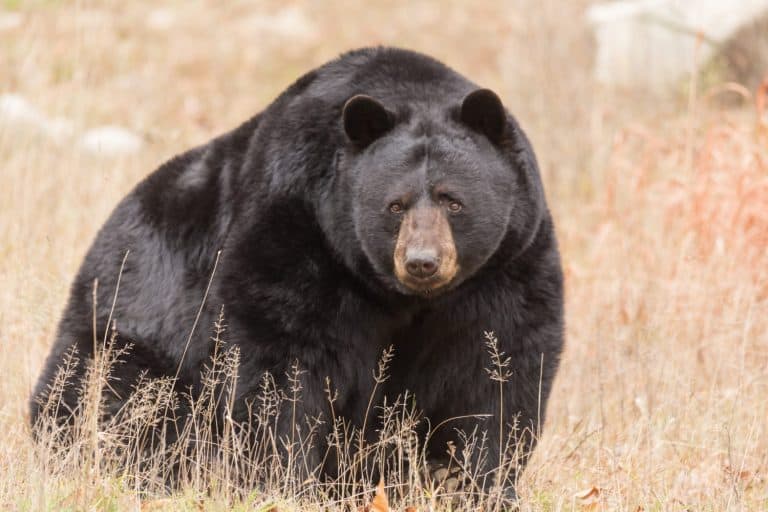
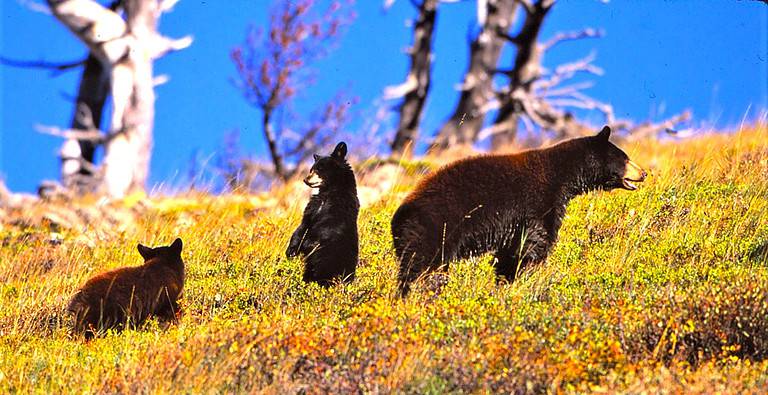
American Black Bear

Although bear sightings are not common, black bears are present in the park.
©Greens and Blues/Shutterstock.com
Bears in the park are often identified within an area by finding their scat on park trails. If visitors encounter a bear, rangers advise them to keep a safe distance and slowly back away. Adult male black bears weigh between 150-500 pounds. Females are smaller, weighing between 100-300 pounds. Black bears come in many colors, including black, brown, cinnamon, blonde, and even blue gray. Their short, non-retractable claws make them excellent climbers and diggers.
Bobcat
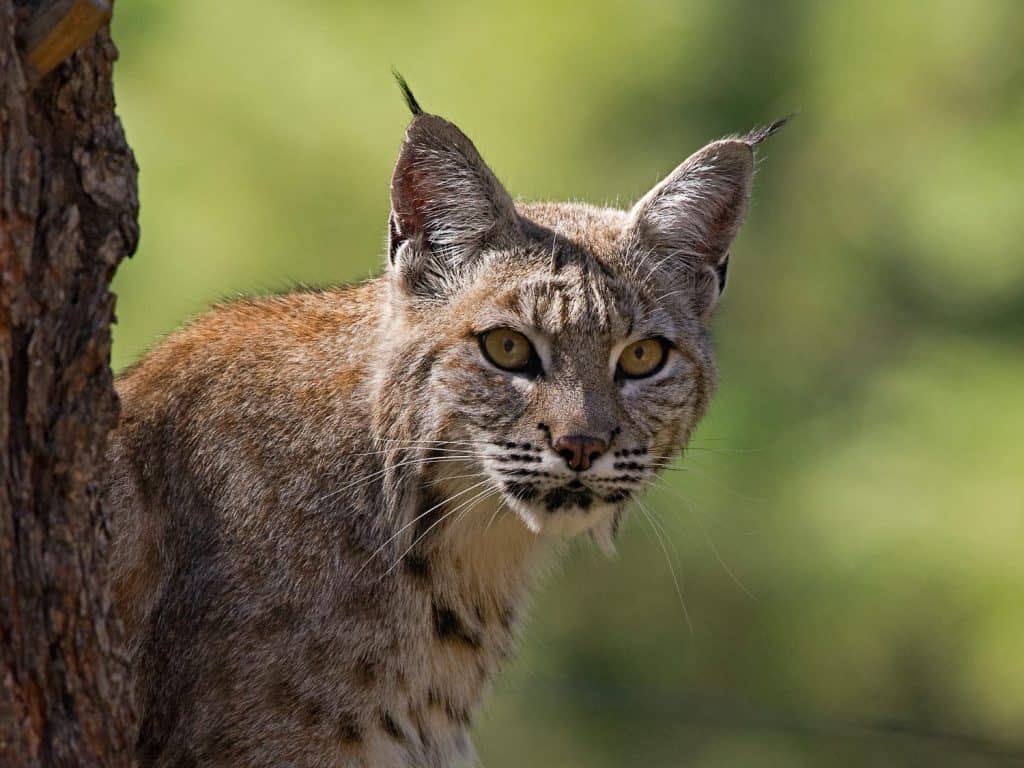
Bobcats are the smallest wild cats in the United States.
©Laurie E Wilson/Shutterstock.com
The bobcat’s tufted ears and long face-framing hair make them easily identifiable. Their spotted fur ranges in color from light tan to dark brown. Bobcats can be found throughout the park and are most active at dawn, dusk, and during the night. While they are excellent climbers, they spend most of their time on the ground. Their preferred prey is small mammals like rabbits, squirrels, and mice. A full-grown bobcat weighs about 35 pounds, has a head and body length of about 37 inches, and a 5-inch tail.
Striped Skunk
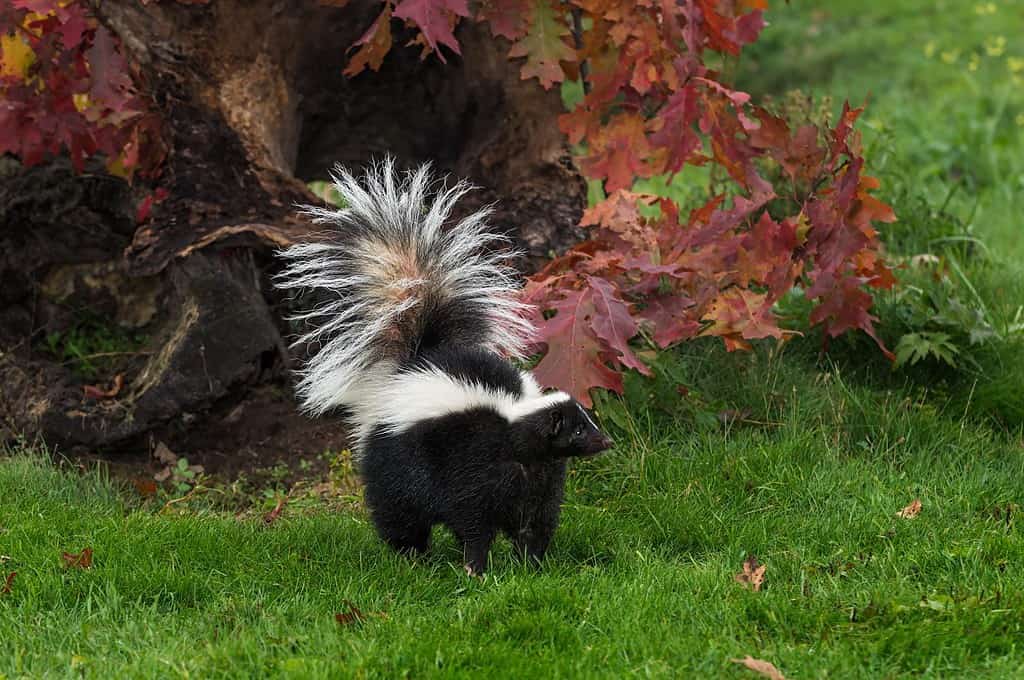
A group of skunks is called a “surfeit.”
©Geoffrey Kuchera/Shutterstock.com
Striped skunks are found throughout the park. They’re nocturnal hunters who feast on fruits, vegetables, eggs, small mammals, fish, and reptiles. They especially like Yellowjacket wasps and are immune to their stings. Skunks will dig up the wasps’ underground nest, then eat the flying insects as they attempt escape. When threatened, a skunk will stomp its feet and hiss as a warning. If that doesn’t work, the skunk sprays a sulfur-based liquid from glands below its tail. The spray reaches up to 12 feet and is very accurate.
North American River Otter

North American river otters are excellent swimmers and can hold their breath for up to eight minutes.
©Ian Peter Morton/Shutterstock.com
Otters have stellar swimming skills thanks to long, muscular bodies, short legs with webbed feet, and a strong, tapered tail. Their fur is dense, with up to 60,000 hairs per square centimeter. This provides excellent insulation. Otters feed on fish, turtles, amphibians, and crayfish. Adults are around three to four feet long and can weigh up to 30 pounds. If you see them sliding down river banks on their bellies, it’s more than just cute. It’s a streamlined way of travel to their preferred aquatic habitat.
American Mink
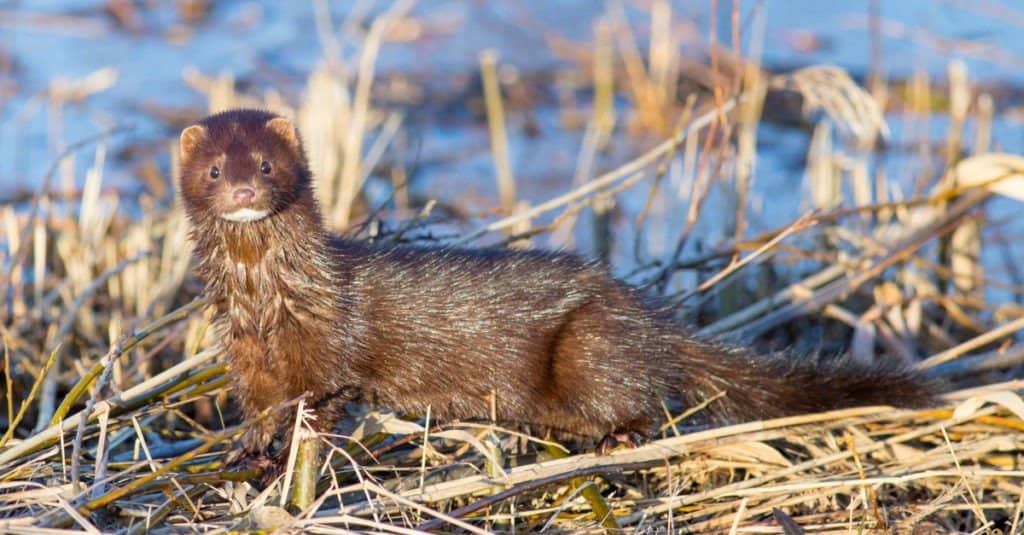
American mink live in the streams and rivers found throughout the park.
©shauttra/Shutterstock.com
With a long, slender body, partially webbed feet, and waterproof fur, the American mink is an excellent aquatic hunter. It eats small mammals, fish, and amphibians that it finds in the rivers and streams of the park. You’ll often see a mink digging its burrow along the waterline. It is territorial and solitary, except during mating season between February and April. When threatened, a mink can spray a noxious liquid from glands under its tail. Unlike skunks, minks cannot aim their spray.
Raccoon
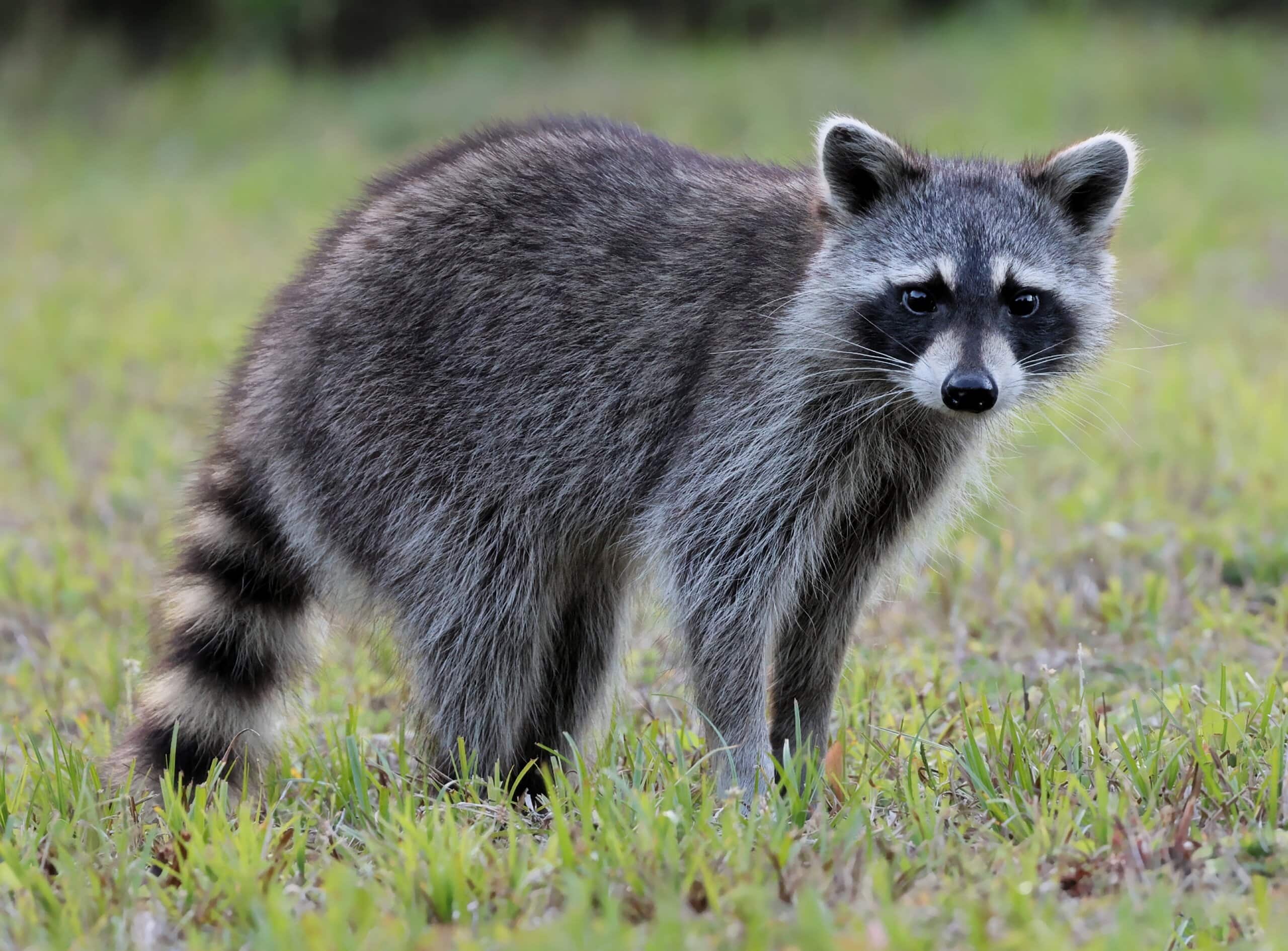
Raccoons are equally at ease in the wild or your backyard. They are always in pursuit of food, and will go where they can find it.
©Jean Blom/Shutterstock.com
With their dexterous, human-like front paws complete with five sensitive fingers, raccoons can easily manipulate objects and climb. Nocturnal by nature, the raccoon’s excellent hearing and night-vision help it efficiently source food like rodents, eggs, frogs, and insects. A raccoon will also eat fruit, nuts, and almost anything else. It is an expert at opening garbage cans to get to discarded food. If you’re camping in the park, be sure all your food supplies are stored in your vehicle or a locked cooler.
Long-Nosed Armadillo
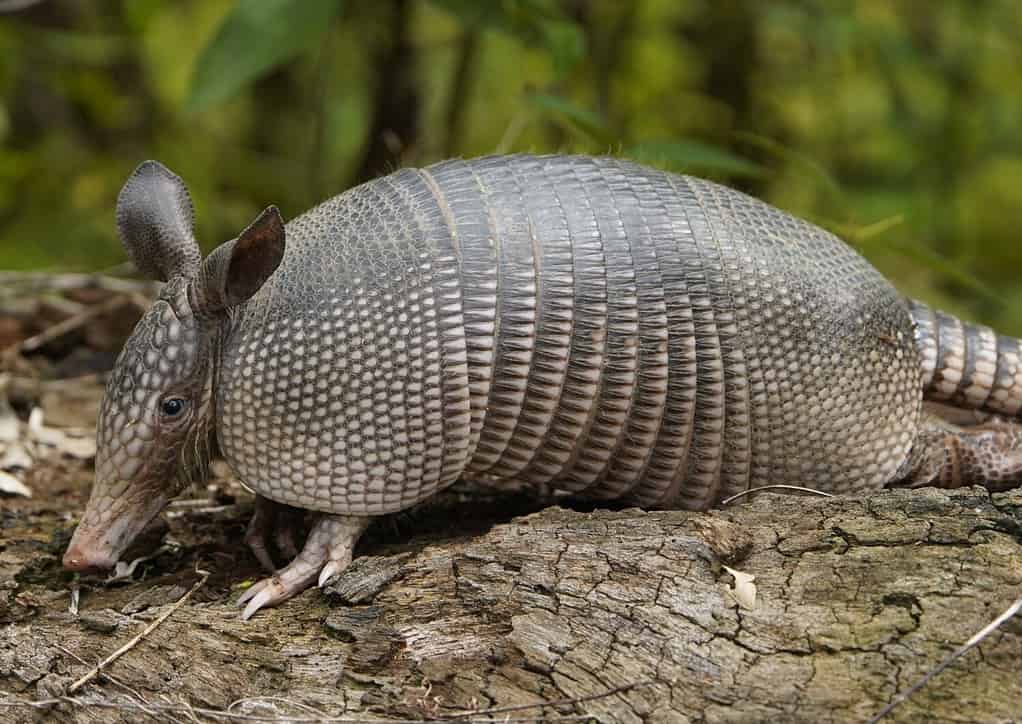
Long-nosed armadillos are also called nine-banded armadillos, and are the only armadillo species found in the United States.
©guentermanaus/Shutterstock.com
Covered in a hard, bony shell that’s connected by flexible bands of skin, armadillos are an unusual creature in the park. They are insectivores, feasting on beetles, spiders, and ants. Their claws and excellent sense of smell help them root out their meals. These nocturnal animals prefer to be alone, spending their days in burrows to avoid hot temperatures. If you happen to encounter an armadillo in the park, stay calm. When startled, armadillos will jump straight up in the air before scurrying away.
Virginia Opossum
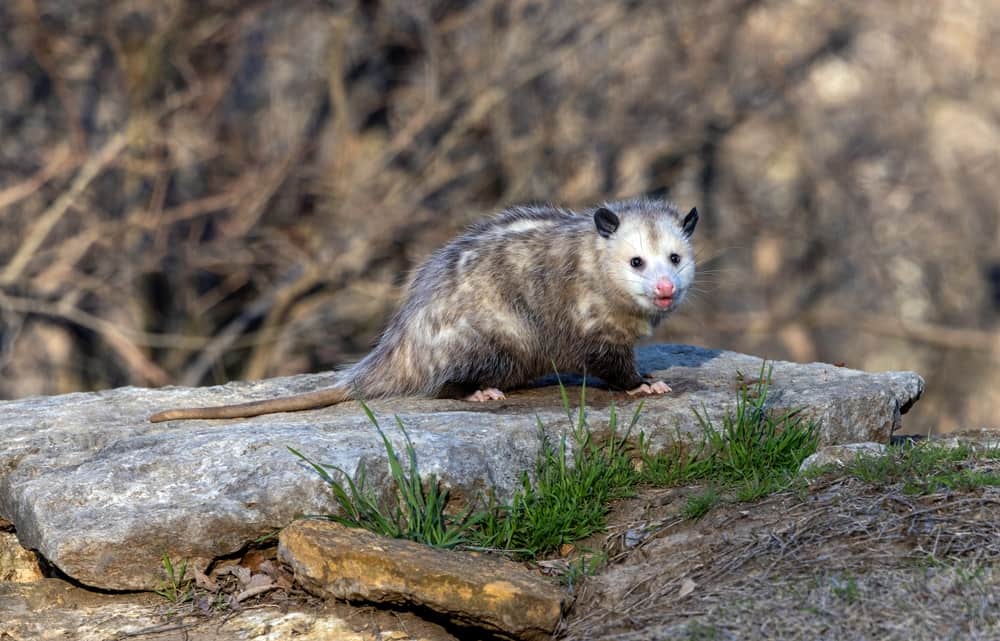
Possums are known to play dead when threatened. It’s an unintentional response, caused by shock rather than strategy.
©Bert B/Shutterstock.com
Possums are prevalent in the park and are primarily active at night. They eat a diverse diet of eggs, insects, fruits, vegetables, and carrion. Possums have a prehensile tail that they use to climb and carry things. Possums are the only marsupial species found in the United States. The size of a large house cat, possums are resistant to many types of snake venom. There is a protein in their blood that neutralizes the toxins. That will come in useful if they encounter one of the park’s venomous cottonmouth snakes.
Eastern Cottontail
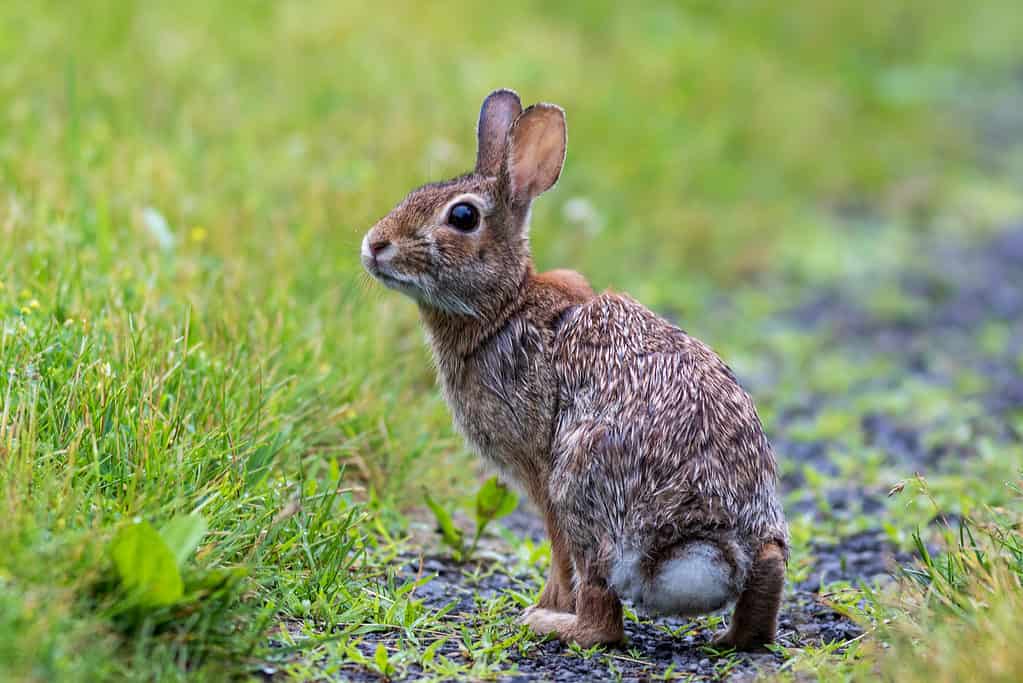
Cottontails are a common sight throughout the park.
©Rabbitti/Shutterstock.com
Cottontail rabbits live in the park’s brushy thickets and woodlands, which are found nearly everywhere. They spend much of their time here, napping, grooming, and hiding from predators like bobcats, hawks, and foxes. Cottontails eat a diet of clover, weeds, and grasses. They are prolific breeders, giving birth to as many as six litters each year. Babies leave the nest within a few weeks of birth. Cottontails are primarily nocturnal but are often spotted at dawn and dusk at the edge of open fields.
White-Tailed Deer
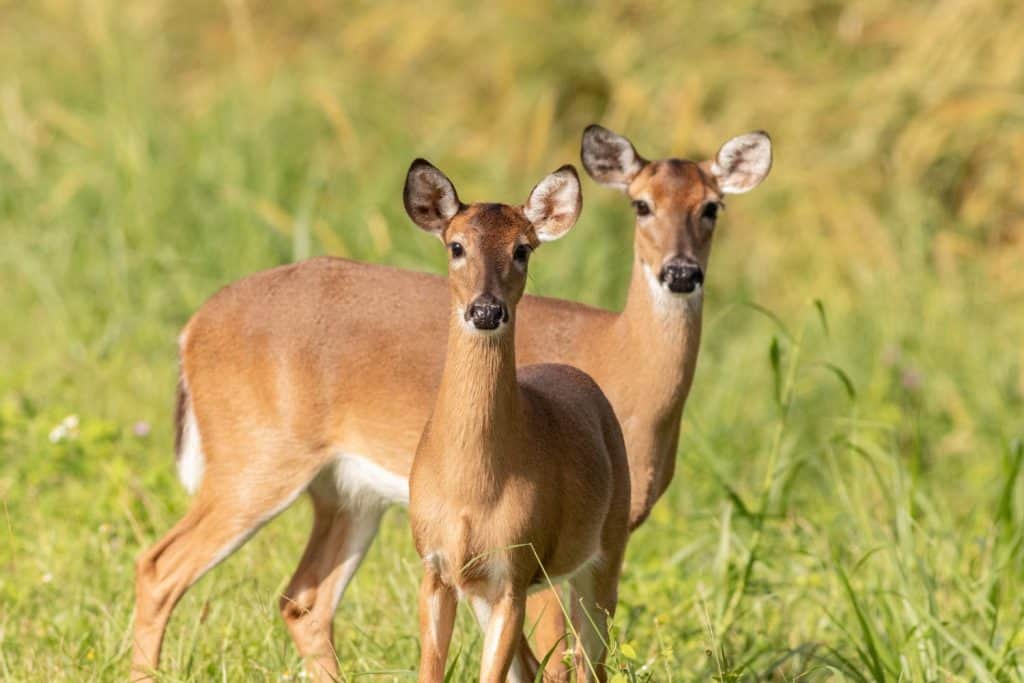
White-tailed deer use the white underside of their namesake tails to warn other deer of imminent danger.
©Omar F Martinez/Shutterstock.com
Ranging in color from tawny brown to gray, white-tailed deer are most active at dawn and dusk. You’ll find them seeking out their preferred diet of twigs, leaves, and fresh plant shoots. Males grow antlers each spring, then shed them in late winter after the breeding season. The males use their antlers to fight other males and acquire a harem of females for breeding. Deer can leap over eight feet high, run up to 30 miles per hour, and swim up to 13 miles per hour.
Southern Flying Squirrel
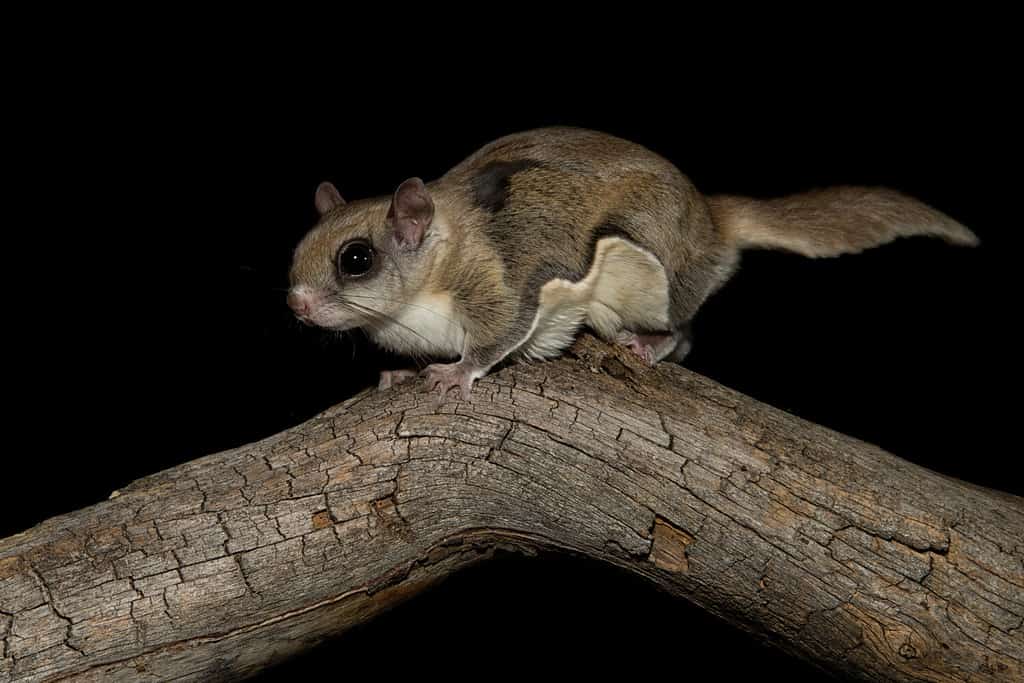
Southern flying squirrels don’t actually fly. Instead, they glide from spot to spot using specialized skin flaps.
©Agnieszka Bacal/Shutterstock.com
You’re most likely to spot a southern flying squirrel after sunset, when they become active in the treetops. Smaller than the other squirrel species you’ll see in the park, like the gray squirrel, flying squirrels use a membrane of skin connected to their front and back legs to glide from branch to branch. They steer themselves using their tail like a rudder. They make their home in existing cavities in tree trunks but are also happy to use manmade nest boxes placed in the trees.
Groundhog
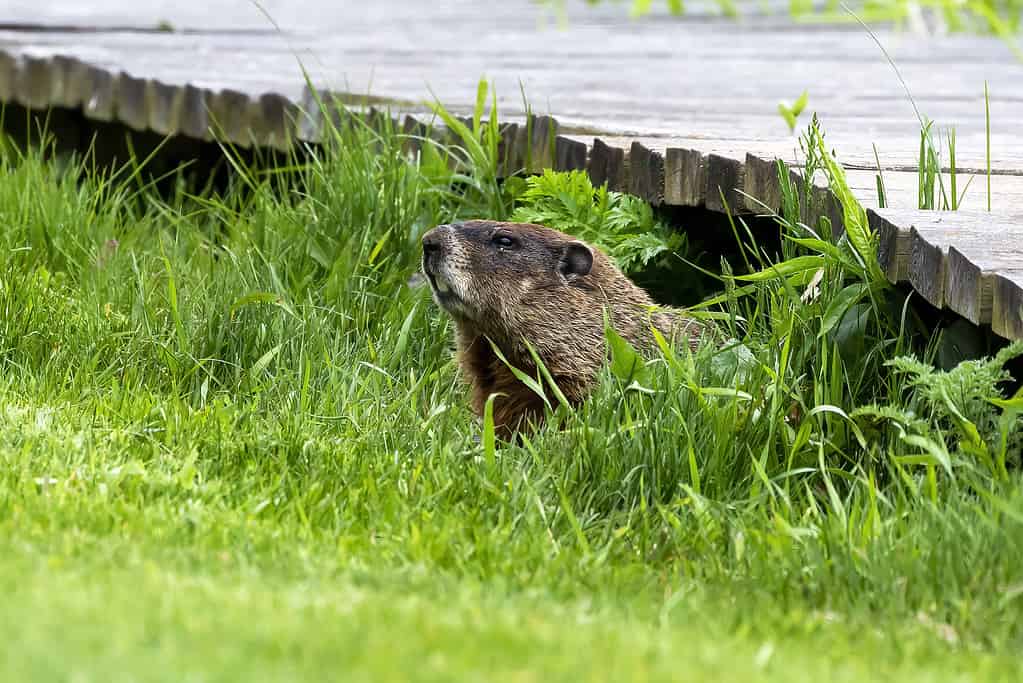
The groundhog, also known as a woodchuck, is a large rodent found throughout the park.
©Karel Bock/iStock via Getty Images
Groundhogs, with their short, powerful legs and long, curved claws, are built for digging. Which is a good thing, since they have to excavate the network of interconnected underground tunnels they call home. Groundhogs also have four continuously growing incisor teeth that they keep in check by gnawing on wood, although as herbivores, they mostly eat grass, plants, fruit, and flowers. When scared, groundhogs emit a sharp, high-pitched whistling noise, earning them the nickname “whistle pig.”
Eastern Gray Squirrel
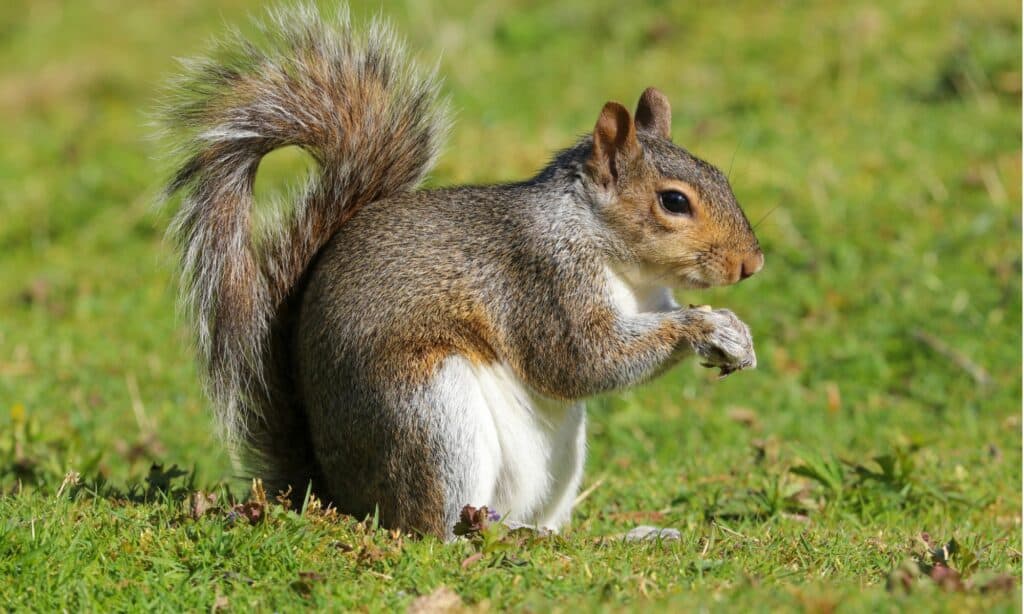
Eastern gray squirrels have distinctive bushy tails that provide balance, warmth and a way to communicate.
©iStock.com/Helen Davies
You’ll see gray squirrels throughout the park at any time of day. About 15 to 20 inches long and weighing up to 25 ounces, squirrels use their bushy tails to communicate with other squirrels. Most famous for burying food for leaner times, gray squirrels are known to fake out other squirrels by pretending to bury food to protect actual food stores. Their main diet is acorns, nuts, seeds, and fruit, but they’ll also eat insects, bird eggs, and young birds if available.
Midland Water Snake
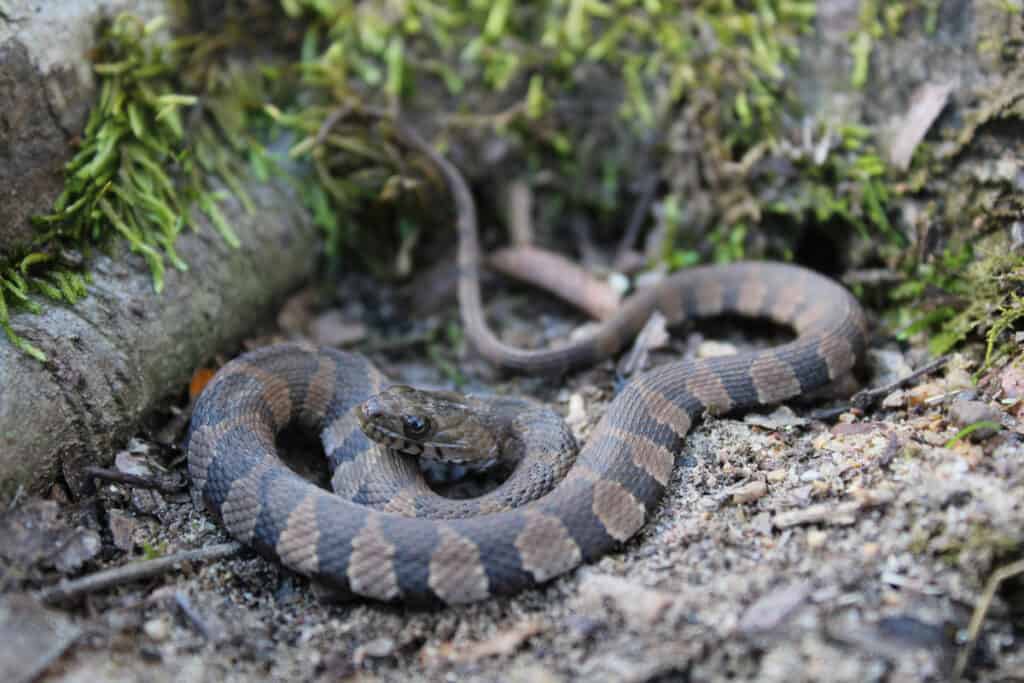
The midland water snake is non-venomous but will bite to defend itself.
©Tucker Heptinstall/Shutterstock.com
The midland water snake is most often seen in bodies of water or in trees and bushes near the water’s edge. Adults grow to about two to three feet long and are thick-bodied with black and brown or light tan markings. They are carnivorous and eat mostly frogs, toads, and fish, and can be spotted at any time of the day or night. When threatened, these non-venomous snakes fake their own death by flipping on their backs and remaining still. You should give these snakes a wide berth if you encounter them.
Western Cottonmouth
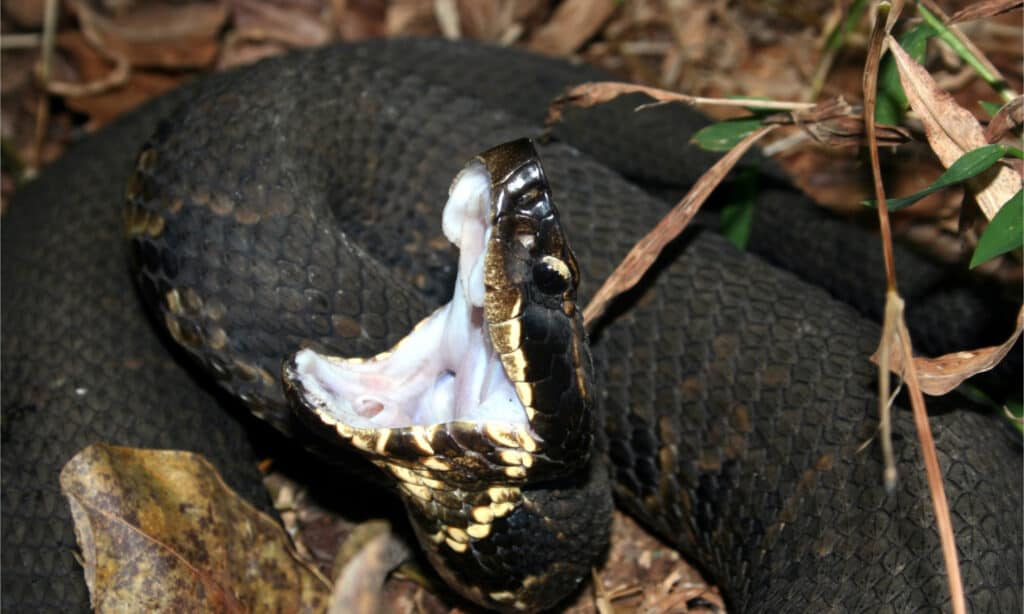
Western Cottonmouths are venomous and can be found mostly in or near water sources in the park.
©Psychotic Nature/Shutterstock.com
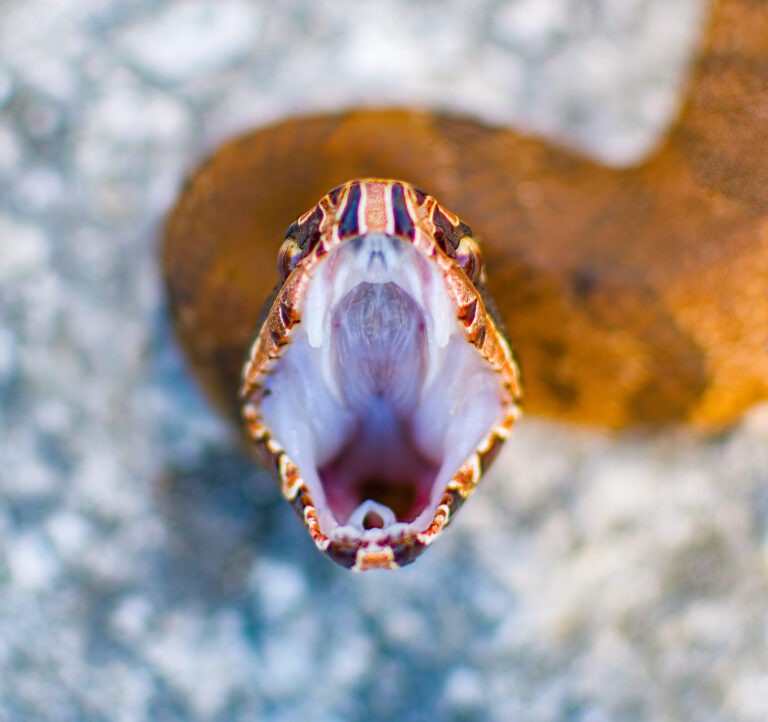
The cottonmouth is the most aquatic venomous snake in the U.S. Its abundant time in the water is what gives this snake its nickname, “water moccasin.” It’s a member of the pit viper family and grows up to 42 inches long. It has a broad, triangular-shaped head and elliptical pupils. It has dark olive to nearly black coloring, and the inside of its mouth is snow-white, giving the snake its name. The cottonmouth feeds on fish, frogs, small mammals, birds, turtles, and other snakes, including other cottonmouths.
Common Snapping Turtle
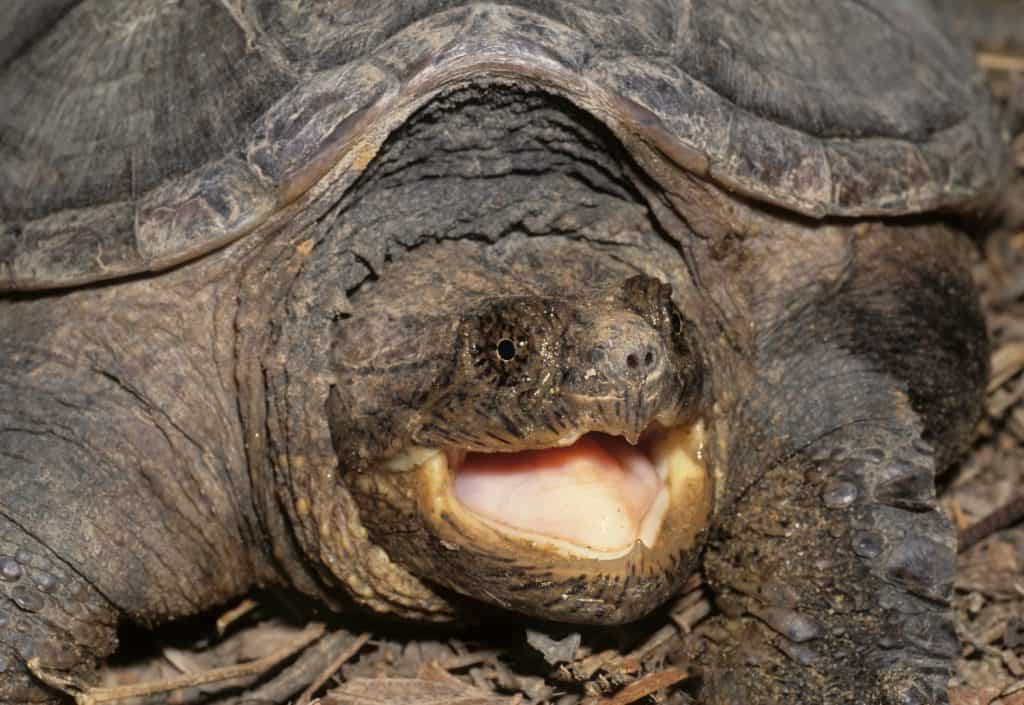
Common snapping turtles can live more than 30 years in the wild.
©Gerry Bishop/Shutterstock.com
The snapping turtle’s powerful jaws and sharp, beak-like mouth make it a formidable foe when threatened. Its bite is capable of breaking bones. Adult common snapping turtles weigh up to 35 pounds on average, but some have been found in the wild that weigh up to 75 pounds. They spend the majority of their life underwater, often burying themselves in the mud to wait for prey like fish and frogs to pass. When the unfortunate victim gets too close, the turtle snaps it up with their powerful jaws.
Red-Tailed Hawk
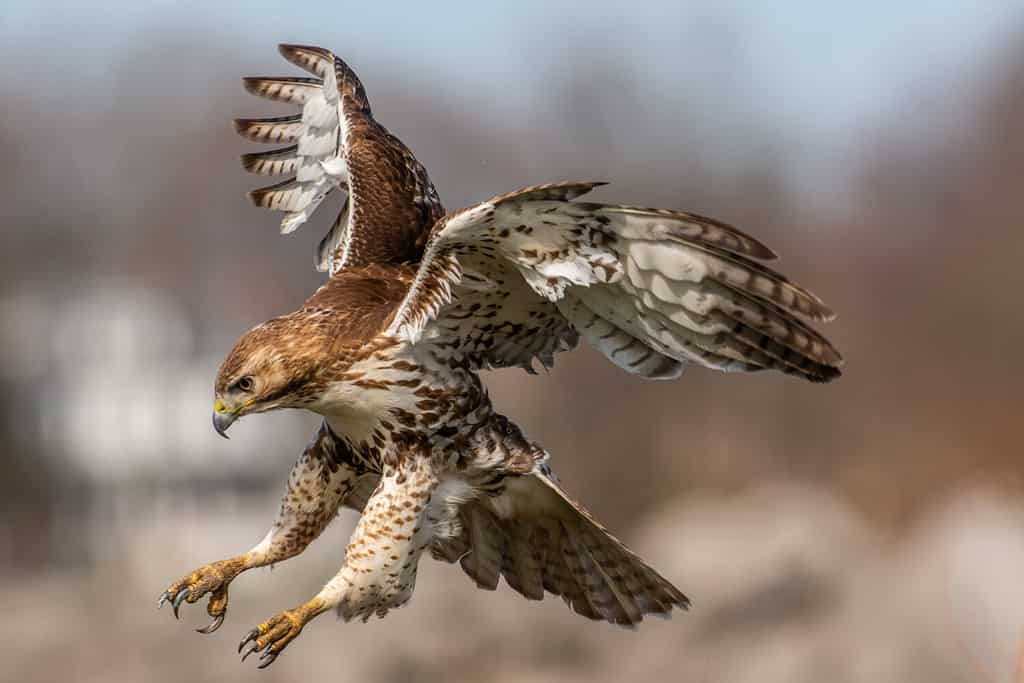
Red-tailed hawks are formidable predators.
©David Brace/Shutterstock.com
Adult red-tailed hawks weigh between 1.5 and 3.5 pounds with wingspans of nearly five feet. Females are about 25 percent heavier than males. Small mammals, like rabbits and voles, make up their primary diet, but they’ll also eat snakes, other birds, and fish. They have excellent eyesight. In fact, their vision is eight times better than that of humans. Hawks target their prey from high perches, then swoop down to grab it with razor-sharp talons. These birds mate for life but will often find a new mate if their partner dies.
Turkey Vulture

Turkey vulture can smell food up to one mile away.
©Danny Ye/Shutterstock.com
Turkey vultures are abundant in the park. Their primary diet consists of dead animal carcasses, and they use their highly refined sense of smell to find these food sources. They are considered nature’s clean-up crew because acids in their stomach kill bacteria from the rotting carcasses they eat and prevent the spread of disease. The vulture’s bald head helps them stay clean, another way to avoid spreading disease. When threatened, they can projectile vomit and accurately hit their target up to six feet away.
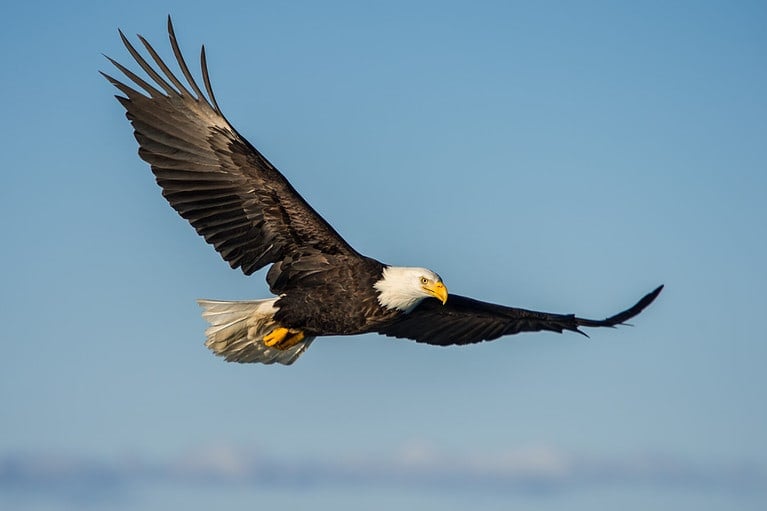
Bald Eagle
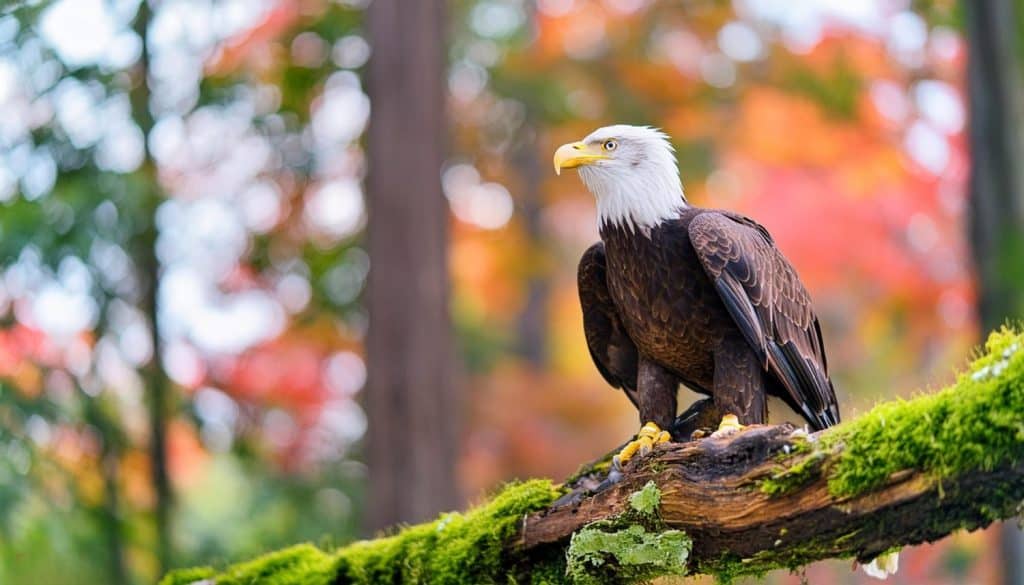
Bald eagles get their name not because they are actually bald, but from the Old English word “bald,” which means “white.”
©Aikhan000042/Shutterstock.com
There are bald eagles in the park, but they are not commonly spotted. These birds live high in the treetops in nests that can weigh more than 1,000 pounds. They mate for life and often return to the same nesting area year after year. Eagles have eyesight four times better than human eyesight; they use it to scope out their primary diet of fish from high perches. Eagles can fly up to 40 miles per hour and exceed 100 miles per hour when diving. Their talons have a grip strength ten times stronger than a human’s.