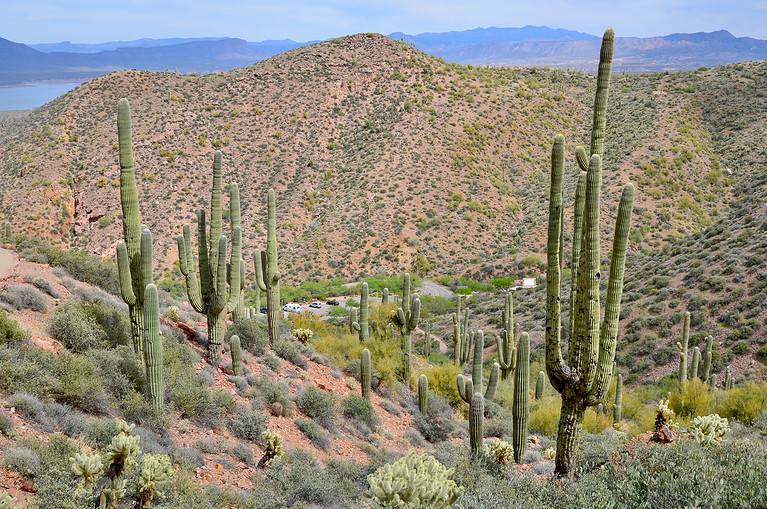
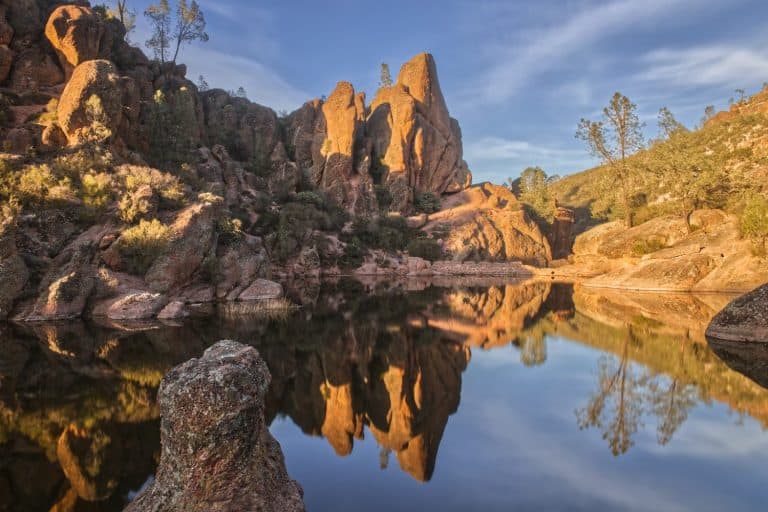
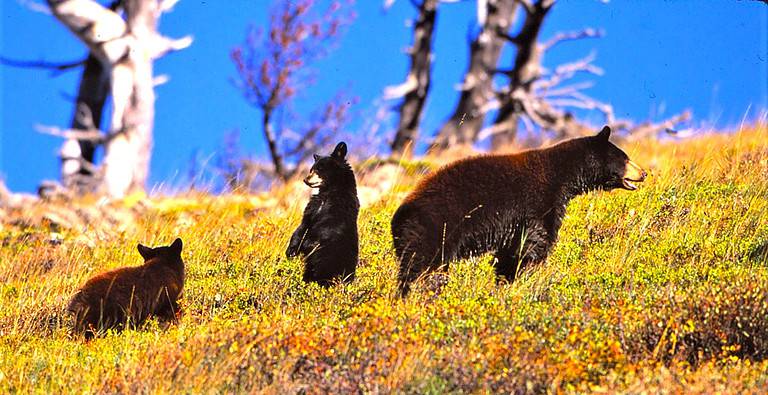
Rugged, otherworldly, and teeming with life, Joshua Tree National Park sprawls across nearly 800,000 acres of southern California’s desert terrain. It’s a land where two iconic ecosystems—the higher Mojave Desert and the lower Colorado Desert—meet, creating striking geologic formations and unique plant communities. Each year, around 3 million visitors are drawn to its labyrinth of dry flats, granite boulders, and palm oases, hoping to experience quiet solitude, a legendary night sky, and the remarkable variety of wildlife that thrives amidst the sun and sand.
Desert Tortoise (Gopherus agassizii)
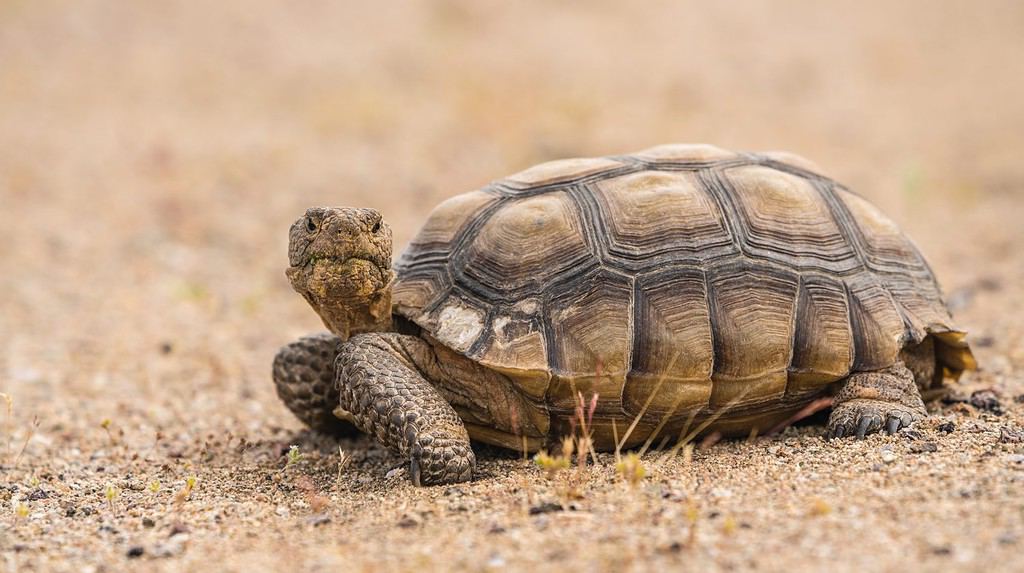
Desert Tortoise (Gopherus agassizii)
©clayton harrison/Shutterstock.com
The desert tortoise is a signature species of the Mojave and one of Joshua Tree’s most revered inhabitants. Living mostly underground to escape the heat, these reptiles emerge to feed on wildflowers and grasses in spring and after summer rains. Protected by state and federal law, the slow-moving tortoise is a rare but unforgettable sight. Walkers in the park’s northern valleys or sandy washes sometimes spot them during mild, clouded days. May and September are the best times to see them as they forage for food or drink from shallow rain pools near creosote and yucca.
Coyote (Canis latrans)
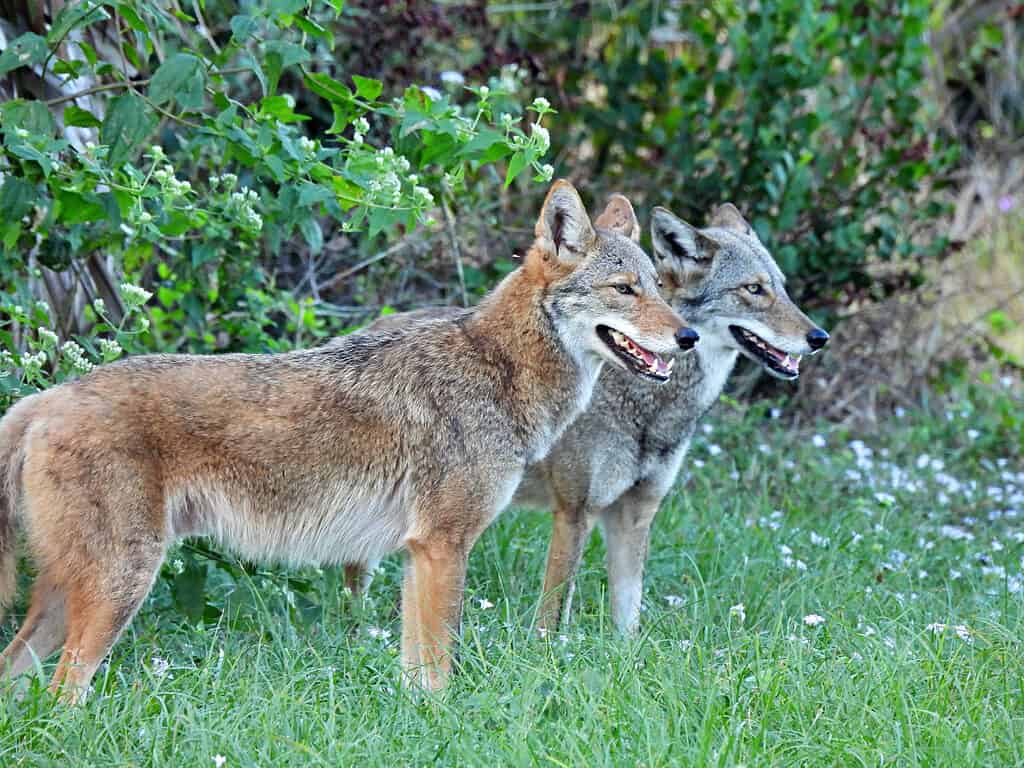
Coyote (Canis latrans)
©iStock.com/passion4nature
No animal embodies the wild spirit of Joshua Tree quite like the coyote. Adaptable, intelligent, and omnipresent, coyotes patrol every corner of the park, whether howling from ridgelines at dusk or gliding across roads in the pink morning light. As opportunistic feeders, they hunt jackrabbits, birds, and reptiles, and also scavenge for fruit and fallen seeds. While most active at sunrise and sunset, it’s not uncommon to see a coyote slink near campgrounds or trailheads, always alert and wary, but rarely aggressive toward people.
Greater Roadrunner (Geococcyx californianus)
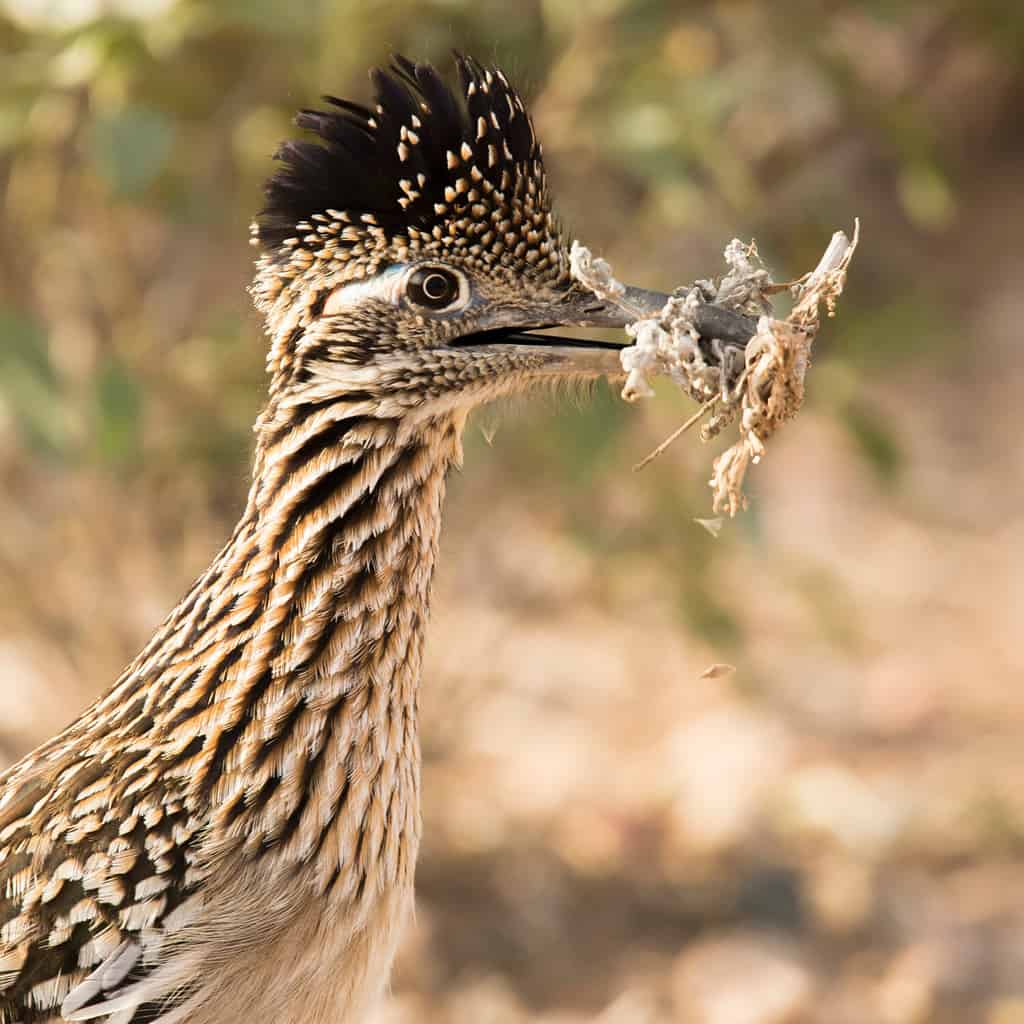
Greater Roadrunner (Geococcyx californianus)
©AZ Outdoor Photography/Shutterstock.com
Fast, quirky, and impossible to mistake, the greater roadrunner darts across open areas in search of lizards, insects, and the occasional small snake. Their shaggy crests, expressive tails, and comical sprinting gait make them a favorite among visitors. You’ll most often find roadrunners in the Colorado Desert’s washes and flats, especially near dawn, as they warm themselves on rocks and begin chasing prey through the underbrush. Patient photographers can sometimes approach them at midday as they take refuge in the shade.
Desert Bighorn Sheep (Ovis canadensis nelsoni)
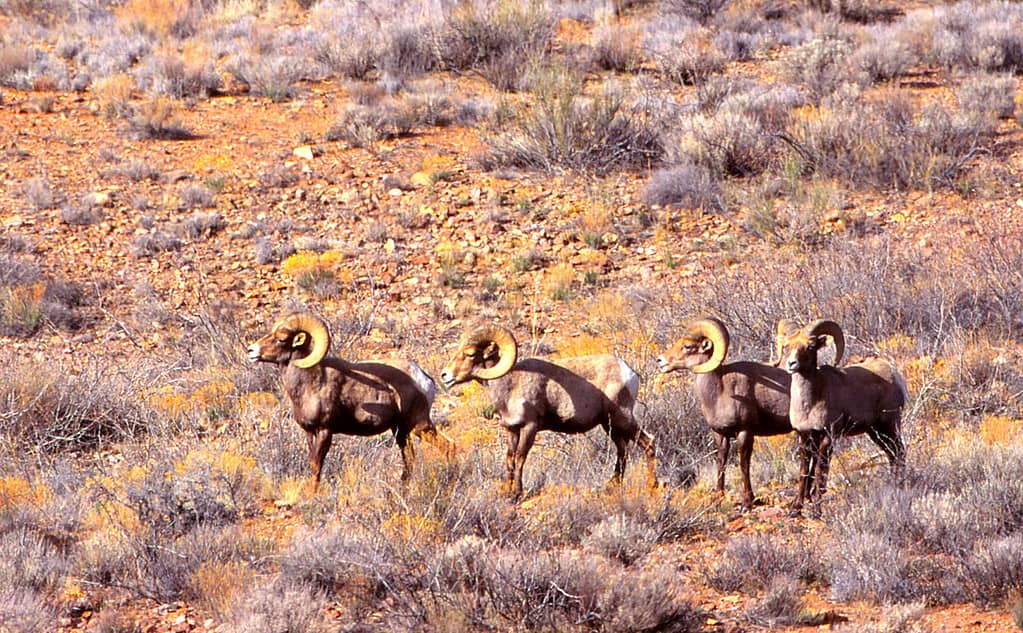
Desert Bighorn Sheep (Ovis canadensis nelsoni)
©Richard Jackson/iStock via Getty Images
Masters of the park’s steepest canyons and cliffs, desert bighorn sheep blend in with rocky outcrops and elusive shadows. Their sure-footed agility and curling horns are a deep symbol of the wild American West. These shy, herd-dwelling mammals drink at hidden springs and are most likely to be spotted early and late in the day near oases or highland slopes. Summer is the driest season, so your best chance for an encounter is near natural water sources, particularly in remote interior canyons.
Western Diamondback Rattlesnake (Crotalus atrox)
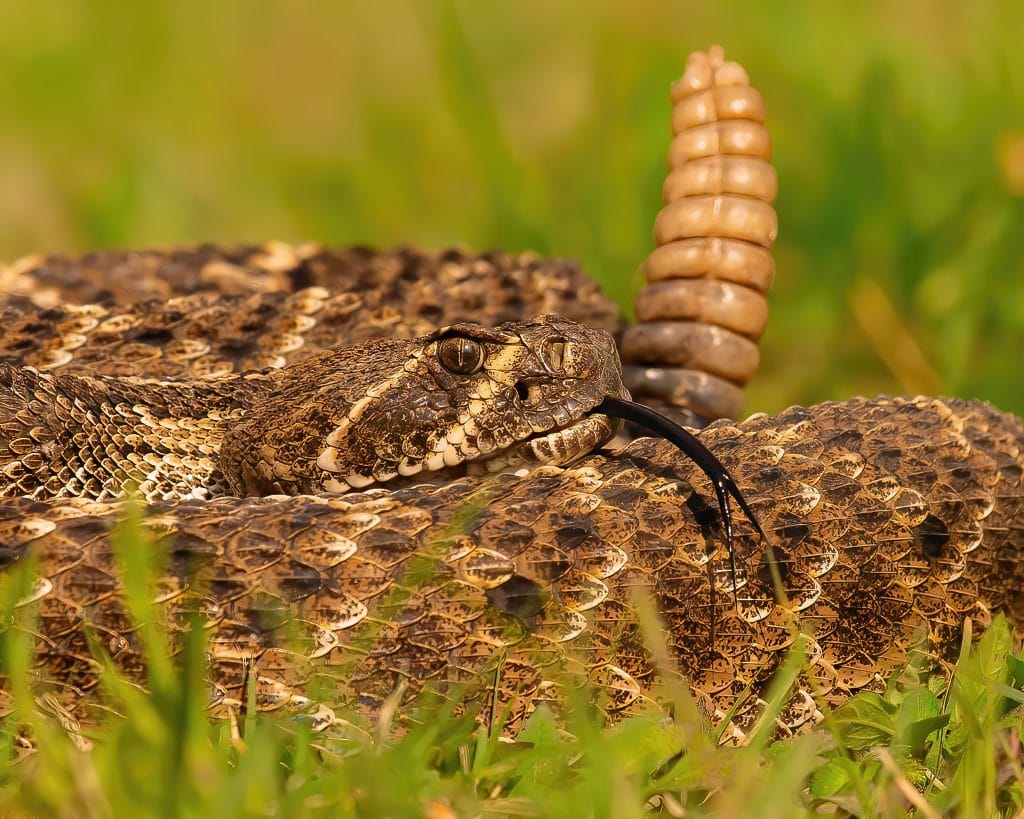
Western Diamondback Rattlesnake (Crotalus atrox)
©Thomas Torget/Shutterstock.com
A true icon of the Southwest, the western diamondback rattlesnake is well adapted to Joshua Tree’s rocky, open desert. With a bold diamond marking and signature rattle, these snakes are mostly nocturnal, hunting rodents and lizards under the cover of darkness and sometimes basking in filtered sun at the edge of boulder piles. Stay attentive and watchful along trails in late spring through early autumn, especially from April to October when temperatures are warmest. They are venomous, but with prompt medical attention, few people die from their bites.
Gambel’s Quail (Callipepla gambelii)
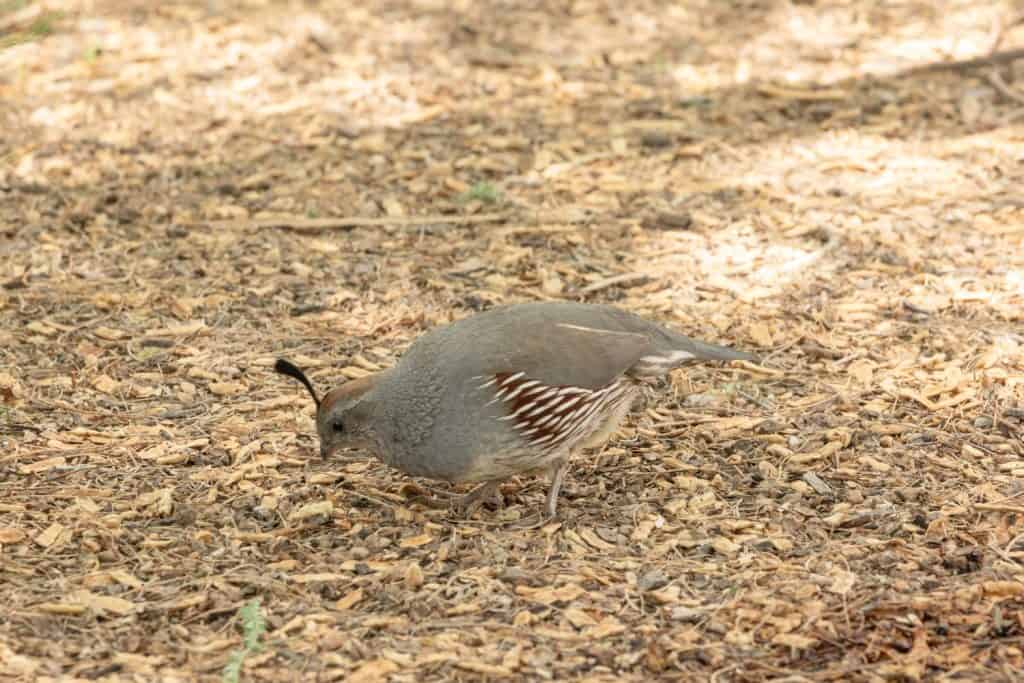
Gambel’s Quail (Callipepla gambelii)
©Bloodberry/Shutterstock.com
With their forward-curling topknots, social nature, and mellow “ka-KAA-ka” calls, Gambel’s quail enliven the undergrowth and Joshua tree groves. These ground-dwelling birds gather in coveys, foraging for seeds and insects, and frequently cross open ground in single file. Early morning is the best time for quail-watching, especially around oases and shrub thickets where they gather to drink and feed with their chicks in tow during spring and early summer.
Black-tailed Jackrabbit (Lepus californicus)
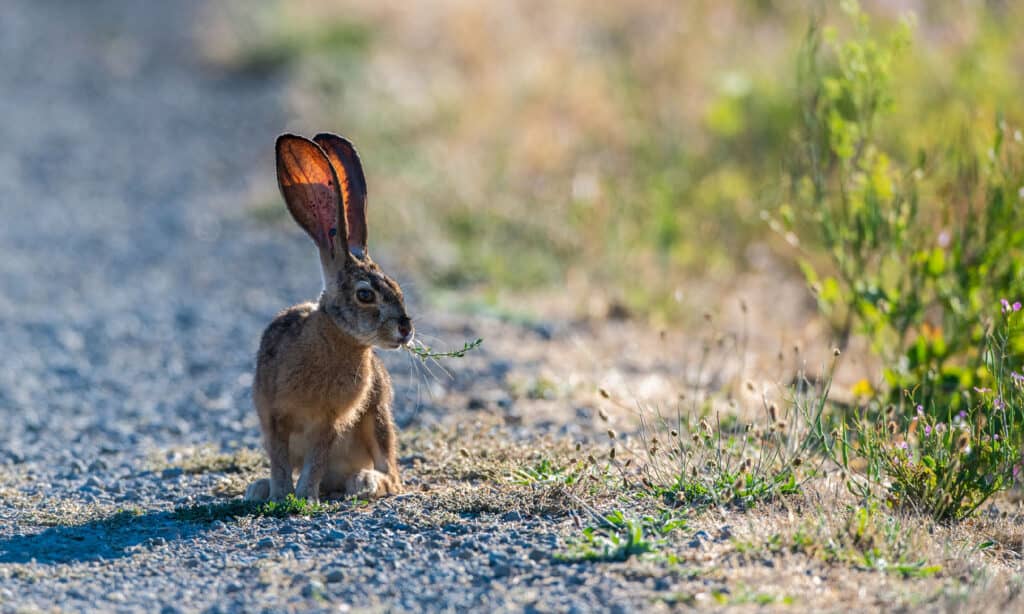
Black-tailed Jackrabbit (Lepus californicus)
©iStock.com/zhuclear
Built for speed, the black-tailed jackrabbit is a fixture of open desert flats and Joshua tree woodlands. Recognizable by immense, leaf-like ears and long legs, these hares rest in shallow scrapes during the heat of the day and emerge at dusk to feed. If startled, they explode in a zigzagging sprint. Look for jackrabbits at the park’s margins or along backcountry roads at dawn and twilight, when their silhouettes glow against the desert sun.
Tarantula (Aphonopelma iodius)
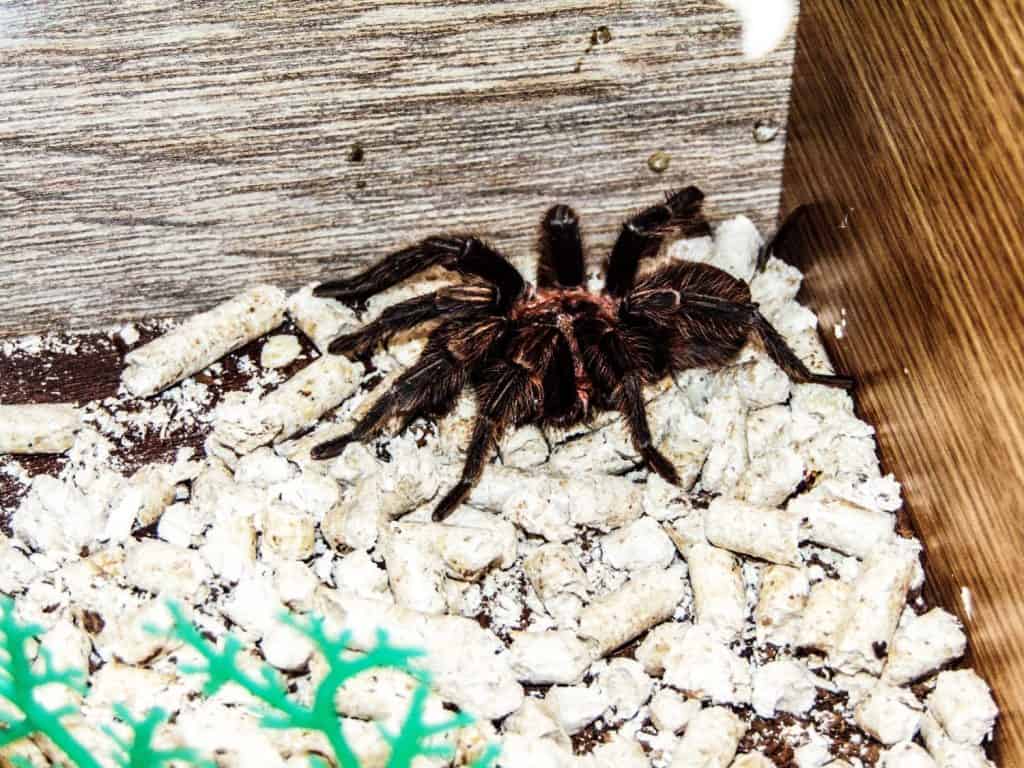
Tarantula (Aphonopelma iodius)
©Herman Vlad/Shutterstock.com
Despite their fearsome appearance, tarantulas are surprisingly gentle creatures that hunt insects and smaller arthropods. The park’s resident desert tarantula is most active during the autumn breeding season, when males roam in search of females. Their slow, determined crawl is often seen at dusk along sandy trails and secondary roads after rain. By day, they remain snug in silk-lined burrows, emerging only when temperatures cool.
Red-tailed Hawk (Buteo jamaicensis)
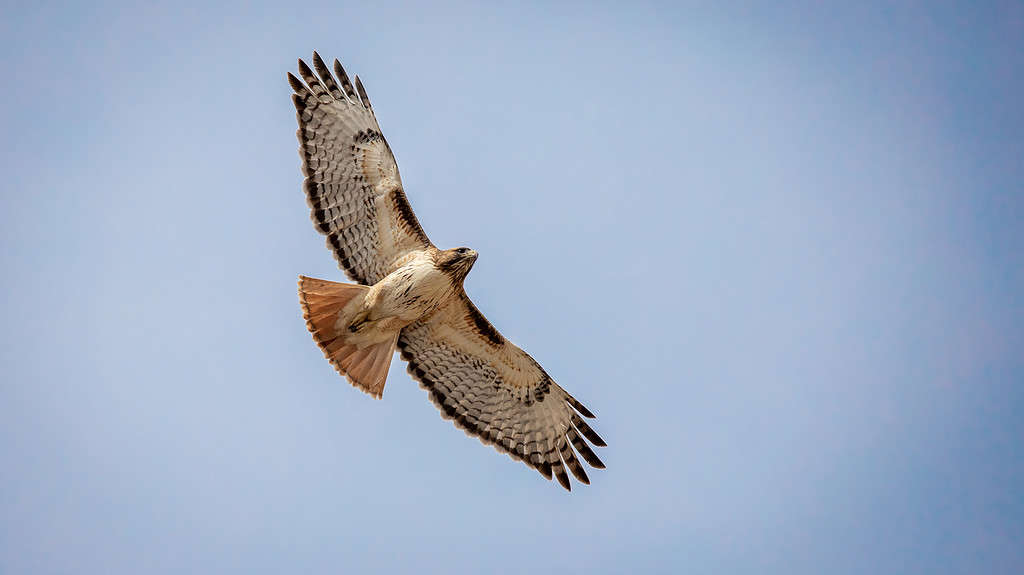
Red-tailed Hawk (Buteo jamaicensis)
©Joseph Webber/iStock via Getty Images
Easily identified by their brick-red tails and broad wings, red-tailed hawks are true aerial acrobats, soaring high above the landscape in search of rodents, snakes, and small birds. These raptors can be seen year-round in all parts of the park, nesting on cliffs and tall trees. They are most active from late morning through early afternoon, utilizing rising thermals to glide and scan for prey. Listen for their piercing shrieks echoing across canyons.
California Ground Squirrel (Otospermophilus beecheyi)
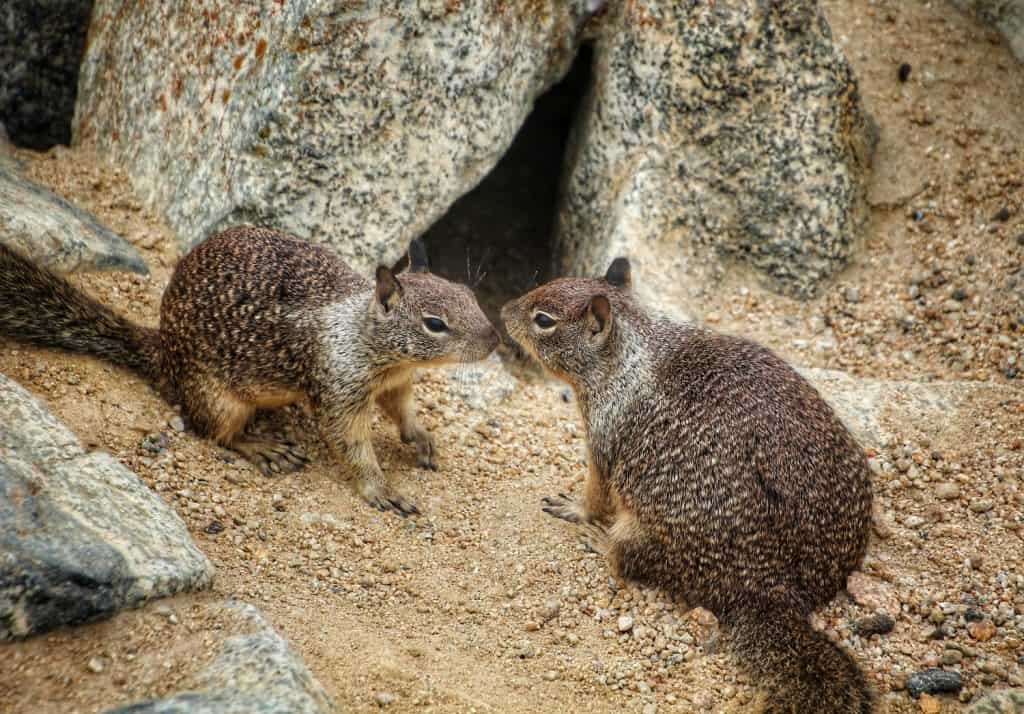
California Ground Squirrel (Otospermophilus beecheyi)
©C W NGO/Shutterstock.com
The California ground squirrel thrives wherever there’s open ground and a place to dig. Social and curious, they burrow beneath rocks and shrubs, emerging to feed on seeds, grasses, and occasionally insects. Watch for them standing erect as sentinels along nature trails, picnic sites, and rock piles, ever-vigilant for snakes or hawks. Early to mid-morning is best for encounters, especially in the gentler hills near developed areas.
Loggerhead Shrike (Lanius ludovicianus)
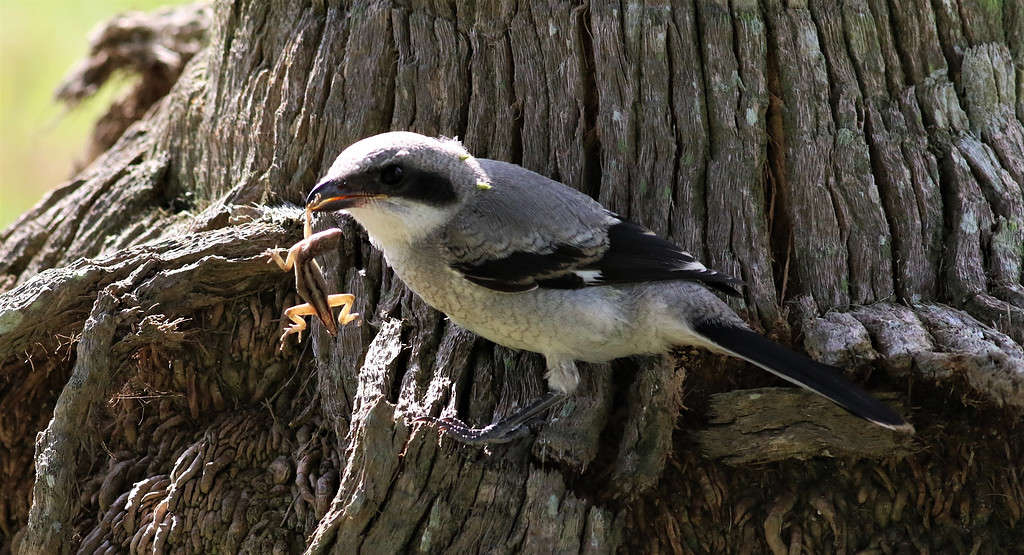
Loggerhead Shrike (Lanius ludovicianus)
©Philip Rathner/Shutterstock.com
The “butcherbird” of Joshua Tree, the loggerhead shrike, is a small songbird with a not-so-innocent side—it impales prey on cactus spines or barbed wire to eat later. Look for its soft gray plumage and striking black mask as it perches on yucca stems or lone branches, especially in open, scrubby areas near the park’s central and southern sections. They are year-round residents, but most visible in spring and fall.
Chuckwalla (Sauromalus ater)
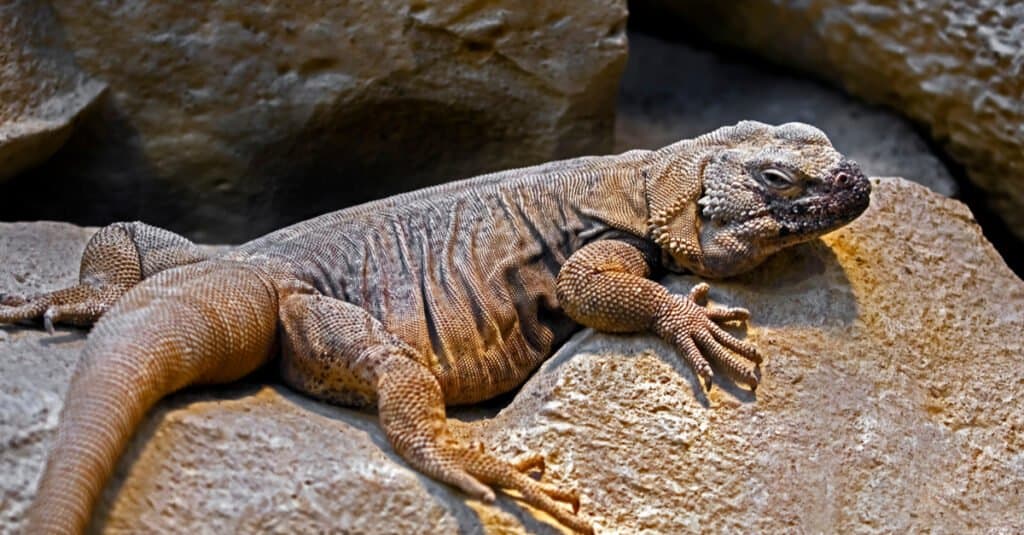
Chuckwalla (Sauromalus ater)
©Mikhail Blajenov/Shutterstock.com
This beefy, thick-tailed lizard is a true boulder-dweller, basking on sun-warmed granite by day. Chuckwallas eat leaves, flowers, and fruit, storing water and fat in their robust bodies for drought. If threatened, they wedge themselves into crevices and inflate their bodies, making it nearly impossible for predators to extract them. You’ll find them most often in rocky hills and outcrops between March and October, especially during midday heat.
Phainopepla (Phainopepla nitens)
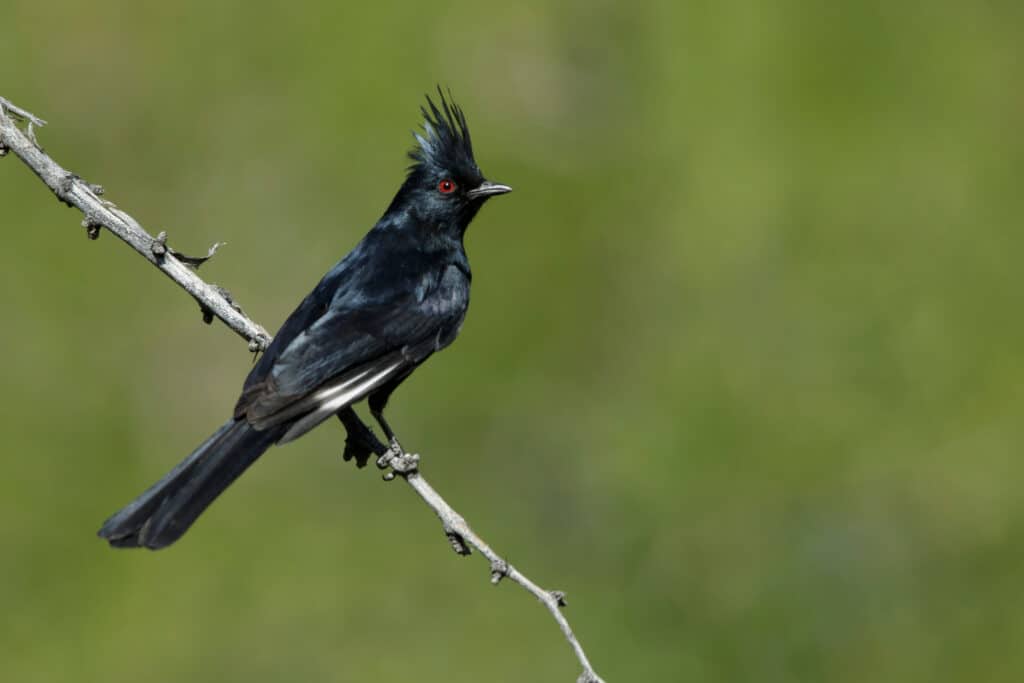
Phainopepla (Phainopepla nitens)
©Agami Photo Agency/Shutterstock.com
A sleek black songbird with a prominent crest and striking red eyes, the Phainopepla is a specialist of desert mistletoe berries. They frequent washes and oases, perching elegantly atop mesquites or acacias. Their soft, musical calls are best heard in spring and early summer, and their presence in winter signals the persistence of desert berries.. Patient birdwatchers with binoculars can often spot them flitting and feasting in the foliage.
Mojave Green Rattlesnake (Crotalus scutulatus)
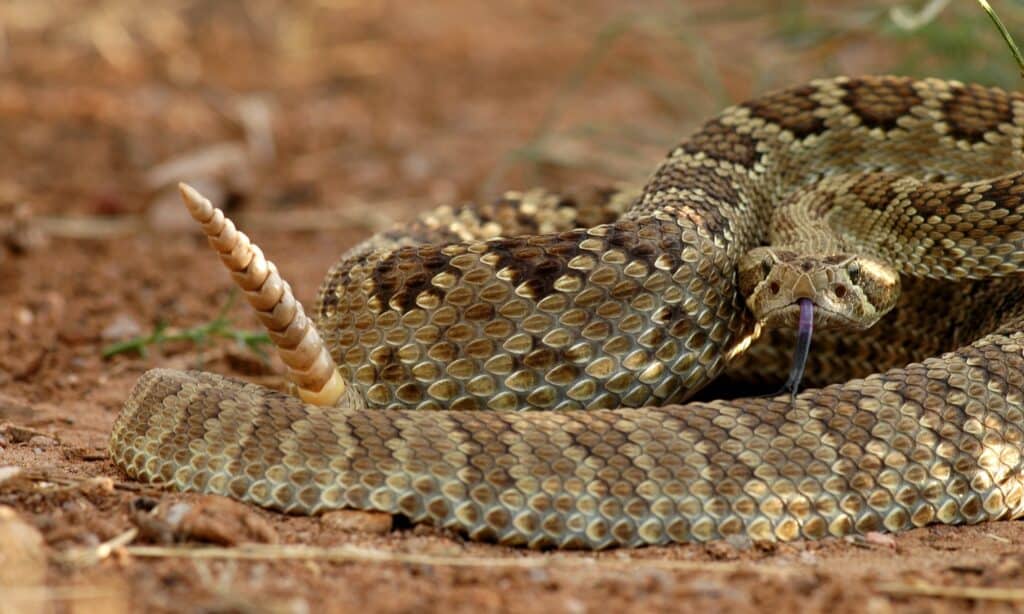
Mojave Green Rattlesnake (Crotalus scutulatus)
©iStock.com/Shoemcfly
Feared and respected, the Mojave green is one of the most venomous rattlesnakes in North America. Rarely seen except by those venturing into remote, sandy washes, it is identifiable by its greenish tint and vivid tail bands. Active from late spring to mid-autumn, these snakes become most visible after storms or during warm nights. They play a vital role in controlling rodent populations and maintaining ecosystem health.
Desert Night Lizard (Xantusia vigilis)
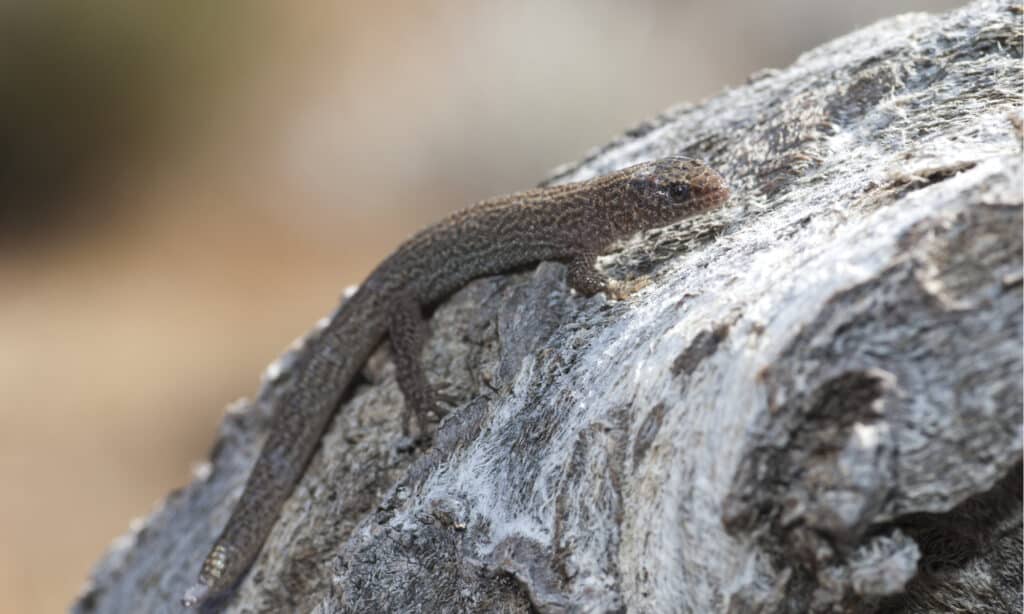
Desert Night Lizard (Xantusia vigilis)
©Jason Mintzer/Shutterstock.com
Small, secretive, and rarely seen by casual visitors, the desert night lizard makes its home beneath decaying Joshua tree logs, rocks, and fallen debris. Unlike most lizards, they are live-bearers, producing a few young each summer. Night lizards are most active from dusk through the night, especially after rain, but can occasionally be discovered when carefully lifting stone slabs or fallen wood.
Where Two Deserts Meet: A Wildlife Tapestry
Joshua Tree National Park offers a living laboratory of desert transformation, where every animal—no matter how small, shy, or surprising—tells a story of endurance, adaptation, and the bonds linking land, plants, creatures, and ultimately, humanity.